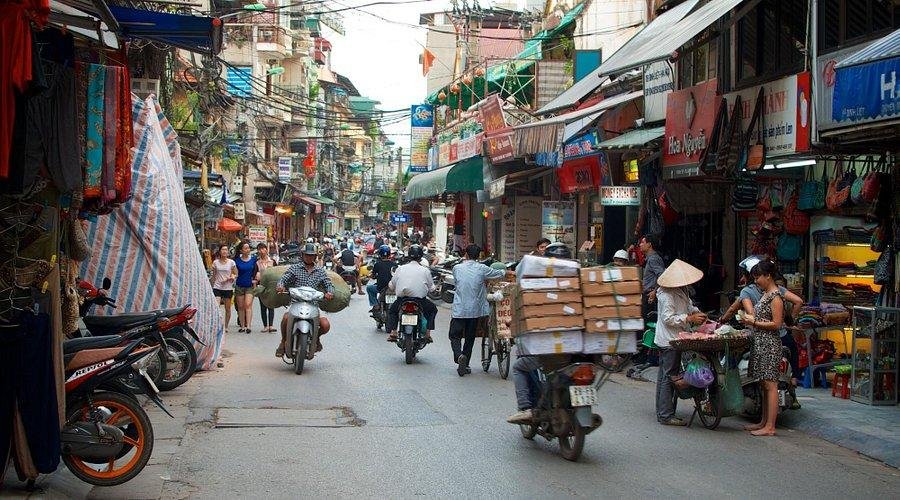

Hanoi, Vietnam’s captivating capital, is a city of fascinating contrasts where history and modernity blend seamlessly. Two of its most iconic districts – the French Quarter and the Old Quarter – offer distinctly different experiences for travelers. While only separated by a short walk, these neighborhoods tell different stories of Hanoi’s rich cultural heritage through their architecture, atmosphere, and attractions.

In this comprehensive guide, we’ll explore the unique charms of both quarters, helping you understand their distinct characteristics and decide which area might better suit your interests when visiting Vietnam’s capital.
Contents
- 1 Historical Context: Two Chapters in Hanoi’s Story
- 2 Architecture: From Ancient Tube Houses to Grand Colonial Buildings
- 3 Atmosphere and Vibe: Chaotic Energy vs. Refined Elegance
- 4 Traveler Appeal: Who Should Visit Each Quarter?
- 5 Must-See Attractions in Each Quarter
- 6 Dining and Shopping: Traditional Markets vs. Elegant Boutiques
- 7 Accommodation Options: From Backpacker Hostels to Luxury Hotels
- 8 Practical Considerations for Visitors
- 9 The Ideal Approach: Experiencing Both Quarters
- 10 FAQs About Hanoi’s French and Old Quarters
- 11 Plan Your Perfect Hanoi Experience
Historical Context: Two Chapters in Hanoi’s Story
Before diving into the comparison, it’s important to understand how these two distinct areas emerged.
The Ancient Old Quarter
Dating back over a millennium, the Old Quarter (or “36 Streets”) originated in the 11th century during the Lý Dynasty when King Lý Thái Tổ moved the capital to Hanoi. This district evolved as a collection of specialized guild streets, each dedicated to particular trades and crafts.
“The Old Quarter is essentially Hanoi’s soul – chaotic, authentic, and unchanged for centuries. Walking its narrow streets feels like stepping into a living museum of Vietnamese urban culture.” – Vietnamese historian Đoàn Minh Tuấn
Street names still reflect these traditional crafts, such as Hàng Bạc (Silver Street) and Hàng Gai (Silk Street), where merchants and artisans have plied their trades for generations.
The Colonial French Quarter
The French Quarter emerged much later, during France’s colonial rule of Vietnam (1887-1954). The French demolished parts of the imperial city to build a European-style district with wide boulevards, grand administrative buildings, and elegant villas. This area was designed to showcase French power and provide a familiar environment for colonial officials.

Today, this colonial legacy is visible in the district’s architecture, urban planning, and even in the food culture that blends Vietnamese and French influences.
Architecture: From Ancient Tube Houses to Grand Colonial Buildings
Old Quarter’s Distinctive Buildings
The Old Quarter is characterized by:
- Tube houses: Narrow multi-story buildings (sometimes just 2-3 meters wide but 60-100 meters deep) designed to minimize street frontage where taxes were once calculated by width
- Ancient temples and communal houses interspersed between shops and homes
- Chaotic but charming electrical wires crisscrossing overhead
- Traditional wooden architecture with Chinese and Vietnamese design elements
- Buildings showing the patina of age with weathered facades and faded paint
The architectural style here is decidedly Vietnamese, with influences from centuries of trade and cultural exchange with neighboring countries, particularly China.
French Quarter’s Elegant Design
In contrast, the French Quarter features:
- Neoclassical and Art Deco buildings with distinctly European facades
- Wide, tree-lined boulevards designed for carriages and early automobiles
- Grand administrative buildings like the Government Guest House and the Presidential Palace
- The iconic Hanoi Opera House, modeled after the Palais Garnier in Paris
- Colonial villas with gardens and European-style details
- A more orderly urban planning approach with formal gardens and squares
The French Quarter exhibits what’s known as “Indochine” architectural style – a fusion of French colonial design adapted to Vietnam’s tropical climate with features like high ceilings, louvered windows, and covered verandas.

Atmosphere and Vibe: Chaotic Energy vs. Refined Elegance
The feel of each district differs dramatically, offering contrasting experiences for visitors.
The Vibrant Old Quarter
The Old Quarter atmosphere can be described as:
- Bustling and energetic with a sensory overload of sights, sounds, and smells
- Narrow streets teeming with motorbikes, street vendors, and pedestrians
- A commercial hub where daily life unfolds on the streets
- Authentic and unfiltered with an intimate glimpse into local Vietnamese life
- Vibrant night markets and street food scenes that come alive after dark
- A slightly chaotic but intoxicating energy that’s distinctly Vietnamese
Here, you’ll find yourself immersed in a whirlwind of activity from morning until night, with locals going about their business alongside curious tourists.
The Stately French Quarter
By contrast, the French Quarter offers:
- A calmer, more orderly ambiance with significantly less crowding
- Tree-lined streets that are easier to navigate on foot
- A focus on government buildings, upscale hotels, and high-end shopping
- More breathing room with parks, lakes, and wider sidewalks
- A sophisticated atmosphere with luxury boutiques and fine dining
- An almost European feeling with colonial-era charm
The French Quarter provides a more relaxed experience, perfect for leisurely strolls and appreciating architectural details without the constant hustle of the Old Quarter.
Traveler Appeal: Who Should Visit Each Quarter?
Both districts offer distinctive experiences that appeal to different types of travelers.
The Old Quarter Experience
The Old Quarter might be perfect for you if:
- You seek an authentic, unfiltered Vietnamese urban experience
- You enjoy the energy of busy marketplaces and street food culture
- You’re interested in traditional crafts and local commerce
- You want to be in the heart of the backpacker scene with plentiful budget accommodations
- You’re looking for vibrant nightlife along Ta Hien “Beer Street”
- You want to photograph daily Vietnamese life in action

The French Quarter Appeal
The French Quarter might better suit you if:
- You appreciate colonial architecture and European-influenced design
- You prefer a more relaxed pace with less crowding
- You enjoy upscale shopping, fine dining, and luxury experiences
- You’re interested in cultural institutions like the Opera House and museums
- You’d like more spacious accommodations in boutique or five-star hotels
- You want elegant cafés and restaurants in historic settings
“I recommend visitors experience both quarters – spend mornings in the peaceful French Quarter exploring museums and architectural landmarks, then dive into the vibrant chaos of the Old Quarter for evening street food and night markets.” – Mai Huong, veteran Hanoi tour guide
Must-See Attractions in Each Quarter
Old Quarter Highlights
Don’t miss these essential experiences in the Old Quarter:
- Hoan Kiem Lake and Ngoc Son Temple – The iconic heart of Hanoi
- Bach Ma Temple – One of the oldest temples in the city
- Dong Xuan Market – A massive indoor market for local goods
- The Weekend Night Market – Operating Friday through Sunday evenings
- Ancient House at 87 Ma May Street – Preserved traditional architecture
- Ta Hien Beer Street – Center of Hanoi’s vibrant nightlife
For a deeper Old Quarter experience, consider joining a guided walking tour that will reveal hidden stories behind these ancient streets.
French Quarter Standouts
The French Quarter’s top attractions include:
- Hanoi Opera House – Magnificent colonial masterpiece
- St. Joseph’s Cathedral – Neo-Gothic church at the quarter’s edge
- National Museum of Vietnamese History – Housed in a former French school
- Hoa Lo Prison Museum – Historical site with complex colonial history
- Sofitel Legend Metropole Hotel – Iconic colonial-era luxury hotel
- Trang Tien Plaza – Upscale shopping mall in a historic building
Consider exploring the grand boulevards of the French Quarter and learn about its fascinating colonial architecture on a specialized tour.

Dining and Shopping: Traditional Markets vs. Elegant Boutiques
Old Quarter Food and Shopping
In the Old Quarter, expect:
- Authentic street food vendors serving traditional dishes like bún chả and phở
- Small, local restaurants where you can dine among Hanoians
- Traditional markets selling everything from fabric to souvenirs
- Family-run shops specializing in specific crafts like silk or lacquerware
- Budget-friendly shopping with opportunity for bargaining
- A growing selection of trendy cafés tucked inside ancient buildings
Food enthusiasts shouldn’t miss trying local specialties on a dedicated street food tour through the Old Quarter’s hidden culinary gems.
French Quarter Dining and Retail
The French Quarter offers:
- Upscale restaurants serving both Vietnamese and international cuisine
- Historic cafés with French-Vietnamese fusion pastries and coffee
- Luxury boutiques featuring international and local designer brands
- Art galleries and specialty shops in refined settings
- Higher price points but generally fixed prices (less bargaining)
- Elegant dining establishments in colonial buildings
The French influence on Vietnamese cuisine is particularly evident in the French Quarter’s bakeries and restaurants, where you can sample delicious crossover creations like bánh mì.
Accommodation Options: From Backpacker Hostels to Luxury Hotels
Staying in the Old Quarter
The Old Quarter typically offers:
- Budget-friendly backpacker hostels and guesthouses
- Boutique hotels in converted traditional buildings
- Mid-range options with local character
- Lively location with easy access to nightlife
- Smaller rooms due to the narrow building structures
- More street noise but immersive local atmosphere
French Quarter Lodging
In the French Quarter, expect:
- Historic luxury hotels like the Sofitel Metropole
- International hotel chains in colonial buildings
- Elegant boutique hotels with more spacious rooms
- Higher price points but more amenities
- Quieter surroundings and often better air quality
- More refined ambiance with upscale service
For travelers seeking a balance, consider staying in accommodations near the border between the two quarters for easy access to both worlds.
Practical Considerations for Visitors
Getting Around
- The districts are adjacent, with Hoan Kiem Lake serving as a rough dividing line
- Walking between the two quarters takes about 10-15 minutes
- Navigating the Old Quarter’s narrow streets can be challenging due to motorbike traffic
- The French Quarter’s wider boulevards are more pedestrian-friendly
- Grab bikes (similar to Uber) are readily available in both areas
- Traditional cyclos offer a nostalgic way to travel between districts
Time of Day Considerations
For the best experience, consider:
- Visiting the French Quarter in the morning when government buildings are open
- Exploring the Old Quarter in late afternoon and evening when it’s most vibrant
- Enjoying sunset at Hoan Kiem Lake between the two districts
- The Old Quarter is particularly lively on weekend evenings
- The French Quarter can offer a peaceful retreat when the Old Quarter becomes overwhelming
The Ideal Approach: Experiencing Both Quarters
Rather than choosing one quarter over the other, consider experiencing both to truly understand Hanoi’s complex identity. A well-rounded visit might include:
- Staying in one quarter but making daily excursions to the other
- Spending a few days in each area if your schedule allows
- Taking a guided walking tour that covers highlights of both quarters
- Using Hoan Kiem Lake as your central point to explore outward in both directions

FAQs About Hanoi’s French and Old Quarters
Which quarter is better for first-time visitors to Hanoi?
First-time visitors often prefer staying in the Old Quarter for its centrality and authentic Vietnamese atmosphere, though it can be overwhelming. Consider making day trips to the French Quarter for a more balanced experience.
Is the French Quarter more expensive than the Old Quarter?
Generally, yes. The French Quarter features more upscale establishments, luxury hotels, and fine dining restaurants. However, both quarters offer options across various price points.
Which area is safer for tourists?
Both quarters are generally safe for tourists. The French Quarter tends to be quieter with less crowding, which some visitors find more comfortable. The Old Quarter, while busier, maintains good security especially in tourist areas.
Can I walk between the French Quarter and Old Quarter?
Absolutely! The districts are adjacent, and walking between them is a pleasant experience, especially around Hoan Kiem Lake which sits between the two areas.
Which quarter has better street food?
The Old Quarter is renowned for its authentic street food scene with countless small vendors and local eateries. The French Quarter offers more upscale dining but fewer traditional street food options.
Plan Your Perfect Hanoi Experience
Whether you’re drawn to the chaotic authenticity of the Old Quarter or the elegant colonial charm of the French Quarter, Hanoi offers fascinating insights into Vietnam’s layered history and vibrant culture.
At Vietnam Travelers, we specialize in creating personalized experiences that showcase the best of both worlds. Our expert guides can help you discover hidden gems in each quarter while providing historical context that brings these fascinating districts to life.
Ready to explore Hanoi’s captivating quarters?
Book a guided walking tour through both districts or contact us to create a custom itinerary that perfectly balances your Hanoi experience between these two fascinating worlds.
Contact us: +84962819091 | info@vietnamtravelers.com
Whichever quarter captures your imagination, the true magic of Hanoi lies in experiencing how these contrasting worlds exist side by side – a perfect metaphor for Vietnam itself, where tradition and modernity, East and West, continue to create something uniquely captivating.