
Article brief
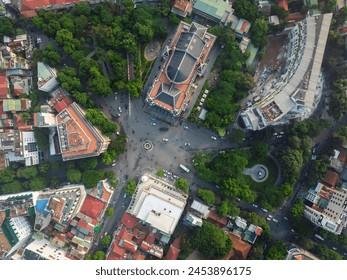
Nestled in the heart of Vietnam's capital, Hanoi Old Quarter stands as a testament to the city's rich historical tapestry.
Route flow, hotel placement and transfer timing are the three decisions that shape the whole trip.
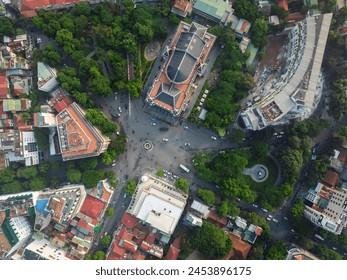
Nestled in the heart of Vietnam’s capital, Hanoi Old Quarter stands as a testament to the city’s rich historical tapestry. With narrow winding streets that have witnessed centuries of change, this district represents a fascinating fusion of architectural styles that tells the story of Vietnam’s complex past and vibrant present. From ancient temples to French colonial buildings and modern adaptations, the Old Quarter offers visitors an immersive journey through time.
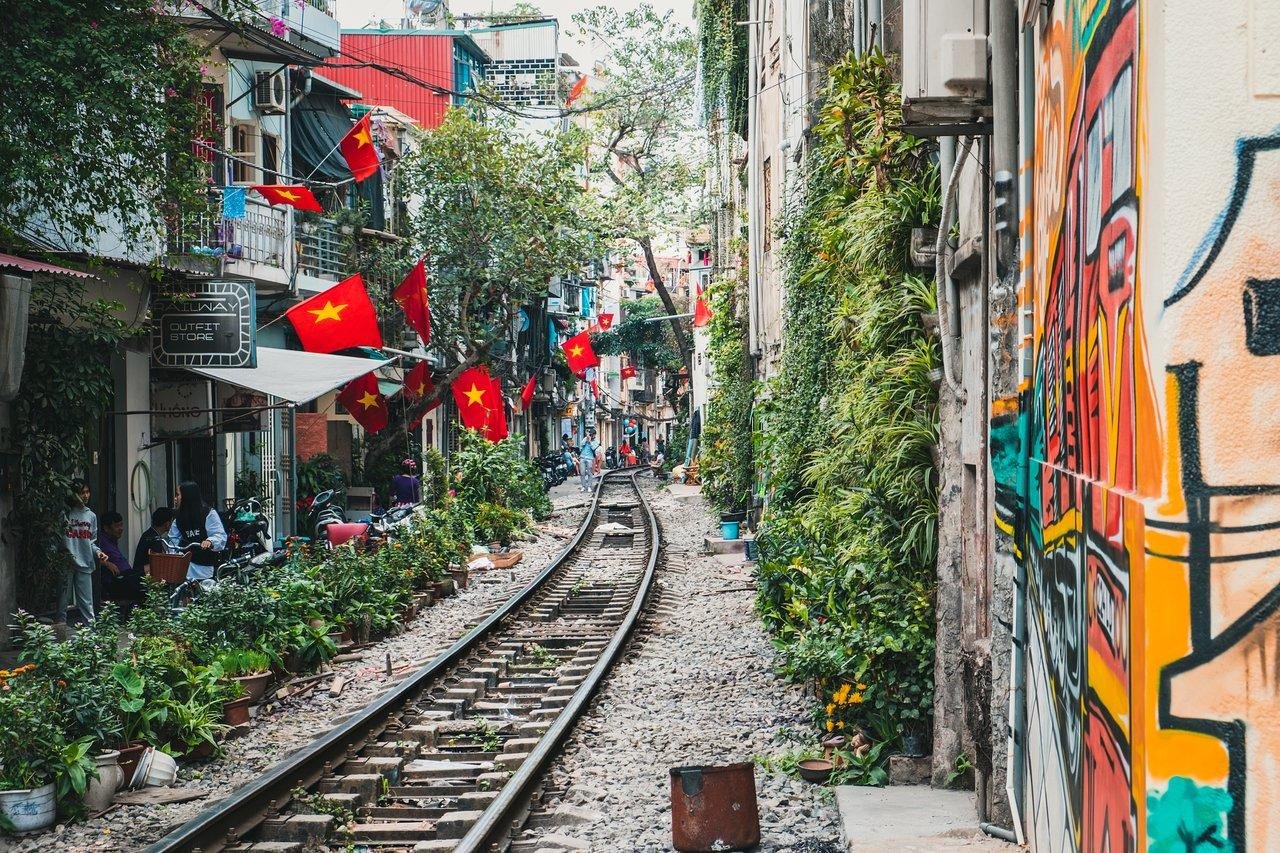
As you navigate through the labyrinthine streets of the Old Quarter, each turn reveals architectural treasures that have survived wars, modernization, and the relentless march of time. This article explores the unique architectural elements, cultural significance, and living traditions that make Hanoi Old Quarter one of Southeast Asia’s most captivating urban spaces.
The Historical Evolution of Hanoi Old Quarter
To understand the architectural landscape of the Old Quarter, we must first appreciate its historical development spanning over a millennium.
Ancient Beginnings: The Thăng Long Era
The foundations of what we now call Hanoi Old Quarter were laid during the Lý Dynasty (1010-1225) when Emperor Lý Thái Tổ moved the capital to Thăng Long (now Hanoi). Originally, the area functioned as a collection of workshops and markets adjacent to the royal citadel.
“Hanoi’s Old Quarter began as a serpentine collection of villages that became specialized in particular trades. Each street was dedicated to a specific craft, and many streets still bear the names of the goods that were traded there centuries ago.”
The guild system was formalized around the 13th century, with craftsmen from the same villages settling together in the capital, creating the famous “36 streets” phenomenon that remains evident today. Each street specialized in a particular trade, from silver crafting on Hàng Bạc to silk merchants on Hàng Gai.
Chinese Influence and Traditional Vietnamese Architecture
The oldest surviving structures in the Old Quarter display a harmonious blend of Chinese architectural principles adapted to Vietnamese conditions. Key features include:
- Tube houses – Narrow but extremely deep homes (sometimes extending 100 meters) that evolved in response to taxation based on street frontage width
- Courtyard designs that maximize natural ventilation
- Feng shui considerations in spatial arrangement
- Wooden structural elements with intricate carvings
- Tiled roofs with upturned edges reminiscent of Chinese pagodas
The ancient Bach Ma Temple (White Horse Temple), reportedly built in the 9th century and renovated multiple times since, exemplifies this traditional architectural style with its wooden framework, red lacquered columns, and ceramic roof tiles.
The French Colonial Imprint (1887-1954)
The French occupation of Vietnam dramatically transformed Hanoi’s urban landscape. The colonial administration introduced European architectural elements that continue to define much of the Old Quarter’s character today.
While maintaining the narrow street layout, French builders added:
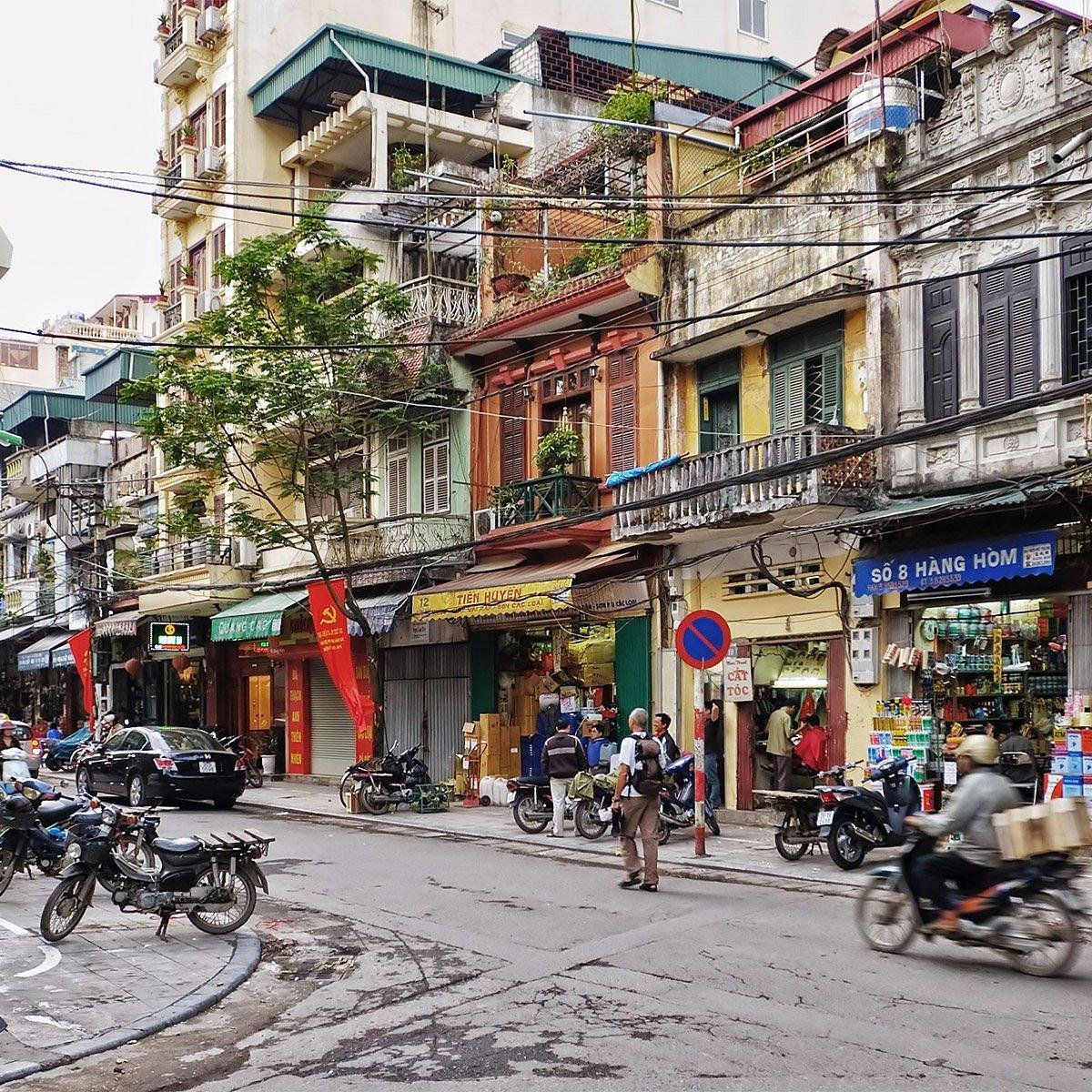
- Neoclassical façades with decorative motifs
- Shuttered windows and balconies with wrought-iron railings
- Stucco details painted in pastel yellows and greens
- Shop-houses with commercial spaces below and living quarters above
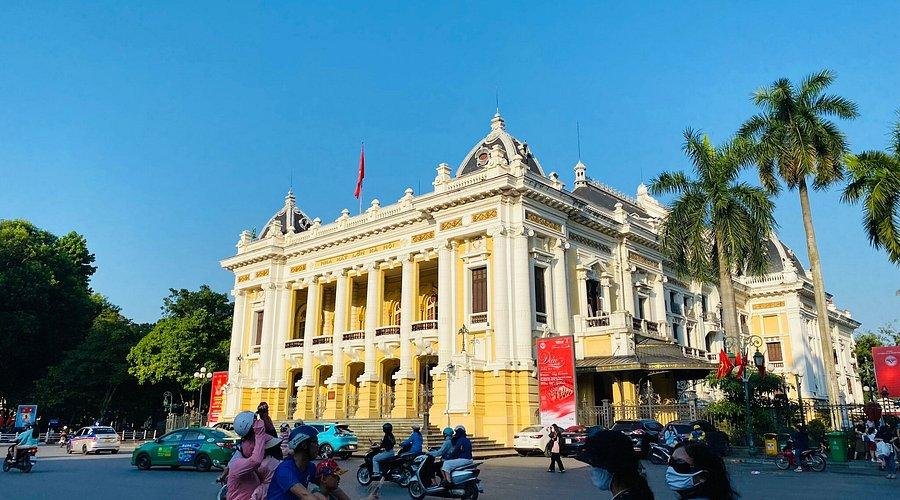
This Indochinese architectural style represents a unique fusion of European and Asian design principles, creating buildings perfectly adapted to the tropical climate while maintaining European aesthetic sensibilities.
You can experience this architectural style firsthand by taking a guided walking tour that highlights the most significant colonial structures in the area.
Post-Independence and Modern Influences
Following Vietnamese independence, the Old Quarter experienced waves of architectural adaptation. The Soviet era brought some utilitarian influences, while the economic reforms of the 1980s and 1990s ushered in rapid, sometimes haphazard development.
Today’s Old Quarter structures reflect this layered history, with many buildings showing:
- Original wooden Vietnamese frameworks
- French colonial façades and structural elements
- Modern additions and adaptations
- Contemporary commercial modifications
Iconic Architectural Features of Hanoi Old Quarter
Several distinctive architectural elements define the character of the Old Quarter and deserve special attention.
The Tube House Phenomenon
Perhaps the most characteristic feature of Old Quarter architecture is the tube house (nhà ống). These extraordinarily narrow buildings (often just 2-4 meters wide) extend deep into blocks, sometimes reaching 60-100 meters in length.
“The tube house represents Vietnamese ingenuity in adapting to economic constraints. When taxes were levied based on the width of street frontage, residents built increasingly narrow facades while extending their homes deeply into the block, creating these unique ‘tube’ structures.”
Traditionally organized with distinct sections for commercial, living, and ancestral worship purposes, many tube houses feature:
- Multiple internal courtyards providing light and ventilation
- Mezzanine levels adding vertical living space
- Wooden partition screens separating rooms
- Progressively private spaces as one moves deeper into the house
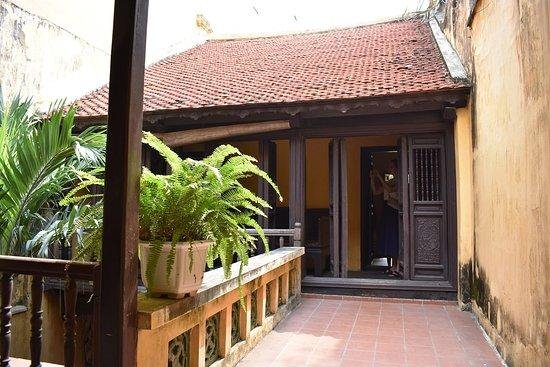
You can experience an authentic tube house at the Heritage House at 87 Mã Mây Street, which has been preserved as a museum showcasing traditional merchant family living quarters from the late 19th century.
Ancient Gates and Community Spaces
The Old Quarter was historically divided into guild-based communities, many of which constructed elaborate gates marking their territories. While few original gates remain, some reconstructions and preserved examples offer glimpses into this tradition.
Notable community structures include:
- Communal houses (đình) – Spiritual and administrative centers for each guild
- Buddhist temples and pagodas – Religious centers often associated with specific crafts
- Ancient wells and gathering spaces – Community focal points, some still visible today
These spaces didn’t just serve practical purposes but were designed with spiritual significance, incorporating symbolic elements like dragon motifs, ceramic decorations, and carefully positioned entrances aligned with feng shui principles.
The Balcony Revolution
The introduction of French balconies transformed not just the appearance but the lifestyle of Old Quarter residents. These ornate, wrought-iron-enclosed spaces created semi-public areas where:
- Families could observe street life while maintaining privacy
- Potted plants could be grown, adding greenery to the dense urban environment
- Air circulation improved in tropical conditions
- Social interactions could occur across narrow streets
Today’s Old Quarter balconies represent a microcosm of urban adaptation, often serving as extensions of living spaces, makeshift kitchens, drying areas for laundry, and even small commercial displays.
Living Culture in Architectural Context
What makes Hanoi’s Old Quarter truly special is not just its architectural preservation but how these historical structures continue to host a vibrant, evolving cultural life.
The Guild Legacy: Streets Named for Trades
The famous “36 Streets” of the Old Quarter traditionally each specialized in a particular craft or product, and many street names still reflect this heritage:
- Hàng Bạc (Silver Street) – Once home to silversmiths, now featuring jewelry shops
- Hàng Gai (Hemp Street) – Historical center for silk and textiles
- Hàng Mã (Paper Offerings Street) – Specializing in ceremonial papers and festival items
- Hàng Đường (Sugar Street) – Traditional confectioneries and sweet products
This guild-based organization created a unique urban identity where architecture was intimately linked to commercial and craft activities. Today, while some streets maintain their traditional specializations, many have adapted to modern commerce while preserving their architectural character.
You can discover these specialized craft streets on a guided cultural tour that explains the historical significance of each area.
Religious Architecture and Spiritual Life
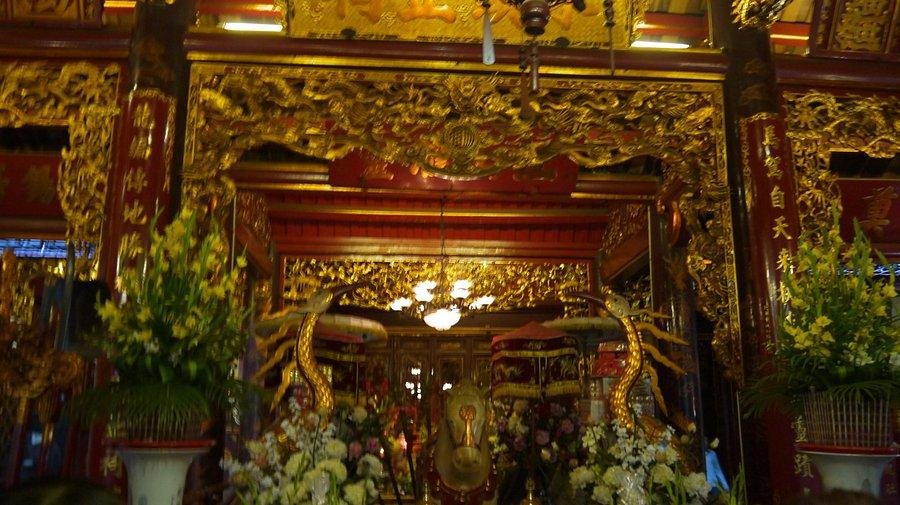
The Old Quarter hosts numerous temples, pagodas, and communal houses that remain centers of spiritual practice. Notable examples include:
- Bach Ma Temple – Considered the oldest temple in Hanoi, dedicated to a white horse deity
- Đền Quán Thánh – An impressive Taoist temple honoring Trấn Vũ, defender of the north
- Chùa Quán Sứ – The headquarters of the Vietnamese Buddhist Association
These religious structures feature distinctive architectural elements including:
- Curved roof ridges with ceramic decorations
- Red lacquered woodwork with gold detailing
- Stone stele inscriptions recording historical events
- Ceremonial courtyards for community gatherings
Culinary Spaces and Food Culture
The architecture of the Old Quarter has evolved to accommodate Vietnam’s vibrant food culture. Traditional structures have been adapted for culinary purposes in creative ways:
- Tube house fronts transformed into open-air eateries
- Colonial-era patios converted to coffee shop terraces
- Ancient courtyards repurposed as restaurant seating
- Narrow alleyways lined with food stalls using building walls as seating backdrops
These architectural adaptations support the famous street food culture that makes the Old Quarter a culinary destination. For the best culinary experiences in these historic settings, check out our guide to the best food in Hanoi Old Quarter.
Experiencing Architecture and Culture as a Visitor
For travelers wishing to fully immerse themselves in the architectural and cultural wonders of the Old Quarter, we recommend several approaches:
Guided Architectural Tours
Several specialized tours focus specifically on the architectural heritage of the area:
- Colonial Architecture Walking Tours – Highlighting French influence
- Ancient Vietnamese Building Explorations – Featuring traditional structures
- Hidden Courtyard Tours – Access to private historical spaces normally closed to the public
These tours often include visits to preserved historical homes and explanations of construction techniques that might not be apparent to casual observers. Book a comprehensive walking tour to experience these architectural treasures with expert guidance.
Cultural Immersion Activities
To understand how architecture and culture intertwine in the Old Quarter, consider:
- Homestays in restored heritage buildings
- Craft workshops in traditional guild streets
- Dawn photography sessions capturing the buildings in the best light
- Evening cultural performances in historic venues
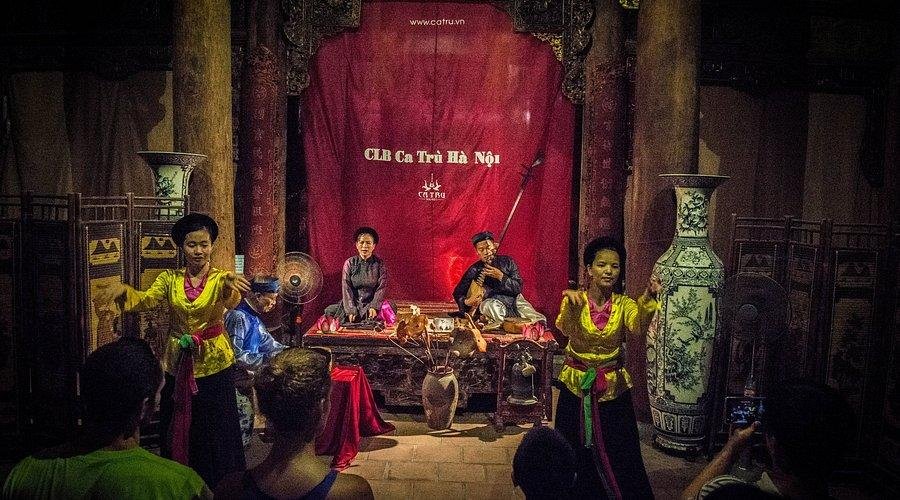
The Things To Do in Hanoi Old Quarter guide offers additional suggestions for cultural experiences set against this architectural backdrop.
Preservation Challenges and Sustainable Tourism
The Old Quarter faces significant challenges balancing preservation with development. As a visitor, consider:
- Supporting businesses operating in preserved historical buildings
- Participating in responsible tourism that respects local residential areas
- Learning about ongoing preservation efforts
- Contributing to heritage conservation organizations
By understanding these challenges, visitors can play a role in ensuring this architectural treasure remains intact for future generations.
FAQs About Hanoi Old Quarter Architecture and Culture
What is the best time to photograph architecture in Hanoi Old Quarter?
Early morning (5:30-7:00 AM) offers the best lighting conditions with fewer crowds. The golden hour just after sunrise highlights the yellow colonial buildings beautifully. Late afternoon (4:00-5:30 PM) provides warm light on the western-facing facades. Avoid midday when harsh shadows and busy streets make architectural photography challenging.
Are visitors allowed to enter the tube houses in the Old Quarter?
Most tube houses are private residences or businesses not open to casual visitors. However, the Heritage House at 87 Mã Mây Street is open to the public as a museum (small entrance fee). Some boutique hotels and cafes operate in restored tube houses, allowing visitors to experience these spaces. Additionally, specialized architectural tours can sometimes arrange access to private properties with advance permission.
How can I distinguish between different architectural periods in the Old Quarter?
Look for these distinguishing features: Traditional Vietnamese buildings have wooden frames, carved details, and ceramic tile roofs. French colonial structures feature shuttered windows, pastel facades, and wrought-iron balconies. Soviet-influenced buildings show concrete construction with minimal decoration. Recent additions often incorporate glass, steel, and modern signage while maintaining traditional proportions. The most interesting buildings combine elements from multiple periods in a layered architectural history.
Experience the Living Museum of Hanoi Old Quarter with Vietnam Travelers
The architectural heritage and cultural vitality of Hanoi’s Old Quarter create an unparalleled urban experience. From ancient temples to colonial shophouses and modern adaptations, these buildings tell the story of Vietnam’s resilience and creativity across centuries.
At Vietnam Travelers, we offer specialized tours that reveal the hidden architectural gems and cultural stories behind the Old Quarter’s fascinating facades. Our knowledgeable guides provide context and access that transform your understanding of this unique district.
Ready to explore the architectural wonders of Hanoi Old Quarter?
Book our Hanoi All-in-One Walking Tour or contact us to create a custom architectural exploration tailored to your interests.
Call us: +84962819091 or Email: info@vietnamtravelers.com
Have you visited Hanoi’s Old Quarter? Share your favorite architectural discoveries or cultural experiences in the comments below!
Further reference information: UNESCO World Heritage Centre – Thang Long Imperial Citadel, Colonial Architecture in Hanoi – Academic Research Paper