1 dayBeach & Island
Private tour
Dragon Boat on the Perfume River - Private Tour
Route customized around your travel dates.
5.0Excellent1,456 reviews
From
US $42/pax

HUE IMPERIAL CITY
Explore Hue tours with private guides, flexible packages, imperial landmarks, local food, river life, and practical one-to-four-day itineraries.
Hue guide
Hue tours work best when the city is treated as a living cultural landscape, not a checklist of monuments. The former imperial capital connects royal architecture, riverside neighborhoods, sacred spaces, craft traditions, and distinctive food.
The Imperial City gives essential context, but it should not dominate every hour. Royal tombs, garden houses, markets, pagodas, and the Perfume River reveal different layers of Hue.
This destination hub compares Hue private tours, package styles, local experiences, and realistic trip lengths. It helps travelers build a focused plan without drifting into wider Central Vietnam routes.
Hue has several travel zones, each with its own rhythm. Reading the city by area creates smoother routes and fewer repeated transfers.
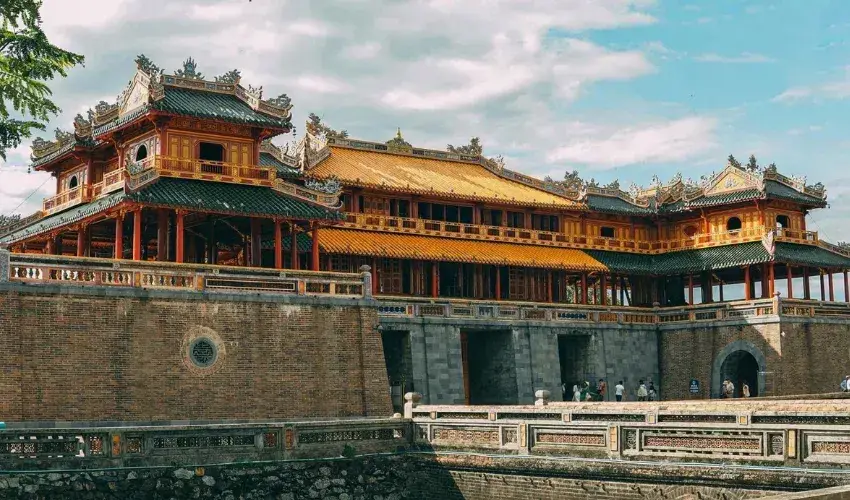
The heritage core centers on the Citadel and Imperial City. This zone suits history, architecture, museums, and short walks through older neighborhoods.
Southwest of the center, royal tombs sit within wooded hills and designed landscapes. Minh Mang, Tu Duc, and Khai Dinh each express a different imperial vision.
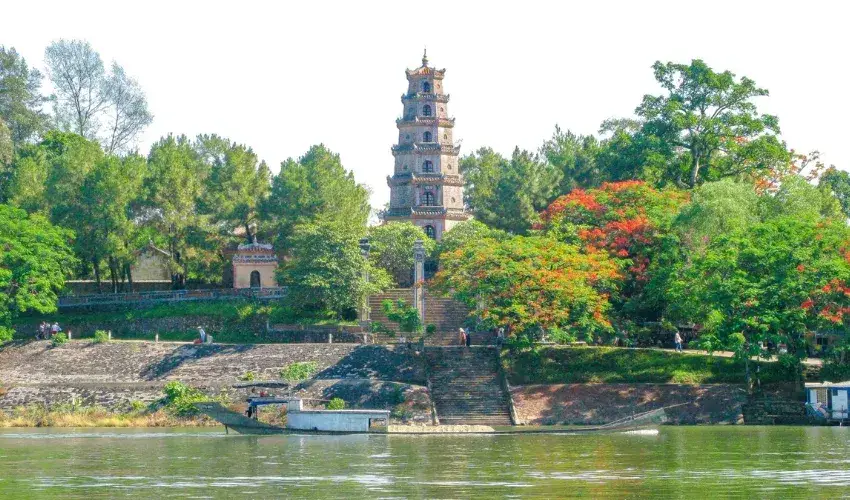
The Perfume River links many important sites. Thien Mu Pagoda, riverside gardens, and selected boat journeys add space between dense heritage visits.
Local life appears through Dong Ba Market, small food streets, residential lanes, and traditional houses. These places give Hue tours a warmer human scale.
Rural edges can add cycling, craft stops, or quiet village meals. They work best when they support the main Hue story, rather than extending driving time.
Planning zones
Well-designed Hue tours usually combine three zones, not every landmark. This leaves time for interpretation, shade, meals, and unplanned discoveries.
Use Central Vietnam Tours for regional comparisons. This page remains focused on Hue and its immediate cultural landscape.
The most rewarding things to do in Hue connect a place with its meaning. A guide should explain design, ceremony, landscape, and everyday memory.
Begin with the Imperial City for the clearest historical framework. Courtyards, gates, residences, and ceremonial spaces reveal how the Nguyen court operated.
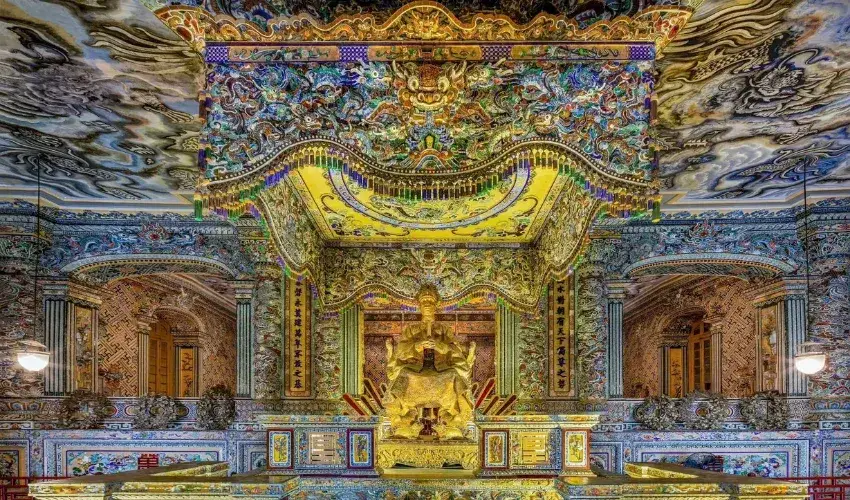
Royal tombs should be selected, not collected. Minh Mang emphasizes balance, Tu Duc feels reflective, and Khai Dinh presents a striking decorative contrast.
Thien Mu Pagoda adds religious context beside the Perfume River. A short riverside stop can soften a heritage-heavy day.
Hue cuisine deserves dedicated time. Banh beo, banh khoai, bun bo Hue, com hen, and sweet soups express both courtly and popular traditions.
Dong Ba Market works best with a clear tasting plan. Wandering every aisle without context can feel rushed and repetitive.
Garden houses reveal another side of local design. Their courtyards, trees, screens, and ancestral spaces connect architecture with family life.
A thoughtful day may include:
One major heritage complex with enough time for interpretation and rest.
One royal tomb chosen for its design, setting, or historical relevance.
One living-culture stop, such as a market, garden house, food workshop, or neighborhood walk.
One river, pagoda, or landscaped setting that changes the pace.
One flexible period for coffee, photography, shopping, or weather adjustments.
Evening options can include a food walk, riverside stroll, or a carefully presented cultural performance. Confirm whether the experience is interpretive or mainly staged.
Read more through Classic Highlights Tours, Culture and Local Life Tours, and Culinary Tours. These pages help travelers choose a stronger theme.
Hue tour packages differ through depth, transport, group size, and included experiences. A lower price may also mean shorter visits or more waiting.
Shared city tours suit travelers who want major landmarks on a fixed schedule. They offer simple logistics but limited control over pace.
Hue private tours provide stronger flexibility for families, photographers, older travelers, and visitors with specific interests. Routes can adapt around heat, mobility, and meal preferences.
Heritage-led tours prioritize interpretation and monument quality. Food-led tours use markets, kitchens, and local dishes to explain social history.
Cycling or village programs add quieter roads and daily life. They require honest distance, surface, weather, and support details.
Some Hue tour packages combine a city day with nearby countryside. The route should still remain centered on Hue's heritage and local identity.
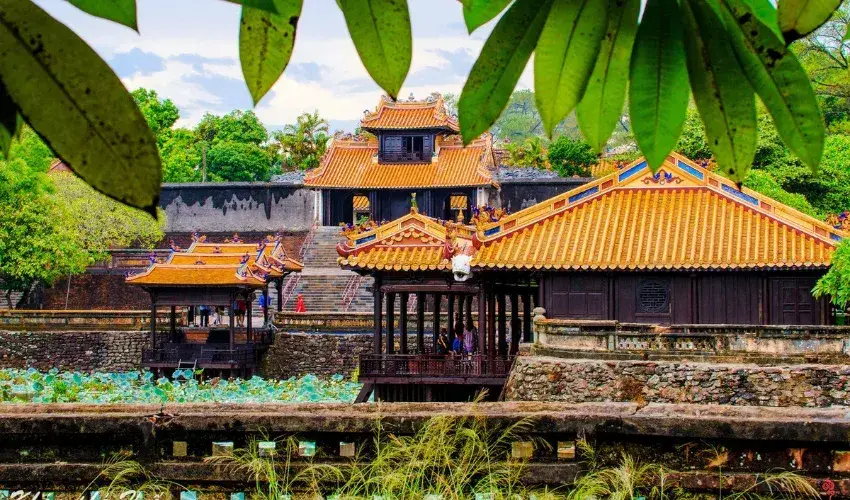
Common package styles
Private does not automatically mean premium. Confirm guide expertise, vehicle quality, entrance fees, meals, boat use, and cancellation terms.
Families should check child seats, walking distances, meal timing, and restroom access. Couples may prefer later starts and longer stops at fewer places.
Travelers can begin with Private Custom Tours for tailored planning. Family Holiday Tours and Sustainable and Eco Tours offer useful style filters.
A practical Hue itinerary depends on arrival time, hotel location, weather, and personal energy. One day covers the essentials, while three days reveal greater depth.
One day should connect the Imperial City, one royal tomb, a local lunch, and one riverside stop. Adding several tombs weakens interpretation and comfort.
Two days allow the heritage core to stand separately from tombs, food, and neighborhood life. This structure also reduces midday pressure.
Three days can add a garden house, cycling, a craft visit, or a slower culinary program. It suits travelers who value atmosphere over landmark counting.
Four days support deeper thematic travel. A flexible day can focus on photography, architecture, food, wellness, or rural life.
Travelers arriving from Da Nang should protect the first afternoon from overload. A gentle river walk and local dinner often work better than a rushed monument visit.
Travelers continuing to Hoi An can keep Hue's final morning light. This avoids turning the destination into a transit stop.
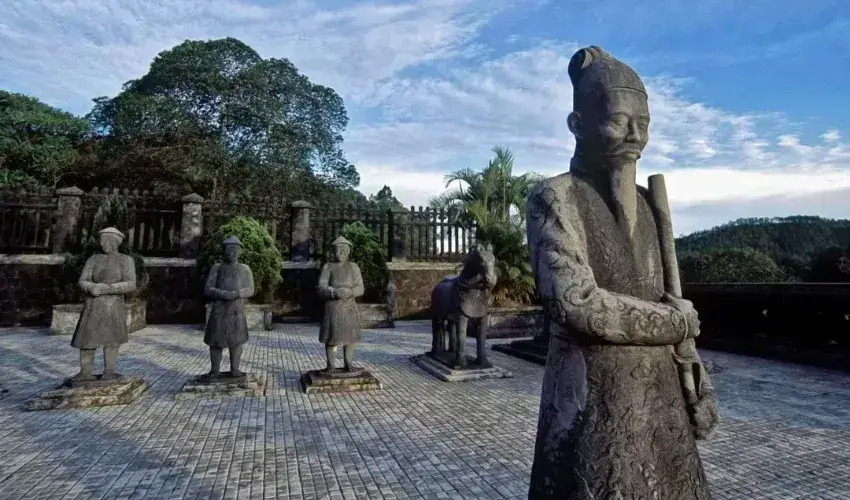
Suggested trip structure
A strong private Hue itinerary should state daily walking, transfer times, meal style, and opening-hour risks. It should also explain which stops may change.
Use Vietnam Short Tours for other journeys lasting two to seven days. Da Nang Tours and Hoi An Tours support the next stage without diluting this page.
The best Hue tours protect a measured pace. Large monument grounds, heat, rain, and uneven surfaces can make compact schedules harder than expected.
Morning visits often provide cooler conditions and softer light. Midday works well for lunch, museums, garden houses, or a hotel break.
Rain can change river plans and walking comfort. Hue private tours should include sheltered alternatives without replacing every cultural element.
Respectful clothing is important at pagodas and ceremonial spaces. Shoulders and knees should be covered when a site requests it.
Photography rules can vary across monuments, museums, homes, and performances. Ask before using flash, tripods, drones, or close portraits.
Before booking Hue tours, confirm:
Daily start and finish times, hotel pickup, route order, and realistic walking distance.
Guide language, heritage knowledge, group size, vehicle type, and air-conditioning.
Included tickets, meals, drinks, boats, bicycles, workshops, and optional costs.
Accessibility needs, child support, dietary requests, medical concerns, and rest breaks.
Weather changes, cancellation rules, emergency contacts, and alternative activities.
Comfortable shoes, sun protection, water, and a light rain layer suit most visits. A modest scarf is useful for religious sites.
Food allergies should be explained before market or tasting tours. Traditional kitchens may use shared equipment and sauces.
Responsible travel supports local guides, family businesses, craft producers, and informed cultural exchange. It also avoids intrusive visits and rushed photography.
Day Trips can help compare shorter formats. Private planning should still protect Hue's slower character.
1. How many days are enough for Hue tours?
Two days suit most first-time visitors. Three days allow deeper food, neighborhood, and countryside experiences.
2. What do Hue tour packages usually include?
Packages may include guiding, transport, entrance fees, meals, boats, and selected activities. Confirm each inclusion before payment.
3. Are Hue private tours suitable for families?
Yes, when routes include shade, shorter walks, flexible meals, child support, and suitable vehicles.
4. What are the best things to do in Hue?
Combine the Imperial City, one royal tomb, local food, a pagoda, riverside time, and one living-culture experience.
5. How should a first Hue itinerary be organized?
Start with the heritage core, then add tombs, food, river life, and neighborhoods. Avoid crossing the city repeatedly.
References