EveningPrivate
Private tour
Grand World 'Sleepless City' Evening Tour
Route customized around your travel dates.
5.0Excellent2,456 reviews
From
US $36/pax

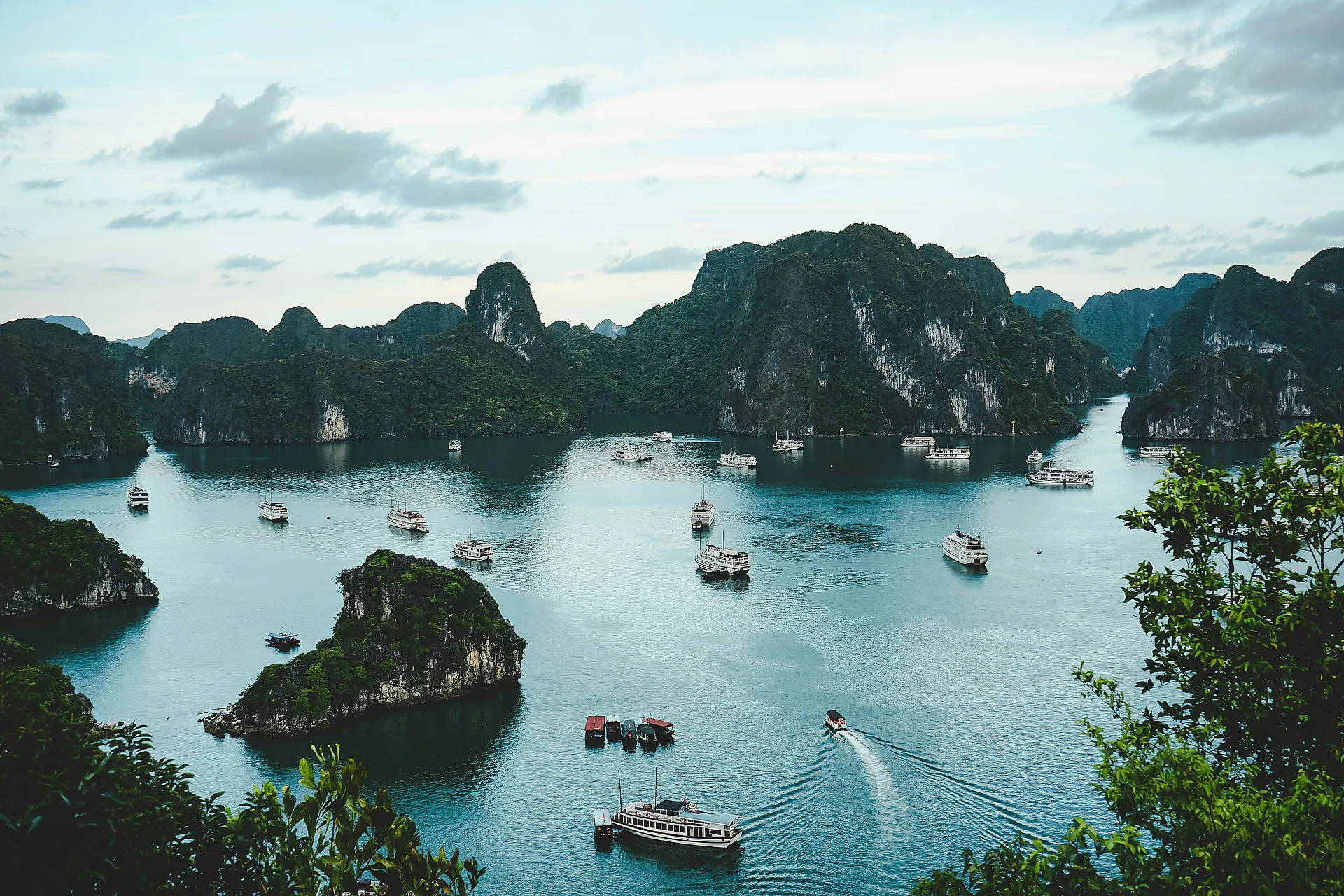
PHU QUOC ISLAND TOURS
Explore the pearl island's white-sand beaches, coral reefs and pepper farms before the crowds arrive.
Phu Quoc guide
Phu Quoc Tours: Beaches, Snorkeling and Island Escapes
Phu Quoc Tours combine white-sand beaches, coral trips, fishing villages, forest scenery, local food, and comfortable resort time.
A focused day tour can connect the southern islands, Hon Thom cable car, and Sao Beach. A three- or four-day stay creates room for slower mornings, sunsets, and flexible sea conditions.
The best route depends on weather, swimming confidence, group size, and hotel location. Boat trips should never feel rushed or overloaded with distant stops.
Choose one clear priority each day. Balance water activities with cultural visits, local meals, and enough open time to enjoy the island.
1. Why choose Phu Quoc tours?
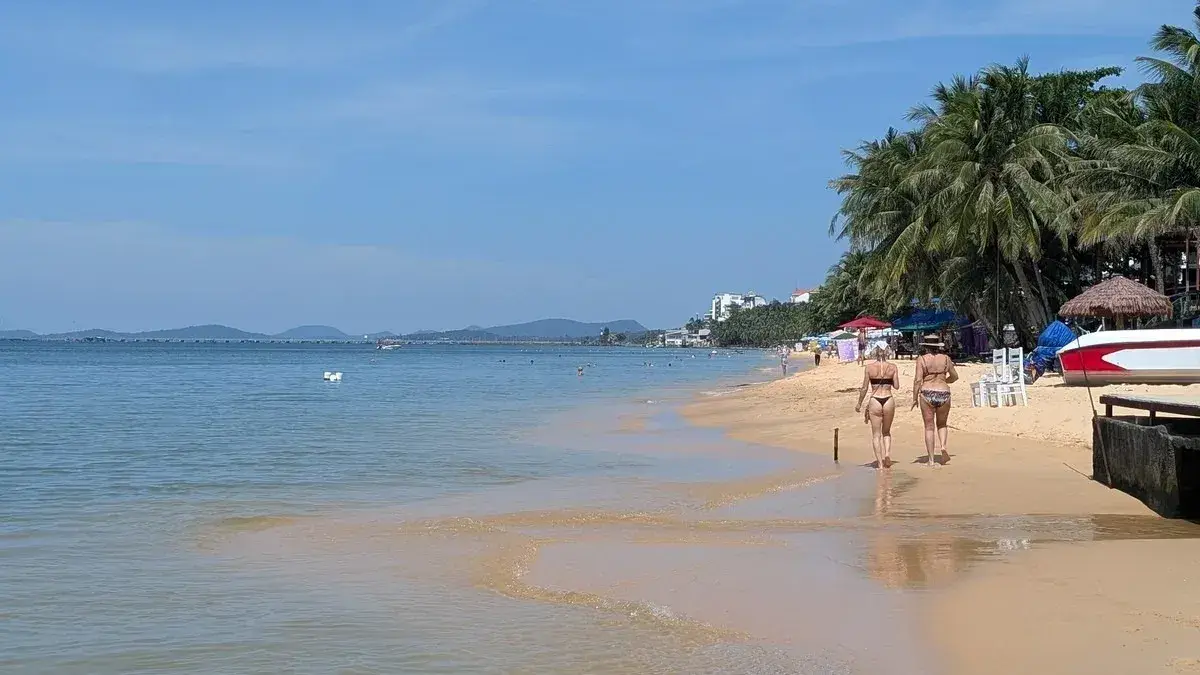
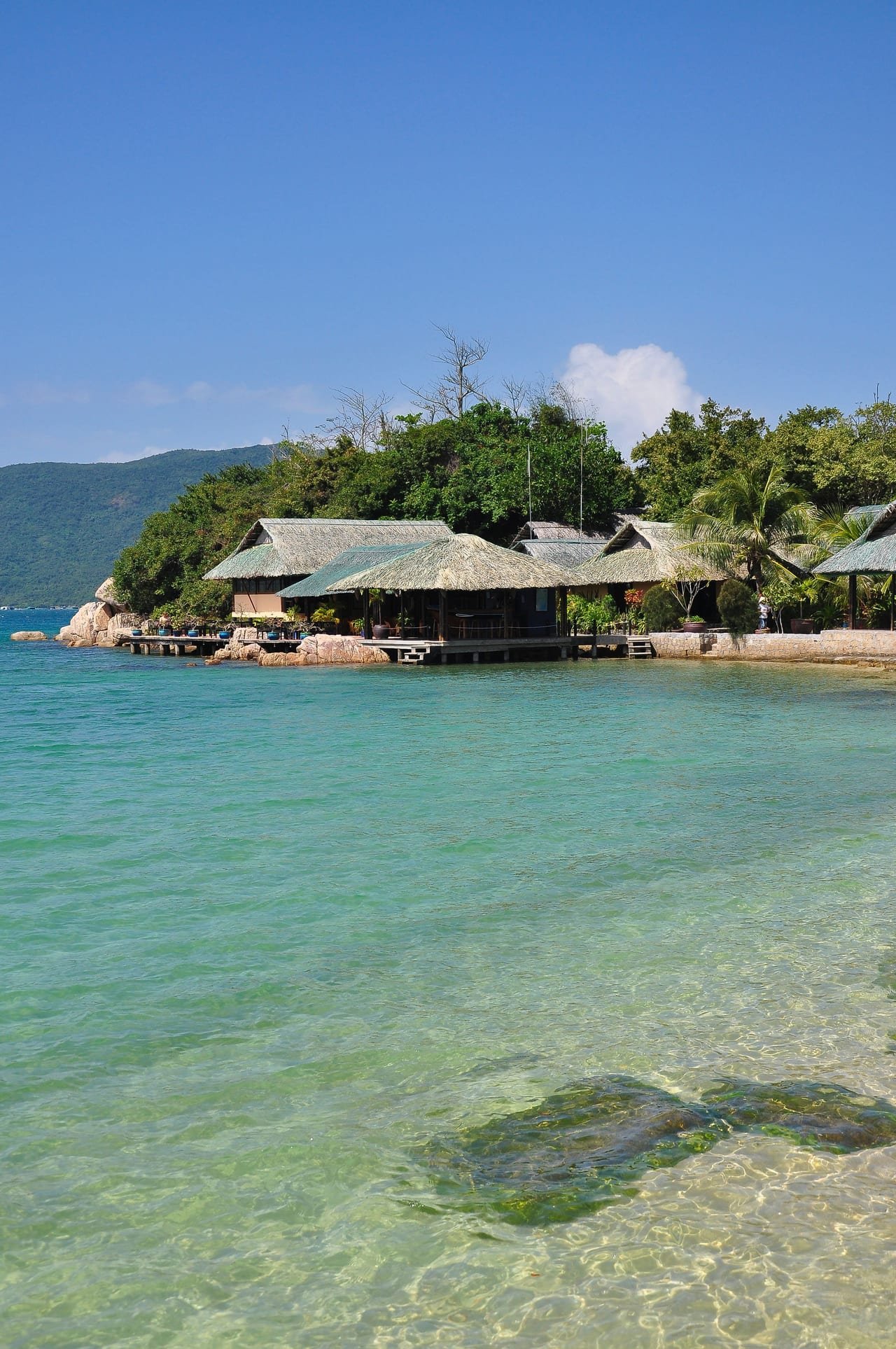
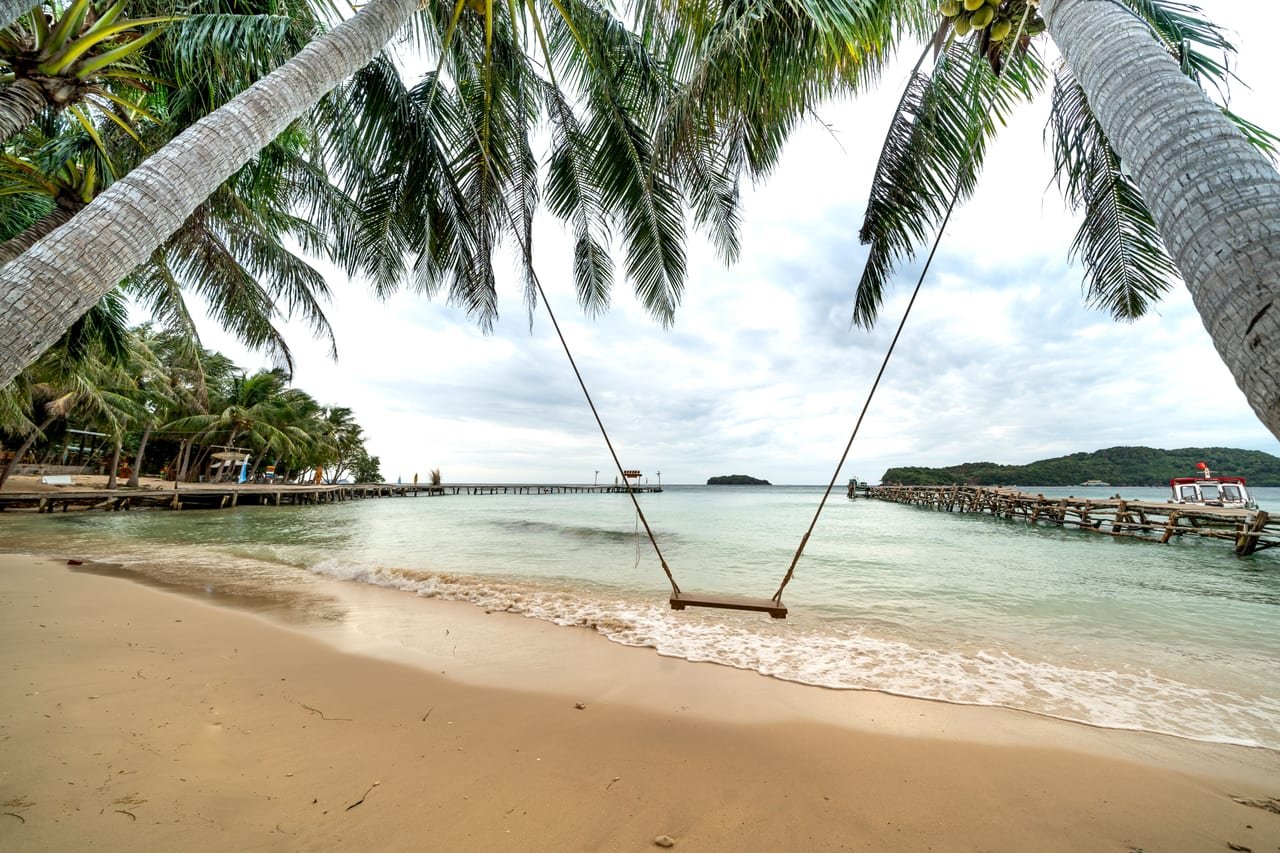
Phu Quoc combines easy beach time with island excursions, local culture, and protected natural scenery. Photo: Wikimedia Commons contributor, CC BY-SA 4.0.
Phu Quoc works for travelers who want a tropical break without giving up variety. Beaches, forests, farms, markets, temples, and fishing communities sit within one island destination.
Direct flights and resort transfers make arrival simple. Once settled, travelers can choose active boat days or relaxed private touring.
The island suits couples, families, small groups, and solo travelers. A well-paced itinerary can mix shared activities with personal downtime.
Weather matters more than the number of attractions. Keep boat schedules flexible and avoid forcing a fixed marine route during rough conditions.
Choose one day for south-island snorkeling and the cable car.
Choose three days for beaches, local culture, and one boat trip.
Choose four or five days for north-island nature, golf, or resort time.
Choose private service when timing and comfort matter most.
Explore more: Phu Quoc tour collection | Phu Quoc beach tours
2. Choose snorkeling, island hopping, or a beach stay
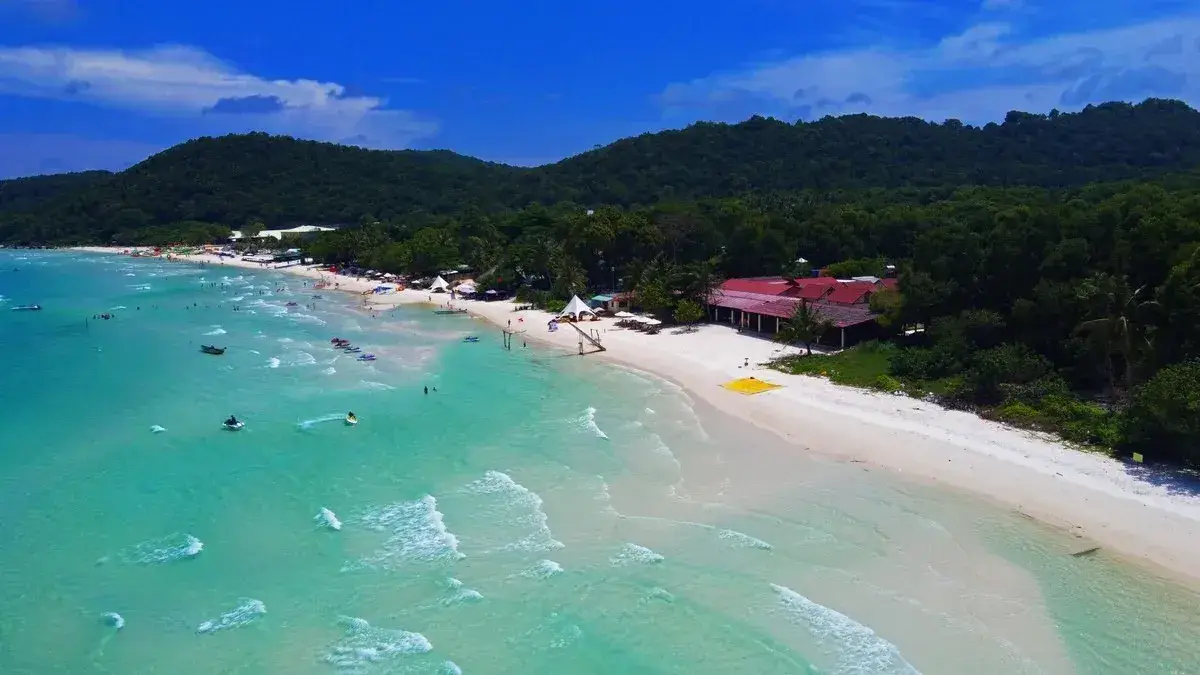
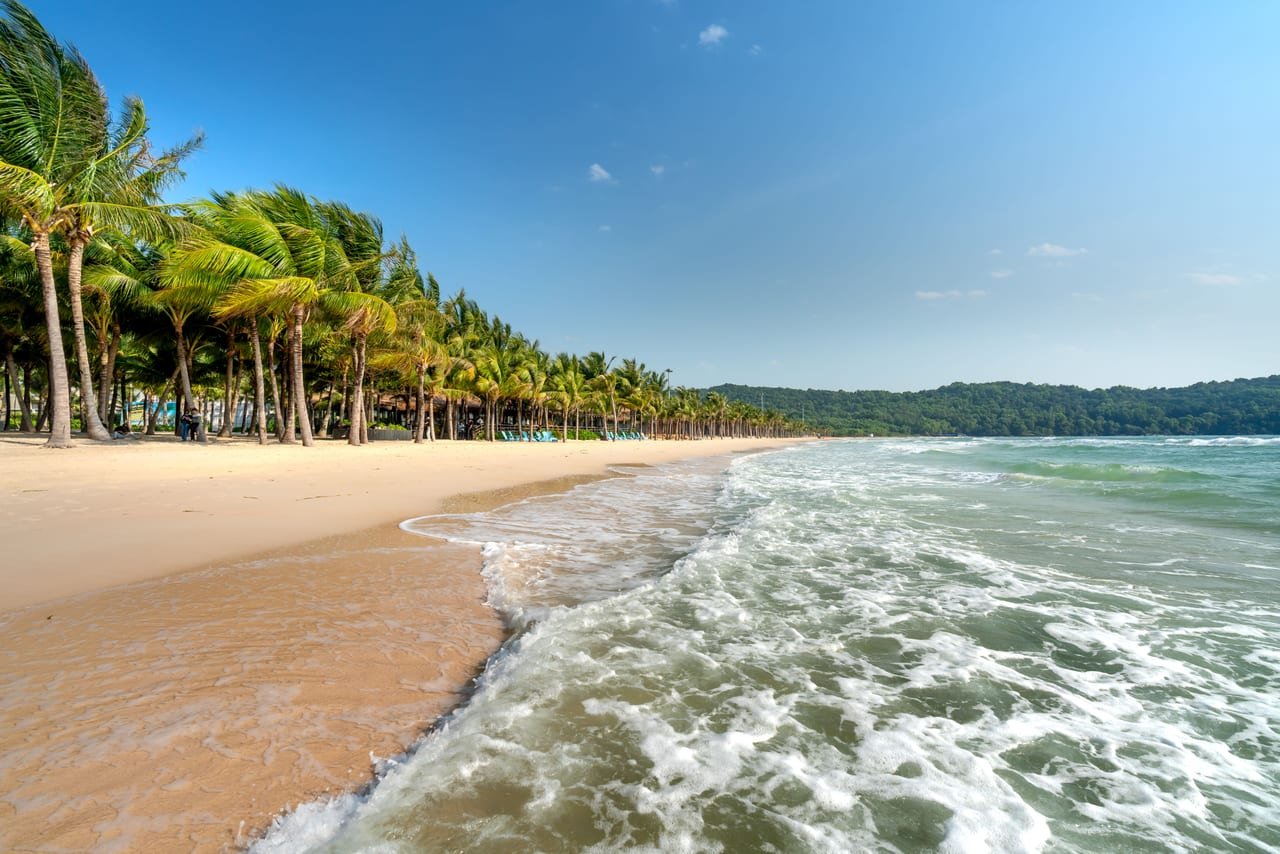
Sao Beach brings pale sand, green hills, and sheltered water into many south-island itineraries. Photo: Trantuonglam / Wikimedia Commons, CC BY-SA 4.0.
Snorkeling tours focus on coral areas and small islands south of An Thoi. Routes change with wind, visibility, boat access, and crowd levels.
Island-hopping trips add beach stops and a shared lunch. Speedboats cover more distance, while larger boats may offer steadier boarding and more shade.
A beach holiday places rest first. Hotel location influences airport transfers, sunset access, nearby restaurants, and daily driving time.
Private trips allow the guide to adjust swimming time and island stops. Small-group tours usually cost less but follow fixed meeting times.
Travelers who dislike boats can combine beaches, farms, temples, and the cable car by road instead.
Compare options: Cable car and snorkeling day tour | Four-star beach vacation | Four-day beach extension
3. Explore the An Thoi Archipelago and Hon Thom cable car
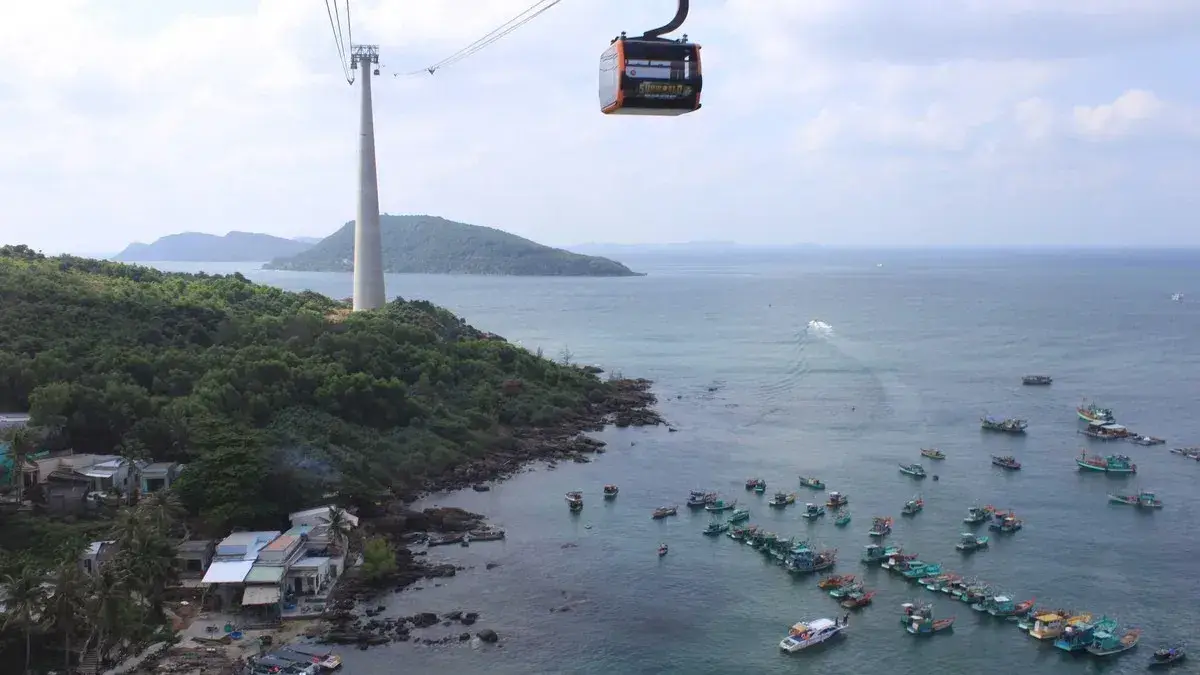
The Hon Thom cable car crosses above fishing communities, forested islands, and open sea views. Photo: Klientos / Wikimedia Commons, CC BY-SA 4.0.
The southern island cluster creates Phu Quoc’s strongest marine day. Tours often begin from An Thoi and continue by boat or speedboat.
Snorkeling quality depends on sea conditions. A responsible guide chooses suitable water, explains equipment, and keeps guests away from fragile coral.
Hon Thom cable car adds a broad aerial view of the archipelago. It works well after a morning boat route or as a separate family activity.
Sao Beach, Ho Quoc Pagoda, and southern cultural sites can complete a road-based itinerary. Avoid placing every stop into one crowded day.
Confirm whether cable-car tickets, snorkeling equipment, lunch, towels, and hotel pickup are included before payment.
Featured experiences: Explore Phu Quoc by cable car and snorkeling | Six-landmark south Phu Quoc tour
4. Discover northern Phu Quoc and forest scenery
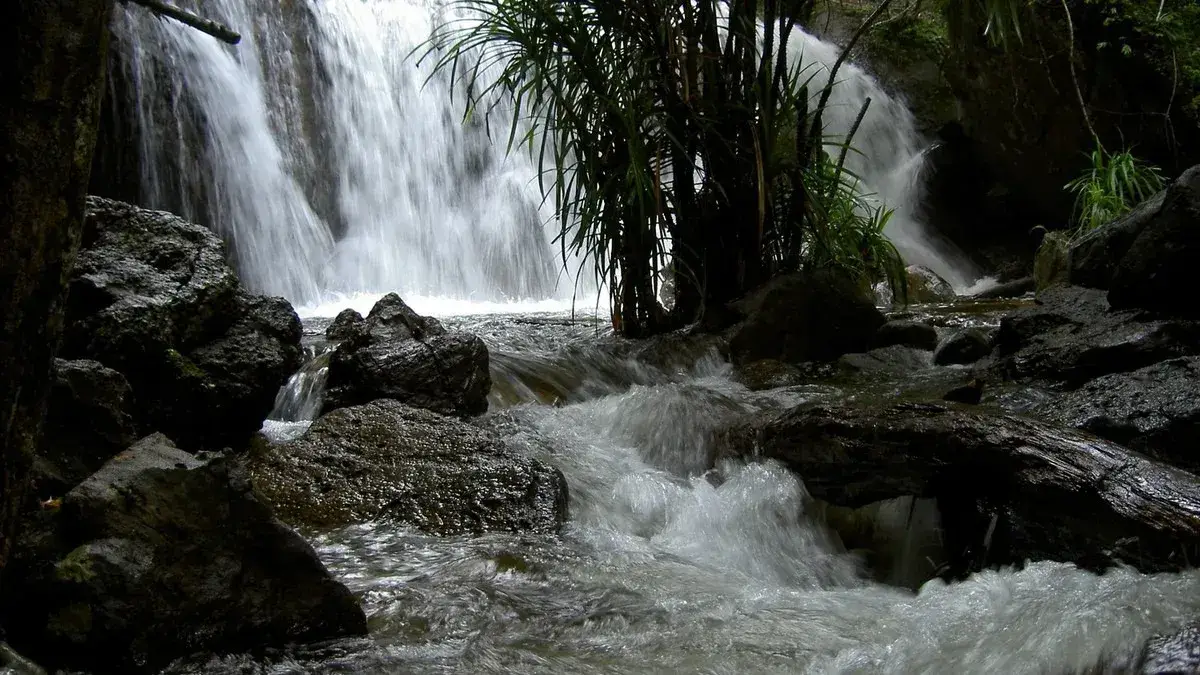
Forest streams and seasonal waterfalls create a cooler contrast to Phu Quoc’s beaches. Photo: ntt / Wikimedia Commons, CC BY-SA 3.0.
Northern Phu Quoc offers forest roads, quieter beaches, farms, and fishing villages. It suits repeat visitors and travelers seeking less resort-focused scenery.
Nature stops may include forest walks, streams, waterfalls, or the Cua Can area. Water levels and trail surfaces change through the seasons.
Rach Vem and northern fishing communities are often associated with shallow water and starfish. Observe marine life without touching, lifting, or moving it for photographs.
A private vehicle improves flexibility across the north. Distances can feel longer than maps suggest, especially on secondary roads.
Bring insect protection, secure footwear, drinking water, and a dry bag during rainy months.
Build your route: Phu Quoc tours | Customize a private island tour
5. Meet fishing communities and local island life
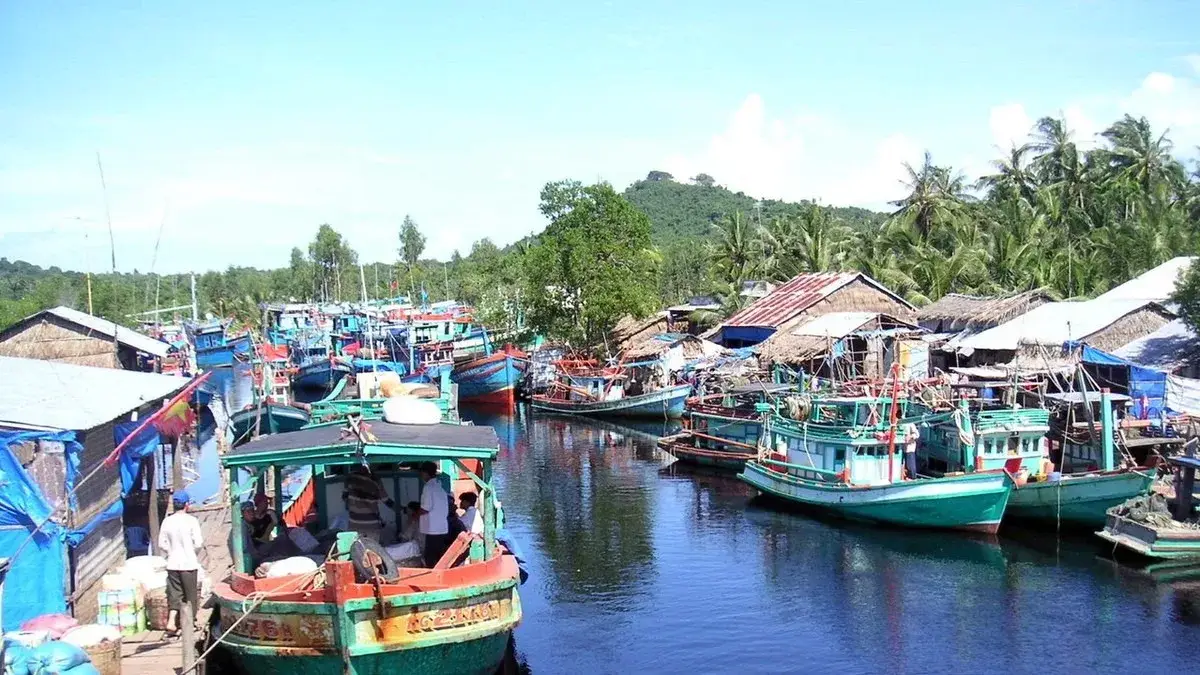
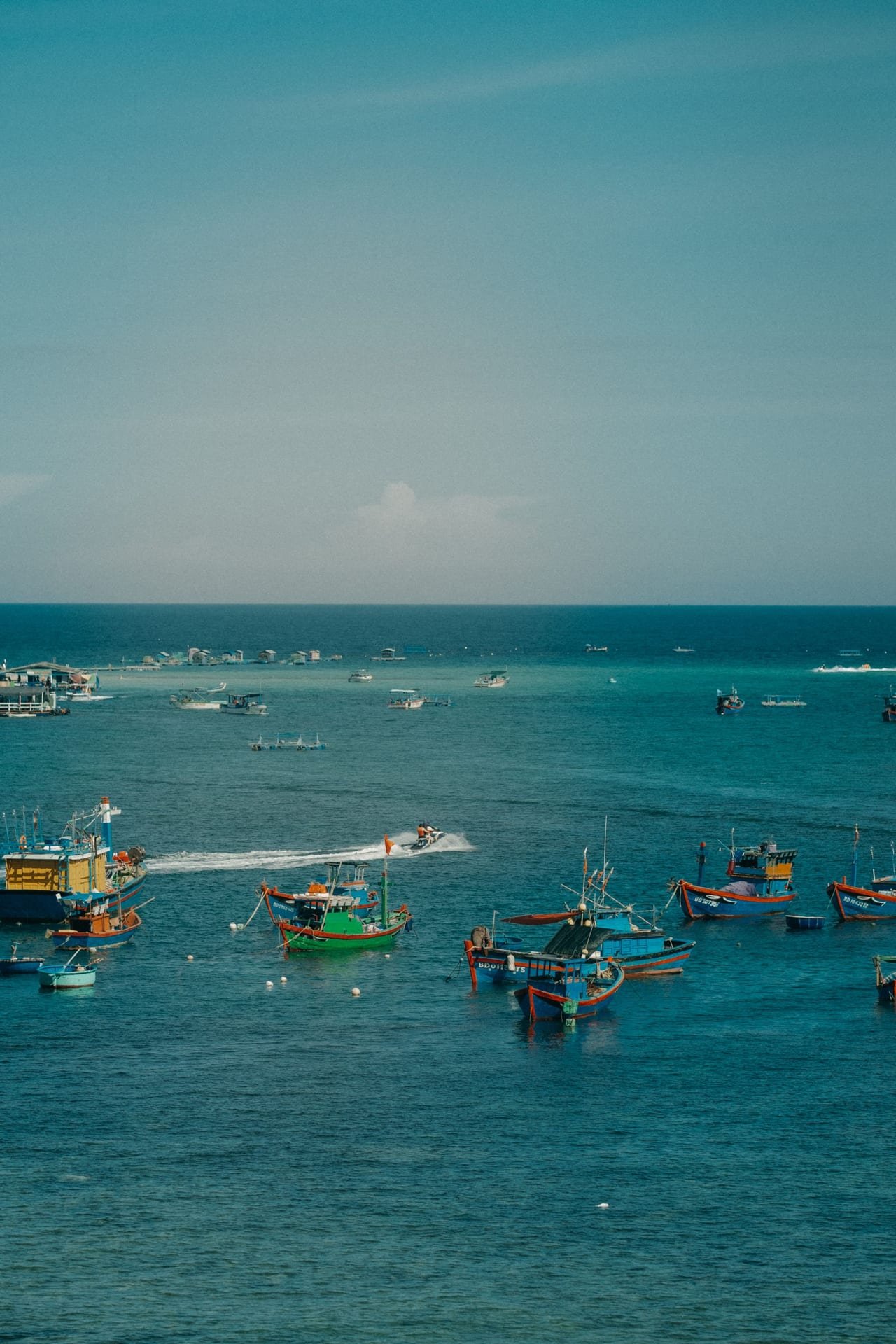
Fishing villages reveal the working rhythms behind Phu Quoc’s seafood culture and coastal identity. Photo: ntt / Wikimedia Commons, reusable under the file license.
Fishing remains central to island life. Harbor visits can reveal wooden boats, nets, fresh catch, and family-run seafood businesses.
Ham Ninh is a familiar stop for seafood and waterfront views. Smaller communities may feel more active in the early morning.
Sunrise fishing tours offer a closer view of daily work at sea. Night fishing creates a different atmosphere but depends strongly on weather.
Choose operators who provide life jackets, clear boat capacity, and honest cancellation procedures. Marine safety matters more than keeping the original schedule.
Ask before photographing residents or working areas. Respect creates a better encounter than treating villages as staged attractions.
Try a marine experience: Phu Quoc sunrise fishing | South-island night fishing
6. Visit Dinh Cau, pepper farms, and fish sauce houses
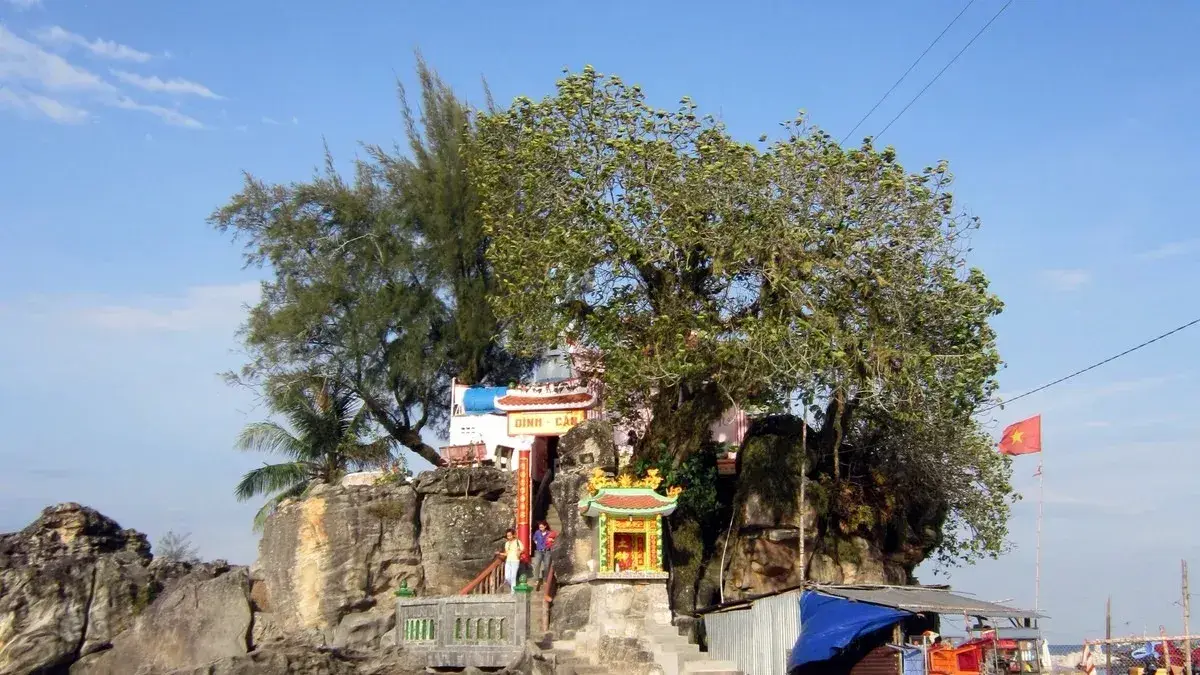
Dinh Cau connects island belief, fishing heritage, and a dramatic position beside Duong Dong harbor. Photo: Bui Thuy Dao Nguyen / Wikimedia Commons, CC BY-SA 3.0.
Dinh Cau is a compact cultural stop beside the sea. Its setting becomes especially atmospheric near sunset and the evening market.
Pepper farms explain one of Phu Quoc’s best-known agricultural products. Visitors can see vines, growing methods, and local seasoning products.
Fish sauce houses introduce a long fermentation process using anchovies, salt, and wooden barrels. Strong aromas are part of the visit.
Cultural stops work best when the guide explains livelihoods and history. They should not feel like compulsory shopping visits.
Wear respectful clothing at temples and follow local instructions around production areas.
Combine culture with: South Phu Quoc landmarks | Private Phu Quoc tours
7. Taste seafood and explore Duong Dong at night
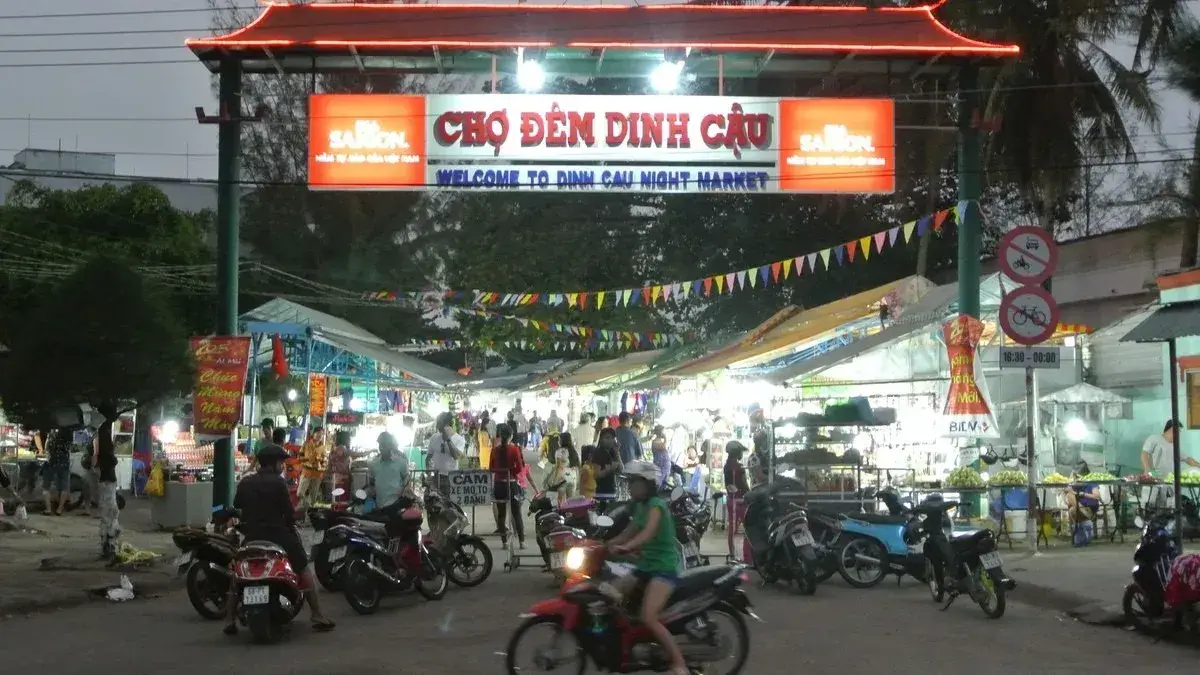
Duong Dong’s night market mixes seafood, snacks, souvenirs, and an easy evening walk near the harbor. Photo: Tonbi ko / Wikimedia Commons, CC BY-SA 4.0.
The night market offers a simple introduction to local food. Seafood, grilled dishes, desserts, fruit, and packaged island products fill the central lanes.
Ask prices before ordering seafood by weight. Confirm preparation charges and the final quantity before cooking begins.
Fresh seafood is not the only choice. Bun quay, herring salad, pepper-seasoned dishes, and tropical fruit add variety.
Travelers with allergies should communicate clearly. Shared grills, sauces, peanuts, shellfish, and fish products can create cross-contact risks.
Pair the market with Dinh Cau or a harbor walk. Keep the evening flexible after a long snorkeling day.
Plan the evening: Phu Quoc beach and island tours | Customize your trip
8. Compare Phu Quoc tour styles
Routes and inclusions vary between operators. Confirm transport, guide service, tickets, meals, equipment, insurance, and hotel pickup before payment.
Golf travelers should confirm tee times, caddie fees, club rental, dress rules, and resort transfers in advance.
Compare more: Phu Quoc golf seaside tour | Small-group tours | Phu Quoc beach vacations
9. Choose the right trip length and travel season
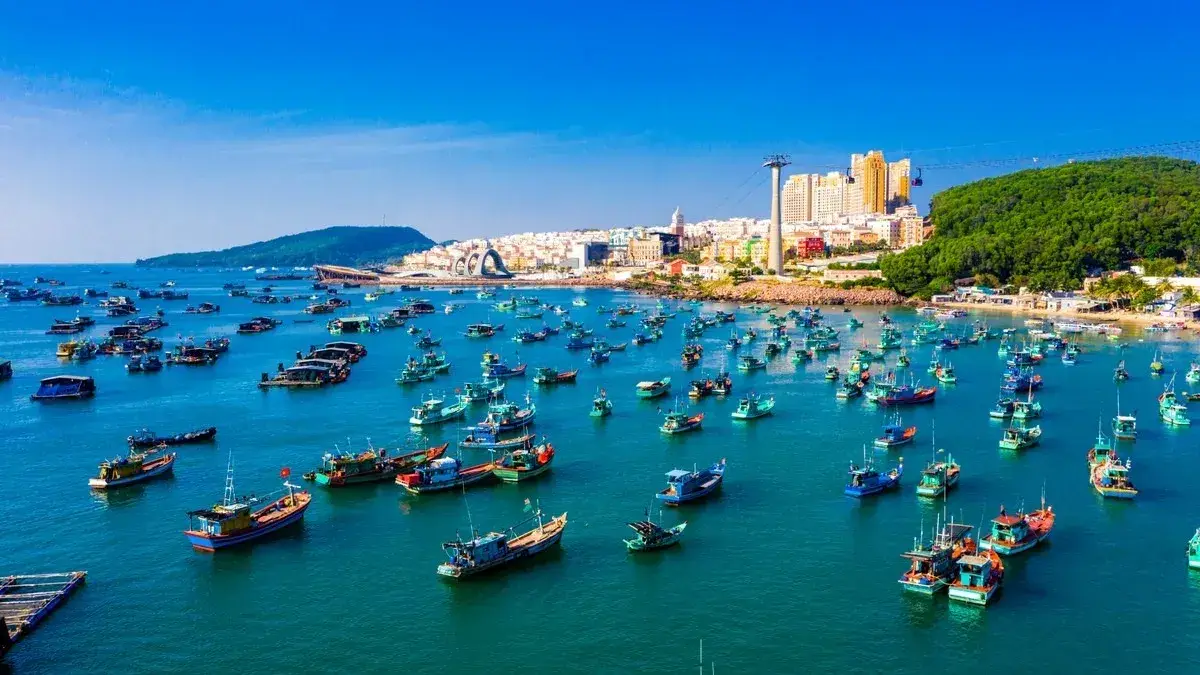
An Thoi connects fishing life, island boats, the cable car, and many southern sightseeing routes. Photo: Vivu Vietnam / Wikimedia Commons, CC BY-SA 4.0.
A one-day tour works best when travelers already stay on the island. Choose either the south islands or a focused road route.
Three days allow one marine day, one cultural or nature day, and one slower beach period. Four days reduce pressure when weather changes.
Drier months often bring calmer conditions, but sea and rain can still shift quickly. Monsoon periods require more flexible boat planning.
Hotel location affects every day. Southern stays simplify An Thoi activities, while Duong Dong offers central dining and market access.
Travelers can connect Phu Quoc with Ho Chi Minh City or compare it with Con Dao. Each island needs enough time to avoid spending the trip mainly in transit.
One day: snorkeling and cable car, or a focused island road tour.
Three days: one boat day, one land day, and beach time.
Four to five days: add the north island, golf, fishing, or resort downtime.
Rainy months: keep one flexible day for weather changes.
Families: reduce long transfers and protect rest periods.
Plan connections: Ho Chi Minh City tours | Con Dao tours | Phu Quoc beach extension
10. FAQs
1. How many days do I need for Phu Quoc?
Three days suit one marine tour, one land route, and beach time. Four or five days feel calmer and provide space for weather changes.
2. Which Phu Quoc tour is best for first-time visitors?
A south-island snorkeling and cable-car day offers the clearest introduction. Non-swimmers may prefer a road-based south-island tour.
3. Is snorkeling in Phu Quoc suitable for beginners?
Many tours support beginners with life jackets and guides. Conditions vary, so share your swimming confidence and follow the crew’s safety instructions.
4. Can families join Phu Quoc island tours?
Yes. Choose suitable boat boarding, shade, life jackets, toilets, and shorter transfers. Private tours offer more control over breaks.
5. What happens when the sea is rough?
Operators may change islands, delay departure, replace the boat route, or cancel. Safety and visibility should take priority over the advertised stop list.
6. Are private Phu Quoc tours worth booking?
Private service suits families, couples, photographers, and travelers with specific pacing. It also simplifies hotel pickup and route changes.