
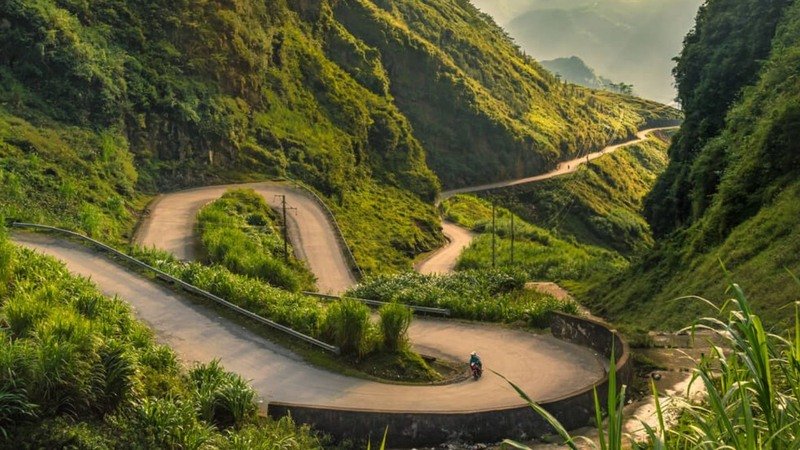
HA GIANG LOOP
Ha Giang Tours
Explore Ha Giang & Northeast tours across Ha Giang, Cao Bang, and Ba Be with private routes, short packages, and realistic 2-to-7-day plans
Ha Giang guide
Explore Ha Giang
Ha Giang Tours: Explore the Loop, Ma Pi Leng
and Mountain Villages
Ha Giang tours take travelers across Vietnam’s northernmost mountain region, where limestone peaks, deep river canyons, terraced fields and ethnic-minority villages shape one of the country’s most memorable road journeys.
The classic route begins in Ha Giang City and continues through Quan Ba, Yen Minh, Dong Van and Meo Vac. Many itineraries add Lung Cu, the Nho Que River, Du Gia or Hoang Su Phi. The experience can be completed by motorbike, with an easy rider, or in a private car.
The right tour depends on your time, road confidence, preferred comfort and interest in culture or trekking. A rushed itinerary may reach the headline viewpoints, while a slower journey leaves more time for markets, villages, short walks and quiet mountain evenings.
Quick summary: Choose two days only when time is limited. Three days cover the core loop at a steady pace. Four days provide a more balanced experience, while five days or longer allow Du Gia, Hoang Su Phi, Cao Bang or Ba Be to be added.
Explore first: Ha Giang tour collection | Ha Giang Loop from Hanoi guide
1. Why choose Ha Giang tours?
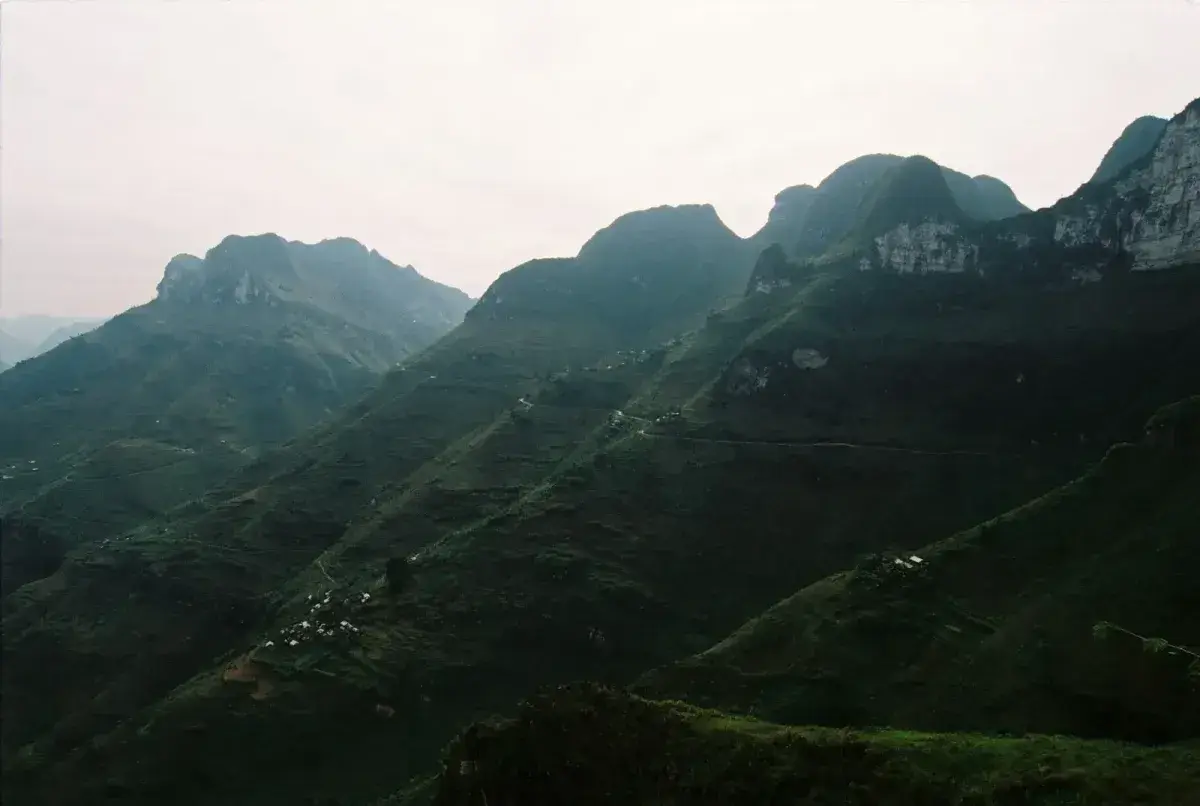 Ha Giang combines remote roads, layered limestone mountains and small communities spread across the highlands.
A Ha Giang tour is more than a scenic drive. The road is the central experience. Each pass reveals a new valley, settlement or geological formation, and the changing elevation gives the journey a strong sense of progression.
The Dong Van Karst Plateau is a UNESCO Global Geopark. Its landscape contains towering limestone peaks, deep canyons and extensive karst formations. The region is also home to long-established communities including Hmong, Dao, Tay, Lo Lo and Giay people.
Unlike a destination where travelers stay in one hotel and take separate day trips, the loop moves continuously. Most nights are spent in different towns or villages. This makes route design, luggage planning and daily road time especially important.
Travel through one of Northern Vietnam’s most dramatic mountain regions.
Combine viewpoints with villages, markets and local meals.
Choose a motorbike, easy rider or private car according to confidence.
Extend the route toward Hoang Su Phi, Cao Bang or Ba Be Lake.
Planning guides: Ha Giang from Hanoi | Vietnam adventure tours
2. Discover the essential highlights of the Ha Giang Loop
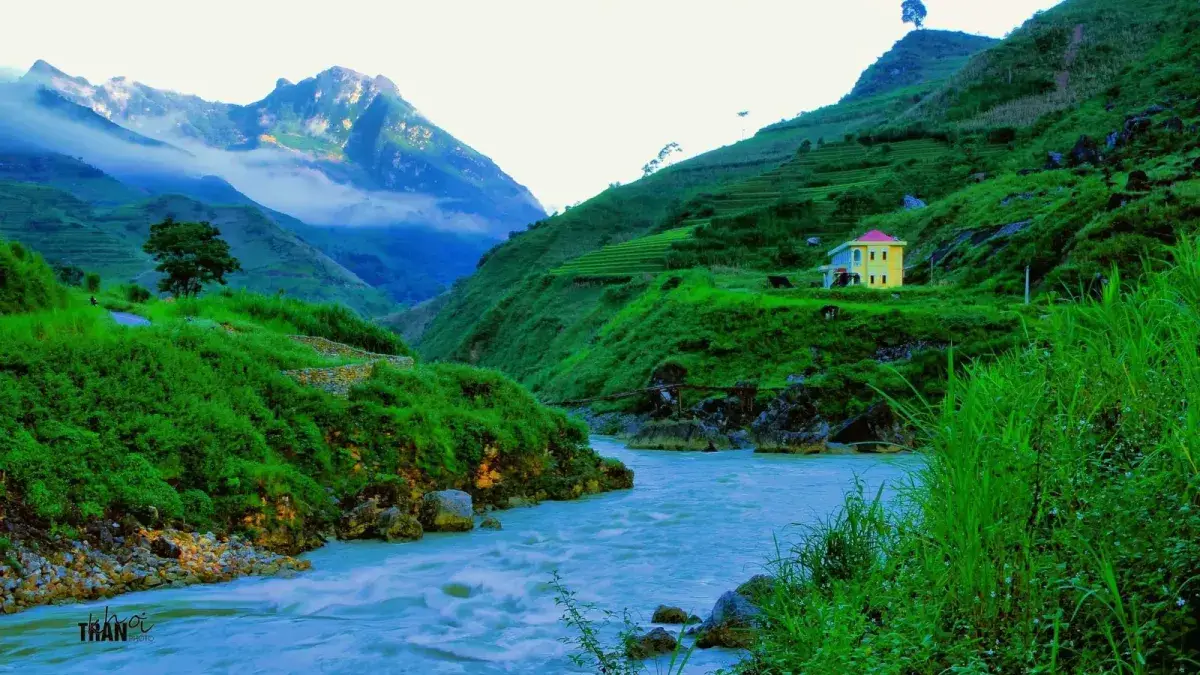
The Nho Que River adds a vivid ribbon of water to Ha Giang’s steep mountain scenery.
The strongest itineraries connect the major sights in a logical order rather than treating them as isolated photo stops. From Ha Giang City, the road climbs toward Quan Ba Heaven Gate and the distinctive Twin Mountains before continuing through Yen Minh.
Tham Ma Pass introduces the tighter curves and higher limestone scenery of the northern plateau. Farther north, Lung Cu Flag Tower provides a wide view across fields and villages near Vietnam’s northern frontier. Nearby settlements offer opportunities to learn about local architecture and daily life.
Dong Van is a practical overnight base. Travelers can explore the old quarter, visit the market when schedules align, and continue toward Ma Pi Leng Pass the next morning. The road between Dong Van and Meo Vac is the loop’s signature section, with steep mountains rising above the Nho Que River.
A boat journey on the river may be included, depending on weather, access and itinerary timing. The experience gives a different perspective on Tu San Canyon and the cliffs that appear distant from the pass.
Core highlights commonly included: Quan Ba Heaven Gate, Tham Ma Pass, the Vuong Family Palace, Lung Cu, Dong Van Old Town, Ma Pi Leng Pass, Nho Que River and Meo Vac.
Featured route: Ha Giang Loop Tour 3 Nights 3 Days
3. Choose a motorbike, easy rider or private car tour
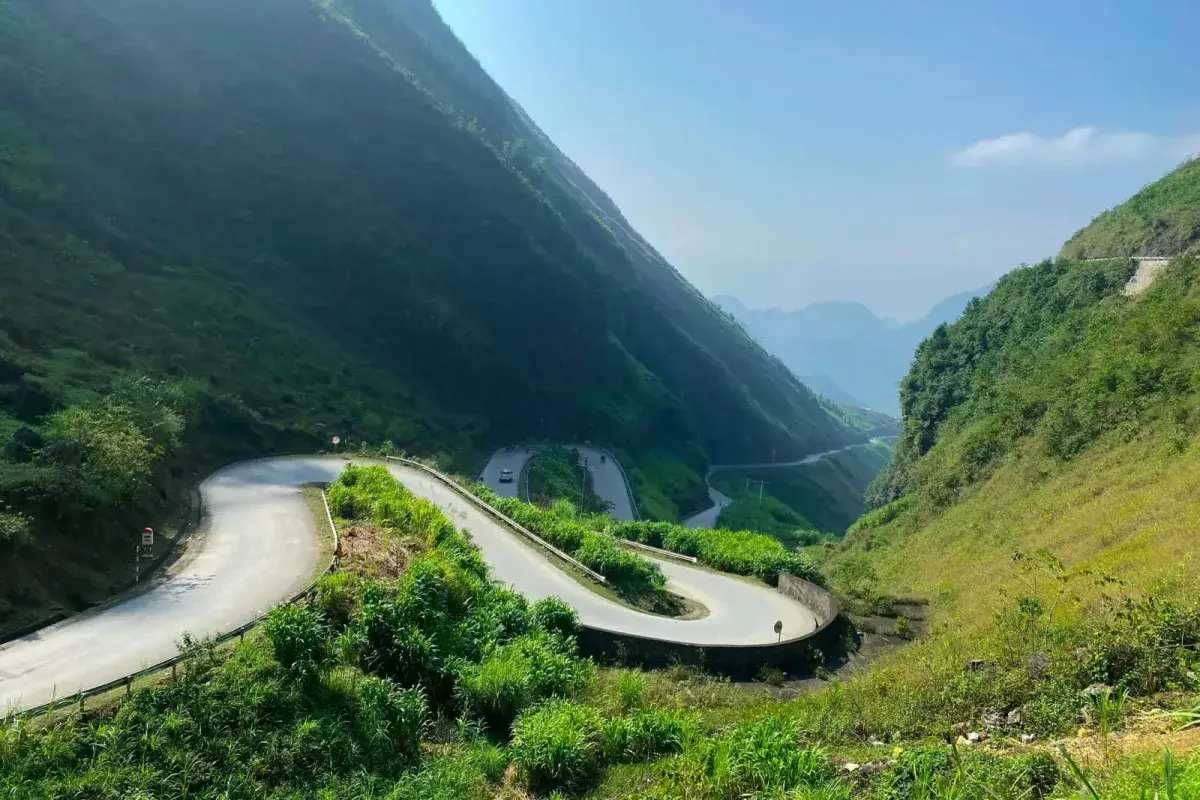 Tham Ma Pass demonstrates why road skill, weather awareness and a realistic daily pace matter in Ha Giang.
Self-riding gives experienced riders independence, but it also creates the greatest responsibility. Roads include sharp bends, steep sections, changing surfaces and limited visibility. Rain, fog, loose gravel and construction can alter conditions quickly.
An easy rider tour allows you to travel as a passenger behind a local rider. This option preserves the open-air experience without requiring you to control the motorbike. It suits first-time visitors, photographers and travelers who prefer to focus on the landscape.
A private car or jeep offers greater weather protection, luggage space and comfort. It can suit families, older travelers and anyone uncomfortable with long motorbike days. Cars cannot reproduce the exact feeling of riding, but they can follow the main loop and reach most major attractions.
Before booking, confirm the vehicle type, helmet standard, guide language, maximum group size, luggage transport, insurance requirements and what happens if road conditions change.
4. Experience Dong Van markets, villages and local culture
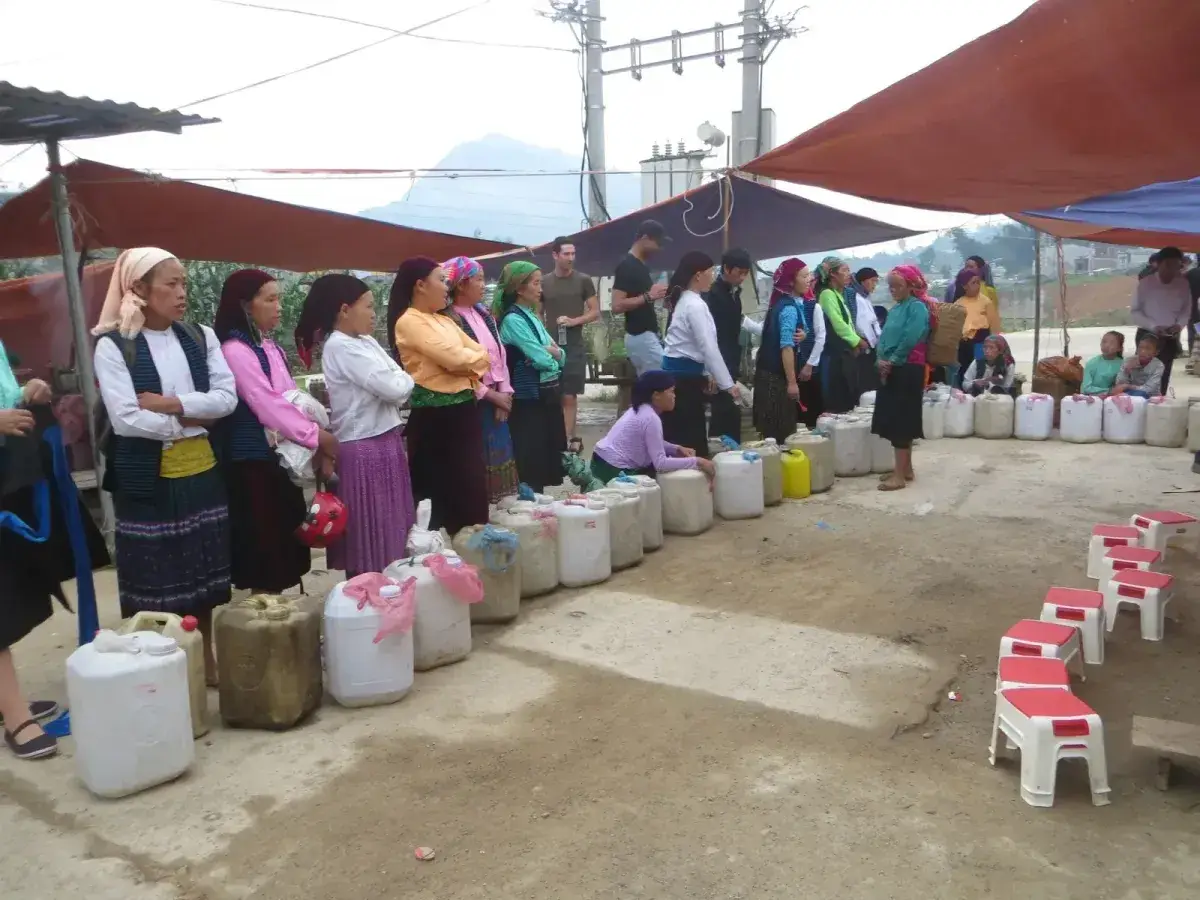 Local markets reveal clothing, produce and trading traditions that are central to life across the Ha Giang highlands.
Ha Giang’s scenery attracts visitors, but respectful cultural encounters give the journey greater depth. Weekly markets bring together residents from surrounding villages to trade food, household items, livestock and textiles. Market schedules can change, so they should be confirmed rather than assumed.
Village visits may include traditional houses, small workshops, farms, family kitchens or locally managed homestays. A good guide explains customs before arrival and helps travelers understand when photography is appropriate. Permission should always be requested before photographing people closely.
The Vuong Family Palace in Sa Phin adds architectural and historical context. Lung Cu and the nearby Lo Lo communities can also be included, while Du Gia offers a quieter rural atmosphere with fields, mountains and village life.
Homestays vary from simple family accommodation to modern guesthouses using the homestay label. Confirm whether the room is private or shared, whether bathrooms are ensuite, what meals are included and how much evening noise to expect.
Tourism can support local guides, drivers, cooks and accommodation providers. Travelers can contribute positively by buying directly from local producers, avoiding intrusive behavior and accepting that communities are real places rather than staged attractions.
5. Compare two-, three-, four- and five-day itineraries
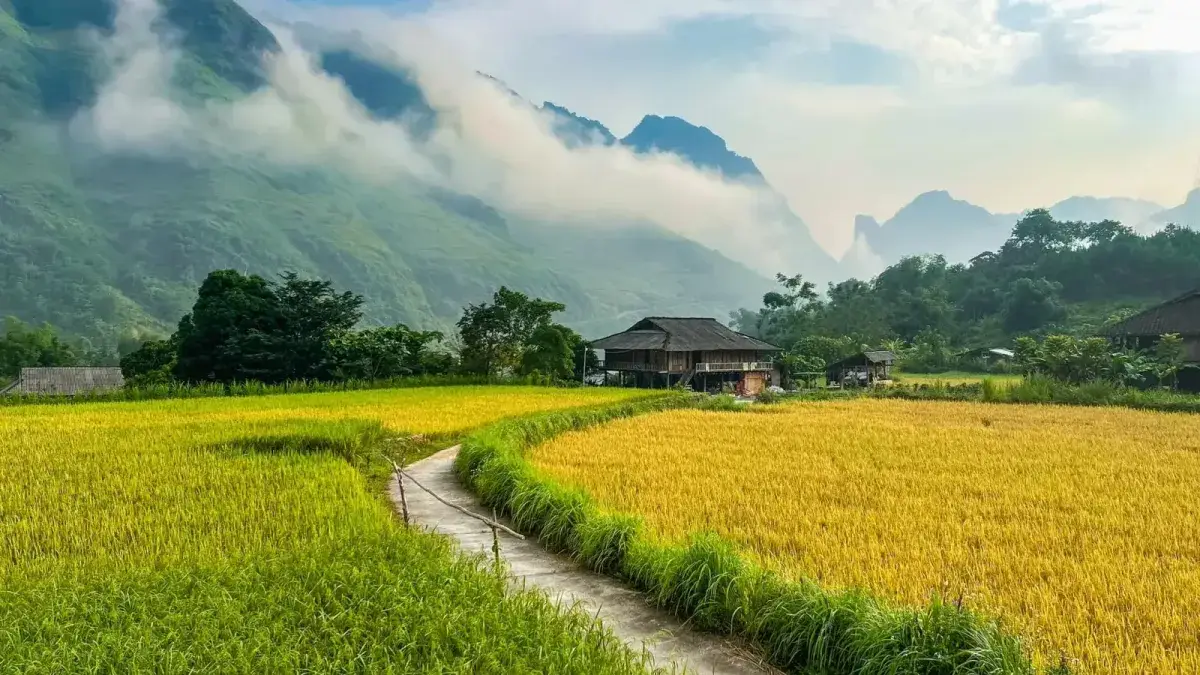 An additional day allows routes to include quieter places such as Du Gia instead of rushing directly between major viewpoint
Two days provide only a compressed introduction. Travelers spend long hours on the road and may turn back before completing the full loop. This option works best for visitors who understand the trade-off and accept fewer stops.
Three days are the common minimum for the core loop. A typical route travels from Ha Giang to Dong Van, continues through Ma Pi Leng and Meo Vac, then returns by a different road. The schedule remains active and requires early starts.
Four days create a better balance. The extra time can support Du Gia, a Nho Que River boat trip, slower village stops or shorter riding days. For many first-time visitors, this is the strongest overall choice.
Five days or longer can combine the loop with trekking, Hoang Su Phi, Cao Bang, Ban Gioc Waterfall or Ba Be Lake. Longer routes need careful logistics because distances between regions remain substantial.
Longer journeys: Ha Giang and Hoang Su Phi 5 Days | Hoang Su Phi Hiking Adventure 8 Days | Cao Bang from Hanoi guide
6. Plan the best season, transfer and road safety
Ha Giang can be visited throughout the year, but conditions vary by month and elevation. Autumn often brings clearer weather, rice harvest scenery in selected valleys and buckwheat flowers across parts of the plateau. Late winter and early spring may bring peach and plum blossoms, cool temperatures and morning mist.
Summer landscapes are green, but heavier rain can increase the risk of slippery roads, landslides and itinerary changes. Winter nights can feel much colder than Hanoi, especially in Dong Van and Meo Vac. Pack layers even when the capital feels warm.
Most travelers reach Ha Giang from Hanoi by daytime bus, limousine van or overnight sleeper service. The transfer usually takes several hours, and overnight travel can affect sleep quality. Avoid beginning a demanding self-ride immediately after a poor night’s rest.
Bring a waterproof layer, warm clothing, sunscreen, gloves, comfortable shoes and protection for phones or cameras. Keep luggage compact. Large suitcases are inconvenient on motorbike routes and may need to be stored or transported separately.
Travel insurance should cover the planned activity and vehicle type. A standard policy may exclude motorbike use without the correct license or helmet. Review the terms before departure rather than after an incident.
Road safety essentials: use a well-fitted helmet, avoid night riding, slow down in fog or rain, keep distance from trucks, follow the guide’s signals and accept route changes when local conditions require them.
7. FAQs
Is three days enough for a Ha Giang tour?
Three days are enough for the main loop, but the pace is active. Four days allow more relaxed stops and can include Du Gia or additional village time.
Do I need to ride a motorbike?
No. You can join an easy rider tour as a passenger or choose a private car or jeep itinerary covering the main viewpoints and towns.
Is the Ha Giang Loop suitable for beginners?
Beginners should not assume the loop is an easy practice route. An easy rider or private vehicle is safer when you lack mountain-road experience or the required license.
What is the best month for Ha Giang tours?
October and November are popular for cooler weather and buckwheat flowers. Spring can bring blossoms, while summer is greener but may have heavier rain.
Can families travel around Ha Giang?
Yes, but a private car usually provides better comfort and flexibility. Families should keep daily road time realistic and confirm child seats or suitable safety equipment.
Should I book from Hanoi or after arriving in Ha Giang?
Booking in advance is useful when you need a specific guide, easy rider, private vehicle or room type. Confirm the Hanoi transfer, pickup point and first-night accommodation.