1 DayPrivate
Private tour
Tham Phay Cave Expedition - 1 Day
Route customized around your travel dates.
5.0Excellent1,508 reviews
From
US $138/pax

PHONG NHA CAVES
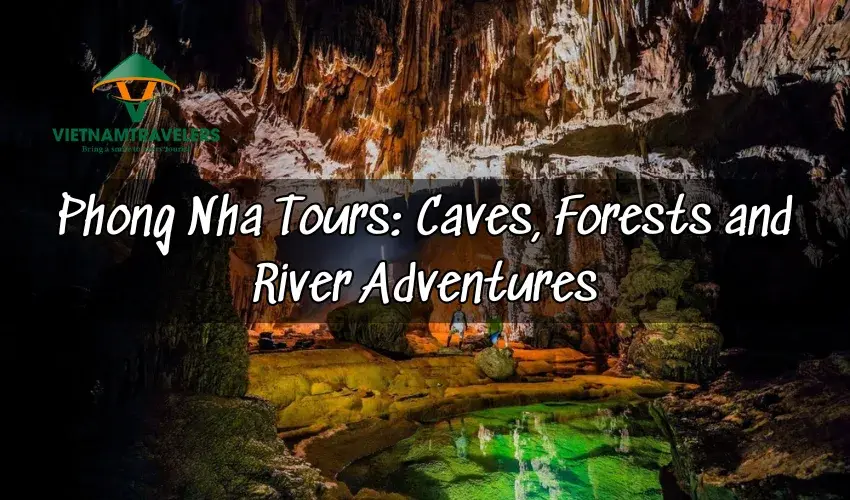
Explore the world's largest cave system at Son Doong, Paradise Cave and the emerald rivers of Phong Nha National Park.
Phong Nha guide
Phong Nha tours open a landscape shaped by limestone, underground rivers, tropical forest, and village life. The caves are central, but the destination offers more than dark chambers.
A strong visit balances easy cave access with river scenery, forest interpretation, and enough recovery time. This approach suits first-time guests and experienced adventurers.
This hub compares Phong Nha private tours, package styles, local activities, and realistic trip lengths. It keeps planning focused on Phong Nha and its national park setting.
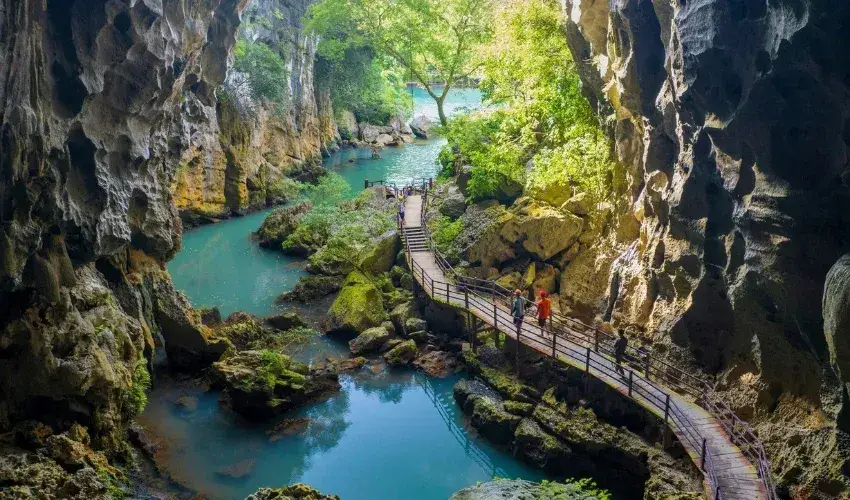
Phong Nha village is the practical gateway, while the national park holds several distinct travel zones. Understanding those zones prevents slow transfers and repeated routes.
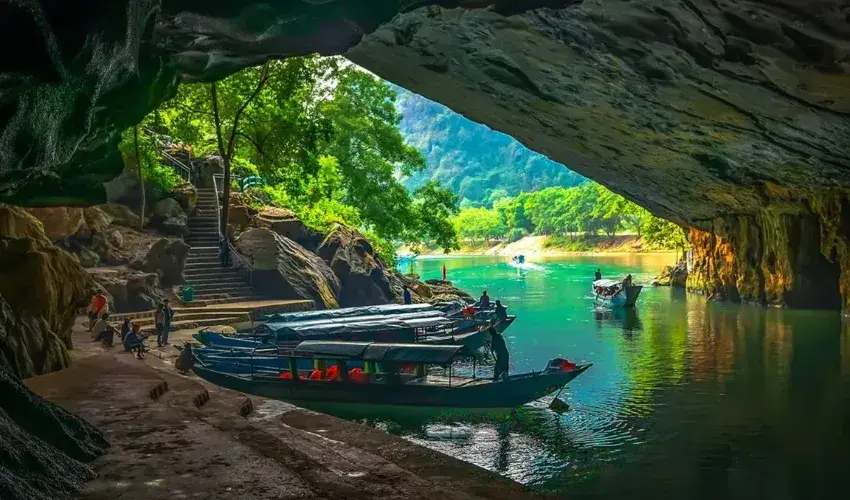
The Son River corridor leads toward Phong Nha Cave. The boat journey creates a gentle introduction before visitors enter the underground river system.
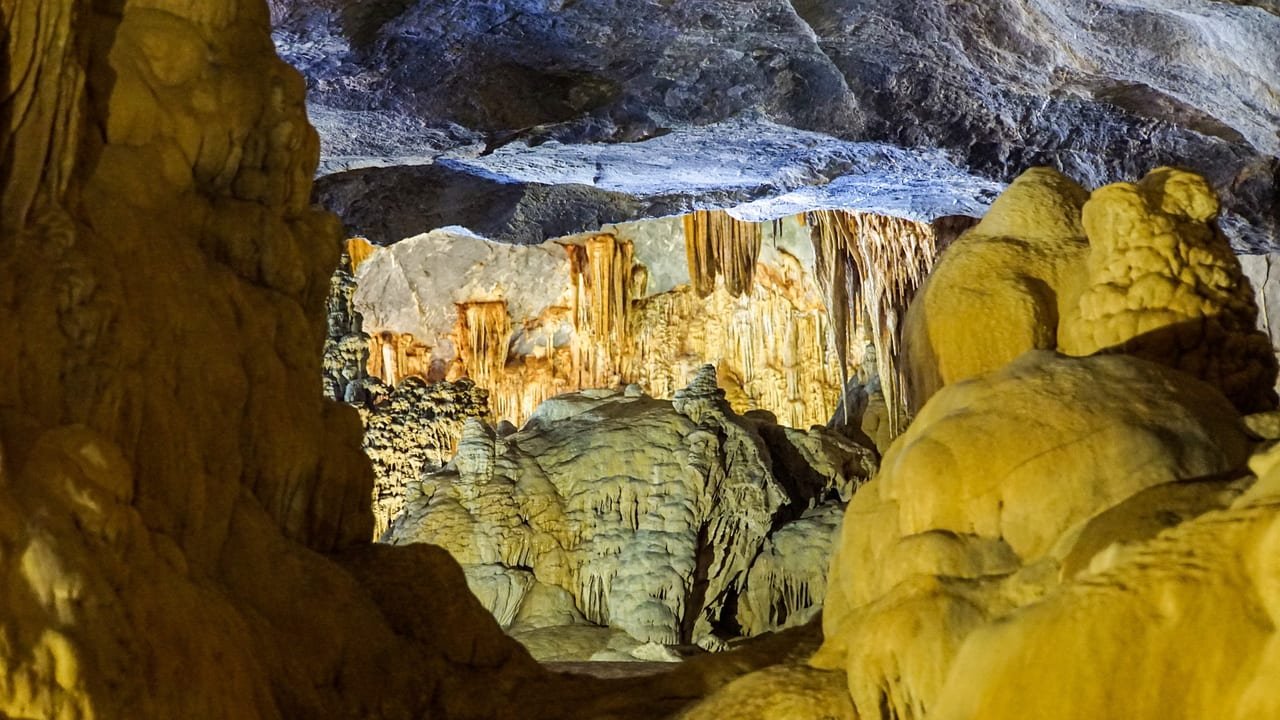
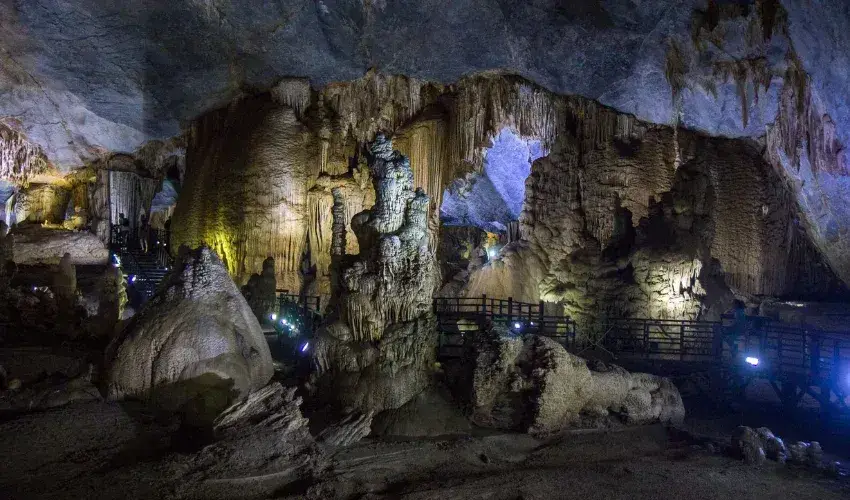
Paradise Cave lies deeper within the park and offers a dry-cave experience. Boardwalk access makes the main visitor section easier than expedition routes.
The Chay River area combines water, limestone, and active recreation. Programs may include kayaking, swimming, zipline sections, or Dark Cave activities.
Forest sites add ecological context between cave visits. Mooc Spring, the Botanical Garden, and selected trails offer shade, streams, and plant interpretation.
Specialist cave zones require licensed arrangements and stricter preparation. These journeys may involve trekking, camping, swimming, climbing, or technical movement.
Most Phong Nha tours work better when nearby sites share one route. Good sequencing reduces road time and protects energy for the caves.
Planning zones
Use Central Vietnam Tours for regional comparisons. This page remains dedicated to Phong Nha and its immediate adventure landscape.
The best things to do in Phong Nha depend on confidence, mobility, water skills, and available time. Cave size alone should not decide the route.
Phong Nha Cave suits travelers wanting a scenic approach and limited physical strain. Boats cross the Son River before entering the cave entrance.
Tien Son Cave can extend the same outing with more steps and elevation. It works better for visitors comfortable with sustained stair climbing.
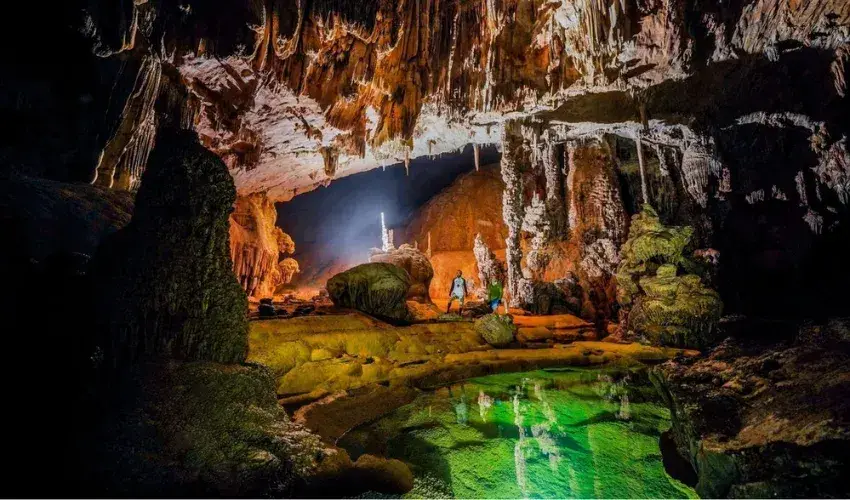
Paradise Cave emphasizes scale, formations, and a long dry passage. The standard visitor route remains different from remote caving expeditions.
Dark Cave programs suit active guests who accept water, mud, and safety equipment. Exact activities can change with operating rules and river conditions.
Mooc Spring offers a lighter nature day around clear water and forest. It can balance a schedule filled with enclosed cave spaces.
The Botanical Garden adds short trails, environmental interpretation, and waterfall scenery. Wildlife sightings should never be treated as guaranteed.
Longer expeditions require a separate decision process. Fitness screening, permits, equipment, fixed departures, and trained support become essential.
Choose an activity level that matches the whole group:
Easy: boat access, established walkways, short transfers, and limited uneven ground.
Moderate: longer stairs, forest paths, swimming options, and several active hours.
Challenging: steep terrain, river crossings, crawling, camping, or remote jungle sections.
Specialist: fixed expeditions with strict permits, technical support, and limited departures.
Adventure Tours and Trekking Tours help travelers compare active formats. Family Holiday Tours supports gentler planning with children.
Phong Nha tour packages vary more by access level than by attraction count. The correct format should match the least confident traveler.
Shared cave days provide simple transport and fixed timings. They suit classic attractions, but guests have little control over pace or meal stops.
Phong Nha private tours allow earlier departures, slower walking, and cleaner activity sequencing. Guides can adjust around children, heat, or photography interests.
Eco-focused programs prioritize forests, rivers, conservation stories, and local livelihoods. They should avoid exaggerated promises about rare wildlife sightings.
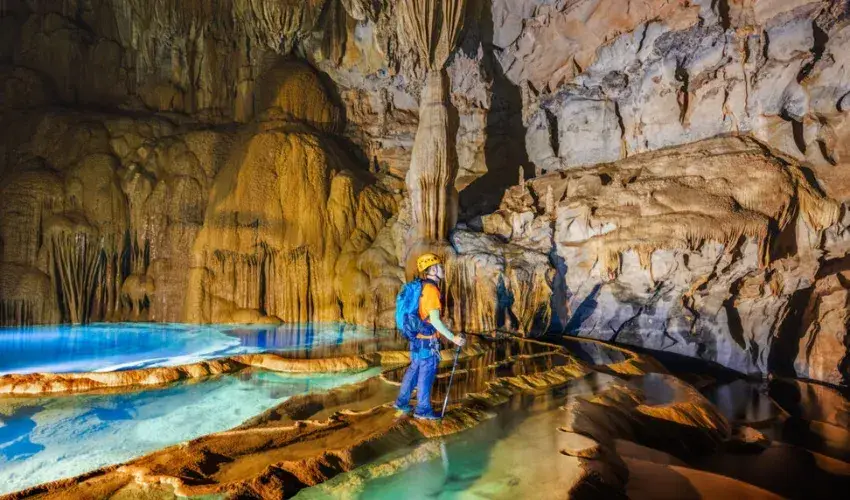
Adventure packages combine caves with swimming, trekking, climbing, or camping. Equipment standards and guide ratios matter more than polished marketing language.
A balanced package may pair one major cave with one outdoor activity. Visiting several similar caves in one day can reduce attention and comfort.
Phong Nha private tours also improve meal timing and equipment changes. That flexibility matters after swimming, muddy sections, or long forest walks.
Common Phong Nha tour packages
Private does not automatically mean adventurous. It means the route, pace, support, and timing can match the traveler.
Private Custom Tours supports flexible design. Sustainable and Eco Tours provides a stronger filter for nature-led experiences.
A useful Phong Nha itinerary begins with arrival time and activity level. The destination should not be treated as a rushed transit stop.
One day should focus on one classic cave and one contrasting experience. A river journey and a dry cave create different impressions.
Two days suit most first-time visitors. Separate the main caves, then add a forest, spring, or countryside activity.
Three days allow one active day without sacrificing recovery. This length works well for mixed groups and changing weather.
Four days can support a specialist expedition or slower nature travel. Arrival and departure periods remain useful buffers.
Dong Hoi is the main transport gateway for many travelers. Transfers should be timed around flight, train, or overnight transport schedules.
Guests continuing south should avoid placing a hard transfer after a demanding cave day. Delays, wet equipment, and fatigue can affect the journey.
Suggested trip structure
A private Phong Nha itinerary should state travel time, walking distance, water exposure, equipment, meals, and weather alternatives.
Vietnam Short Tours helps compare other two-to-seven-day journeys. Hue Tours and Hoi An Tours belong to separate destination plans.
Cave travel depends on rainfall, river levels, trail safety, and site operations. A published program may require same-day adjustments.
Rain is most disruptive from October to December. Flooding can affect boats, caves, roads, and river activities during this period.
Hotter months increase dehydration and fatigue before entering cooler caves. Water, sun protection, and planned rest remain important.
Cave interiors may be cool, wet, dark, or slippery. Footwear must suit the most difficult section, not the easiest entrance.
Technical trips should include trained guides, helmets, lighting, flotation, emergency equipment, and clear evacuation procedures. Travelers should disclose relevant medical conditions.
Reputable Phong Nha tours explain difficulty before payment. Guests should receive realistic details, not labels like easy or adventurous alone.
Before booking Phong Nha tours, confirm:
Exact cave names, route distance, elevation, swimming needs, and expected time underground.
Operator licenses, park permission, guide ratio, safety briefing, and emergency communication.
Included transfers, entrance fees, meals, drinking water, helmets, lights, gloves, and dry bags.
Minimum age, weight rules, fitness standards, medical limits, and previous experience requirements.
Rain policy, closure alternatives, cancellation terms, luggage storage, showers, and return timing.
Visitors should never touch cave formations. Oils, dirt, and accidental pressure can damage features formed over immense periods.
Noise, litter, off-trail movement, and wildlife disturbance weaken the experience. Responsible guiding should explain conservation without turning nature into a performance.
Light clothing, a rain layer, secure footwear, spare socks, and waterproof storage suit many classic routes. Expedition lists require stricter equipment.
Sustainable and Eco Tours can guide broader nature planning. Adventure Tours is better for travelers seeking physical challenge.
1. How many days are enough for Phong Nha tours?
Two days suit most first-time visitors. Three days allow an active program with better recovery and weather flexibility.
2. What do Phong Nha tour packages usually include?
Packages may include transfers, guiding, entrance fees, boats, meals, safety equipment, and selected outdoor activities.
3. Are Phong Nha private tours suitable for families?
Yes, when caves, walking distance, water exposure, vehicle support, and rest periods match each child.
4. What are the best things to do in Phong Nha?
Combine one accessible cave, one contrasting cave or river activity, and one forest or countryside experience.
5. How should a first Phong Nha itinerary be planned?
Use two days, separate major caves, protect weather flexibility, and avoid demanding transfers after active tours.
References