
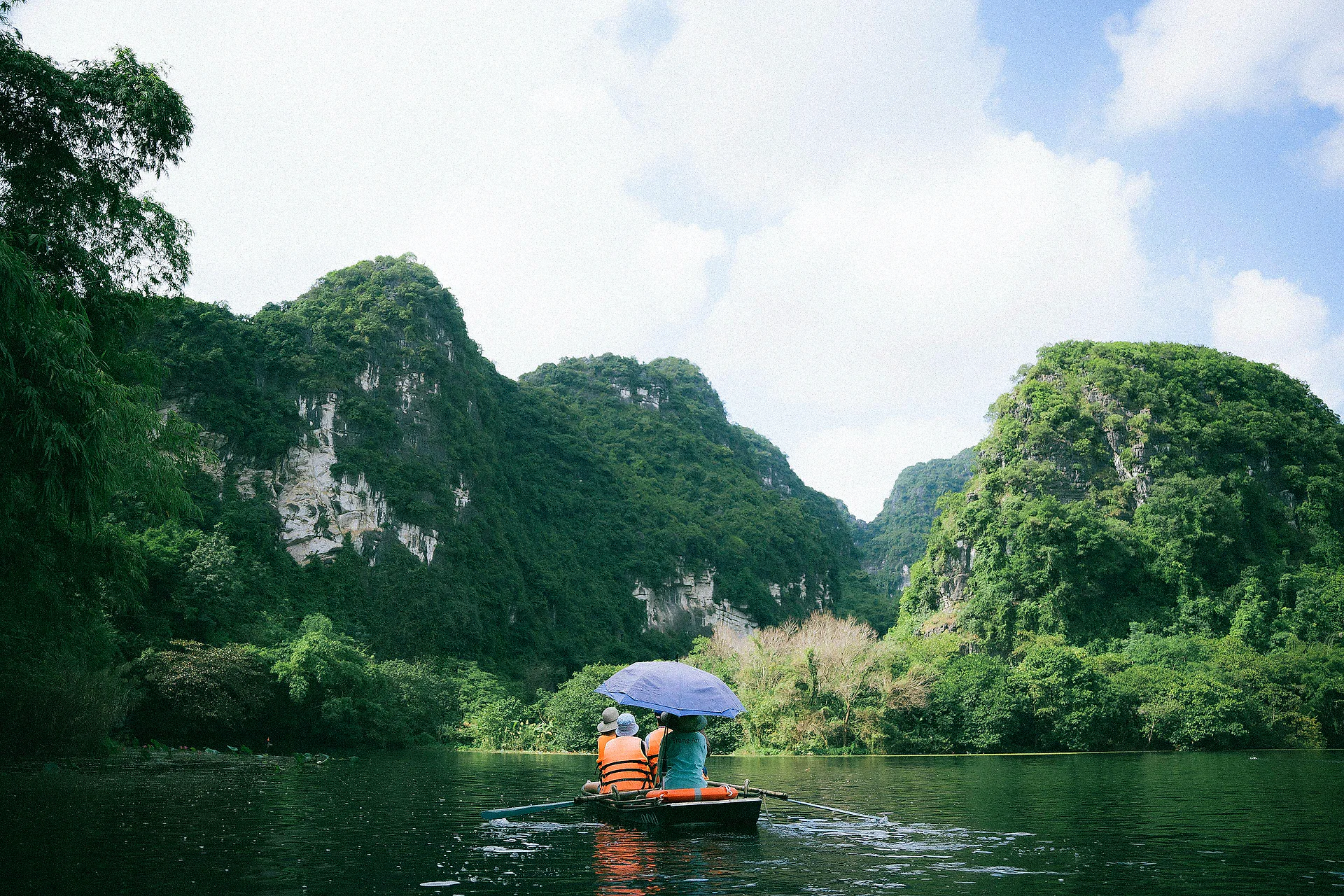
CENTRAL HIGHLAND TOURS
Buon Me Thuot Tours
Explore coffee plantations, elephant sanctuaries and Ede minority villages in the Central Highlands capital.
Buon Me Thuot guide
Explore Buon Me Thuot
Buon Ma Thuot Tours: Coffee, Waterfalls and Highland Culture
Buon Ma Thuot Tours reveal Vietnam’s coffee capital through working farms, waterfalls, highland forests, and living local culture.
The city offers an easy base for short excursions. Longer routes continue toward Lak Lake, Yok Don, and remote Central Highlands roads.
Coffee remains the clearest theme. Yet the strongest journeys also include Ede or M’nong communities, local food, and careful nature experiences.
Choose by available time, preferred activity level, and desired cultural depth. A focused route feels richer than a rushed checklist.
1. Why choose Buon Ma Thuot tours?
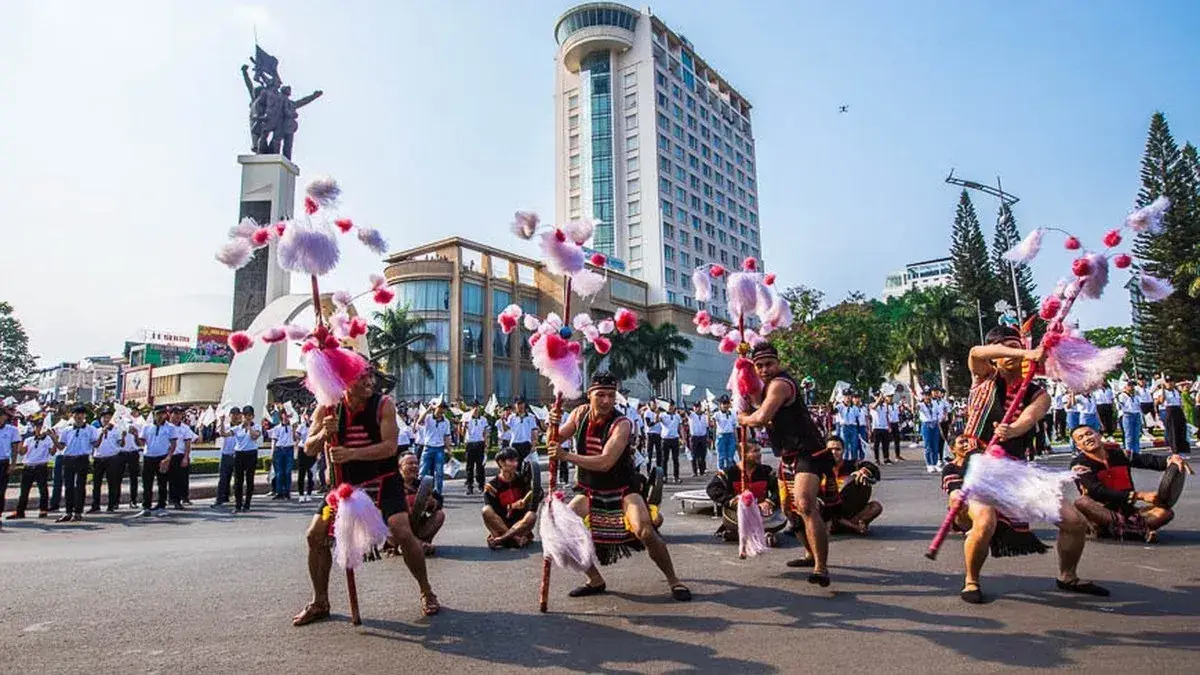
Buon Ma Thuot blends an active provincial capital with strong Central Highlands identity. Photo: Vietnam Tourism Board.
Buon Ma Thuot feels different from Vietnam’s coastal cities. Broad streets, old trees, coffee houses, and highland architecture shape the city.
The surrounding province adds waterfalls, plantations, lakes, villages, and dry forest. These places support varied day tours without constant long transfers.
First-time visitors often start with coffee heritage and a city route. Nature-focused travelers can continue toward Dray Nur, Lak Lake, or Yok Don.
A guided journey adds context. Local stories explain farming, ethnic architecture, food traditions, and changing rural livelihoods.
Choose a city and coffee day for a short visit.
Add waterfalls for scenery and light walking.
Choose Lak Lake for slower rural travel and community contact.
Choose Yok Don for forests, wildlife, and active exploration.
Explore more: Buon Me Thuot tour collection | Dalat & Highlands tours
2. Discover coffee heritage and the World Coffee Museum
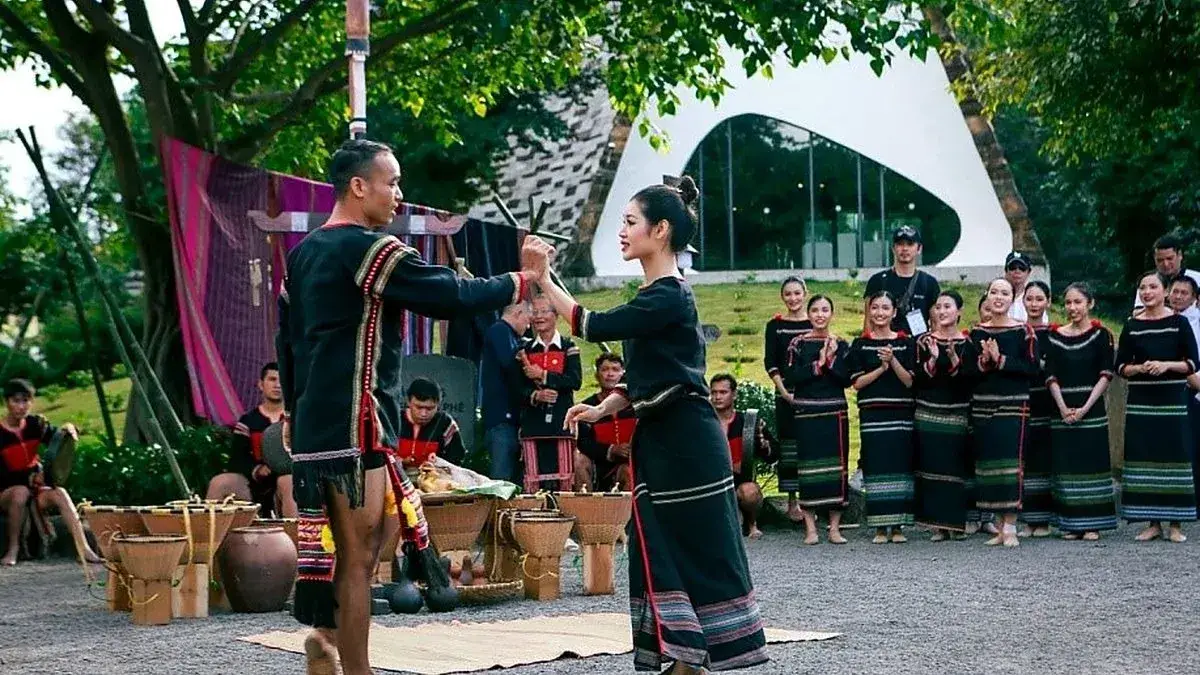
Coffee stories become more meaningful when history, design, and local culture meet in one visit. Photo: Vietnam Tourism Board.
Buon Ma Thuot is closely associated with robusta coffee. A well-planned tour explains cultivation, processing, roasting, brewing, and local drinking habits.
The World Coffee Museum gives visitors a broad cultural starting point. Its exhibits connect coffee tools, trade, ritual, and global coffee history.
Architecture also shapes the visit. The building draws visual ideas from Central Highlands longhouses and communal forms.
Allow time for the galleries, outdoor spaces, and a tasting. Rushing through the museum weakens the connection between objects and local context.
A city route can also include Khai Doan Pagoda, Dak Lak Museum, local cafes, and a quiet neighborhood walk.
Related routes: Buon Me Thuot Tours | Vietnam tours
3. Visit coffee farms and follow the bean-to-cup journey
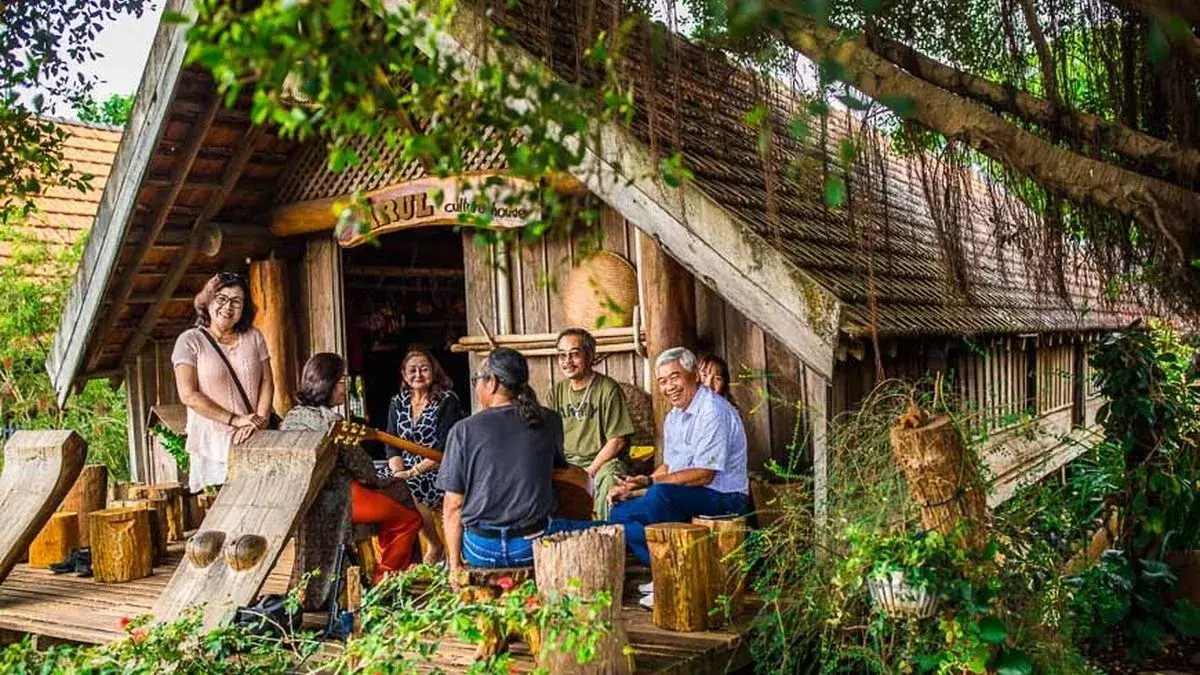
Coffee visits work best when travelers meet growers, ask questions, and understand each production stage. Photo: Vietnam Tourism Board.
A farm tour should show more than a tasting table. Look for visits that explain soil, plant care, harvest timing, drying, and roasting.
Season changes what you see. Blossoming, green cherries, ripe fruit, and drying yards appear at different times of year.
Ask whether the farm is working or staged mainly for visitors. Smaller producer visits often allow deeper conversation and clearer sourcing information.
Private tours provide more time for photography and technical questions. Small groups create a social atmosphere and usually cost less per person.
Avoid judging quality only by packaging or strong flavor. A useful guide explains bean variety, processing method, roast level, and brewing style.
Combine interests: Tea & Coffee Tour in Da Lat | Dalat & Highlands
4. Explore Dray Nur and Dray Sap waterfalls
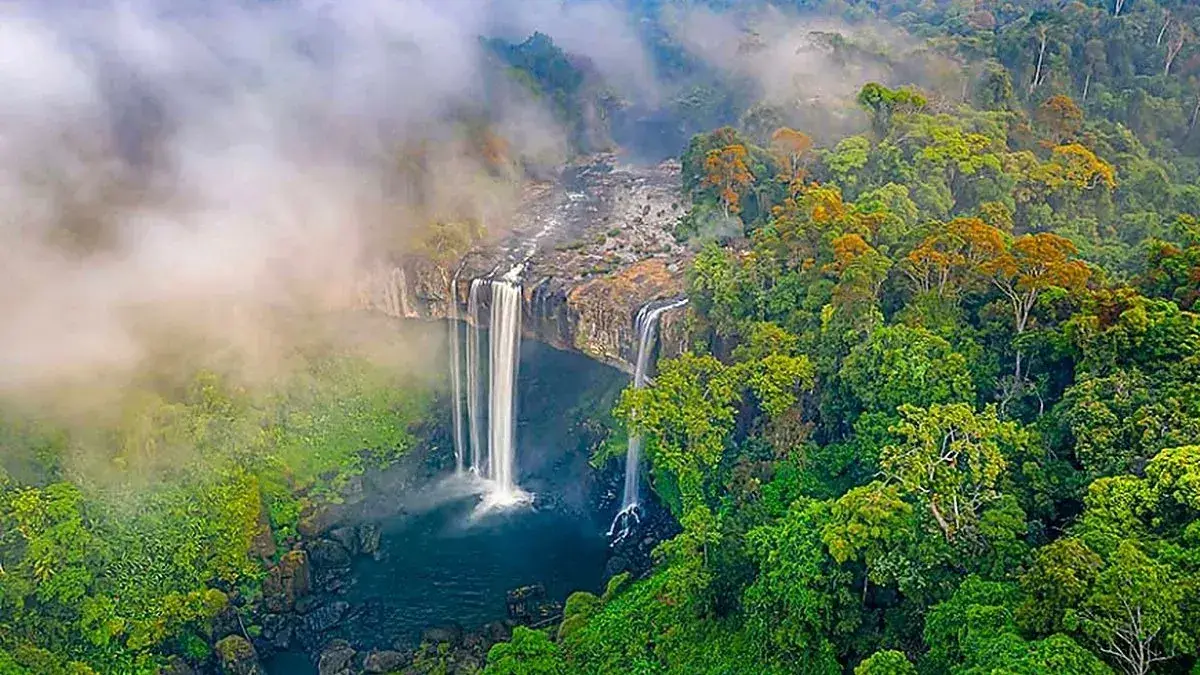
Waterfall days bring cooler air, forest views, and a stronger sense of Dak Lak’s volcanic landscape. Photo: Vietnam Tourism Board.
Dray Nur and Dray Sap are among Dak Lak’s best-known waterfalls. Their power changes with rainfall and seasonal river levels.
A practical route allows time for viewpoints, steps, bridges, and shaded pauses. Wet surfaces can become slippery near spray zones.
Some tours combine the falls with coffee farms or village visits. This works when travel time remains realistic and stops feel unhurried.
Bring secure shoes, sun protection, drinking water, and a light rain layer. Swimming rules can change with current conditions.
Families should ask about stair sections and barriers. Travelers with limited mobility need clear access details before departure.
Explore more: Short tours and excursions | Central Highlands 7-day journey
5. Travel to Lak Lake and M’nong communities
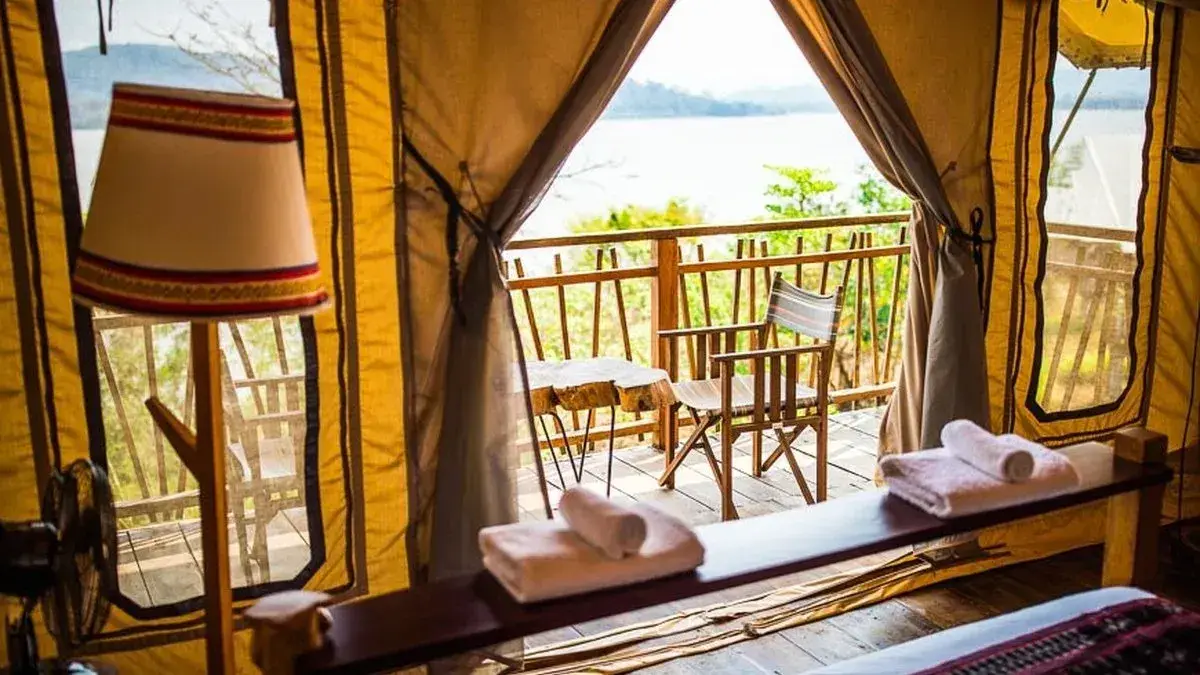
Lak Lake supports slow mornings, boat crossings, cycling, and longer conversations with local hosts. Photo: Vietnam Tourism Board.
Lak Lake offers a slower contrast to the city. Water, fields, small roads, and traditional villages create a calm overnight setting.
Activities may include boating, kayaking, cycling, short walks, and visits to M’nong communities. The route should respect daily village life.
An overnight stay gives the lake more meaning. Early light, quiet water, and local meals are difficult to experience on a rushed day trip.
Ask how the tour supports local hosts. Fair payment, small groups, and respectful photography matter more than staged performances.
Choose accommodation by comfort level. Options may range from simple homestays to private tented stays with lake views.
Continue planning: Buon Me Thuot destination hub | Central Highlands eco journey
6. Meet Ede culture through longhouses, music, and food
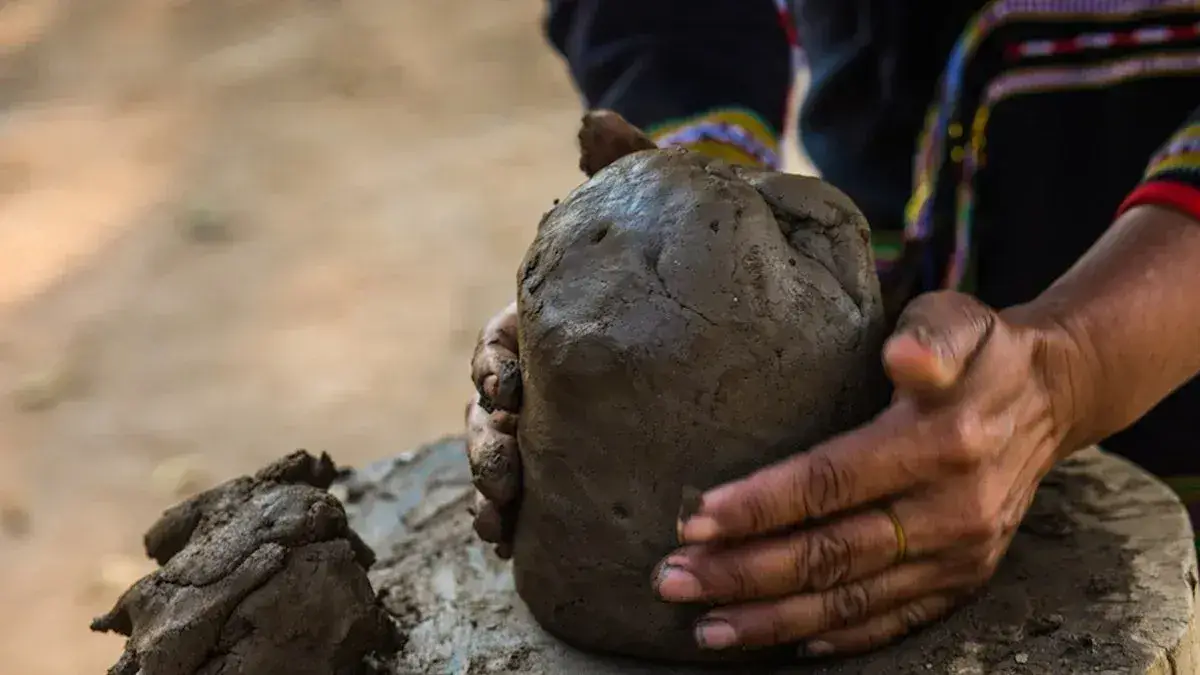
Hands-on cultural visits reveal materials, skills, and family knowledge behind highland traditions. Photo: Vietnam Tourism Board.
Ede culture appears through matrilineal family traditions, longhouse architecture, music, textiles, food, and community rituals.
A respectful tour avoids presenting culture as decoration. Guides should explain who hosts the visit and how the community participates.
Longhouses reveal how space reflects family structure. Everyday objects, weaving, baskets, jars, and musical instruments add practical context.
Gong performances carry deep meaning across the Central Highlands. They should be presented with explanation, consent, and suitable community involvement.
Local meals can include grilled dishes, rice, vegetables, herbs, and regional soups. Share allergies before the guide confirms a menu.
Explore related journeys: Central Highlands 7 days | Central Highlands 10 days
7. Choose ethical wildlife experiences in Yok Don
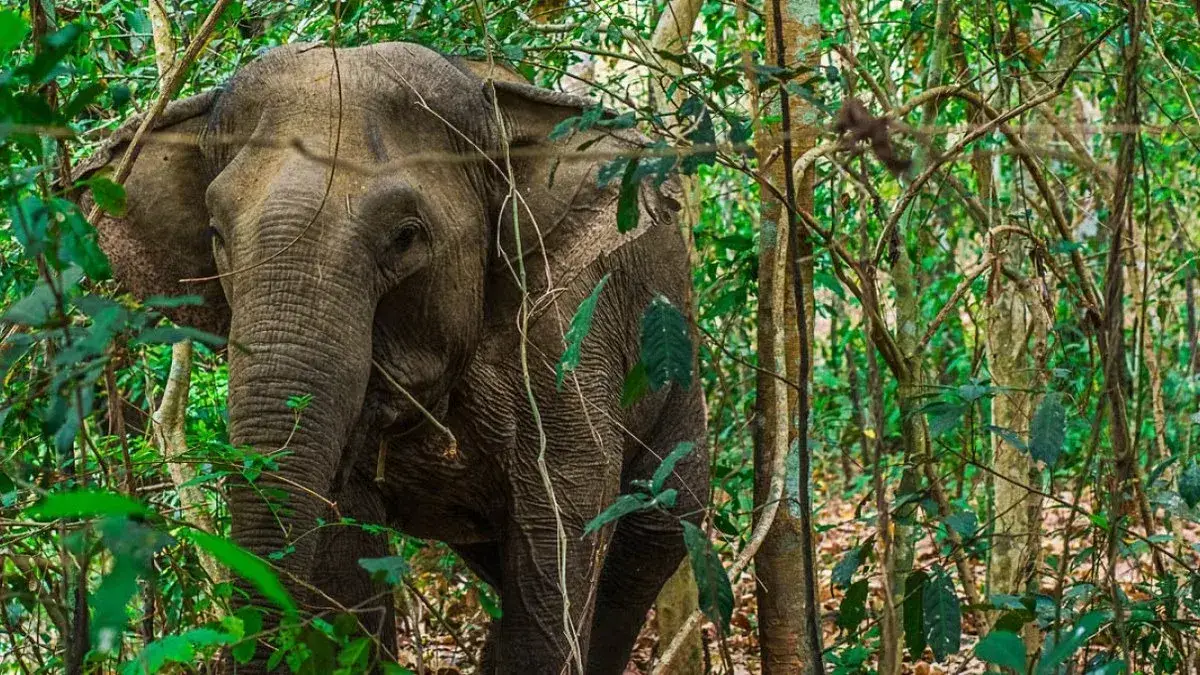
Observation-first wildlife visits protect animal choice and create a more honest forest experience. Photo: Vietnam Tourism Board.
Yok Don introduces dry forest, river scenery, ranger knowledge, and wildlife conservation. It also offers a clearer alternative to elephant entertainment.
Choose programs where elephants roam freely and visitors observe from a distance. Avoid riding, performances, forced bathing, and close-contact photo sessions.
Forest walks require patience. Wildlife sightings can never be guaranteed, and responsible guides do not manipulate animals for photographs.
Other activities may include trekking, cycling, birdwatching, or river travel. Confirm distance, heat exposure, and required equipment.
The best tour explains conservation challenges and local livelihoods. It should not reduce the forest to one headline animal.
Featured activity: Trekking in Yok Don National Park | Adventure tours
8. Build a one-day, two-day, or three-day itinerary
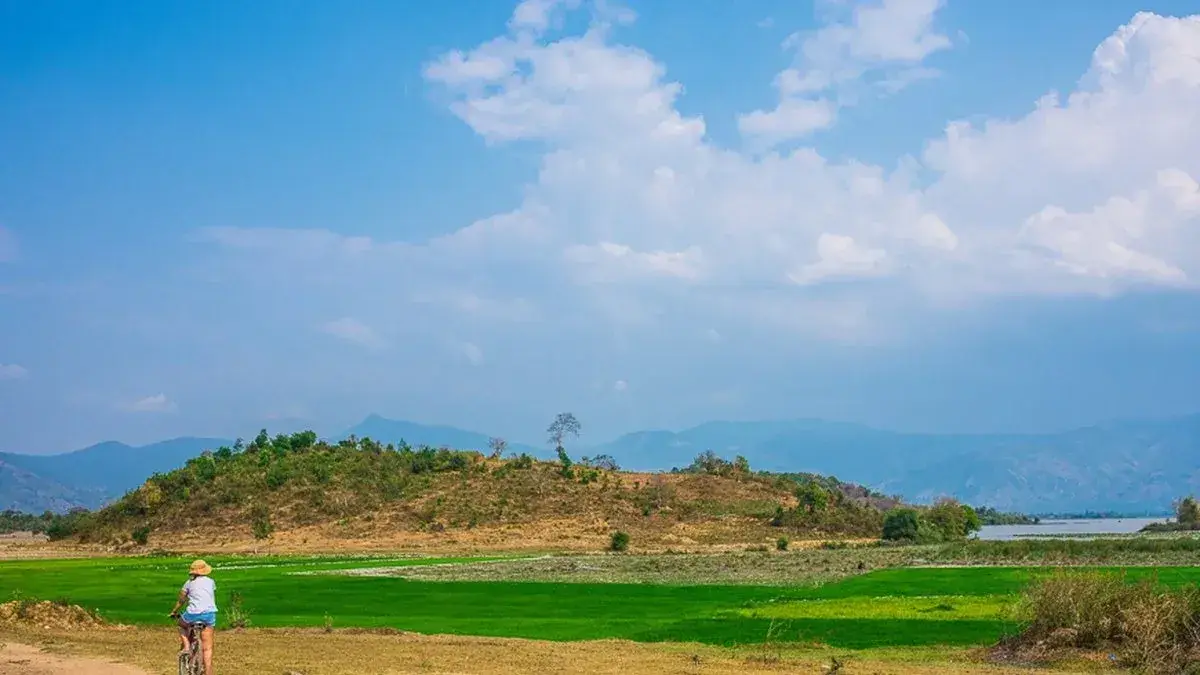
A focused itinerary leaves room for landscapes, local stories, and small stops along highland roads. Photo: Vietnam Tourism Board.
One day suits the city, museum, cafes, and one nearby farm. Keep the route compact and avoid adding a distant lake or national park.
Two days allow one city day and one nature day. Popular combinations include coffee with Dray Nur, or the city with Lak Lake.
Three days create space for Lak Lake, Yok Don, or a broader Dak Lak circuit. An overnight stay reduces repeated driving.
Longer journeys can connect Buon Ma Thuot with Da Lat, Kon Tum, Pleiku, Hoi An, or Ho Chi Minh City.
Motorbike routes feel immersive but require realistic daily distances. Private cars offer more comfort for families and mixed-age groups.
One day: coffee museum, city culture, cafes, and one farm.
Two days: city and coffee, plus waterfall or Lak Lake.
Three days: add Yok Don, a village stay, or wider countryside.
Seven days or more: connect major Central Highlands destinations.
Longer routes: Vietnam Highlands Motorbike Tour 7 days | Discover Vietnam’s Central Highlands 7 days
9. Compare Buon Ma Thuot tour styles
Durations and inclusions differ between operators. Confirm transport, guide service, entrance fees, meals, accommodation, and activity equipment.
Compare more: Dalat & Highlands tours | Motorbike adventure tours
10. Practical planning and booking tips
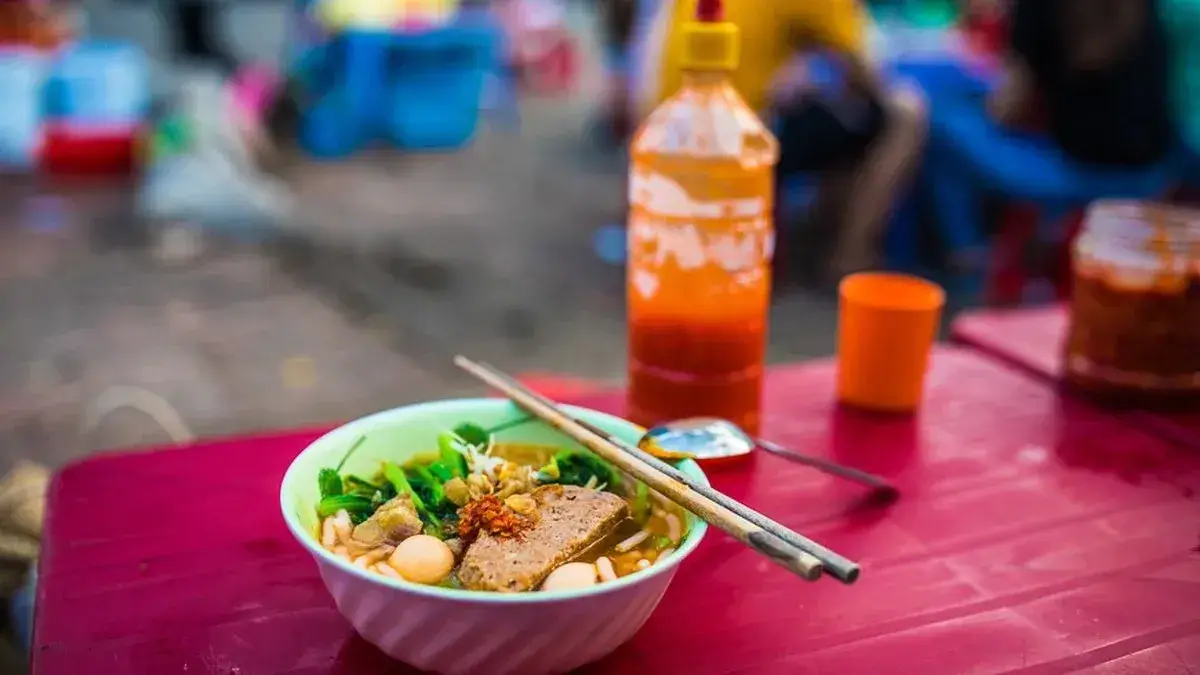
Local meals and strong coffee add texture between museum, waterfall, and countryside stops. Photo: Vietnam Tourism Board.
Start with your available nights. Buon Ma Thuot works as a city base, while Lak Lake and Yok Don need dedicated travel time.
Dry conditions support easier road travel and walking. Wetter months can produce fuller waterfalls but also slippery paths and route changes.
Pack secure shoes, light layers, sun protection, insect repellent, and a reusable water bottle. Forest and waterfall days need practical clothing.
Confirm pickup, return time, guide language, and vehicle type. Mountain routes can feel longer than map distance suggests.
Share dietary, mobility, and medical needs before booking. Rural areas may offer fewer last-minute alternatives.
Leave space for local food. Bún đỏ, grilled dishes, regional vegetables, and coffee create useful breaks between major stops.
11. FAQ
1. How many days do I need for Buon Ma Thuot tours?
One day covers coffee and city culture. Two or three days allow waterfalls, Lak Lake, Yok Don, or a broader Dak Lak route.
2. What are the best tours for first-time visitors?
Combine the World Coffee Museum, a working coffee farm, and one cultural stop. Add Dray Nur when nature matters most.
3. Can I visit Lak Lake as a day trip?
Yes, but an overnight stay creates a calmer experience. It allows early lake views, village cycling, and local meals.
4. Are elephant rides recommended in Dak Lak?
No. Choose observation-first programs where elephants move freely. Avoid riding, performances, forced bathing, and close-contact photographs.
5. Is Buon Ma Thuot suitable for families?
Yes. Private vehicles, coffee visits, museums, waterfalls, and flexible lake stays suit many families. Check walking difficulty first.
6. Should I choose a private or small-group tour?
Private tours offer flexible pacing and route changes. Small groups usually cost less and suit travelers comfortable with fixed timing.