
MU CANG CHAI TERRACES
Mu Cang Chai Tours
Plan Mu Cang Chai tours with private transport, terrace walks, village stays, flexible packages, and practical 2-4 day itineraries.
Mu Cang Chai guide
Explore Mu Cang Chai
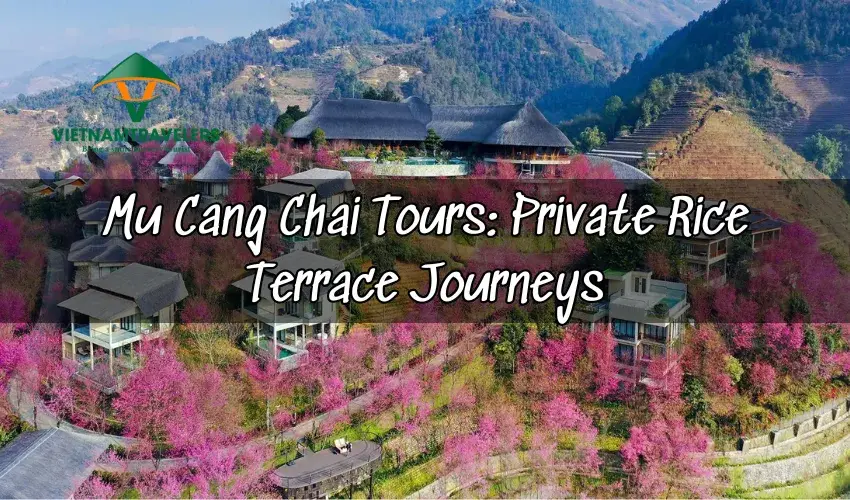
Mu Cang Chai Tours: Private Rice Terrace Journeys
Mu Cang Chai tours reveal one of Northwest Vietnam's most distinctive mountain landscapes. Terraced rice fields wrap around steep slopes, while Hmong communities shape the region's living culture.
Most journeys begin with a long road transfer from Hanoi or another northern base. The reward is a slower trip built around viewpoints, guided walks, village stays, and seasonal farming scenes.
This hub compares Mu Cang Chai private tours, practical packages, local activities, and suitable trip lengths. It helps travelers choose a route without copying exact product itineraries or booking details.
1. What Mu Cang Chai tours include
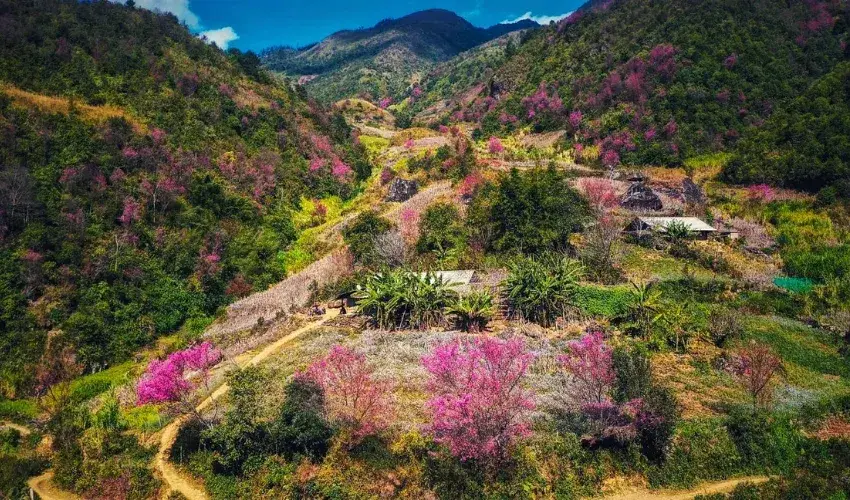
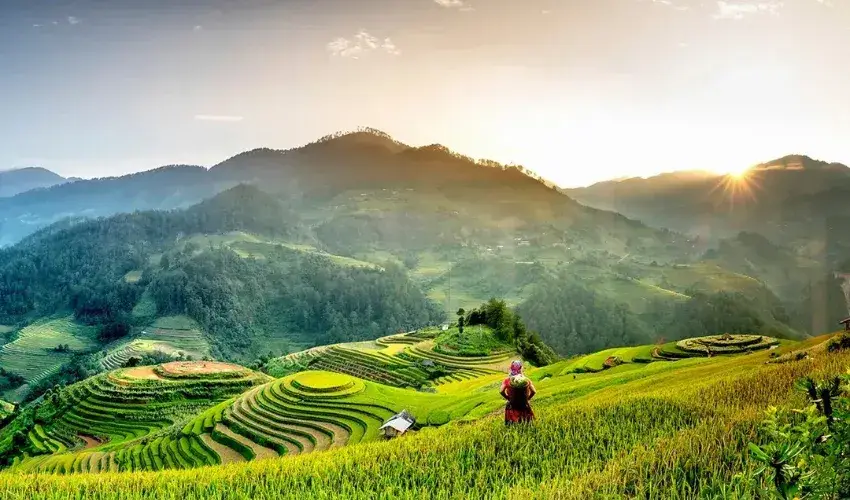
Mu Cang Chai is best known for terraced fields developed across high mountain valleys. The scenery changes with water, planting, green growth, and harvest.
Terrace areas around La Pan Tan, Che Cu Nha, and De Xu Phinh create the destination's strongest visual identity. Khau Pha Pass and Tu Le also shape the main approach route.
A useful tour connects landscape with local context. Guests should understand farming cycles, road conditions, village etiquette, and the cultural role of the Hmong community.
Typical Mu Cang Chai tour packages include private transport, accommodation, selected meals, guiding, and planned walks. Some programs add photography stops, markets, craft experiences, or seasonal events.
Accommodation ranges from simple homestays to small mountain lodges. Room standards, access, heating, bathrooms, and views can vary greatly between properties.
Walking remains central to many trips. Routes may cross narrow paths, terrace edges, village lanes, forest sections, or uneven slopes.
A local guide adds value beyond navigation. Good interpretation explains terrace engineering, seasonal work, household traditions, and respectful visitor behavior.
The destination suits focused mountain breaks and wider Northwest journeys. However, this page should remain centered on experiences inside Mu Cang Chai.
Travelers planning a broader route can compare Sapa & Northwest Tours and Vietnam Short Tours. Those hubs should handle regional combinations and longer planning.
2. Choose your Mu Cang Chai package
The right package depends on available days, road tolerance, walking ability, accommodation needs, and seasonal expectations.
Two-day trips offer a quick landscape escape, but road time remains substantial. Three days provide a better balance between transfers, terraces, and village experiences.
Four days support slower walks, different viewpoints, and stronger weather flexibility. This duration also reduces pressure to visit every stop in one day.
Use the table below to compare common Mu Cang Chai tour packages. Exact routes should still reflect weather, field conditions, and local access.
Package options at a glance
A package should name the accommodation and room category. Remote properties may differ in access, privacy, bedding, heating, and bathroom standards.
Meal details also matter because independent choices can be limited. Guests should confirm included meals, dietary support, drinks, and meal timing.
Walking descriptions need distance, surface, elevation, and expected duration. Labels such as easy or moderate can vary between operators.
Private transport offers more control over comfort stops and photography breaks. It also suits families, older travelers, and groups carrying larger luggage.
Price differences often reflect vehicle quality, guide experience, room standards, meal plans, and private access. Compare inclusions before comparing totals.
Active visitors can compare Trekking Tours and Adventure Tours. These pages explain travel styles without replacing this destination hub.
3. Build your Mu Cang Chai itinerary
A practical Mu Cang Chai itinerary should protect transfer time and avoid constant hotel changes. Nearby viewpoints and villages should be grouped into logical days.
Arrival day works best with a gentle walk or scenic stop. A demanding trek after the mountain drive may reduce comfort and attention.
The middle day should hold the strongest experience. It can combine terrace viewpoints, village walking, local meals, and time for photography.
Departure day needs a realistic morning plan. The schedule should preserve packing, lunch, comfort stops, and the return journey.
Season must shape the route. Water-pouring scenes often appear around late May and early June, while golden fields usually peak from September into October.
Exact colors cannot be guaranteed. Rainfall, elevation, planting dates, and household decisions can shift the field cycle each year.
Suggested itinerary lengths
A three-day plan suits most first-time visitors. It gives the landscape enough time to feel meaningful without creating repeated stops.
Four days work better for photographers, walkers, and travelers wanting slower village time. Extra time also supports safer changes during poor weather.
Morning and late-afternoon light often create stronger terrace views. A flexible schedule can use these periods without rushing local meals.
Tu Le can provide a useful stop along the road, while Khau Pha offers wide mountain views. Local traffic and weather should guide stop duration.
Travelers continuing through the Northwest can explore Sapa Tours after this destination. A longer option is the Northwest Vietnam Adventure 7 Days.
The regional product page should own its exact daily route, inclusions, prices, and booking terms. This hub should guide destination selection.
4. Things to do in Mu Cang Chai
The best things to do in Mu Cang Chai combine terrace scenery, walking, local culture, and unhurried mountain time.
Use these experience groups when comparing Mu Cang Chai tours:
Walk through rice terraces with a local guide who understands paths, farming activity, and safe access.
Visit viewpoints around La Pan Tan for layered fields, changing light, and broad valley perspectives.
Travel across Khau Pha Pass when visibility and road conditions support a safe scenic stop.
Explore village lanes and learn how households adapt farming, clothing, food, and architecture to mountain life.
See traditional Hmong crafts, textiles, music, or seasonal ceremonies when communities welcome visitors.
Photograph water-pouring, green, or golden fields without entering crops or blocking local work.
Watch organized paragliding activity near Khau Pha only when events, weather, and authorized operators allow.
Leave free time for local meals, quiet viewpoints, reading, or a slower afternoon at the accommodation.
Popular viewpoints can become crowded during harvest weekends. Early starts and flexible timing often improve both comfort and photography.
Some access roads are narrow or steep. Local shuttle rules, walking approaches, and viewing arrangements may change without notice.
Photography requires consent when people become the subject. Buying local food or crafts can support households when purchases remain voluntary.
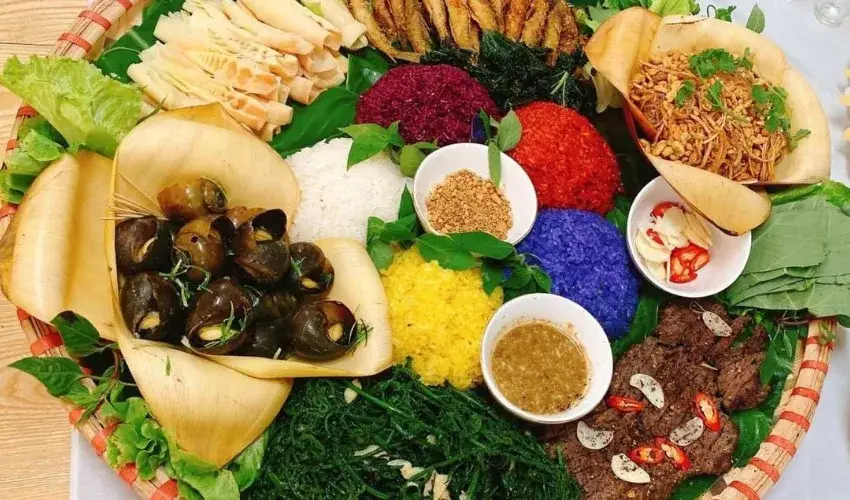
Local meals may feature sticky rice, mountain vegetables, pork, chicken, or seasonal ingredients. Menus depend on household supply and group needs.
Travelers seeking deeper cultural context can review Culture and Local Life Tours. Lower-impact planning can continue through Sustainable and Eco Tours.
5. Plan a smooth private tour
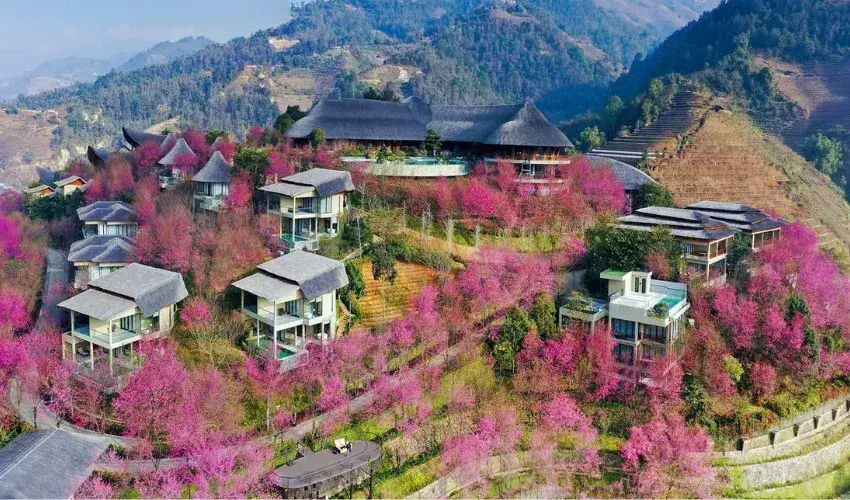
Mu Cang Chai private tours work best when the operator receives clear information early. Dates, mobility, luggage, diet, and room needs shape the route.
Road travel deserves honest planning. Mountain bends, weather, roadworks, and seasonal traffic can change arrival times.
Before confirming a private package, check these details:
Pickup location, vehicle type, luggage space, estimated road time, and planned comfort stops.
Accommodation name, room category, bedding, bathroom type, heating, meals, and road access.
Walking distance, trail surface, elevation, guide support, footwear needs, and easier alternatives.
Included meals, entrance fees, local activities, drinking water, tips, and optional payments.
Seasonal expectations, weather policy, route changes, emergency contact, and cancellation terms.
Child arrangements, mobility support, dietary needs, private celebrations, and preferred daily start times.
Packing should remain practical because some properties involve steps or short walks. Soft luggage is often easier than large hard-shell cases.
Bring supportive shoes, rain protection, sun care, insect repellent, and a light warm layer. Mountain conditions can change between daytime and evening.
The strongest Mu Cang Chai private tours avoid unrealistic promises. They protect pacing, safety, local value, and time to appreciate the terraces.
Groups needing flexible hotels, meals, guides, or photography time can start with Private Custom Tours. Vietnam Travelers can then prepare clear inclusions and alternatives.
6. Frequently asked questions
1. How many days are enough for Mu Cang Chai tours?
Three days suit most first-time visitors. Two days feel rushed, while four days allow slower walks and better weather flexibility.
2. What do Mu Cang Chai tour packages usually include?
Packages may include private transport, accommodation, selected meals, guides, and planned activities. Confirm every inclusion before payment.
3. When should I plan a Mu Cang Chai itinerary?
Late May and early June often show water-filled terraces. September and October usually bring green-to-golden harvest scenery.
4. Are Mu Cang Chai private tours suitable for families?
Yes, when routes use gentle walks, suitable rooms, flexible meals, and enough rest. Share child ages before confirmation.
5. What are the best things to do in Mu Cang Chai?
Combine terrace walks, La Pan Tan viewpoints, Khau Pha scenery, village visits, local meals, and responsible cultural experiences.
References