
DIEN BIEN PHU TOURS
Dien Bien Phu Tours
Visit the historic battlefields of Dien Bien Phu — where Vietnam's most decisive military victory reshaped modern history.
Dien Bien Phu guide
Explore Dien Bien Phu
Dien Bien Phu Tours: Battlefield History, Mountain Scenery and Local Culture
Dien Bien Phu tours connect one of Vietnam's most important historical landscapes with the broad valleys, ethnic villages and mountain roads of the Northwest. The destination works for history-focused travelers, families, veterans' groups, photographers and visitors building a longer route between Hanoi, Mu Cang Chai, Lai Chau and Sapa.
Most first-time itineraries focus on the central battlefield sites: A1 Hill, the Dien Bien Phu Victory Museum, the De Castries command bunker, Muong Thanh Bridge, D1 Hill and the victory monument. Travelers with a second day can continue to Muong Phang, where the campaign headquarters was based, and combine the historical visit with Pa Khoang Lake or nearby countryside.
The strongest tour is not simply a sequence of monuments. A knowledgeable guide should explain how the valley's geography shaped the campaign, connect the museum displays with the outdoor relics, and leave enough time for reflection. When local villages and rural scenery are added carefully, the journey also reveals present-day life in Dien Bien.
Quick summary: Choose a full-day city tour for the main battlefield landmarks. Stay two nights when you want Muong Phang, Pa Khoang Lake and a slower local experience. Join a longer Northwest circuit when Dien Bien Phu is part of a route through mountain passes, rice valleys and ethnic communities.
Start planning: Dien Bien Phu and North Vietnam 11 Days | North West Vietnam Package Tour 9 Days
1. Why choose Dien Bien Phu tours?
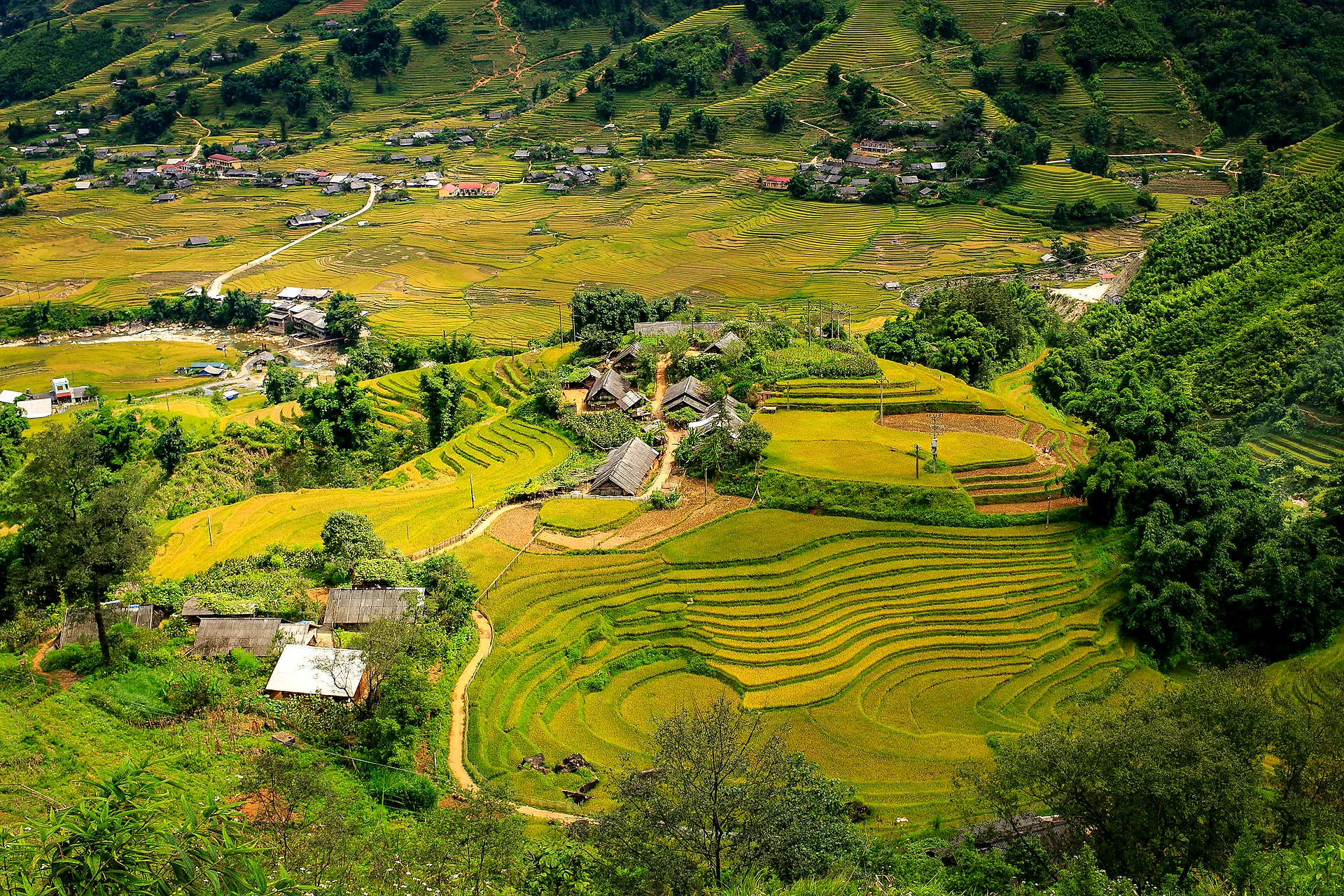
 Muong Thanh Valley gives the battlefield story its geographical context and remains one of the Northwest's most distinctive landscapes. Photo: [Tycho], CC BY-SA 3.0, via Wikimedia Commons.
Dien Bien Phu rewards travelers who want more context than a quick landmark visit can provide. The battlefield developed across the Muong Thanh Valley, with fortified hills, airstrip positions, command structures and supply routes spread over a wide area. Seeing the terrain in person makes maps, photographs and military explanations easier to understand.
The destination is compact enough for an efficient guided day, yet layered enough to justify a longer stay. Central sites are close to the city, while Muong Phang and the lake area create a separate countryside excursion. This makes it possible to balance serious historical interpretation with relaxed driving, village scenery and local meals.
Understand the 1954 campaign through original locations rather than isolated displays.
Combine museums, preserved trenches, bunkers, bridges and memorials.
See the agricultural landscape and mountain walls surrounding the valley.
Extend the route toward Muong Phang, Pa Khoang Lake or a wider Northwest circuit.
Background reading: Vietnam history summary | Hanoi war sites walking tour
2. Explore A1 Hill and the central battlefield
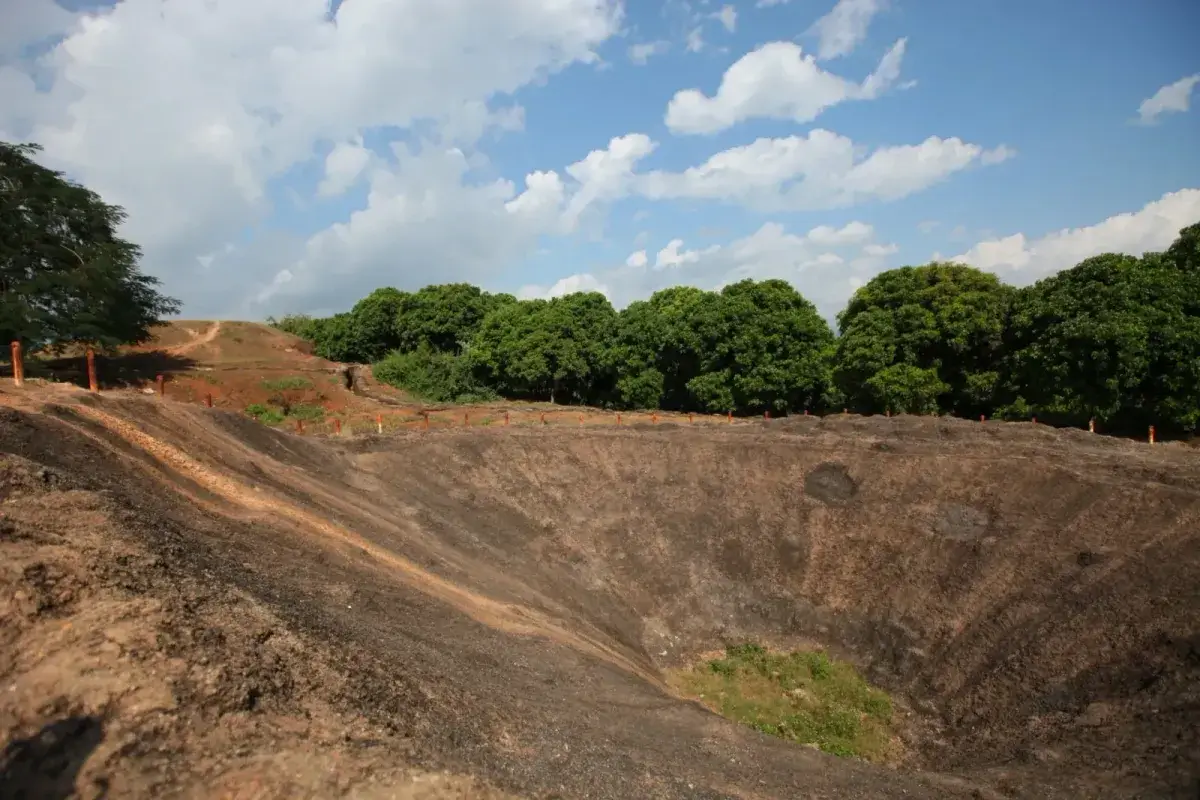 The crater, trenches and fortified positions on A1 Hill remain among the clearest physical traces of the battle. Photo: [Tycho], CC BY-SA, via Wikimedia Commons.
A1 Hill is usually the most powerful outdoor stop on Dien Bien Phu tours. Paths lead through reconstructed trenches, defensive positions, memorial structures and the large crater created during the final phase of the fighting. The site is best explored with a guide who can separate visible remains from later restoration and explain why control of the hill mattered.
Nearby stops may include the A1 martyrs' cemetery, Muong Thanh Bridge, D1 Hill, the victory monument and other preserved positions around the city. Their value comes from the connection between them. A guide can show how the hills overlooked the valley floor, where the French headquarters and airfield positions sat, and how the battlefield tightened over time.
Wear comfortable shoes because A1 Hill includes slopes, stairs and uneven surfaces. Midday can feel hot and exposed, so an early start improves both comfort and photography. Visitors should also keep voices low around cemeteries and memorial areas.
3. Visit the Victory Museum and De Castries bunker
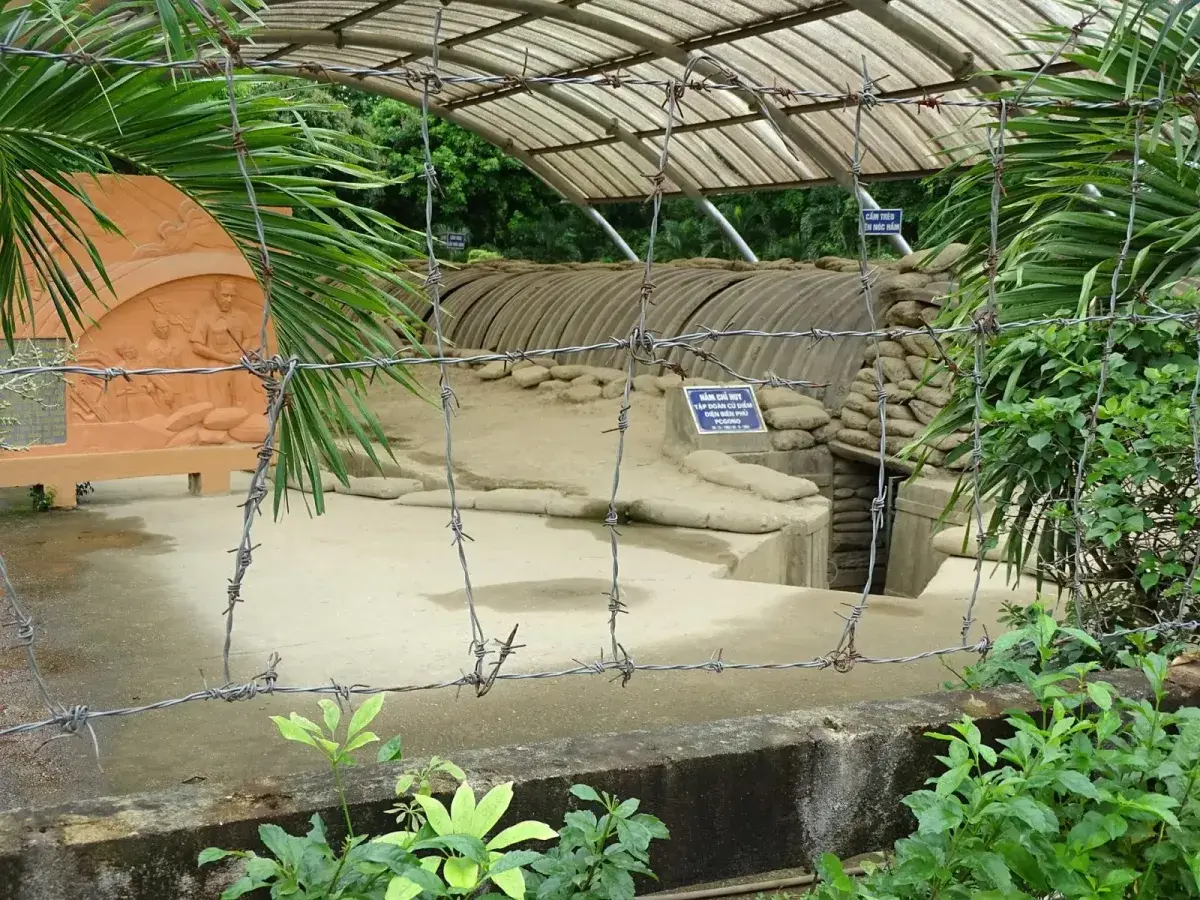 The De Castries bunker places visitors at the center of the former French command area. Photo: Adam Jones, CC BY-SA 2.0, via Wikimedia Commons.
The Dien Bien Phu Victory Museum should normally come before or soon after the outdoor sites. Its photographs, weapons, models, campaign objects and large-scale visual displays provide the chronological framework needed to interpret the hills and trenches. Allow enough time for the main exhibition instead of treating the museum as a brief photo stop.
The preserved command bunker associated with Colonel Christian de Castries offers a different type of experience. Its modest dimensions contrast with the scale of the battle described in the museum. Nearby relics and the surrounding open ground help visitors understand how vulnerable the central command zone became as Vietnamese forces closed in.
Historical terminology may vary between Vietnamese, French and international accounts. A strong English-speaking guide should explain different place names, translate labels carefully and avoid turning a complex event into a rushed list of dates.
Featured route: Dien Bien Phu and North Vietnam Authentic Discovery
4. Continue to Muong Phang and Pa Khoang Lake
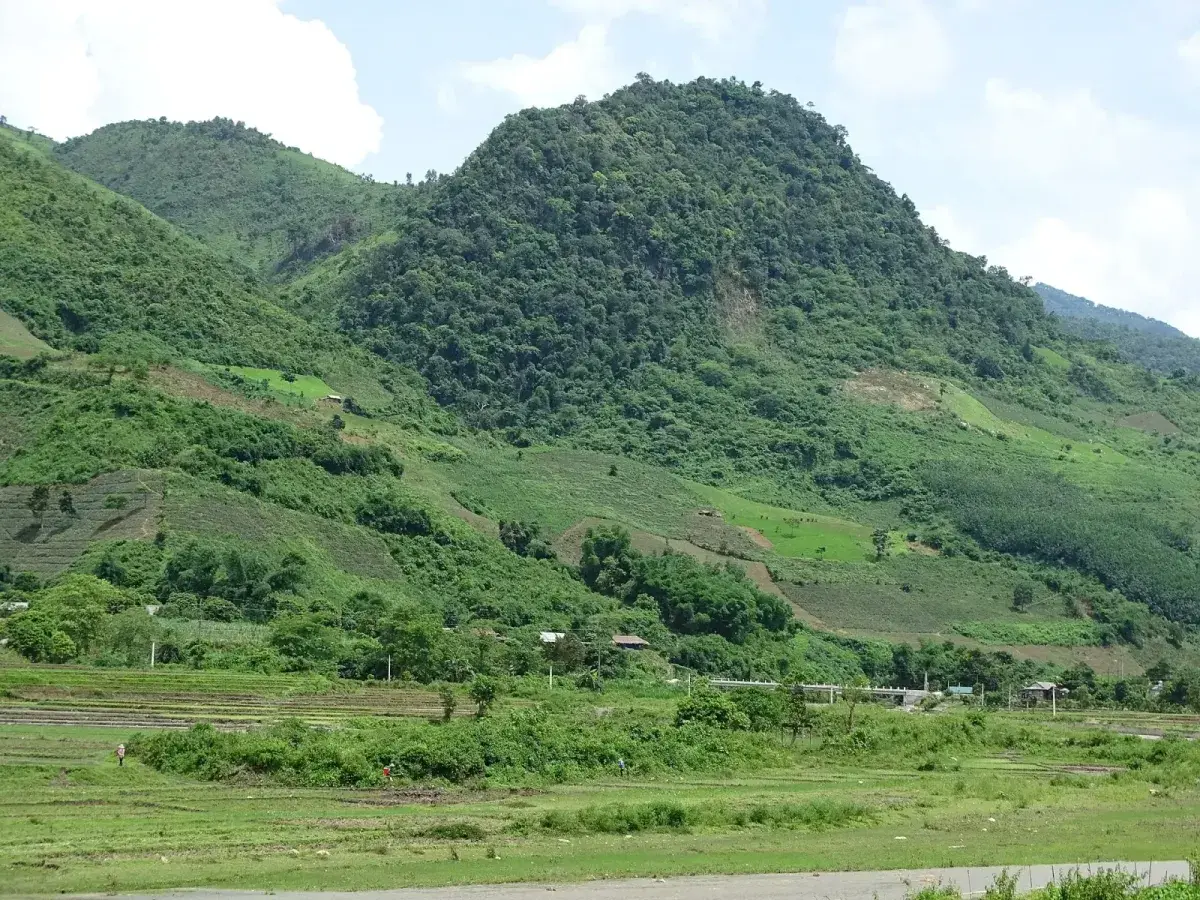 Road journeys beyond the city reveal forested slopes, remote settlements and the scale of Northwest Vietnam. Photo: Adam Jones, CC BY-SA 2.0, via Wikimedia Commons.
Muong Phang adds essential depth to a two-day Dien Bien Phu itinerary. The campaign headquarters area lies in forested terrain outside the city and preserves command shelters, working areas and paths associated with General Vo Nguyen Giap and the campaign leadership. The setting demonstrates how the headquarters remained concealed and connected to the wider operation.
The drive also shows a quieter side of the province. Roads pass fields, hills, villages and forest before reaching the historic site. Pa Khoang Lake can be included when timing, road conditions and the chosen route allow. The lake is better treated as a scenic pause than as a rushed extra added to an already crowded battlefield day.
A private vehicle is especially useful for this excursion because pickup time, meal stops and the amount of walking can be adjusted. Travelers with limited mobility should ask about the distance between the parking area and the forest paths before confirming the plan.
5. Discover Muong Thanh Valley and local ethnic culture
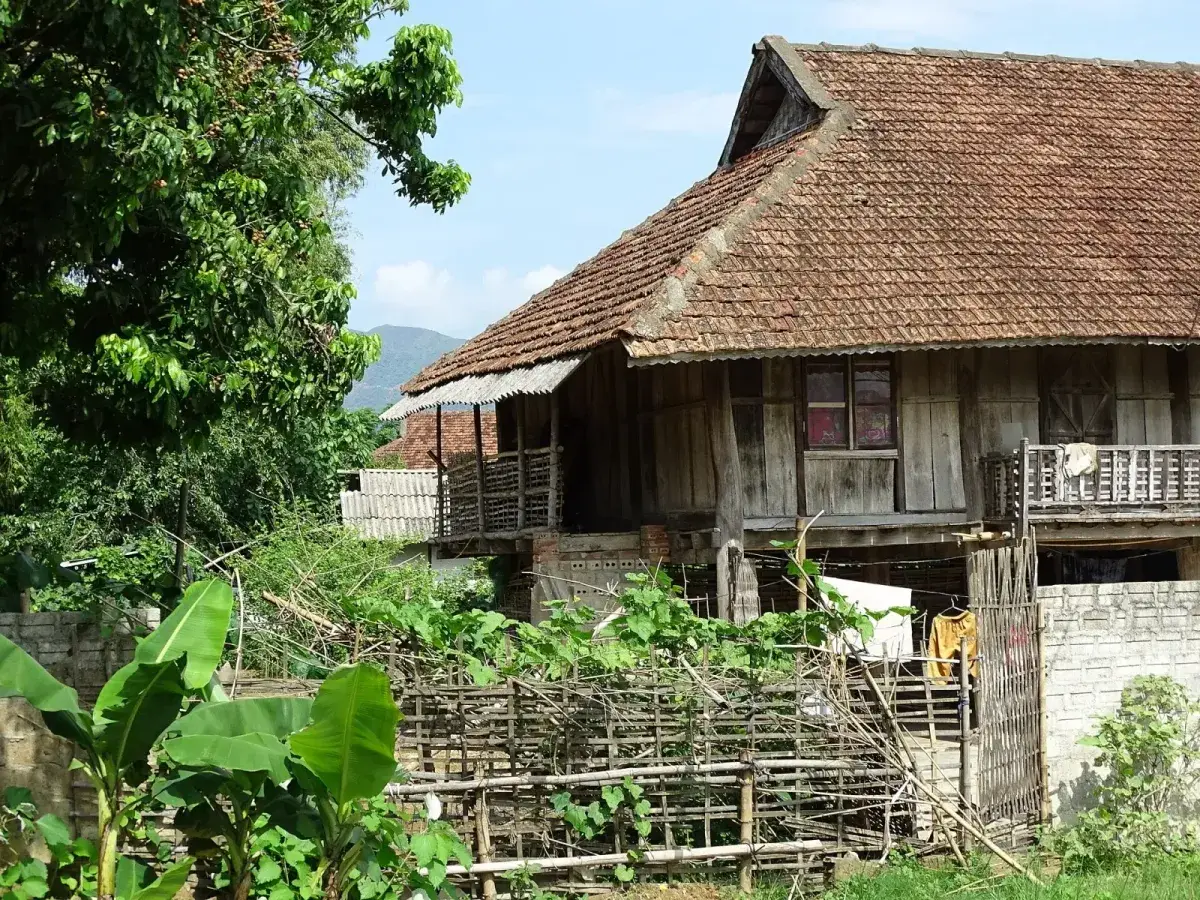 Traditional stilt houses and village landscapes show that Dien Bien is a living cultural region, not only a historic battlefield. Photo: Adam Jones, CC BY-SA 2.0, via Wikimedia Commons.
Dien Bien Province is home to multiple ethnic communities, and Thai culture is particularly visible around Muong Thanh Valley. Depending on the itinerary, travelers may see stilt houses, rice fields, weaving, village lanes or a local meal. These experiences work best when arranged through residents and presented as daily life rather than a staged performance.
Local dishes may include sticky rice, grilled meats, river fish, mountain vegetables and regional seasonings. Meal quality varies, so dietary restrictions should be shared before the tour. A private group can usually request a simpler menu, vegetarian dishes or additional time in a village.
Photography requires sensitivity. Ask before photographing people, interiors, ceremonies or craft activities. Buying directly from local producers can support households, but visitors should never feel pressured to shop as a condition of the visit.
6. Choose the right Dien Bien Phu itinerary
The right duration depends on whether Dien Bien Phu is your main destination or one stop in a broader mountain route. A rushed half-day can cover only a small selection of sites. A full day provides a coherent battlefield introduction, while two nights allow time for Muong Phang and a more balanced pace.
For a longer route, avoid treating every day as a transfer marathon. Mountain roads are scenic but slower than maps may suggest. A realistic itinerary should include comfort stops, flexible arrival times and lighter sightseeing after long drives.
Compare tours: North West Vietnam Package Tour | Northern Vietnam mountain routes
7. Best time, transport for Dien Bien Phu tours
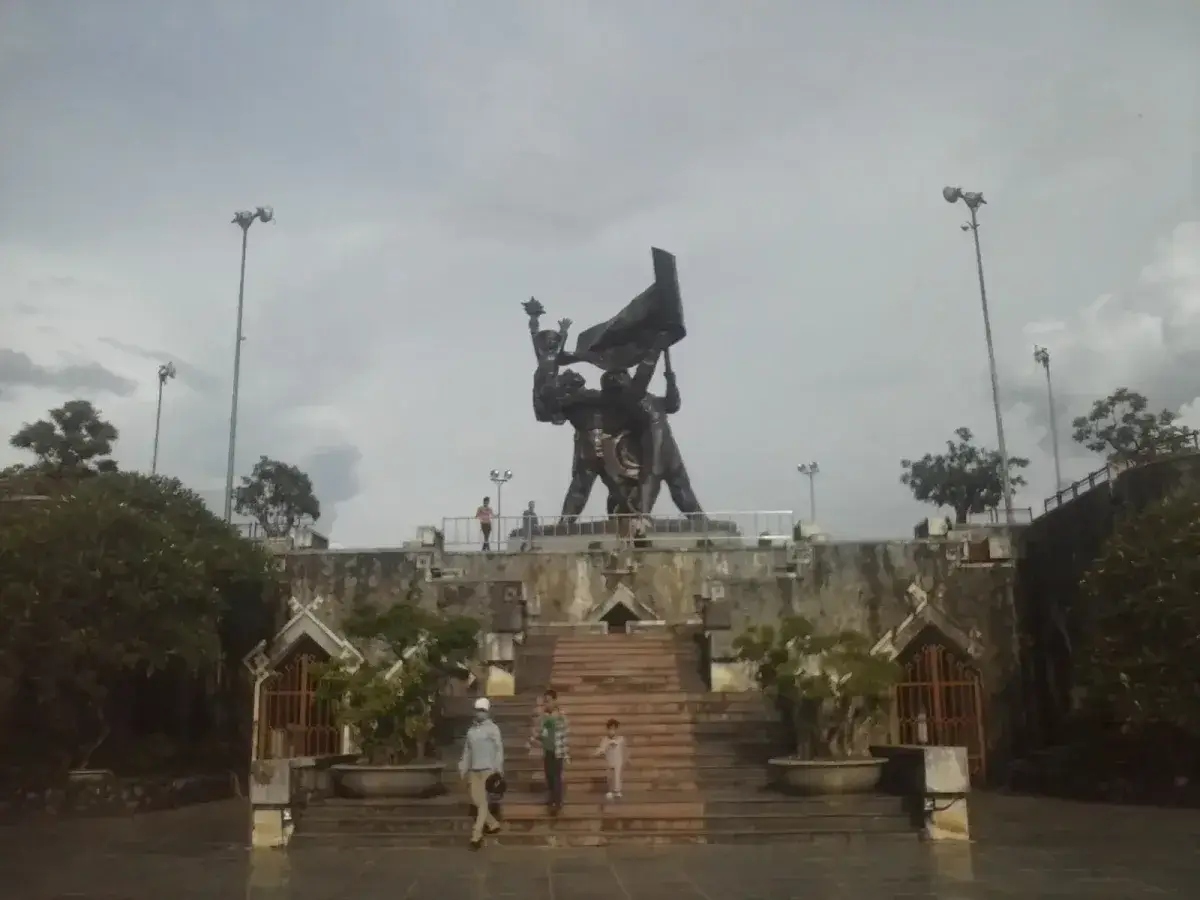 The victory monument on D1 Hill is a prominent landmark above Dien Bien Phu city. Photo: Ioe2015, CC BY-SA 4.0, via Wikimedia Commons.
Dien Bien Phu can be visited throughout the year, but weather changes the experience. Spring is associated with the Northwest's white ban flowers and important commemorative travel periods. Summer is greener but may bring heat and heavy rain. Cooler, drier months are usually more comfortable for outdoor relics and long road journeys.
Travelers can reach Dien Bien by domestic flight or overland transport. Flying saves time, while a private road itinerary makes it possible to connect mountain destinations gradually. Road travelers should expect curves, variable travel times and possible weather disruption. Confirm pickup details, luggage space and stop frequency before departure.
Pack sun protection, a light rain layer, comfortable walking shoes and modest clothing for cemeteries and memorials. Carry small cash for local purchases, but keep important documents and valuables secure. Opening times, access arrangements and ticket policies can change, so the operator should reconfirm them close to the tour date.
8. FAQs
1. Is Dien Bien Phu worth visiting?
Yes. It is one of Vietnam's most significant historical destinations and also offers mountain scenery, rice valleys and ethnic culture.
2. Is one day enough for Dien Bien Phu?
One full day is enough for the principal city battlefield sites. Two days are better when you want Muong Phang, Pa Khoang Lake or village experiences.
3. Do I need a guide?
A guide is strongly recommended. Many visible sites become meaningful only when their positions, names and roles in the campaign are explained together.
4. Can children join Dien Bien Phu tours?
Yes, but adults should prepare them for museums, cemeteries and war-related displays. A private tour can adjust the level of detail and walking time.
5. Can Dien Bien Phu be combined with Sapa?
Yes. Dien Bien Phu, Lai Chau and Sapa can form a scenic Northwest route, but the itinerary needs realistic drive times and preferably several days.
6. What should I confirm before booking?
Confirm the guide language, site list, entrance fees, vehicle type, meals, walking level, airport or hotel pickup, cancellation terms and any road-dependent changes.
PRIVATE NORTHWEST JOURNEY
Plan your Dien Bien Phu tour
Share your dates, group size, historical interests and preferred route. Vietnam Travelers can combine the battlefield sites with Muong Phang, local villages or a longer journey across Northwest Vietnam.