

DA LAT HIGHLANDS
Da Lat Tours
Explore Da Lat tours with private guides, pine forests, waterfalls, coffee farms, local culture, flexible packages, and practical itineraries.
Da Lat guide
Explore Da Lat
Da Lat Tours: Private Highland Journeys and Local Experiences
Da Lat tours bring together a compact mountain city, forested slopes, productive farms, and a distinct highland rhythm. The destination suits travelers who prefer variety without constant hotel changes.
A well-planned stay can combine architecture, lakes, waterfalls, coffee, flowers, and outdoor activity. Each element needs enough time to feel meaningful.
This page compares Da Lat private tours, Da Lat tour packages, practical activities, and itinerary options. It helps travelers choose a route before booking.
Use Dalat & Highlands Tours for the wider regional cluster. Vietnam Short Tours compares compact journeys elsewhere, while Vietnam Private Tours supports longer custom planning.
1. Why Da Lat Works as a Tour Base
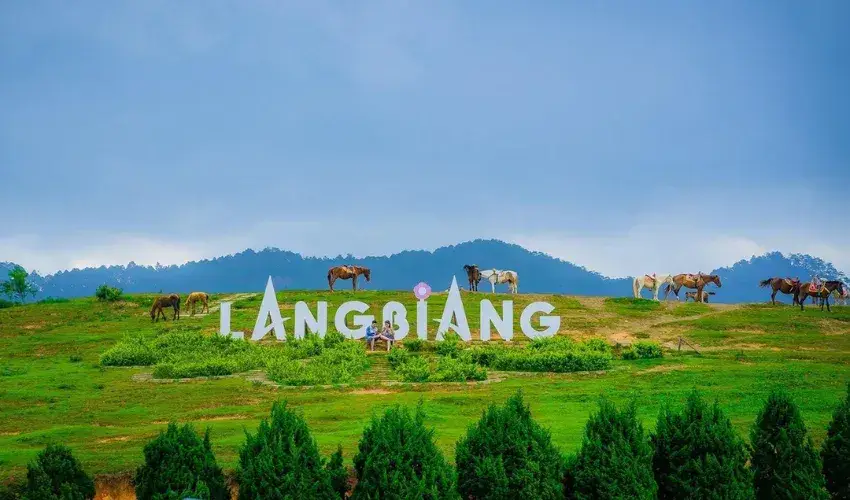
Da Lat sits on a high plateau with cooler temperatures than Vietnam’s coastal cities. Its landscape changes quickly between urban streets and pine forest.
Xuan Huong Lake anchors the center, where markets, gardens, cafes, and heritage buildings remain close together. This compact core supports gentle first-day touring.
Outside the center, narrow roads reach Tuyen Lam Lake, Datanla Waterfall, Langbiang, flower villages, and coffee farms. Travel time still matters on winding routes.
The city serves couples, families, photographers, food lovers, and active travelers. These groups need different pacing, transport, and weather plans.
Da Lat tours work best when one day follows one landscape theme. Mixing distant farms, waterfalls, temples, and viewpoints can create unnecessary backtracking.
The surrounding Langbiang area also holds important biodiversity and living highland cultures. Respectful interpretation adds depth beyond scenic stops.
Well-designed Da Lat tours change routes when rain, fog, or crowds affect outdoor visits. They also protect time for slower cultural encounters.
2. Choose the Right Highland Route
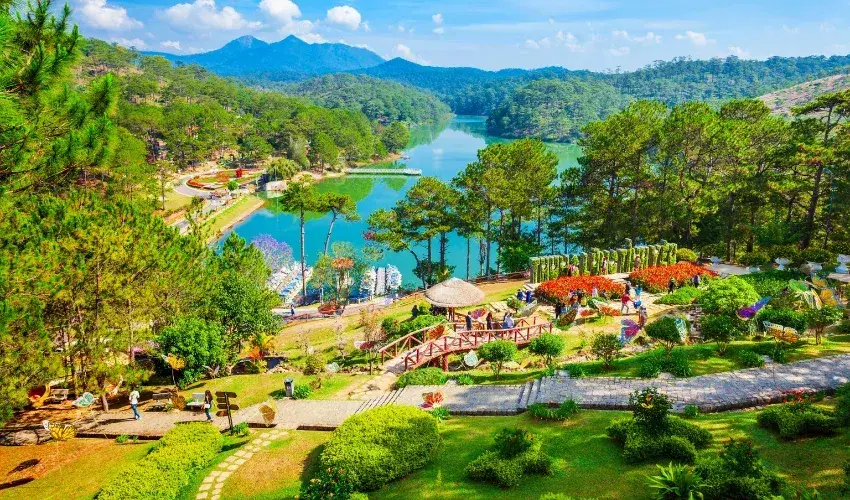
The strongest Da Lat private tours begin with interests, mobility, and preferred pace. Attraction count should come after those decisions.
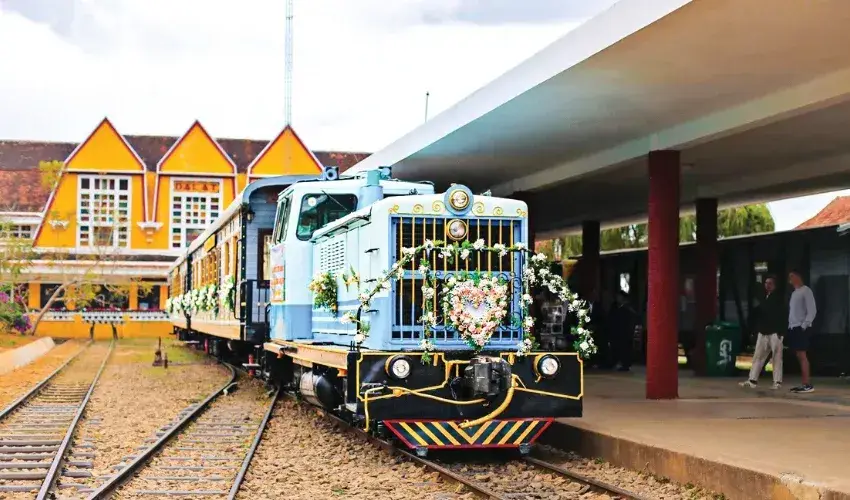
A city heritage route can link the railway station, central market, lakeside architecture, flower spaces, and selected historic buildings. Short transfers preserve energy.
A forest route may combine Tuyen Lam Lake, easy trails, meditation spaces, and one waterfall. Canyoning or demanding trekking requires separate planning.
A farm route should explain flowers, vegetables, strawberries, tea, or Arabica coffee. Visitors gain more value when producers share methods and seasonal limits.
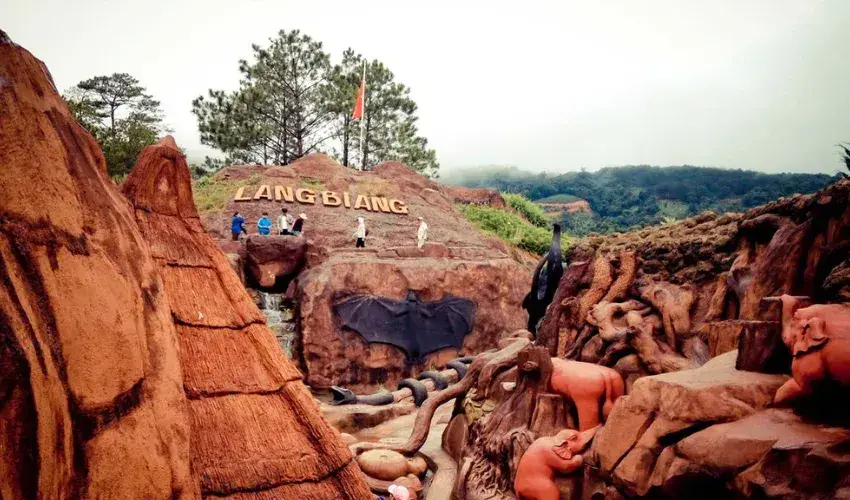
Langbiang routes can include mountain scenery and local community context. Cultural visits should never treat villages as staged attractions.
Couples may prefer gardens, lakes, cafes, and sunset viewpoints. Families often need shorter walks, reliable restrooms, and flexible meal timing.
Adventure travelers need honest grading for hiking, cycling, paddleboarding, or canyoning. Equipment standards and weather decisions matter more than promotional labels.
The route should also reflect hotel location. A resort near Tuyen Lam needs different daily planning from a hotel beside the central market.
Select one geographic direction for each half-day block.
Confirm actual driving time before adding another viewpoint.
Separate passive sightseeing from technical adventure activities.
Ask farms whether tours include interpretation or only photography.
Keep one indoor option for rain, fog, or strong afternoon showers.
Adventure Tours supports active route planning. Culture and Local Life Tours adds community context, while Wellness and Spa Tours suits slower stays.
3. Things to Do in Da Lat
The best things to do in Da Lat connect scenery with local knowledge. A long checklist rarely explains why the highland landscape developed this way.
Begin with the city core to understand scale and daily life. Xuan Huong Lake, Da Lat Market, and nearby streets show the destination’s social center.
The old railway station introduces French-era transport history and a scenic link toward Trai Mat. Nearby routes can continue to gardens and pagodas.
Tuyen Lam Lake offers boating, forest views, and quieter spaces south of the city. It also pairs naturally with Datanla or a relaxed resort afternoon.
Langbiang provides broader plateau views and access to the northern landscape. Longer hikes need local guidance, suitable footwear, and early starts.
Coffee tours reveal how Arabica grows in cooler conditions. Strong visits include cultivation, processing, roasting, tasting, and the people behind the crop.
Flower and vegetable farms explain Da Lat’s agricultural identity. Responsible tours avoid entering working areas without permission or damaging crops.
Datanla and other waterfalls add movement and forest scenery. Activity choices should match fitness, water levels, and current operating conditions.
Local food experiences may include market produce, warm snacks, grilled dishes, and highland ingredients. Small tastings work better than rushed restaurant hopping.
Evenings can remain unstructured around the market or lake. Free time helps travelers experience the city without a guide directing every moment.
Culinary Tours supports market and coffee experiences. Sustainable and Eco Tours provides a better framework for farms, forests, and low-impact activities.
4. Compare Da Lat Tour Packages
A one-day package works for city highlights or one countryside direction. It cannot cover the whole destination without becoming rushed.
Two days allow one urban day and one nature or farm day. This structure suits many first-time visitors.
Three days provide room for Langbiang, a coffee route, or an adventure session. The extra time also creates weather flexibility.
Four days support a slower stay with wellness, photography, cultural exchange, or specialist outdoor activity. Repeated viewpoint stops remain unnecessary.
Da Lat private tours can change meal times, walking levels, and daily order. They are useful for families, couples, older guests, and photographers.
Shared packages can offer lower costs, but fixed pickup and limited interpretation reduce flexibility. Group size should always be stated clearly.
Before booking Da Lat tour packages, confirm vehicle type, guide language, and pickup boundaries.
Check which entrance fees, meals, farm visits, and adventure equipment are included.
Ask how rain, fog, or attraction closures change the planned route.
Confirm whether coffee or farm visits include demonstrations and tastings.
Review child limits, mobility demands, cancellation rules, and emergency contacts.
Family Holiday Tours supports mixed-age planning. Private Custom Tours is relevant when standard packages do not match the group.
5. Build a Da Lat Itinerary

A useful Da Lat itinerary groups places by direction and energy level. It should also protect time for weather changes and slower meals.
One day can cover the city center and one nearby landscape. Choose either Tuyen Lam, Datanla, or the eastern railway route.
Two days create a balanced first visit. Pair city heritage with a northern, southern, or agricultural countryside day.
Three days allow one specialist theme, such as coffee, hiking, photography, or canyoning. Keep that activity on its own schedule.
Four days support a deeper Da Lat itinerary with free time, community contact, and a second countryside direction. This pace feels less transactional.
Arrival and departure timing matter because Lien Khuong Airport sits outside the city. Late arrivals should not force immediate attraction visits.
Many Da Lat tours place viewpoints and farms in the morning. Afternoon plans benefit from flexibility during wetter months.
Travelers combining Da Lat with other highland destinations need realistic road timing. The destination should not become a hurried transit stop.
A private Da Lat itinerary should note drive times, walking levels, meal style, and backup stops.
It should also list technical requirements for adventure activities. Marketing phrases cannot replace safety details.
Keep evenings light unless the group requests guided food or photography. The city rewards independent wandering.
Pack layers because mornings, sunny afternoons, and cool evenings can feel different. Rain protection remains useful for outdoor routes.
Day Trips suits focused one-day routes. Buon Ma Thuot Tours supports a separate coffee and heritage destination farther across the highlands.
6. Frequently asked questions
1. How many days are enough for Da Lat tours?
Two days suit a first visit, while three days support coffee, nature, or adventure without rushing.
2. What do Da Lat tour packages usually include?
Packages may include private transport, guiding, entrance fees, meals, farm visits, and selected outdoor activities.
3. Are Da Lat private tours suitable for families?
Yes, when routes limit long drives, steep paths, changing weather, and activities unsuitable for young children.
4. What are the best things to do in Da Lat?
Combine the city center, one lake or waterfall route, one farm experience, and time for local coffee.
5. How should a first Da Lat itinerary be planned?
Use two days, separate city touring from countryside travel, and keep an indoor backup for poor weather.
References