1 dayPrivate
Private tour
Adventure to Sapa by Train & Shuttle Bus from Hanoi – 03 Days
Hà Nội
4.8ExcellentGuest reviews
From
US $133/pax

SAPA HIGHLAND TOURS
Plan Sapa & Northwest tours with private routes, mountain stays, local markets, and flexible 2-7 day packages across Vietnam's western highlands.
Sapa guide
Sapa tours bring together rice terrace trekking, ethnic minority villages, the Hoang Lien Son Mountains, Fansipan and cool highland weather in one of northern Vietnam’s most distinctive destinations.
The best trip is not simply the package with the longest attraction list. Sapa rewards realistic timing. A well-planned route leaves enough space for walking, changing weather, local meals and conversations in the villages rather than moving continuously between photo stops.
Most first-time visitors choose two to four days from Hanoi. Short tours normally combine one village route with Sapa town or Fansipan. Longer programs can add a homestay, quieter trekking areas, waterfalls, O Quy Ho Pass or Bac Ha.
Quick summary: Choose two days for a compact introduction, three days for the best first-visit balance, and four days when trekking, a homestay or Bac Ha is a priority. Avoid treating Sapa as a rushed day trip from Hanoi.
Start planning: Sapa from Hanoi guide | Hanoi to Sapa transport guide
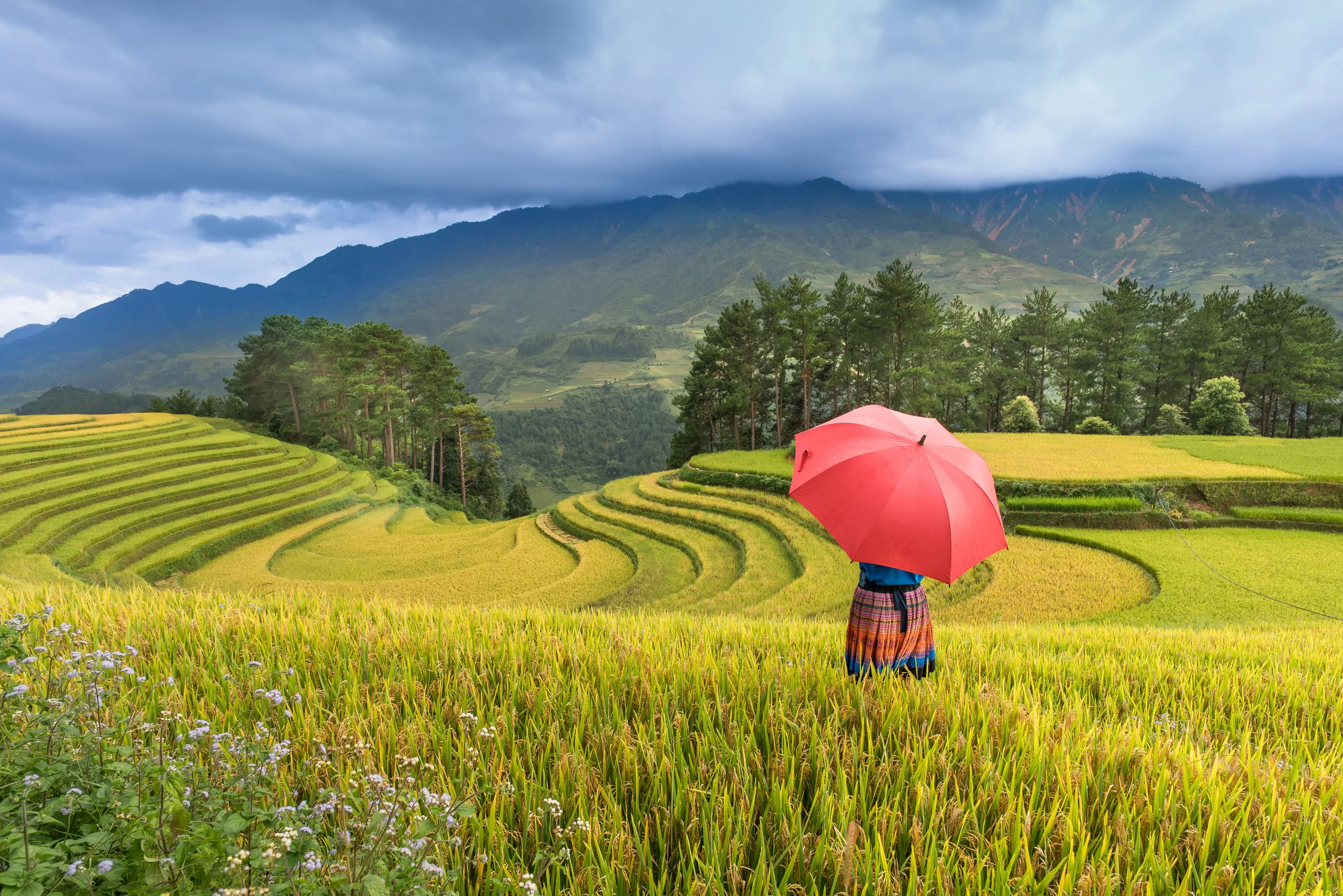
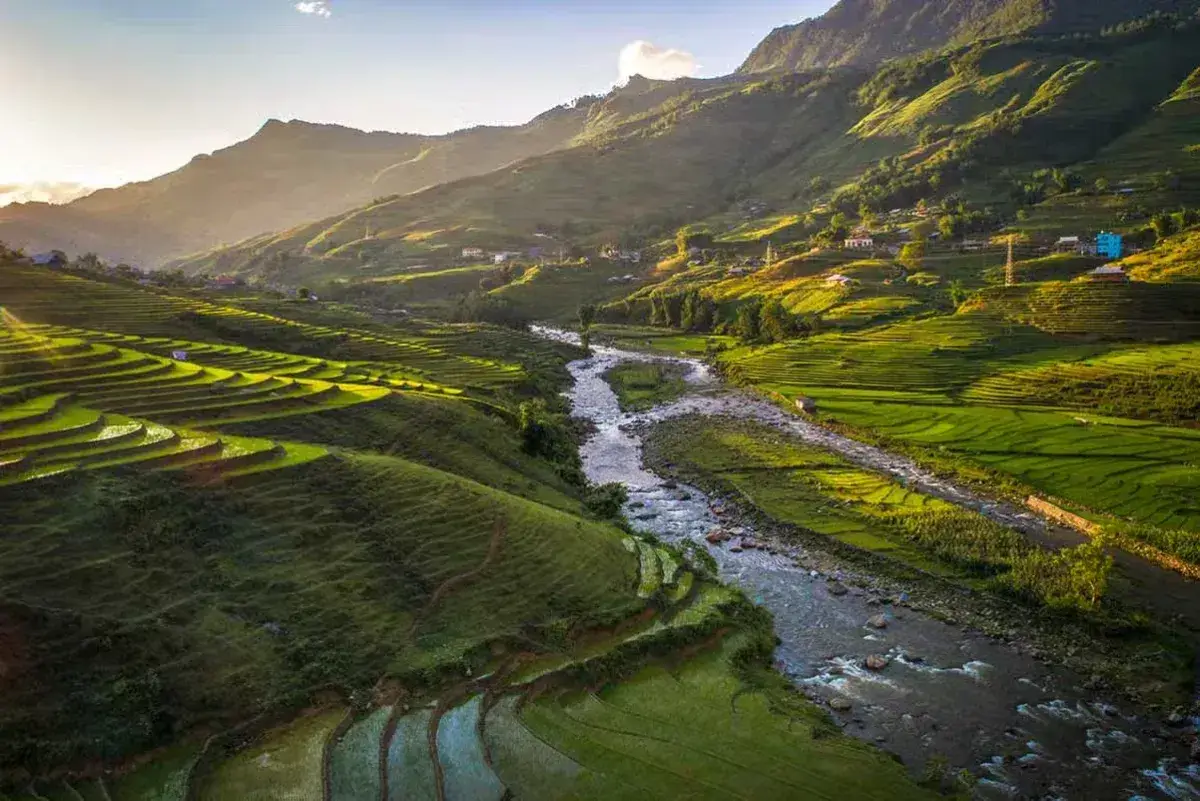
Scenic rice terraces and mountain landscapes in Sapa
Sapa works especially well for travelers who want active sightseeing rather than a purely scenic road trip. The main experiences involve walking through valleys, observing terrace agriculture, visiting mountain communities and seeing how the landscape changes with altitude and season.
The destination also offers useful variety. One day can focus on trekking through Muong Hoa Valley, while another can include the Fansipan cable car, waterfalls or a mountain pass. Couples may prefer a boutique hotel and moderate walking. Families can choose shorter village routes. Active travelers can spend several days trekking between communities.
A guided tour is valuable because trail conditions, weather and local access can change. A knowledgeable local guide can select a route that matches the group’s fitness, explain the surrounding cultures and help visitors interact more respectfully with residents.
Sapa is popular, so expectations matter. Cat Cat Village and central viewpoints can be busy. Travelers seeking quieter scenery should consider routes through Lao Chai, Ta Van, Giang Ta Chai, Sin Chai or other villages selected according to current conditions.
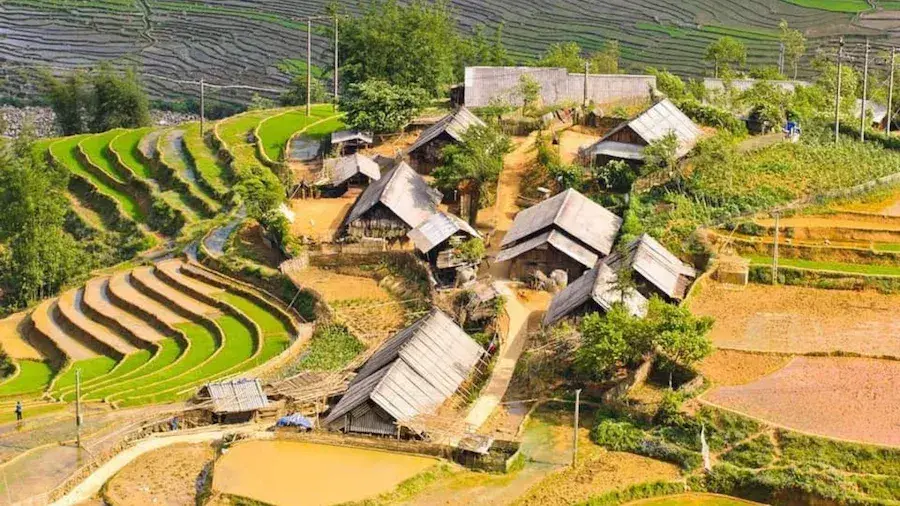
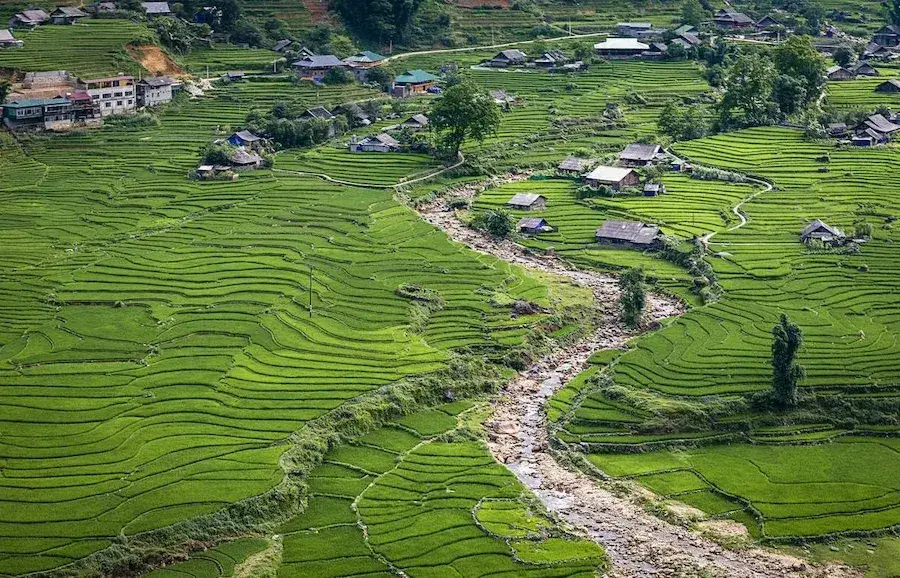
Muong Hoa Valley routes can connect terraced fields with Hmong, Dao and Giay communities around Sapa.
Muong Hoa Valley is the central trekking area for many Sapa tours. Routes commonly pass through Y Linh Ho, Lao Chai and Ta Van, with views of terraced slopes, streams, suspension bridges and homes spread across the valley.
A half-day walk suits travelers who want landscape views without committing to a full trekking program. Full-day routes reach farther into the valley and include more elevation change. Overnight homestays create additional time in the countryside, although comfort levels vary and should be confirmed before booking.
Trail difficulty changes with rain, mud, heat and the chosen starting point. A route described as easy may still include slippery stone, steep paths or long descents. Travelers should disclose knee, balance or mobility concerns so the guide can arrange a shorter walk or vehicle-supported alternative.
Village visits should be approached as real community encounters rather than staged attractions. Ask permission before photographing people, avoid blocking paths or working areas and purchase handicrafts only when the item and price genuinely suit you. Small groups and locally guided walks usually create a calmer experience.
Tour example: Easy Discover Sapa Holiday from Hanoi
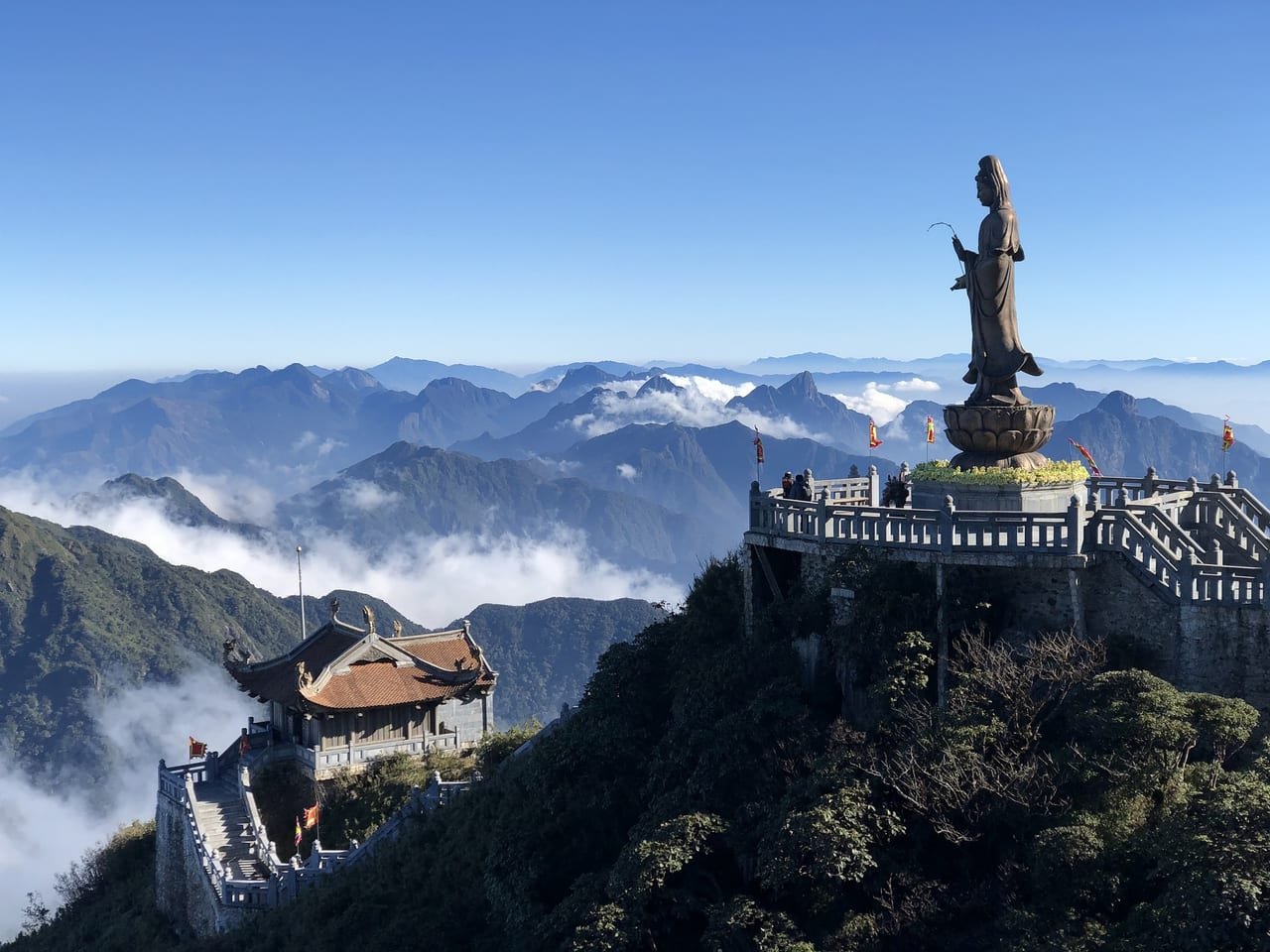
Fansipan is a practical addition when travelers want high-mountain scenery without a multi-day summit trek.
Fansipan, the highest mountain in Indochina, is reached by cable car and a final stair or funicular section. It is a popular choice for families and travelers with limited trekking time. Visibility is weather-dependent, so the clearest part of the itinerary should remain flexible when possible.
The western route from Sapa can combine Silver Waterfall, Love Waterfall and O Quy Ho Pass. Silver Waterfall is close to the road, while Love Waterfall requires a forest walk. O Quy Ho offers broad mountain views, but fog, rain and wind can quickly change the experience.
Cat Cat Village is convenient because it lies close to Sapa town and includes a downhill walking route, traditional-style displays and a waterfall. It is also heavily visited. Travelers who prioritize quieter village life should use Cat Cat as a short introduction and reserve more time for valley communities farther from town.
Do not try to combine a long Muong Hoa trek, Fansipan, Cat Cat and the waterfalls in one day. Selecting one main mountain attraction and one walking area creates a safer and more enjoyable schedule.
Compact option: Sapa, Fansipan, Cat Cat, Lao Chai and Ta Van tour
A two-day Sapa tour is suitable when time is limited. A realistic plan includes one village experience and either Fansipan or Sapa town. Road transfers from Hanoi make both days relatively full, so the itinerary should avoid unnecessary stops.
Three days provide the strongest balance for most first-time visitors. Day one can cover arrival and a light village visit, day two a full Muong Hoa trek, and day three Fansipan or the waterfall route before returning to Hanoi. This format also offers more protection against poor visibility.
Four days suit travelers who want a homestay, less-visited trekking routes or a Bac Ha extension. The extra day allows slower walking and creates space for a local market when the market schedule matches the travel date.
Longer options: Sapa and Bac Ha Adventure 4 Days | Northwest Vietnam Adventure 7 Days
Sapa weather changes quickly, and visibility can differ between the town, valleys, waterfalls and Fansipan.
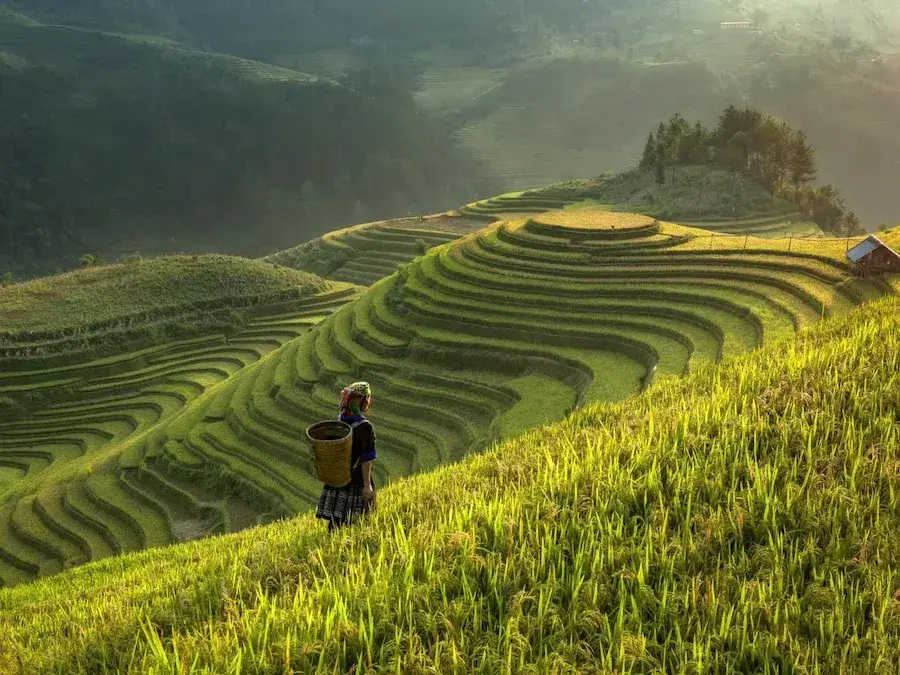
March to May and September to November are commonly preferred for trekking because temperatures are generally comfortable. Spring brings flowers and new growth. Late summer and early autumn can show greener terraces, while the harvest period creates golden fields. Exact rice timing varies by altitude, weather and planting schedules.
Summer is lush but can bring heavy rain, slippery paths and cloud. Winter is cold, sometimes near freezing, and thick fog may hide mountain views. Winter still suits travelers who enjoy quiet atmosphere, but warm clothing and flexible expectations are essential.
Pack layered clothing, a light waterproof jacket, sun protection and shoes with reliable grip. Carry only a small daypack on village walks. Protect electronics from rain and ask whether trekking poles, ponchos or luggage transfer are included.
Before booking, confirm the daily walking distance, elevation, trail surface, guide language, group size, transport type, hotel or homestay category, meals, entrance fees, Fansipan tickets and cancellation terms. Also ask how the operator changes the itinerary during severe weather.
Sapa tours are strongest when the guide can adapt the order of activities. A cloudy Fansipan morning may become an excellent valley-trekking day, while clear weather can justify moving the summit visit forward.
1. How many days are enough for Sapa?
Two nights are enough for a first visit with one village trek and one major attraction. Three or four days are better for slower trekking, a homestay, Fansipan or a Bac Ha extension.
2. What is the best Sapa tour for first-time visitors?
A three-day itinerary usually gives the best balance. It allows time for Muong Hoa Valley, a village route, Sapa town and either Fansipan or the waterfall and mountain-pass area.
3. Is a Sapa day trip from Hanoi practical?
It is technically possible but not ideal because road travel normally takes most of the day. A two-day or three-day tour provides more useful sightseeing time and a less tiring schedule.
4. Are Sapa tours suitable for families?
Yes, when the walking level is selected carefully. Families can combine short village walks, the Fansipan cable car and private transport instead of choosing long or steep trekking routes.
5. What should I pack for Sapa?
Bring layered clothing, comfortable shoes, sun protection and a light rain jacket. Add warm outerwear in winter and proper trekking shoes for wet or uneven village trails.
6. Should I book a private or group Sapa tour?
Group tours can be economical for standard routes. Private tours are better for families, photographers, mixed fitness levels and travelers who want flexible village, hotel and transport choices.
Plan your Sapa mountain journey
Share your travel dates, group size, preferred walking level, hotel style and whether you want Fansipan, a homestay or a Bac Ha extension. Vietnam Travelers can arrange transport, local guides, accommodation and a route paced around your group.