
Article brief
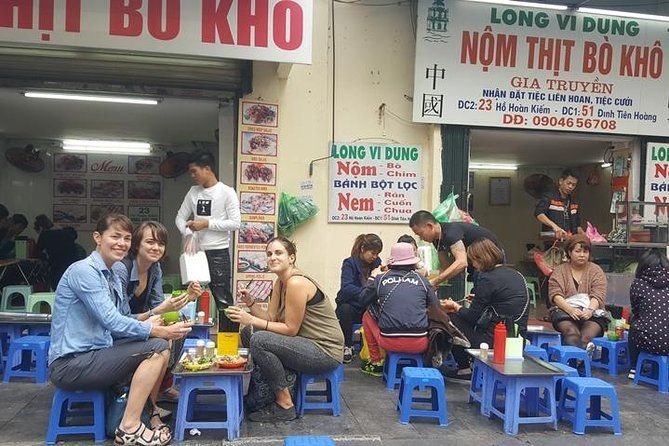
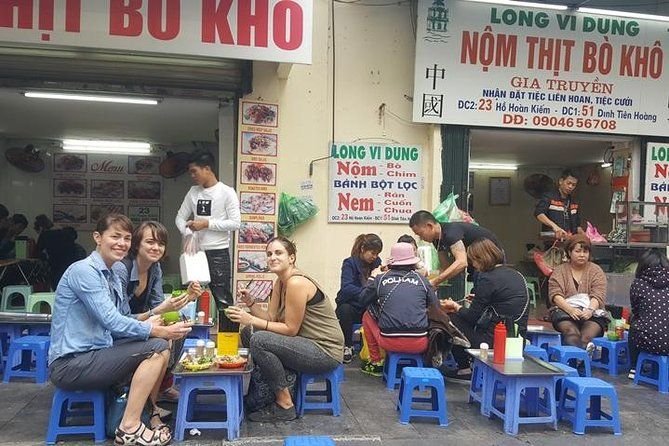
Hanoi's culinary scene is a mesmerizing tapestry of flavors that has been woven over centuries.
Route flow, hotel placement and transfer timing are the three decisions that shape the whole trip.
Hanoi’s culinary scene is a mesmerizing tapestry of flavors that has been woven over centuries. As Vietnam’s cultural heart, the capital city offers an extraordinary gastronomic journey that reflects its rich history, French colonial influences, and authentic Vietnamese traditions. From bustling street corners to hidden alleyways, Hanoi’s must-eat dishes tell stories of local families, ancient recipes, and the soul of Vietnamese cuisine.
Whether you’re planning your first visit or returning to explore deeper culinary treasures, understanding what to eat in Hanoi is essential for any food lover. This comprehensive guide will take you through the most iconic dishes that define Hanoi’s food culture, ensuring you experience the authentic flavors that locals have cherished for generations.
1. Pho – The Soul of Vietnamese Cuisine
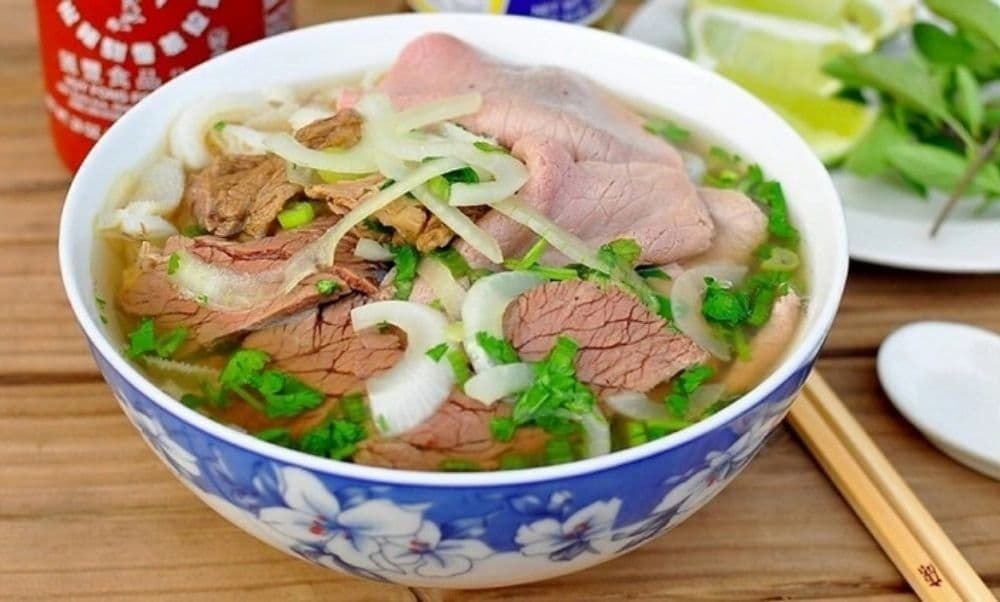
Pho isn’t just a dish in Hanoi; it’s a cultural institution that represents the essence of Vietnamese cuisine. This aromatic noodle soup, pronounced “fuh,” consists of a clear, fragrant broth simmered for hours with beef or chicken bones, rice noodles, and tender meat slices.
What makes Hanoi pho distinctive is its subtle, refined broth compared to the sweeter Southern Vietnamese version. The traditional recipe uses fewer herbs and spices, allowing the pure beef or chicken flavor to shine through. A typical bowl includes:
- Crystal-clear broth simmered with star anise, cinnamon, and cardamom
- Fresh rice noodles (banh pho)
- Thinly sliced beef (bo) or chicken (ga)
- Fresh herbs: cilantro, Thai basil, and mint
- Lime wedges and sliced chilies on the side
For the most authentic experience, visit Pho Gia Truyen in the Old Quarter, where locals have been gathering since dawn for over 70 years. The best time to enjoy pho is early morning when the broth is freshest and the atmosphere most authentic.
“Pho is not just breakfast in Hanoi – it’s a morning ritual that connects generations of Vietnamese families.” – Local food historian
2. Bun Cha – Grilled Pork Perfection
Bun cha gained international fame when President Obama and Anthony Bourdain shared this dish at a local restaurant in 2016. This quintessential Hanoi specialty features grilled pork patties and pork belly served with rice vermicelli noodles and a tangy dipping sauce.
The magic of bun cha lies in its preparation method. Pork is marinated with fish sauce, sugar, and garlic, then grilled over charcoal, creating a perfect balance of smoky and sweet flavors. The dish is served with:
- Fresh rice vermicelli noodles (bun)
- Grilled pork patties (cha) and pork belly
- Dipping sauce made from fish sauce, vinegar, sugar, and chili
- Fresh herbs: lettuce, mint, cilantro, and perilla
- Pickled vegetables for added crunch
Visit during lunch hours (11 AM – 2 PM) when most bun cha restaurants in Hanoi are open. Many vendors only operate during these hours, making it a true lunchtime specialty. The experience involves wrapping the noodles and meat in lettuce leaves, creating fresh spring rolls dipped in the savory-sweet sauce.
3. Banh Mi – The Perfect Fusion
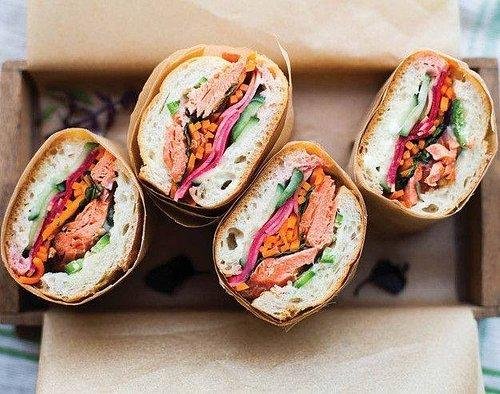
Vietnam’s most famous sandwich, banh mi, represents the beautiful marriage between Vietnamese flavors and French colonial influence. This crispy baguette filled with various ingredients has become a global phenomenon, but nothing compares to experiencing it in its birthplace.
Hanoi’s banh mi differs from other regions with its generous use of pâté and focus on traditional Vietnamese cold cuts. A classic banh mi includes:
- Crispy French baguette with a soft interior
- Smooth chicken liver pâté
- Vietnamese ham, headcheese, or grilled meat
- Pickled daikon and carrot
- Fresh cilantro and cucumber
- Spicy chili sauce or mayonnaise
For the ultimate banh mi experience, head to Banh Mi 25 on Hang Ca street, where you can watch skilled vendors assemble your sandwich with lightning speed and precision.
4. Bun Bo Nam Bo – Southern Flavors in Northern Style
Despite its name suggesting Southern origins, Bun Bo Nam Bo has been perfectly adapted to Hanoi’s taste preferences. This dry noodle dish features tender beef, fresh herbs, and rice vermicelli, all tossed together with a flavorful fish sauce-based dressing.
What makes this dish special is the textural contrast and fresh flavors. The components include:
- Rice vermicelli noodles served at room temperature
- Stir-fried beef with lemongrass and garlic
- Fresh bean sprouts for crunch
- Roasted peanuts for richness
- Fresh herbs: mint, cilantro, and Vietnamese coriander
- Crispy fried shallots for aromatic finish
The dish is mixed tableside, allowing diners to control the flavor intensity. It’s particularly popular among locals as a light lunch option, especially during Hanoi’s hot summer months.
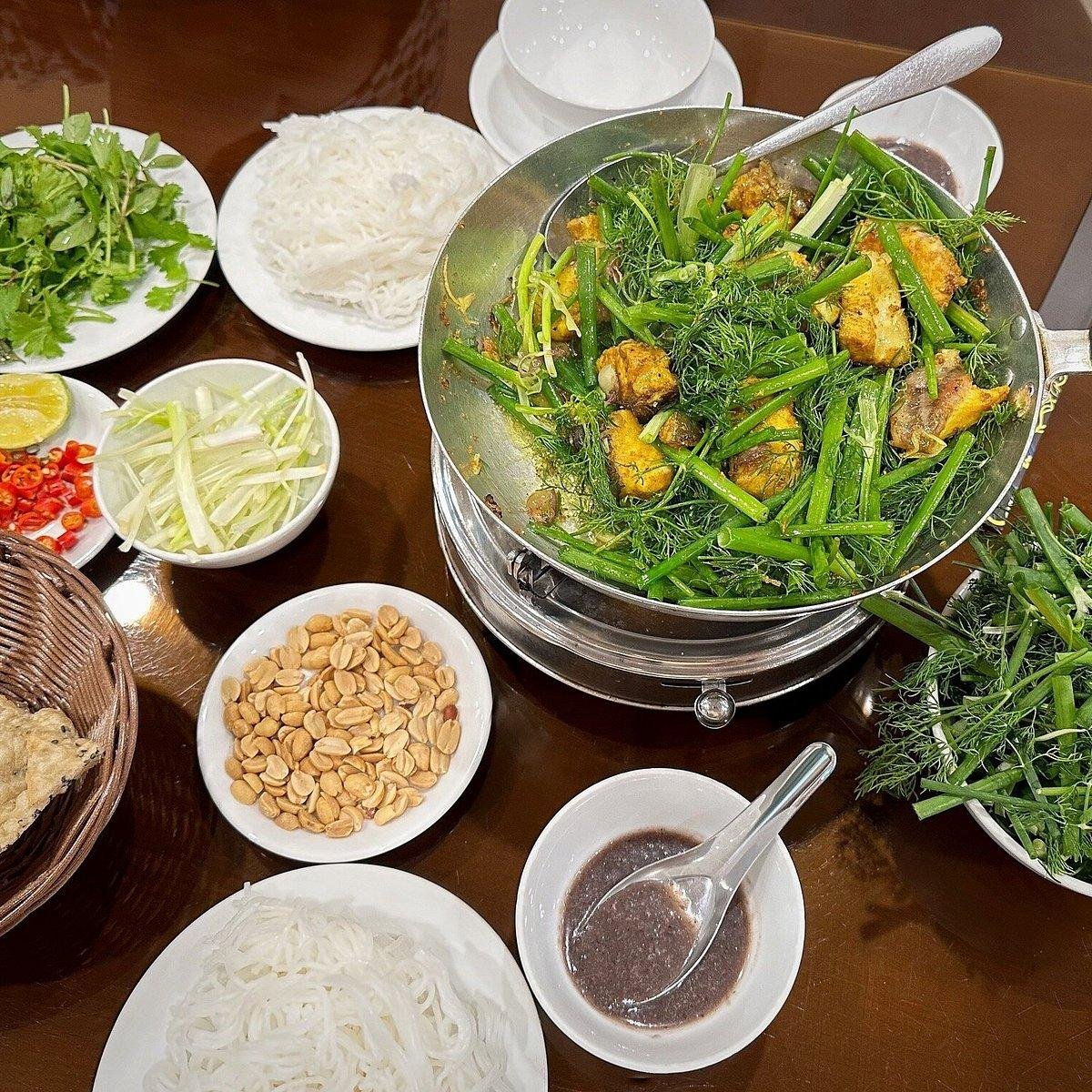
5. Cha Ca La Vong – Hanoi’s Signature Fish Dish
Cha Ca La Vong is so iconic that an entire street was named after it. This turmeric-marinated fish dish, grilled tableside and served with dill, rice noodles, and peanuts, represents one of Hanoi’s most unique culinary experiences.
The preparation is as much a performance as it is cooking. Fresh fish (traditionally catfish or snakehead fish) is marinated with turmeric, galangal, and fish sauce, then grilled over charcoal. The serving ritual includes:
- Grilling fish pieces tableside on a small brazier
- Mixing with abundant fresh dill
- Serving over rice vermicelli noodles
- Garnishing with roasted peanuts and green onions
- Accompanying with shrimp paste sauce (mam tom)
The original restaurant, Cha Ca La Vong on Cha Ca street, has been serving this dish for over 130 years, making it one of the oldest restaurants in Vietnam. The interactive dining experience and unique flavors make this a must-try for any Hanoi food tour enthusiast.
6. Bun Rieu – Crab Noodle Soup Delight
Bun rieu showcases Vietnamese cuisine’s ability to create complex flavors from simple ingredients. This tomato-based crab noodle soup features a distinctive reddish broth made from crab paste, creating a umami-rich base that’s both comforting and sophisticated.
The soup’s complexity comes from its carefully balanced ingredients:
- Fresh crab meat and crab paste for the base
- Tomatoes for acidity and color
- Rice vermicelli noodles
- Fried tofu cubes (dau hu chien)
- Fresh herbs: cilantro, mint, and banana blossom
- Lime wedges and chili for seasoning
The best bun rieu in Hanoi is found at family-run stalls where recipes have been passed down through generations. Look for versions that include congealed pig’s blood (huyet), which adds richness and is considered a delicacy by locals.
7. Banh Cuon – Delicate Rice Paper Rolls
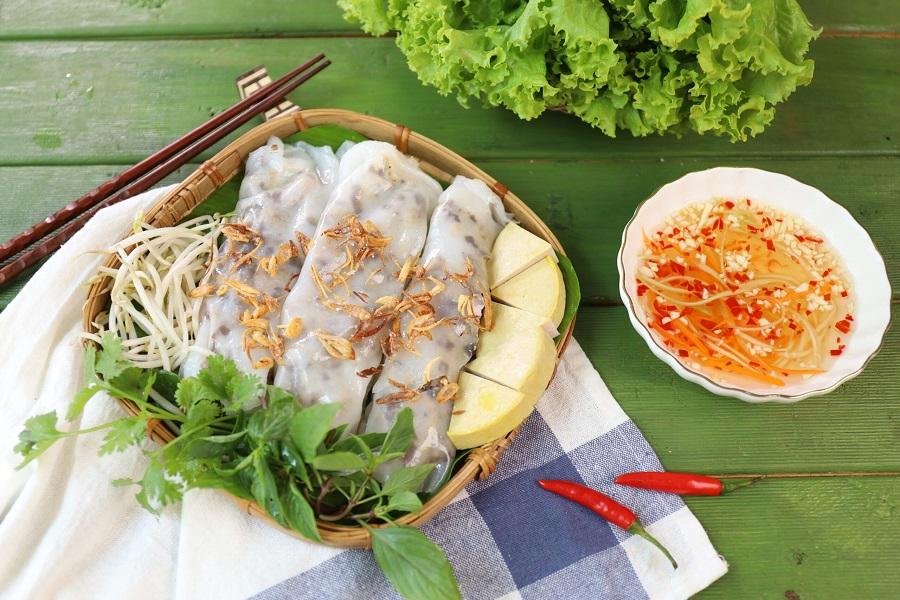
Banh cuon represents the pinnacle of Vietnamese culinary finesse. These ultra-thin steamed rice paper rolls filled with seasoned ground pork and wood ear mushrooms require exceptional skill to prepare properly.
Watching banh cuon being made is mesmerizing. The rice batter is spread paper-thin over a cloth stretched across boiling water, creating translucent sheets that are filled and rolled immediately. The complete dish includes:
- Paper-thin steamed rice sheets
- Seasoned ground pork and minced wood ear mushrooms
- Vietnamese ham (cha lua) slices
- Fresh herbs and lettuce
- Nuoc cham dipping sauce with fish sauce base
- Crispy fried shallots for garnish
For the most authentic experience, visit Banh Cuon Ba Hanh where you can observe the masterful technique of the rice paper makers. The delicate texture and subtle flavors make this dish a favorite among discerning food lovers.
8. Nem Ran (Cha Gio) – Crispy Spring Rolls
While spring rolls are found throughout Vietnam, Hanoi’s nem ran (also called cha gio) has distinct characteristics that set it apart. These crispy, golden rolls are filled with a mixture of pork, shrimp, vegetables, and glass noodles, wrapped in rice paper and deep-fried to perfection.
The secret to exceptional nem ran lies in the wrapper technique and filling balance. Traditional Hanoi-style includes:
- Rice paper wrapper brushed with egg for extra crispiness
- Ground pork and shrimp for protein base
- Glass noodles for texture
- Shredded vegetables: carrot, cabbage, and wood ear mushrooms
- Seasoning with fish sauce and black pepper
Nem ran is typically served with fresh lettuce, herbs, and pickled vegetables, allowing diners to wrap the crispy rolls in lettuce leaves with herbs before dipping in nuoc cham sauce. This creates a perfect balance of crispy, fresh, and savory elements.
9. Cao Lau – Hoi An’s Gift to Hanoi
While cao lau originated in Hoi An, Hanoi has embraced this unique noodle dish with enthusiasm. The thick, chewy noodles are made with water from specific wells in Hoi An, giving them a distinctive texture and slight yellow color.
What makes cao lau special is its dry preparation and complex layering of flavors:
- Thick, chewy cao lau noodles
- Sliced pork and Vietnamese ham
- Bean sprouts and greens
- Crispy rice crackers (banh trang nuong)
- Herbs and lettuce for wrapping
- Special dipping sauce unique to this dish
The dish is eaten by wrapping the noodles and toppings in lettuce leaves, creating hand rolls that are dipped in the accompanying sauce. While not originally from Hanoi, it has become part of the city’s diverse culinary landscape.
10. Che – Sweet Endings to Your Meal
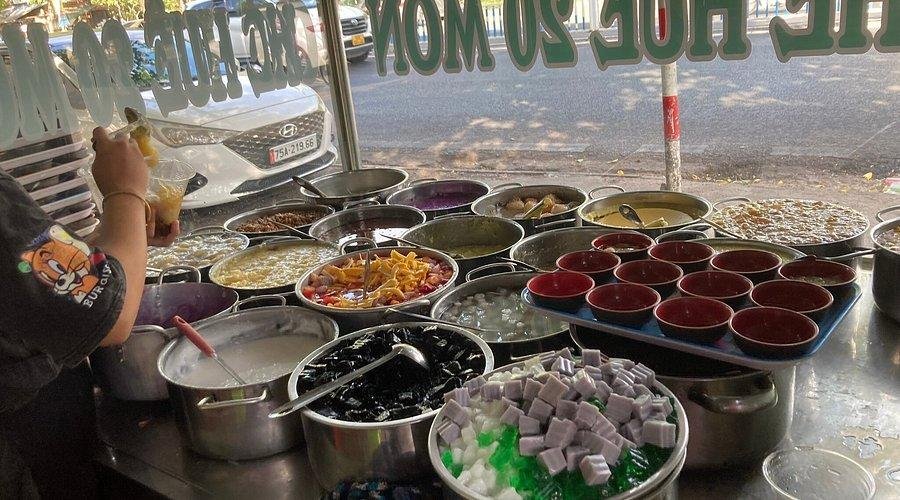
Che represents Vietnam’s diverse world of sweet soups and desserts. In Hanoi, che vendors offer dozens of varieties, from simple single-ingredient versions to complex combinations featuring multiple beans, fruits, and jellies.
Popular che varieties in Hanoi include:
- Che ba mau (three-color dessert) with layers of beans and coconut milk
- Che dau xanh (mung bean sweet soup)
- Che bap (corn sweet soup) perfect for winter
- Che thap cam (mixed che) with various ingredients
- Che dau do (red bean sweet soup)
- Che buoi (pomelo sweet soup) for summer refreshment
The beauty of che lies in its versatility and seasonal adaptations. Vendors adjust ingredients based on weather and availability, making each bowl a unique experience. Many che stalls operate in the evening, providing a sweet conclusion to a day of exploring Hanoi’s savory offerings.
Where to Experience These Dishes Authentically
The best way to experience Hanoi’s culinary treasures is through a combination of street food exploration and guided food tours. The Old Quarter remains the heart of authentic dining, where family-run establishments have perfected their recipes over generations.
Consider joining a professional food tour to ensure you don’t miss hidden gems and understand the cultural significance of each dish. Experienced guides can navigate language barriers and introduce you to local favorites that might be intimidating to approach independently.
Essential Food Tour Tips:
- Start early – many vendors sell out by afternoon
- Come hungry but pace yourself
- Don’t be afraid to eat at busy local places
- Learn basic Vietnamese food vocabulary
- Carry cash – most street vendors don’t accept cards
- Stay hydrated with local teas or fresh coconut water
Frequently Asked Questions
Is street food in Hanoi safe for tourists?
Yes, when you choose busy stalls with high turnover. Look for places where locals eat regularly, as this indicates fresh ingredients and good hygiene practices. Avoid stalls with food sitting out for extended periods.
What’s the best time to experience Hanoi street food?
Morning (6-9 AM) for pho and breakfast items, lunch (11 AM-2 PM) for bun cha and lunch specialties, and evening (5-8 PM) for a variety of dinner options and desserts.
How much should I budget for food in Hanoi?
Street food meals range from $1-3 USD, while restaurant meals cost $5-15 USD. Budget approximately $15-25 USD per day for diverse culinary experiences.
Are there vegetarian options among these must-eat dishes?
Yes! Many dishes can be adapted for vegetarians, and Hanoi has excellent vegetarian versions of pho, bun bo, and spring rolls. Buddhist temples often serve exceptional vegetarian Vietnamese cuisine.
Should I take a food tour or explore independently?
Both approaches have merit. Independent exploration offers spontaneity and budget savings, while guided tours provide cultural context, language assistance, and access to hidden gems. Many visitors combine both approaches.
“The best meals in Hanoi aren’t necessarily at the fanciest restaurants – they’re often found at humble street stalls where recipes have been perfected over decades.” – Vietnam Travelers food guide
Planning Your Culinary Adventure
Hanoi’s food scene requires more than a single visit to fully appreciate. Each dish tells a story of Vietnamese culture, history, and regional preferences. Whether you’re interested in a motorbike food adventure or prefer a walking street food tour, the key is approaching each meal with curiosity and respect for local customs.
For those planning extended stays, consider exploring day trips from Hanoi to experience regional variations of these classic dishes in nearby provinces.
Ready to embark on your Hanoi culinary journey? Contact Vietnam Travelers at +84962819091 or visit our office at 32 Hang Buom, Hoan Kiem, Hanoi to book an authentic food tour that will introduce you to these incredible dishes and the stories behind them. Our expert guides ensure you experience the real flavors of Hanoi while supporting local communities and family-run establishments.
Don’t just eat in Hanoi – taste its history, culture, and soul through these ten essential dishes. Your Vietnamese culinary adventure awaits!