
Article brief
Welcome to one of Hanoi's most enchanting districts – the French Quarter!
Route flow, hotel placement and transfer timing are the three decisions that shape the whole trip.
Welcome to one of Hanoi’s most enchanting districts – the French Quarter! As someone who has walked these tree-lined boulevards countless times, I’m excited to share this comprehensive guide to help you explore this historical gem at your own pace. Unlike the bustling energy of the Old Quarter, the French Quarter offers a more relaxed atmosphere where you can truly appreciate the elegant colonial architecture and wide streets that tell stories of Vietnam’s fascinating past.
Understanding Hanoi’s French Quarter: A Brief Overview
The French Quarter in Hanoi is a testament to the city’s colonial heritage, featuring magnificent French colonial architecture, wide tree-lined boulevards, and a distinctly European atmosphere. Built during the French colonial period (1884-1954), this area was designed as the administrative center for French Indochina.
“Walking through the French Quarter is like stepping back in time. The elegant yellow colonial buildings, manicured gardens, and grand boulevards create an atmosphere that’s uniquely Hanoi.” – Local Tourism Expert
What makes this area special is how it seamlessly blends French colonial elegance with Vietnamese culture. You’ll find street vendors selling traditional Vietnamese coffee next to French-style cafés, creating a unique cultural fusion that you won’t experience anywhere else in the world.
Planning Your Self-Guided French Quarter Walking Tour
Best Time to Visit
The ideal time for your self-guided walking tour is either early morning (7:00-9:00 AM) or late afternoon (4:00-6:00 PM). During these hours, you’ll enjoy:
- Cooler temperatures and gentle breezes
- Perfect lighting for photography
- Less crowded streets
- Active local life as residents go about their daily routines
What to Bring
Pack light but smart for your walking adventure:
- Comfortable walking shoes – you’ll be covering 3-4 kilometers
- Sun hat and sunscreen
- Water bottle (refill at cafés along the way)
- Camera or smartphone with extra battery
- Small backpack for souvenirs
- Vietnamese dong for street food and drinks
Your Complete French Quarter Walking Route
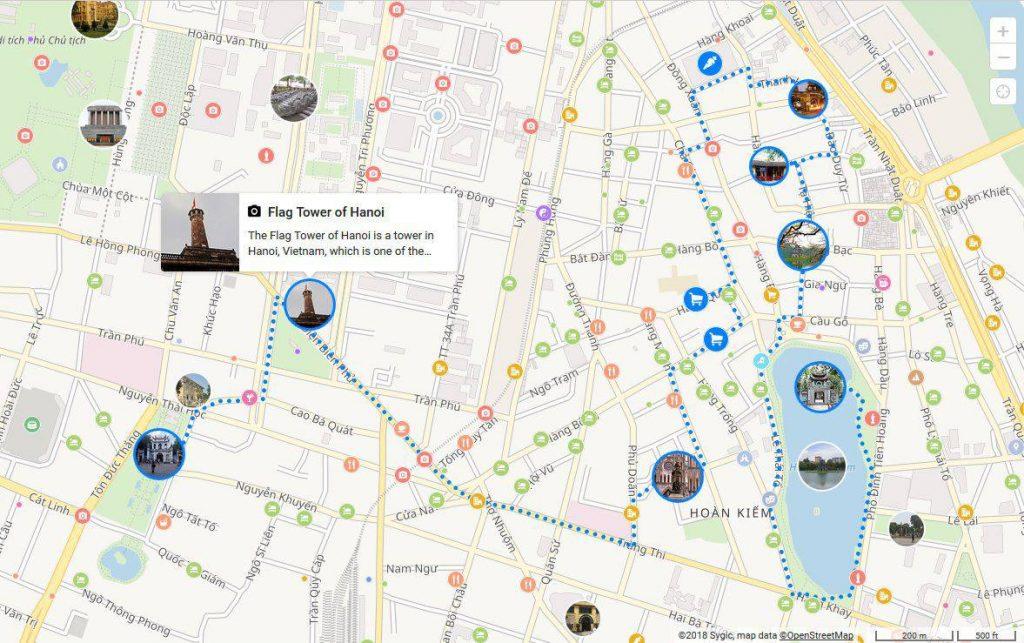
Starting Point: Hoan Kiem Lake
Begin your journey at the iconic Hoan Kiem Lake, the heart of Hanoi. This picturesque lake serves as the perfect introduction to your French Quarter exploration. Take a moment to observe the blend of Vietnamese tradition and French influence that characterizes this entire area.
From here, head west toward Ly Thai To Street, where you’ll immediately notice the change in architecture and street layout as you enter the French Quarter proper.
Stop 1: Hanoi Opera House (15 minutes)
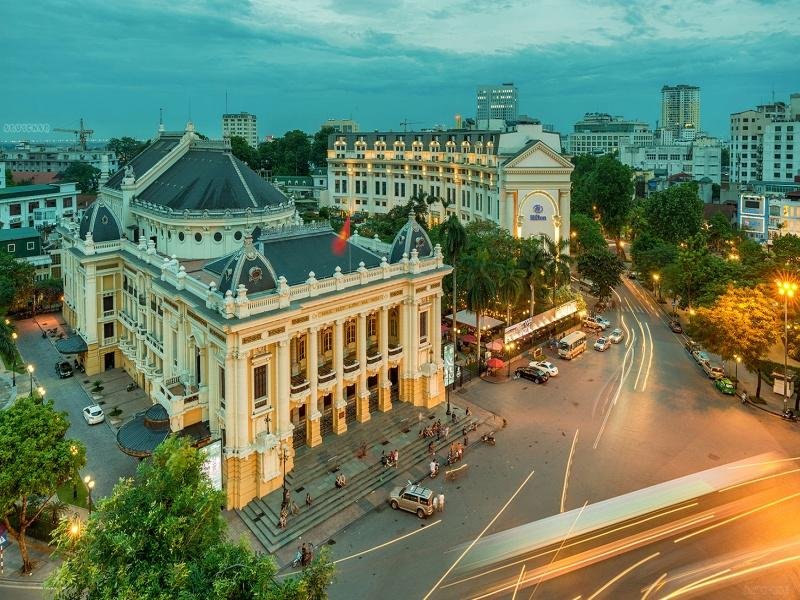
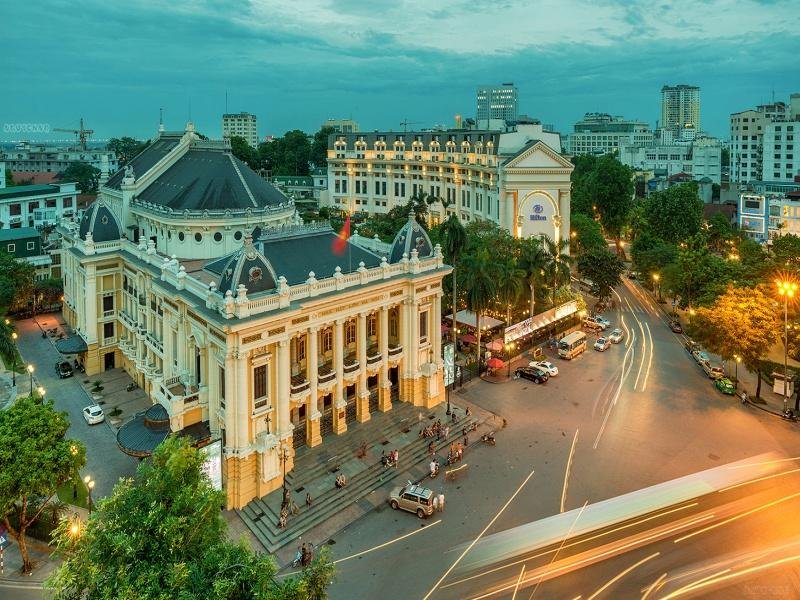
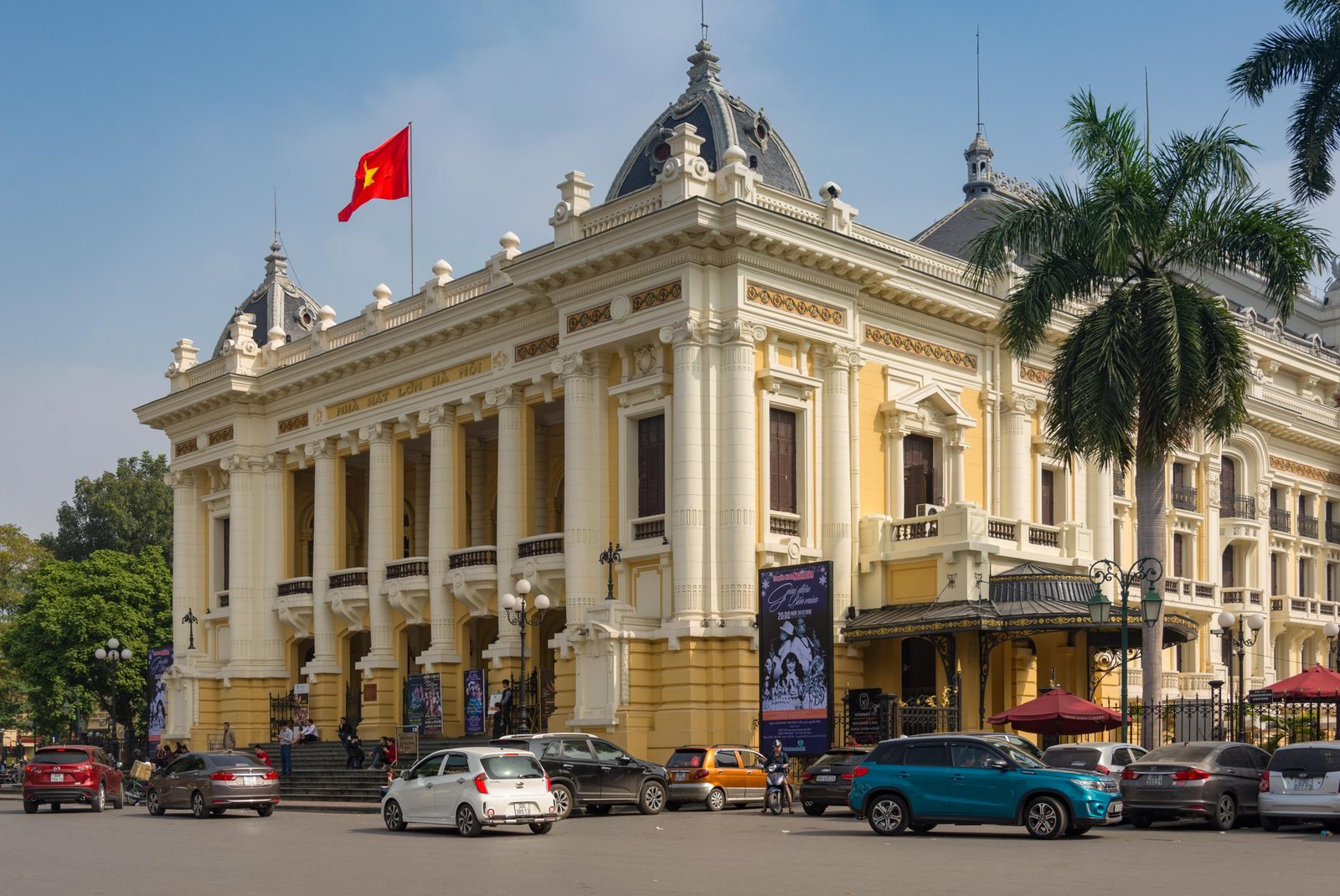
Your first major stop is the magnificent Hanoi Opera House, a stunning example of French colonial architecture built in 1911. Modeled after the Paris Opera House, this neo-classical building showcases the grandeur of French design in Vietnam.
What to look for:
- The impressive façade with its classical columns
- Intricate ironwork balconies
- The grand staircase (when open for tours)
- Beautiful surrounding gardens
Photography tip: The best angle is from the small park across Trang Tien Street, especially during golden hour.
Stop 2: Hilton Hanoi Opera and Trang Tien Street (20 minutes)
Walk along Trang Tien Street, one of Hanoi’s most famous shopping boulevards. This wide street epitomizes the French Quarter’s elegant urban planning. The Hilton Hanoi Opera, while modern, complements the historical architecture beautifully.
Take time to explore the local shops and notice how traditional Vietnamese businesses have adapted to the French-designed storefronts. You’ll find everything from silk shops to contemporary art galleries.
Stop 3: National Museum of Vietnamese History (30 minutes)
Located in a beautiful French colonial building, the National Museum of Vietnamese History offers insight into Vietnam’s rich past. Even if you don’t go inside, the building itself is worth admiring for its architectural details.
“The museum building represents the finest example of how French architects adapted their designs to Vietnam’s tropical climate, incorporating wide verandas and high ceilings for natural cooling.” – Architectural Historian
Stop 4: St. Joseph’s Cathedral (25 minutes)
No French Quarter walking tour is complete without visiting St. Joseph’s Cathedral. This neo-Gothic cathedral, built between 1886-1887, was modeled after Notre Dame de Paris and serves as a striking reminder of French religious influence in Vietnam.
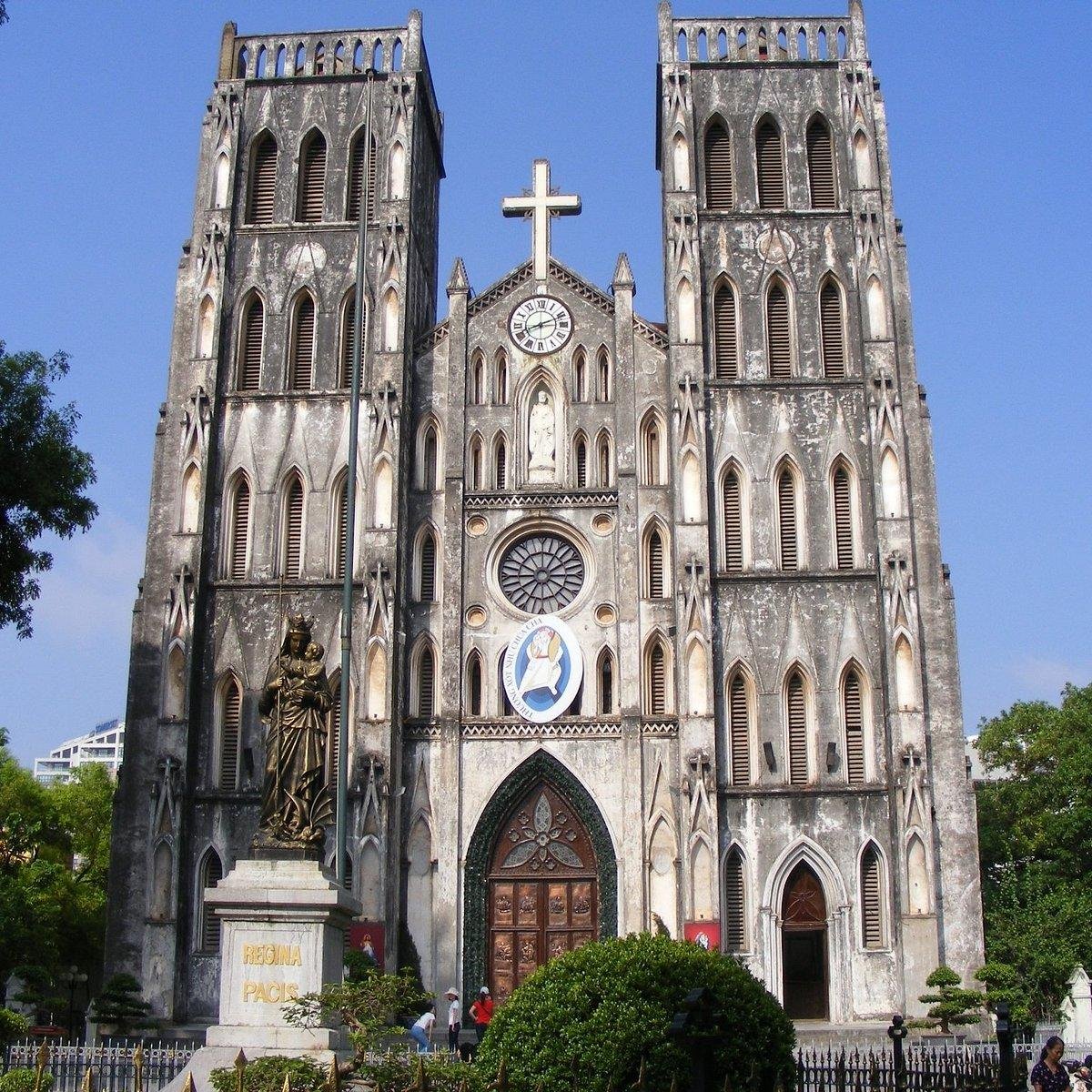
Highlights include:
- Gothic revival architecture with twin bell towers
- Beautiful stained glass windows
- The atmospheric square in front of the cathedral
- Nearby cafés perfect for a coffee break
Stop 5: Hoa Lo Prison Museum (20 minutes)
Also known as the “Hanoi Hilton,” this former prison provides a sobering look at Vietnam’s struggle for independence. The French built this prison in 1896, and it later held American POWs during the Vietnam War.
This stop adds historical depth to your tour, showing a different side of the French colonial period beyond the beautiful architecture.
Hidden Gems and Local Experiences
Colonial Cafés and French Bakeries
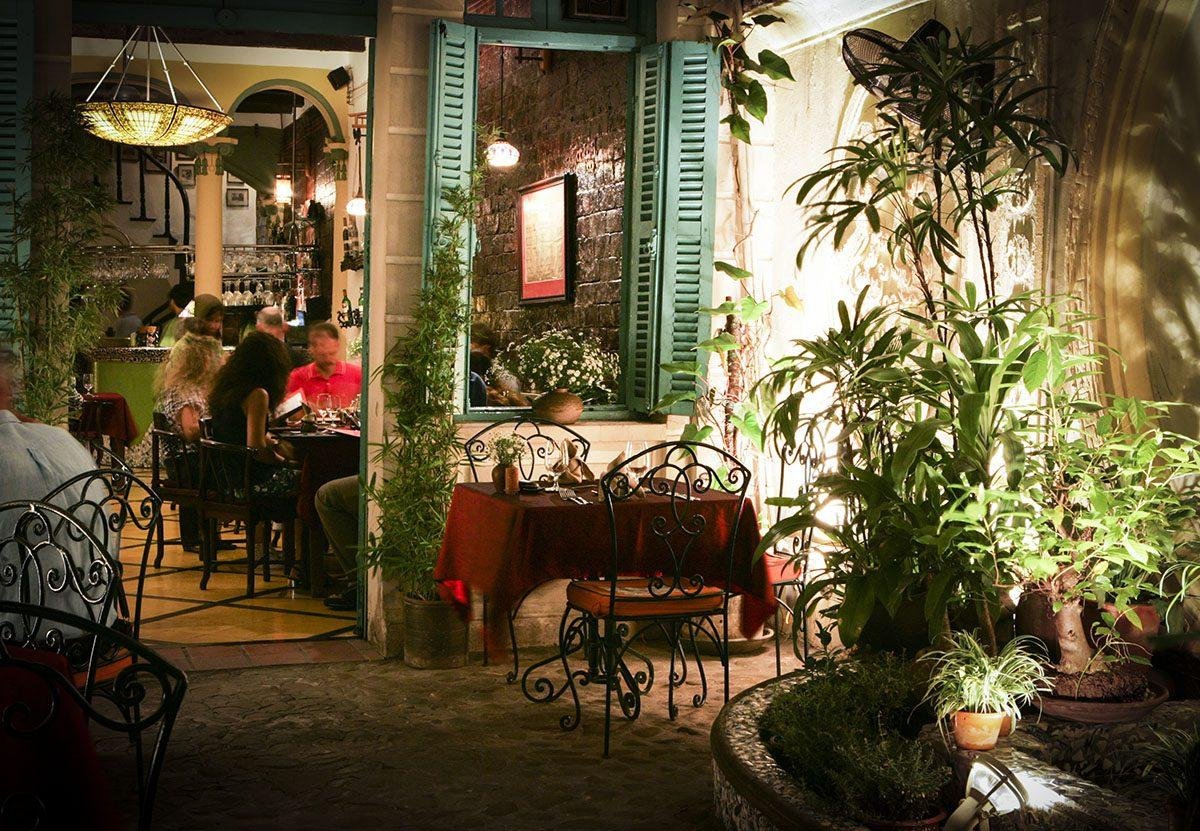
One of the best parts of exploring the French Quarter is discovering the incredible café culture. Here are some must-visit spots:
- Café Pho Co – Hidden gem with traditional Vietnamese coffee
- Paris Deli – Authentic French pastries and croissants
- Cong Caphe – Unique coconut coffee in a vintage setting
- Highlands Coffee – Local chain with excellent Vietnamese-French fusion drinks
Street Art and Modern Touches
Keep your eyes open for contemporary street art that decorates some of the older buildings. Local artists have found creative ways to blend modern expression with historical preservation, creating Instagram-worthy spots throughout your walk.
Architecture Appreciation Guide
To truly appreciate your self-guided tour, here’s what to look for in French colonial architecture:
Key Architectural Features
- Wide boulevards designed for horse-drawn carriages
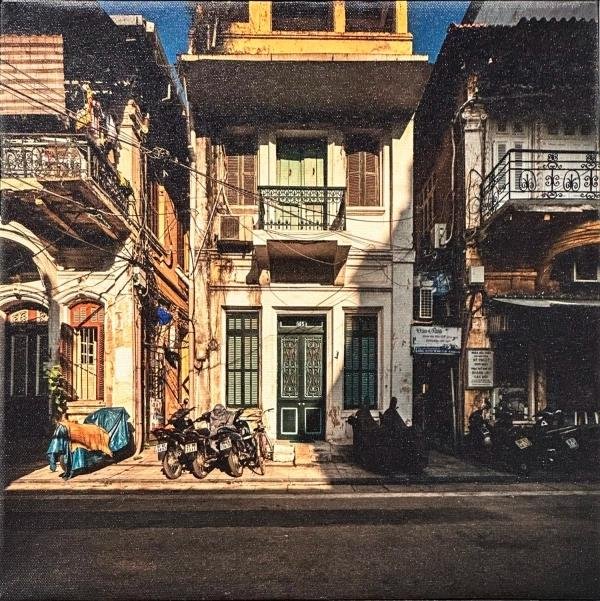
- Yellow ochre buildings with white trim – the classic colonial color scheme
- Louvered shutters adapted for tropical climate
- High ceilings and large windows for natural ventilation
- Wrought iron balconies with intricate designs
- Red tile roofs typical of Mediterranean influence
Fusion Elements
What makes Hanoi’s French Quarter unique is how Vietnamese elements were incorporated:
- Traditional Vietnamese motifs in ironwork
- Adaptation to monsoon climate with deeper eaves
- Use of local materials like Vietnamese hardwoods
- Integration of feng shui principles in building orientation
Food and Drink Experiences Along the Route
Your walking tour isn’t complete without sampling the Franco-Vietnamese cuisine that makes this area special. Here are some authentic experiences to try:
Must-Try Foods
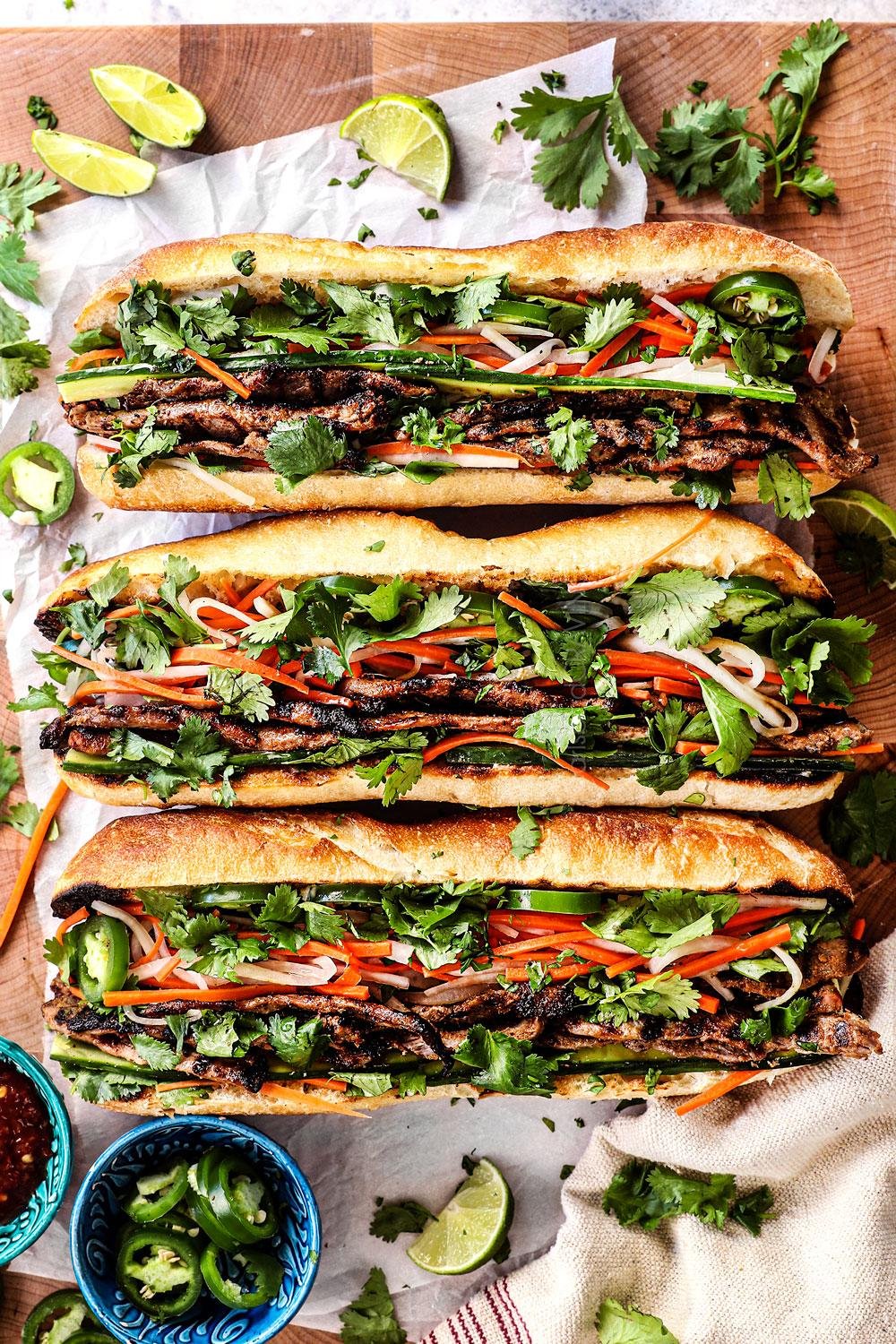
- Bánh mì – Vietnamese baguette sandwich with French bread and Vietnamese fillings
- Vietnamese coffee with condensed milk – Perfect blend of French coffee culture and Vietnamese sweetness
- French pastries – Croissants and pain au chocolat made with local ingredients
- Pho – Vietnam’s famous noodle soup, available at every corner
Recommended Food Stops
“The best bánh mì in the French Quarter can be found at the small cart near St. Joseph’s Cathedral – it’s where locals go, which means it’s authentically delicious!” – Local Food Expert
Shopping and Souvenirs
The French Quarter offers unique shopping opportunities that reflect its cultural heritage:
- Silk shops with French-influenced designs
- Art galleries featuring Vietnamese artists inspired by colonial themes
- Antique stores with genuine French colonial artifacts
- Bookshops with French literature and Vietnamese translations
Photography Tips for Your Self-Guided Tour
Capture the essence of the French Quarter with these photography suggestions:
Best Photo Spots
- Opera House steps – Classic colonial architecture shots
- Trang Tien Street intersection – Bustling street life with colonial backdrop
- Cathedral square – Gothic architecture and local life
- Tree-lined boulevards – Perfect for atmospheric walking shots
Photography Techniques
- Use the golden hour (early morning or late afternoon) for warm lighting
- Include local people in your shots to show the living culture
- Capture architectural details like ironwork and window shutters
- Take both wide shots and close-ups to tell the complete story
Safety and Practical Tips
The French Quarter is generally very safe for tourists, but here are some practical tips for your self-guided walking tour:
Safety Considerations
- Watch for motorbikes when crossing streets
- Keep your belongings secure in crowded areas
- Stay hydrated, especially during summer months
- Use official taxi services or ride-hailing apps
Cultural Etiquette
- Dress modestly when visiting religious sites
- Ask permission before photographing local people
- Learn basic Vietnamese greetings – locals appreciate the effort
- Bargain respectfully at markets and small shops
Extending Your French Quarter Experience
If you have extra time, consider these additional activities to enhance your French Quarter exploration:
- Take a Vespa tour to cover more ground
- Join a food tour focusing on French-Vietnamese fusion cuisine
- Explore the nearby Old Quarter for contrast
- Visit during different times of day to see how the area changes
Frequently Asked Questions
How long does the self-guided French Quarter walking tour take?
The complete tour typically takes 3-4 hours, depending on how much time you spend at each stop and whether you include food breaks and shopping.
Is the French Quarter suitable for families with children?
Absolutely! The wide sidewalks, numerous cafés for rest stops, and interesting architecture make it very family-friendly. Children often enjoy spotting the different architectural details.
Can I do this tour in the rain?
While possible, it’s better to wait for clearer weather. Many of the architectural details are best appreciated outdoors, and the tree-lined streets are more enjoyable in good weather.
How does the French Quarter compare to the Old Quarter?
The French Quarter is more spacious and relaxed compared to the bustling, narrow streets of the Old Quarter. It’s perfect if you prefer a more leisurely pace and appreciate colonial architecture.
Are there guided tour options available?
Yes! While this guide focuses on self-guided exploration, professional guided tours are available for those who prefer expert commentary and historical context.
Ready to Explore Hanoi’s French Quarter?
Your self-guided walking tour of Hanoi’s French Quarter will give you a deep appreciation for this unique blend of cultures and architecture. Take your time, enjoy the peaceful atmosphere, and don’t forget to stop for that perfect cup of Vietnamese coffee in a colonial-era café.
Whether you’re a history enthusiast, architecture lover, or simply someone who enjoys beautiful neighborhoods, the French Quarter offers something special for everyone. The combination of French elegance and Vietnamese vitality creates an atmosphere you’ll find nowhere else in the world.
Want to enhance your Hanoi experience? Consider booking one of our comprehensive Hanoi city tours or exploring our day trips from Hanoi to discover even more of Vietnam’s incredible heritage.
Contact Vietnam Travelers:
Address: 32 Hang Buom, Hoan Kiem, Hanoi
Hotline: +84962819091
Email: info@vietnamtravelers.com
Have you taken this self-guided tour? We’d love to hear about your experience! Share your photos and stories in the comments below, and don’t forget to tag us on social media. Your insights help fellow travelers make the most of their Hanoi adventure.