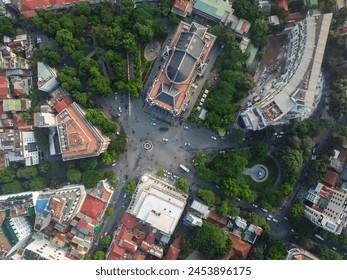
Nestled in the heart of Vietnam’s capital, Hanoi’s Old Quarter stands as a living museum, where centuries of history unfold along narrow streets and within ancient buildings. This historical district, with its vibrant atmosphere and unique architectural blend, offers visitors a fascinating glimpse into Vietnam’s rich cultural tapestry and complex past. Let’s embark on a journey through time to discover how this remarkable neighborhood evolved from its humble beginnings to become one of Southeast Asia’s most captivating cultural treasures.
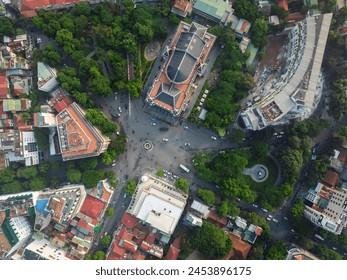
Origins: The Birth of Thăng Long’s Craft Guilds
The story of Hanoi’s Old Quarter begins over a millennium ago when Emperor Lý Thái Tổ moved the capital of Vietnam from Hoa Lư to Thăng Long (modern-day Hanoi) in 1010. What would eventually become the Old Quarter started as a cluster of villages surrounding the imperial citadel, populated by craftsmen and merchants who served the royal court.
By the 13th century, these villages had transformed into specialized craft guilds, each dedicated to a particular trade or craft. Artisans from the same profession gathered in specific areas, creating a network of specialized streets. This guild system became the foundation of the Old Quarter’s famous “36 streets” layout, though the actual number of streets has varied throughout history.
“The Old Quarter is not just a tourist attraction but a living embodiment of Hanoi’s resilience and adaptability through centuries of change. Every brick and beam tells a story of cultural evolution and preservation.” — Vietnamese historian Nguyễn Văn Huy
The name of each street reflected the goods or services once sold there, a naming convention that persists to this day. Walking through the Old Quarter, you’ll find streets like Hàng Bạc (Silver Street), Hàng Đào (Silk Street), and Hàng Mã (Paper Offerings Street) – each name a testament to the area’s guild-based origins.
Architectural Evolution: The Distinctive Tube Houses
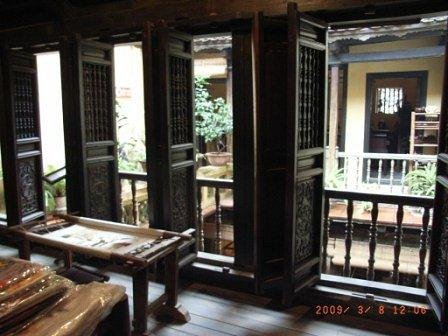
One of the most distinctive features of the Old Quarter is its unique tube house architecture. These narrow, multi-story buildings with extremely slim facades (sometimes just 2-3 meters wide) but extending far back (up to 100 meters in some cases) developed in response to historical tax policies that charged property owners based on the width of their street frontage.
Typical tube houses consist of a series of connected rooms with courtyards in between to provide natural light and ventilation. This ingenious architectural solution maximized living and working space while minimizing tax burden, creating the distinctive streetscape that defines the Old Quarter today.
The architecture of the Old Quarter reflects multiple influences throughout its history:
- Traditional Vietnamese elements: Curved roof tiles, wooden pillars, and ancestor worship spaces
- Chinese influences: Seen in the shophouse layout, feng shui principles, and decorative elements
- French colonial additions: Balconies, shuttered windows, and European façade details
This architectural fusion creates a visually fascinating streetscape that tells the story of Vietnam’s complex cultural interactions over the centuries. For a deeper exploration of these unique structures, consider joining a specialized architecture tour of the Old Quarter.
The arrival of French colonial powers in the late 19th century marked a significant turning point in the Old Quarter’s development. After establishing Hanoi as the capital of French Indochina in 1887, the colonial administration introduced European urban planning concepts and architectural styles to the city.
While the French built a new European-style quarter (now known as the French Quarter), they also made notable changes to the Old Quarter, widening some streets, introducing utilities like electricity and running water, and adding European architectural elements to existing buildings.
Many Old Quarter buildings constructed or modified during this period showcase a fascinating blend of Vietnamese and French architectural features – narrow Vietnamese tube houses adorned with French-style balconies, shutters, and decorative moldings. This architectural fusion, sometimes called Indochinese style, represents a unique cultural hybridization found nowhere else in the world.
The colonial period also saw the introduction of new foods, customs, and religious practices that became integrated into local culture, adding yet another layer to the Old Quarter’s rich cultural tapestry.
Cultural Landmarks: Sacred Spaces in the Old Quarter
Throughout its history, the Old Quarter has been home to numerous cultural and religious sites that remain vital parts of community life today:
Bach Ma Temple
Located on Hàng Buồm Street, Bach Ma Temple (White Horse Temple) is considered the oldest temple in Hanoi, originally built in the 9th century. According to legend, Emperor Lý Thái Tổ followed a white horse to this site when determining the boundaries for his new citadel. The temple has been rebuilt several times throughout history but maintains its sacred importance in local spiritual life.
Visitors can explore this historical site during a cultural tour of the Old Quarter, witnessing firsthand the blend of architectural styles that characterize many of the area’s religious buildings.
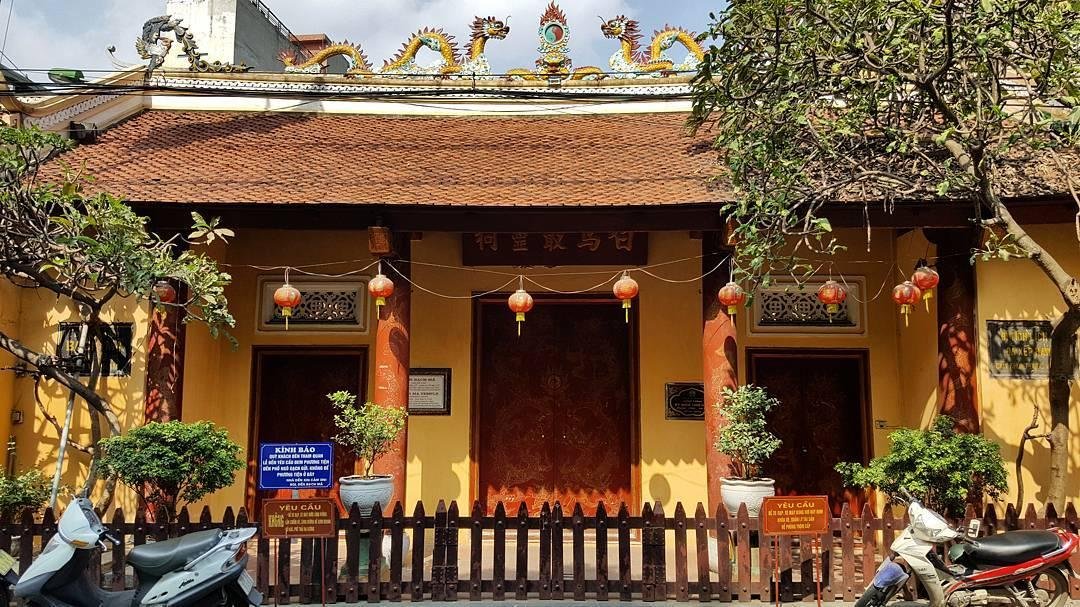
Communal Houses (Đình)
Scattered throughout the Old Quarter are ancient communal houses that once served as administrative centers and meeting places for each guild. These đình buildings hosted important ceremonies, community gatherings, and worship of craft patron deities.
One well-preserved example is the Kim Ngân Communal House on Hàng Bạc, which served the silversmith guild. Today, it functions as a small museum showcasing traditional silversmithing techniques and tools, offering a window into the craft traditions that shaped the Old Quarter.
Ancient Gates
Though most of the Old Quarter’s original city gates have been lost to time, Ô Quan Chưởng (the last remaining gate from the ancient citadel) still stands at the eastern edge of the district, a physical reminder of the area’s historical boundaries and defensive structures.
This architectural landmark represents an important connection to the district’s past as a protected commercial center vital to the capital’s economy and defense.
Traditional Ways of Life: The Old Quarter Through the Seasons
Life in the Old Quarter has always been deeply connected to Vietnam’s cultural rhythms and seasonal celebrations. Throughout the year, the district comes alive with festivals and traditions that have endured for centuries:
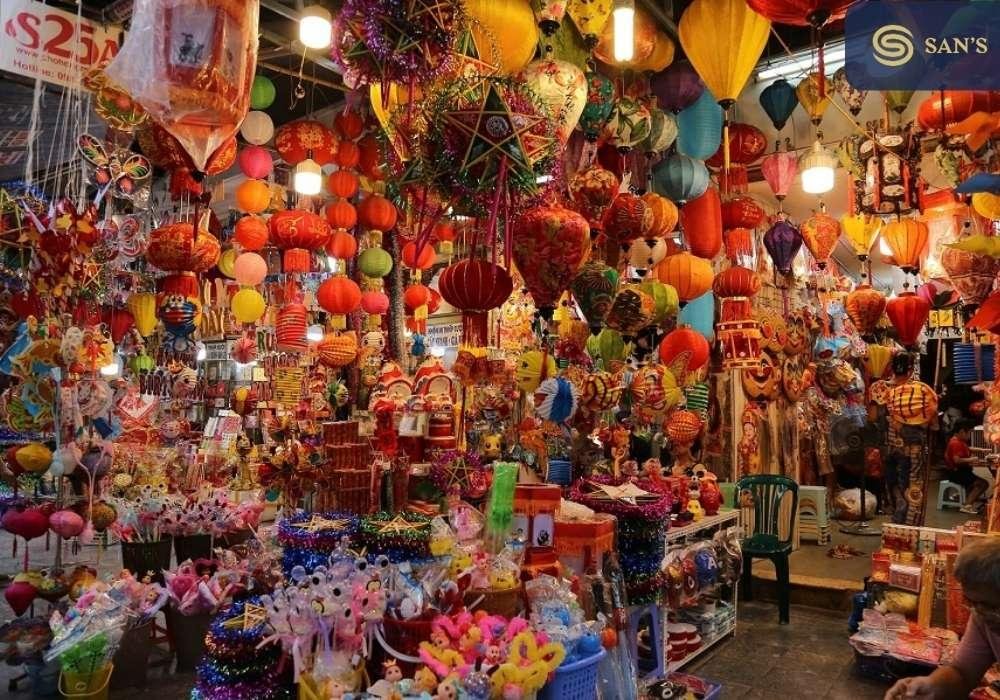
- Tết (Lunar New Year): The streets transform with red and gold decorations, flowering peach and kumquat trees, and special holiday foods. Hàng Mã Street becomes particularly vibrant as locals purchase decorative items and ritual offerings.
- Mid-Autumn Festival: Children parade with star-shaped lanterns while families share mooncakes and watch lion dances. The Old Quarter becomes especially magical in the evenings during this autumn celebration.
- Ghost Festival (Tết Trung Nguyên): During the seventh lunar month, families honor deceased ancestors with elaborate food offerings and burning paper items on the streets, creating a mesmerizing atmosphere of devotion and remembrance.
These cultural celebrations offer visitors a chance to experience authentic Vietnamese traditions that have been practiced in the Old Quarter for generations. For those interested in cultural immersion, planning your visit to coincide with one of these festivals can provide unforgettable memories and deeper understanding of local customs.
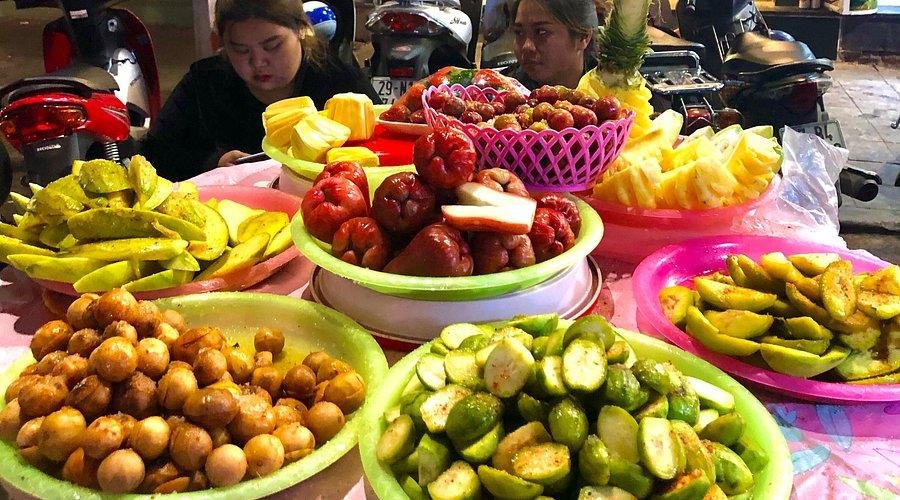
Food culture also plays a central role in Old Quarter life, with many traditional dishes having been served from the same family-run establishments for decades or even centuries. Many consider the Old Quarter the best place to sample authentic northern Vietnamese cuisine.
Modern Challenges: Preservation in a Changing World
Today, the Old Quarter faces the complex challenge of balancing preservation with development. As one of Hanoi’s primary tourist destinations, the district must accommodate modern needs while protecting its irreplaceable historical character.
Key preservation challenges include:
- Structural deterioration of aging buildings
- Overcrowding and density issues
- Traffic congestion and pollution
- Pressure to modernize infrastructure
- Changing commercial patterns as traditional crafts give way to tourist-oriented businesses
The Hanoi government has implemented various conservation initiatives, including designating protected heritage buildings, creating pedestrian-only zones during weekends, and promoting traditional craft preservation. These efforts aim to maintain the Old Quarter’s unique character while improving quality of life for residents and experiences for visitors.
As you explore and shop in the Old Quarter, remember that your interest in authentic cultural experiences helps support preservation efforts and the continuation of traditional practices.
Experiencing the Old Quarter Today: A Living Museum
For today’s visitors, the Old Quarter offers an unparalleled opportunity to experience Vietnamese history and culture firsthand. Unlike formal museums, here history lives and breathes in everyday activities:
- Watch artisans practice traditional crafts using techniques passed down through generations
- Sample street food recipes that have remained unchanged for centuries
- Observe spiritual practices at ancient temples and community shrines
- Discover architectural details that tell the story of different historical periods
The district is best explored on foot, allowing you to meander through narrow lanes and discover hidden courtyards, temples, and cafés tucked away from main streets. For a more structured experience, consider joining a guided walking tour with knowledgeable local experts who can reveal the hidden stories behind the buildings and streets.
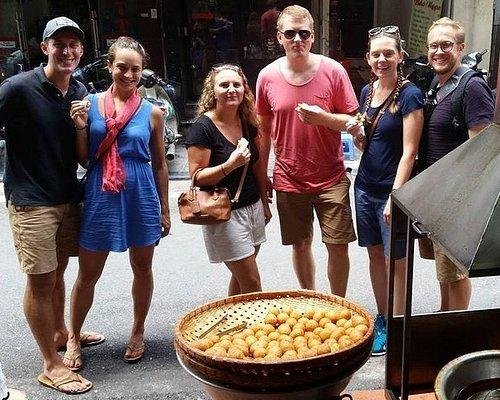
Weekend evenings are particularly special when parts of the Old Quarter transform into a bustling night market and pedestrian zone, allowing visitors to experience the streets without motor traffic and enjoy cultural performances in public spaces.
Frequently Asked Questions About the Old Quarter’s History & Culture
Why is it called the “36 Streets” when there are more streets today?
The “36 Streets” name originated during the 15th century when there were approximately 36 guild streets, each specializing in a specific craft or trade. The actual number has varied throughout history, and today there are more than 50 streets in the Old Quarter. However, the traditional name persists as a historical reference to the original guild structure.
How old are the buildings in the Old Quarter?
While the Old Quarter’s history dates back over 1,000 years, most existing buildings are from the late 19th and early 20th centuries, with significant French colonial influences. Some religious structures like Bach Ma Temple contain elements from earlier periods, though they’ve been rebuilt multiple times. Very few completely original ancient structures remain due to wood construction, weather conditions, and historical conflicts.
Are traditional crafts still practiced in the Old Quarter today?
Yes, though to a lesser extent than historically. Some streets still maintain their traditional craft focus, particularly in silversmithing (Hàng Bạc), traditional medicine (Lãn Ông), and religious items (Hàng Mã). Many families continue practices passed down through generations, though tourism and modern retail have replaced some traditional workshops. Several initiatives aim to preserve these cultural traditions through demonstrations and educational programs.
A Heritage Worth Preserving
The Old Quarter represents far more than just a tourist attraction – it’s a living embodiment of Vietnamese cultural resilience and adaptation. Through centuries of change, invasion, colonization, war, and modernization, this remarkable district has maintained its distinctive character while continuously evolving.
As you explore these ancient streets, you’re not just witnessing history – you’re participating in its ongoing story. Every purchase from a traditional craftsperson, every meal in a family-run eatery, and every moment spent appreciating the district’s architectural treasures contributes to keeping this cultural heritage alive for future generations.
For travelers seeking authentic cultural experiences, Vietnam Travelers offers specialized tours that provide deeper insights into the Old Quarter’s rich history and living traditions. Our expert local guides can reveal hidden aspects of the district that most visitors miss, connecting you with genuine cultural experiences beyond the typical tourist path.
Have you visited Hanoi’s Old Quarter? What aspects of its history and culture fascinated you most? Share your experiences and questions in the comments below – we’d love to hear your perspective on this extraordinary historical treasure!
Ready to experience the living history of Hanoi’s Old Quarter for yourself? Contact us to arrange a customized cultural exploration with knowledgeable local guides who can bring the district’s fascinating past to life!