
Article brief
Embarking on a motorbike journey from Hanoi to Saigon (Ho Chi Minh City) is perhaps the most authentic way to experience Vietnam's diverse landscapes, rich culture, and warm hospitality.
Route flow, hotel placement and transfer timing are the three decisions that shape the whole trip.
Embarking on a motorbike journey from Hanoi to Saigon (Ho Chi Minh City) is perhaps the most authentic way to experience Vietnam’s diverse landscapes, rich culture, and warm hospitality. This epic 1,700-kilometer adventure takes you through bustling cities, tranquil countryside, winding mountain passes, and stunning coastal roads, offering a perspective of Vietnam that few tourists ever witness. Whether you’re an experienced rider or a novice adventurer, this comprehensive guide will help you plan, prepare, and execute an unforgettable motorbike journey across the length of Vietnam.
Why Choose a Motorbike Trip from Hanoi to Saigon?
A motorbike journey through Vietnam offers unparalleled freedom and flexibility that traditional tours simply cannot match. Here’s why thousands of travelers choose this adventure:
- Authentic experiences: Interact with locals in remote villages rarely visited by tourists
- Breathtaking scenery: Witness Vietnam’s changing landscapes at your own pace
- Cultural immersion: Experience the regional differences in food, dialect, and customs
- Flexibility: Create your own itinerary, stay longer in places you love
- Sense of achievement: Complete one of Southeast Asia’s most iconic journeys
“The journey from Hanoi to Saigon by motorbike changed my perspective on travel forever. The freedom of the open road, the wind in my face, and the smiling locals waving as I passed through their villages created memories I’ll cherish for a lifetime.” – James, UK traveler
Planning Your Route: Popular Itineraries
The classic Hanoi to Saigon route typically takes 2-3 weeks, though you can extend or shorten it based on your schedule. Here are three popular itinerary options:
1. The Classic Route (14-18 days)
Following primarily the historic Highway 1, with strategic detours to must-see locations:
- Hanoi → Ninh Binh (100km): Ancient temples and limestone karsts
- Ninh Binh → Phong Nha (330km): Home to world’s largest caves
- Phong Nha → Hue (220km): Imperial city with rich history
- Hue → Hoi An (140km): Ancient trading port via the scenic Hai Van Pass
- Hoi An → Quy Nhon (280km): Less-visited coastal city
- Quy Nhon → Nha Trang (220km): Popular beach destination
- Nha Trang → Da Lat (140km): Highland city with cool climate
- Da Lat → Mui Ne (160km): Coastal resort town
- Mui Ne → Ho Chi Minh City (230km): Vietnam’s largest city
2. The Ho Chi Minh Trail Route (18-21 days)
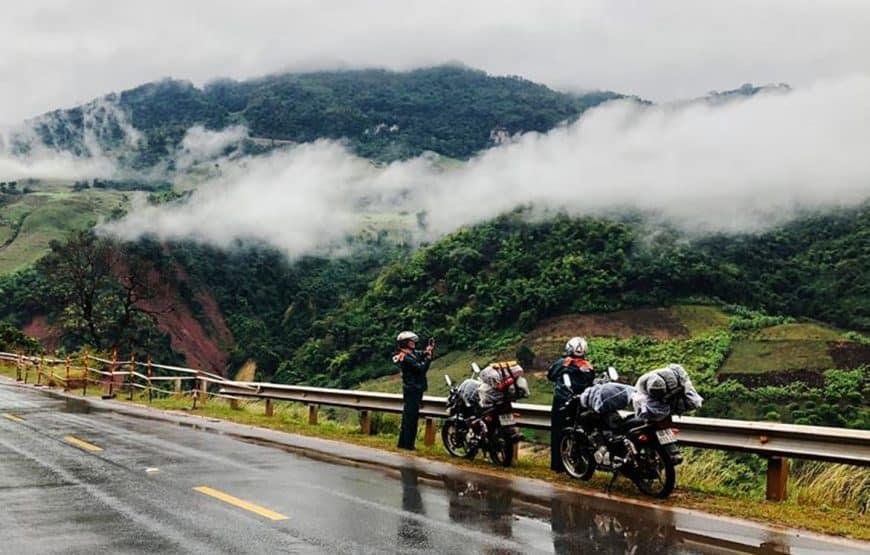
For more adventurous riders seeking mountain roads and remote areas:
- Hanoi → Mai Chau → Phu Yen
- Phu Yen → Tan Ky → Phong Nha
- Phong Nha → Khe Sanh → A Luoi → Hue
- Then follow the classic route from Hue to Saigon
3. The Coastal Route (14-16 days)
Perfect for beach lovers and seafood enthusiasts:
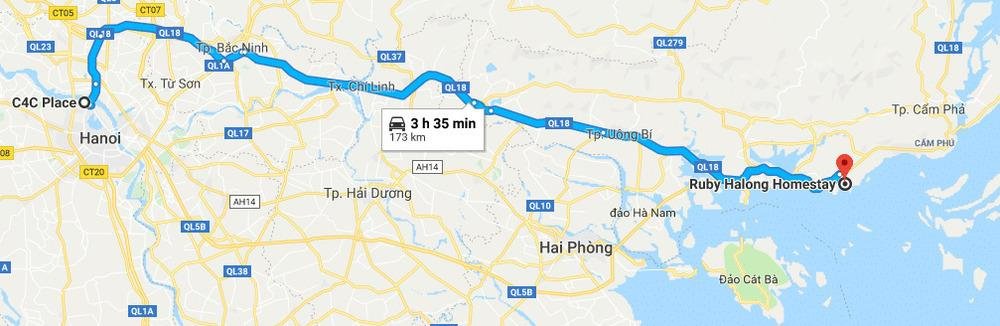
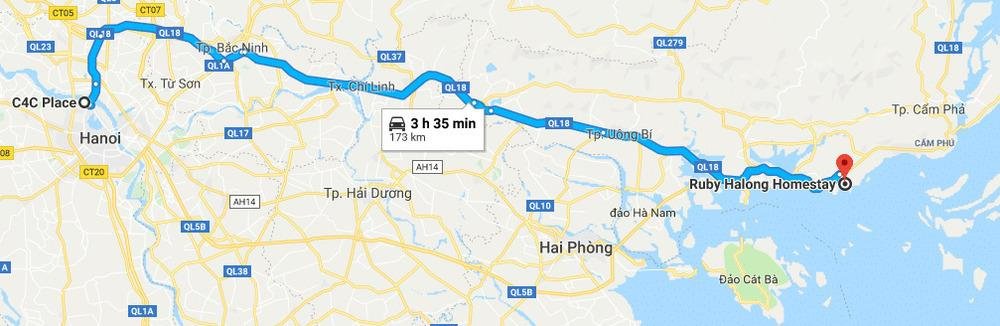
- Hanoi → Halong Bay → Cat Ba Island
- Cat Ba → Nam Dinh → Vinh
- Vinh → Dong Hoi → Hue
- Then follow the classic route, staying close to the coast
Best Time to Ride
Vietnam’s climate varies significantly from north to south, making it challenging to find the perfect time for the entire journey. However, some periods offer better overall conditions:
| Season | Months | Conditions | Recommendation |
|---|---|---|---|
| Spring | February-April | Mild temperatures, occasional rain in the north | Excellent choice |
| Summer | May-August | Hot and humid, rainy season in the north | Challenging but doable |
| Fall | September-November | Pleasant temperatures, reducing rainfall | Ideal time |
| Winter | December-January | Cold in the north, pleasant in the south | Good option with proper gear |
The ideal months for the journey are late September to November and February to April, balancing good weather conditions throughout most of the country.
Choosing Your Motorbike
Your choice of motorbike will significantly impact your journey. There are several options depending on your experience, budget, and preferences:
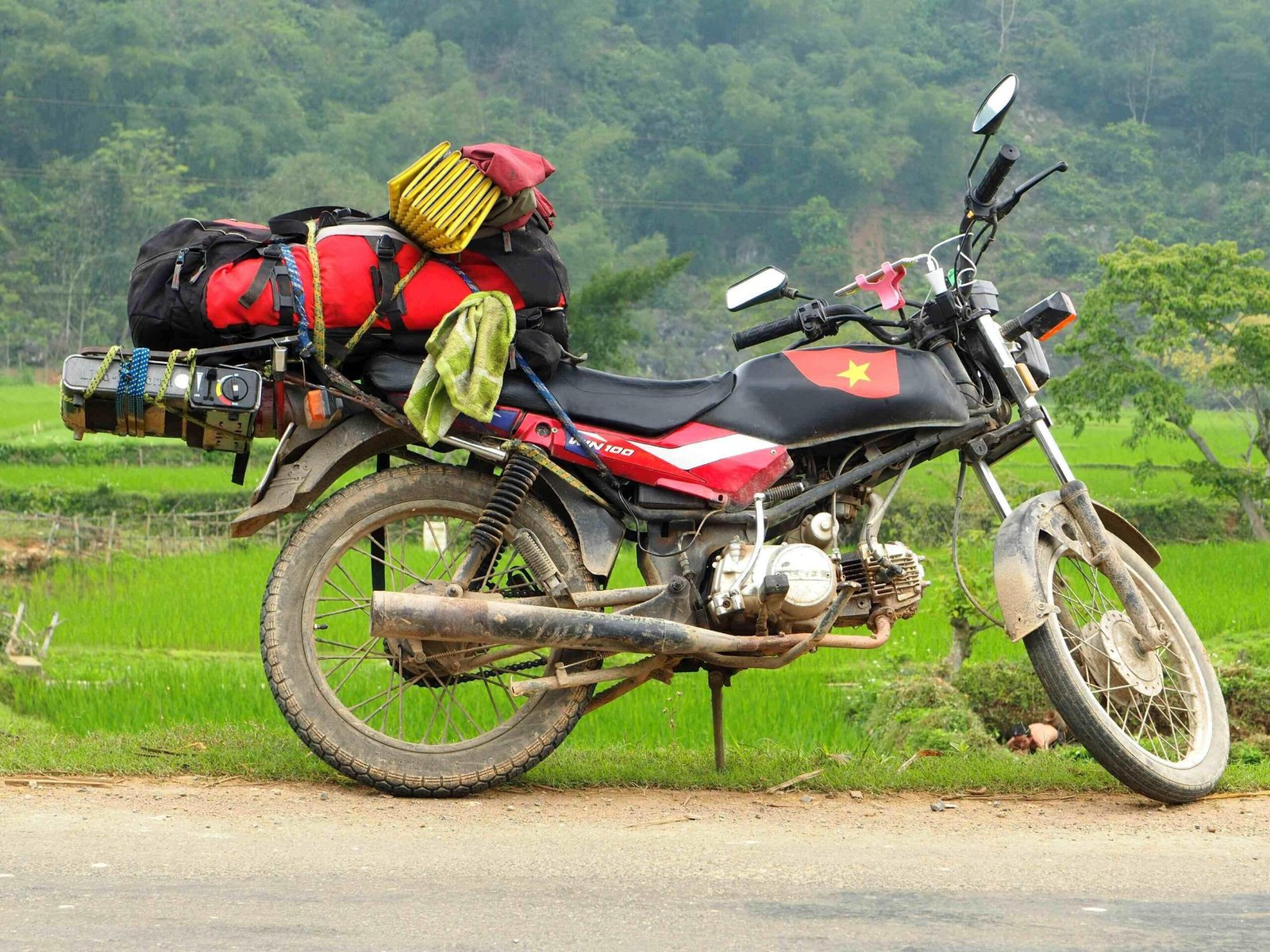
1. Honda Win (manual, 100-110cc)
The classic choice for budget travelers:
- Pros: Affordable ($200-350), easy to repair, parts available everywhere
- Cons: Less reliable, limited power for mountain regions
- Best for: Budget-conscious travelers with mechanical knowledge
2. Honda XR150 (manual, 150cc)
A solid middle-ground option:
- Pros: Good power, decent off-road capabilities, reliable
- Cons: More expensive ($1,000-1,500), heavier
- Best for: Experienced riders who plan to go off the beaten path
3. Yamaha Exciter or Honda Winner (manual, 150cc)
Popular sport bikes:
- Pros: Reliable, good speed and handling, modern features
- Cons: Not ideal for rough roads, less comfortable for long distances
- Best for: Riders staying mostly on paved roads
4. Honda Future or Yamaha Jupiter (semi-automatic, 125cc)
Practical options for less experienced riders:
- Pros: Easy to ride, decent reliability, good fuel efficiency
- Cons: Limited power, less exciting
- Best for: Novice riders or those prioritizing ease over adventure
Where to Rent or Buy
You have two main options: renting or buying a motorbike. Each has its advantages:
Renting
Recommended for: Trips under 3 weeks, riders who don’t want the hassle of selling later.
Reliable rental companies in Hanoi:
- Tigit Motorbikes – Professional service with quality bikes
- Style Motorbikes – High-quality bikes and excellent support
- Motorvina – Good budget options
Many rental companies offer one-way rentals, allowing you to drop off the bike in Ho Chi Minh City for an additional fee ($150-300).
Buying
Recommended for: Trips over 3 weeks, budget travelers, those seeking maximum flexibility.
Where to buy in Hanoi:
- Facebook groups like “Hanoi Massive Buy/Sell“
- Tigit Motorbikes – Used bikes with quality assurance
- Backpacker hostels – Check bulletin boards for bikes from departing travelers
When buying, budget $250-400 for a used Honda Win, $700-900 for a used XR150, and expect to sell for 70-80% of your purchase price in Ho Chi Minh City.
Legal Considerations
Understanding the legal aspects of motorbiking in Vietnam is essential:
- International Driving Permit (IDP): Technically required, but rarely checked outside major cities
- Vietnamese license: Required for bikes over 50cc, but difficult for tourists to obtain
- Ownership papers: Keep the “blue card” (ownership papers) with you if you buy a bike
- Insurance: Most travel insurance won’t cover motorbike accidents without a proper license. Consider specialized insurance like World Nomads with motorcycle coverage
Important: While enforcement varies, riding without proper documentation is technically illegal and could result in fines. More importantly, it may invalidate your travel insurance in case of an accident.
Essential Gear for Your Journey
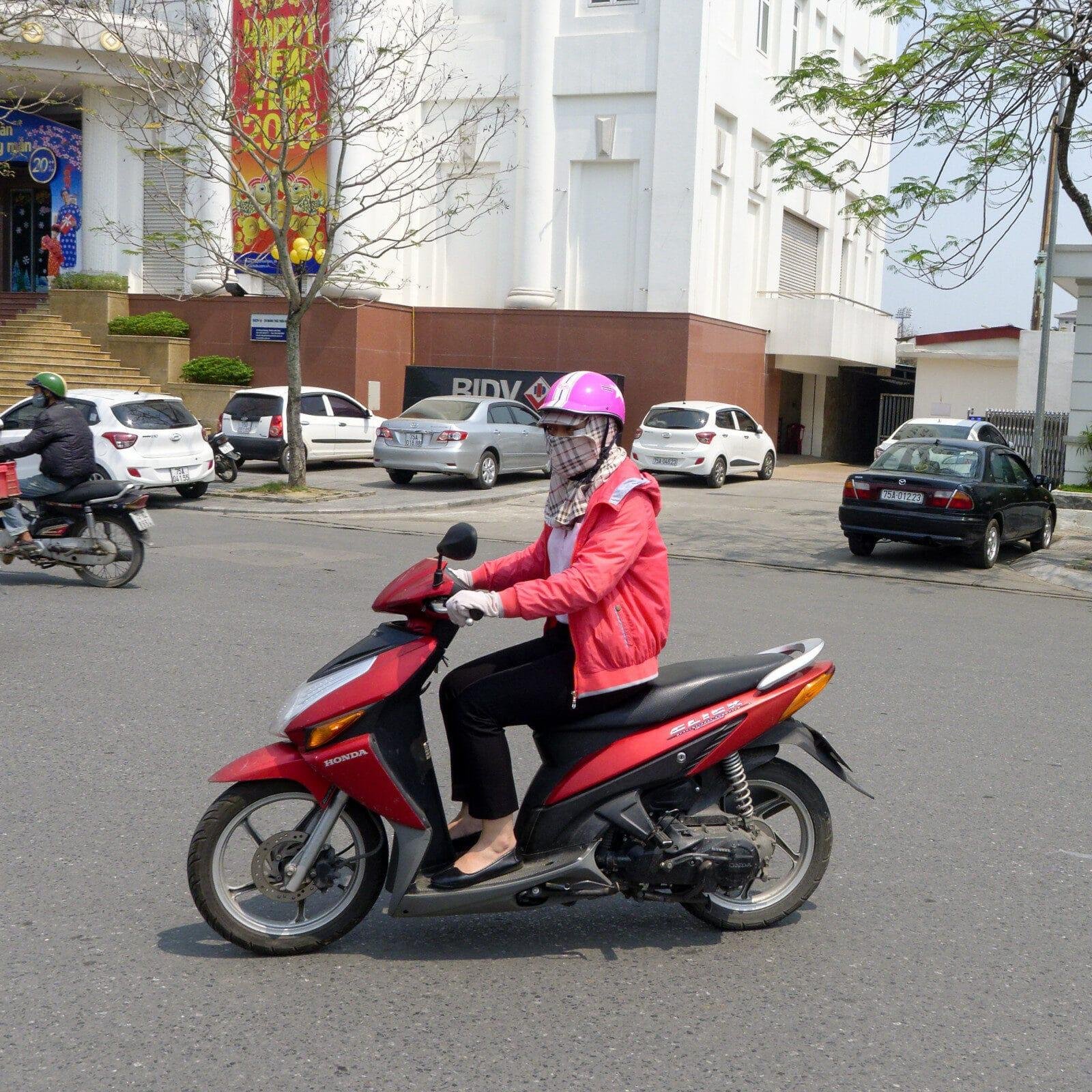
Proper gear is crucial for safety and comfort during your ride:
Safety Gear (Non-negotiable)
- Helmet: Full-face helmets offer the best protection. Expect to pay $40-80 for a quality helmet in Vietnam
- Gloves: Protect your hands in case of falls
- Riding jacket: Preferably with armor and weather protection
- Proper footwear: Boots or sturdy shoes that cover your ankles
Weather Protection
- Rain gear: Quality poncho or two-piece rain suit
- Sunscreen: The Vietnamese sun is intense
- Buff/face mask: Protection from dust, pollution, and sun
Navigation and Communication
- Phone mount: For easy navigation
- Power bank: To keep devices charged
- Local SIM card: For data and emergencies (Viettel offers the best coverage)
- Offline maps: Download Maps.me or Google Maps offline
Budgeting for Your Trip
A realistic budget helps you plan effectively. Here’s a breakdown of expected costs for a 14-day journey:
| Expense | Budget Option | Mid-Range Option |
|---|---|---|
| Motorbike rental/purchase | $250-350 (buy/sell Honda Win) | $500-800 (one-way rental quality bike) |
| Fuel | $80-120 (entire trip) | $100-150 (depends on detours) |
| Accommodation | $5-10/night (hostels, guesthouses) | $15-30/night (budget hotels) |
| Food | $5-10/day (street food) | $10-20/day (mix of street food and restaurants) |
| Repairs/maintenance | $30-50 (entire trip) | $10-30 (quality bikes need less maintenance) |
| Attractions/activities | $50-100 (entire trip) | $150-300 (entire trip) |
| Total (excluding gear) | $500-800 | $1,000-1,800 |
Practical Tips for the Road
Navigating Vietnam’s Roads
- Drive defensively: Vietnamese traffic appears chaotic but has its own flow
- Maximum distances: Aim for 150-200km per day maximum. Vietnam’s roads make progress slower than you might expect
- Start early: Begin riding by 8am to avoid afternoon rain and ensure arriving before dark
- Highway etiquette: Stay to the right, use horn when overtaking, be predictable
- Road conditions: Be prepared for unexpected potholes, construction, and animals on the road
Safety Precautions
- Avoid night riding: Visibility is poor and risk increases significantly
- Weather awareness: Check forecasts and avoid riding in heavy rain
- Secure your belongings: Use bungee cords or nets, or consider saddlebags
- Emergency contacts: Save local emergency numbers (113 for police, 115 for ambulance)
- Share your location: Let someone know your planned route each day
Cultural Considerations
- Greeting: Learn basic Vietnamese phrases like “xin chào” (hello) and “cảm ơn” (thank you)
- Haggling: Expected at markets and with taxis, but do so respectfully
- Temples: Dress modestly when visiting religious sites
- Photos: Ask permission before photographing people, especially in rural areas
Must-See Stops Along the Way
While your entire journey will be filled with incredible sights, these are some highlights not to miss:
Northern Vietnam
- Ninh Binh: “Halong Bay on land” with karst formations, rice fields, and the Trang An Grottoes
- Phong Nha-Ke Bang National Park: Home to some of the world’s largest caves including Hang Son Doong
Central Vietnam
- Hai Van Pass: Made famous by Top Gear, this mountain pass offers stunning coastal views
- Hue: Vietnam’s ancient imperial capital with the grand Citadel
- Hoi An: Charming ancient trading port with lantern-lit streets
Southern Vietnam
- Da Lat: French colonial hill station with temperate climate, waterfalls, and flower gardens
- Mui Ne: Coastal town with impressive sand dunes and kitesurfing

Frequently Asked Questions
Is it legal for foreigners to ride motorbikes in Vietnam?
Technically, you need a Vietnamese license or an International Driving Permit with motorcycle endorsement, but enforcement is limited outside major cities. Many travelers ride without proper documentation, though this invalidates most insurance policies.
Copy
How safe is riding a motorbike in Vietnam?
Vietnam has a high rate of traffic accidents. Riding requires constant vigilance and defensive driving. With proper safety gear and cautious riding, risks can be significantly reduced.
Can I complete the journey if I’ve never ridden a motorbike before?
It’s strongly recommended to have prior experience. If you’re determined to try with no experience, consider practicing in quiet areas of Hanoi for several days and perhaps taking a shorter initial journey before committing to the full route.
What happens if my bike breaks down?
Mechanics (sửa xe máy) are available in virtually every town in Vietnam. Repairs are generally inexpensive and quick. For remote areas, carry basic tools and learn simple maintenance.
Can I do the trip in reverse (Saigon to Hanoi)?
Absolutely! The southern starting point has advantages like easier riding to begin with and progressing from warmer to cooler climate. The same route can be done in either direction.
Ready to Start Your Adventure?
A motorbike journey from Hanoi to Saigon offers an unfiltered, immersive Vietnam experience that few travelers ever forget. With careful planning, the right equipment, and a spirit of adventure, you’ll create memories that last a lifetime.
Need Help Planning Your Vietnam Motorbike Adventure?
At Vietnam Travelers, we offer specialized motorbike tour packages with experienced guides, quality bikes, and support vehicles. Contact us to discuss custom itineraries, guided tours, or one-way rentals for your Hanoi to Saigon journey.
Have you completed a motorbike journey across Vietnam? Share your experiences, tips, or questions in the comments below!
Last updated: March 10, 2025
Read more: Hanoi Quad Bike Tours: The Ultimate Off-Road Adventure for Thrill-Seekers