
Article brief
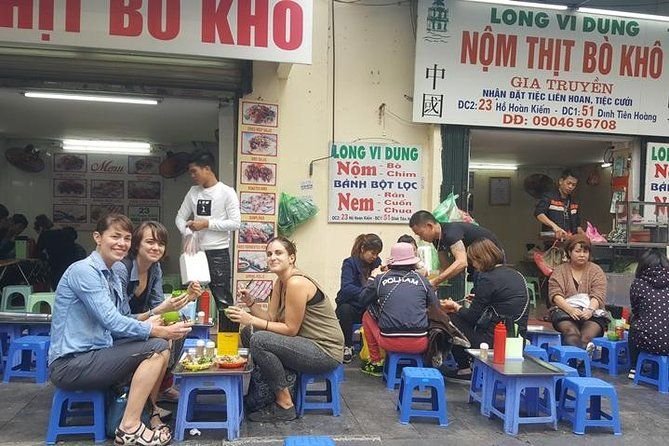
Street Food in Hanoi: 10 Local Dishes You Must Try Imagine walking through the bustling streets of Hanoi as the sun sets, with aromatic clouds of steam rising from countless street-side stalls.
Route flow, hotel placement and transfer timing are the three decisions that shape the whole trip.
Street Food in Hanoi: 10 Local Dishes You Must Try
Imagine walking through the bustling streets of Hanoi as the sun sets, with aromatic clouds of steam rising from countless street-side stalls. The sizzling sounds of fresh ingredients hitting hot pans, the cheerful chatter of locals enjoying their evening meals, and the incredible fragrances that seem to pull you from one food stall to the next – this is the magic of Hanoi street food.
Having spent over a decade guiding travelers through Vietnam’s culinary landscape, I can confidently say that Hanoi’s street food scene is unlike anywhere else in the world. It’s not just about the food; it’s about the stories, the traditions passed down through generations, and the authentic connections you’ll make with local vendors who take immense pride in their craft.
Why Hanoi Street Food is a Cultural Experience
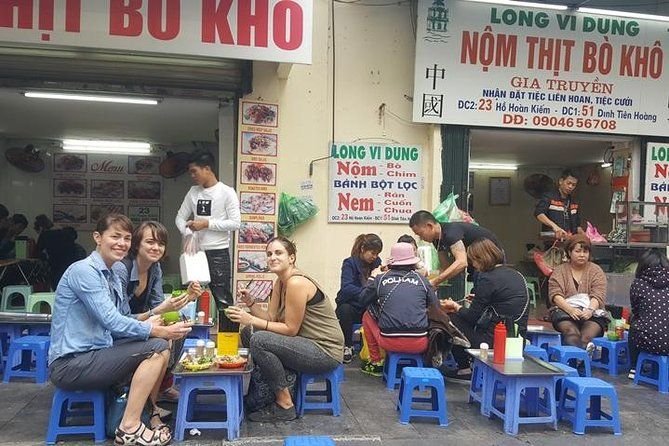
Street food in Hanoi represents the heart and soul of Vietnamese culture. Unlike restaurant dining, street food is where locals gather daily, where recipes have remained unchanged for centuries, and where you’ll taste the most authentic flavors Vietnam has to offer.
The beauty of Hanoi’s street food culture lies in its accessibility and authenticity. From early morning pho vendors serving steaming bowls to night market stalls offering late-night snacks, the city never stops eating. Each dish tells a story of Vietnam’s history, from French colonial influences to traditional family recipes that have survived wars and economic changes.
“Street food is the autobiography of a culture written in its most universal language – food. In Hanoi, every bite tells a story of resilience, creativity, and community.” – Anthony Bourdain
The 10 Must-Try Street Food Dishes in Hanoi
1. Pho – Vietnam’s National Dish
No discussion of Vietnamese street food can begin without pho. This iconic noodle soup is Vietnam’s most famous culinary export, but tasting it on the streets of Hanoi is an entirely different experience from anywhere else in the world.
Authentic Hanoi pho is characterized by its clear, aromatic broth that’s been simmered for hours with beef bones, star anise, cinnamon, and other secret spices. The rice noodles are fresh and silky, topped with thinly sliced beef that cooks gently in the hot broth. Fresh herbs like cilantro, Thai basil, and mint are served alongside, allowing you to customize each spoonful.
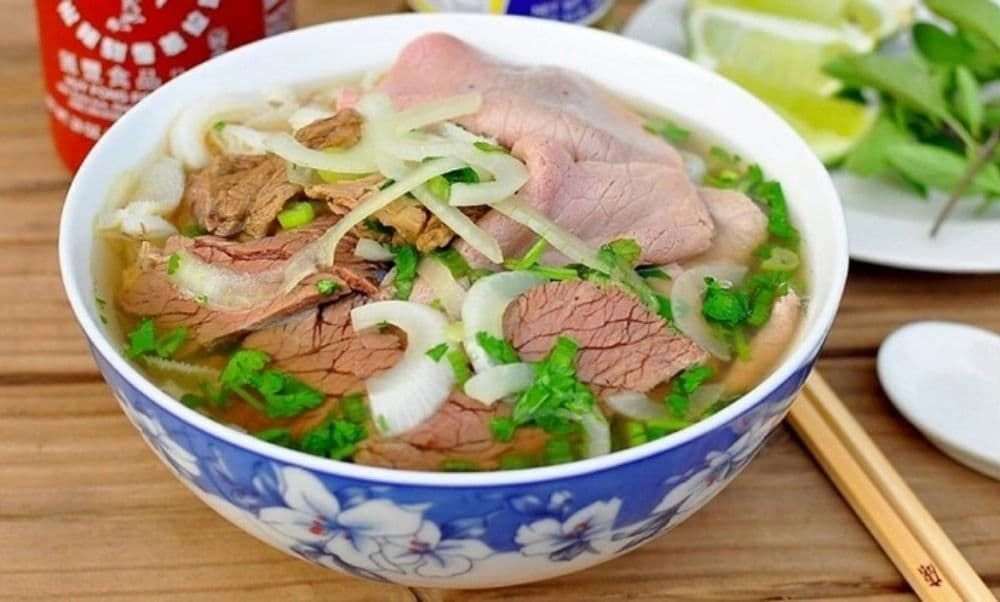
Where to find it: Look for small stalls with tiny plastic stools, especially in the early morning hours. The best pho vendors often sell out by 10 AM.
2. Bun Cha – Grilled Pork Paradise
Bun cha gained international fame when President Obama and Anthony Bourdain shared this dish in a small Hanoi restaurant. This combination of grilled pork patties, rice vermicelli noodles, and fresh herbs served with a tangy dipping sauce represents the perfect balance of flavors that define Vietnamese cuisine.
The pork is grilled over charcoal, giving it a distinctive smoky flavor, while the dipping sauce combines fish sauce, vinegar, sugar, and chili to create a perfect sweet-sour-salty balance. You’ll typically receive a plate of fresh lettuce, herbs, and pickled vegetables to wrap with the meat and noodles.
3. Banh Mi – The Perfect Fusion Sandwich
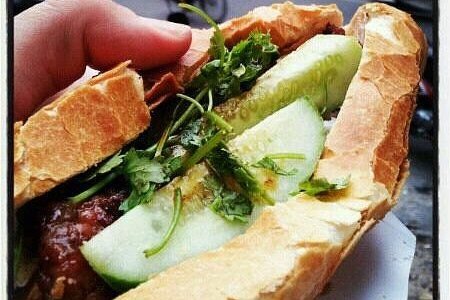
The banh mi is perhaps the most successful culinary fusion in history, combining French baguette-making techniques with Vietnamese flavors. The result is a crispy-crusted sandwich filled with pâté, cold cuts, pickled vegetables, cilantro, and chili sauce.
Street vendors across Hanoi offer numerous variations, from classic pork and pâté to grilled chicken, beef, or even vegetarian options with tofu and egg. The key to exceptional banh mi lies in the bread’s texture – crispy outside, soft inside – and the balance of savory, sweet, and acidic elements.
4. Bun Bo Nam Bo – Hanoi’s Beef Noodle Salad
This refreshing dish combines rice vermicelli noodles with tender marinated beef, fresh herbs, peanuts, and crispy fried shallots, all tossed in a flavorful fish sauce-based dressing. Bun bo nam bo originated in Hanoi and remains a local favorite, especially during hot summer months.
The dish showcases Vietnamese cuisine’s emphasis on fresh ingredients and balanced flavors. Each component contributes to the overall experience – the chewy noodles, tender beef, crunchy peanuts, and aromatic herbs create a symphony of textures and tastes.
5. Cha Ca La Vong – Hanoi’s Famous Turmeric Fish
Cha ca is so synonymous with Hanoi that there’s an entire street named after it. This dish features white fish marinated in turmeric and galangal, then grilled and served sizzling at your table with rice noodles, herbs, and peanuts.
The interactive dining experience is part of cha ca’s charm. Diners cook the fish further at the table, mixing it with herbs and noodles to create their perfect bite. The turmeric gives the fish a beautiful golden color and earthy flavor that’s distinctly Vietnamese.
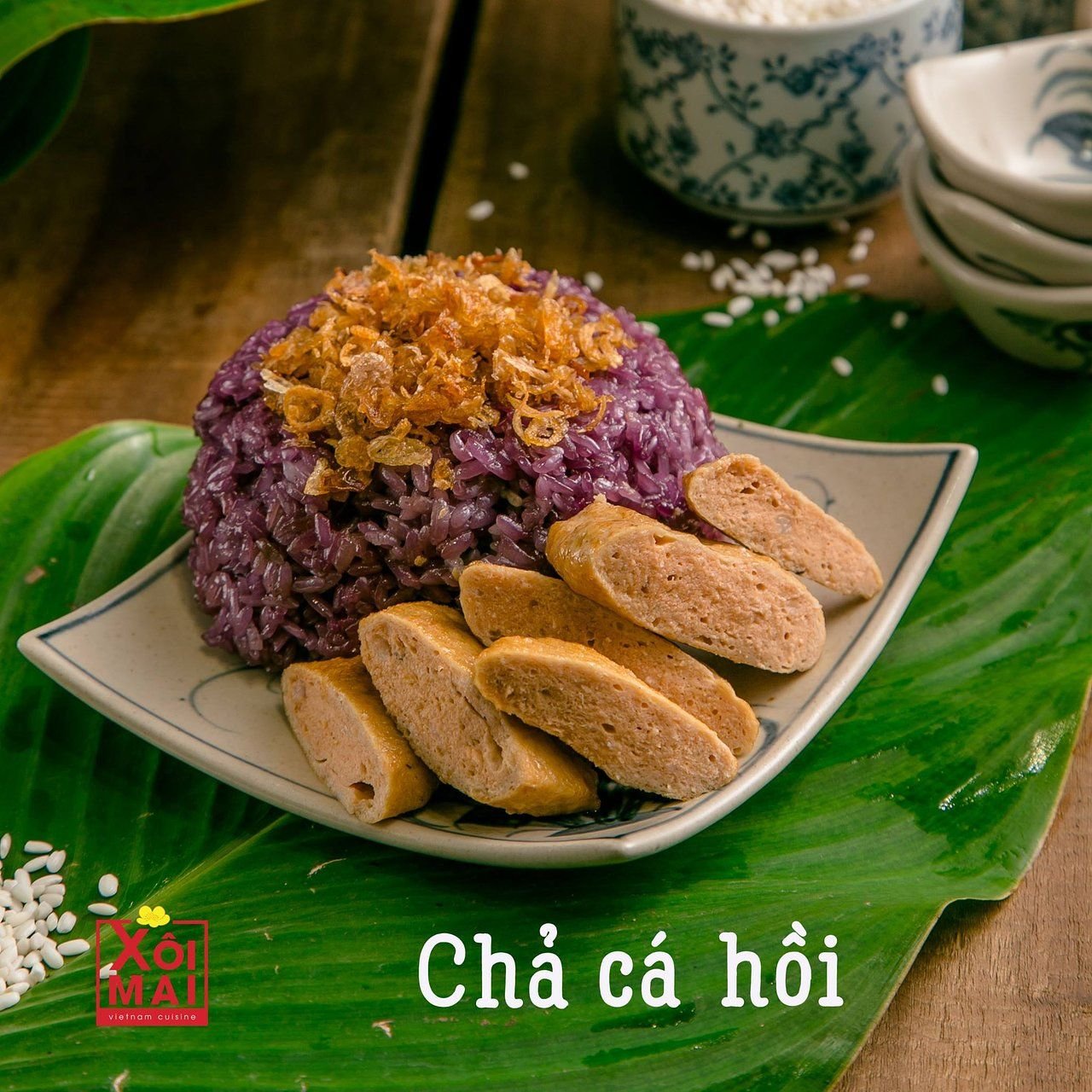
6. Xoi – Sticky Rice in Many Forms
Vietnamese xoi (sticky rice) is far more diverse than most visitors realize. Street vendors offer numerous varieties, from xoi xeo (yellow sticky rice with mung beans) to xoi vo (black sticky rice) and countless savory options topped with Chinese sausage, pork floss, or fried shallots.
These portable meals are perfect for breakfast or as an afternoon snack. The sticky rice is typically steamed in banana leaves, which imparts a subtle fragrance and helps maintain the perfect texture.
7. Nem Ran/Cha Gio – Crispy Spring Rolls
These golden, crispy spring rolls are filled with a mixture of pork, shrimp, mushrooms, and vegetables, then deep-fried until perfectly crunchy. Unlike fresh spring rolls, nem ran (as they’re called in the North) are served hot and crispy.
The art lies in achieving the perfect wrapper – thin enough to become beautifully crispy but strong enough to hold the filling. They’re typically served with lettuce leaves for wrapping and a sweet and sour dipping sauce.
8. Bun Rieu – Crab and Tomato Noodle Soup
This vibrant red soup combines rice vermicelli noodles with a flavorful broth made from crab, tomatoes, and annatto oil. Bun rieu often includes tofu, pork blood pudding, and fresh herbs, creating a complex and satisfying meal.
The soup’s distinctive color comes from annatto seeds, while the crab provides a sweet, oceanic flavor that pairs beautifully with the acidic tomatoes. It’s comfort food at its finest, perfect for cool Hanoi evenings.
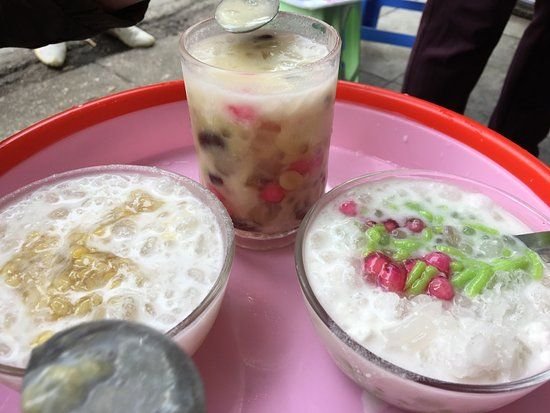
9. Che – Sweet Dessert Soups
Vietnamese che is a category of sweet desserts that range from simple to elaborate. Street vendors often offer multiple varieties, from che ba mau (three-color dessert) with layers of beans and coconut milk to fruit-based versions with seasonal ingredients.
These desserts are typically served cold and provide a refreshing end to a spicy meal. The combination of textures – creamy coconut milk, chewy tapioca pearls, and various beans – creates a uniquely satisfying dessert experience.
10. Egg Coffee (Ca Phe Trung) – Hanoi’s Liquid Gold
While not technically food, egg coffee deserves a place on any Hanoi street food list. This unique beverage combines robust Vietnamese coffee with a creamy mixture of egg yolk, condensed milk, and sugar, creating something between a drink and a dessert.
The drink was invented in Hanoi during the 1940s when milk was scarce, and resourceful café owners used egg yolk as a substitute. Today, it’s become a symbol of Hanoi’s innovative culinary spirit and is best enjoyed at small street-side cafés.
Essential Tips for Eating Street Food Safely in Hanoi
While Hanoi street food is generally safe when you know what to look for, following these guidelines will help ensure a pleasant culinary adventure:
- Choose busy stalls: High turnover means fresh ingredients and properly cooked food
- Observe cooking methods: Food should be cooked thoroughly and served hot
- Check vendor hygiene: Clean preparation areas and proper food handling are good signs
- Start slowly: Allow your digestive system to adjust to new flavors and ingredients
- Stay hydrated: Drink bottled water and avoid ice unless you’re confident about its source
- Trust your instincts: If something doesn’t look, smell, or taste right, don’t eat it
Pro tip: Join a professional food tour for your first street food experience. Local guides know the best vendors and can help you navigate safely while sharing cultural insights you’d miss on your own.
Best Areas for Street Food in Hanoi
Old Quarter
The Old Quarter remains the heart of Hanoi’s street food scene. Streets like Hang Manh, Ma May, and Luong Ngoc Quyen offer concentrated areas of food vendors, making it easy to sample multiple dishes in one evening.
Night Markets
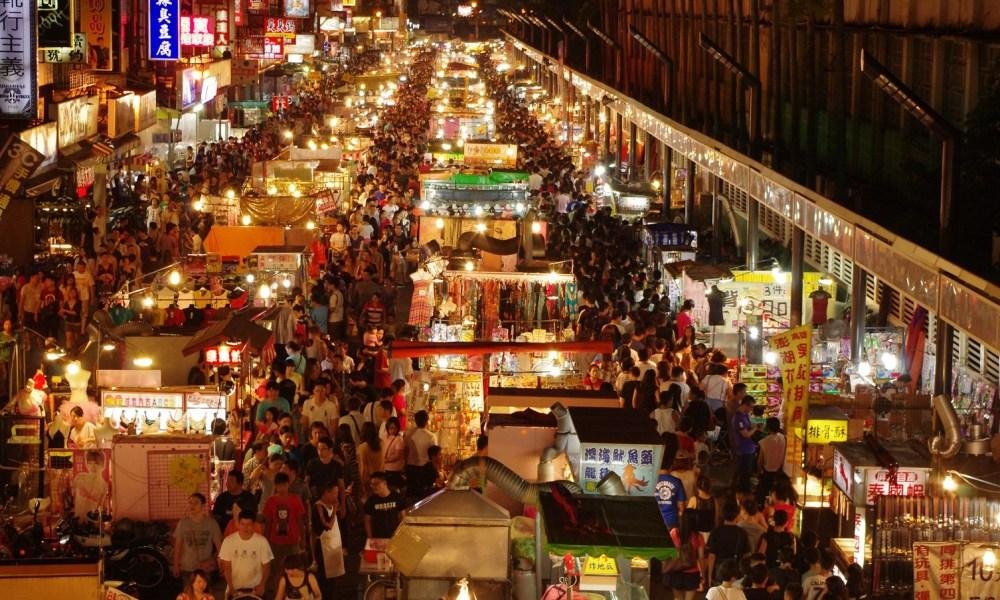
Weekend night markets, particularly the one on Hang Dao Street, transform into food lover’s paradises with dozens of vendors offering everything from grilled seafood to sweet desserts.
Local Neighborhoods
Venture beyond tourist areas to neighborhoods like Tay Ho or Cau Giay, where locals eat. These areas often offer better prices and more authentic experiences.
How to Order Like a Local
Ordering street food in Hanoi can be intimidating for first-time visitors, but these tips will help you navigate like a pro:
- Point and smile: Most vendors understand basic gestures, and pointing at what you want works universally
- Learn basic Vietnamese numbers: Knowing numbers helps with pricing and quantities
- Observe other customers: Watch how locals order and eat to understand proper etiquette
- Be adventurous but realistic: Try new things, but know your spice tolerance and dietary restrictions
- Carry small bills: Many vendors can’t make change for large denominations
Consider booking a guided food tour where experienced local guides can help you order, explain dishes, and share cultural context that enriches the entire experience.
Street Food Etiquette in Vietnam
Understanding local customs enhances your street food experience and shows respect for Vietnamese culture:
- Sit properly: Many street food stalls use small plastic stools; sit with both feet on the ground
- Eat with chopsticks and spoons: Most dishes come with appropriate utensils
- Don’t waste food: Finish what you order, as wasting food is considered disrespectful
- Pay promptly: Payment is usually expected immediately after receiving your food
- Be patient: Good food takes time, and vendors often cook to order
Seasonal Considerations for Street Food
Hanoi’s street food scene varies with the seasons, and understanding these patterns can enhance your culinary adventure:
Spring (March-May)
Mild weather makes this ideal for exploring food tours. Fresh herbs and vegetables are abundant, making dishes like bun bo nam bo particularly delicious.
Summer (June-August)
Hot, humid weather calls for cooling dishes like che desserts and cold noodle salads. Many vendors offer more refreshing options during these months.
Autumn (September-November)
Perfect weather coincides with harvest season, bringing the freshest ingredients and the most comfortable outdoor dining conditions.
Winter (December-February)
Cool weather makes hot soups like pho and bun rieu especially appealing. This is prime season for warming street food dishes.
Budget-Friendly Street Food Tips
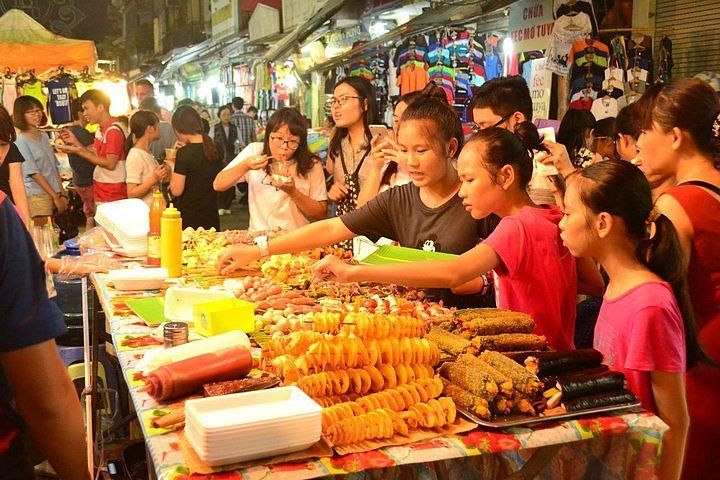
One of the greatest advantages of street food in Hanoi is its affordability. Here’s how to eat incredibly well without breaking the bank:
- Local pricing: Most street food dishes cost between 15,000-50,000 VND ($0.60-$2.00)
- Avoid tourist areas: Prices increase significantly near major attractions
- Eat where locals eat: If you see local families and workers, you’ve found authentic, fairly-priced food
- Share dishes: Many street food portions are generous enough to share
- Negotiate respectfully: While prices are usually fixed, friendly bargaining is sometimes acceptable
Vegetarian and Vegan Options
Vietnam’s Buddhist traditions mean excellent vegetarian street food options exist throughout Hanoi:
- Com chay: Vegetarian rice dishes with mock meat
- Banh mi chay: Vegetarian sandwiches with tofu and vegetables
- Pho chay: Vegetarian pho with mushroom or vegetable broth
- Fresh spring rolls: Often naturally vegetarian with herbs and vegetables
For comprehensive vegetarian dining experiences, consider joining a specialized vegan food tour that focuses on plant-based Vietnamese cuisine.
Photography Tips for Street Food
Capturing the vibrant colors and bustling atmosphere of Hanoi’s street food scene requires some consideration:
- Ask permission: Always ask before photographing vendors or their food preparation
- Natural lighting: Street food looks best in natural daylight or warm evening light
- Include context: Capture the atmosphere, not just the food
- Respect privacy: Be mindful of other diners who may not want to be photographed
- Focus on details: The steam, colors, and textures tell the story
Frequently Asked Questions
Is street food in Hanoi safe for tourists?
Yes, when you choose busy stalls with high turnover and observe proper food safety practices. Millions of locals eat street food daily without issues. Following our safety guidelines above will help ensure a positive experience.
How much should I budget for street food in Hanoi?
You can eat very well for $10-15 per day, with individual dishes ranging from $0.60-$2.00. A full meal including drinks rarely exceeds $5 at street stalls.
What’s the best time to experience Hanoi street food?
Early morning (6-9 AM) for pho and breakfast dishes, lunch time (11 AM-2 PM) for varied options, and evening (5-9 PM) for the fullest variety and most vibrant atmosphere.
Do I need to speak Vietnamese to order street food?
While helpful, it’s not necessary. Pointing, gesturing, and showing photos work well. Many vendors understand basic English numbers and food terms.
Can I find halal street food in Hanoi?
Yes, Hanoi has several halal-certified street food areas, particularly around Dong Xuan Market and in neighborhoods with Muslim communities. Look for Arabic script or ask locally.
What should I do if I get sick from street food?
Stay hydrated, rest, and eat bland foods like rice or bread. Most stomach issues resolve quickly. If symptoms persist or worsen, consult a local clinic or your hotel for medical advice.
Beyond Street Food: Complete Hanoi Experience
While street food is undoubtedly a highlight of visiting Hanoi, the city offers so much more. Consider combining your culinary adventure with other authentic experiences:
- Vintage Vespa tours that include food stops
- Bicycle tours through local neighborhoods
- Traditional craft village visits
- Day trips to nearby attractions like Ninh Binh or Ha Long Bay
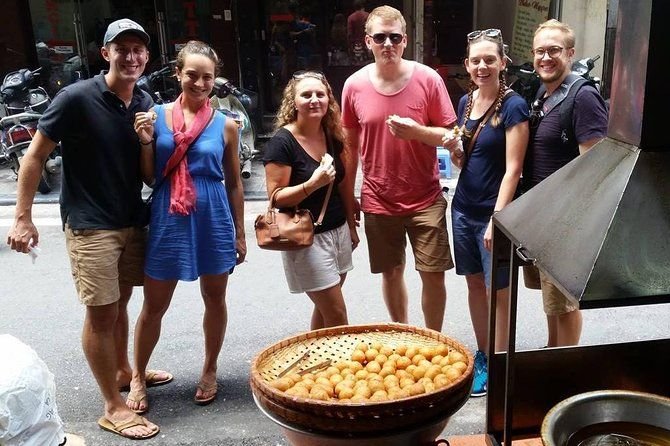
Planning Your Street Food Adventure
To make the most of your Hanoi street food experience, consider these planning tips:
- Allow multiple days: You can’t try everything in one day, so plan several food-focused outings
- Mix guided and independent experiences: Start with a tour, then explore on your own with newfound knowledge
- Keep an open mind: Some of the best discoveries happen when you step outside your comfort zone
- Document your journey: Keep notes about your favorite dishes and vendors
- Share experiences: Food is social in Vietnam, so engage with other travelers and locals
Supporting Local Communities
When you eat street food in Hanoi, you’re directly supporting local families and communities. Many vendors are multi-generational family businesses that depend on both local customers and curious travelers. Your patronage helps preserve traditional recipes and supports the livelihoods of hard-working entrepreneurs.
Consider learning about the stories behind your favorite dishes. Many vendors are happy to share their family histories and cooking secrets when approached respectfully and with genuine interest.
Your Hanoi Street Food Journey Starts Here
Hanoi’s street food scene is more than just dining – it’s cultural immersion at its most delicious. From the iconic pho that starts the day to the sweet che that ends the evening, every dish tells a story of Vietnam’s rich culinary heritage.
Whether you’re bravely venturing out on your own or joining one of our carefully crafted food tours, the streets of Hanoi are waiting to welcome you with open arms and full bowls. The memories you’ll create over shared meals, the connections you’ll make with local vendors, and the flavors you’ll discover will become some of your most treasured travel experiences.
Ready to embark on your culinary adventure? Contact Vietnam Travelers today to book a personalized food tour that matches your interests, dietary requirements, and adventure level. Our local guides don’t just show you where to eat – they share the stories, traditions, and cultural insights that transform a simple meal into an unforgettable journey.
Call us at +84962819091 or email info@vietnamtravelers.com to start planning your Hanoi street food adventure. Because the best stories are shared over food, and the best food is found on the streets of Hanoi.
What’s your favorite street food memory, or which dish are you most excited to try? Share your thoughts in the comments below – we love hearing from fellow food adventurers and helping plan your perfect Vietnamese culinary journey!