
Article brief
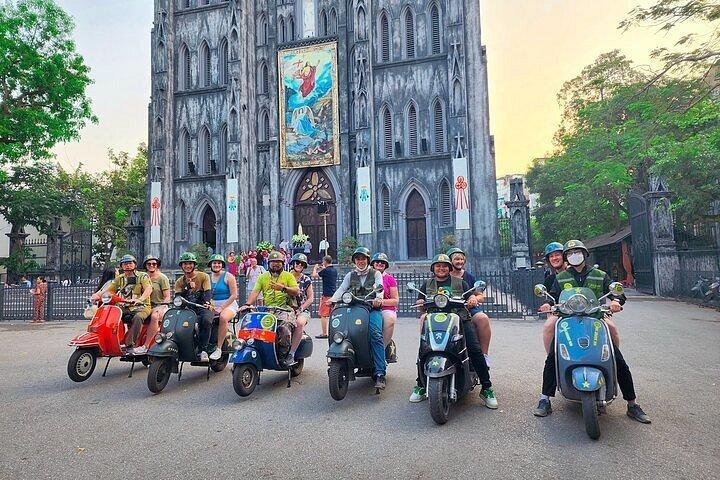
Imagine weaving through Hanoi's bustling streets on the back of a vintage Vespa, the aroma of sizzling street food filling the air as you discover hidden culinary gems that most tourists never find.
Route flow, hotel placement and transfer timing are the three decisions that shape the whole trip.
Imagine weaving through Hanoi’s bustling streets on the back of a vintage Vespa, the aroma of sizzling street food filling the air as you discover hidden culinary gems that most tourists never find. A Hanoi Vespa food tour isn’t just about eating—it’s about experiencing the city’s soul through its most authentic flavors while navigating the vibrant chaos that makes Vietnam’s capital so captivating.
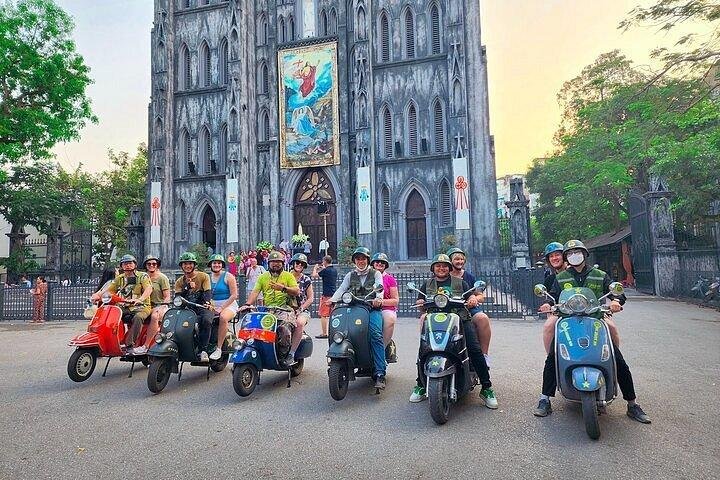
This comprehensive guide will take you through a typical Vespa food tour route in Hanoi, showing you exactly where you’ll go, what you’ll taste, and why each stop matters in understanding Vietnamese food culture. Whether you’re planning to book a tour or just curious about what awaits, this route map will help you understand why a Vespa food adventure has become one of Hanoi’s most beloved experiences.
Understanding the Classic Hanoi Vespa Food Tour Route
Most Hanoi Vespa food tours follow a carefully crafted route that balances accessibility, safety, and authentic local experiences. The typical journey covers approximately 15-20 kilometers over 3-4 hours, taking you through different neighborhoods that each offer unique culinary specialties.
“A well-designed Vespa food tour route isn’t random—it’s a carefully orchestrated journey through Hanoi’s diverse neighborhoods, each chosen for specific dishes and cultural experiences that tell the story of Vietnamese cuisine.” – Local Tour Guide, Hanoi
The standard route usually includes 5-7 food stops, covering everything from street-side pho stalls to hidden family-run restaurants that have been serving the same recipes for generations. Your experienced local guide navigates the route while you sit back and soak in the sights, sounds, and smells of authentic Hanoi.
Stop 1: Old Quarter – The Heart of Hanoi’s Street Food Scene
Your Vespa food adventure typically begins in Hanoi’s famous Old Quarter, specifically around Hang Ma Street or Hang Buom Street. This historic district serves as the perfect starting point because it encapsulates everything that makes Hanoi special—narrow alleyways, colonial architecture, and street food vendors who’ve perfected their craft over decades.
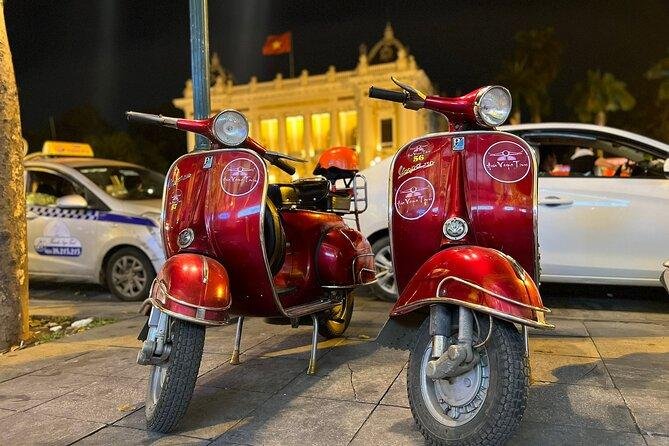
At this first stop, you’ll typically sample:
- Banh Mi from a legendary vendor who’s been making Vietnamese sandwiches since the 1980s
- Fresh spring rolls (Goi Cuon) prepared right before your eyes
- Vietnamese iced coffee (Ca Phe Sua Da) served in the traditional drip style
The Old Quarter stop usually lasts 20-30 minutes, giving you time to interact with vendors and understand how these iconic Vietnamese dishes are prepared. Your guide will explain the French colonial influences on Vietnamese cuisine, particularly evident in the banh mi’s crusty baguette bread.
Stop 2: West Lake Area – Hidden Gems and Local Favorites
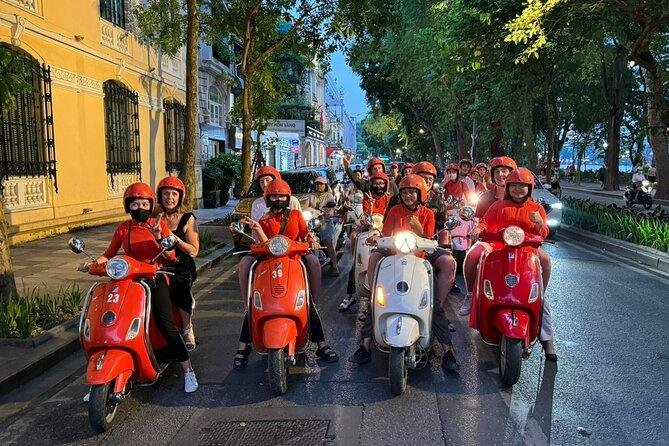
From the Old Quarter, your Vespa will navigate toward the West Lake (Ho Tay) area, taking you through tree-lined streets that showcase Hanoi’s more residential character. This route segment offers beautiful views of the lake while heading to food spots that primarily serve locals rather than tourists.
The West Lake stop is famous for:
- Bun Cha – Hanoi’s signature grilled pork and noodle dish
- Nem Ran (Fried Spring Rolls) – Crispy exterior with flavorful filling
- Local craft beer or traditional Bia Hoi (fresh beer)
This stop typically offers seating at low plastic stools—the authentic Vietnamese dining experience that might feel unusual but provides incredible cultural immersion. The bun cha here is often considered among Hanoi’s best, served with fresh herbs, pickled vegetables, and a sweet-savory dipping sauce that perfectly balances the grilled pork’s richness.
Stop 3: French Quarter – Colonial Influences on Vietnamese Cuisine
Your Vespa tour continues into Hanoi’s French Quarter, where wide boulevards and colonial architecture tell the story of Vietnam’s complex history. This area showcases how French culinary techniques merged with Vietnamese ingredients to create unique fusion dishes.
Popular French Quarter food experiences include:
- Pho Bo from a family-run stall that’s been serving the same recipe for three generations
- Vietnamese yogurt (Yaourt) with tropical fruits
- French-influenced pastries with Vietnamese twists
The pho stop is particularly meaningful because you’ll learn about this iconic soup’s history and regional variations. Your guide will explain why Hanoi-style pho differs from southern versions, focusing on the clearer broth and more subtle flavoring that characterizes northern Vietnamese cuisine.
Stop 4: Local Neighborhoods – Off the Beaten Path Discoveries
One of the most exciting aspects of a Vespa food tour route is when it takes you into residential neighborhoods where tourists rarely venture. These stops might include areas like Dong Da District or quieter sections of Ba Dinh District, where family-run eateries serve dishes passed down through generations.
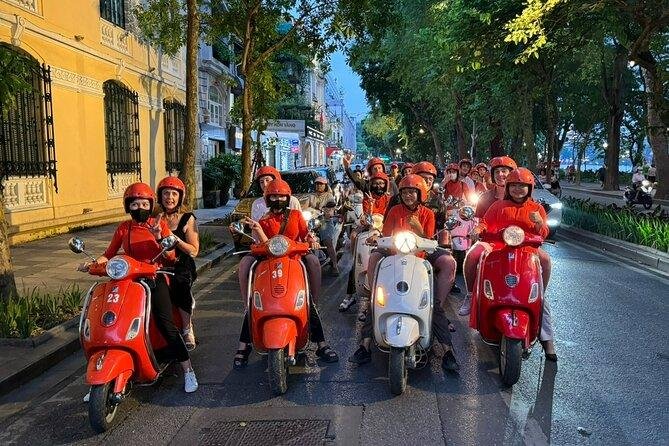
These neighborhood stops often feature:
“The best Vietnamese dishes are often found in tiny family kitchens where grandmothers still cook using recipes their mothers taught them. These hidden gems represent the true soul of Vietnamese cuisine.” – Food Writer, Hanoi
- Bun Bo Nam Bo – Southern-style beef and noodle salad adapted for northern tastes
- Che – Traditional Vietnamese dessert soup
- Seasonal specialties that change based on available ingredients
These stops provide the most authentic cultural exchange opportunities, as you’ll often eat alongside local families and workers. The conversations (translated by your guide) offer insights into daily Vietnamese life that you simply can’t get from conventional tourist experiences.
Stop 5: Night Market or Street Food Clusters
As evening approaches, your Vespa food tour typically concludes at one of Hanoi’s vibrant night markets or concentrated street food areas. Popular final destinations include the Weekend Night Market (if timing aligns) or established food streets like Hang Buom or areas around Hoan Kiem Lake.
Final stop highlights usually include:
- Vietnamese pancakes (Banh Xeo) – Crispy turmeric crepes filled with shrimp and bean sprouts
- Grilled seafood or meat skewers
- Traditional Vietnamese desserts like ice cream or fruit-based sweets
- Final round of Vietnamese coffee or beer to conclude the experience
Navigation Routes and Safety Considerations
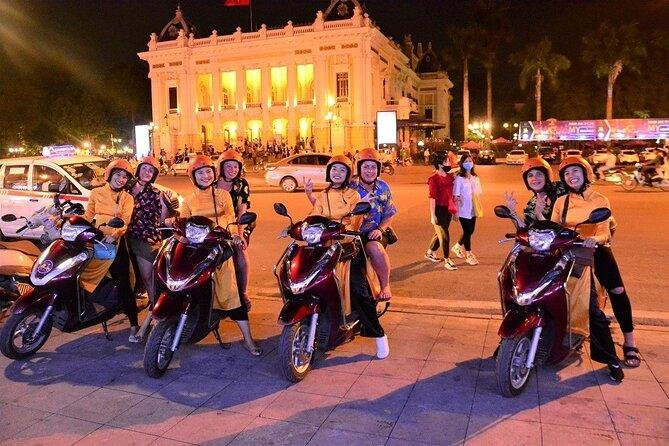
The actual routes between food stops are just as important as the destinations themselves. Experienced Vespa food tour operators carefully plan paths that:
- Avoid heavy traffic areas during peak hours
- Showcase different architectural styles and neighborhoods
- Provide photo opportunities at iconic Hanoi landmarks
- Allow for spontaneous stops at interesting sites or events
Most tours use smaller streets and alleyways rather than major thoroughfares, giving you an intimate view of daily Hanoi life. You’ll pass by local markets, see families cooking dinner on sidewalks, and witness the organized chaos that characterizes Vietnamese urban life.
Seasonal Route Variations
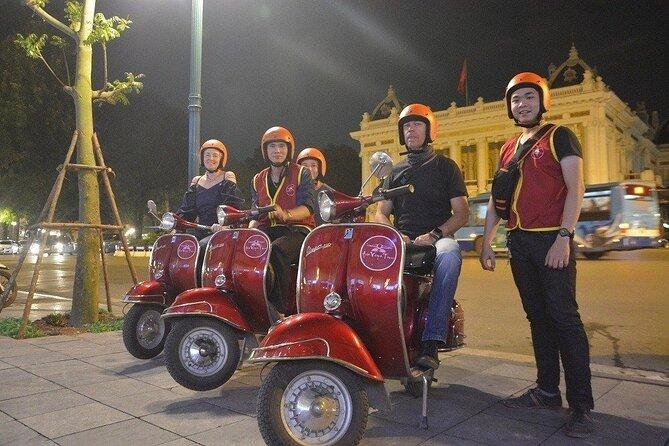
Your Vespa food tour route may vary slightly depending on the season and local conditions. During Hanoi’s rainy season (May-September), routes might prioritize covered eating areas and shorter distances between stops. Winter tours (December-February) often include more warm soups and hot beverages.
Seasonal specialties that might influence your route include:
- Spring (March-May): Fresh vegetables, lighter dishes, outdoor dining emphasis
- Summer (June-August): Cold noodle dishes, fresh fruit, iced beverages
- Autumn (September-November): Comfort foods, warm soups, harvest specialties
- Winter (December-February): Hot pot variations, warming spices, indoor dining
What Makes This Route Special
The beauty of a well-planned Hanoi Vespa food tour route lies in its ability to compress weeks of food exploration into a single evening. Each stop is chosen not just for its food quality, but for what it represents about Vietnamese culture, history, and daily life.
“A great food tour route tells a story—from colonial influences in the French Quarter to family traditions in residential neighborhoods, each stop adds another chapter to your understanding of Vietnamese cuisine.” – Cultural Food Expert
Unlike walking food tours or restaurant dining, the Vespa route allows you to cover significant distances while experiencing the excitement of Hanoi’s streets. You’re not just eating; you’re participating in the city’s rhythm and energy.
Customization Options
While most tours follow similar basic routes, many operators offer customization options based on your preferences:
- Vegetarian/Vegan routes focusing on plant-based Vietnamese dishes
- Spice-level adjustments for different tolerance levels
- Photography-focused routes with extra stops at photogenic locations
- Extended routes for food enthusiasts wanting more comprehensive experiences
When booking your tour, discuss any dietary restrictions or particular interests. Experienced tour operators can adjust routes to ensure you get the most satisfying experience possible.
Frequently Asked Questions
How long does the typical Vespa food tour route take?
Most Hanoi Vespa food tours last 3-4 hours, covering 5-7 food stops with travel time between locations. The exact duration depends on group size, traffic conditions, and how much time you spend at each stop.
Is the route suitable for people with mobility issues?
The Vespa portion is accessible since you’re a passenger, but some food stops require walking on uneven sidewalks or climbing stairs. Discuss specific needs with your tour operator when booking.
What happens if weather disrupts the planned route?
Professional tour operators have backup indoor routes and covered eating areas for rainy conditions. The food experience continues regardless of weather, though the specific route might be modified for safety and comfort.
Can the route accommodate food allergies or dietary restrictions?
Yes, most tours can be customized for common dietary needs including vegetarian, vegan, gluten-free, and allergy considerations. Advanced notice helps ensure appropriate food stops are included in your route.
How much of the route involves busy traffic?
Experienced guides prioritize safer, smaller streets and avoid major intersections during peak traffic hours. While you’ll experience Hanoi’s energy, routes are planned to minimize time in heavy traffic areas.
Making the Most of Your Vespa Food Tour Route
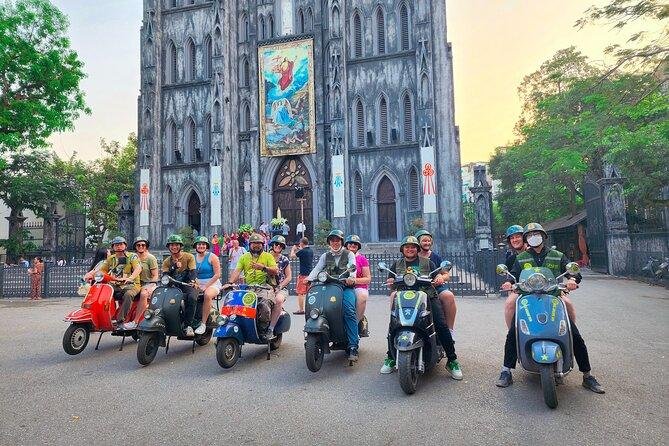
To maximize your experience along the route:
- Come hungry but pace yourself – You’ll eat substantial amounts across multiple stops
- Bring a camera – The route offers incredible photo opportunities
- Ask questions – Your guide’s local knowledge adds depth to each stop
- Try everything – Even unfamiliar dishes might become new favorites
- Engage with locals – Many vendors speak some English and enjoy sharing their stories
The Vespa food tour route represents more than just a meal—it’s a journey through Hanoi’s culinary soul, offering tastes and experiences that will become lasting travel memories. From the bustling Old Quarter to hidden neighborhood gems, each stop along the route provides another piece of the puzzle that makes Vietnamese cuisine so remarkable.
Ready to experience this incredible culinary adventure for yourself? Book your Hanoi Vespa food tour today and discover why this unique way of exploring the city has become a must-do experience for food lovers visiting Vietnam’s capital.
Whether you’re a first-time visitor to Hanoi or a seasoned traveler looking for authentic local experiences, following this classic Vespa food tour route will introduce you to flavors, neighborhoods, and cultural insights that you’ll treasure long after your trip ends. The streets of Hanoi are waiting—are you ready to taste them?