
Article brief
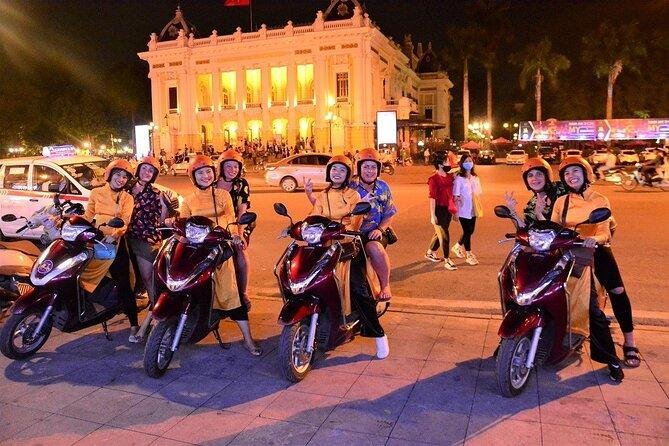
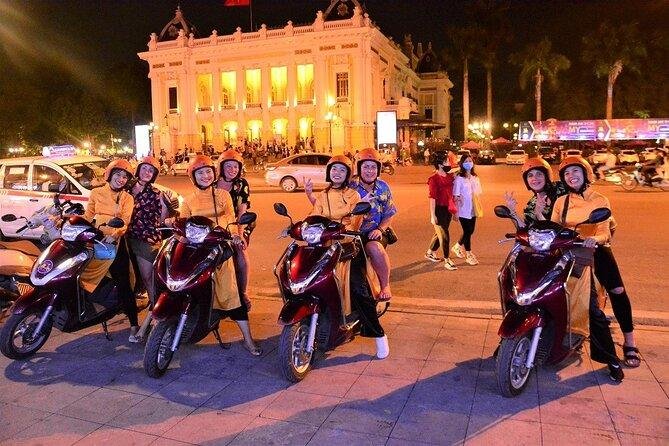
There's something magical about zipping through Hanoi's bustling streets on a vintage Vespa, weaving between cyclos and motorbikes while the aroma of sizzling street food fills the air.
Route flow, hotel placement and transfer timing are the three decisions that shape the whole trip.
There’s something magical about zipping through Hanoi’s bustling streets on a vintage Vespa, weaving between cyclos and motorbikes while the aroma of sizzling street food fills the air. A Vespa street food tour in Hanoi isn’t just about eating—it’s about experiencing the city’s soul through its most authentic culinary traditions.
Unlike walking tours that limit your reach or bus tours that keep you distant from the action, a Hanoi Vespa food tour strikes the perfect balance. You’ll cover more ground than on foot while staying close enough to the street-level energy that makes this city so captivating. Ready to discover the five essential stops that will transform your understanding of Vietnamese cuisine?
Why Choose a Vespa for Your Hanoi Street Food Adventure?
Riding pillion on a Vespa through Hanoi’s labyrinthine streets offers an unparalleled perspective of daily Vietnamese life. Your local guide navigates the seemingly chaotic traffic with practiced ease, stopping at hidden gems that most tourists never discover. The open-air experience means you’ll smell the food before you see it—that tantalizing mix of lemongrass, chili, and charcoal that defines Vietnamese street food culture.
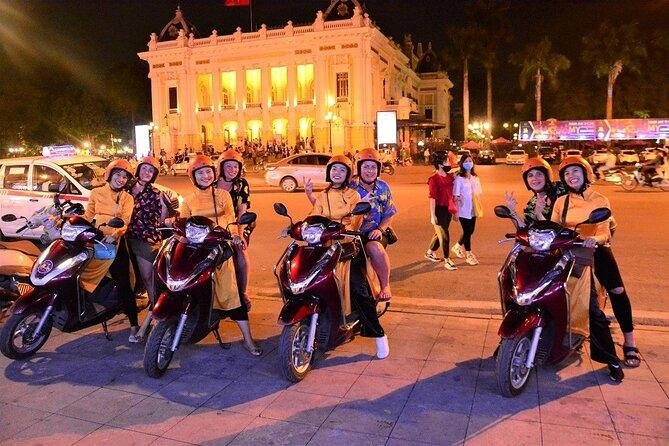
The beauty of a Vespa street food tour lies in its flexibility. When your guide spots a particularly popular vendor or discovers a new addition to the local food scene, you can easily make an impromptu stop. This spontaneity often leads to the most memorable culinary discoveries—those moments when you taste something extraordinary that wasn’t even on the planned itinerary.
“The first time I tried bun cha was from a tiny stall we stumbled upon during our Vespa tour. The owner’s grandmother had been making it the same way for 40 years. That’s the kind of authentic experience you can’t get from guidebooks.” – Sarah M., Australia
Stop 1: Old Quarter’s Hidden Pho Paradise
Your Vespa food adventure begins in the heart of Hanoi’s Old Quarter, where narrow alleyways hide some of the city’s best pho establishments. Unlike the tourist-focused restaurants on main streets, these local joints serve steaming bowls of Vietnam’s national dish to neighborhood regulars who’ve been coming here for decades.
The pho at these hidden gems differs significantly from what you might find elsewhere. The broth, simmered for 12-24 hours with beef bones, star anise, and cinnamon, achieves a depth of flavor that’s impossible to replicate quickly. Watch as the vendor assembles your bowl with practiced precision—fresh rice noodles, paper-thin slices of raw beef that cook instantly in the hot broth, and a handful of herbs.
- What makes it special: Family recipes passed down through generations
- Local tip: Add lime juice and chili for the authentic experience
- Price range: 30,000-50,000 VND ($1.20-$2.00) per bowl
- Best time: Early morning (6-8 AM) for the freshest broth
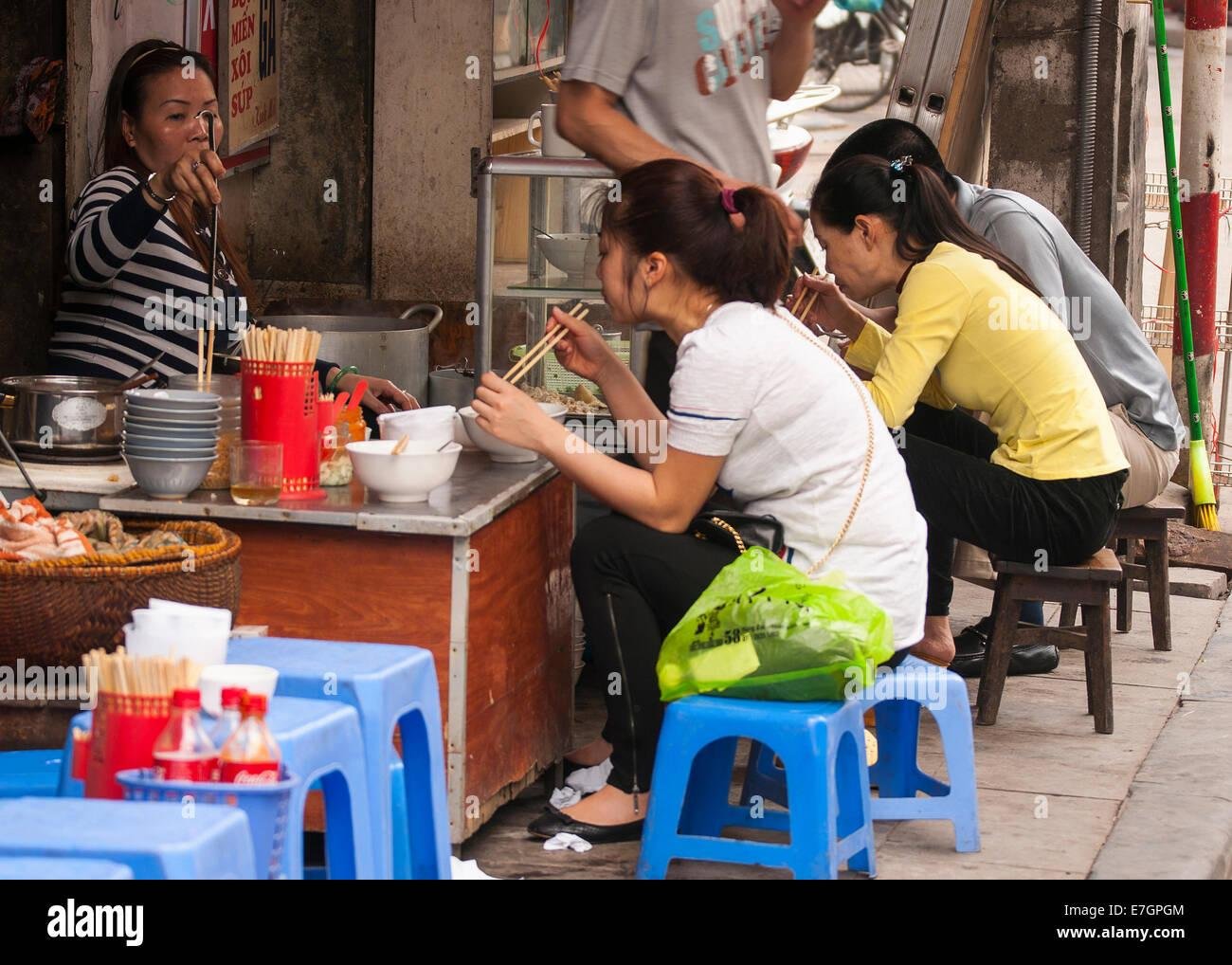
The social aspect of eating pho at these neighborhood spots adds another layer to the experience. You’ll sit alongside construction workers starting their day, office employees grabbing a quick breakfast, and elderly locals catching up on neighborhood gossip. This communal dining atmosphere epitomizes Vietnamese food culture—meals are social events, not just fuel for the body.
Stop 2: Banh Mi Bliss at a Local Institution
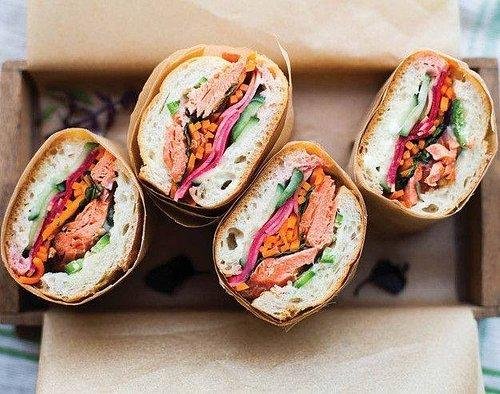
No street food tour in Hanoi would be complete without experiencing banh mi from a generations-old family bakery. Your Vespa will wind through residential neighborhoods to reach establishments that have perfected their craft over decades, creating the perfect fusion of French colonial influence and Vietnamese flavors.
The magic of exceptional banh mi lies in the balance of textures and flavors. The bread—a legacy of French colonialism—should have a crispy exterior that yields to a soft, airy interior. Inside, layers of pate, pickled vegetables, fresh herbs, and your choice of protein create a symphony of tastes that exemplifies Vietnam’s culinary creativity.
At these family-run operations, you’ll witness the banh mi assembly process that’s been refined over generations. Each ingredient serves a specific purpose: the pickled daikon and carrot add crunch and acidity, the cilantro provides freshness, the chili offers heat, and the protein delivers substance. This isn’t fast food—it’s fast craft.
- Choose your protein: Grilled pork, chicken, beef, or tofu
- Watch the assembly: Each ingredient layered with precision
- Taste the difference: Fresh-baked bread makes all the difference
- Price point: 15,000-25,000 VND ($0.60-$1.00) per sandwich
Stop 3: Bun Cha – Obama’s Famous Choice
Your Vespa tour continues to one of Hanoi’s most beloved dishes—bun cha. This grilled pork and noodle dish gained international fame when President Obama and Anthony Bourdain shared a meal at a local restaurant, but its popularity among Hanoians spans generations. The authentic bun cha experience happens at small neighborhood stalls where recipes remain unchanged for decades.
The preparation of bun cha is a performance in itself. Pork patties and belly strips sizzle over glowing charcoal, creating an irresistible aroma that draws hungry locals from blocks away. The sweet-savory dipping sauce—a carefully balanced blend of fish sauce, sugar, lime juice, and chili—transforms simple grilled meat into something transcendent.
What sets exceptional bun cha apart is the quality of the pork and the balance of the sauce. The meat should have a perfect char on the outside while remaining juicy inside. The sauce should complement, not overpower, allowing the smoky flavors from the charcoal grill to shine through.
“I’ve tried bun cha at fancy restaurants and street stalls around the world, but nothing compares to sitting on those tiny plastic stools in Hanoi, watching the pork sizzle while locals chat around you. It’s pure magic.” – David L., Canada
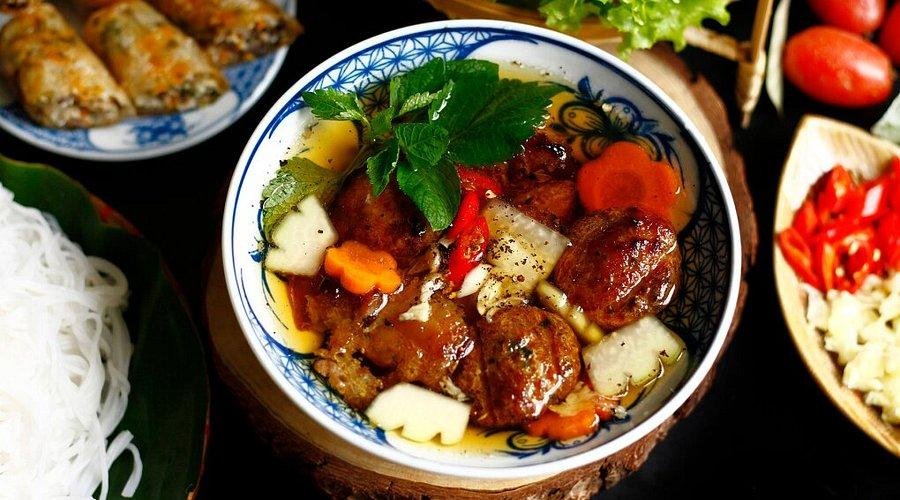
The communal aspect of eating bun cha enhances the experience significantly. You’ll share tables with locals, observe proper eating techniques, and perhaps strike up conversations about food, travel, or life in Hanoi. These interactions often prove more valuable than the meal itself, offering insights into Vietnamese culture that no guidebook can provide.
Stop 4: Fresh Spring Rolls (Goi Cuon) Mastery
As your Hanoi Vespa food tour continues, you’ll discover the art of fresh spring rolls at a family-run establishment where three generations work side by side. Unlike the fried spring rolls found in many Western Vietnamese restaurants, goi cuon showcases the Vietnamese preference for fresh, healthy ingredients wrapped in translucent rice paper.
The beauty of goi cuon lies in its simplicity and the quality of its components. Fresh herbs—mint, cilantro, and Vietnamese coriander—combine with lettuce, vermicelli noodles, and your choice of shrimp, pork, or tofu. The rice paper wrapper, when properly prepared, should be pliable yet strong enough to hold everything together without tearing.
Watching the preparation process reveals the skill required to make exceptional goi cuon. The rice paper must be softened to the perfect consistency—too dry and it cracks, too wet and it becomes mushy. The filling distribution requires practice to achieve the right balance in each roll, and the rolling technique takes years to master.
- Key ingredients: Fresh herbs, lettuce, rice noodles, protein of choice
- Dipping sauce: Peanut sauce or fish sauce-based dip
- Health benefits: Light, fresh, packed with vegetables
- Cultural significance: Represents Vietnamese preference for fresh foods
The accompanying dipping sauces vary by region and family preference. Some prefer a peanut-based sauce with hoisin, while others opt for nuoc cham—a fish sauce-based condiment with lime, sugar, and chili. Each sauce offers a different flavor profile that transforms the eating experience, demonstrating how condiments play crucial roles in Vietnamese cuisine.
Stop 5: Che – The Sweet Finale
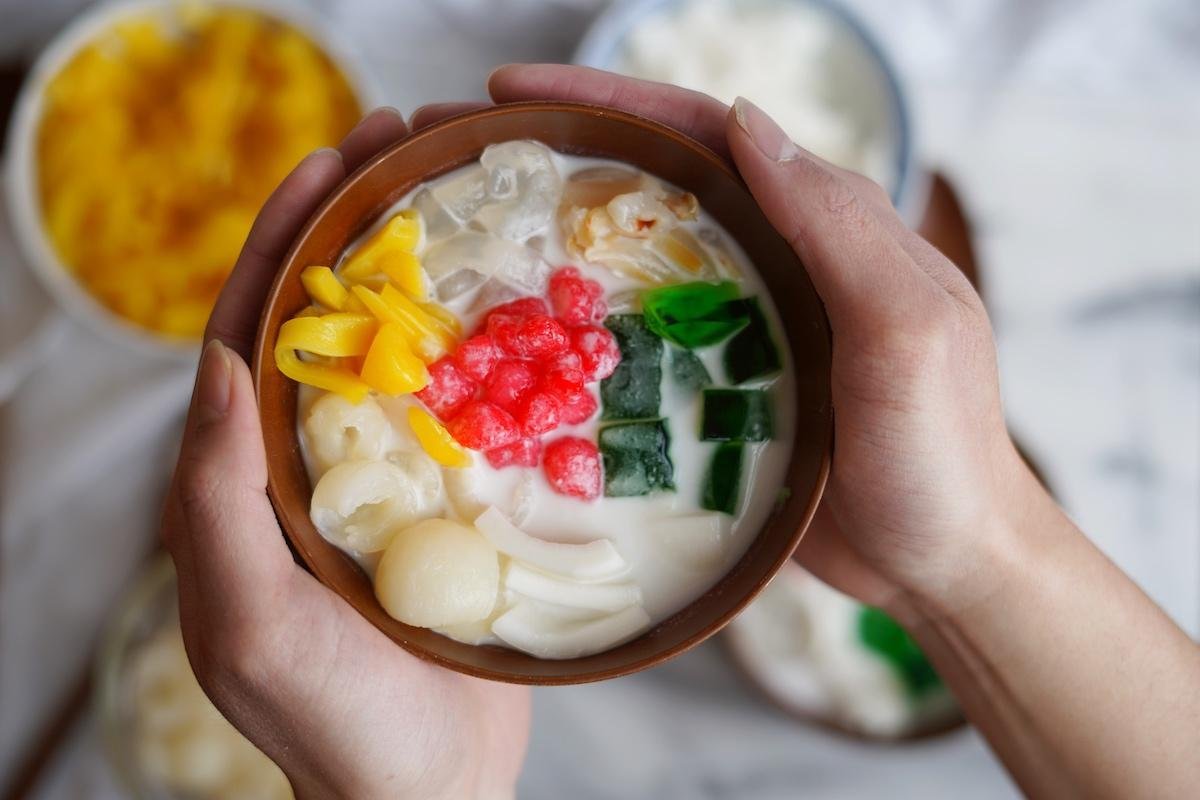
Your Vespa street food journey concludes with che, Vietnam’s beloved sweet soup that serves as both dessert and afternoon snack. These colorful concoctions might look unusual to Western eyes, but they represent centuries of Vietnamese dessert innovation, combining indigenous ingredients with influences from Chinese and French culinary traditions.
The variety of che available can overwhelm first-time visitors. From che ba mau (three-color dessert) with its layers of red beans, yellow mung beans, and coconut milk, to che dau xanh (mung bean sweet soup) with its silky texture and subtle sweetness, each variety offers unique flavors and textures that challenge preconceptions about dessert.
The preparation of che requires patience and skill. Beans must be cooked to perfect tenderness without losing their shape, coconut milk must be prepared fresh, and toppings like tapioca pearls or grass jelly must be prepared separately before combining. The best che vendors have been perfecting their recipes for decades, creating combinations that achieve perfect harmony between sweetness, texture, and visual appeal.
- Popular varieties: Three-color che, mung bean, black glutinous rice
- Serving style: Served hot or cold depending on the season
- Nutritional value: Often includes beans, providing protein and fiber
- Social aspect: Often shared among friends and family
Planning Your Vespa Street Food Adventure
Best Time for Your Tour
The optimal time for a Hanoi Vespa food tour depends on your preferences and the specific foods you want to experience. Morning tours (8 AM – 12 PM) offer the freshest ingredients and the chance to see local breakfast culture in action. Evening tours (5 PM – 9 PM) provide a different energy as the city transitions from day to night, with street food vendors preparing for the busy dinner rush.
Seasonal considerations also play important roles in planning your tour. Vietnam’s tropical climate means hot summers and mild winters, with the rainy season affecting outdoor dining experiences. The best weather for Vespa tours typically occurs from October through March, when temperatures are more comfortable and rainfall is minimal.
What to Expect and How to Prepare
Your Vespa street food tour will typically last 3-4 hours, covering 5-7 food stops and approximately 15-20 kilometers of city travel. Tours usually include helmet provision, bottled water, and wet wipes for cleaning hands between stops. Most reputable operators maintain their Vespas regularly and provide experienced drivers who prioritize safety while navigating Hanoi’s busy streets.
Preparing for your tour involves practical considerations that enhance your experience. Wear comfortable clothes that you don’t mind getting a bit smoky (from street food preparation), closed-toe shoes for safety, and bring a small bag for personal items. Most importantly, come with an open mind and appetite for adventure—some of the best discoveries happen when you try something completely unfamiliar.
“I was nervous about riding on a motorbike through Hanoi traffic, but my driver was incredibly skilled and made me feel safe the entire time. The food was just a bonus—the real experience was seeing the city from a local’s perspective.” – Maria S., Spain
Safety Considerations
Safety remains the top priority for any Vespa tour in Hanoi. Reputable tour operators provide quality helmets, maintain their vehicles regularly, and employ experienced drivers who understand traffic patterns and safe navigation techniques. Always choose established operators with good safety records and positive customer reviews rather than booking random street tours.
Food safety also requires attention during street food tours. Stick to vendors with high turnover—this ensures fresh ingredients and proper food handling. Observe preparation methods and trust your instincts about cleanliness standards. Most established street food vendors maintain high hygiene standards because their reputation depends on customer satisfaction and health.
Frequently Asked Questions
Is it safe to eat street food in Hanoi?
Yes, when you choose vendors carefully. Look for busy stalls with high turnover, observe preparation methods, and follow your guide’s recommendations. Established vendors maintain high standards because their livelihood depends on customer satisfaction.
How much does a Vespa food tour cost?
Prices typically range from $35-65 USD per person, depending on duration, number of stops, and included items. This usually covers transportation, helmet, guide services, and all food tastings.
Can vegetarians enjoy Vespa food tours?
Absolutely! Many Vietnamese dishes are naturally vegetarian or can be modified. Inform your tour operator about dietary restrictions when booking, and they’ll customize the route accordingly.
Do I need to drive the Vespa myself?
No, most tours provide experienced drivers who handle navigation while you enjoy the ride and scenery. This arrangement allows you to focus on the sights, sounds, and anticipation of the next food stop.
What happens if it rains during the tour?
Most operators provide rain ponchos and have indoor backup locations. Some tours may be rescheduled depending on weather severity, so check cancellation policies when booking.
Making Your Vespa Food Tour Memorable
To maximize your Vespa street food experience in Hanoi, approach each stop with curiosity rather than preconceptions. Ask your guide about ingredients, preparation methods, and cultural significance of different dishes. These conversations often lead to deeper insights about Vietnamese culture, history, and daily life that enhance your overall travel experience.
Photography enthusiasts should ask permission before photographing vendors or other diners, as respect for local customs creates positive interactions. Many vendors enjoy sharing their craft with interested visitors and may even demonstrate special techniques or share family stories behind their recipes.
Consider bringing a small notebook to record new flavors, vendor locations, or cultural observations. These notes become valuable references for future visits or recommendations to friends. Many travelers find that documenting their food experiences enhances both memory retention and appreciation for the cultural significance of different dishes.
Beyond the Tour: Continuing Your Culinary Journey
Your Vespa street food adventure should serve as an introduction to Hanoi’s broader culinary landscape rather than a standalone experience. Use the knowledge gained during your tour to explore additional neighborhoods, try different vendors, or even attempt cooking some dishes yourself.
Many visitors find that their tour guides become valuable resources for additional recommendations. Don’t hesitate to ask about other food experiences, cooking classes, or market tours that might interest you. Local guides often know about seasonal specialties, festival foods, or hidden gems that haven’t yet appeared in travel publications.
The relationships formed during food tours—with guides, vendors, and fellow travelers—often prove as valuable as the culinary experiences themselves. These connections can lead to deeper cultural understanding, friendship, and motivation for return visits to this captivating city.
Ready to Experience Hanoi’s Street Food Scene?
Don’t miss the opportunity to explore Hanoi’s incredible street food culture from the back of a vintage Vespa. Our experienced local guides know exactly where to find the most authentic flavors and hidden gems that make this city a food lover’s paradise.
Book your Hanoi food tour today and taste the real Vietnam! Contact us at +84962819091 or email info@vietnamtravelers.com to customize your perfect culinary adventure.
Experiencing Hanoi through its street food while riding a Vespa creates memories that extend far beyond your taste buds. The combination of culinary discovery, cultural immersion, and urban adventure offers a uniquely Vietnamese experience that captures the essence of this remarkable city. Whether you’re a food enthusiast, adventure seeker, or cultural explorer, a Vespa street food tour in Hanoi delivers an authentic slice of Vietnamese life that will leave you planning your return visit before the tour even ends.