
Article brief
Is Street Food in Vietnam Safe?
Route flow, hotel placement and transfer timing are the three decisions that shape the whole trip.
Is Street Food in Vietnam Safe? Tips for Travelers
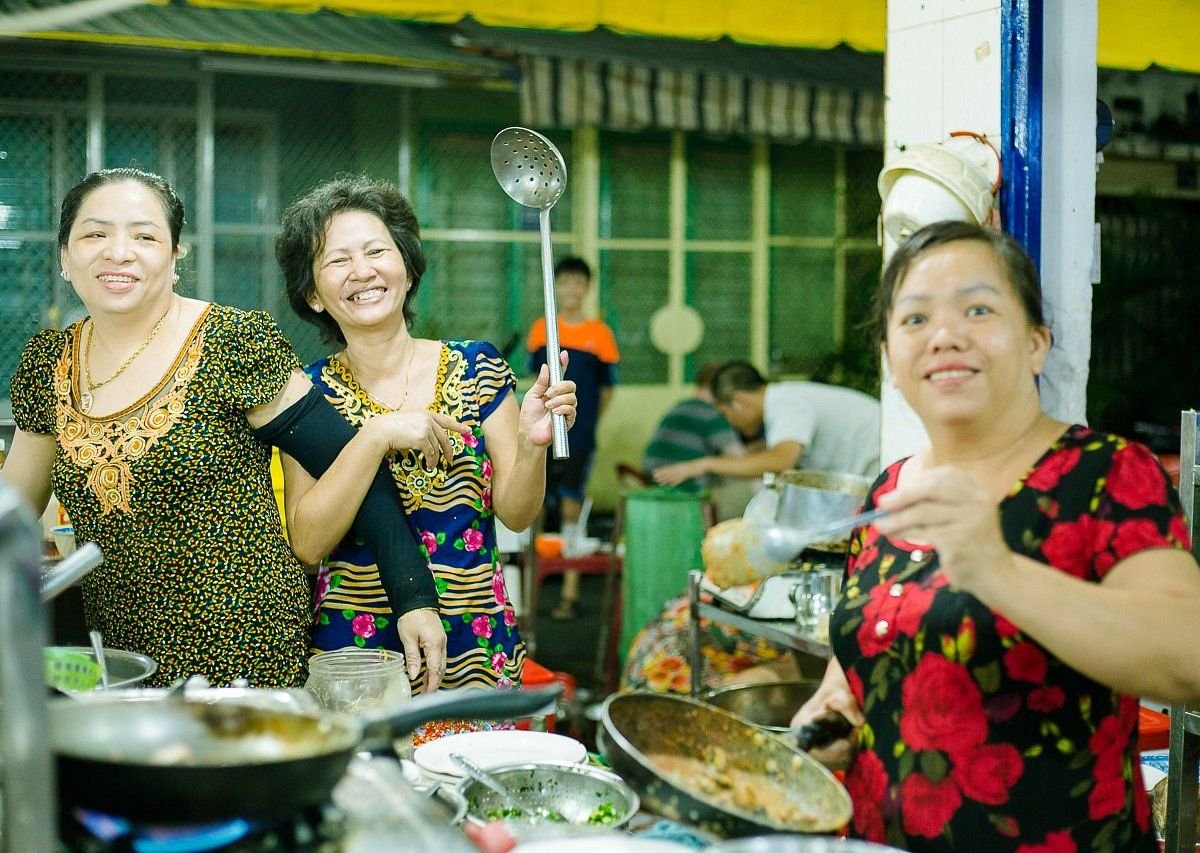
Vietnam’s vibrant street food scene is legendary – from steaming bowls of phở served at dawn to sizzling bánh mì sandwiches enjoyed throughout the day. But as you plan your culinary adventure, you’re probably wondering: is street food in Vietnam safe? The short answer is yes, but with some important caveats and precautions.
As someone who’s spent years exploring Vietnam’s food culture, I can tell you that millions of locals eat street food daily without issues. However, as a traveler, your stomach might need time to adjust to new flavors, spices, and cooking methods. Let’s dive into everything you need to know to enjoy Vietnam’s incredible street food safely and confidently.
Understanding the Reality of Street Food Safety in Vietnam
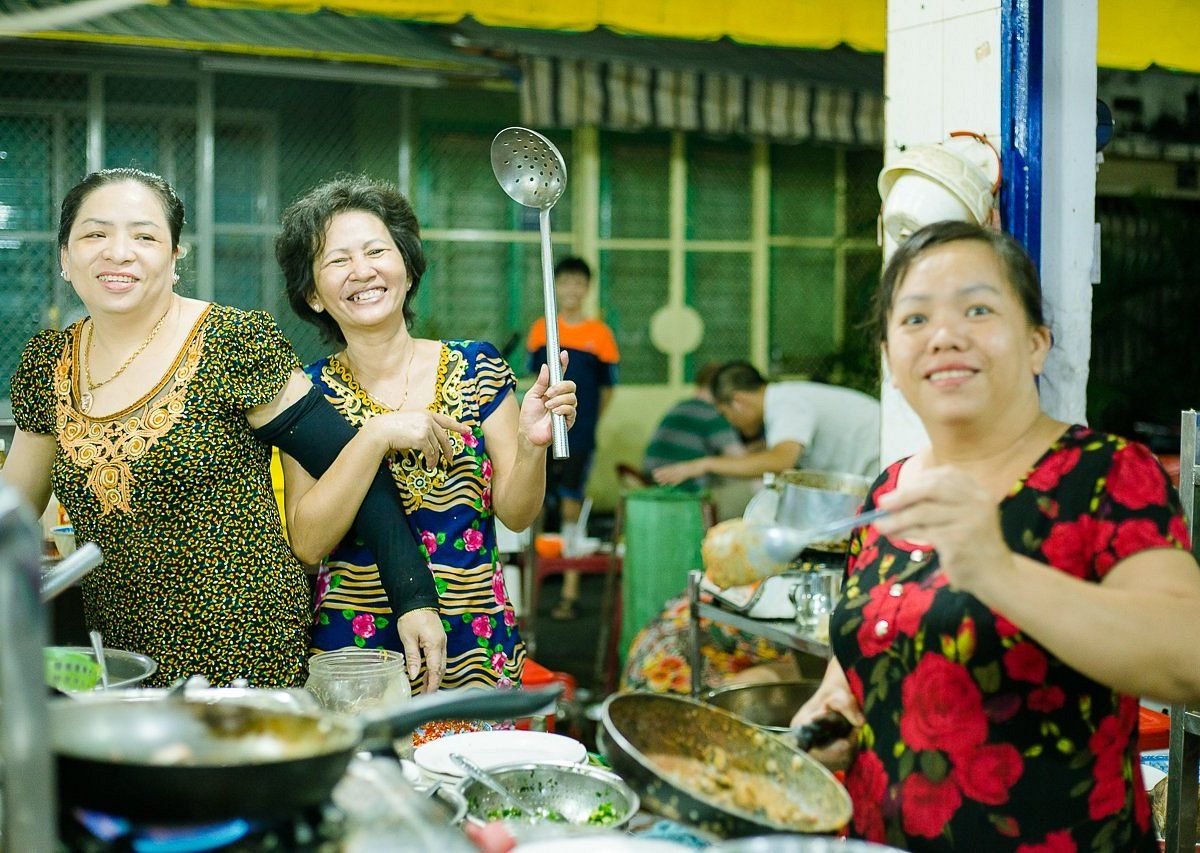
Street food safety in Vietnam varies significantly depending on location, vendor practices, and your own preparation. Major cities like Hanoi and Ho Chi Minh City have countless street food stalls that serve thousands of customers daily – and they stay in business because they maintain good hygiene standards.
The key is understanding that Vietnamese street food culture operates differently from Western fast food. Many vendors have been perfecting their recipes for generations, using fresh ingredients sourced daily from local markets. The high turnover means food is constantly fresh, which is actually a safety advantage.
“I’ve been eating street food in Vietnam for over 15 years, and I’ve only had one minor stomach upset – and that was from a fancy restaurant, not a street stall!” – Sarah, travel blogger from Australia
The Golden Rules of Safe Street Food Eating
Follow these essential safety tips to minimize your risk while maximizing your enjoyment:
1. Choose Busy Vendors
Look for stalls with high customer turnover, especially those frequented by locals. A busy vendor means:
- Fresh ingredients are used quickly
- Food doesn’t sit around for hours
- The vendor has a good reputation in the community
- Cooking equipment is used frequently (staying hot)
2. Observe Hygiene Practices
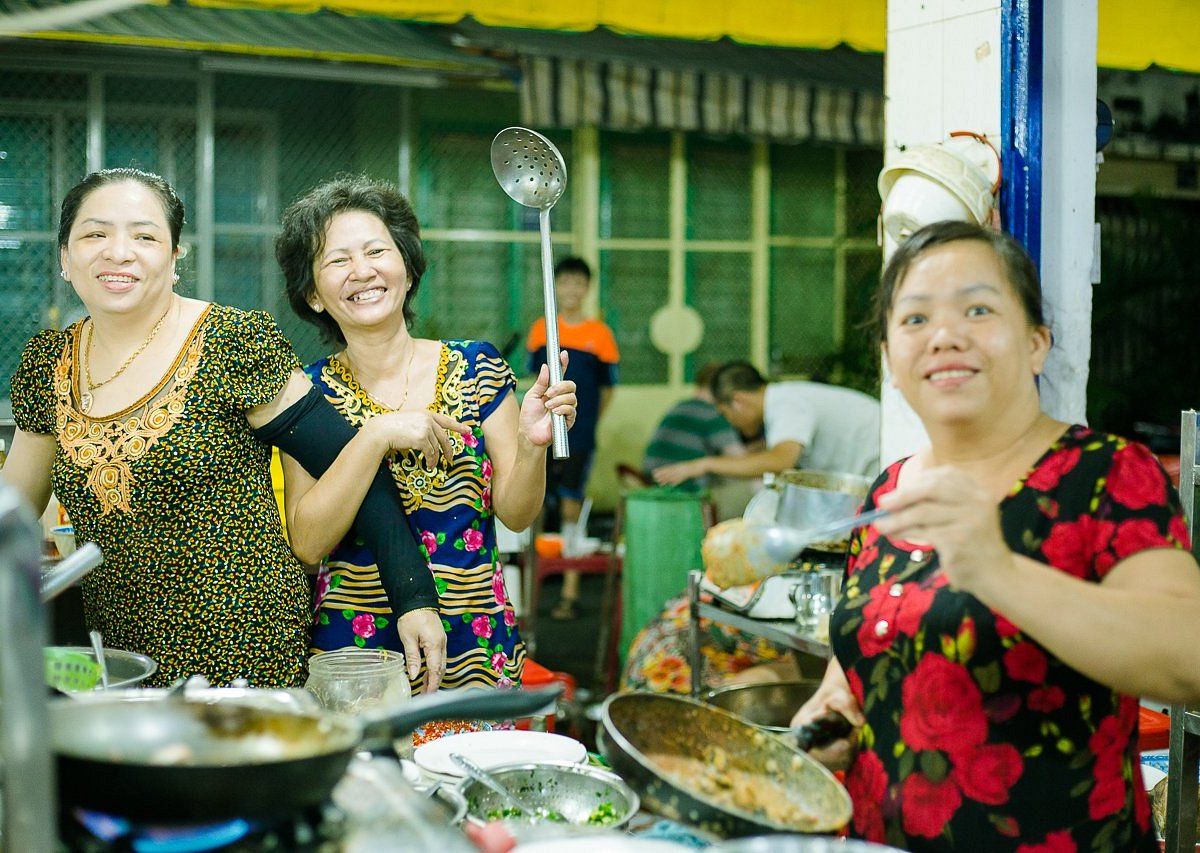
While street food stalls may not look like sterile kitchens, watch for these positive hygiene indicators:
- Vendors wearing clean aprons or clothing
- Use of tongs or gloves when handling food
- Separate cutting boards for raw and cooked foods
- Clean cooking utensils and surfaces
- Proper food storage (covered containers, refrigeration when available)
3. Stick to Fully Cooked Foods
When in doubt, choose foods that are cooked thoroughly and served hot. Heat kills most harmful bacteria, making these options safer:
- Phở and other hot soups
- Grilled meats and seafood
- Stir-fried noodles and rice dishes
- Deep-fried items like spring rolls
- Freshly cooked bánh mì with hot fillings
Foods to Approach with Caution
While most Vietnamese street food is safe, certain items require extra consideration, especially during your first few days:
Raw and Partially Cooked Items
- Fresh herbs and vegetables – May be washed in tap water
- Raw seafood – Higher risk in hot climates
- Uncooked sauces – Could contain contaminated water
- Ice and ice cream – Depends on water quality used
- Cut fruits – Safe if you watch them being cut fresh
This doesn’t mean you should avoid these entirely – just be more selective about where you try them. Many experienced travelers enjoy fresh spring rolls and herbs without issues, especially from reputable vendors.
Regional Variations and Considerations
Street food safety can vary between different regions of Vietnam:
Northern Vietnam (Hanoi)
Hanoi’s street food scene is well-established with many vendors operating for decades. The cooler climate can be advantageous for food safety. Popular safe options include:
- Bún chả (grilled pork with noodles)
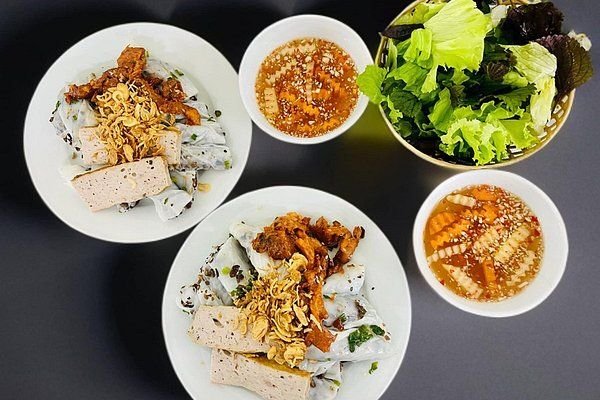
- Bánh cuốn (steamed rice rolls)
- Chả cá (grilled fish)
Consider joining a Hanoi street food tour to discover the safest and most authentic vendors with a knowledgeable local guide.
Central Vietnam (Hue, Hoi An)
Central Vietnam offers unique specialties with generally good safety standards. The region’s famous dishes like cao lầu and bánh khoái are typically safe when prepared properly.
Southern Vietnam (Ho Chi Minh City)
The bustling south has an incredible variety of street food. The hot, humid climate requires extra attention to food freshness, but the high turnover in popular areas usually ensures quality.
Health Precautions and Preparation
Smart travelers take proactive steps to prepare their bodies for new culinary experiences:
Before Your Trip
- Consult your doctor about preventive medications
- Consider probiotics to strengthen your digestive system
- Ensure your travel insurance covers food-related illness
- Pack basic stomach remedies (antacids, anti-diarrheal medication)
During Your Stay
- Start slowly – Try small portions of new foods initially
- Stay hydrated with bottled or properly boiled water
- Eat regularly – Don’t let yourself get too hungry
- Listen to your body – Skip foods that don’t smell or look right
Recognizing Safe Street Food Vendors
Learning to identify trustworthy vendors is crucial for safe street food experiences. Here’s what to look for:
Visual Indicators of Quality
A good street food vendor will have fresh ingredients visible, clean cooking equipment, and a steady stream of local customers throughout the day.
- Fresh ingredients – Raw materials should look vibrant and fresh
- Proper storage – Refrigerated items kept cold, hot items kept hot
- Clean workspace – Organized and relatively tidy cooking area
- Healthy-looking vendor – Clean appearance and good hygiene practices
Red Flags to Avoid
Trust your instincts and avoid vendors with these warning signs:
- Food sitting uncovered for long periods
- Unpleasant odors from cooking area
- Flies or other pests around food
- Vendors handling money and food without washing hands
- Lukewarm food that should be hot
Popular Safe Street Food Options
These Vietnamese street food classics are generally safe choices for travelers:
Soups and Broths
Phở and other hot soups are excellent safe options because:
- Broth is kept boiling hot
- Noodles are cooked fresh
- Meat is added to hot broth, cooking it further
- High turnover ensures freshness
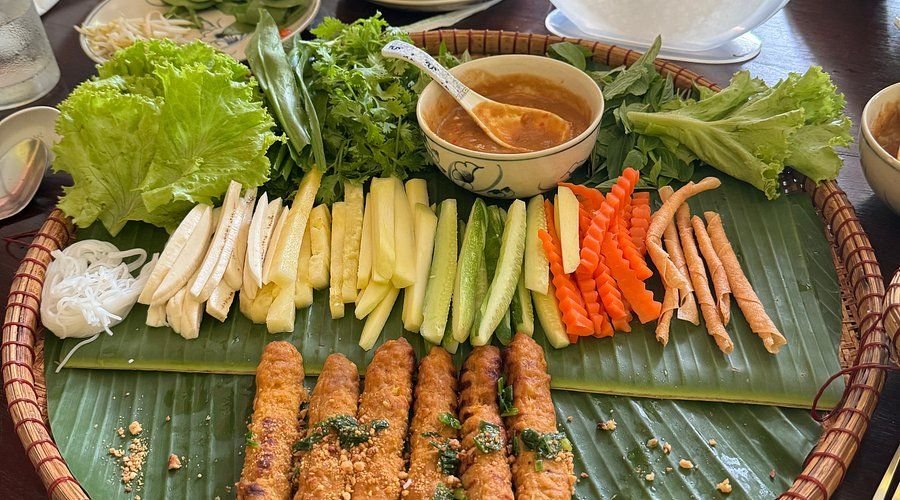
Grilled and Fried Foods
Items cooked at high temperatures are typically safe:
- Bánh mì with hot fillings
- Nem nướng (grilled pork skewers)
- Chả giò (fried spring rolls)
- Bánh xèo (crispy pancakes)
Handling Water and Beverages
Water safety is crucial when enjoying street food in Vietnam:
Safe Beverage Choices
- Bottled water from reputable brands
- Hot tea and coffee (water has been boiled)
- Canned or bottled soft drinks
- Fresh coconut water (from the coconut)
- Beer and wine (alcohol kills bacteria)
Beverages to Approach Carefully
- Tap water (including ice made from tap water)
- Fresh juices (may be diluted with tap water)
- Smoothies with ice
- Che (sweet dessert soups) with ice
Many experienced travelers find that Vietnamese ice is generally safe in busy urban areas, but it’s wise to be cautious during your first few days.
What to Do If You Get Sick
Despite your best precautions, you might experience some digestive upset. Here’s how to handle it:
Mild Symptoms
For minor stomach discomfort:
- Stay hydrated – Drink plenty of clean water
- Rest – Give your body time to recover
- Eat bland foods – Rice, bananas, toast
- Use over-the-counter remedies – Antacids or anti-diarrheal medication
When to Seek Medical Help
Contact a doctor if you experience:
- Severe abdominal pain
- High fever
- Blood in stool
- Persistent vomiting
- Signs of dehydration
Making the Most of Your Street Food Experience
Don’t let safety concerns prevent you from enjoying one of Vietnam’s greatest cultural treasures. Consider these options to maximize both safety and enjoyment:
Join a Food Tour
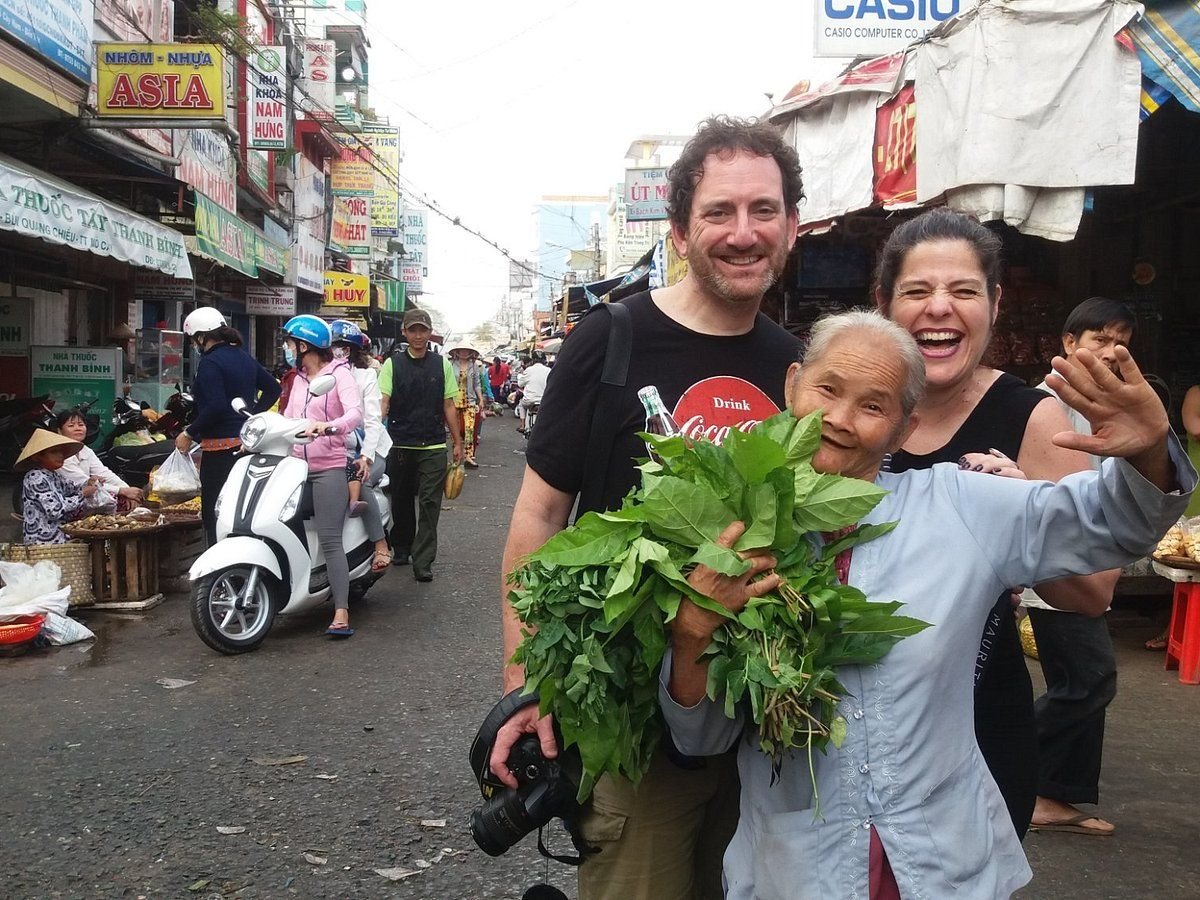
A professional food tour can provide the perfect introduction to Vietnamese street food. Experienced guides know which vendors maintain the highest standards and can help you navigate the scene safely.
Learn from Locals
Ask Vietnamese friends, hotel staff, or tour guides for recommendations. Locals know which vendors have the best reputations and can guide you to authentic, safe experiences.
Start with Popular Dishes
Begin with well-known, widely available dishes like phở or bánh mì before trying more exotic options. This allows your palate and stomach to adjust gradually.
Frequently Asked Questions
Is it safe to eat street food in Vietnam as a tourist?
Yes, millions of tourists eat Vietnamese street food safely every year. The key is choosing busy vendors with good hygiene practices and starting with fully cooked dishes. Taking basic precautions significantly reduces any risk.
How can I tell if a street food vendor is safe?
Look for vendors with high customer turnover (especially locals), clean cooking areas, fresh ingredients, and proper food storage. Avoid places with flies, bad odors, or food sitting uncovered for long periods.
What should I do if I get food poisoning in Vietnam?
For mild symptoms, stay hydrated and rest. Eat bland foods and use over-the-counter remedies. Seek medical attention for severe symptoms like high fever, persistent vomiting, or blood in stool. Most cases are mild and resolve within 24-48 hours.
Are there specific dishes I should avoid?
During your first few days, you might want to avoid raw herbs, uncooked sauces, and dishes with ice. However, many travelers enjoy these without issues from reputable vendors. Trust your instincts and start conservatively.
Is the water used for washing dishes safe?
In busy urban areas, most vendors use clean water for washing dishes. Look for vendors who rinse dishes in very hot water or those who air-dry their utensils. The high turnover means dishes are used and washed frequently.
Should I take probiotics before visiting Vietnam?
Many travelers find that probiotics help strengthen their digestive system before traveling. Consult your doctor about whether this is right for you, especially if you have a sensitive stomach.
Final Thoughts: Embrace the Adventure Safely
Vietnamese street food is generally safe when you make smart choices and follow basic precautions. The incredible flavors, affordable prices, and authentic cultural experience make it absolutely worth trying. Remember that local people eat this food daily – it’s not inherently dangerous, just different from what your stomach might be used to.
The key is finding the right balance between caution and adventure. Start slowly, choose busy vendors with good practices, and listen to your body. Most travelers have amazing street food experiences in Vietnam without any health issues.
Don’t let fear keep you from one of travel’s greatest pleasures. Vietnamese street food offers an incredible window into the country’s culture, history, and daily life. With the right preparation and mindset, you’ll create delicious memories that last a lifetime.
Ready to explore Vietnam’s incredible street food scene safely? Our expert guides know exactly which vendors offer the best combination of authenticity, flavor, and safety. Book a street food tour today and let us introduce you to the real taste of Vietnam with complete confidence.
Have you tried street food in Vietnam? Share your experiences in the comments below – your tips might help other travelers discover their new favorite dish!