
Article brief
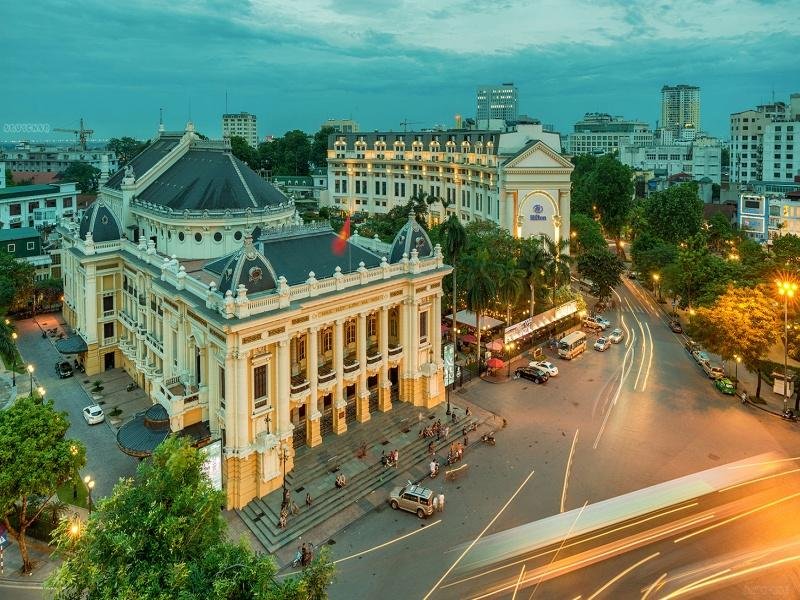
Step into a living museum where French colonial architecture meets Vietnamese culture in Hanoi's enchanting French Quarter.
Route flow, hotel placement and transfer timing are the three decisions that shape the whole trip.
Step into a living museum where French colonial architecture meets Vietnamese culture in Hanoi’s enchanting French Quarter. This comprehensive walking tour guide will take you through tree-lined boulevards, past grand government buildings, and into charming cafés that tell the story of Vietnam’s complex colonial past.
As someone who has guided countless visitors through these historic streets over the past decade, I can promise you that exploring Hanoi’s French Quarter on foot is one of the most rewarding experiences the city offers. Unlike the bustling energy of the Old Quarter, the French Quarter reveals its secrets slowly, rewarding those who take time to appreciate its subtle elegance.
Understanding Hanoi’s French Quarter: More Than Just Buildings
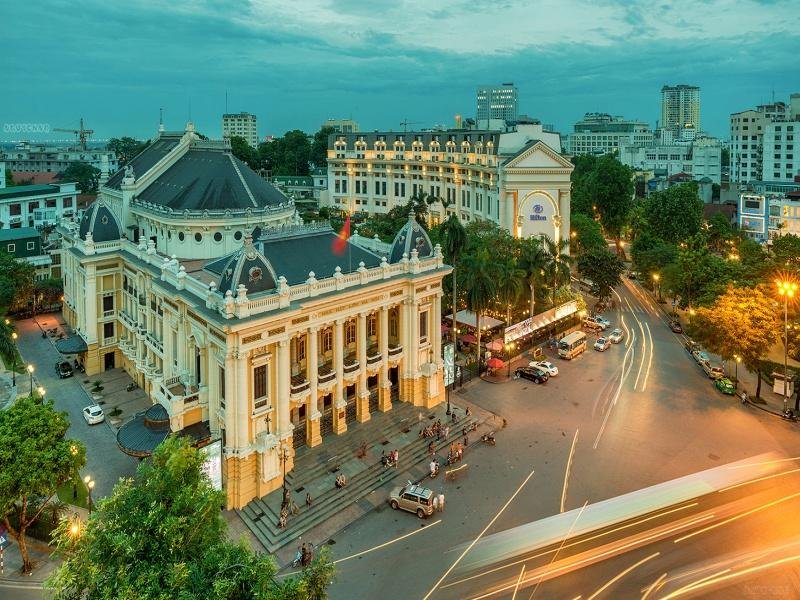
The French Quarter of Hanoi, also known as the Colonial Quarter, encompasses the area south of Hoan Kiem Lake, roughly bounded by the Red River to the east and extending southwest toward Ba Dinh District. This isn’t just a collection of old buildings – it’s a testament to how two cultures can intertwine while maintaining their distinct identities.
“Walking through the French Quarter is like reading Vietnam’s history book with your feet. Every corner tells a story of transformation, resistance, and adaptation.” – Local historian Nguyen Van Minh
During the French colonial period (1884-1954), this area became the administrative heart of French Indochina. Today, it houses government offices, embassies, luxury hotels, and some of Hanoi’s finest restaurants, making it perfect for a leisurely city walking tour.
Planning Your French Quarter Walking Tour
Best Times to Visit
- Early Morning (6:00-8:00 AM): Perfect for photography with soft lighting and fewer crowds
- Late Afternoon (4:00-6:00 PM): Ideal for ending with sunset views and dinner
- Weekdays: Less crowded than weekends, better for detailed exploration
- Dry Season (October-April): Most comfortable weather for walking
What to Bring
- Comfortable walking shoes (you’ll cover 3-4 kilometers)
- Sun hat and sunscreen
- Camera for architectural photography
- Water bottle (though plenty of cafés are available)
- Light rain jacket (weather can change quickly)
The Complete Walking Route: 6 Essential Stops
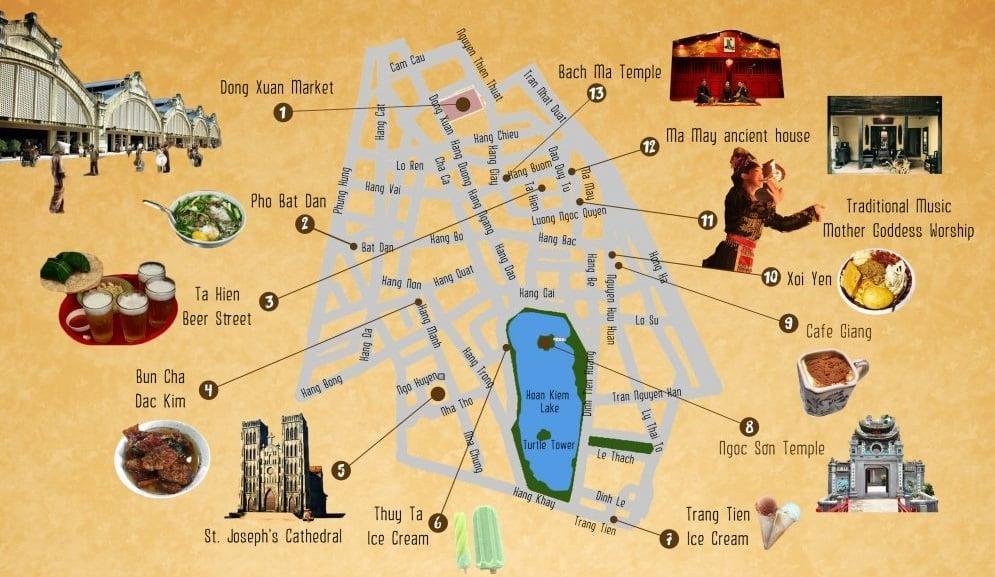
This carefully crafted route covers approximately 3.5 kilometers and takes 3-4 hours including stops. Each location offers unique insights into French colonial influence and modern Vietnamese life.
Stop 1: Hanoi Opera House – Your Grand Starting Point
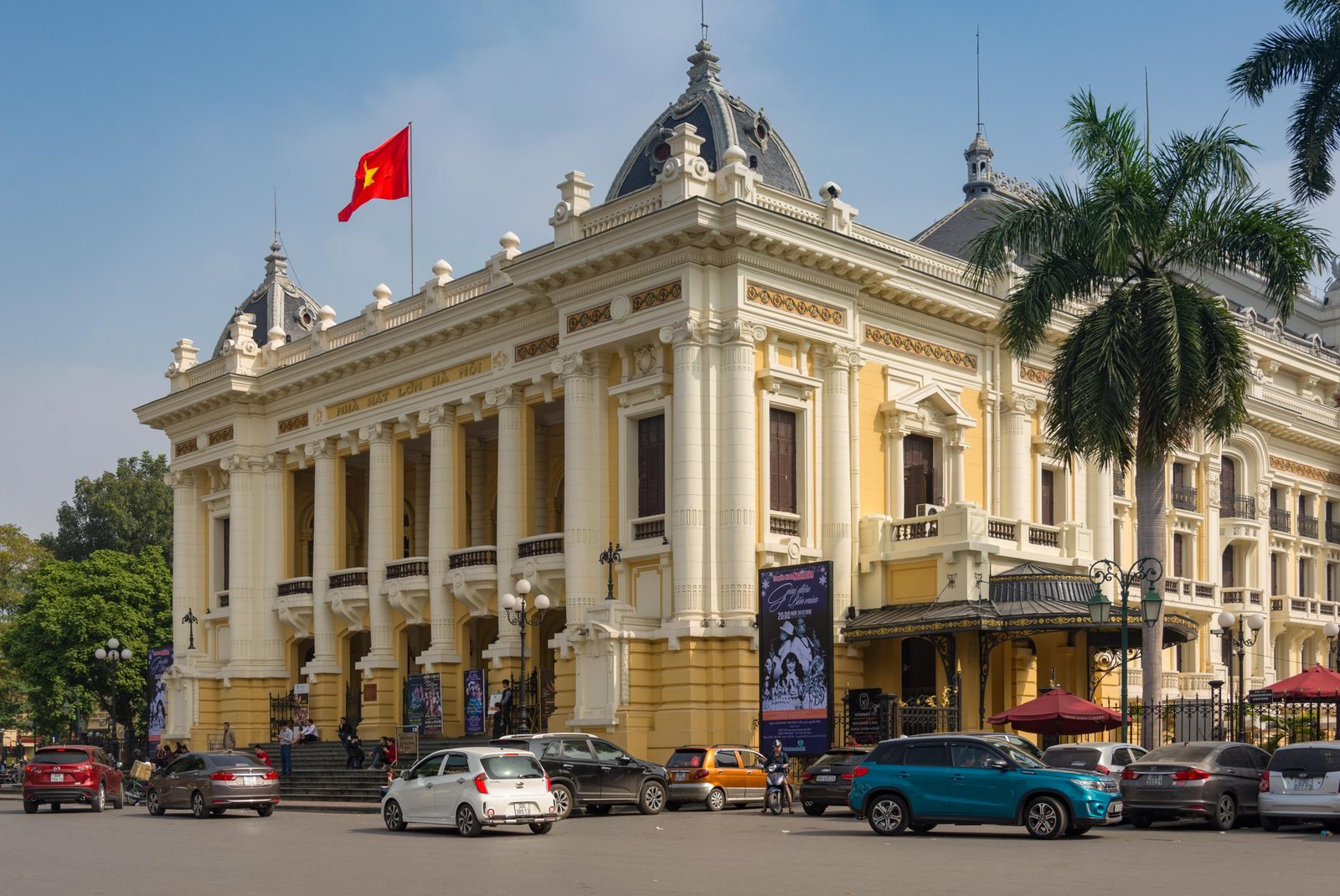
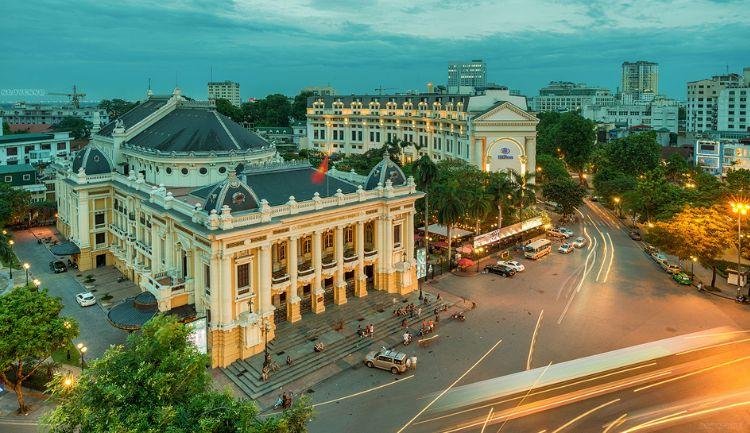
Begin your journey at the magnificent Hanoi Opera House (1 Trang Tien Street), a perfect replica of the Paris Opera House built in 1911. This neo-classical masterpiece showcases the French desire to recreate European grandeur in Southeast Asia.
What to Look For:
- Ionic columns and ornate facade details
- The grand staircase (visible during performances)
- French architectural elements adapted for tropical climate
Pro tip: If you’re interested in experiencing more of Hanoi’s cultural side, consider booking our comprehensive guided tour that includes evening performances when available.
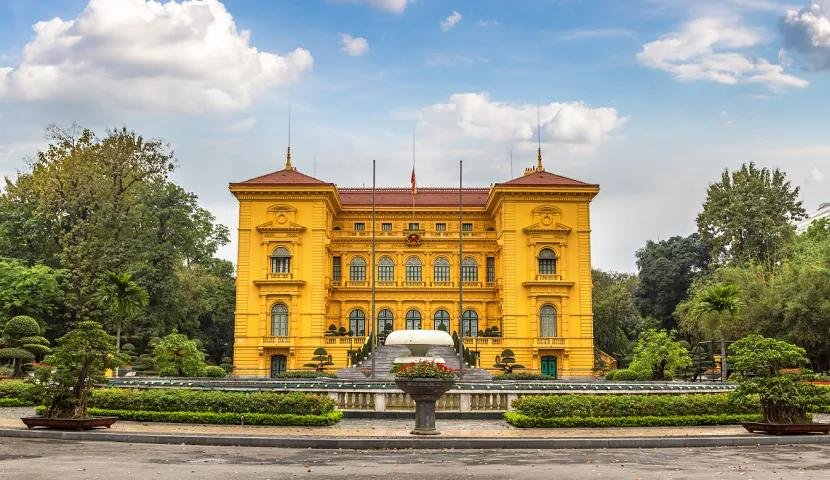
Stop 2: National Museum of Vietnamese History
A 10-minute walk south brings you to this architectural gem that perfectly blends French colonial design with traditional Vietnamese elements. Built in 1932, it originally housed the École française d’Extrême-Orient.
The building itself tells the story of cultural fusion – notice how French architectural principles accommodate Vietnamese decorative motifs and climate considerations.
Stop 3: Hoa Lo Prison Museum – Understanding Resistance
While emotionally challenging, this stop provides crucial context for understanding Vietnamese resilience during the colonial period and beyond. The original French-built prison (1896) housed Vietnamese revolutionaries and later American POWs during the Vietnam War.
The contrast between the elegant French Quarter streets and this somber historical site reminds us that beauty and suffering often coexist in colonial histories.
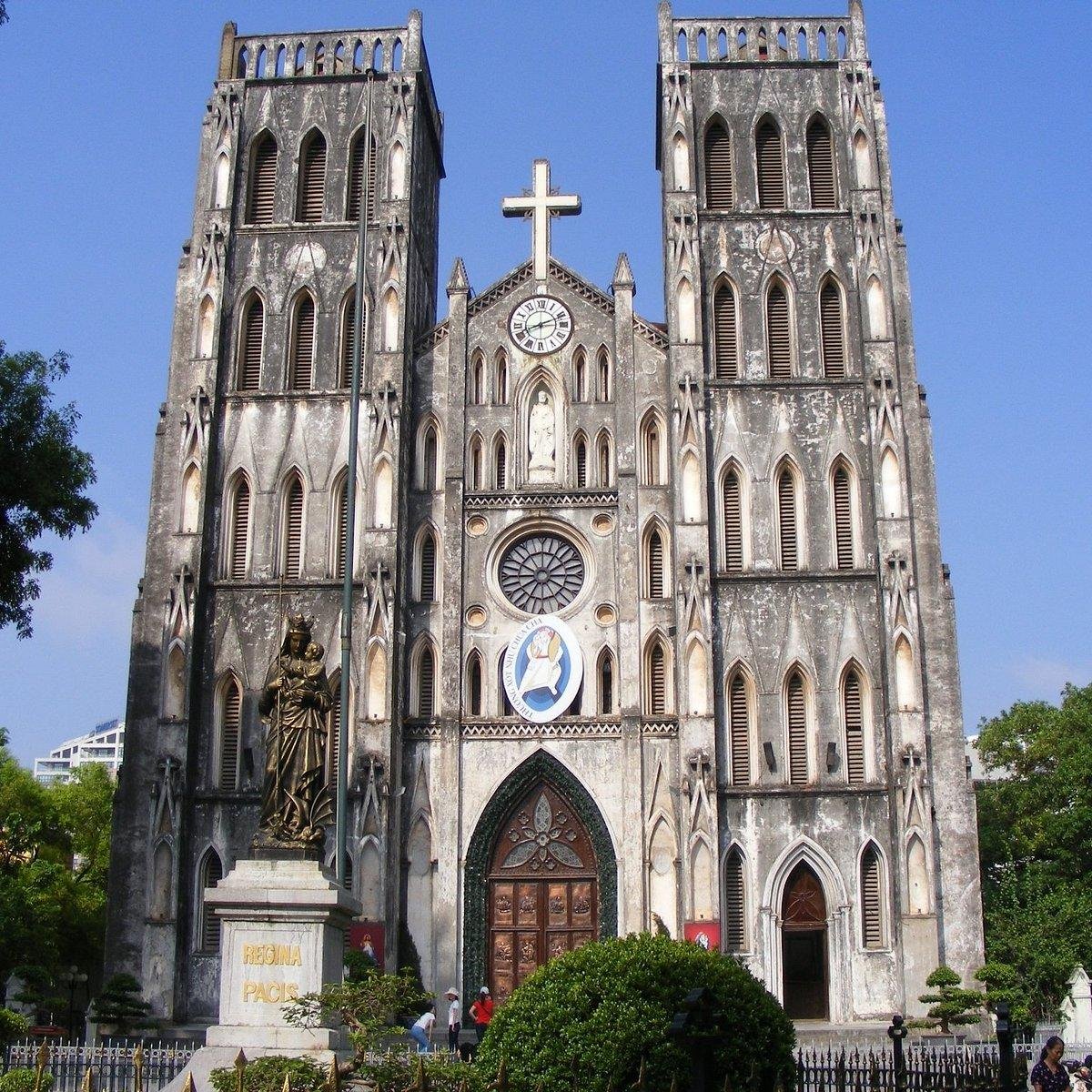
Stop 4: St. Joseph’s Cathedral – Faith Meets Architecture
This stunning neo-Gothic cathedral, modeled after Notre-Dame de Paris, represents the French effort to establish Catholicism in Vietnam. Built between 1882-1886, it stands as one of Hanoi’s most photographed landmarks.
Photography Tips:
- Best shots from the small square in front
- Interior photography during non-service hours
- Beautiful evening lighting for dramatic photos
Stop 5: Sofitel Legend Metropole Hotel
No French Quarter tour is complete without visiting this legendary hotel (15 Ngo Quyen Street), opened in 1901. The Metropole has hosted everyone from Charlie Chaplin to heads of state, embodying the elegance of colonial-era hospitality.
Even if you’re not staying here, the lobby and café areas showcase period furniture, historical photographs, and refined French-Vietnamese fusion architecture. Their afternoon tea service offers a taste of colonial luxury.
Stop 6: French Embassy and Government Buildings
End your tour in the heart of the diplomatic quarter, where tree-lined boulevards showcase some of Hanoi’s finest colonial architecture. Many buildings still serve their original governmental purposes, creating a unique blend of historical preservation and modern functionality.
Hidden Gems and Local Secrets
Beyond the main attractions, the French Quarter rewards curious explorers with lesser-known treasures:
- Dong Xuan Market’s French Section: Original colonial-era market buildings still in use
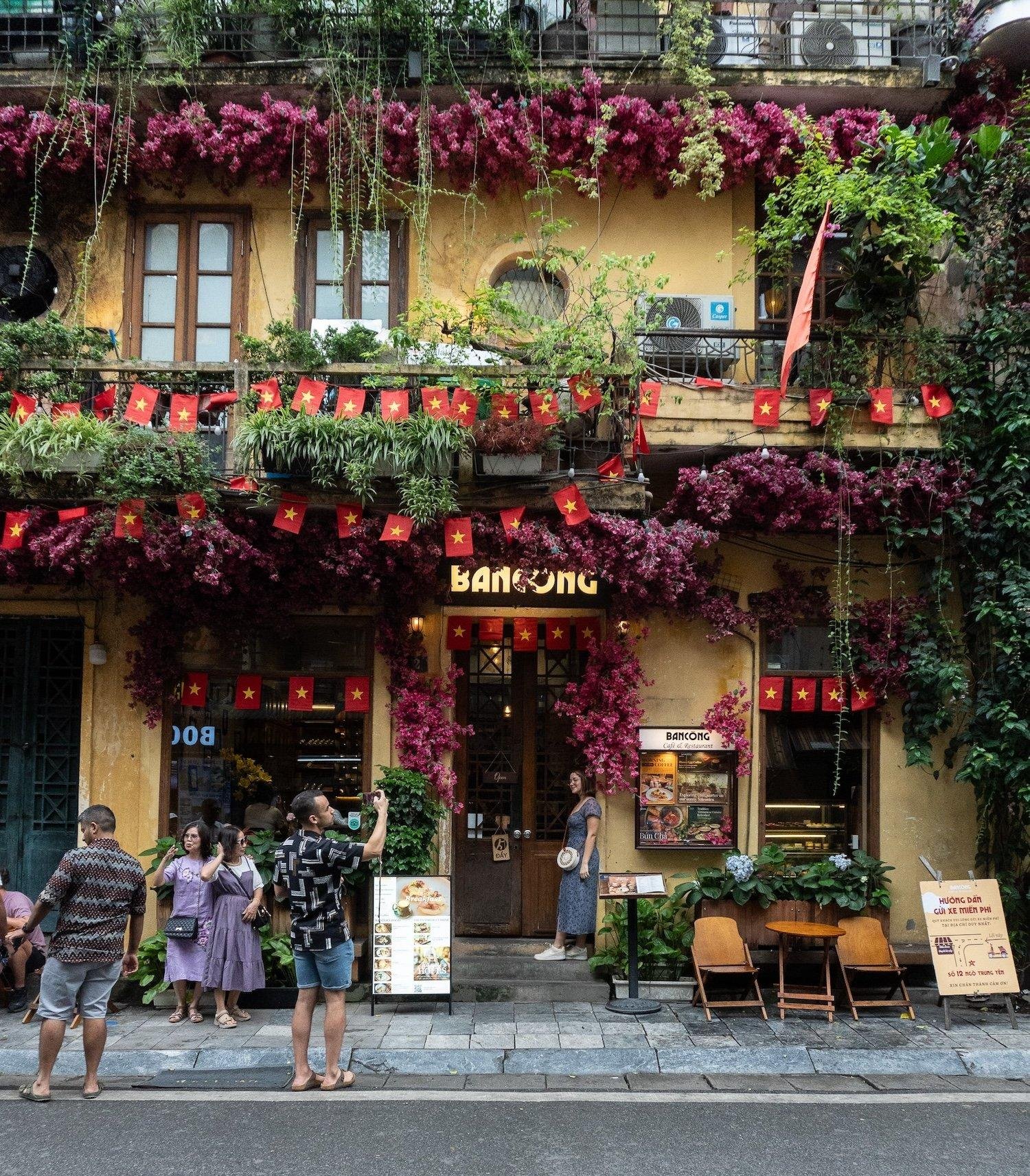
- Hidden Cafés: Colonial-era buildings converted to charming coffee shops
- Art Deco Details: Look up to spot beautiful architectural elements on upper floors
- French Street Names: Many streets retain their colonial-era names with Vietnamese adaptations
Culinary Journey: French-Vietnamese Fusion
Your walking tour isn’t complete without experiencing the unique culinary fusion that emerged from French colonial influence. The French Quarter offers exceptional dining opportunities that showcase this cultural blend.
Must-Try Colonial-Era Specialties
- Banh Mi: Vietnamese adaptation of French baguettes
- Vietnamese Coffee: French brewing techniques with local beans
- Pho: Influenced by French beef consumption and clear broths
- French Pastries: Local bakeries maintaining colonial-era recipes
For food enthusiasts, consider extending your exploration with our specialized Hanoi food tour that delves deeper into French-Vietnamese culinary heritage.
Photography Guide: Capturing Colonial Elegance
The French Quarter offers endless photographic opportunities for both amateur and professional photographers:
Best Photo Spots
- Opera House Steps: Classic architectural shots
- Trang Tien Street: Tree-lined boulevard perspective
- Cathedral Square: Gothic architecture against tropical sky
- Embassy Row: Colonial buildings with modern touches
Photography Tips
- Golden hour (early morning/late afternoon) provides the best lighting
- Focus on architectural details: columns, balconies, shutters
- Capture the contrast between colonial and modern elements
- Include people to show the living heritage aspect
Cultural Etiquette and Practical Tips
Respectful exploration enhances your experience and helps preserve these historical sites for future visitors:
Do’s and Don’ts
- DO: Dress modestly when visiting religious sites
- DO: Ask permission before photographing people
- DON’T: Touch or climb on historical structures
- DON’T: Disturb ongoing government business in official buildings
Language Considerations
While many signs are in Vietnamese and English, learning a few key phrases enhances your experience:
- “Xin chào” – Hello
- “Cảm ơn” – Thank you
- “Xin lỗi” – Excuse me/Sorry
Extending Your French Quarter Experience
Your walking tour can serve as a perfect introduction to broader Hanoi exploration. Consider these complementary activities:
- Evening performance at the Opera House
- Fine dining at colonial-era restaurants
- Shopping for French-inspired Vietnamese products
- Museum visits for deeper historical context
For those wanting to explore beyond the French Quarter, our day trips from Hanoi offer excellent opportunities to see how French influence extended throughout northern Vietnam.
Seasonal Considerations and Weather
Each season offers a different French Quarter experience:
Spring (March-May)
Pleasant weather with blooming trees along boulevards, perfect for photography and extended walking.
Summer (June-August)
Hot and humid; plan early morning or late afternoon tours. Many buildings offer air-conditioned respite.
Autumn (September-November)
Ideal weather conditions with clear skies and comfortable temperatures for all-day exploration.
Winter (December-February)
Cool and often drizzly; brings a romantic, Parisian atmosphere to the quarter’s tree-lined streets.
Frequently Asked Questions
How long does the French Quarter walking tour take?
A comprehensive tour takes 3-4 hours including stops for photography, café breaks, and brief interior visits. Rushed visitors can cover highlights in 2 hours.
Is the French Quarter safe for solo travelers?
Yes, the French Quarter is generally very safe during daylight hours. It’s well-patrolled due to government buildings and embassies in the area.
Can I visit government buildings during the tour?
Most government buildings are not open for tourist visits, but their exteriors and surrounding areas are publicly accessible for viewing and photography.
Are there guided tour options available?
Yes, we offer both guided tours and self-guided options. Professional guides provide historical context and access to areas individual visitors might miss.
What’s the difference between the French Quarter and Old Quarter?
The Old Quarter features traditional Vietnamese architecture and bustling markets, while the French Quarter showcases colonial architecture and government buildings with a more refined atmosphere.
Making the Most of Your Visit
To truly appreciate the French Quarter’s significance, consider these final recommendations:
- Start with basic Vietnam history reading before your visit
- Bring a good camera to capture architectural details
- Plan meal stops at historically significant restaurants
- Allow flexibility in your schedule for spontaneous discoveries
- Consider returning for an evening stroll to see buildings illuminated
The French Quarter walking tour offers more than just sightseeing – it’s a journey through time that helps visitors understand how colonial influence shaped modern Vietnam while Vietnamese culture transformed foreign architectural styles into something uniquely local.
Ready to Explore Hanoi’s French Quarter?
Your French Quarter adventure awaits! Whether you choose to explore independently or join one of our expertly guided tours, you’re guaranteed an enriching experience that brings Vietnam’s colonial history to life.
Book your French Quarter experience today:
- Call us: +84962819091
- ✉️ Email: info@vietnamtravelers.com
- Visit: Book your guided tour
Ready to discover more of Hanoi? Check out our comprehensive Hanoi highlights guide for additional exploration ideas, or browse our collection of city tours for different perspectives on Vietnam’s captivating capital.
Have you explored Hanoi’s French Quarter? Share your experiences, favorite spots, or questions in the comments below. We’d love to hear about your discoveries and help you plan your perfect Vietnamese adventure!
Xin chào, Xin lỗi, Xin cảm ơn – Say Hello, Sorry, and Thank You as you explore the timeless elegance of Hanoi’s French Quarter with Vietnam Travelers.