

Nestled in the heart of Vietnam’s capital, the Hanoi Old Quarter stands as a living museum of architectural heritage that speaks volumes about the city’s rich historical tapestry. Dating back over a millennium, this ancient district seamlessly blends traditional Vietnamese architecture with French colonial influences, creating a unique urban landscape that captivates visitors from around the world.
As you wander through the labyrinthine streets of the Old Quarter, you’ll find yourself transported through time, where each building tells a story of cultural resilience and adaptation. Let’s embark on a journey to explore the architectural wonders that make this district an irreplaceable cultural treasure.

Contents
- 1 The Historical Evolution of Hanoi’s Old Quarter
- 2 Traditional Vietnamese Architecture in the Old Quarter
- 3 French Colonial Architectural Influences
- 4 Architectural Details and Decorative Elements
- 5 The “36 Streets” and Guild Architecture
- 6 Contemporary Challenges and Preservation Efforts
- 7 Experiencing the Architecture of Hanoi Old Quarter
- 8 Architectural Photography Tips
- 9 FAQs About Hanoi Old Quarter Architecture
- 10 Conclusion: A Living Architectural Museum
The Historical Evolution of Hanoi’s Old Quarter
The architectural story of Hanoi’s Old Quarter begins in the 11th century during the Ly Dynasty when King Ly Thai To moved the capital from Hoa Lu to Thang Long (modern-day Hanoi). Initially developed as a collection of villages centered around the royal citadel, the area gradually transformed into a bustling commercial hub.
Throughout its evolution, the Old Quarter has been shaped by several key historical periods:
- Imperial Vietnamese era (11th-19th centuries): Formation of guild streets and traditional Vietnamese architectural styles
- French colonial period (1873-1954): Introduction of European architectural elements
- Post-independence era: Adaptation and preservation efforts amid modernization
Today, this district spans approximately 100 hectares and contains an extraordinary concentration of historical buildings that showcase this layered past.
“The Old Quarter is not just a tourist destination; it’s a living testament to Hanoi’s ability to absorb foreign influences while maintaining its cultural essence.” – Architect Hoang Dao Kinh, Vietnamese heritage preservation expert
Traditional Vietnamese Architecture in the Old Quarter
At the heart of the Old Quarter’s architectural identity are the iconic tube houses (nhà ống) – narrow, tube-like structures that represent indigenous Vietnamese urban design. These distinctive buildings showcase several key characteristics:

The Iconic Tube Houses
The origin of tube houses dates back to the 15th century when merchants built these distinctive structures to adapt to commercial tax regulations that were based on street frontage width. Key features include:
- Narrow facades (typically 2-4 meters wide) contrasted with exceptional depth (sometimes reaching 60-100 meters)
- Multiple courtyards that bring light and ventilation to the interior spaces
- Multilevel design with commercial space at street level and private living quarters above and behind
- Sloped tile roofs with ornate ridges featuring traditional motifs
- Wooden structural elements including columns, beams, and rafters
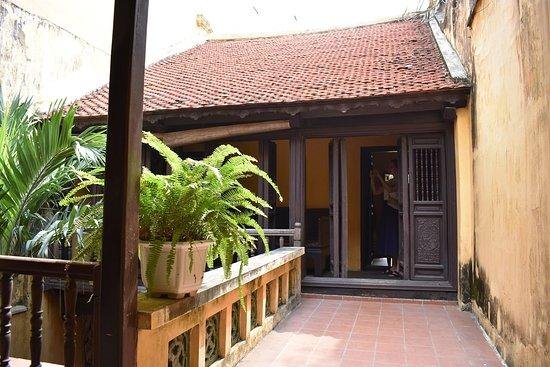
One of the best-preserved examples is the Heritage House at 87 Ma May Street, which has been restored to showcase the traditional layout and decorative elements of a 19th-century merchant’s home.
Traditional Spiritual Architecture
Beyond residential buildings, the Old Quarter houses numerous temples, pagodas, and communal houses that exemplify traditional Vietnamese religious architecture:
- Bach Ma Temple (White Horse Temple): One of the oldest temples in Hanoi, featuring traditional Vietnamese timber construction with elaborate woodcarvings and ceramic decorations
- Communal houses (đình): Gathering places that showcase sophisticated wooden structures with intricate carvings representing folk motifs
- Small shrines integrated into commercial and residential buildings, highlighting the spiritual dimension of everyday life

French Colonial Architectural Influences
The French colonial period (1873-1954) dramatically transformed Hanoi’s urban landscape, introducing European architectural styles that created a fascinating contrast with traditional Vietnamese building forms. In the Old Quarter, this influence is evident in several ways:
The Fusion Style: “Indochine” Architecture
Perhaps the most distinctive architectural development during this period was the emergence of what’s now known as Indochine style – a harmonious blend of French and Vietnamese architectural elements:
- Yellow and ochre facades that have become emblematic of Hanoi’s streetscapes
- Louvered shutters and wrought-iron balconies that allowed adaptation to the tropical climate
- High ceilings and large windows for better air circulation
- Decorative elements drawing from both European and Asian traditions
- Overhanging eaves and verandas providing shade and shelter from monsoon rains
These buildings represent a unique architectural response to colonialism, where imported styles were adapted to local conditions and sensibilities.

Notable Colonial Buildings in and around the Old Quarter
While the most dramatic examples of French colonial architecture are found in the adjacent French Quarter, the Old Quarter contains numerous buildings that showcase colonial influences:
- St. Joseph’s Cathedral: Built in 1886 in Neo-Gothic style, this landmark sits at the edge of the Old Quarter and creates a dramatic architectural counterpoint to traditional Vietnamese buildings
- Shophouses with European facades: Many traditional buildings received new, European-style façades during the colonial period
- Modified tube houses incorporating French architectural elements like balconies, columns, and decorative motifs
To see more magnificent examples of French colonial architecture, you can take a short walk to the French Quarter just south of Hoan Kiem Lake.
Architectural Details and Decorative Elements
The charm of the Old Quarter lies not just in its building forms but in the rich decorative details that adorn these structures. Look closely and you’ll discover:
Traditional Vietnamese Motifs
- Ceramic decorations featuring dragons, phoenixes, turtles, and other symbolic animals
- Wooden carvings depicting scenes from nature, daily life, and folk tales
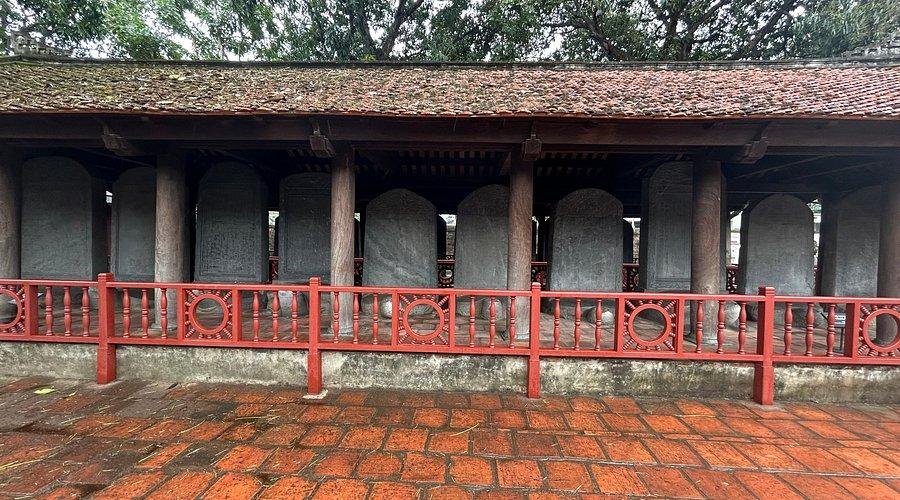
- Ornate roof ridges with intricate ceramic work
- Traditional door panels with carved or painted decorations
- Interior courtyards often containing bonsai gardens and decorative stones
Colonial Decorative Elements
- Wrought-iron balconies with elaborate patterns
- Decorative plasterwork on façades
- European-style moldings around windows and doors
- Ceramic floor tiles with geometric or floral patterns
- Terrazzo elements introduced during the late colonial period
The “36 Streets” and Guild Architecture
The Old Quarter is famously known as the “36 Streets” district, a reference to the 36 guild streets that historically specialized in specific trades. This commercial organization influenced the architecture in meaningful ways:
- Each street developed architectural features suited to its specialized trade
- Buildings on Hang Bac (Silver Street) included specialized workshops for silversmiths
- Structures on Hang Gai (Silk Street) featured distinctive display areas for textiles
- Houses on Hang Trong (Drum Street) had acoustically designed spaces
Today, many streets still specialize in particular products, continuing a tradition that has shaped the district for centuries. You can explore this aspect of the Old Quarter through our specialized walking tours.
Contemporary Challenges and Preservation Efforts
The architectural heritage of Hanoi’s Old Quarter faces significant challenges in the 21st century:
Preservation Challenges
- Rapid urbanization and development pressure
- Structural deterioration of aging buildings
- Modern needs for electricity, plumbing, and other utilities
- Commercial development sometimes at odds with heritage preservation
- Overcrowding putting strain on historic structures
Conservation Initiatives
In response to these challenges, several notable preservation efforts have emerged:
- The Hanoi Old Quarter Management Board oversees conservation activities
- UNESCO support for preserving the district’s cultural heritage
- Restoration projects for significant buildings like the Heritage House at 87 Ma May
- Heritage tourism development that provides economic incentives for preservation
- Educational initiatives to raise awareness about architectural heritage
Experiencing the Architecture of Hanoi Old Quarter
For visitors eager to explore this architectural treasure trove, here are some recommended approaches:
Self-Guided Walking Routes
The compact nature of the Old Quarter makes it perfect for walking tours:
- Heritage Building Route: Start at Hoan Kiem Lake, visit Bach Ma Temple, explore Heritage House at 87 Ma May, and continue to Dong Xuan Market
- Colonial Influence Route: Begin at St. Joseph’s Cathedral and explore streets with notable French architectural elements
- Guild Streets Exploration: Wander through streets like Hang Bac, Hang Gai, and Hang Trong to see how architecture adapted to different trades
Guided Architectural Tours
For deeper insights, consider joining a specialized architectural tour with knowledgeable guides who can explain the historical context and technical details of the buildings you’ll encounter.
Book our architectural walking tour of Hanoi Old Quarter to discover hidden gems with expert local guides.
Architectural Photography Tips
Photographers will find endless inspiration in the Old Quarter. Here are some tips for capturing its architectural essence:
- Early morning light brings out the texture and color of the buildings
- Look up to notice roof details, upper floor balconies, and decorative elements
- Capture contrasts between traditional and colonial styles
- Pay attention to doorways, which often showcase beautiful craftsmanship
- Include people to show how historic architecture remains part of daily life
FAQs About Hanoi Old Quarter Architecture
What is a tube house in Hanoi’s Old Quarter?
A tube house is a traditional Vietnamese urban dwelling characterized by its narrow facade (2-4 meters) and extreme depth (up to 100 meters). These houses were designed in response to taxes based on street frontage width and typically feature multiple courtyards for light and ventilation, wooden structural elements, and commercial space at street level with living quarters above and behind.
How did French colonial rule influence Hanoi’s architecture?
French colonial rule (1873-1954) introduced European architectural elements to Hanoi, resulting in the distinctive “Indochine” style. This fusion architecture features yellow ochre facades, louvered shutters, wrought-iron balconies, high ceilings, and decorative elements drawing from both European and Asian traditions. In the Old Quarter, many traditional buildings received new European-style facades while maintaining their traditional interior structures.
Why is it called the “36 Streets” district?
The Old Quarter is called the “36 Streets” district because it was historically organized into 36 guild streets, each specializing in a particular trade or product. This commercial specialization influenced the architecture of each street to accommodate specific crafts and businesses. While the actual number of streets now exceeds 36, many still maintain their traditional specializations and naming conventions (with many street names beginning with “Hang,” meaning merchandise or shop).
What are the best examples of preserved architecture in the Old Quarter?
The best-preserved examples of traditional architecture in the Old Quarter include the Heritage House at 87 Ma May Street (a fully restored merchant’s house), Bach Ma Temple (one of the oldest temples in Hanoi), and numerous communal houses and shophouses throughout the district. For colonial influences, St. Joseph’s Cathedral at the edge of the Old Quarter and many modified shophouses along Hang Trong and Hang Gai streets showcase the French architectural legacy.
Conclusion: A Living Architectural Museum
The architecture of Hanoi’s Old Quarter is more than just a collection of historical buildings—it’s a living record of Vietnam’s complex cultural journey. From traditional tube houses to French-influenced façades, each structure tells a story of adaptation, resilience, and cultural exchange.
As the city continues to evolve in the 21st century, the preservation of this architectural heritage becomes increasingly important. By understanding and appreciating these historical buildings, visitors and locals alike can help ensure that the unique character of the Old Quarter endures for generations to come.
Whether you’re an architecture enthusiast, a history buff, or simply someone who appreciates beautiful urban landscapes, the Old Quarter offers a fascinating glimpse into the architectural soul of Vietnam.
Experience Hanoi’s Old Quarter Architecture with Expert Guides
Discover the hidden architectural gems of Hanoi’s historic district with our specialized walking tours. Our knowledgeable local guides will take you beyond the tourist sites to explore authentic heritage buildings and explain the fascinating stories behind them.
For more insights into Hanoi’s cultural treasures, explore our guides to the history and culture of the Old Quarter and discover the contrasts between the French Quarter and Old Quarter.


