
The Hanoi Old Quarter Tour is one of the most meaningful ways to understand the soul of Vietnam’s capital.
More than just a collection of narrow streets, the Old Quarter is a living museum where history, daily life, food, and culture blend naturally.
Walking here feels like stepping into a story that has been unfolding for over a thousand years.
In this guide, we share the first half of a complete, honest, and experience-based look at the Old Quarter — from its origins and famous guild streets
to the small moments that make travelers fall in love with Hanoi.
If you are planning your first visit, you may also like our
Hanoi Old Quarter Walking Tour,
designed for travelers who want to explore slowly and responsibly.
Contents
- 1 Introduction to the Hanoi Old Quarter
- 2 History of the Hanoi Old Quarter
- 3 The Famous Streets of Hanoi Old Quarter
- 4 Why Start Your Hanoi Journey in the Old Quarter
- 5 Top Highlights on a Hanoi Old Quarter Tour
- 6 Hanoi Old Quarter Food Experience
- 7 Best Ways to Experience the Hanoi Old Quarter
- 8 Practical Tips for Visiting Hanoi Old Quarter
- 9 Why Choose a Guided Hanoi Old Quarter Tour
- 10 FAQs About Hanoi Old Quarter Tour
- 11 Final Thoughts: The Living Heart of Hanoi
Introduction to the Hanoi Old Quarter
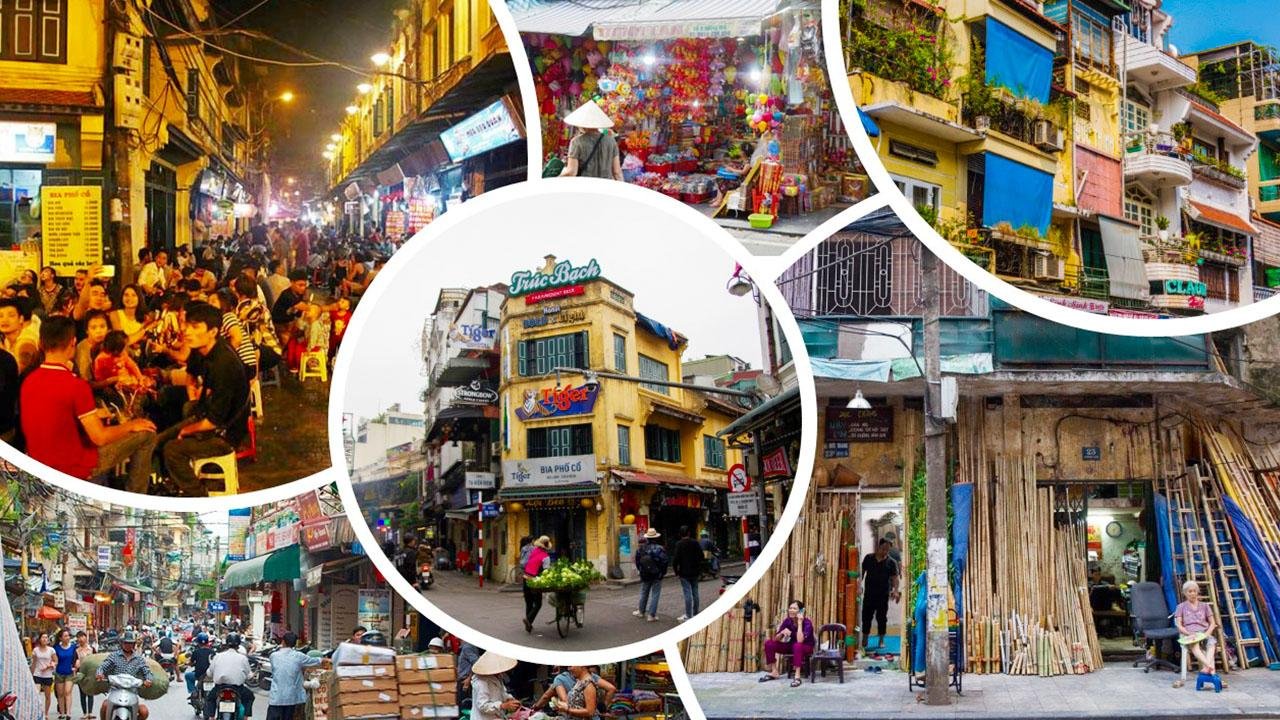
Located just north of Hoan Kiem Lake, the Hanoi Old Quarter is the historical heart of the city.
This area is famous for its dense layout, traditional tube houses, buzzing street life, and centuries-old trade traditions.
Unlike modern districts with wide roads and glass buildings, the Old Quarter remains human in scale.
You will see locals cooking breakfast on the sidewalk, craftsmen repairing silver jewelry, and elderly residents chatting over tea —
all within a few steps of trendy cafés and boutique shops.
“The Old Quarter is not a place you simply visit — it’s a place you feel, hear, smell, and slowly understand.”
For travelers who want a deeper context before arriving, the
Vietnam National Administration of Tourism
provides useful background on Hanoi’s cultural heritage.
History of the Hanoi Old Quarter
The history of the Old Quarter dates back to the Ly and Tran dynasties, when Thang Long (the ancient name of Hanoi)
became the political and economic center of northern Vietnam. Artisans from surrounding villages moved here to trade their goods,
forming specialized streets based on crafts and products.
This system gave birth to what travelers now call the “36 Guild Streets”.
Each street focused on one main trade — silver, paper, silk, bamboo, herbs — although in reality, there were more than 36.

Origins of the 36 Guild Streets
Street names in the Old Quarter usually begin with the word “Hang”, meaning “goods” or “merchandise.”
For example:
- Hang Bac – silver crafting
- Hang Ma – ceremonial paper goods
- Hang Gai – silk and textiles
Even today, many of these streets still reflect their original purpose,
making the Old Quarter one of the few places in Southeast Asia where ancient trade patterns remain visible.
French Colonial Influence
During the French colonial period, new architectural elements were introduced,
especially at the edges of the Old Quarter. Balconies, shuttered windows, and pastel façades
quietly blended with traditional Vietnamese tube houses.
This mix of Asian and European design gives the Old Quarter its unique visual character.
For a deeper look at this architectural contrast, our
French Quarter Hanoi Walking Tour
complements an Old Quarter visit perfectly.
The Famous Streets of Hanoi Old Quarter
Exploring the Hanoi Old Quarter streets is best done on foot.
Distances are short, but discoveries are endless. Each street has its own rhythm, scent, and personality.
Hang Bac Street (Silver Street)
Hang Bac has been the center of silver craftsmanship for centuries.
Today, you can still watch artisans engraving rings and bracelets by hand,
often working in family shops passed down through generations.

Hang Ma Street (Paper & Decorations)
Bright, colorful, and festive, Hang Ma is where Hanoi prepares for celebrations.
Paper lanterns, lucky red envelopes, and ceremonial items fill the street,
especially before Lunar New Year and Mid-Autumn Festival.
Visiting Hang Ma offers insight into Vietnamese beliefs about family, ancestors, and good fortune —
details often missed on rushed sightseeing itineraries.
Hang Gai Street (Silk Street)
Known as Silk Street, Hang Gai is popular with travelers looking for quality souvenirs.
Here you’ll find tailored áo dài, silk scarves, and handicrafts that reflect Vietnam’s textile heritage.
If shopping is part of your plan, our guide on
best places to go in Hanoi
includes tips on choosing authentic products and supporting local artisans.
Why Start Your Hanoi Journey in the Old Quarter
The Old Quarter is the best place to begin understanding Hanoi because everything starts here —
food culture, street life, trade, and community. You don’t need luxury or speed; you need curiosity and time.
Many travelers tell us that their most memorable moments weren’t famous landmarks,
but small interactions: sharing a plastic stool with locals,
learning how to cross the street, or getting lost and enjoying it.
Ready to experience it yourself?
Book a guided Hanoi Old Quarter Tour
with Vietnam Travelers and explore with local insight, safety, and respect.
We’d love to hear from you — have you visited the Hanoi Old Quarter before?
What street or moment stayed with you the longest?
Leave a comment, ask a question, or share your experience with fellow travelers.
Top Highlights on a Hanoi Old Quarter Tour
Beyond the famous streets, a well-paced Hanoi Old Quarter Tour reveals landmarks and everyday scenes that define local life.
These highlights are not about ticking boxes — they are about understanding how history and daily routines overlap.
Hoan Kiem Lake & Ngoc Son Temple
Sitting at the southern edge of the Old Quarter, Hoan Kiem Lake acts as a calm pause between the old and new city.
Early in the morning, locals practice tai chi and jogging, while evenings are filled with couples and families enjoying cooler air.

Ngoc Son Temple, reached by a red wooden bridge, tells the legend of the sacred sword — a story deeply rooted in Vietnamese identity.
For historical accuracy and cultural background, you may also refer to
UNESCO cultural heritage resources.
Dong Xuan Market
Dong Xuan Market is the largest traditional market in Hanoi.
It is loud, crowded, and wonderfully real. Here you’ll find everything from dried seafood and spices to clothing and household goods.

Visiting the market with a local guide helps you understand pricing, customs, and food culture.
If markets interest you, our
Hanoi City Walking Tour
includes Dong Xuan as a key stop.
Ancient Houses & Hidden Alleys
One of the most overlooked highlights of the Old Quarter is its hidden alleys.
Behind busy storefronts are shared courtyards where multiple families live together —
a reminder that this area is not a theme park, but a real neighborhood.
“The quiet alleys show you how Hanoi lives, not just how it looks.”
Hanoi Old Quarter Food Experience
Food is inseparable from the Old Quarter. Many iconic Hanoi dishes were born here,
shaped by simplicity, balance, and generations of practice.
Must-Try Dishes in the Old Quarter
- Pho Bo – beef noodle soup, best enjoyed early morning
- Bun Cha – grilled pork with noodles and herbs
- Banh Mi – crispy baguette with Vietnamese fillings
- Egg Coffee – a Hanoi specialty you shouldn’t miss

Street food stalls may look simple, but hygiene and freshness matter.
Choose busy spots with high local turnover, or explore safely with our
Hanoi Night Tour,
which combines food, culture, and stories.
Best Ways to Experience the Hanoi Old Quarter
There is no single “right” way to explore the Old Quarter.
The best option depends on your pace, interests, and comfort level.
Walking Tours
Walking is the most immersive way to experience the Old Quarter.
You can stop easily, talk to locals, and notice small details.
Our
Old Quarter Walking Tour
focuses on culture, history, and ethical travel — no rushing, no shopping pressure.
Cyclo & Vespa Tours
For travelers who prefer comfort, cyclo and Vespa tours offer a relaxed perspective.
These are ideal for photography and first-time visitors.
Explore more options on our
Cyclo Tour Hanoi
and
Vespa Tour Hanoi pages.
Practical Tips for Visiting Hanoi Old Quarter
- Best time to visit: Early morning or late afternoon
- Dress code: Light, modest clothing; comfortable shoes
- Crossing streets: Walk slowly and confidently — traffic flows around you
- Cash: Small bills are useful for street food and local shops
For up-to-date visitor information, the
Hanoi City Portal
is a reliable official source.
Why Choose a Guided Hanoi Old Quarter Tour
A guided tour helps you avoid common misunderstandings and supports responsible tourism.
At Vietnam Travelers, we work with local guides who respect residents, traditions, and sustainability.
Contact us
to customize your Hanoi Old Quarter experience or combine it with nearby destinations.
FAQs About Hanoi Old Quarter Tour
Is the Hanoi Old Quarter safe for tourists?
Yes. The area is generally safe, especially during the day and early evening.
Like any busy district, keep an eye on personal belongings.
How long should I spend in the Old Quarter?
At least half a day is recommended, but many travelers enjoy returning multiple times
to explore food, markets, and night life.
Can I explore the Old Quarter without a guide?
Absolutely — but a guide adds cultural context and helps you notice details you might otherwise miss.
Final Thoughts: The Living Heart of Hanoi
The Old Quarter is not frozen in the past. It evolves every day while holding onto its roots.
A thoughtful Hanoi Old Quarter Tour allows you to connect with real people,
real stories, and a way of life shaped by time.
Have questions, memories, or tips of your own?
Share them in the comments — your experience may inspire another traveler.
Travel with care. Explore with curiosity.
Let Vietnam Travelers guide your journey.


