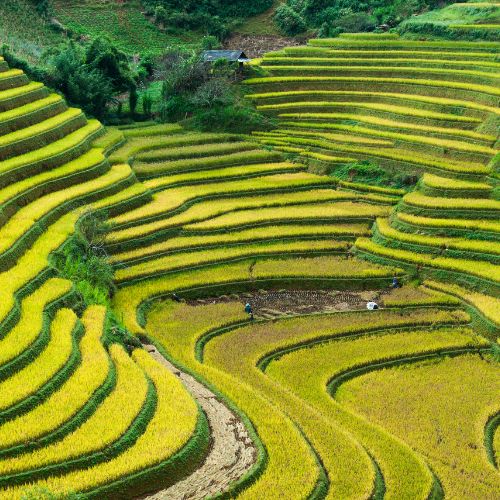

Hanoi, with its blend of ancient charm and modern vibrancy, offers an exhilarating experience for cyclists looking to discover the city from a unique perspective. Navigating through the labyrinthine Old Quarter, pedaling alongside serene lakes, or venturing into the lush countryside – cycling in Hanoi provides an intimate connection with Vietnam’s captivating capital that few other modes of transportation can match.

In this comprehensive guide, we’ll walk you through everything you need to know about cycling in Hanoi – from the best routes and rental options to essential safety tips and cultural etiquette. Whether you’re a seasoned cyclist or a curious traveler seeking authentic experiences, this guide will help you navigate Hanoi’s vibrant streets with confidence and joy.
Contents
- 1 Why Choose Cycling in Hanoi?
- 2 Understanding Hanoi’s Cycling Environment
- 3 Best Cycling Routes in Hanoi
- 4 Bicycle Rental and Tour Options
- 5 Essential Safety Tips for Cycling in Hanoi
- 6 Cultural Etiquette for Cyclists in Hanoi
- 7 Seasonal Cycling Calendar for Hanoi
- 8 FAQ About Cycling in Hanoi
- 9 Integrating Cycling with Other Transport Options
- 10 Final Tips for an Unforgettable Hanoi Cycling Experience
- 11 Ready to Explore Hanoi on Two Wheels?
Why Choose Cycling in Hanoi?
Before diving into the practical aspects, let’s explore why cycling has become increasingly popular among both locals and tourists in Hanoi:
- Authentic immersion: Cycling allows you to experience Hanoi at street level, engaging all your senses with the sights, sounds, and aromas of daily life
- Freedom and flexibility: Stop whenever something catches your eye, change your route spontaneously, and explore hidden corners that tour buses can’t reach
- Eco-friendly exploration: Contribute to sustainable tourism while reducing your carbon footprint
- Cultural connection: Join the thousands of locals who use bicycles daily, experiencing Hanoi as a participant rather than a spectator
- Physical activity: Combine sightseeing with exercise, balancing out those delicious Vietnamese food adventures

Understanding Hanoi’s Cycling Environment
Hanoi’s traffic might appear chaotic to newcomers, but there’s an organic flow once you understand its rhythms. Here’s what to expect:
Traffic Patterns and Culture
Traffic in Hanoi moves like a fluid river, with motorbikes, cars, bicycles, and pedestrians all sharing the same space. Unlike Western countries with strict lane discipline, vehicles in Hanoi negotiate space continuously. This might seem intimidating initially, but the traffic typically moves slowly in the city center, making it more manageable than it appears.
“In Hanoi, traffic is a dance – it’s about constant communication through movement. Once you understand the rhythm, cycling becomes less daunting and more exhilarating.” – Sarah, Canadian cyclist who spent three months exploring Hanoi by bike
Weather Considerations
Hanoi experiences distinct seasons that affect cycling conditions:
- Spring (February-April): Pleasant temperatures but occasionally drizzly, requiring light rain gear
- Summer (May-August): Hot and humid with sudden downpours. Early morning or evening rides recommended
- Fall (September-November): The golden season for cycling with comfortable temperatures and clearer skies
- Winter (December-January): Cool and sometimes misty, requiring layers but still comfortable for cycling
Best Cycling Routes in Hanoi
From scenic lakeside paths to cultural heritage sites, Hanoi offers diverse cycling routes for all preferences and fitness levels:
Urban Exploration Routes
1. West Lake Loop (Hồ Tây)
- Distance: Approximately 17 km around the perimeter
- Difficulty: Easy to moderate
- Highlights: Tran Quoc Pagoda, Quan Thanh Temple, numerous cafes and restaurants with lake views
- Best time: Early morning (5-7 AM) to catch the sunrise and avoid traffic
West Lake provides one of the most refreshing cycling experiences in Hanoi. The relatively flat route offers continuous views of Vietnam’s largest urban lake, with plenty of opportunities to stop for coffee or photos. This route is particularly popular among expats and fitness enthusiasts.

2. Old Quarter Cultural Circuit
- Distance: 5-7 km depending on detours
- Difficulty: Moderate (due to navigation and traffic)
- Highlights: 36 ancient streets, Bach Ma Temple, Dong Xuan Market, Train Street
- Best time: Early Sunday mornings or weekday evenings after 7 PM
Weaving through the historic heart of Hanoi, this route offers a sensory journey through specialized craft streets named after their traditional trades. Navigate narrow alleys, discover hidden temples, and witness daily life in Hanoi’s most characterful district. While traffic can be challenging, the cultural rewards are immense.
3. French Quarter Architectural Route
- Distance: 8-10 km
- Difficulty: Easy
- Highlights: Opera House, St. Joseph’s Cathedral, Hoan Kiem Lake, historic French colonial buildings
- Best time: Weekday mornings or Sunday afternoons
This route showcases Hanoi’s elegant colonial architecture with wider streets and more orderly traffic than the Old Quarter. The tree-lined boulevards provide shade during hot days, making this a comfortable urban cycling option year-round.
Countryside Escape Routes
1. Red River Dyke Route
- Distance: 15-25 km (adjustable)
- Difficulty: Easy to moderate
- Highlights: Rural villages, vegetable farms, riverside scenery, pottery villages
- Best time: Weekday mornings
Follow the elevated dyke road along the Red River to escape urban Hanoi and discover rural communities just minutes from the city center. This relatively flat route offers a glimpse into agricultural life and traditional crafts, with far less traffic than urban areas.
2. Bat Trang Pottery Village Loop
- Distance: 30-35 km round trip
- Difficulty: Moderate
- Highlights: Traditional pottery workshops, ceramic shopping, rural scenery
- Best time: Weekday mornings (avoid weekends when tourist buses are common)
This route combines cultural exploration with rural cycling as you head to one of Vietnam’s most famous craft villages. Watch artisans create beautiful ceramics using techniques passed down through generations, and bring home unique souvenirs directly from the creators.

3. Co Loa Ancient Citadel Circuit
- Distance: 40-45 km round trip
- Difficulty: Moderate to challenging
- Highlights: 2000-year-old citadel ruins, historical site, rural villages
- Best time: Early morning on weekdays
This historically significant route takes you to the ancient spiral-shaped citadel of Co Loa, which dates back to the 3rd century BCE. The journey passes through scenic countryside and small villages, offering both cultural and natural attractions.
Bicycle Rental and Tour Options
Where to Rent Bicycles in Hanoi
Several reliable options exist for renting bicycles in Hanoi:
- Vietnam Travelers: Offers high-quality mountain and city bikes with delivery to your hotel
- Hanoi Bicycle Collective: Specializes in higher-end road bikes and provides excellent maintenance
- Old Quarter bike shops: Several small rental shops offer basic city bikes at budget prices
- Hotels and hostels: Many accommodations provide complimentary or low-cost bicycle rentals for guests
Rental prices typically range from 50,000 to 200,000 VND per day (approximately $2-8 USD) depending on the bicycle quality and rental duration.
Guided Cycling Tours
For those wanting local expertise and pre-planned routes, several companies offer guided cycling tours:
- Hanoi Hidden Gems Tour: 4-hour guided tour through lesser-known neighborhoods and Banana Island
- Countryside Experience Tour: Full-day excursion to rural villages and farms outside Hanoi
- Evening Food Cycling Tour: Combines cycling with stops at local food vendors for an authentic culinary experience
Essential Safety Tips for Cycling in Hanoi
While cycling in Hanoi can be safe and enjoyable, taking proper precautions is essential:
- Flow with traffic: Move steadily and predictably, avoiding sudden stops or changes in direction
- Use hand signals: Indicate turns early and clearly
- Make eye contact: Establish visual connection with drivers to ensure they’ve seen you
- Avoid peak hours: If possible, plan your cycling during less congested times (9:30-11:30 AM, 1:30-4:30 PM)
- Stay visible: Wear bright clothing during the day and use lights at night

Health and Comfort
- Stay hydrated: Carry water, especially during summer months
- Protect from sun: Apply sunscreen and consider arm covers for extended rides
- Wear a mask: Consider a light pollution mask during high traffic periods
- Dress appropriately: Light, breathable clothing with consideration for local modesty standards
- Check the weather: Be prepared for sudden rain showers, especially during summer
Equipment and Security
- Helmet use: Though not common among locals, helmets are strongly recommended
- Lock security: Use quality locks and secure bicycles to immovable objects
- Basic tool kit: Carry a small repair kit for minor issues
- Download maps: Have offline maps available as backup navigation
Cultural Etiquette for Cyclists in Hanoi
Understanding local customs enhances your cycling experience and shows respect for the community:
- Modest dress: Despite the heat, avoid very short shorts or revealing tops
- Photography etiquette: Ask permission before photographing people, especially in rural areas
- Temple visits: Bring a light covering for shoulders and knees when visiting religious sites
- Traffic patience: Avoid showing frustration in traffic situations – calm navigation is valued
- Rural hospitality: If invited for tea during countryside rides, accepting shows appreciation
Seasonal Cycling Calendar for Hanoi
Plan your cycling adventures according to Hanoi’s seasonal highlights:
January-February
Cooler temperatures make for comfortable daytime riding. Tet (Lunar New Year) celebrations transform the city with flowers and decorations, though cycling should be avoided during the actual holiday due to closures.
March-April
Spring brings mild weather and blooming flowers. This is an excellent time for longer countryside rides to witness fruit blossoms and spring planting activities.
May-August
Hot and humid with frequent rain showers. Early morning rides to lakes and shaded routes are recommended. The Red River route offers cooling breezes during hot days.
September-November
Prime cycling season with clear skies and comfortable temperatures. Countryside routes showcase golden rice harvests in October, offering spectacular photo opportunities.
December
Cooler temperatures return, sometimes with misty mornings that create an atmospheric backdrop for urban cycling. Holiday decorations add festive charm to city routes.
FAQ About Cycling in Hanoi
Is cycling in Hanoi safe for tourists?
Yes, cycling in Hanoi can be safe for tourists who take proper precautions. Start with quieter routes like West Lake or the French Quarter to build confidence before tackling busier areas. Following local traffic patterns and cycling during less congested hours significantly increases safety.
Copy
What type of bicycle is best for Hanoi?
A city bike or hybrid bike with slightly wider tires works best for Hanoi’s varied surfaces. Mountain bikes are ideal if you plan countryside excursions. Ensure your bike has working brakes and lights if you’ll be riding after dark.
When is the best time of day to cycle in Hanoi?
Early mornings (5-7 AM) offer the most peaceful cycling experience with minimal traffic and cooler temperatures. Late evenings after 7 PM are also good, especially around lakes and in the Old Quarter when traffic diminishes. Avoid rush hours: 7-9 AM and 4:30-6:30 PM.
Are there bicycle lanes in Hanoi?
Dedicated bicycle lanes are limited in Hanoi, with just a few sections around West Lake and newer urban areas. Most cycling is done sharing the road with other vehicles, which works better than it might seem due to the generally slow traffic speed in central areas.
How should I handle intersections in Hanoi?
Approach intersections slowly and make eye contact with other drivers. Cross steadily without sudden movements or stops. Often, it works best to join a group of locals crossing and move with them. Remember that in Hanoi’s traffic, predictability is more important than right-of-way.
Integrating Cycling with Other Transport Options
For a comprehensive Hanoi experience, consider combining cycling with other transportation methods:
- Cycling + Walking: Park your bicycle to explore narrow alleys and markets on foot
- Cycling + Public Bus: Some city buses accommodate bicycles for longer journeys
- Cycling + Train: Consider taking the train to outlying areas and cycling back to the city
- Multi-day options: Use Hanoi as a base for longer cycling adventures to destinations like Mai Chau or Ninh Binh
Final Tips for an Unforgettable Hanoi Cycling Experience
- Start small: Begin with shorter, easier routes to build confidence
- Connect with local cyclists: Join Facebook groups like “Hanoi Bicycle Collective” to find group rides
- Capture memories: A handlebar phone mount allows for easy photo opportunities
- Embrace spontaneity: Some of the best experiences come from unplanned detours
- Support local businesses: Stop at small cafes and food stalls along your route

Ready to Explore Hanoi on Two Wheels?
Cycling in Hanoi offers a unique blend of urban adventure, cultural immersion, and physical activity that creates lasting memories of Vietnam’s captivating capital. From the tranquil shores of West Lake to the bustling energy of the Old Quarter, experiencing Hanoi by bicycle connects you with the city’s rhythms in ways that other transportation cannot match.
Whether you’re planning a self-guided exploration or prefer the insights of a guided tour, Hanoi’s diverse cycling routes accommodate all interests and ability levels.
Ready to experience Hanoi from a cyclist’s perspective?
Book one of our guided bicycle tours or arrange quality bicycle rentals for your independent adventure. Our local experts can help you discover the perfect routes for your interests and cycling experience.
Contact us today: info@vietnamtravelers.com or call +84962819091 to start planning your Hanoi cycling adventure!
Have you cycled in Hanoi before? We’d love to hear about your experiences and favorite routes in the comments below! Share your tips to help fellow travelers discover the joy of exploring Vietnam’s capital on two wheels.
Read more: The Ultimate Guide to Planning a Hanoi to Saigon Motorbike Trip