
Article brief
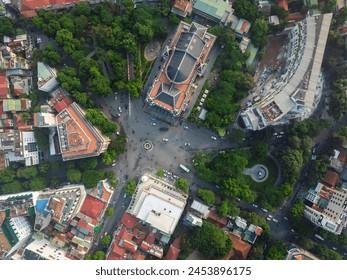
Nestled in the heart of Vietnam's capital, the Hanoi Old Quarter stands as a living museum where centuries of history, diverse cultural influences, and traditional ways of life converge in a vibrant tapestry.
Route flow, hotel placement and transfer timing are the three decisions that shape the whole trip.
Nestled in the heart of Vietnam’s capital, the Hanoi Old Quarter stands as a living museum where centuries of history, diverse cultural influences, and traditional ways of life converge in a vibrant tapestry. This ancient district, with its labyrinthine streets and distinctive tube houses, offers visitors a fascinating glimpse into Vietnam’s rich architectural heritage and cultural evolution.
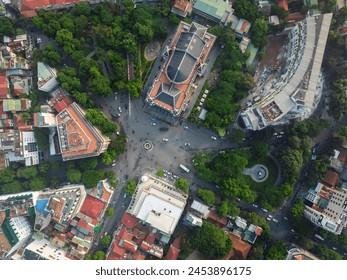
Dating back to the 13th century during the Ly Dynasty, the Old Quarter has weathered wars, colonization, and modernization while maintaining its unique character. Today, we’ll explore how the architecture and culture of this historic district tell the story of Hanoi’s past while remaining a vibrant part of its present.
The Historical Evolution of Hanoi’s Old Quarter
To understand the architectural significance of the Old Quarter, we must first appreciate its historical development. Originally established as a crafts and commerce hub near the Imperial Citadel of Thang Long, the area evolved into 36 streets named after the specific trades once practiced there.
“The 36 streets of Hanoi Old Quarter represent an ancient commercial model where each guild concentrated their businesses on a single street. This organization created a unique urban planning system that has persisted for centuries.” – Vietnamese Historical Society
This guild-based organization gave birth to street names that reflect their original trades:
- Hang Bac (Silver Street): Traditional silversmiths and jewelry
- Hang Gai (Hemp Street): Once sold hemp products, now famous for silk
- Hang Thiec (Tin Street): Tinsmithing and metalwork
- Hang Mam (Fish Sauce Street): Traditional condiments and preserved foods
- Hang Trong (Drum Street): Traditional drums and musical instruments
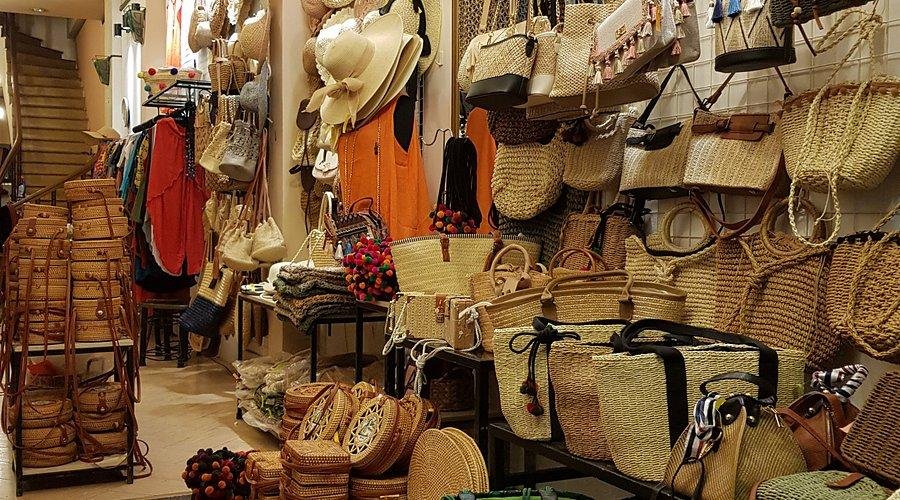
Though modern businesses have diversified, many streets still specialize in their traditional wares, creating a shopping experience steeped in history and authenticity.
Architectural Marvels: The Tube Houses of Hanoi
Perhaps the most distinctive architectural feature of the Old Quarter is its famous “tube houses” (nhà ống). These narrow buildings with strikingly small frontages (sometimes just 2-4 meters wide) extend dramatically backward, often reaching 50-60 meters in depth.
This unusual design resulted from historical tax policies during the 15th century, when property taxes were based on street frontage width. To minimize tax burdens while maximizing living space, merchants developed these ingeniously narrow but deep structures.
Typical characteristics of traditional tube houses include:
- Multiple courtyards that provide natural light and ventilation
- Successive compartments serving different functions (shop front, living area, kitchen, etc.)
- Family altars placed in prominent positions within the home
- Wooden architecture with intricate carvings and decorative elements
- Steep staircases connecting multiple floors
For an excellent example of this traditional architecture, visitors should explore the Heritage House at 87 Ma May Street, a beautifully preserved 19th-century tube house now open as a museum.
French Colonial Influences in the Old Quarter
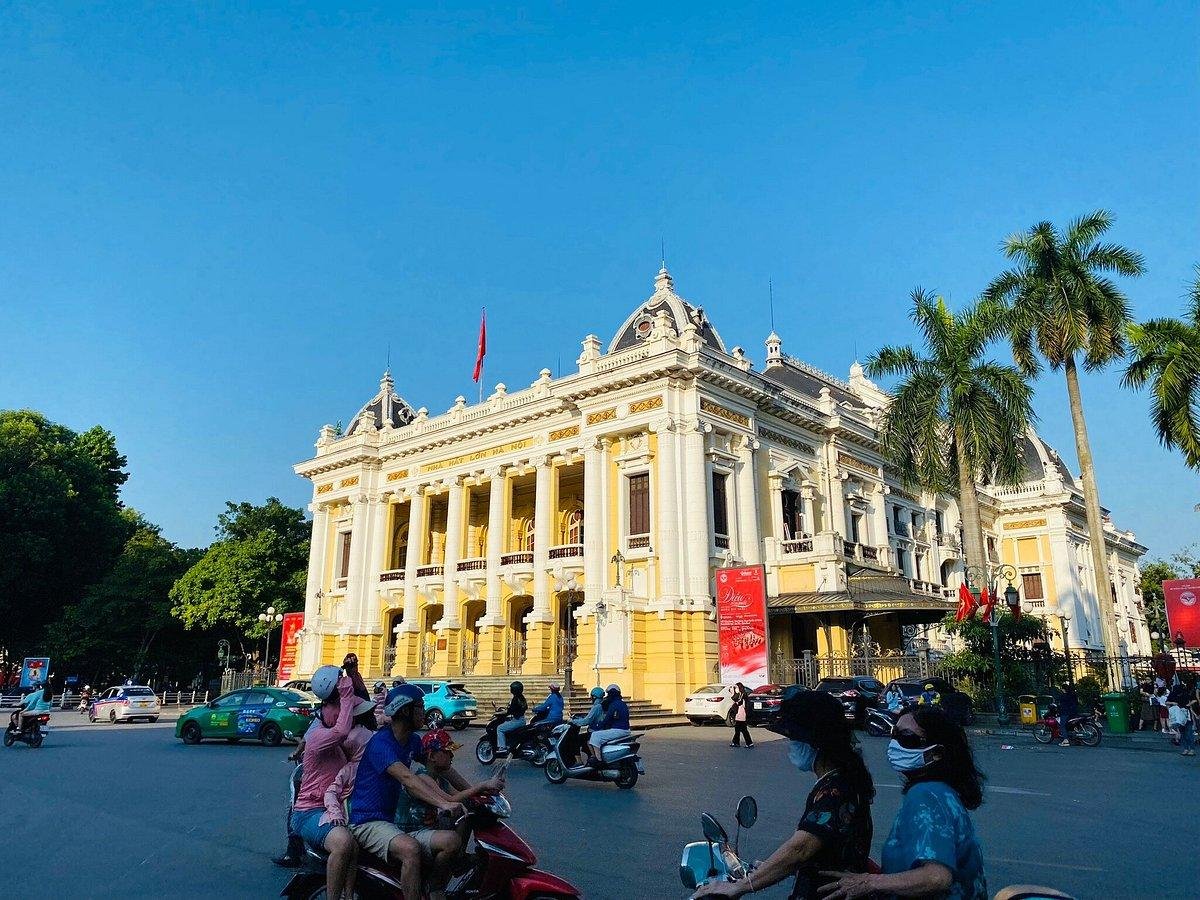
The architectural diversity of Hanoi’s Old Quarter was significantly enriched during the French colonial period (1887-1954). While preserving its traditional Vietnamese core, the district acquired numerous colonial elements that created the fascinating fusion style we see today.
French influences are evident in:
- Yellow-washed facades with green shutters and wrought-iron balconies
- Art deco details and decorative elements on building exteriors
- Wider streets and boulevards cutting through the traditional narrow lanes
- European-style cafés and bakeries that have become part of Hanoi’s food culture
- The iconic St. Joseph’s Cathedral, built in 1886 in a neo-Gothic style
This architectural blending creates a distinctive atmosphere that sets Hanoi apart from other Southeast Asian capitals. The contrast between the French Quarter and Old Quarter provides visitors with a fascinating study in cultural integration and architectural evolution.
Living Heritage: Daily Life and Cultural Practices
What makes the Old Quarter truly special is that it remains a living cultural center rather than simply a preserved historical district. Approximately 76,000 residents still call this area home, maintaining traditions and lifestyles that span generations.
“The Old Quarter isn’t just about buildings and streets—it’s about people and their daily rhythms. Early mornings with elderly residents practicing tai chi by Hoan Kiem Lake, shopkeepers arranging their wares, and the scent of phở simmering in countless tiny kitchens—this is the true cultural heritage of Hanoi.” – Nguyen Thi Minh, local historian
Cultural elements that animate the Old Quarter include:
Traditional Commerce and Craftsmanship
Despite modernization, many families in the Old Quarter continue practicing traditional crafts passed down through generations. Visitors can observe silversmiths, embroiderers, wood carvers, and other artisans working with techniques that have remained largely unchanged for centuries.
The traditional shopping experience here differs greatly from modern retail, with bargaining expected and relationships between regular customers and shopkeepers forming an important social bond.
Religious Practices and Community Rituals
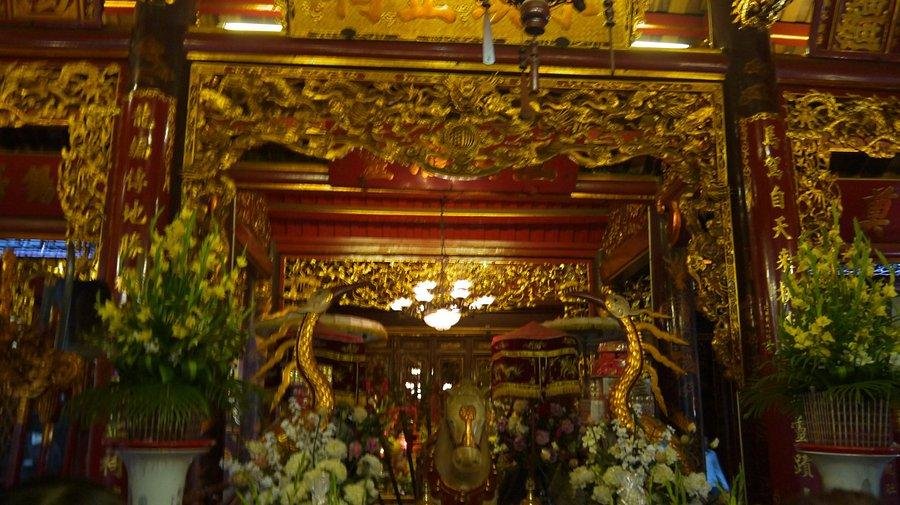
Scattered throughout the Old Quarter are numerous small temples, communal houses (đình), and shrines that serve as centers for religious and community life. Notable examples include:
- Bach Ma Temple (White Horse Temple) – believed to be the oldest temple in Hanoi
- Đình Kim Ngân – a guild house for silversmiths built in the 18th century
- Quan Đế Temple on Hang Buom Street – dedicated to a Chinese deity
These sacred spaces host regular ceremonies, festivals, and community gatherings that maintain cultural continuity and social cohesion within the Old Quarter.
Culinary Traditions
The Old Quarter’s food culture represents one of its most vibrant cultural expressions. Tiny street-side eateries, many operating from the same location for decades, serve regional specialties with recipes passed down through generations.
Iconic Old Quarter culinary experiences include:
- Phở – Vietnam’s famous noodle soup, with some shops operating before dawn
- Bún chả – grilled pork with rice noodles, famously enjoyed by Anthony Bourdain and President Obama
- Egg coffee (cà phê trứng) – a Hanoi specialty invented during milk shortages
- Bánh cuốn – delicate steamed rice rolls filled with seasoned ground pork
The food landscape of the Old Quarter offers visitors an authentic taste of northern Vietnamese cuisine and insight into daily social rituals centered around meals.
Challenges and Preservation Efforts
The architectural and cultural heritage of Hanoi’s Old Quarter faces significant preservation challenges in the 21st century. Rapid modernization, tourism pressures, and changing lifestyles all threaten the district’s authentic character.
Key challenges include:
- Structural deterioration of historic buildings
- Population density causing stress on aging infrastructure
- Commercial development replacing traditional businesses
- Traffic congestion and pollution
- Balance between tourism and authentic local life
In response, both governmental and community initiatives have emerged to protect this irreplaceable heritage. The Hanoi Old Quarter Management Board works to identify and preserve significant historic structures, while various NGOs collaborate with residents on sustainable preservation approaches.
Projects like the joint Vietnamese-French heritage preservation program have helped restore several historic buildings while implementing community-based tourism that benefits local residents rather than displacing them.
Experiencing the Architecture and Culture of the Old Quarter
For visitors looking to deeply engage with the architecture and culture of Hanoi’s Old Quarter, we recommend these authentic experiences:
1. Walking Tours
The narrow streets and hidden architectural gems of the Old Quarter are best discovered on foot. Consider joining a specialized walking tour focused on architecture and cultural history, or explore independently with a good map marking key heritage buildings.
Early morning (around 6-7 AM) offers a special glimpse into local life before the tourist crowds arrive, while evening brings a different energy with night markets and illuminated historic facades.
2. Heritage Museums and Buildings
Several preserved historic houses offer insight into traditional architecture and lifestyles:
- Heritage House (87 Ma May Street) – mentioned earlier, an excellent example of a traditional tube house
- Ancient House (38 Hang Dao) – a beautifully maintained merchant family home
- Vietnamese Women’s Museum – though not in a historic building, provides cultural context
3. Cultural Workshops and Interactions
To move beyond passive observation, consider:
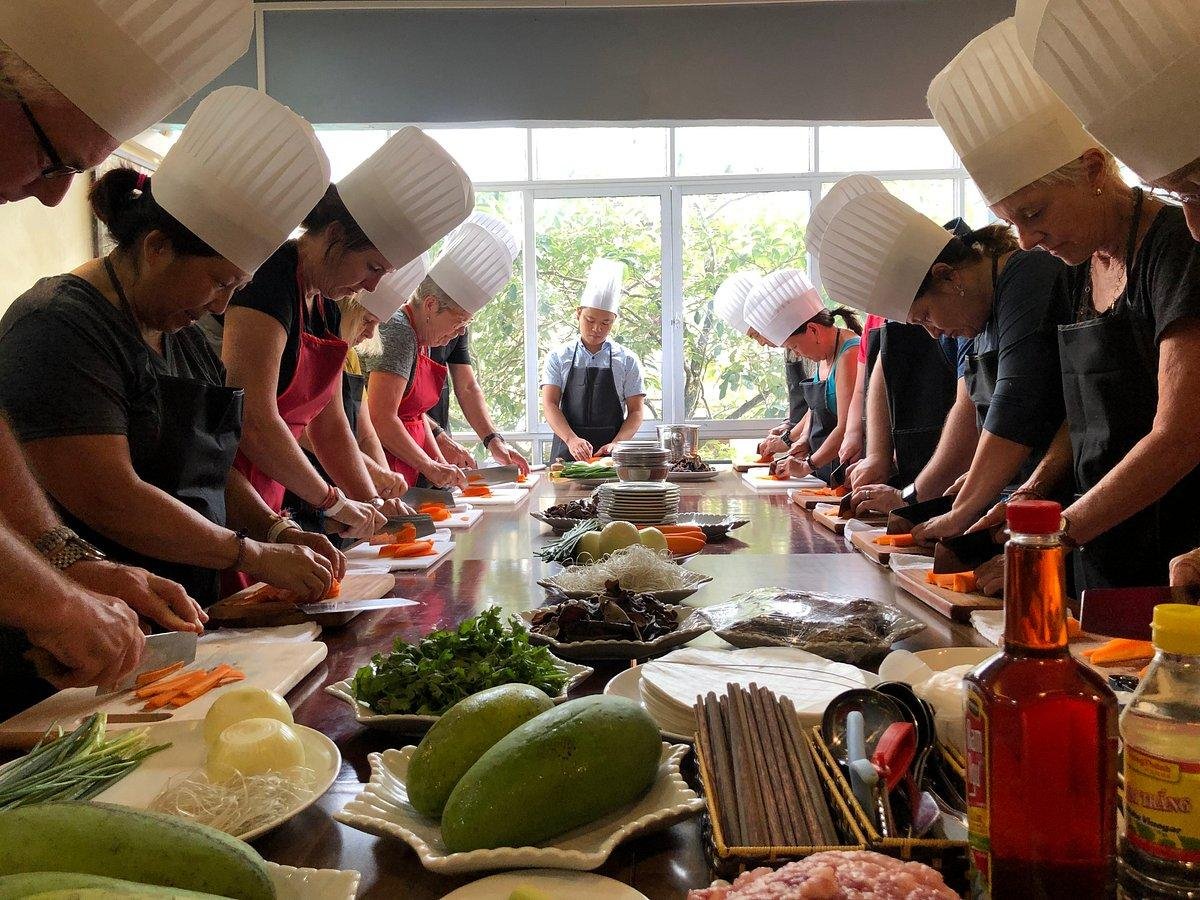
- Attending a Vietnamese cooking class in a traditional Old Quarter home
- Participating in craft workshops with local artisans
- Joining a tea appreciation ceremony
- Experiencing a water puppet performance, an art form dating back to the 11th century
4. Seasonal Festivals
If your visit coincides with traditional Vietnamese festivals, the Old Quarter comes alive with special cultural expressions:
- Tết (Lunar New Year) – the most important Vietnamese celebration
- Mid-Autumn Festival – featuring colorful lanterns and mooncakes
- Tet Trung Thu – children’s festival with lion dances
During these times, many historic buildings display traditional decorations, and community rituals become more visible to visitors.
Frequently Asked Questions About Hanoi Old Quarter’s Architecture and Culture
What is the best time to visit Hanoi Old Quarter for architectural photography?
Early morning (6-8 AM) offers beautiful soft light and fewer crowds, making it ideal for architectural photography. The golden hour before sunset also creates magnificent lighting conditions, particularly on the yellow-washed colonial buildings.
Are there any restrictions on photographing historic buildings in the Old Quarter?
Most exterior photography is permitted, but always ask permission before photographing inside private homes, businesses, or religious sites. Some temples and historic sites may charge a small fee for photography or prohibit tripods.
How can I tell the difference between authentic historic architecture and newer replicas?
Look for weathered wood, traditional joinery without nails, aged brickwork, and patina on surfaces. Many authentic buildings show signs of multiple renovations over centuries. The Hanoi Heritage Board has also placed small plaques on buildings of significant historical value.
Is it possible to stay in a traditional tube house?
Yes, several boutique hotels and guesthouses in the Old Quarter operate in renovated historic buildings, allowing visitors to experience traditional architecture firsthand. Some boutique hotels specifically highlight their architectural heritage in their marketing.
Conclusion: A Living Museum of Vietnamese Heritage
The architecture and culture of Hanoi’s Old Quarter represent an exceptional example of living heritage, where history isn’t confined to museums but continues to evolve in the daily life of a vibrant community. The district’s unique blend of Vietnamese traditions, Chinese influences, and French colonial elements creates a cultural landscape unlike any other in Southeast Asia.
For visitors seeking an authentic encounter with Vietnam’s architectural and cultural heritage, the narrow streets, ancient temples, and historic homes of the Old Quarter offer an immersive journey through centuries of history. Beyond the physical structures, it’s the continuation of traditional practices, crafts, cuisine, and community life that makes this district truly exceptional.
As Hanoi balances preservation with the inevitable changes of the 21st century, the Old Quarter stands as a testament to Vietnam’s remarkable cultural resilience and adaptability across the centuries.
Experience the Architecture & Culture of Hanoi Old Quarter
Ready to explore the fascinating heritage of Hanoi’s historic heart? Vietnam Travelers offers specialized guided experiences focused on the architectural and cultural treasures of the Old Quarter.
Our expert local guides will take you beyond the tourist sites to discover hidden architectural gems, meet traditional artisans, and understand the living cultural practices that make this district so special.
Have you visited Hanoi’s Old Quarter? Share your favorite architectural discoveries or cultural experiences in the comments below!