2 hours (10AM-12PM / 1:30PM-3:30PM)Private
Private tour
Hanoi: Authentic Lotus Tea Masterclass and Tasting Experience
Route customized around your travel dates.
5.0Excellent1,508 reviews
From
US $28/pax

HANOI DAY TRIPS
Hands-on craft sessions with master artisans — learn lacquerware painting, silk weaving or pottery in a traditional Hanoi village workshop.
Hanoi Workshop Class Tour guide
Hanoi Workshop & Class Tours turn sightseeing into active participation. You create, cook, taste, and learn beside local instructors.
These experiences reveal skills that ordinary city tours may only mention. They also create personal souvenirs and useful memories.
Popular choices include pottery, coffee, cooking, lacquerware, paper crafts, and traditional village activities.
Some classes take place inside central Hanoi. Others combine transport with a workshop in a nearby craft village.
The right session should match your interests, available time, group size, and practical needs.
Quick summary: Hanoi Workshop & Class Tours offer guided creative experiences. Choose by craft, location, duration, language, and finished product.
Watching an artisan can be interesting. Making something yourself creates a stronger connection with the process.
Instructors explain materials, tools, and cultural meaning. Their guidance helps beginners complete each activity with confidence.
Workshops also create natural conversations. Guests can ask about family traditions, training, design, and modern business.
The pace usually feels calmer than a sightseeing route. You spend more time in one place and notice finer details.
Many activities suit couples, families, solo travelers, and small groups. No advanced artistic experience is usually required.
Learn directly from local makers and instructors.
Understand the steps behind familiar products.
Create a personal item or shared meal.
Enjoy a slower and more focused activity.
Support local studios and craft communities.
Explore more: Hanoi Day Trips | Hanoi Guided Tours
Hanoi Workshop & Class Tours cover several interests. Each format offers different materials, timing, and learning goals.
Pottery workshops focus on shaping, decorating, or painting ceramic pieces. Some sessions include firing and later collection.
Coffee classes explain beans, brewing tools, and Vietnamese drink styles. Guests may prepare egg coffee or filtered coffee.
Cooking classes connect market ingredients with practical recipes. Most sessions finish with a shared meal.
Craft workshops may feature lacquer, paper, bamboo, textiles, masks, or decorative objects.
Village experiences combine transport, local history, artisan visits, and a practical activity. They usually need more time.
Choose one main skill instead of combining too many short demonstrations. Focus creates a more satisfying experience.
Related categories: Hanoi Cooking Classes | Hanoi Handicraft Villages
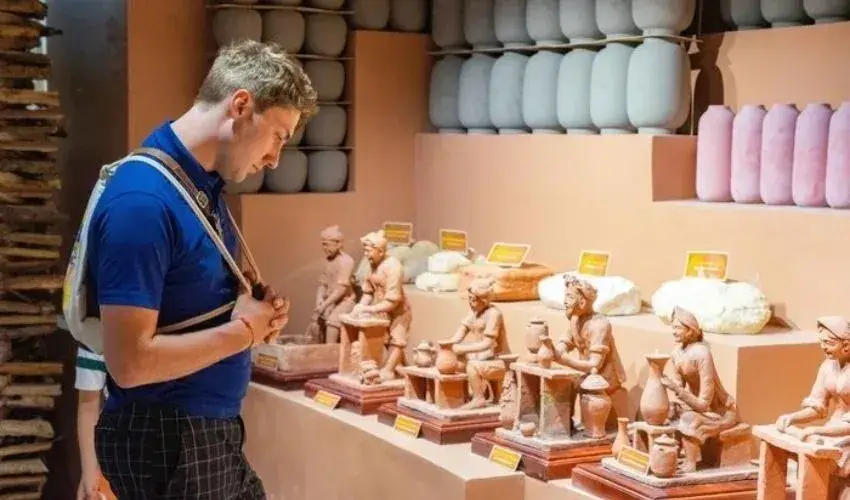
Bat Trang combines ceramic heritage, active workshops, markets, and modern exhibition spaces.
Bat Trang remains a popular choice for pottery experiences near Hanoi. The village combines workshops, shops, kilns, and cultural spaces.
A basic session may begin with clay preparation. The instructor then demonstrates wheel shaping or hand-building techniques.
Guests can decorate their work with simple patterns or colors. Available methods depend on the selected studio.
Fresh clay pieces often need drying and firing. Ask whether collection, delivery, or international shipping is available.
A longer visit can include village lanes, pottery markets, and local food. This format adds context beyond the activity.
Wear clothes that can handle clay and water. Studios may provide aprons, but small marks remain possible.
Read more: Bat Trang Ceramic Village Guide | Hanoi Handicraft Village Tours
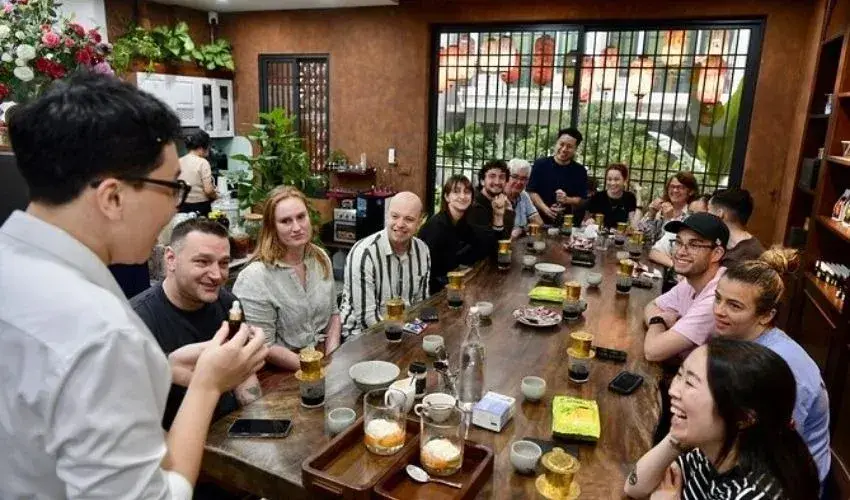
Coffee classes explain local beans, brewing methods, cafe culture, and signature Hanoi drinks.
Vietnamese coffee offers more than one sweet drink. A class can explain beans, roasting, filters, and regional preferences.
Instructors may demonstrate the traditional metal filter. Guests learn how grind size and pouring speed affect extraction.
Egg coffee classes explain the creamy topping and strong coffee base. Some sessions include coconut or yogurt coffee.
A good class balances preparation with cultural stories. It should explain how cafes fit into Hanoi’s social life.
Coffee sessions often suit travelers with limited time. Many classes fit comfortably into a morning or afternoon.
Tell the instructor about dairy, egg, or caffeine restrictions. Alternative ingredients may require advance preparation.
Coffee reading: Hanoi Old Quarter Coffee Guide | Current Workshop Class Tours
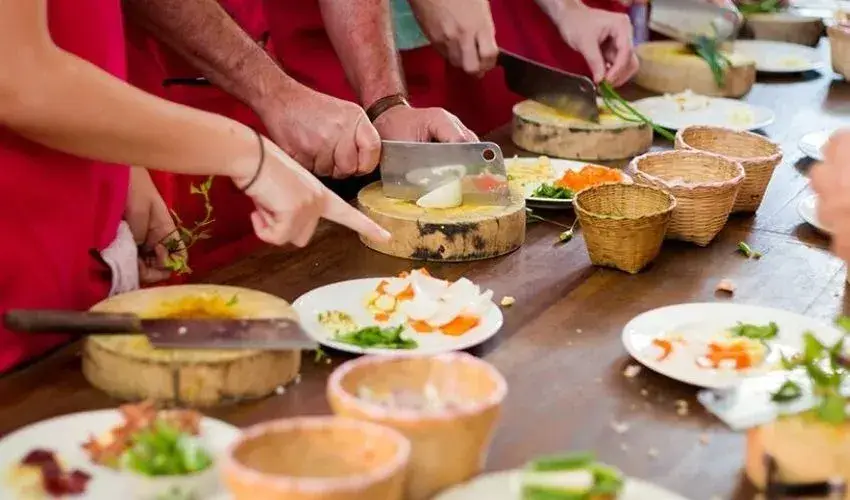
Cooking classes connect market ingredients with practical recipes and a shared meal.
A cooking class combines instruction, preparation, tasting, and conversation. Some formats begin with a local market visit.
Market visits explain herbs, noodles, sauces, vegetables, and seasonal ingredients. They also show how local families shop.
The instructor then divides each recipe into manageable steps. Guests may prepare rolls, salads, noodles, or traditional sauces.
Hands-on participation should remain genuine. Avoid classes where guests only watch a chef complete every important step.
The final meal creates time for questions and recipe notes. Ask whether written recipes are included.
Share allergies and dietary needs before booking. Fish sauce, peanuts, shellfish, and broths require careful planning.
Continue exploring: Hanoi Cooking Class Tours | Hanoi Street Food Tours
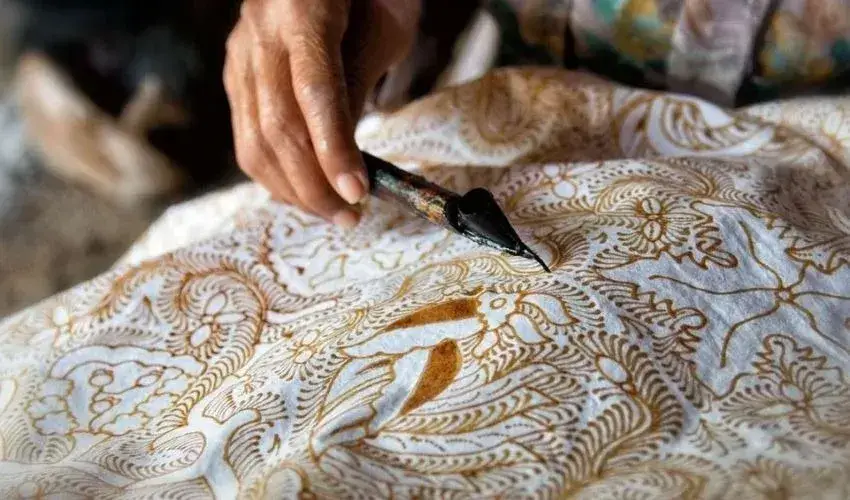
Traditional craft activities reveal how simple materials become meaningful cultural products.
Hanoi and nearby villages preserve many creative traditions. Workshop availability changes between studios and communities.
Paper workshops may involve folding, painting, printing, or decorative design. These activities often suit beginners and families.
Lacquer sessions introduce layered surfaces and careful finishing. Short classes usually simplify the traditional production process.
Textile activities may include embroidery, silk decoration, or simple weaving. Each method requires different concentration and time.
Bamboo and mask workshops create lightweight souvenirs. They can also explain festival, theater, or household traditions.
Ask who leads the session and where materials come from. Local instruction strengthens cultural value and community benefit.
Village experiences: Hanoi Handicraft Villages | Hanoi Eco Tours
Many creative activities work well for families. Children enjoy touching materials and seeing a finished result.
The best class depends on age, concentration, and motor skills. Shorter sessions usually suit younger participants.
Pottery painting can feel easier than wheel shaping. Simple food preparation may also suit children with close supervision.
Ask about sharp tools, hot surfaces, and small materials. The operator should explain age limits before confirmation.
Private sessions let families control breaks and timing. They also support different skill levels within one group.
Choose an activity that values participation over perfection. The main goal should remain discovery and shared enjoyment.
Family planning: Family Holiday Tours | Customize Your Hanoi Experience
Durations and inclusions vary between studios. Confirm every practical detail before payment.
Combine with: Hanoi Walking Tours | Hanoi Street Food Tours
1. Do I need previous experience?
No. Most visitor workshops suit beginners. Instructors demonstrate the process and provide practical support.
2. Can I take my finished item home?
Often, yes. Clay, lacquer, or painted objects may need drying, firing, collection, or delivery.
3. Are classes suitable for children?
Many are suitable. Confirm age limits, tools, hot surfaces, and the expected session length.
4. How long does a workshop last?
Central classes may last one to four hours. Village experiences can require half a day.
5. Can dietary needs be supported?
Cooking and coffee classes can often adapt. Share allergies and restrictions before confirmation.
6. Should I book a private class?
Private sessions provide flexible pacing and direct guidance. They suit families and travelers with specific needs.