3-4 hours (Morning 10AM-2PM / Evening 6PM-9PM)Private
Private tour
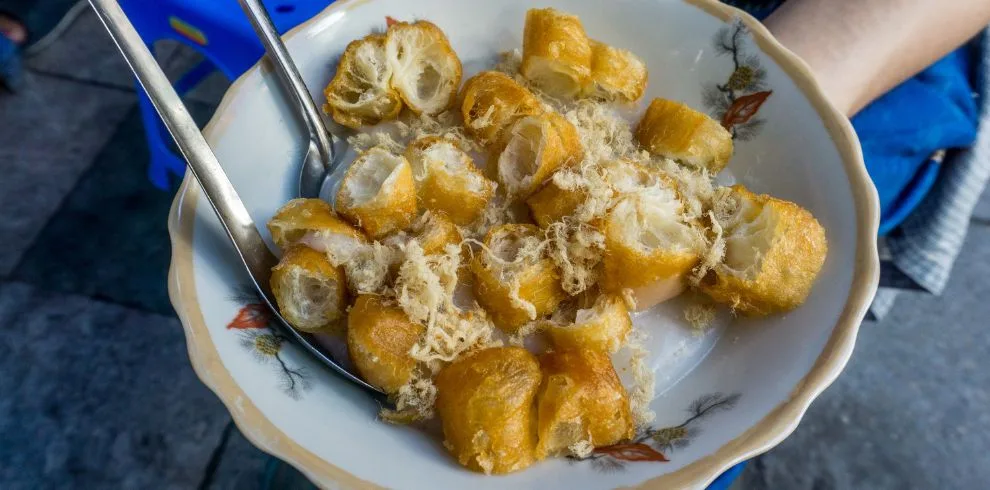
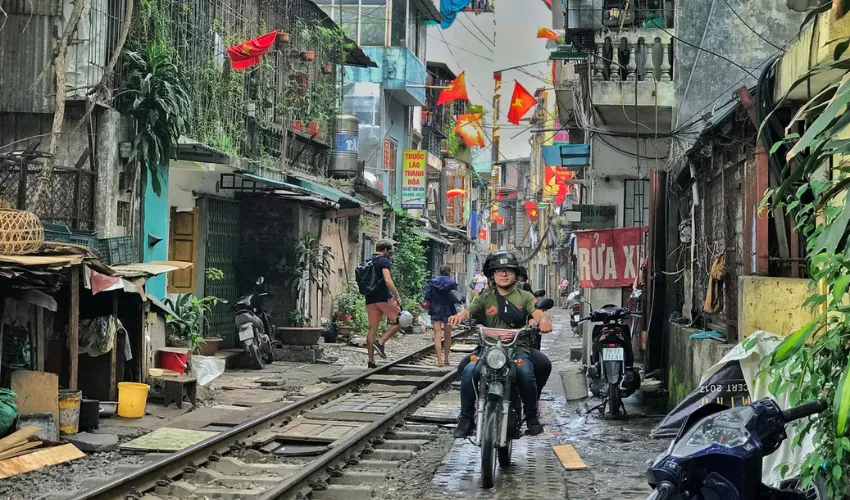
Hanoi: Michelin Street Food Tour by Motorbike & Train Street
Route customized around your travel dates.
5.0Excellent1,508 reviews
From
US $28/pax

HANOI DAY TRIPS
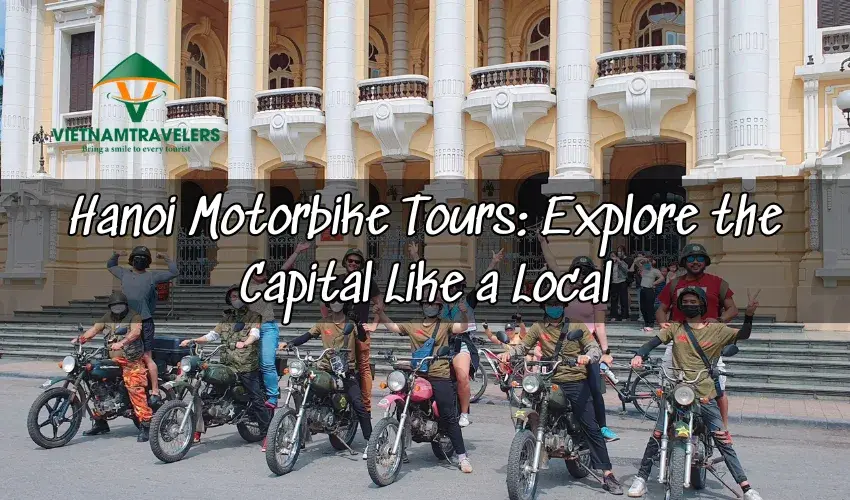
Explore Hanoi motorbike tours with local drivers, flexible city routes, food stops, private options, and clear safety standards.
Hanoi Motorbike Tour guide
Hanoi motorbike tours place travelers inside the capital’s daily rhythm, rather than behind a coach window. A local driver connects historic streets, neighborhood lanes, markets, lakes, food stops, and Red River scenery within one flowing route.
The format suits first-time visitors, food lovers, photographers, couples, families, and returning travelers seeking a different perspective.
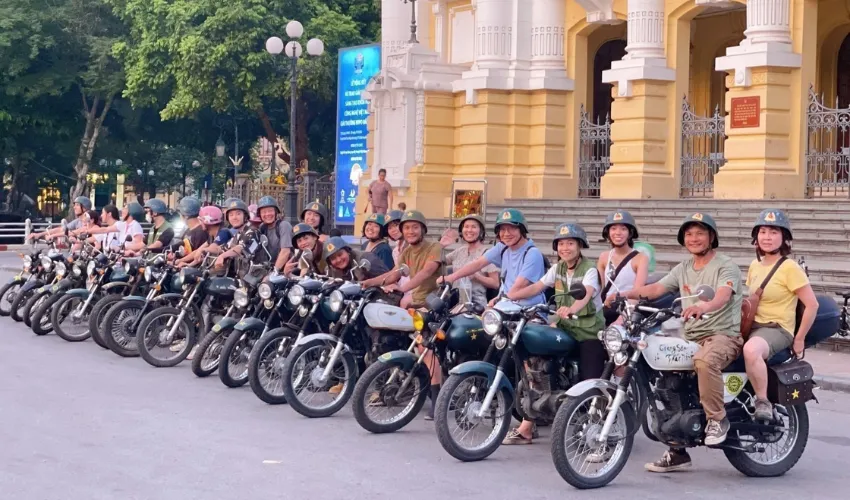
Guests may ride as passengers, join a small group, or request a private route for their own party. Vietnam Travelers matches each experience with clear pacing, practical safety standards, and local cultural context.
Hanoi is a city of short distances and sharp contrasts. Grand boulevards can lead quickly into trading streets, residential lanes, lakeside roads, and working markets. Motorbikes move naturally between these spaces without losing the street-level atmosphere.
Passengers hear changing sounds, notice food aromas, and observe how residents use each neighborhood. The Old Quarter reveals compact streets shaped by commerce, craft traditions, worship, and family life.
The French Quarter introduces villas, public buildings, shaded avenues, and formal colonial planning. Ba Dinh brings national history, major monuments, and quieter roads around important institutions.
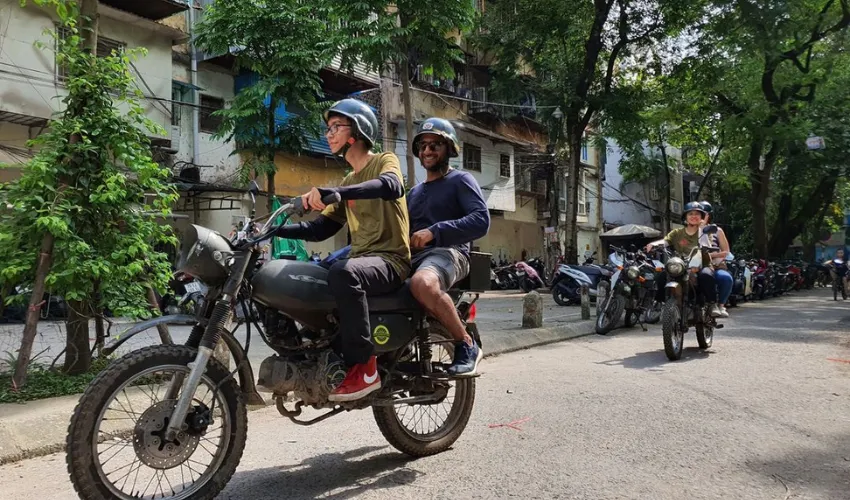
A skilled local guide connects these scenes into one understandable story. Travelers learn why neighborhoods developed differently, rather than collecting unrelated photographs.
The route can also reach small eateries and alleys that larger vehicles cannot enter. This access makes motorbike touring useful for cultural discovery, food exploration, and everyday observation.
The best Hanoi motorbike tours still include planned stops, rather than keeping guests seated throughout. Short walks create time for photographs, conversations, temple visits, and closer architectural details.
Travelers comparing transport styles can begin with our Hanoi day trips hub. It organizes experiences by activity, duration, theme, and preferred pace.
Different travelers need different route priorities. A first-time visitor may want city context, while a returning guest may prefer residential districts. Food-focused programs connect several tasting stops across districts without long walks between venues.
Our Hanoi Motorbike Street Food Tour combines local dishes with nightlife, alleys, and city viewpoints. Daytime city programs favor architecture, historical stories, local markets, and broader neighborhood contrasts.
Evening rides show illuminated streets, busy dining areas, cooler temperatures, and changing urban energy. Countryside programs move beyond central traffic toward villages, farms, craft areas, and Red River landscapes.
Longer routes may require different motorcycles, protective equipment, rest stops, and weather planning. Private Hanoi motorbike tours offer the greatest control over start times and stop lengths.
They also support dietary requests, family pacing, mobility needs, and specialized photography interests. Shared tours may offer lower per-person pricing and a social atmosphere.
However, the schedule must serve several guests with different interests. Clear Hanoi motorbike packages describe the route theme before listing every possible stop.
This approach helps travelers compare real value, rather than choosing through a crowded attraction list. Food lovers can also review dedicated Hanoi street food tours for deeper tasting time. Travelers seeking vintage styling may prefer Hanoi Vespa tours instead.
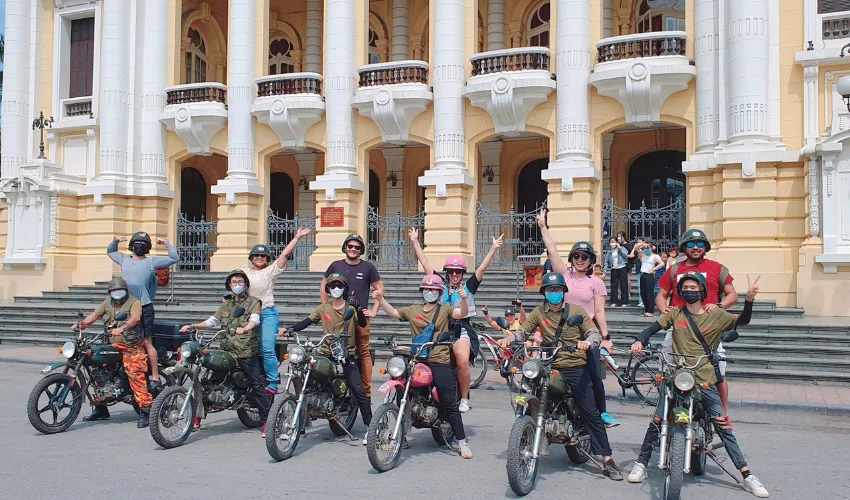
A good route follows geographic logic and avoids repeated crossings through congested areas. It should also balance movement with enough time off the motorbike. Central routes often combine heritage districts, lake roads, residential streets, and one local refreshment stop.
Food routes need sensible tasting portions, clean venues, and enough time between dishes. Countryside routes require realistic travel time beyond the urban boundary. A clear itinerary should explain the experience, not promise every attraction in Hanoi.
Confirm whether hotel pickup covers your accommodation area.
Check the planned duration and approximate return time.
Ask how many riding stops and walking stops are included.
Review whether meals, tastings, drinks, and tickets are covered.
Share allergies, dietary needs, and foods you prefer to avoid.
Confirm whether the route changes during rain or heavy traffic.
Ask whether photographs are permitted at religious or residential sites.
Local guides should explain etiquette before sensitive visits. Guests should avoid blocking alleys, photographing residents closely, or disturbing small businesses.
The strongest tours support family-run venues without treating local neighborhoods like staged attractions. Motorbike tours can also connect smoothly with other activities.
Choose Hanoi walking tours for slower architectural detail and deeper Old Quarter exploration. Choose Hanoi bike tours for active routes through quieter lanes and riverside areas.
Choose Hanoi Jeep tours when your group prefers more space and an open-air vehicle.
Price alone cannot show tour quality. Vehicle condition, driver experience, route design, helmets, inclusions, communication, and support all matter. Start by confirming whether you will ride as a passenger or operate the motorbike yourself.
Passenger tours place navigation and traffic decisions with an experienced local driver. Self-riding arrangements require suitable experience, valid documents, and clear operator approval. Travelers should never assume every booking includes a self-drive option.
The maximum number of guests assigned to each guide.
The helmet type, fit, condition, and replacement process.
The motorbike model and its suitability for the route.
Driver training, local experience, and language support.
Insurance information and emergency contact procedures.
Cancellation, weather, delay, and route-change policies.
Extra charges for pickup zones, drinks, meals, or tickets.
A responsible operator provides meeting details before departure. Guests should receive a contact number, packing advice, and confirmed inclusions.
Reviews can help, but they should be read for specific evidence. Look for comments about safe driving, clear explanations, clean equipment, and realistic timing.
Generic praise provides less useful information than detailed traveler experiences. A category page should help compare themes, formats, and packages.
Individual tour pages should own exact routes, prices, durations, and booking details. This separation reduces confusion and supports stronger SEO intent across the website.
For extended northern riding, compare the Cao Bang Easy Rider tour with city-based options.
Hanoi traffic can feel intense to first-time visitors. Professional passenger tours reduce the pressure of navigation and unfamiliar road behavior.
A short briefing should explain mounting, seating, hand placement, belongings, and communication signals. Guests should keep both feet secure and avoid sudden movement during turns or stops.
Helmets must fit correctly and remain fastened throughout the ride. The operator should replace loose, damaged, or unsuitable equipment before departure.
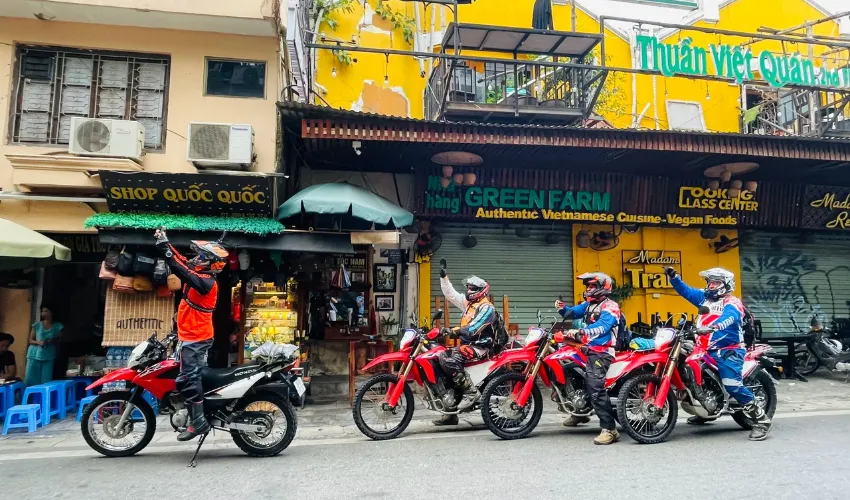
Wear closed shoes with stable soles.
Choose long trousers or comfortable clothing with secure hems.
Carry sunscreen, sunglasses, and a compact rain layer.
Use a small bag that can close securely.
Attach cameras and phones with reliable straps.
Bring a light outer layer during cooler months.
Dress respectfully when the route includes temples or memorial sites.
Morning rides often offer active markets and softer light. Afternoon departures suit later arrivals, while evening tours highlight dining culture and nightlife.
Summer weather may bring heat, humidity, and sudden showers. Cooler periods can feel colder on exposed lake roads and bridges.
Traffic or weather may change the order of stops. A flexible sequence is more trustworthy than a rigid minute-by-minute promise.
Families should share children’s ages before booking. Older guests should mention boarding concerns, back discomfort, or reduced walking tolerance.
Travelers with more time can compare Hanoi full-day trips beyond the city center. For wider itinerary planning, connect the experience with Vietnam private tours across the country. Review our motorbike safety guide before choosing between passenger and self-riding formats.
1. What do Hanoi motorbike tours usually include?
Typical inclusions may cover the motorbike, local driver, helmet, guide, pickup, water, and selected stops. Meals, tastings, entrance tickets, and rain gear depend on the chosen product.
2. Are private Hanoi motorbike tours available?
Yes. Private tours can reserve drivers and guides for your party. They also allow greater control over pacing, food, and route priorities.
3. Which Hanoi motorbike package suits first-time visitors?
Choose a balanced city route with heritage areas, neighborhoods, local food, and several off-bike stops. Avoid packages promising too many distant attractions within a short duration.
4. Are motorbike tours suitable for children or senior travelers?
Suitability depends on age, confidence, mobility, helmet fit, and route length. Share these details before booking so the operator can advise responsibly.
5. Should I choose a motorbike, Jeep, bicycle, or walking tour?
Choose a motorbike for access and street-level energy across several districts. Choose other formats according to comfort, activity level, and preferred pace.
References

