01 daysPrivate
Private tour
Authentic Van Long Nature Reserve Tour – 1 Day
Vietnam
4.8ExcellentGuest reviews
From
US $50/pax


HANOI DAY TRIPS
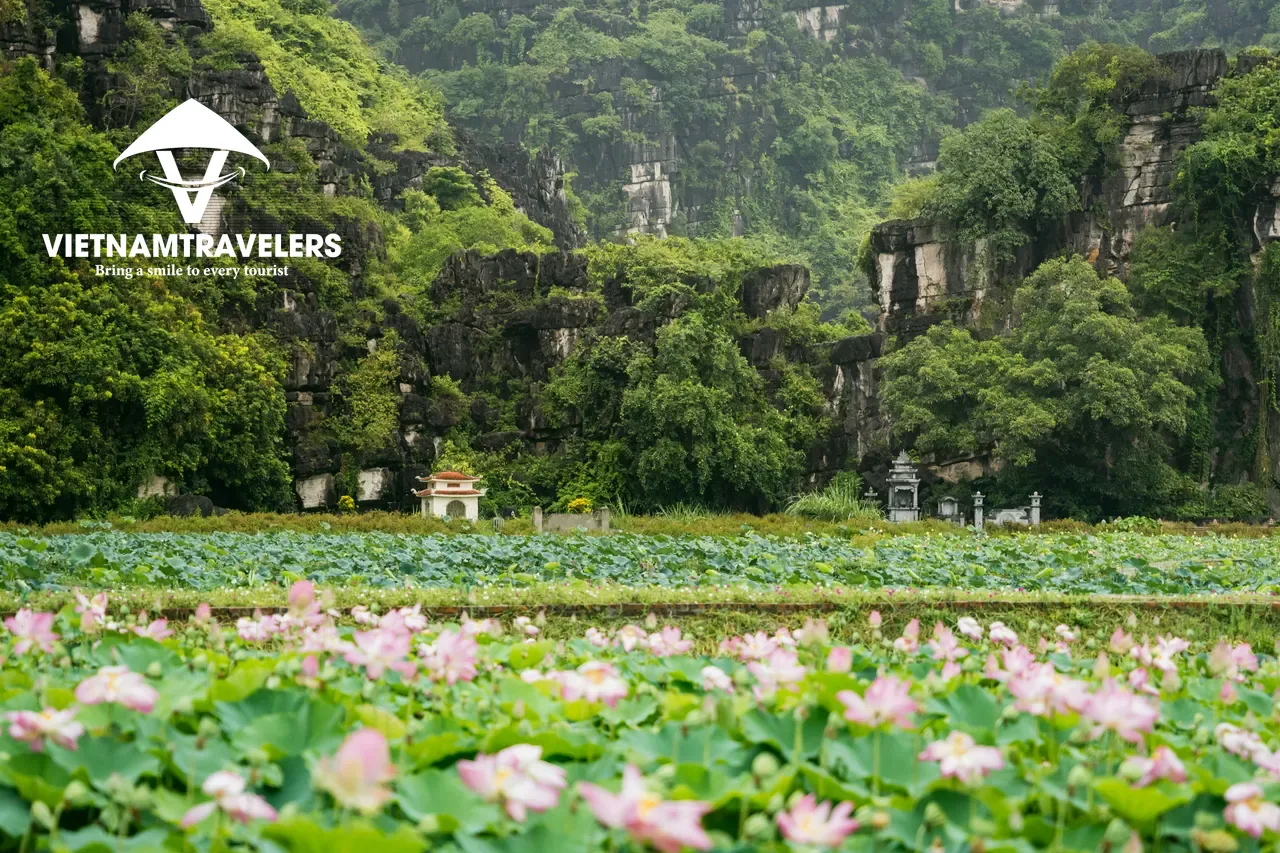
A full day immersed in nature — cycle paddy-field dikes, boat through flooded karst caves and share a home-cooked meal with a rural Muong family.
Hanoi Eco Tour guide
Hanoi Eco Tours offer a quieter view of northern Vietnam. Travelers leave crowded streets for forests, farms, river paths, and traditional villages.
These journeys can include walking, cycling, tea visits, local meals, craft workshops, and community conversations.
Some routes stay close to the Red River. Others travel toward Ba Vi, Duong Lam, or rural districts.
An eco tour should do more than visit green scenery. It should respect residents, resources, wildlife, and local culture.
The best itinerary balances meaningful activities with realistic travel time. It should also match your comfort and fitness.
Quick summary: Hanoi Eco Tours combine nature and community experiences. Choose by distance, activity level, season, transport, and local benefit.
A rural setting does not automatically make a tour sustainable. Responsible planning should shape transport, activities, and visitor behavior.
Smaller groups usually create less disruption. They also support better communication with local hosts and guides.
Walking, cycling, and electric bicycles can reduce fuel use during suitable routes. Private vehicles may remain necessary for longer transfers.
Local meals and locally owned services can keep more tourism income inside communities. Transparent partnerships matter.
Nature visits should follow marked paths and official rules. Guests should never disturb plants, animals, farms, or sacred places.
Use small groups and realistic visitor numbers.
Choose local guides, hosts, and family businesses.
Reduce disposable plastics and unnecessary packaging.
Respect fields, homes, temples, and wildlife.
Leave enough time for genuine local interaction.
Explore more: Hanoi Day Trips | Eco Tours in Vietnam
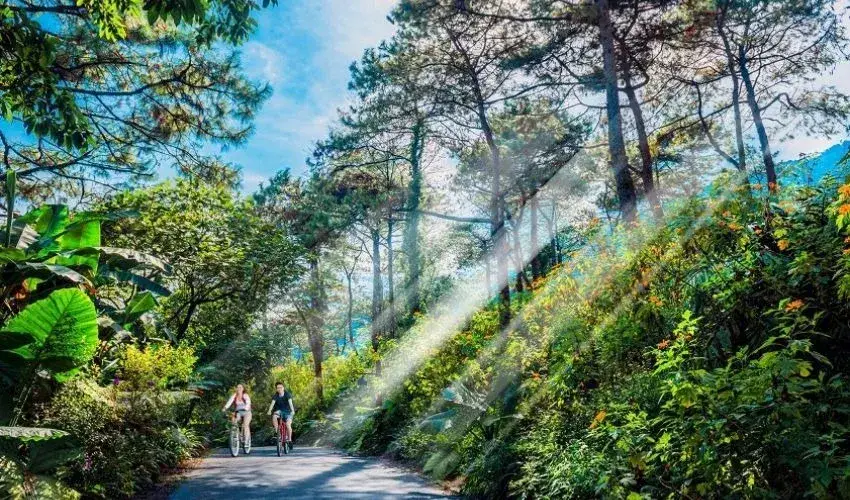
Ba Vi offers mountain air, forest scenery, historic sites, and nearby agricultural communities.
Ba Vi provides one of Hanoi’s most accessible nature escapes. The wider area combines forest, mountain roads, farms, and tea landscapes.
A full-day route may include gentle walks and historical remains. Exact access depends on weather and local conditions.
Tea visits can explain growing, harvesting, drying, and brewing. Local hosts may also share personal stories about the region.
Mountain weather can change quickly. A responsible itinerary allows flexible timing and suitable clothing.
Avoid routes with too many distant stops. Longer time at fewer locations creates a calmer and more educational day.
Featured experience: Ba Vi National Park and Tea Plantation Tour
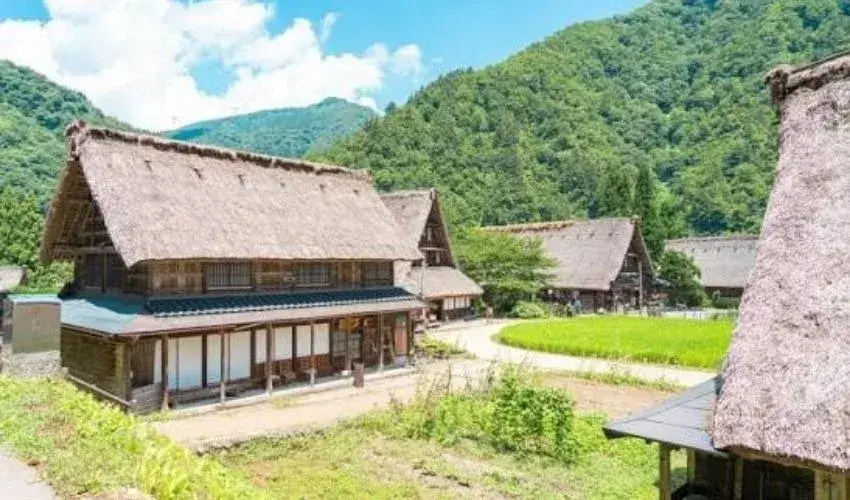
Ancient villages preserve communal houses, local lanes, crafts, temples, and everyday traditions.
Village tours connect environmental and cultural sustainability. Buildings, food, farming, and community traditions all shape the landscape.
Duong Lam is known for old lanes, communal spaces, temples, and traditional houses. A slow visit works better than a rushed checklist.
Ky Son offers another countryside setting. Some itineraries combine village life with cycling and a local meal.
Guests should remember that villages remain living communities. Homes, worship spaces, and working farms deserve privacy.
Ask before photographing residents. Avoid blocking gates, lanes, courtyards, or active work areas.
A good guide explains how tourism affects preservation. The tour should also support local services fairly.
Village routes: Ky Son and Duong Lam Village Tour | Hanoi Handicraft Village Tours
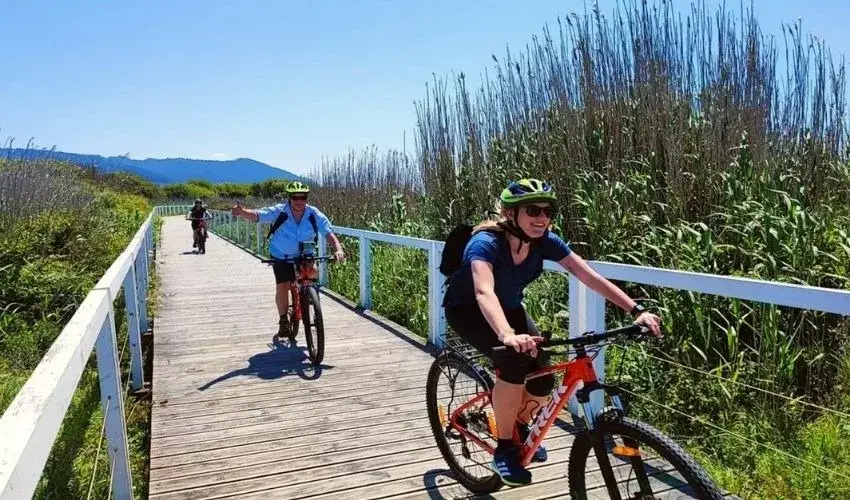
Cycling creates a low-impact way to explore farms, river paths, villages, and quiet rural roads.
Hanoi Eco Tours often use bicycles for shorter rural routes. Cycling keeps travelers close to the surrounding landscape.
Routes may cross Long Bien Bridge and continue beside the Red River. Riders can see gardens, fields, and local settlements.
Most recreational routes remain relatively flat. Surfaces can include paved lanes, dyke roads, and short rough sections.
Guides should choose routes that match traffic confidence and fitness. Regular stops improve safety and local understanding.
Families should share each rider’s age, height, and experience. Correct bicycle sizing supports comfort and control.
Cycling options: Hanoi Bike Tours | Hanoi Countryside Bike Tour | Hanoi Countryside Cycling Guide
Electric bicycles provide assisted pedaling during longer routes. They can reduce physical effort without removing active participation.
E-bikes suit travelers who want wider coverage. They may also help mixed-ability groups remain together.
Battery quality, brakes, tires, and bicycle sizing remain important. Guests should test every control before departure.
Electric assistance does not remove traffic risks. Riders still need balance, awareness, and basic bicycle confidence.
Ask where and how batteries are maintained. Reliable equipment supports both safety and environmental goals.
Read more: Hanoi E-Bike Tours
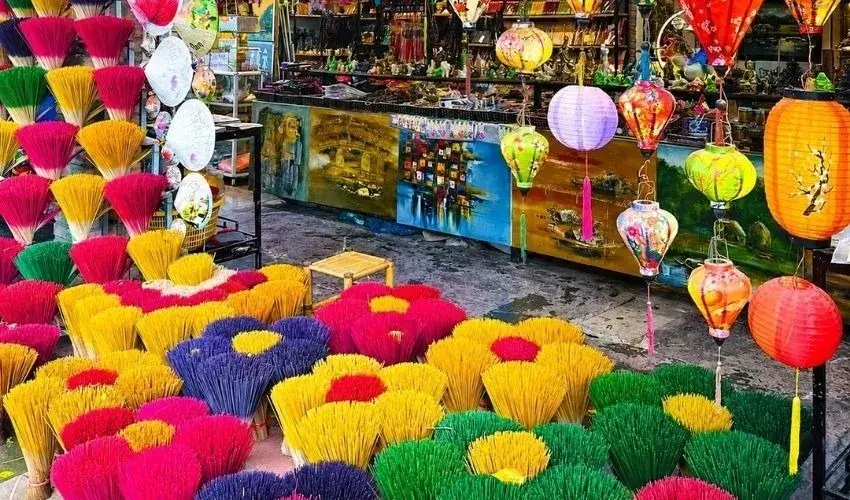
Craft visits reveal how local materials, skills, and family businesses support village livelihoods.
Traditional crafts link local identity with practical income. Thoughtful visits can support artisans without reducing workshops to shopping stops.
A good guide explains materials, production stages, and cultural meaning. Guests can then understand the skill behind each item.
Pottery, incense, textiles, and lacquerware require different tools and environments. Workshops should provide suitable safety guidance.
Hands-on activities create deeper engagement. However, instructors need enough time and fair compensation.
Choose locally made products when buying souvenirs. Ask where the item was produced and who receives the payment.
Creative experiences: Hanoi Workshop & Class Tours | Hanoi Handicraft Village Tours
Food creates an important connection between landscape and culture. Rural meals often reflect local vegetables, herbs, and seasonal products.
Family kitchens and small restaurants can support community income. Clear arrangements help hosts prepare suitable portions.
Tell the operator about allergies before departure. Broths, sauces, peanuts, seafood, and shared surfaces need careful communication.
Reusable bottles and refill points can reduce plastic waste. Bring your own container when practical.
Avoid ordering more food than the group can finish. Smaller shared dishes can reduce waste and increase variety.
Respect local dining customs and household spaces. Ask before photographing kitchens, family members, or private areas.
Food connections: Hanoi Cooking Classes | Hanoi Street Food Tours
Durations and activities vary by route. Confirm transport, meals, equipment, entrances, and local hosting before payment.
More full-day ideas: Hanoi Full-Day Trips | Adventure Tours
1. What activities do Hanoi eco tours include?
Activities may include walking, cycling, tea visits, village tours, crafts, local meals, and nature interpretation.
2. Are eco tours suitable for children?
Many routes suit families. Confirm walking distances, bicycle sizes, weather exposure, and activity age limits.
3. Do I need strong fitness?
Not always. Village and tea routes can remain gentle. Cycling and mountain walks need greater activity levels.
4. What should I bring?
Bring suitable shoes, water, sun protection, rain gear, medication, and a reusable bottle.
5. Is a private eco tour better?
Private tours offer flexible pacing and activity choices. They suit families and travelers with specific needs.
6. How can I travel responsibly?
Follow marked paths, reduce waste, respect residents, support local services, and follow your guide’s instructions.