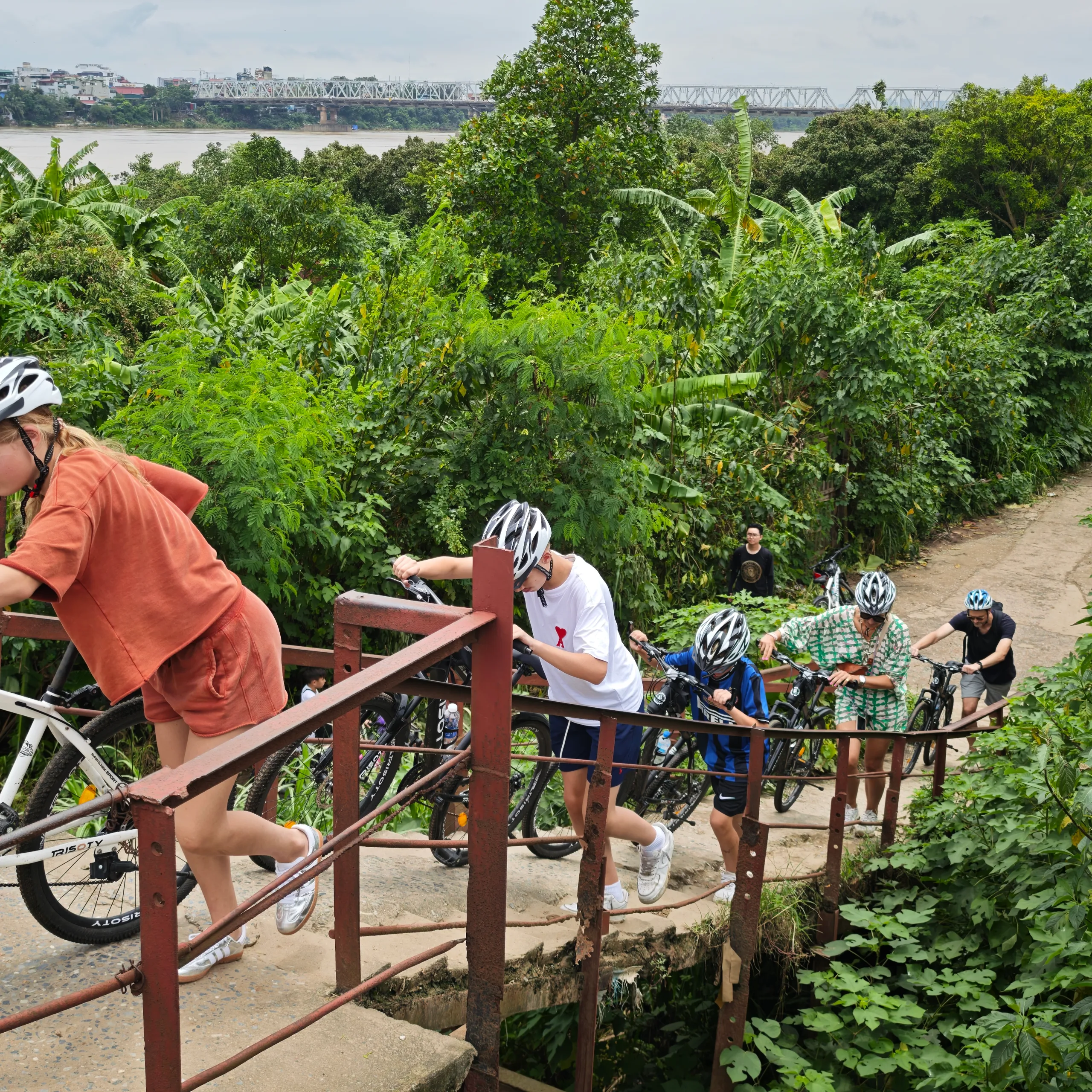
3 hours (05:30 AM – 08:30 AM · by bicycle or motorbike)Private
Private tour
Hanoi: Early Morning Sunrise Bike Tour with Breakfast Pho
Route customized around your travel dates.
5.0Excellent1,508 reviews
From
US $28/pax


HANOI DAY TRIPS
Pedal at your own pace through tree-lined boulevards and vibrant street markets — experience daily Hanoi life from the saddle of a classic bicycle.
Hanoi Bike Tour guide
Hanoi Bike Tours offer an active way to understand Vietnam’s capital. Riders move at street level and notice details that vehicles often miss.
You can cycle through historic neighborhoods, river islands, village lanes, and farming areas. Each route reveals a different side of Hanoi.
Some tours focus on urban landmarks and local markets. Others cross the Red River and follow quiet countryside paths.
The best choice depends on your fitness, confidence, available time, and preferred scenery. A suitable route should feel engaging, not exhausting.
Quick summary: Hanoi Bike Tours can follow city streets or countryside roads. Choose a route that matches your time, ability, and interests.
A bicycle creates a useful balance between walking and motorized travel. You cover more ground without losing contact with local life.
Guides can lead riders through narrow lanes and quieter streets. These routes often avoid the busiest traffic corridors.
A guided cycling tour also adds cultural context. Your guide explains temples, markets, architecture, farming, and daily routines.
Frequent stops support photography and conversation. Riders can pause when a market, workshop, or river view deserves more time.
Explore more: Hanoi Day Trips Hanoi Eco Tours
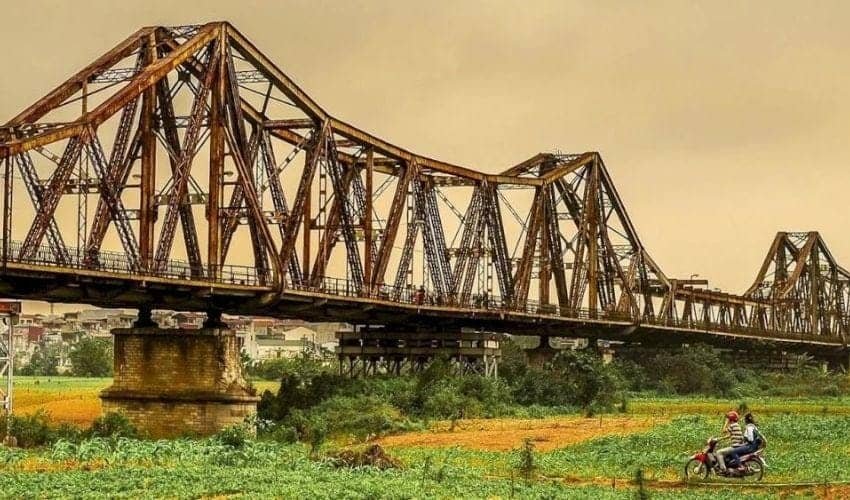
Long Bien Bridge creates a memorable link between central Hanoi and the Red River countryside.
Hanoi Bike Tours usually follow either an urban route or a countryside route. Some itineraries combine both environments.
A city bike tour connects landmarks, residential areas, lakes, markets, and hidden streets. It suits travelers with limited time.
Urban cycling requires calm attention and basic traffic confidence. A local guide chooses manageable roads and explains safe road behavior.
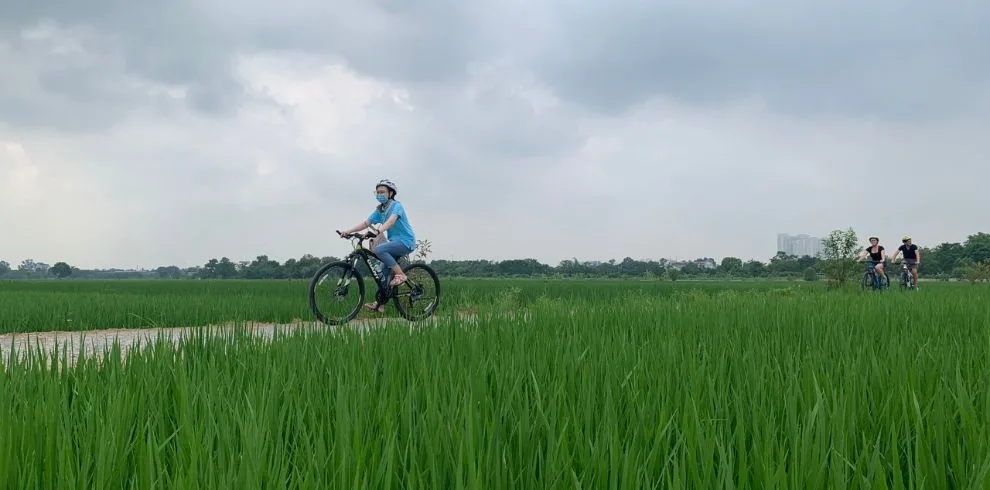
A Hanoi countryside bike tour offers quieter lanes and wider views. Routes may cross Long Bien Bridge or follow the Red River.
Riders may pass vegetable gardens, banana farms, village gates, and communal houses. These areas feel very different from central Hanoi.
Choose the countryside when you prefer nature and local interaction. Choose the city when history and urban life matter more.
Related experiences: Hanoi Walking Tours Hanoi Motorbike Tours
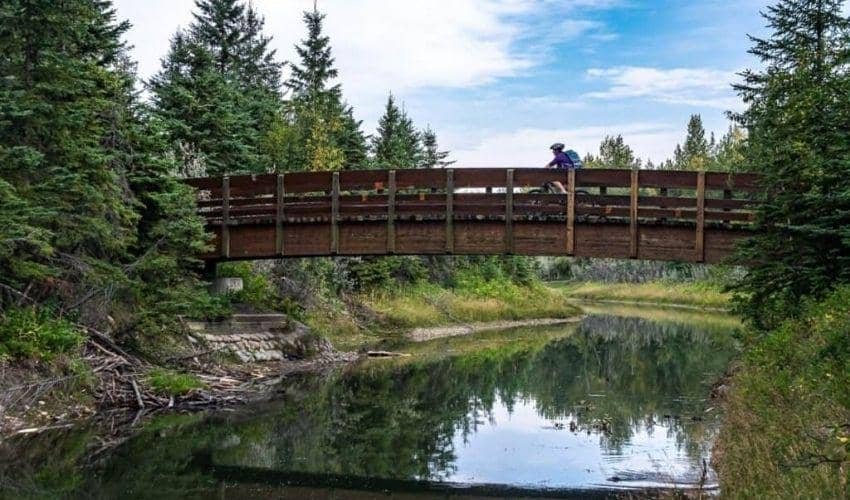
Red River paths mix green landscapes, small lanes, bridges, and short walking sections.
The strongest routes connect scenery with meaningful stops. They should avoid unnecessary transfers and repeated roads.
Long Bien Bridge and the Red River form a classic cycling corridor. The bridge creates a memorable transition from city streets.
Beyond the bridge, riders can explore river islands and farming communities. Quiet paths reveal crops, local homes, and seasonal work.
Banana Island offers rural scenery close to central Hanoi. Narrow tracks pass gardens, small farms, and riverside settlements.
Co Loa adds historical depth to a longer countryside ride. Village roads lead toward ancient structures and community sites.
Bat Trang suits travelers interested in traditional crafts. A cycling route can include pottery workshops, markets, and temple stops.
West Lake works well for relaxed urban cycling. The route combines lake views, temples, gardens, and modern neighborhoods.
Not every tour includes every place. Check the confirmed itinerary before booking your bike trip in Hanoi.
Featured tour: Hanoi Countryside Bike Tour
A relaxed group pace leaves time for scenery, photographs, and local encounters.
Most recreational routes suit travelers with basic cycling skills. You should feel comfortable starting, stopping, turning, and using hand brakes.
Guides normally begin with a short safety briefing. They explain the bicycle, route conditions, traffic signals, and group formation.
Terrain often includes paved roads, village lanes, dyke paths, and short rough sections. Many routes remain mostly flat.
The pace should allow regular stops. Cultural visits, refreshments, photographs, and local conversations create natural breaks.
Morning tours often feel cooler and quieter. Afternoon tours may offer softer light and more active village scenes.
Tell the operator about your height and cycling experience. Correct bicycle sizing improves control, comfort, and safety.
Safety depends on equipment, route design, guide quality, and honest communication. Riders should review each point before departure.
A suitable bicycle needs working brakes, adjusted gears, reliable tires, and a comfortable saddle. Test everything before leaving.
Wear a helmet throughout the ride. Closed shoes provide better control than loose sandals or flip-flops.
Follow the guide’s position and signals. Avoid sudden turns, phone use, and side-by-side riding on narrow roads.
Traffic can feel unfamiliar near central Hanoi. Stay predictable and let the guide manage crossings and complex junctions.
Families should share each child’s age, height, and riding ability. The operator can recommend shorter routes or suitable equipment.
Travel insurance should cover planned cycling activities. Review your policy before joining an active tour.
Compare alternatives: Hanoi Jeep Tours Hanoi Cyclo Tours
| Tour style | Typical pace | Best for | Main consideration |
|---|---|---|---|
| City bike tour | Steady with frequent stops | Landmarks and local neighborhoods | Urban traffic confidence |
| Red River ride | Relaxed | Farms, islands, and river scenery | Mixed path surfaces |
| Craft village tour | Relaxed to moderate | Culture and artisan visits | Longer transfer distance |
| Private countryside tour | Flexible | Families and mixed abilities | Higher private service cost |
| Food cycling tour | Easy with tasting stops | Local cuisine and hidden streets | Dietary requirements |
Durations and distances vary by route. Confirm the final plan, bicycle type, and included services before payment.
Combine interests: Hanoi Street Food Tours Hanoi Handicraft Village Tours
No. Many tours suit casual riders with basic bicycle control. Choose a route that matches your confidence.
Guided routes can avoid many busy roads. Safety still requires helmets, working bicycles, and careful group behavior.
Many city and countryside routes last three to five hours. Full-day routes may cover greater distances.
Some routes suit confident young riders. Share each child’s age, height, and experience before booking.
Light rain may only require rain gear. Heavy rain can cause route changes, delays, or cancellation.
Private tours suit flexible schedules and mixed abilities. They also allow longer stops for photography or local interaction.
Share your date, group size, riding ability, and preferred scenery. Vietnam Travelers can suggest a suitable city or countryside route.