3-3.5 hours (Morning 10AM-1:30PM / Evening 6PM-9PM)Private
Private tour
Hanoi: Michelin-Selected Street Food Walking Tour & Train Street
Route customized around your travel dates.
5.0Excellent1,508 reviews
From
US $18/pax

HANOI DAY TRIPS
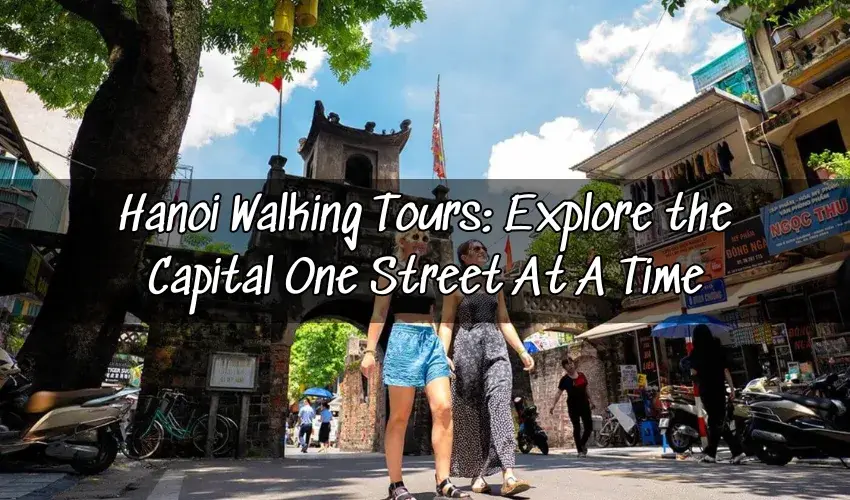
Explore Hanoi walking tours through the Old Quarter, Hoan Kiem Lake, local streets, private routes, and flexible city packages.
Hanoi Walking Tour guide
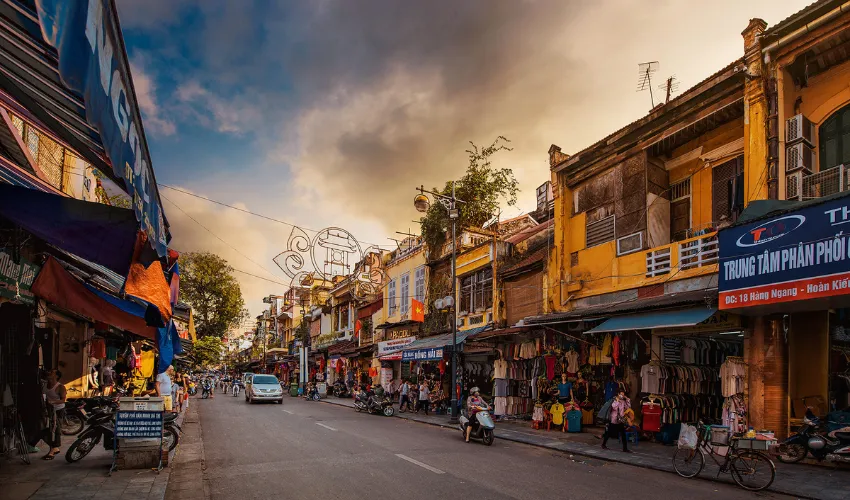
Hanoi walking tours reveal the capital through narrow lanes, lakefront paths, hidden courtyards, and active neighborhood streets. Walking keeps travelers close to architecture, food, local routines, and small details that vehicles often pass.
A local guide adds context without turning the route into a history lecture. Guests can pause for photographs, enter selected sites, taste local specialties, and adjust the pace when needed.
Vietnam Travelers designs shared and private routes around clear timing, useful stops, realistic distances, and local guidance. Each package can focus on heritage, food, photography, daily life, or a balanced first introduction.
Central Hanoi contains many attractions within connected neighborhoods. The Old Quarter, Hoan Kiem Lake, French Quarter, and cathedral area can form practical walking routes. Short distances also allow more time for observation and meaningful stops.
Walking reveals details at street level. Travelers notice old facades, family shops, communal houses, food stalls, balconies, temples, and changing trades along each block. These details help visitors understand how local life uses shared urban space.
The Old Quarter remains the natural starting point for many routes. Its historic guild streets combine commerce, worship, food, housing, and constant local movement.
Hoan Kiem Lake creates a calmer section between busy streets. Nearby landmarks include Ngoc Son Temple, The Huc Bridge, St Joseph’s Cathedral, and colonial buildings.
A strong route does not chase every famous attraction. It follows one geographic story and uses selected stops to explain how Hanoi developed. This approach creates stronger memories than a rushed landmark checklist.
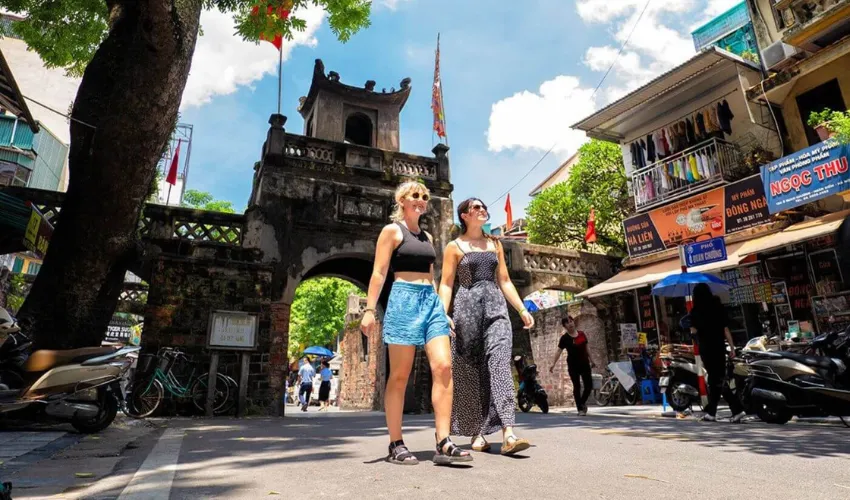
The format suits first-time visitors, solo travelers, couples, and small groups. Families can request shorter distances, while photographers may prefer slower routes.
Walking remains exposed to heat, rain, uneven pavements, and dense traffic. Travelers should review distance, surface conditions, and weather plans before booking.
Visitors comparing city experiences can begin with our Hanoi day trips hub. It organizes tours by transport, theme, duration, and activity level.
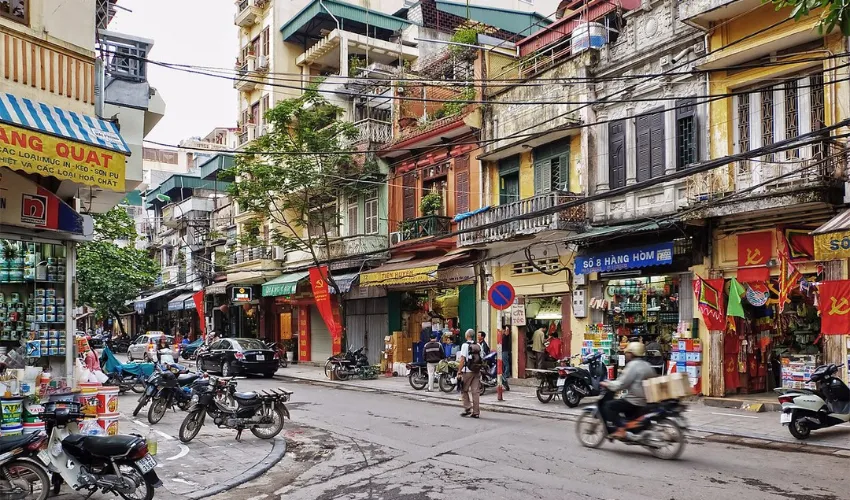
Classic Old Quarter routes introduce historic streets, local commerce, religious sites, and everyday city life. They suit first arrivals and travelers with limited time. A short coffee stop can also improve pacing and local interaction.
Heritage routes can connect Hoan Kiem Lake, the cathedral area, French Quarter landmarks, or the Imperial Citadel. The exact combination must match the available duration. Entrance visits should never be squeezed into unrealistic walking schedules.
Food walks use several small tastings to explain ingredients, eating customs, and neighborhood specialties. Clear packages state dietary options, drinks, portions, and hygiene standards.
Quick comparison of Hanoi walking packages
Evening routes can include illuminated streets, market activity, local snacks, or a cultural performance. Compare dedicated Hanoi shows when performance tickets are the main priority.
Private Hanoi walking tours reserve the guide and schedule for one party. This format supports flexible pacing, focused interests, family needs, and deeper conversation.
Shared tours may cost less and create a social atmosphere. However, guests receive less control over timing, stops, commentary depth, and route adjustments.
Useful Hanoi walking packages explain their route logic before listing landmarks. Travelers can then compare distance, guiding, inclusions, start time, and overall value.
Food-focused visitors can explore Hanoi street food tours for deeper tastings. Independent travelers can review our Old Quarter walking guide before choosing guided support.
A balanced walking route combines variety with simple navigation. It avoids repeated streets, long exposed sections, rushed site visits, and unrealistic transfer gaps. Planned breaks should appear before guests become tired or overheated.
The Old Quarter provides narrow lanes, guild history, markets, cafes, temples, and dense local activity. Hoan Kiem Lake offers open views and easier orientation.
The French Quarter introduces wider boulevards, villas, museums, and formal civic architecture. A guide should explain these contrasts through clear stories and visible details. Quiet pauses help travelers notice scale, materials, and changing street patterns.
Longer heritage routes may reach the Temple of Literature or Imperial Citadel. These sites require more time, entrance planning, and careful route sequencing.
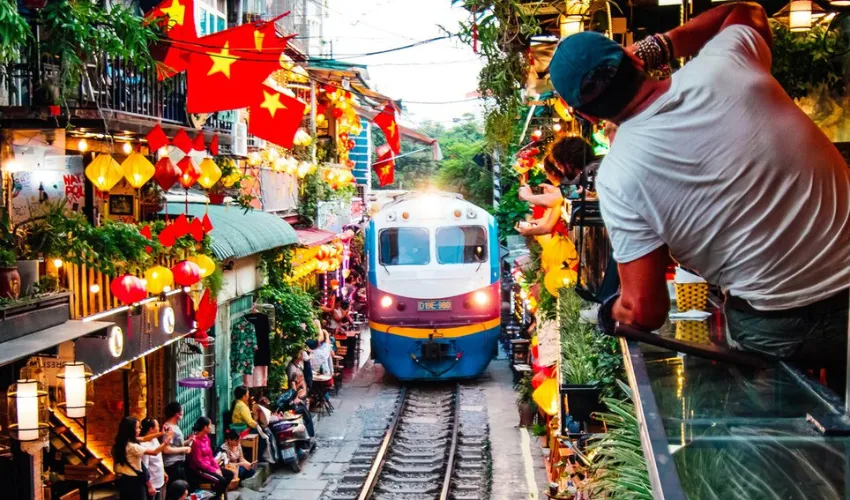
Confirm the meeting point, finish point, and hotel pickup limits.
Ask for the approximate distance and expected walking time.
Check which neighborhoods and guaranteed stops form the route.
Review entrance fees, food, drinks, and transport inclusions.
Confirm guide language, group size, and emergency contact details.
Ask how rain, heat, road closures, or events affect the plan.
Share mobility needs, dietary restrictions, and preferred themes early.
Responsible walks respect residents and working streets. Guests should avoid blocking entrances, photographing people closely, or creating noise near religious spaces.
A walking tour can anchor a wider city day. Travelers may add a museum, coffee workshop, water puppet show, or relaxed meal afterward.
Guests wanting less walking can compare Hanoi cyclo tours. Wider district coverage is available through Hanoi Jeep tours or Hanoi motorbike tours.
The lowest price does not guarantee the strongest experience. Route design, guide quality, group size, pacing, inclusions, and operator support all affect value. A slightly higher price may include better guiding and fewer hidden costs.
The best Hanoi walking tours publish a realistic duration and route focus. They also explain meeting arrangements, included costs, and possible itinerary changes.
A knowledgeable guide connects visible places with understandable context. Good commentary balances history, culture, food, architecture, and present-day local life. It should invite questions and adapt depth to the group.
Professional operators also manage practical details. They provide clear confirmation, punctual support, honest inclusions, and realistic advice about weather or walking conditions.
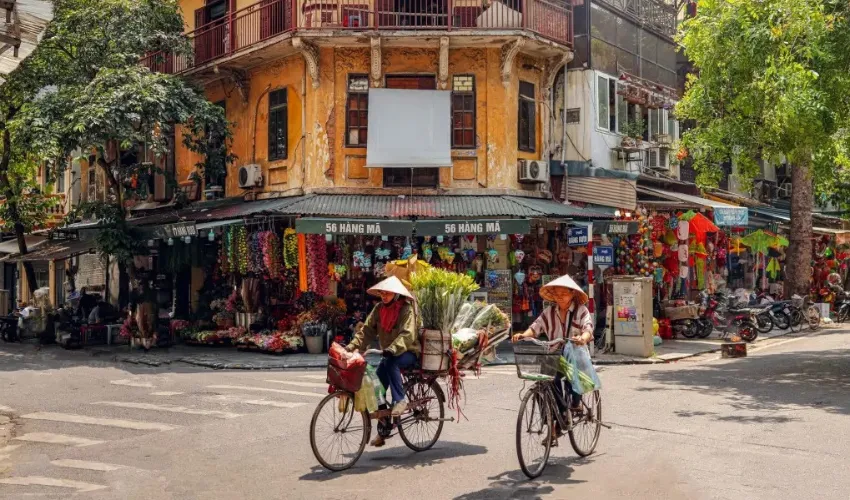
The total duration, walking distance, and number of planned breaks.
The route theme, confirmed highlights, and possible substitute stops.
Private or shared format and the maximum group size.
Guide language, local knowledge, and communication support.
Entrance fees, food, drinks, pickup, and return arrangements.
Cancellation, delay, weather, and route-change policies.
Accessibility limits involving stairs, pavements, crossings, or long standing.
Reviews help when they describe specific service details. Look for comments about pacing, guide knowledge, route value, communication, and promised inclusions.
Recent detailed reviews usually reveal more than generic star ratings. Compare feedback from travelers with similar ages, interests, and mobility expectations.
The category page should compare themes and package types. Individual tour pages should own exact schedules, current prices, availability, and booking conditions.
This separation reduces keyword overlap across the website. It also guides visitors from broad comparison toward the most suitable bookable experience.
Private Hanoi walking tours give couples, families, and small groups more control. Guests can request preferred start times, shorter routes, or added photography stops. Guides can also prioritize art, religion, food, or contemporary life.
Morning walks often provide cooler air, active markets, and softer light. Afternoon routes suit later arrivals, while evening walks highlight food streets and nightlife. Start times should reflect both weather and the chosen neighborhood.
Summer brings heat, humidity, and sudden rain. Cooler months feel comfortable, but travelers may need a light layer during early or late departures.
Wear supportive shoes with reliable grip.
Carry water, sunscreen, and a compact rain layer.
Use a secure bag with closed pockets or zippers.
Bring a charged phone and protect cameras with straps.
Wear respectful clothing for temples and memorial sites.
Share health, mobility, and dietary concerns before confirmation.
Hanoi pavements may be narrow, uneven, or occupied by parked vehicles. Some routes require repeated road crossings and short sections beside traffic.
Families should share children’s ages and usual walking tolerance. The operator can recommend breaks, shorter loops, snacks, or a supporting vehicle.
Photography plans should remain flexible during busy periods. Guides can select safer viewpoints and quieter moments without blocking residents or traffic.
Active travelers can compare Hanoi bike tours for riverside and village routes. Guests planning regional sightseeing can review Hanoi full-day trips.
A city walk also fits naturally within broader Vietnam private tours. Your travel designer can coordinate hotels, transfers, local guides, and onward travel after Hanoi.
1. What do Hanoi walking tours usually include?
Typical packages include a local guide, planned route, and basic operator support. Food, drinks, tickets, and hotel pickup depend on the product.
2. How long should a Hanoi walking tour last?
Two or three hours suit a focused central route. Heritage visits, food tastings, or distant districts require more time and scheduled breaks.
3. Are private Hanoi walking tours available?
Yes. Private tours reserve the guide for your party and allow greater control over pace, timing, interests, and selected stops.
4. Which Hanoi walking package suits first-time visitors?
Choose a balanced Old Quarter and Hoan Kiem route with clear guiding. Add food or heritage stops only when the schedule remains comfortable.
5. What happens if it rains during the tour?
Light rain may require rainwear and adjusted stops. Severe weather can cause postponement, replacement activities, or cancellation under the operator’s policy.
References