3 hours (Morning 10AM–1PM / Evening 6PM–9PM)Private
Private tour
Hanoi: Michelin-Selected Street Food Cyclo Tour with 4 Tastings
Route customized around your travel dates.
5.0Excellent1,508 reviews
From
US $28/pax

HANOI DAY TRIPS
Follow a passionate foodie guide to Hanoi's best-kept culinary secrets — steaming bowls of bun cha, crispy banh mi and sweet che desserts.
Hanoi Street Food Tour guide
Hanoi Street Food Tours turn a meal into a cultural journey. You taste local dishes while learning how Hanoi eats, cooks, and gathers.
The city offers countless stalls, family kitchens, markets, and small restaurants. Choosing the right places can feel difficult.
A local guide connects each tasting with stories, ingredients, neighborhoods, and dining customs. The route also becomes easier to follow.
Walking tours suit the Old Quarter. Motorbike and Vespa tours can reach quieter districts beyond the central streets.
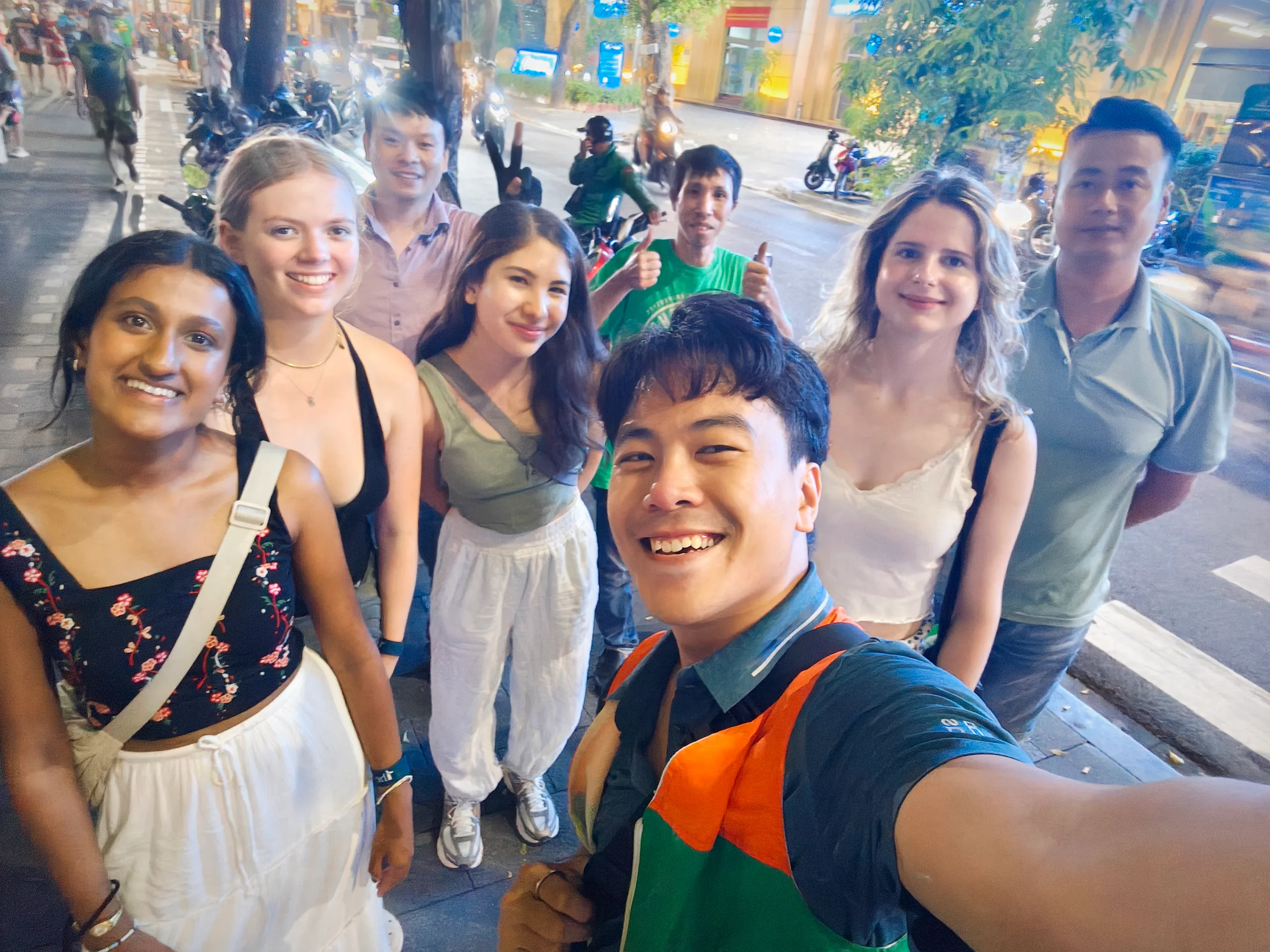
Private tours provide flexible pacing and dietary support. Small groups create a social atmosphere and shared discovery.
Quick summary: Hanoi Street Food Tours combine several tastings with local guidance. Choose by transport, diet, group size, schedule, and preferred neighborhoods.
Hanoi’s food scene changes from street to street. Nearby vendors may serve completely different regional specialties.
A guide knows which stalls suit the route and time. Many small vendors open only during specific meal periods.
Guides also explain unfamiliar ingredients and eating methods. This context makes each tasting more meaningful.
Visitors can ask about recipes, family traditions, market routines, and neighborhood history. These conversations deepen the experience.
A structured tour reduces ordering pressure. Your guide can communicate portions, preferences, and allergies with each vendor.
Taste several dishes without ordering full meals.
Find local stalls hidden inside narrow streets.
Understand ingredients and northern cooking styles.
Learn practical dining etiquette and ordering phrases.
Explore safely with a knowledgeable local guide.
Explore more: Hanoi Day Trips | Hanoi Food Tour Guide
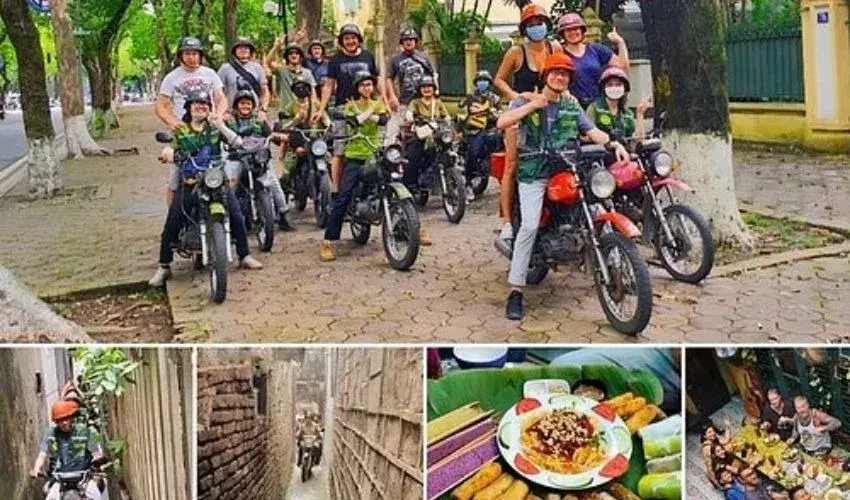
Walking, cyclo, motorbike, and Vespa tours create very different views of Hanoi.
Hanoi Street Food Tours use different transport styles. Your choice affects distance, pace, comfort, and neighborhood access.
A walking food tour suits the Old Quarter. Short distances allow frequent tastings and detailed cultural stories.
Walking also reveals alleys, markets, temples, and historic shopfronts. The slower pace supports photography and conversation.
A motorbike food tour reaches more districts. Guests usually ride behind experienced local drivers.
Vespa tours add a classic vehicle and evening atmosphere. They often combine food stops with city viewpoints.
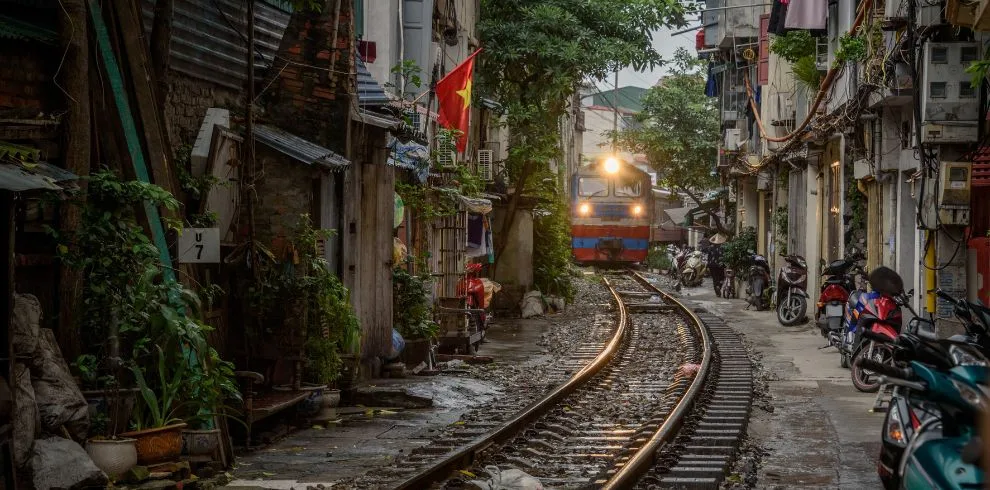
Cyclo combinations offer a relaxed central ride. They suit visitors who want less walking between selected stops.
Related experiences: Hanoi Walking Tours | Hanoi Motorbike Tours | Hanoi Vespa Tours
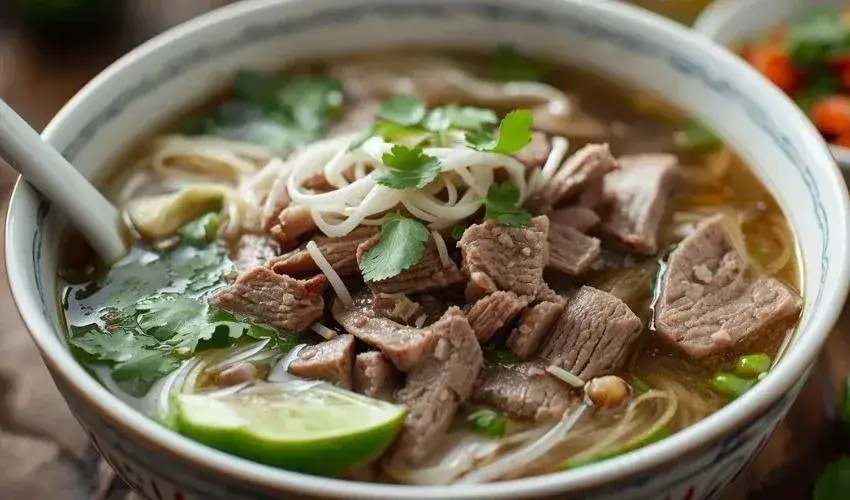
Pho introduces northern Vietnam through a clear broth, rice noodles, herbs, and tender beef.
Menus change by route, vendor, season, and dietary needs. A balanced tour should mix flavors and textures.
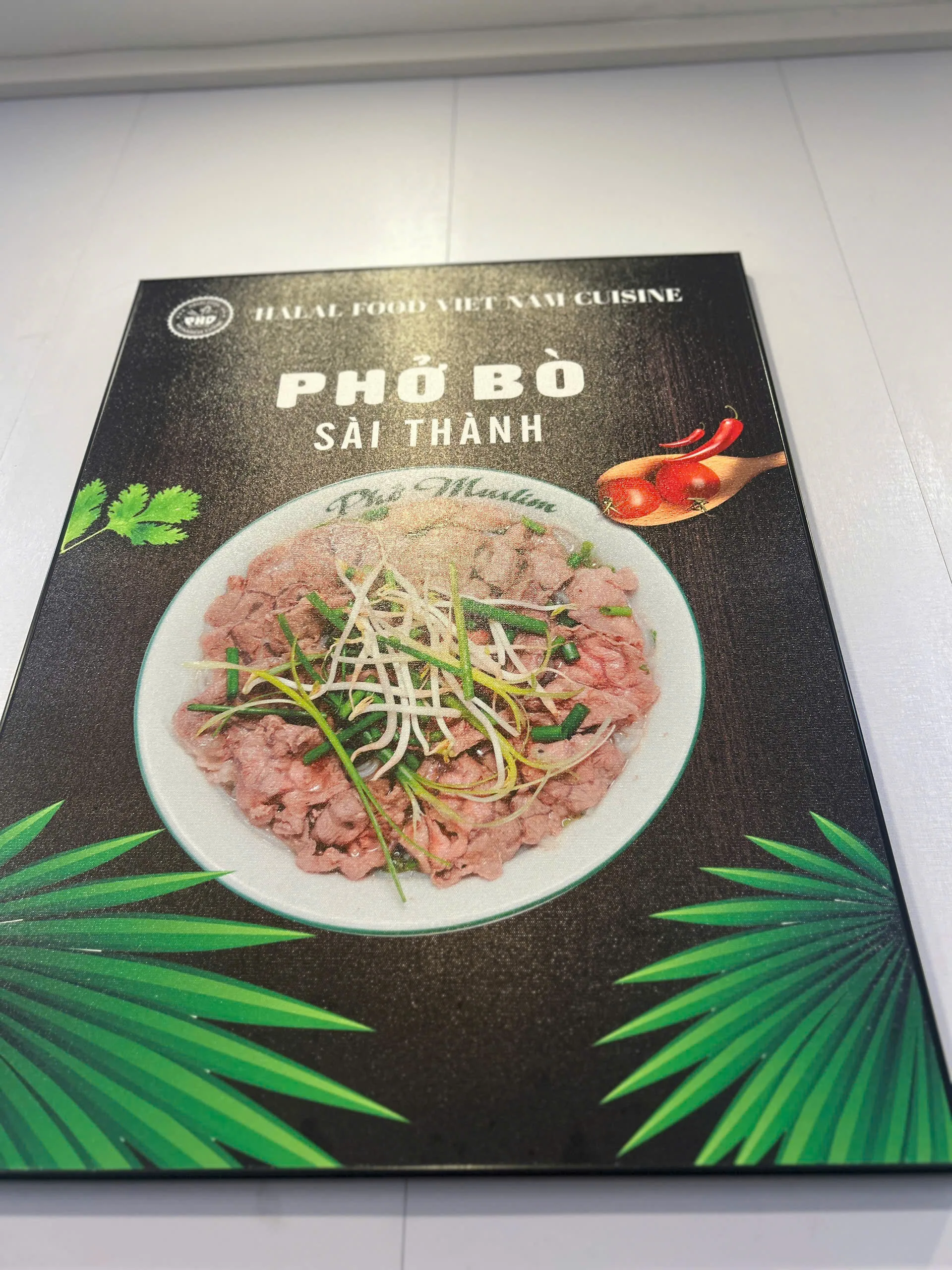
Pho combines rice noodles, aromatic broth, herbs, and meat. Different stalls create distinct broths and serving styles.
Bun cha pairs grilled pork with rice noodles, herbs, and dipping sauce. It remains strongly associated with Hanoi.
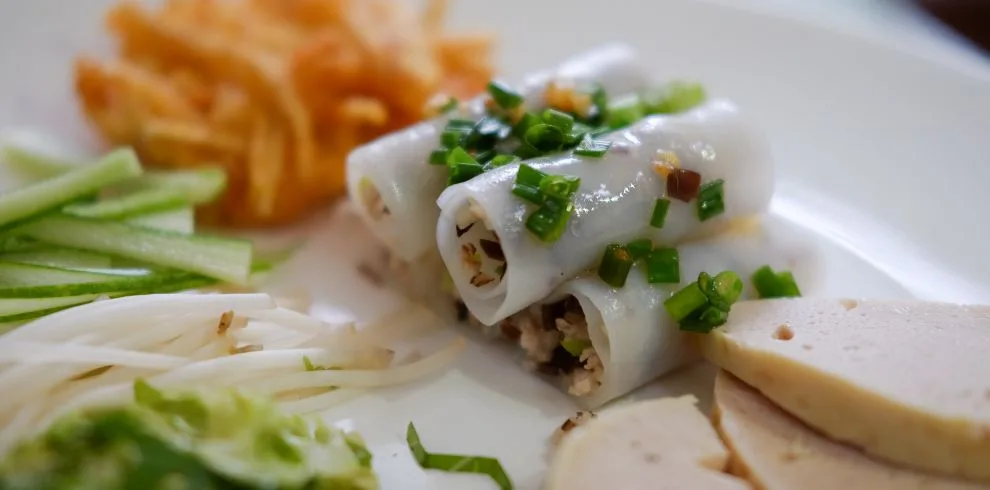
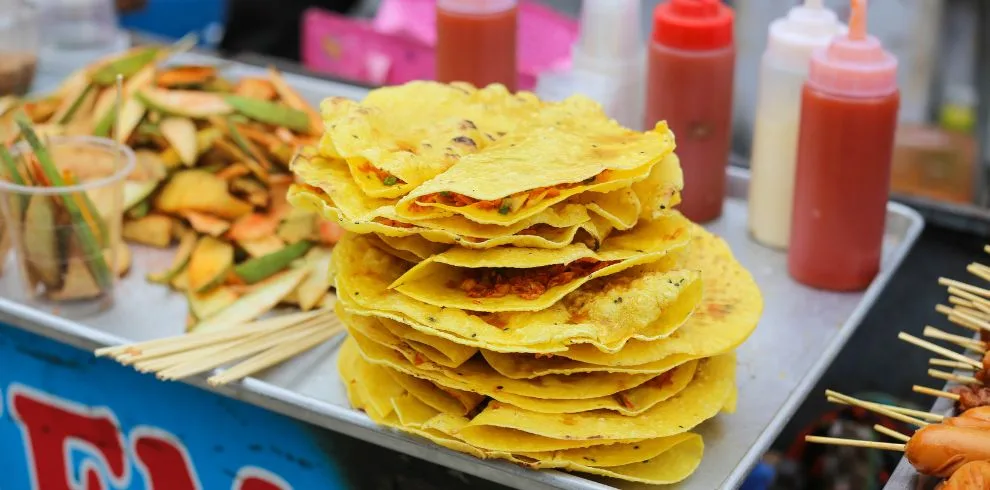
Banh cuon uses thin steamed rice sheets. Fillings and toppings often include pork, mushrooms, herbs, and fried shallots.
Banh mi combines a crisp baguette with savory fillings. Each vendor chooses different meats, sauces, herbs, and pickles.
Egg coffee offers a rich final drink. Its creamy topping balances strong Vietnamese coffee.
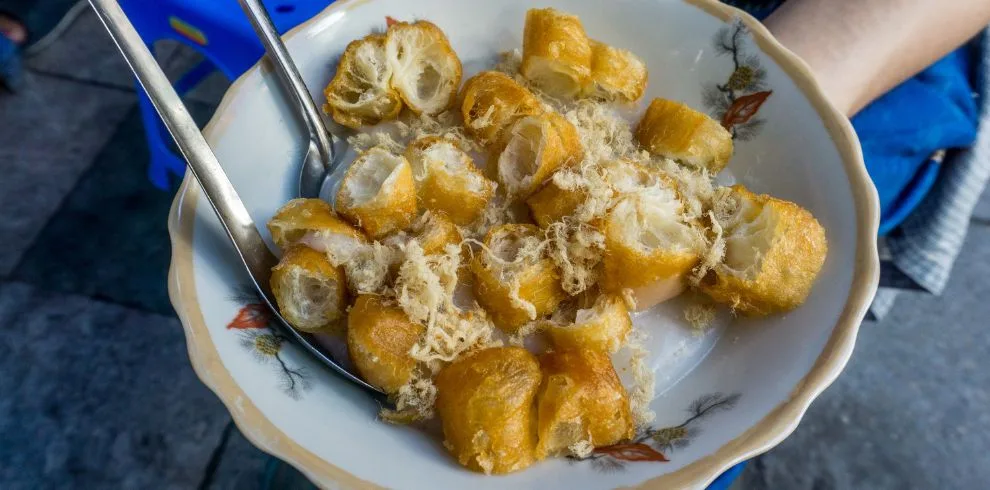
Other tastings may include noodles, grilled skewers, spring rolls, sticky rice, desserts, or seasonal fruit.
Read more: Best Hanoi Dishes to Try | Hanoi Street Food Guide
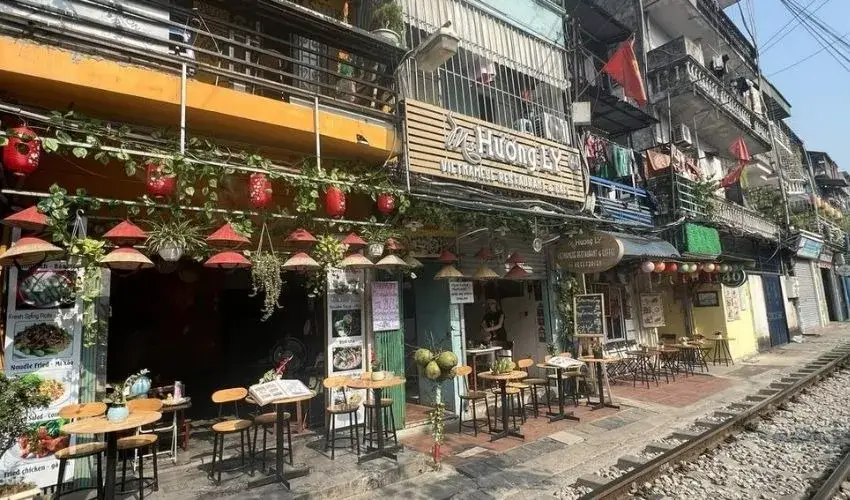
Historic streets, hidden cafes, and family vendors shape the Old Quarter food experience.
The Old Quarter remains the main area for first-time food tours. Its compact streets support several stops within one route.
Vendors operate beside historic homes, markets, temples, and trading streets. Food becomes part of the neighborhood story.
Dong Xuan Market adds busy local energy. Nearby lanes offer snacks, noodles, desserts, and small family kitchens.
The cathedral area combines local food with cafes and French-influenced streets. It works well during daytime routes.
Longer motorbike tours may visit districts beyond the center. These neighborhoods often serve local residents rather than visitors.
A strong itinerary avoids repeated dishes. It also balances crowded streets with calmer tasting stops.
Explore more: Old Quarter Food Tour | Things to Do in Hanoi Old Quarter
Most tours begin with a meeting point or central hotel pickup. The guide confirms diets and explains the route.
The group then moves between selected vendors. Portions remain smaller than standard meals at most stops.
Your guide introduces each dish before tasting. Explanations may cover ingredients, preparation, history, and local eating habits.
Some stops include seated meals. Others use small stools, standing counters, or takeaway portions.
The route may include markets, landmarks, hidden alleys, and cafes. These stops prevent the tour from feeling like continuous eating.
Tours often finish with coffee, dessert, or a refreshing drink. Confirm the endpoint when planning evening transport.
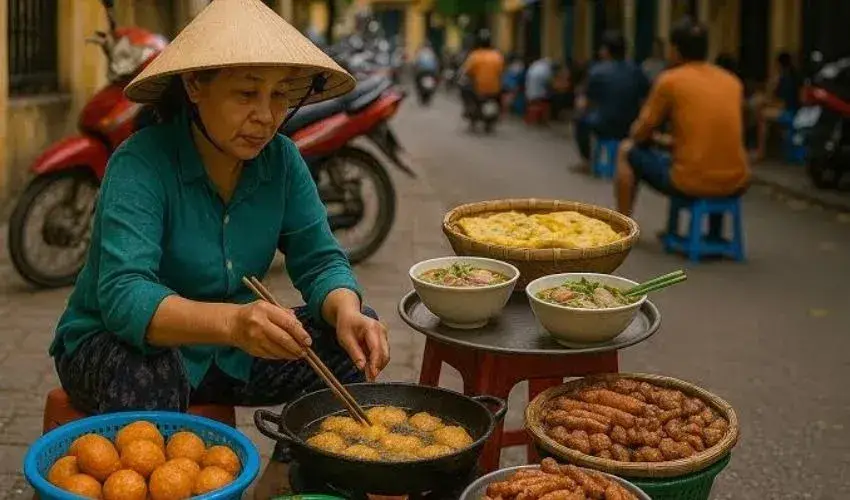
Busy vendors, hot food, fresh ingredients, and clean preparation support a comfortable tasting experience.
Food safety matters for every traveler. A guide can select vendors with strong turnover and consistent preparation.
Freshly cooked food should arrive hot. Cold items need careful handling and suitable storage.
Busy stalls often prepare ingredients continuously. High turnover can reduce long storage periods.
Travelers should wash or sanitize their hands before eating. Use bottled water when personal sensitivity requires extra care.
Avoid overeating during the first stops. Small portions help your stomach adjust to new flavors and ingredients.
Tell the guide about medical conditions before departure. Carry required medication throughout the tour.
Planning resource: Guided Street Food Tours in Hanoi
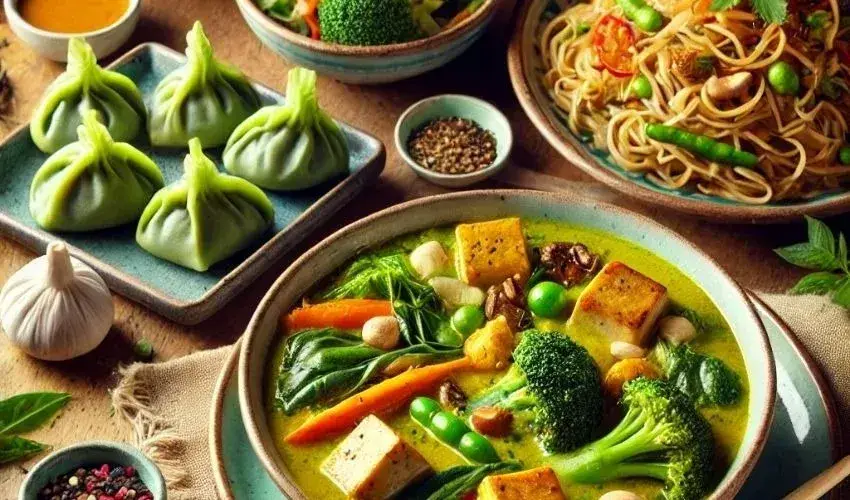
Dietary routes can feature plant-based noodles, fresh herbs, vegetables, tofu, and local desserts.
Dietary needs require advance planning. Street recipes may contain hidden sauces, broths, peanuts, seafood, or fermented ingredients.
Vegetarian and vegan tours can focus on plant-based vendors. Buddhist food traditions provide several useful options.
Halal travelers should ask about ingredients, preparation areas, and cooking fats. A local guide can explain realistic choices.
Severe allergies need direct communication before booking. The operator must understand the ingredient and cross-contact risk.
Gluten-free travelers should discuss soy sauce, noodles, marinades, and shared cooking surfaces. Rice-based dishes are not always fully gluten-free.
A private tour offers the most control. The guide can adjust stops and reduce unsuitable dishes.
Related experience: Hanoi Cooking Classes
Routes and inclusions vary between operators. Confirm dishes, drinks, transport, pickup, and dietary support before payment.
1. How long does a Hanoi food tour last?
Many tours last around three hours. Routes can change by transport, group size, and tasting format.
2. How many dishes will I try?
The number varies by itinerary. Most tours provide several smaller tastings instead of one full meal.
3. Are street food tours safe?
Good guides select reliable vendors and explain safe choices. Travelers should still share health concerns early.
4. Can vegetarians join?
Yes. Specialized vegetarian and vegan routes are available. Confirm hidden broths, sauces, and cross-contact risks.
5. Should I eat before the tour?
Eat lightly beforehand. Arriving hungry helps, but skipping every meal can cause discomfort.
6. Is a private tour worth booking?
Private tours provide flexible menus and pacing. They are useful for families, allergies, and special interests.