
Article brief
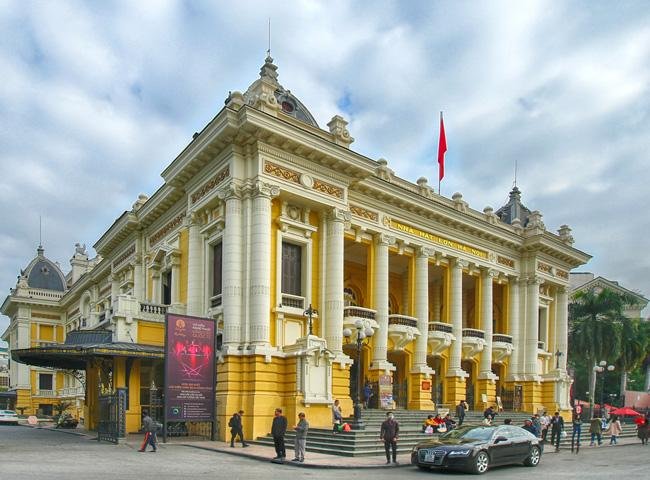
Stepping into Hanoi's French Quarter feels like traveling through time.
Route flow, hotel placement and transfer timing are the three decisions that shape the whole trip.
Stepping into Hanoi’s French Quarter feels like traveling through time. This enchanting district, with its tree-lined boulevards and elegant colonial architecture, tells the story of Vietnam’s complex history while offering modern travelers an unforgettable experience. Whether you’re planning your first visit or returning to discover hidden gems, this comprehensive guide will help you make the most of your time in one of Southeast Asia’s most charming neighborhoods.
What Makes the French Quarter Special?
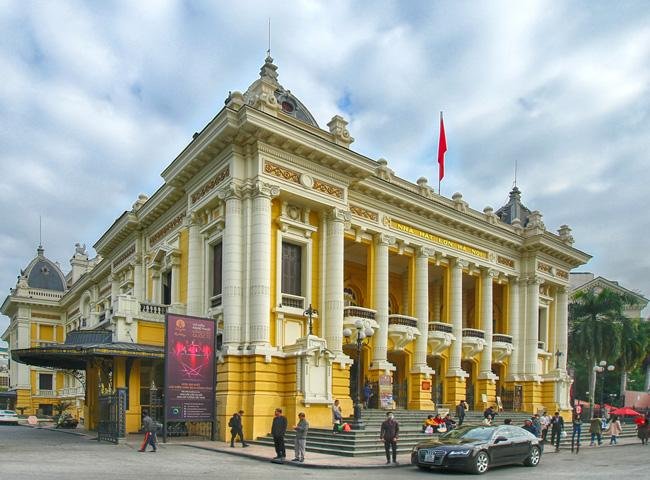
The French Quarter in Hanoi represents a unique blend of Vietnamese culture and French colonial influence. Built during the French Indochina period (1887-1954), this district showcases stunning architecture, wide boulevards, and a sophisticated atmosphere that sets it apart from the bustling Old Quarter nearby.
“The French Quarter isn’t just about beautiful buildings – it’s where Vietnam’s modern identity was shaped, making it essential for understanding the country’s journey.” – Local Heritage Expert
1. Take a French Quarter Walking Tour
Begin your exploration with a guided walking tour to understand the historical context and architectural significance of this remarkable district. Professional guides share fascinating stories about French colonial rule, Vietnamese resistance, and the area’s transformation into modern Hanoi.
A French Quarter walking tour typically covers major landmarks while providing insider knowledge about hidden courtyards, historical anecdotes, and architectural details you might miss on your own.
What to Expect:
- Professional English-speaking guides
- 2-3 hour comprehensive tours
- Small group sizes for personalized attention
- Historical insights and photo opportunities
2. Marvel at the Hanoi Opera House
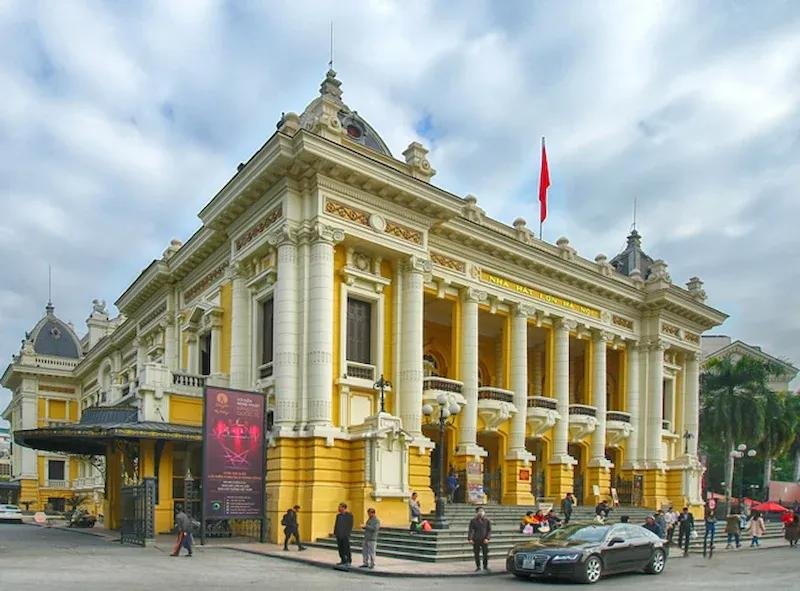
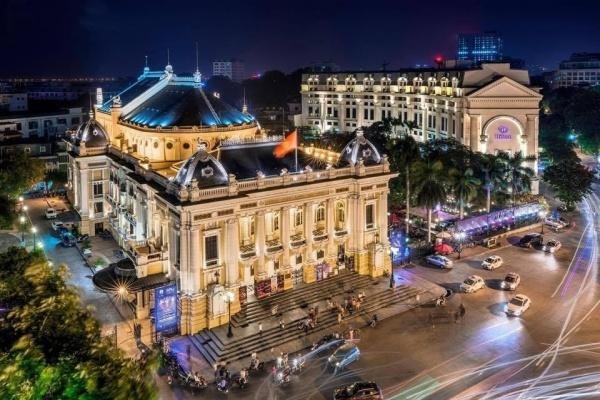
The Hanoi Opera House stands as the crown jewel of French colonial architecture in the city. Modeled after the Paris Opera House, this magnificent building opened in 1911 and continues to host world-class performances today.
The opera house’s neo-classical facade, with its ornate columns and decorative elements, creates a stunning backdrop for photos. Inside, the red velvet seats and golden details transport visitors to a bygone era of elegance and sophistication.
Visitor Information:
- Location: 1 Trang Tien Street
- Tours available: Daily (advance booking recommended)
- Performance season: September to May
- Architecture style: Neo-classical French colonial
3. Stroll Around Hoan Kiem Lake
While technically bordering the French Quarter, Hoan Kiem Lake serves as the perfect starting point for your French Quarter exploration. The lake’s peaceful atmosphere and surrounding French-era buildings create an ideal introduction to the area’s charm.
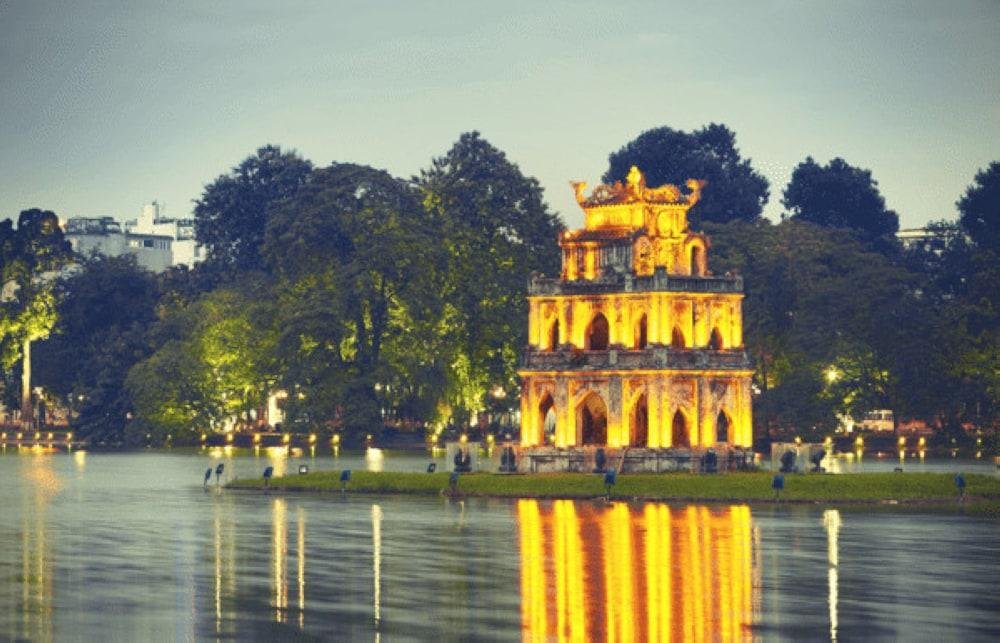
Early morning walks around the lake offer opportunities to observe local life, from tai chi practitioners to coffee vendors, while admiring the colonial architecture that frames this historic body of water.
4. Explore St. Joseph’s Cathedral
Inspired by Notre Dame de Paris, St. Joseph’s Cathedral represents one of the most striking examples of French religious architecture in Vietnam. Completed in 1886, this Gothic Revival cathedral serves as the seat of the Roman Catholic Archdiocese of Hanoi.
The cathedral’s twin towers, rose windows, and flying buttresses create a dramatic silhouette against Hanoi’s skyline. Inside, beautiful stained glass windows and religious artifacts provide insight into Vietnam’s Catholic heritage.
Visiting Details:
- Address: 40 Nha Chung Street
- Mass times: Daily (check schedule)
- Architecture: Gothic Revival
- Best photo time: Late afternoon for golden hour lighting
5. Shop Along Trang Tien Street
Trang Tien Street has been Hanoi’s premier shopping destination since French colonial times. This elegant boulevard connects the Opera House to Hoan Kiem Lake, lined with boutiques, cafes, and historic buildings that showcase the quarter’s commercial heritage.
Modern shopping malls now complement traditional shops, offering everything from local handicrafts to international brands. The street’s wide sidewalks and colonial architecture make shopping here a pleasant cultural experience.
6. Admire French Colonial Architecture
The French Quarter’s architectural legacy extends far beyond individual monuments. Entire blocks showcase coordinated colonial design, with yellow ochre buildings, green shutters, and wrought-iron balconies creating a cohesive aesthetic rarely found elsewhere in Southeast Asia.
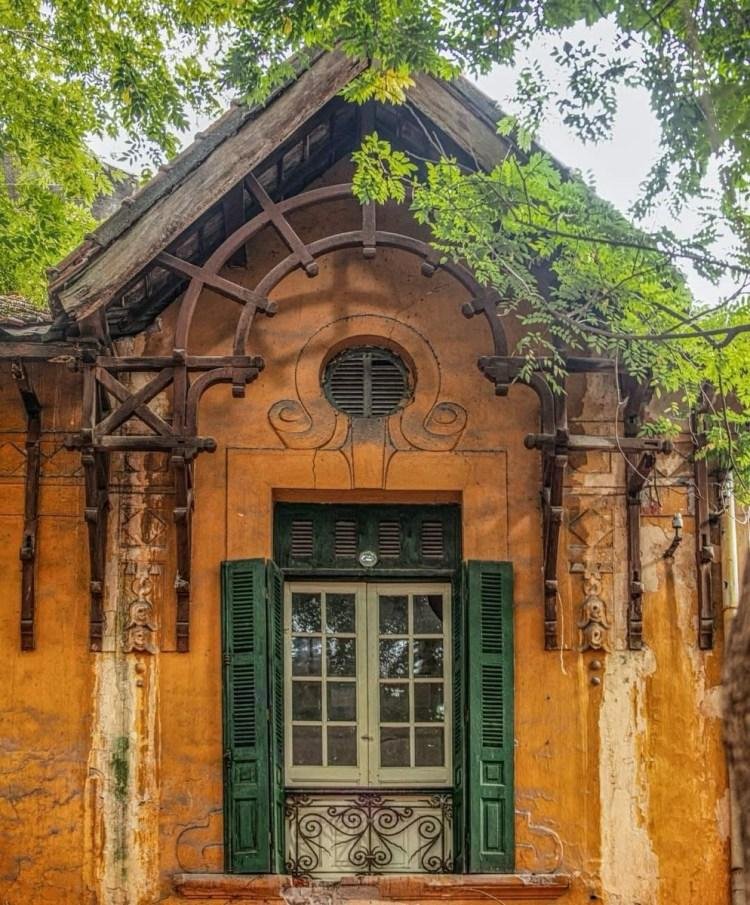
Key architectural elements to notice include:
- Symmetrical facades with classical proportions
- Decorative cornices and moldings
- French-style mansard roofs
- Tropical adaptations like wide verandas
7. Visit the Historic Hanoi Post Office
The Central Post Office represents functional French colonial architecture at its finest. Built in 1942, this building continues to serve its original purpose while showcasing period design elements including arched windows, decorative tilework, and a grand central hall.
Even if you don’t need postal services, the building’s interior offers a glimpse into mid-20th century governmental architecture, with its high ceilings and period fixtures remarkably well-preserved.
8. Discover the National Museum of Vietnamese History
Housed in a beautiful French colonial building, the National Museum of Vietnamese History provides essential context for understanding Vietnam’s complex past. The museum’s collection spans from prehistoric times through the colonial period and beyond.
The building itself, completed in 1932, exemplifies Indochinese architecture – a unique fusion of French colonial design with traditional Vietnamese elements. This architectural style became a symbol of cultural synthesis during the colonial period.
Museum Highlights:
- Dong Son bronze drums
- Cham sculpture collection
- Colonial period artifacts
- Traditional Vietnamese royal items
9. Experience French Culinary Heritage
The French Quarter maintains strong connections to its culinary roots, with numerous restaurants serving both authentic French cuisine and Vietnamese-French fusion dishes. These establishments range from intimate bistros to elegant fine dining venues.
Traditional French bakeries still operate throughout the quarter, offering fresh baguettes, croissants, and pastries that rival those found in France. Many Vietnamese dishes also show clear French influences, including banh mi sandwiches and Vietnamese coffee preparation methods.
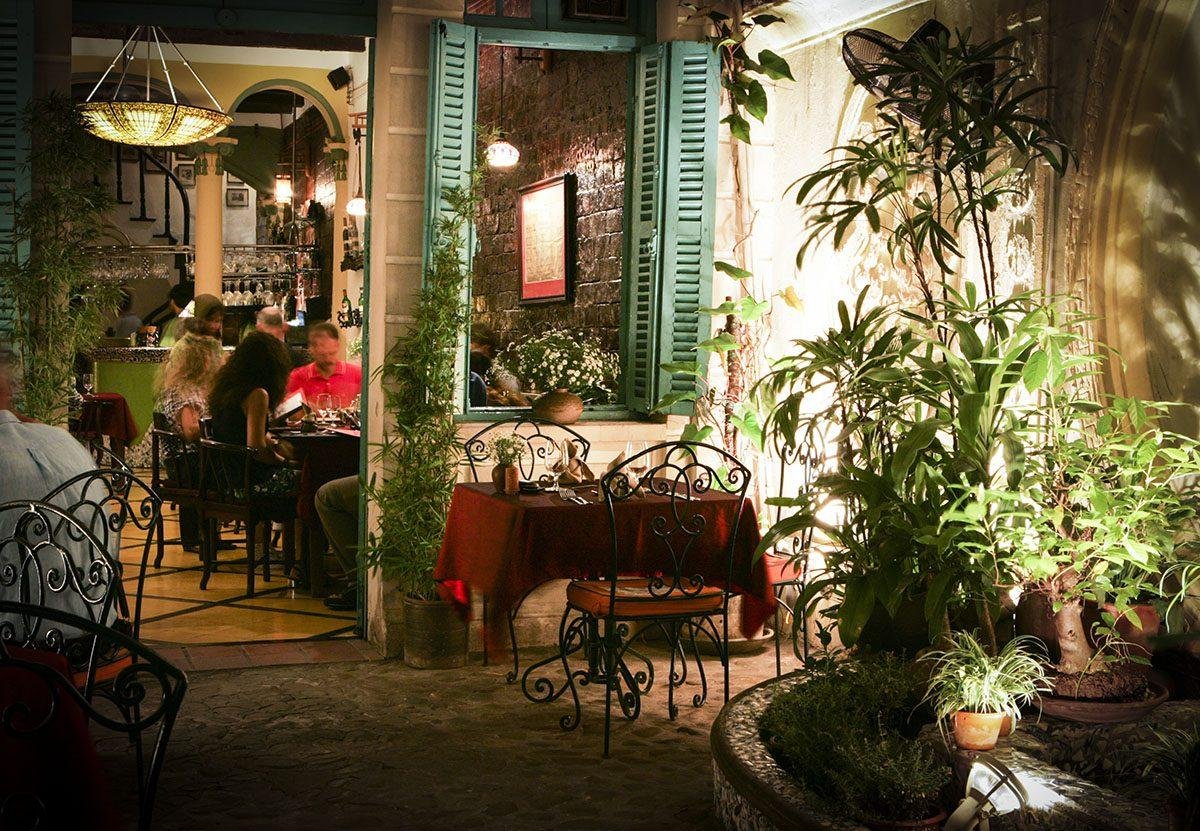
For food enthusiasts, consider joining a Hanoi food tour that includes French Quarter stops to sample both colonial-era dishes and modern interpretations of Franco-Vietnamese cuisine.
10. Embrace the Coffee Culture
Vietnamese coffee culture owes much to French colonial influence, and the French Quarter remains home to some of Hanoi’s most atmospheric cafes. These establishments blend French cafe traditions with Vietnamese coffee preparation methods, creating a unique social experience.
Many cafes occupy colonial-era buildings, offering outdoor seating that allows for people-watching while sipping strong Vietnamese coffee or cafe au lait. The slower pace of these establishments provides a perfect respite from Hanoi’s energetic street life.
11. Relax in Ly Thai To Garden
Ly Thai To Garden provides a green oasis within the urban French Quarter. This well-maintained park features walking paths, benches, and mature trees that offer shade during hot Vietnamese afternoons.
The garden often hosts cultural events and provides space for tai chi practitioners and families to gather. Its central location makes it an ideal meeting point and rest stop during French Quarter exploration.
12. Visit Ba Dinh Square and Surrounding Area
While slightly outside the core French Quarter, Ba Dinh Square represents the political heart of modern Vietnam and showcases how French colonial urban planning influenced the entire city layout. The square’s wide boulevards and formal gardens reflect French design principles.
The surrounding government buildings, including the Presidential Palace (former Governor-General’s residence), demonstrate how colonial infrastructure adapted to serve independent Vietnam’s needs.
13. Photograph the French Embassy Building
The French Embassy occupies one of the French Quarter’s most impressive colonial mansions. While public access is restricted, the building’s exterior provides excellent photography opportunities and represents the architectural pinnacle of French residential design in Hanoi.
The embassy’s gardens and surrounding streets showcase how French urban planners envisioned an elegant residential district that would rival European cities in terms of sophistication and livability.
14. Experience French Quarter Nightlife
Evening transforms the French Quarter into a sophisticated entertainment district. Rooftop bars offer panoramic city views, while wine bars and cocktail lounges provide intimate settings for relaxation after day-long exploration.
Many establishments occupy restored colonial buildings, creating atmospheres that blend historical charm with modern comfort. Live music venues and cultural centers also contribute to the quarter’s evening appeal.
15. Take Professional Photography Tours
The French Quarter’s photogenic qualities make it perfect for both amateur and professional photography. Specialized photography tours help visitors capture the area’s architectural details, street life, and atmospheric lighting conditions that change throughout the day.
Golden hour photography sessions particularly highlight the warm tones of colonial buildings, while early morning shoots capture the quarter’s peaceful atmosphere before daily activities begin.
Planning Your French Quarter Visit
Best Time to Visit
The French Quarter is beautiful year-round, but certain seasons offer distinct advantages:
- Spring (February-April): Pleasant temperatures and blooming trees
- Fall (September-November): Comfortable weather and clear skies
- Winter (December-January): Cool temperatures ideal for walking
- Summer (May-August): Warm but manageable with frequent indoor stops
Transportation Options
The French Quarter’s central location makes it easily accessible:
- Walking: Best way to appreciate architectural details
- Cyclo tours: Traditional and leisurely exploration method
- Bicycle: Efficient for covering larger areas
- Taxi/Grab: Convenient for longer distances
Cultural Sensitivity and Respect
While exploring the French Quarter, remember that this area represents a complex historical period. Approach colonial heritage with cultural sensitivity, recognizing both the architectural beauty and the complicated political history these buildings represent.
“Understanding the French Quarter means appreciating both its aesthetic value and acknowledging the complex colonial legacy it represents in Vietnamese society.” – Cultural Heritage Specialist
Frequently Asked Questions
How long should I spend in the French Quarter?
A full day allows for thorough exploration, but you can see major highlights in 4-6 hours. Consider spreading your visit across multiple days to fully appreciate the area’s restaurants, cafes, and cultural offerings.
Is the French Quarter safe for tourists?
Yes, the French Quarter is generally very safe for tourists. The area is well-patrolled and frequently visited by international travelers. Standard travel precautions apply, particularly regarding personal belongings.
What’s the difference between the French Quarter and Old Quarter?
The French Quarter features wider streets, colonial architecture, and a more formal layout, while the Old Quarter has narrow streets, traditional Vietnamese architecture, and a more chaotic energy. Both areas offer unique experiences and are worth visiting.
Can I visit French Quarter attractions independently?
Absolutely! Many visitors enjoy self-guided exploration. However, guided tours provide historical context and access to locations that might be difficult to find independently.
Are there good restaurants in the French Quarter?
The French Quarter offers excellent dining options, from traditional Vietnamese restaurants to French bistros and international cuisine. Many establishments occupy beautiful colonial buildings, enhancing the dining experience.
Making the Most of Your Visit
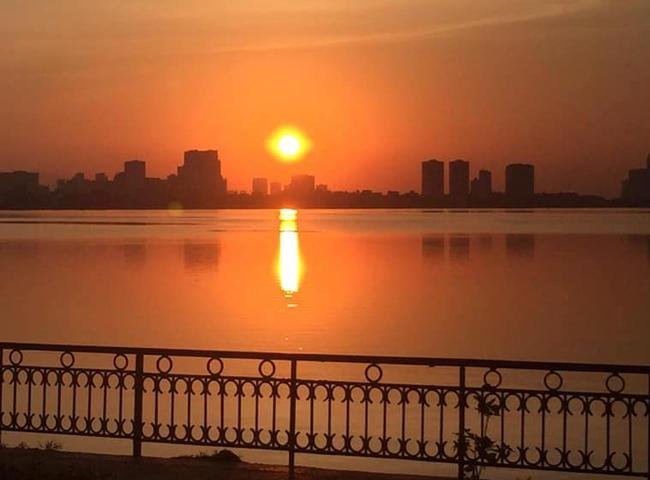
To maximize your French Quarter experience, consider combining your visit with other Hanoi attractions. The area serves as an excellent starting point for exploring the broader city, with easy access to the Old Quarter, West Lake, and other districts.
Consider booking a comprehensive Hanoi city tour that includes French Quarter highlights alongside other must-see attractions. This approach provides excellent value and ensures you don’t miss important connections between different areas of the city.
Ready to Explore Hanoi’s French Quarter?
The French Quarter offers an unparalleled glimpse into Vietnam’s colonial past while serving as a vibrant part of modern Hanoi. Whether you’re interested in architecture, history, cuisine, or simply soaking up atmosphere, this remarkable district provides experiences that will enhance any Vietnam travel itinerary.
Ready to discover the French Quarter’s magic for yourself? Contact Vietnam Travelers today to book your guided tour or create a custom itinerary that includes French Quarter exploration alongside other Vietnamese adventures. Our local expertise ensures you’ll experience the best of Hanoi’s colonial heritage while gaining insights that only come from years of sharing Vietnam’s stories with travelers from around the world.
Don’t just visit the French Quarter – experience it with guides who understand both its beauty and its significance in Vietnam’s remarkable journey from colonial past to vibrant present.
Have you visited Hanoi’s French Quarter? Share your experiences in the comments below and help fellow travelers discover their own favorite spots in this enchanting district!