
Article brief
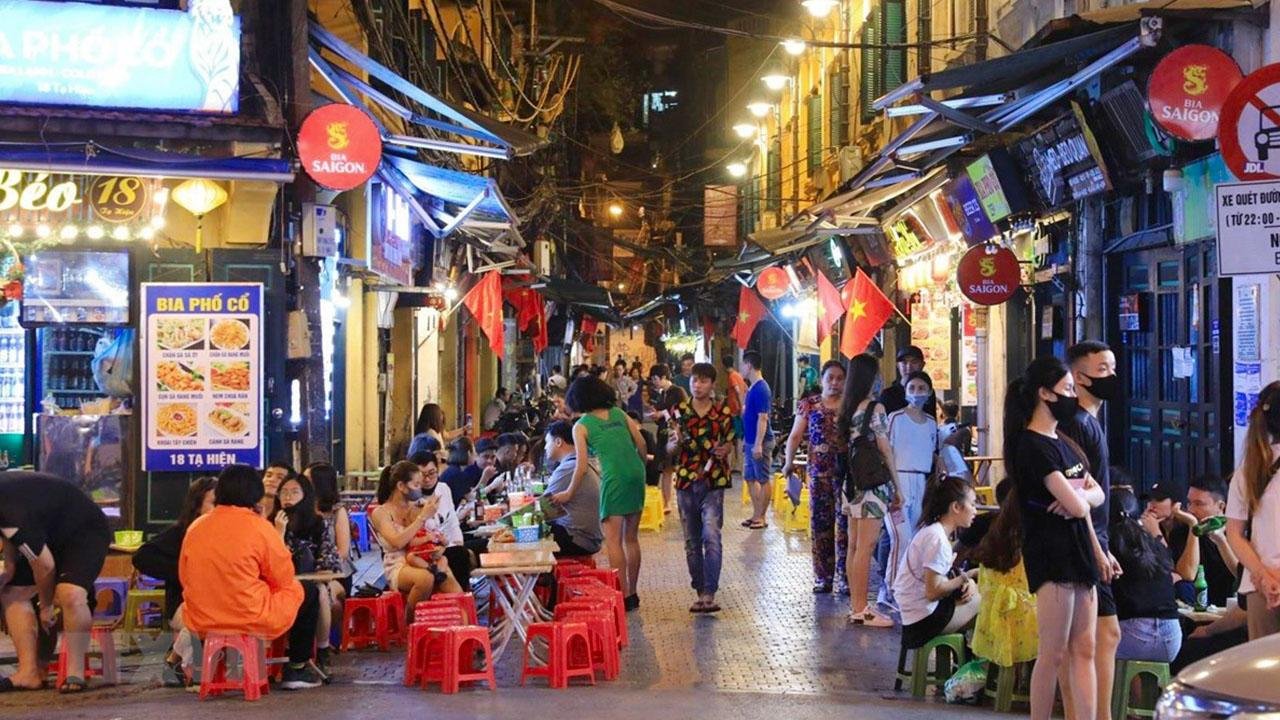
Hanoi's Old Quarter is a paradise for food enthusiasts, offering a tantalizing array of flavors that have been perfected over generations.
Route flow, hotel placement and transfer timing are the three decisions that shape the whole trip.
Hanoi’s Old Quarter is a paradise for food enthusiasts, offering a tantalizing array of flavors that have been perfected over generations. From steaming bowls of phở to crispy bánh mì sandwiches, this historic district serves as Vietnam’s culinary epicenter. In this comprehensive guide, we’ll take you through the most iconic dishes and where to find them, ensuring your taste buds experience the authentic flavors of Vietnam’s capital.
Iconic Street Foods You Must Try in Hanoi Old Quarter
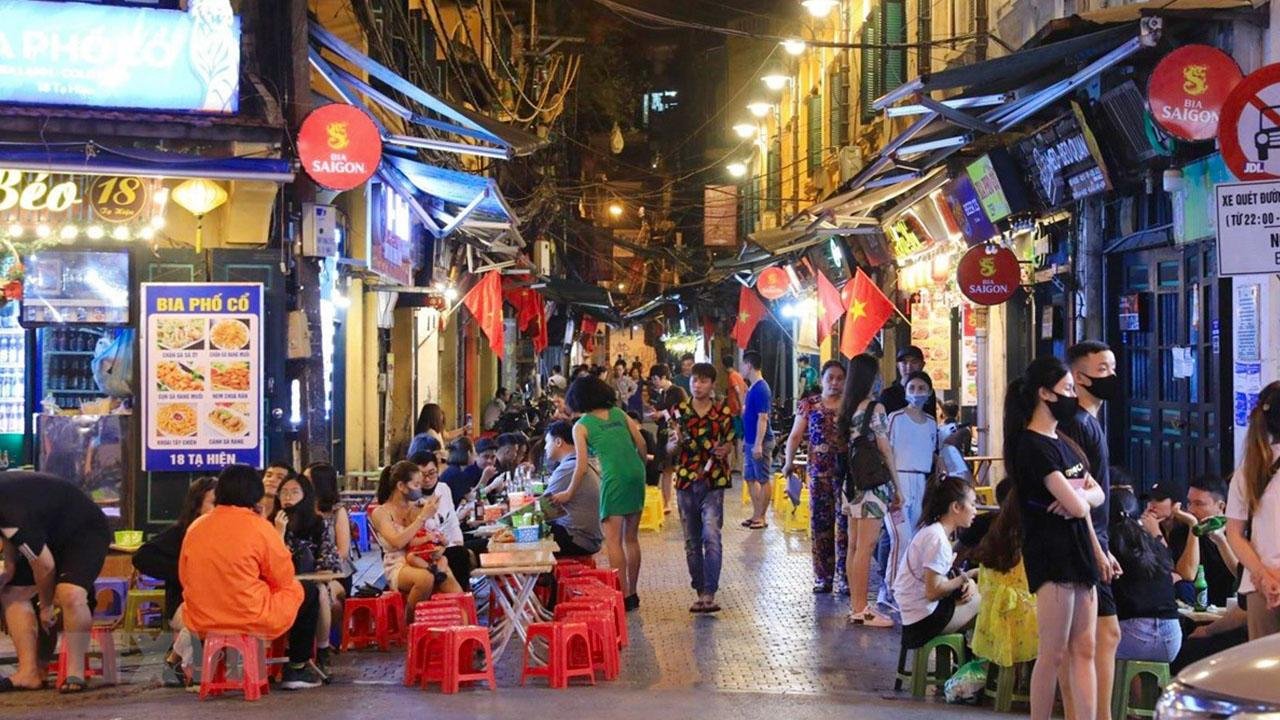
The beating heart of Hanoi’s food culture lies in its streets, where generations of family recipes are served from humble carts and storefronts. Here are the essential dishes no visitor should miss:
1. Phở – Vietnam’s National Dish
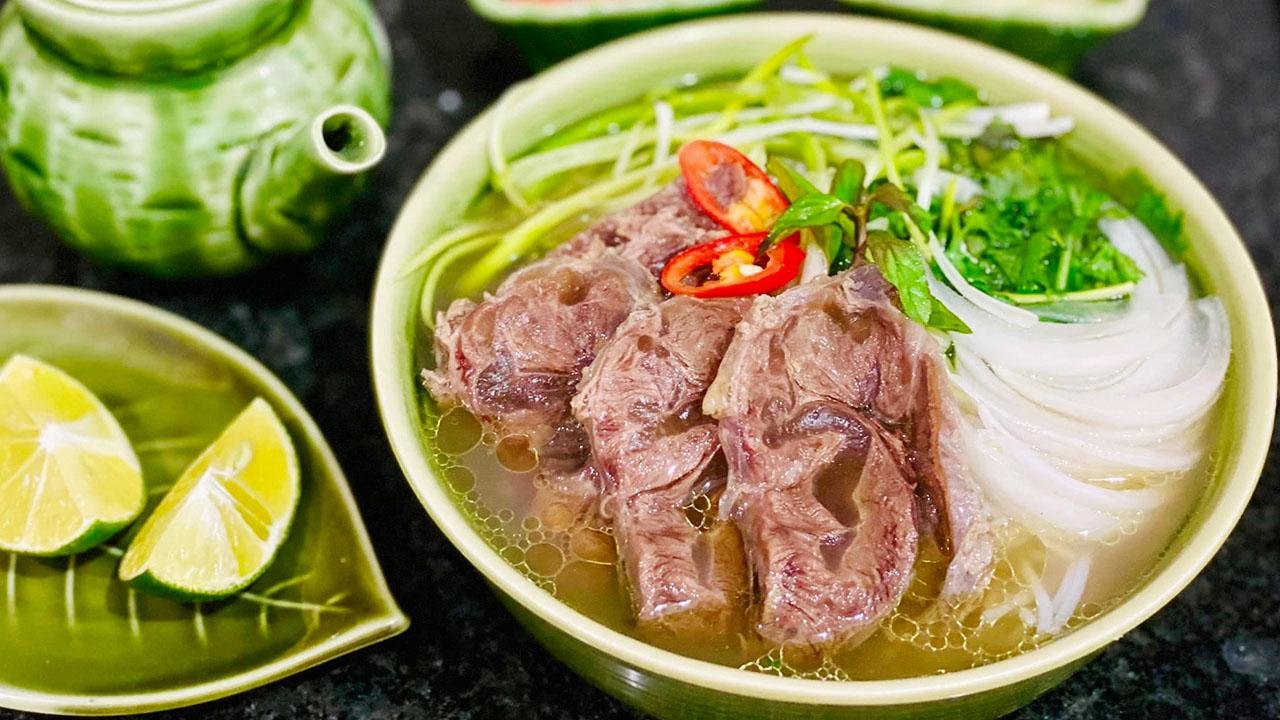
This aromatic beef noodle soup is perhaps Vietnam’s most famous culinary export. In Hanoi, phở is characterized by a clear, flavorful broth, flat rice noodles, and thinly sliced beef. Unlike its southern counterpart, Hanoi-style phở is typically simpler, with fewer herbs and condiments, allowing the skillfully prepared broth to shine.
Where to find the best: Phở Gia Truyền (49 Bát Đàn) has been serving exceptional phở for decades, with a broth that’s simmered for hours with beef bones, star anise, and other spices.
2. Bún Chả – Hanoi’s Signature Lunch
Bún chả consists of grilled pork served in a sweet and savory broth, accompanied by rice vermicelli noodles and a basket of fresh herbs. This dish gained international fame when Anthony Bourdain and President Obama shared a meal at Bún Chả Hương Liên in 2016.
Where to find the best: Bún Chả Duy Minh (1 Hàng Mành) offers perfectly caramelized pork patties and strips with a balanced dipping sauce.
3. Bánh Mì – Vietnam’s Perfect Sandwich
This French-influenced sandwich features a crusty baguette filled with a combination of meats, pâté, pickled vegetables, cilantro, and chili. Hanoi’s version often includes a generous spread of pâté and less vegetables than southern variations.
Where to find the best: Bánh Mì Phố Cổ (38 Đinh Liệt) serves delicious sandwiches with crispy bread and balanced fillings.
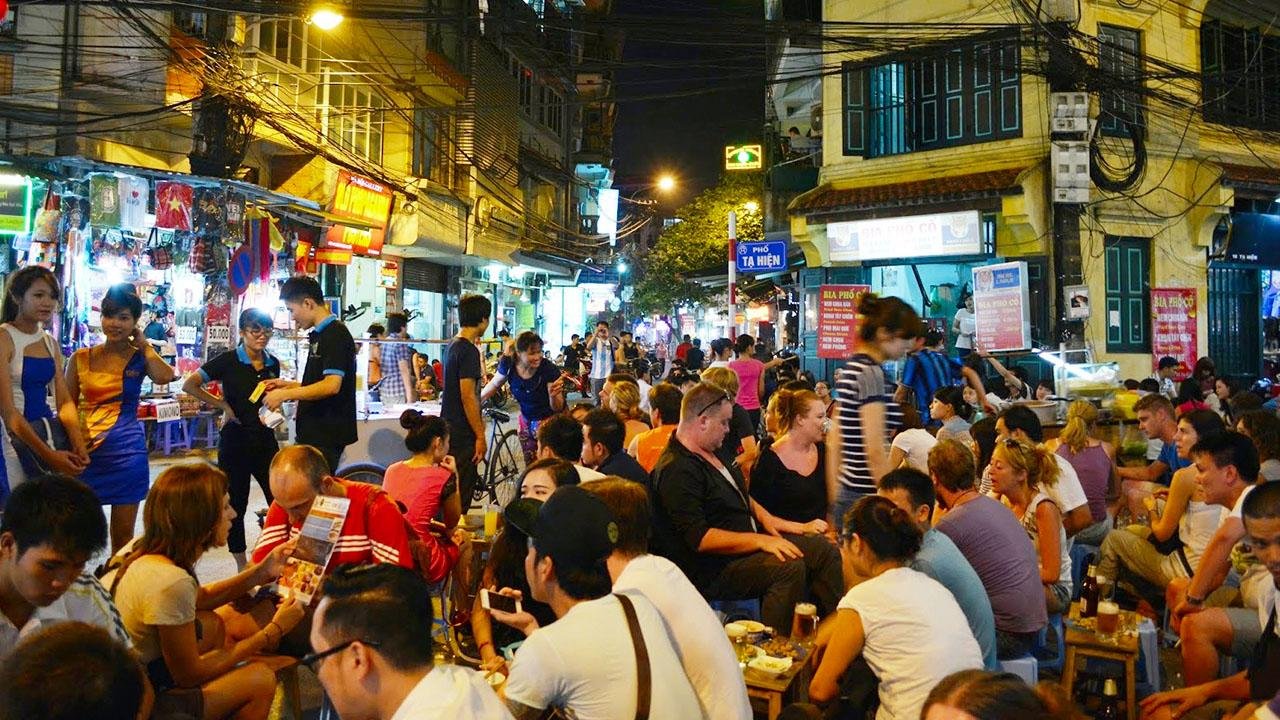
“You haven’t truly experienced Hanoi until you’ve eaten a bánh mì while sitting on a tiny plastic stool, watching the chaotic dance of motorbikes and pedestrians around you.” – Local food guide
4. Egg Coffee (Cà Phê Trứng)
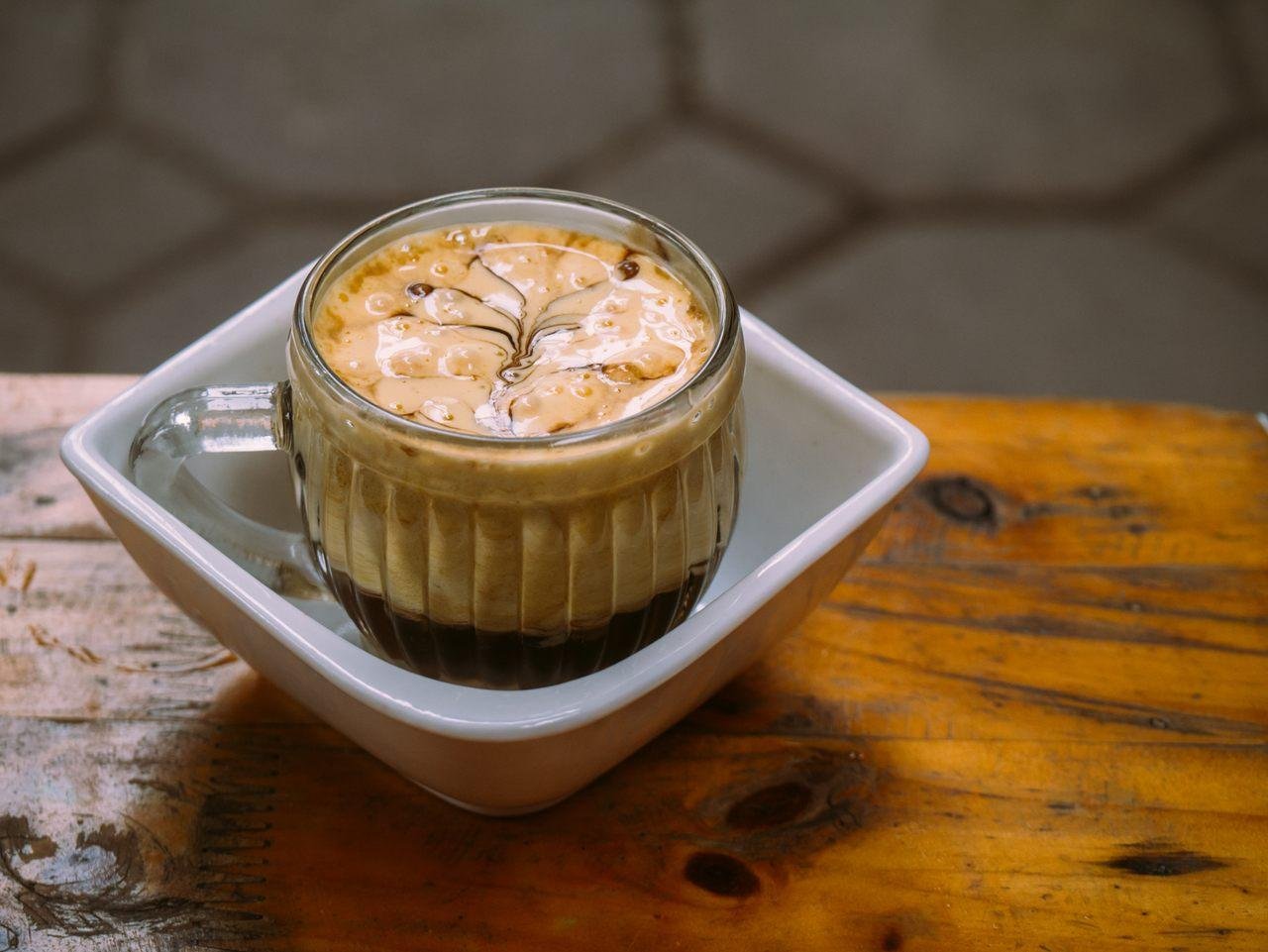
This unique Hanoi invention combines coffee with whipped egg yolks, sugar, and condensed milk to create a dessert-like beverage that’s both rich and refreshing. Created during milk shortages in the 1940s, it’s now a beloved specialty.
Where to find the best: Café Giảng (39 Nguyễn Hữu Huân), where the recipe was invented, still serves the original version in a charming traditional setting.
5. Bún Riêu – Crab Noodle Soup
This tangy tomato and crab-based soup features rice vermicelli, tofu, fresh herbs, and sometimes snails or beef. The broth gets its distinctive flavor from fermented shrimp paste and crab roe.
Where to find the best: Bún Riêu Hàng Bạc (11 Hàng Bạc) serves a consistently excellent version with generous portions.
Hidden Culinary Gems in Hanoi’s Old Quarter
Beyond the famous dishes, Hanoi’s Old Quarter houses countless specialized eateries serving unique local favorites:
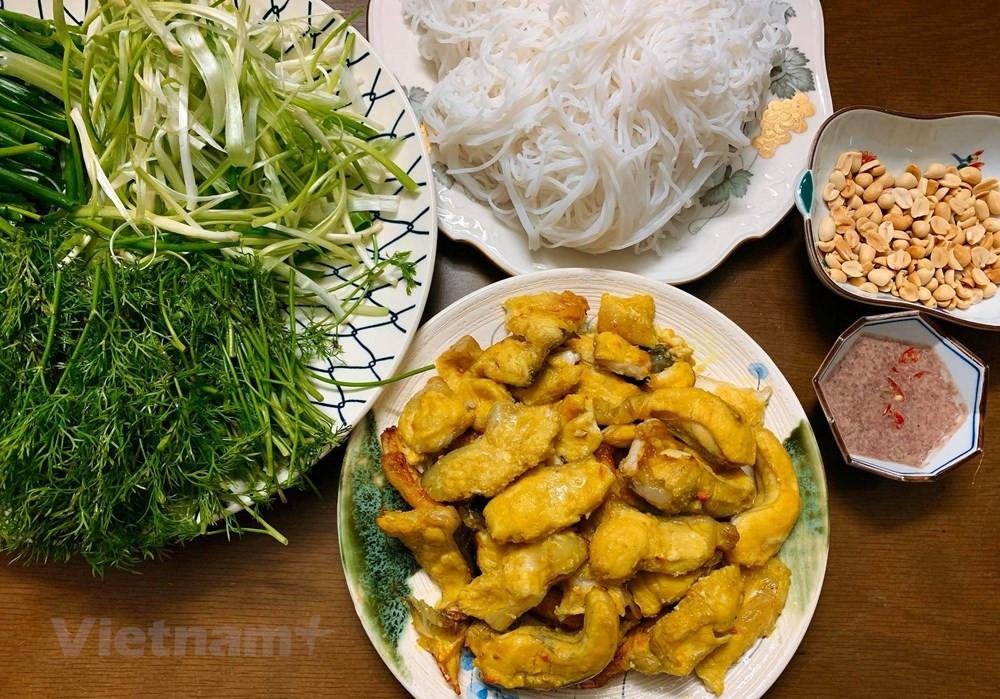
- Chả Cá Lã Vọng – Turmeric-marinated fish cooked tableside with dill and spring onions
- Bánh Cuốn – Delicate steamed rice rolls filled with minced pork and mushrooms
- Xôi – Savory sticky rice topped with various ingredients like Chinese sausage, fried shallots, and pâté
- Bún Đậu Mắm Tôm – Fried tofu, herbs, and rice vermicelli served with pungent fermented shrimp sauce
- Nem Cua Bể – Crab spring rolls with a delicate, crispy exterior
Desserts and Sweet Treats
After savoring Hanoi’s savory specialties, save room for these delightful sweet offerings:
Chè – Vietnamese Sweet Soups
Chè encompasses a variety of sweet, soupy desserts often made with beans, jellies, fruits, and coconut milk. Each shop specializes in different variations.
Where to find the best: Chè Bà Thơm (Hàng Đường Street) offers numerous traditional varieties in one location.
Fresh Fruit and Seasonal Specialties
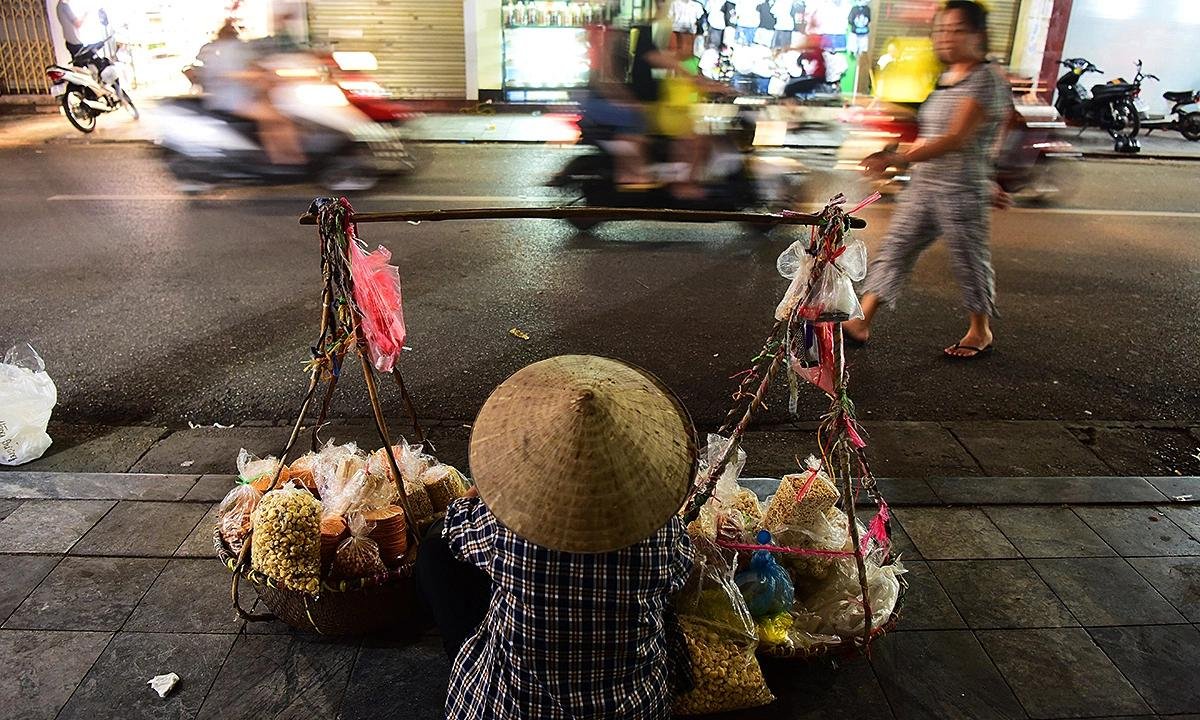
Don’t miss trying locally grown fruits like longan, lychee, and dragonfruit, often sold by street vendors throughout the Old Quarter. During summer months, look for kem xôi (sticky rice ice cream) for a refreshing treat.
Navigating Food Streets in the Old Quarter
Several streets in the Old Quarter specialize in specific dishes, making it easy to find authentic versions:
- Tạ Hiện Street – Known as “Beer Street,” it offers various Vietnamese bar foods
- Lý Quốc Sư Street – Famous for phở and other noodle dishes
- Mã Mây Street – Home to many traditional restaurants serving classic dishes
- Ngũ Xã Street – Specializes in phở cuốn (fresh rice noodle rolls)
- Đào Duy Từ Street – Great for bánh mì and other quick bites
Food Tour Experiences
For those wanting a guided experience, food tours provide an excellent introduction to Hanoi’s culinary landscape. These tours typically include:
- Visits to 5-8 different food establishments
- Small group sizes for a personalized experience
- Cultural and historical context for each dish
- Introductions to dishes you might not discover independently
Recommended tour: Vietnam Travelers’ Hanoi Old Quarter Food Tour combines walking and optional motorbike transportation to access authentic local eateries while learning about Vietnamese food culture.
“Taking a food tour on my first day in Hanoi was the best decision I made. Not only did I learn which dishes to seek out during my stay, but I also gained confidence in ordering and eating like a local.” – Sarah, Australia
Tips for Eating Like a Local
Etiquette and Practical Advice
- Timing matters – Many street food vendors open early and close once they sell out, often by early afternoon
- Follow the locals – Busy spots with Vietnamese customers typically offer the most authentic food
- Embrace the tiny stools – Most street food is enjoyed on small plastic furniture at sidewalk establishments
- Learn basic food vocabulary – “Cảm ơn” (thank you) and “Ngon!” (delicious!) go a long way
- Cash is king – Most street food vendors only accept Vietnamese đồng
Food Safety Considerations
While street food in Hanoi is generally safe, these precautions can help ensure a pleasant experience:
- Choose busy establishments where food turnover is high
- Observe how food is handled and prepared
- Start with fully cooked foods if you have a sensitive stomach
- Carry hand sanitizer for before and after eating
Seasonal Food Specialties
Hanoi’s cuisine changes with the seasons, offering different specialties throughout the year:
| Season | Special Dishes |
|---|---|
| Spring (Feb-Apr) | Nem (spring rolls), young green rice desserts |
| Summer (May-Aug) | Bún chả, kem xôi (sticky rice ice cream), fresh fruit |
| Autumn (Sep-Nov) | Cốm (green sticky rice), persimmon, seasonal fruits |
| Winter (Dec-Jan) | Hot pot, bánh trôi nước (sweet dumplings in ginger syrup) |
Frequently Asked Questions
What is the most famous food in Hanoi Old Quarter?
Phở (beef noodle soup) and bún chả (grilled pork with rice noodles) are considered Hanoi’s most iconic dishes. Both originated in the city and represent the quintessential flavors of northern Vietnamese cuisine.
Copy
Is street food in Hanoi Old Quarter safe to eat?
Street food in Hanoi is generally safe when you choose busy establishments where food turnover is high. Look for vendors that locals frequent, as this indicates fresh ingredients and proper preparation. Starting with fully cooked foods can also reduce risk for sensitive stomachs.
What’s the best time to eat street food in Hanoi?
Many street food vendors operate on specific schedules: breakfast stalls may open at 6am and close by 10am, while lunch vendors typically serve from 11am-2pm. Evening food markets and dinner spots usually operate from 5pm-9pm. For the freshest food, aim to eat when locals do rather than at off-peak hours.
How much should I expect to pay for street food in Hanoi?
Street food in Hanoi is incredibly affordable. Expect to pay 30,000-50,000 VND ($1.25-$2.15) for most dishes like phở or bánh mì, and around 60,000-80,000 VND ($2.60-$3.50) for specialties like chả cá. A full street food meal rarely exceeds 100,000 VND ($4.30) per person.
Plan Your Culinary Adventure in Hanoi
Hanoi’s Old Quarter presents an unparalleled opportunity to experience the depth and diversity of Vietnamese cuisine. From iconic national dishes to hidden local specialties, the area’s food scene offers something for every palate.
Ready to explore the flavors of Hanoi? Book your guided food tour with Vietnam Travelers and let our experienced guides introduce you to the best culinary treasures of the Old Quarter. We’ll take you beyond the tourist spots to the authentic eateries where locals have been enjoying these dishes for generations.
For more information about Hanoi’s food culture or to customize your culinary journey, contact us or explore our other tour offerings throughout Vietnam.
Further reading: