1 dayPrivate
Private tour
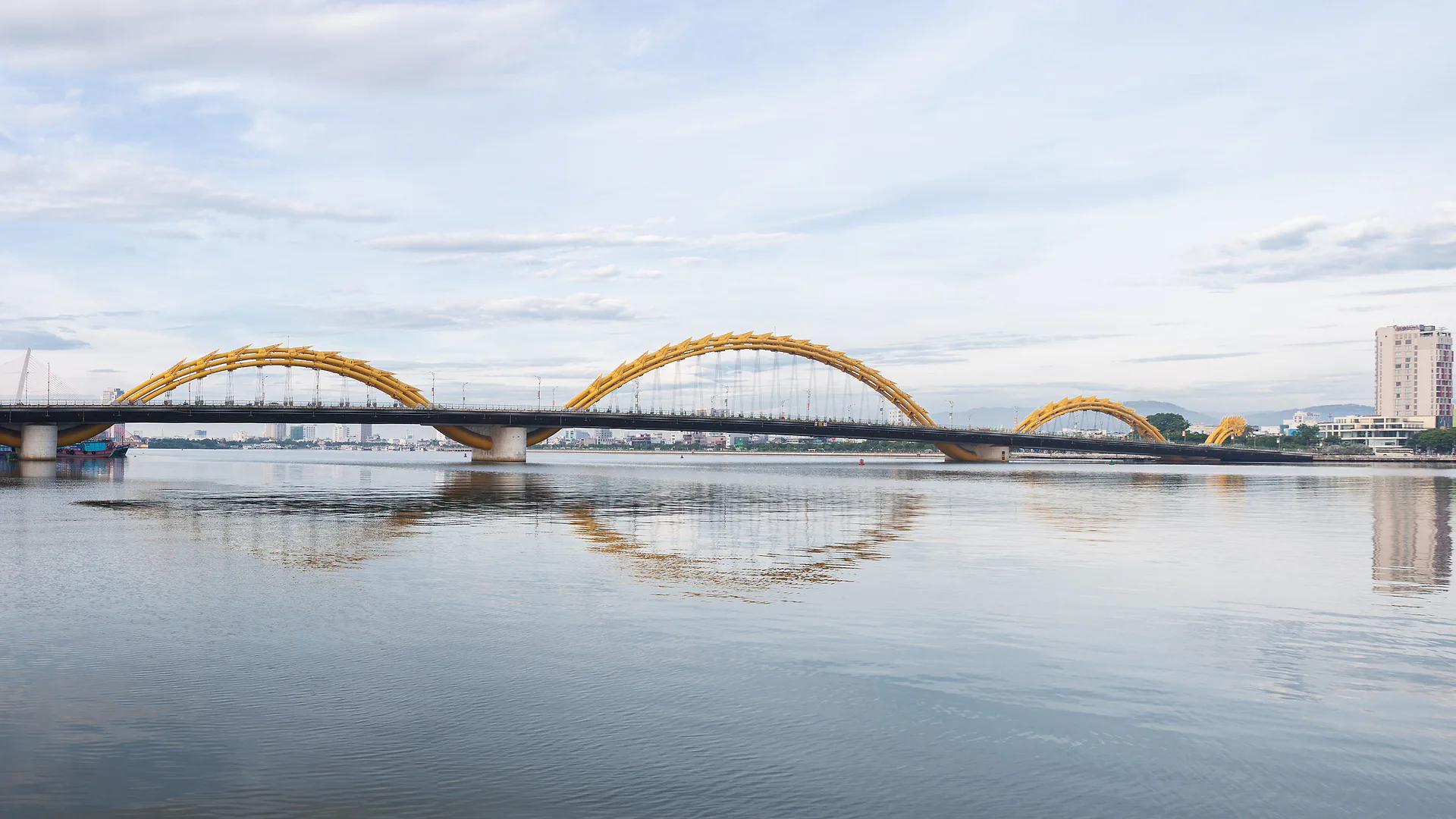
Ba Na Hills and Golden Bridge - Daily Group Tour
Route customized around your travel dates.
5.0Excellent1,508 reviews
From
US $65/pax


Imperial Heartland
Explore Central Vietnam tours across Hue, Da Nang, Hoi An, Phong Nha, My Son, and Quy Nhon with private routes and short 2-to-7-day packages
Browse this category
Discover more experiences and collections connected to Central Vietnam.
 01
01DA NANG TOURS
Explore the Marble Mountains, cross the Golden Bridge and combine beach days with Hoi An ancient town nearby.
Explore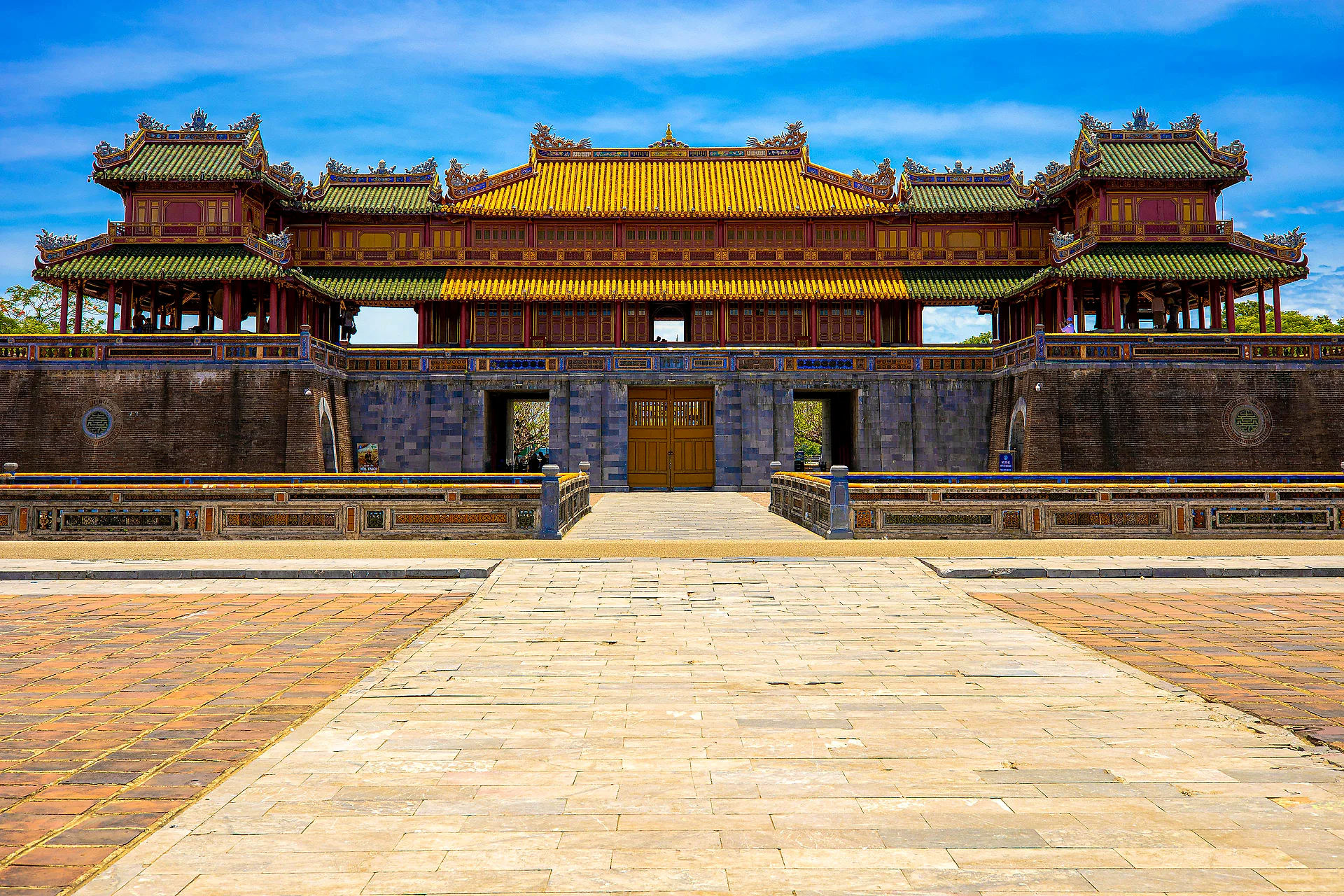 02
02HUE IMPERIAL CITY
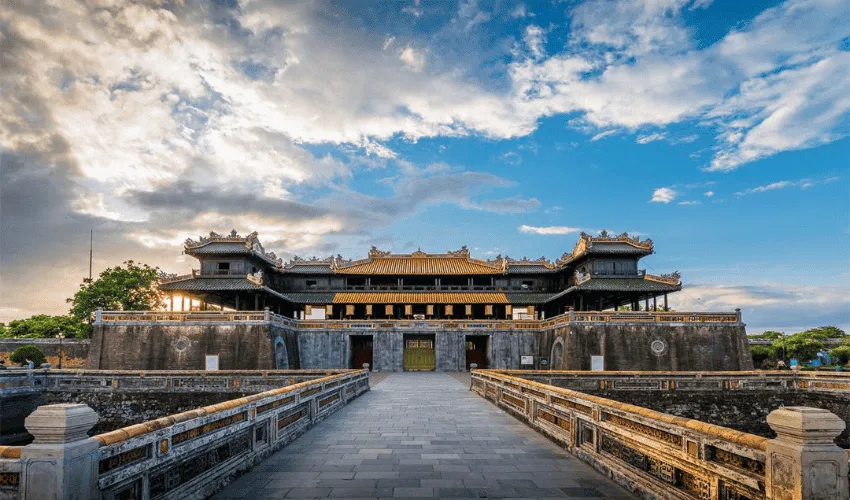
Step inside Vietnam's imperial heritage — royal tombs, the Forbidden Purple City and boat concerts on the Perfume River.
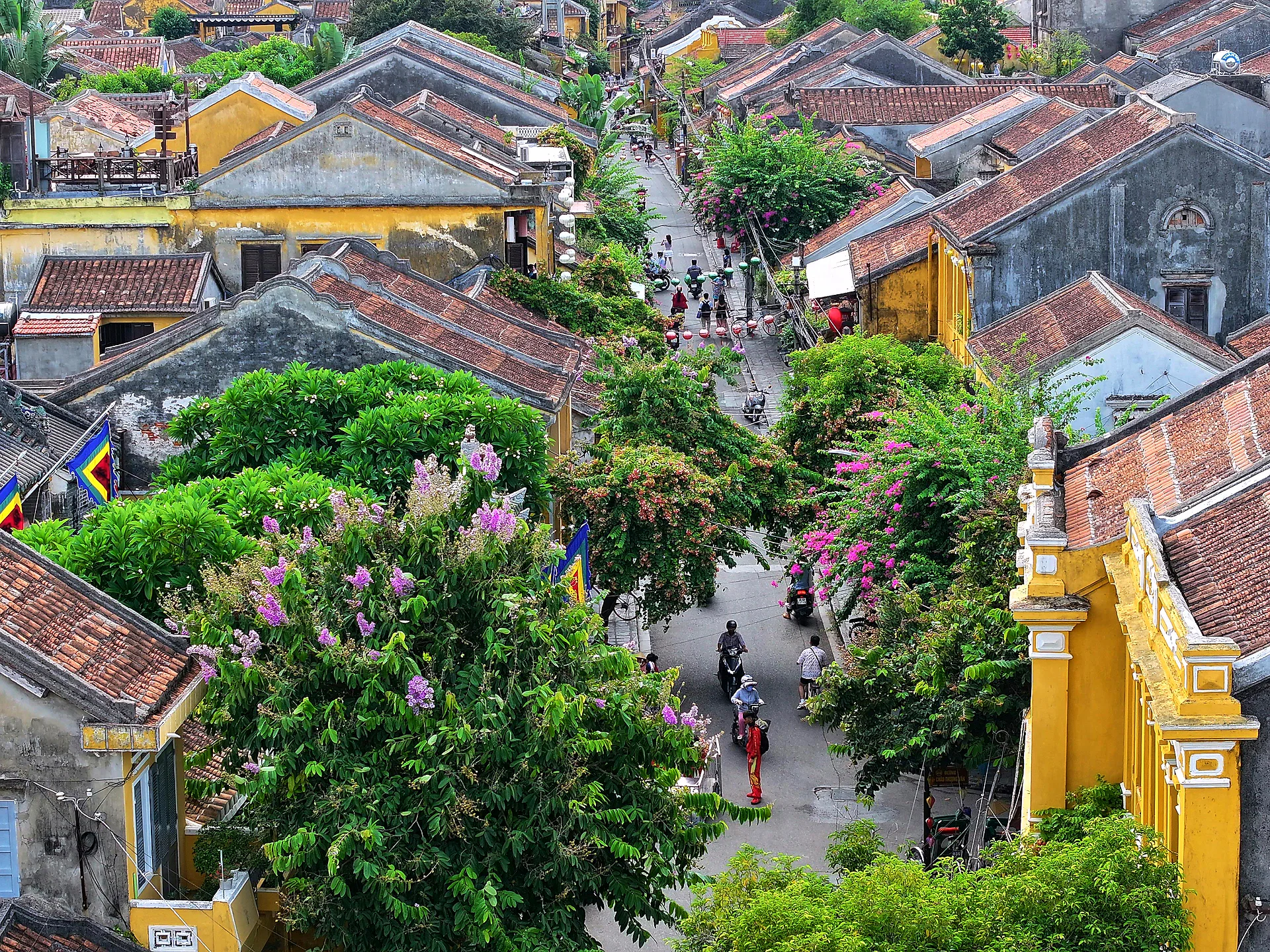
Explore03HOI AN ANCIENT TOWN
Wander lantern-lit alleyways, take a cooking class in a colonial shophouse and cycle to local farms and My Son ruins.
Explore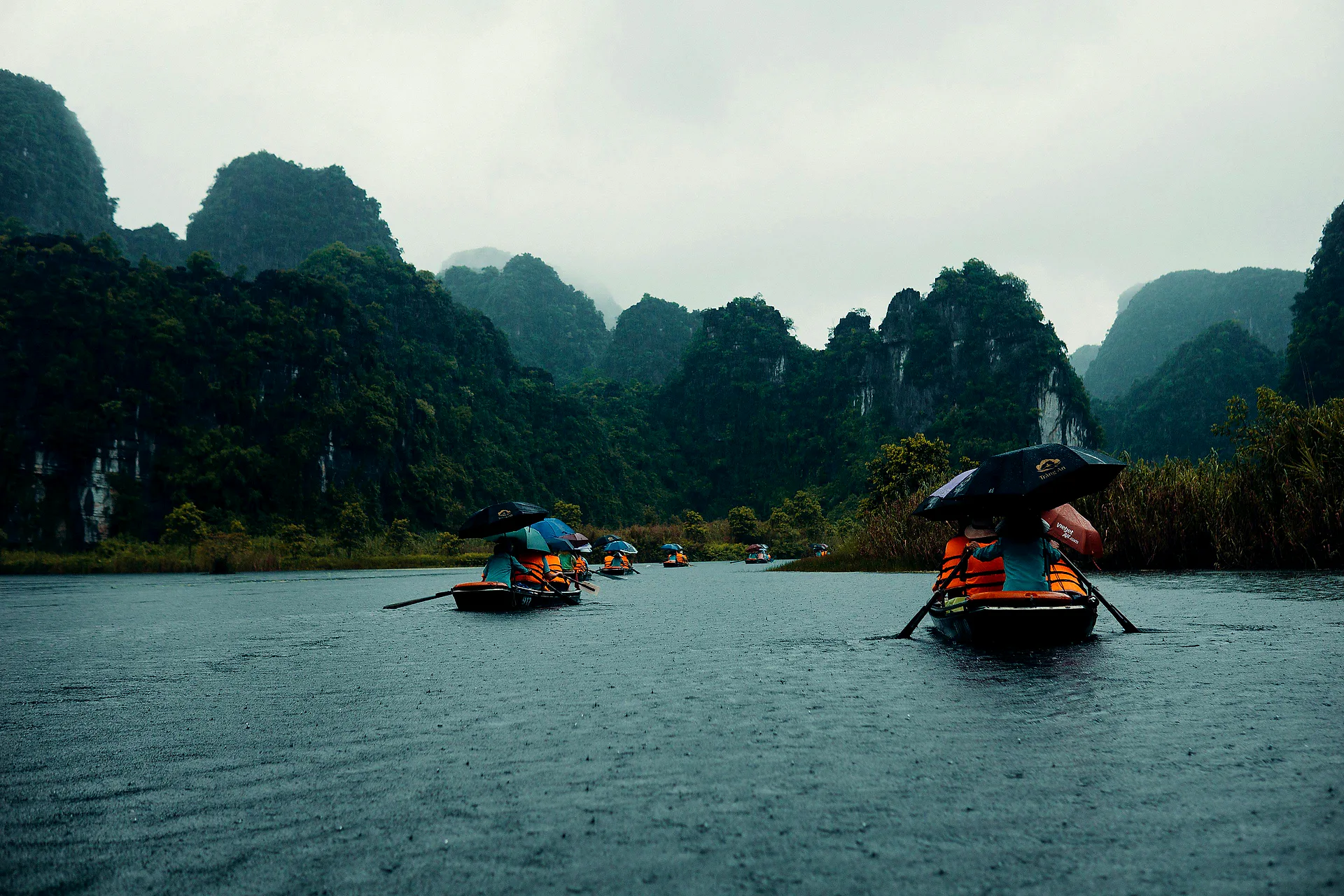 04
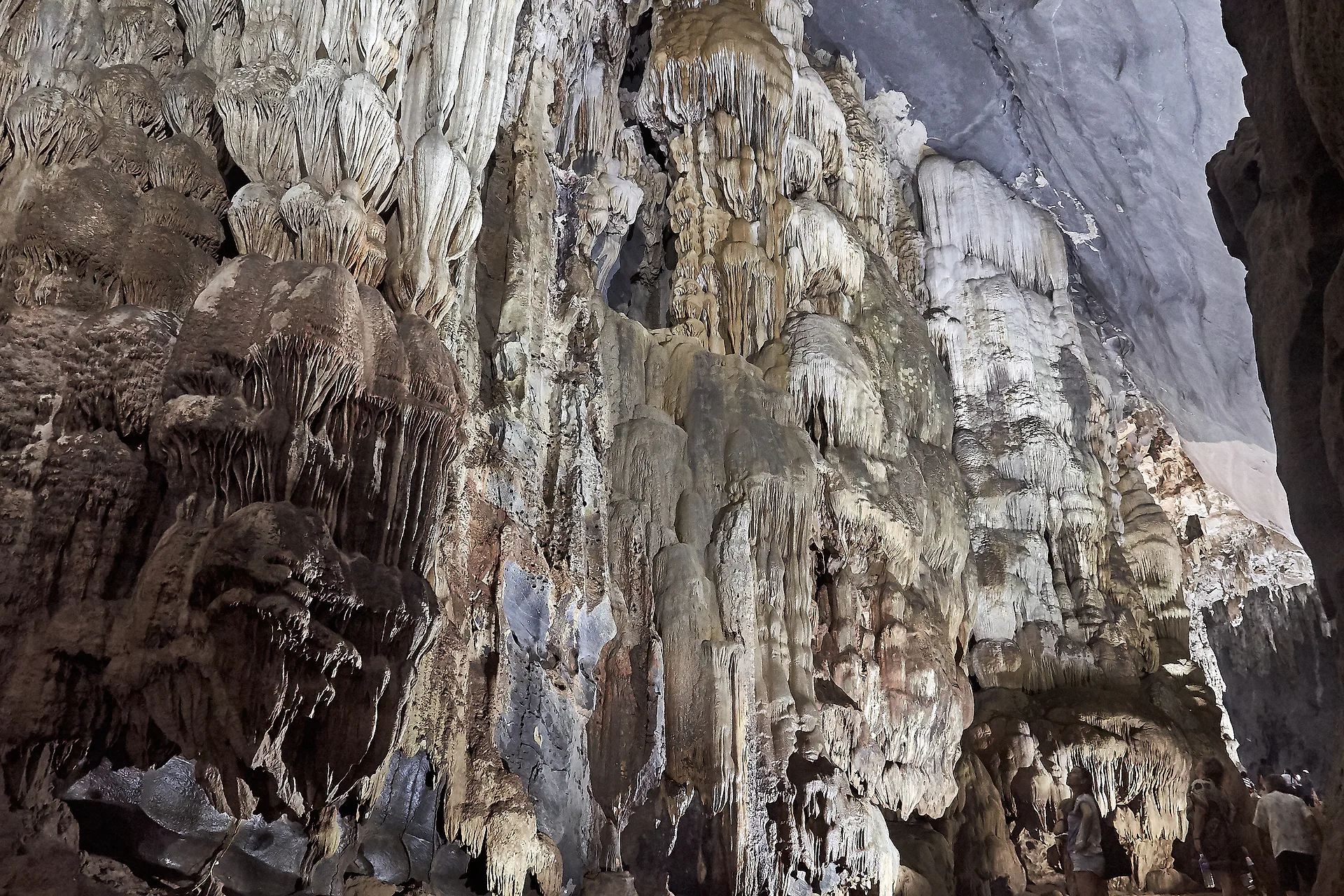
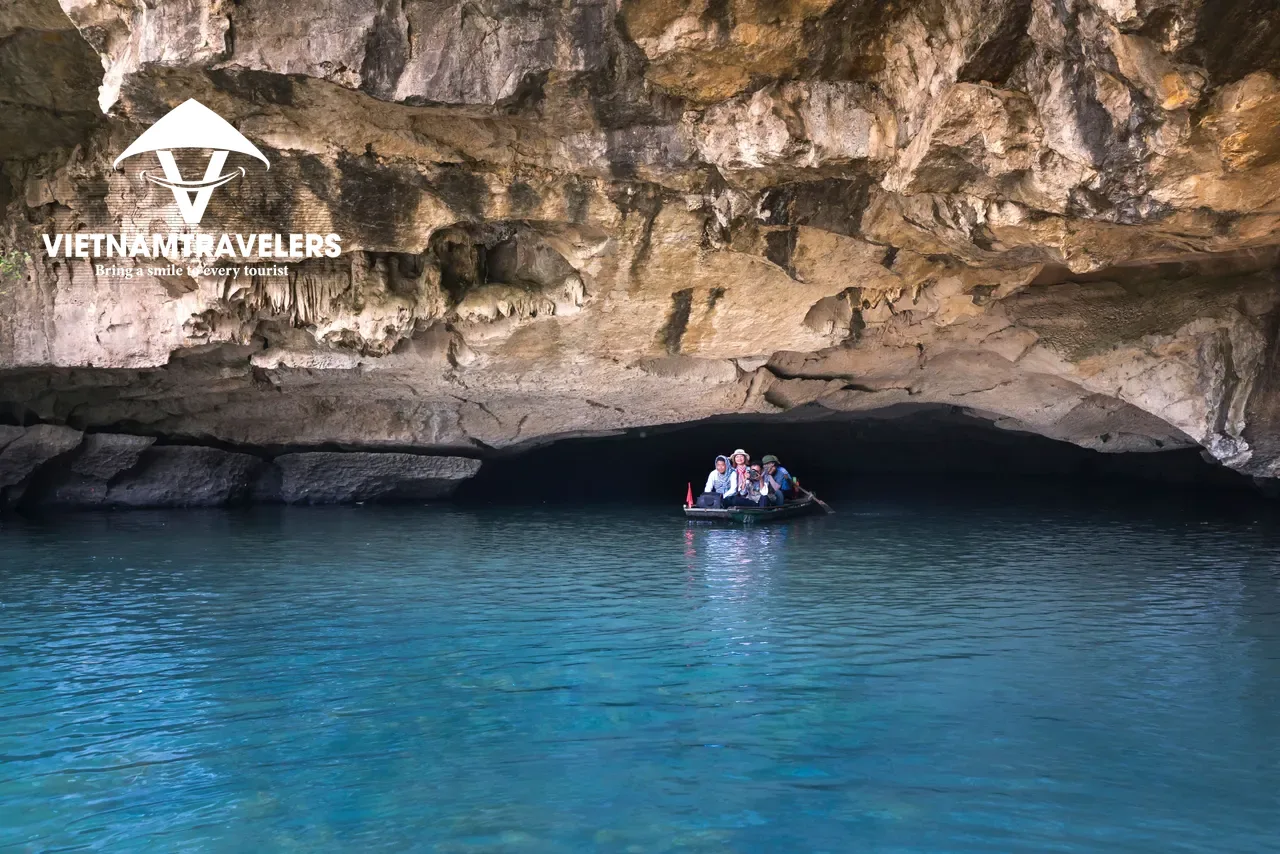
04PHONG NHA CAVES
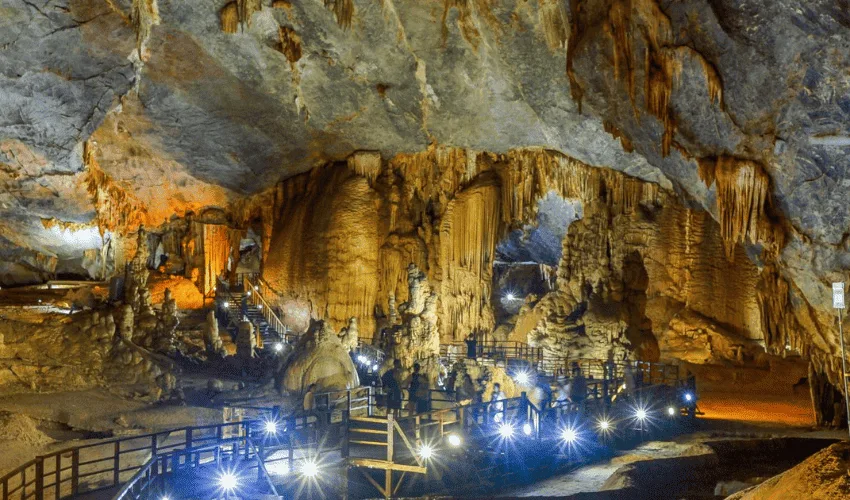
Explore the world's largest cave system at Son Doong, Paradise Cave and the emerald rivers of Phong Nha National Park.
Explore05MY SON SANCTUARY
Explore the ancient Cham ruins of My Son — a UNESCO World Heritage Site hidden in a jungle valley near Hoi An.
Explore06QUANG TRI TOURS
Walk the DMZ battlefields and visit the historic Vinh Moc tunnels — powerful reminders of the Vietnam War era.
Explore 07
07QUY NHON TOURS
Discover the hidden beaches, Cham towers and seafood of Quy Nhon — Vietnam's rising coastal gem.
ExploreFeatured experiences
Browse private journeys selected for Central Vietnam.
Central Vietnam guide
Central Vietnam tours connect imperial history, trading-port culture, coastal cities, beaches, caves, and distinct regional food. The strongest trips link these elements through a practical route.
The region looks compact on a map, yet every destination needs its own pace. Hue, Da Nang, Hoi An, Phong Nha, My Son, and Quy Nhon serve different travel goals.
This hub helps travelers compare Central Vietnam short tours, private planning, and packages from two to seven days. Child pages provide deeper destination details.
Central Vietnam is not one continuous city break. It contains several travel zones with different scenery, access, and ideal stay lengths.
Hue carries the region’s imperial story. Its citadel, royal tombs, pagodas, river scenery, gardens, and cuisine justify more than a rushed stop.
Da Nang provides the easiest air gateway for many routes. Beaches, Son Tra, Marble Mountains, local food, and urban comfort support flexible arrivals.
Hoi An blends historic streets with countryside and coast. Its best days include the Ancient Town, village lanes, crafts, and relaxed evenings.
My Son adds Cham history and temple architecture. It works as a focused excursion beside Hoi An or Da Nang.
Phong Nha brings caves, forests, rivers, and outdoor activity. It needs separate travel time and careful activity selection.
Quy Nhon offers quieter beaches, seafood, coastal scenery, and Cham heritage. It suits a less crowded southern extension.

Choose a regional anchor
Open destination pages through Hue Tours, Da Nang Tours, Hoi An Tours. Continue with Phong Nha Tours, My Son Tours, and Quy Nhon Tours.
A strong route uses one main corridor before adding an extension. This reduces repeated transfers and protects time inside each destination.
Hue, Da Nang, and Hoi An form the easiest short-tour spine. The Hai Van Pass links them through one scenic coastal section.
My Son fits naturally beside Hoi An or Da Nang. It needs enough time for interpretation, walking, and heat management.
Phong Nha sits farther north and needs dedicated nights. Adding it to three coast days creates more transport than experience.
Quy Nhon lies south of the main heritage triangle. It works better as a focused beach route or longer one-way journey.
Airport choices matter. Da Nang serves the heritage triangle, Dong Hoi supports Phong Nha, and Phu Cat serves Quy Nhon.
A private Central Vietnam itinerary can start and finish in different cities. This may save a full day of backtracking.

Use these route rules before selecting hotels or daily activities:
Choose one arrival airport and one logical departure point before building the daily schedule.
Keep Hue, Da Nang, and Hoi An together when the trip lasts three to five days.
Give Phong Nha at least two nights when caves or outdoor activities are a main priority.
Treat Quy Nhon as a separate coastal extension, not a quick stop between crowded sightseeing days.
Place My Son beside Hoi An or Da Nang, then avoid repeating the same road without purpose.
Leave space for weather changes, early closures, beach conditions, and guided activity times.
Travelers comparing several regions should begin with Vietnam Short Tours. This page remains focused on short Central Vietnam routes.
Central Vietnam short tours work best when duration controls the route. Do not stretch the plan because another famous place appears nearby.
Two days suit one city and close surroundings. Hue, Hoi An, Da Nang, Phong Nha, or Quy Nhon each support a focused stay.
Three days can combine Da Nang and Hoi An, or explore Hue deeply. Phong Nha also works with clear activity choices.
Four days support the heritage triangle with careful pacing. Another option pairs Hoi An with My Son, countryside, and beach time.
Five days allow Hue, Da Nang, and Hoi An without constant departures. Add food, crafts, coast, and one heritage excursion.
Six or seven days can add Phong Nha or Quy Nhon. The extension should replace rushed stops, not expand the checklist.
Short-tour ideas by duration
Central Vietnam packages should describe actual nights, not only total calendar days. Late arrivals and early departures reduce usable touring time.
Check whether an overnight train or long road transfer is counted as a tour day. This detail changes the value of similar packages.
Two-night stays improve meal flexibility and reduce packing. They also create better alternatives during heat, rain, or coastal weather changes.
Central Vietnam becomes richer when the route changes rhythm. A balanced plan mixes interpretation, outdoor time, food, and unstructured evenings.
Heritage-focused travelers can connect Hue, Hoi An, and My Son. Each place represents a different period and cultural setting.
Beach travelers may use Da Nang or Quy Nhon as a base. Plans should include realistic swimming seasons and land alternatives.
Active travelers can cycle near Hoi An and walk around Hue. Son Tra and Phong Nha add stronger outdoor options.
Food travelers should not treat cuisine as one dinner. Hue, Da Nang, Hoi An, and Quy Nhon each offer distinct dishes.
Families often prefer shorter transfers, private vehicles, flexible meals, and one main activity daily. Pools can support midday rest.

Couples may choose lantern evenings, river experiences, boutique stays, and coastal dinners. Quiet timing matters more than extra stops.
Match the route with Culture and Local Life Tours, Culinary Tours, Beach Holiday Tours, and Family Holiday Tours.
Private planning can adjust early starts, walking levels, meal times, room standards, and guide coverage. These details create more value than generic labels.
The itinerary should also protect free time. Hoi An evenings, Hue riversides, and Da Nang beaches work best without constant scheduled pickups.
Every experience needs a clear role. Remove any stop that repeats the same viewpoint, market format, or cultural explanation.
Two Central Vietnam packages may use the same title but include different services. Compare written details before comparing the final price.
Private transport should list vehicle type, pickup points, luggage space, and driver coverage. Airport transfers may exclude touring service.
Guide coverage may change by city. Confirm whether one guide travels throughout or local guides meet the group.
Hotel location affects the daily experience. A cheaper outer-city room can add transfers and reduce evening flexibility.
Entrance fees, boats, crafts, cave tours, bicycles, and meals should appear clearly. Optional costs need estimated prices and payment methods.
Weather policies matter in Phong Nha and coastal areas. Alternative activities should be practical, rather than vague promises.
Confirm these items before approving a private Central Vietnam itinerary:
Exact hotels, room categories, breakfast, extra beds, connecting rooms, and check-in times.
Guide language, working hours, local expertise, and support during free evenings or transfers.
Entrance tickets, cave activities, boat rides, village visits, bicycles, and cooking experiences.
Meals included, dietary support, children’s portions, drinks, and independent dining periods.
Airport, station, and hotel transfers, plus any one-way fee between different cities.
Cancellation terms, weather changes, emergency contacts, insurance expectations, and route alternatives.
Use Private Custom Tours for a route built around flights, interests, comfort, and pace. Broader Vietnam planning belongs on Vietnam Private Tours.
1. How many days are best for Central Vietnam tours?
Five days suit Hue, Da Nang, and Hoi An. Six or seven days allow one well-planned nature or coastal extension.
2. What do Central Vietnam packages usually include?
Packages may include private transport, hotels, guides, entrance fees, selected meals, and listed activities. Confirm every inclusion in writing.
3. Can Phong Nha join a short heritage route?
Yes, but it needs dedicated travel and activity time. Add it when the trip has six or seven usable days.
4. Is a private Central Vietnam itinerary worthwhile?
Yes. Private planning improves transfer logic, walking pace, meal flexibility, room choices, and support across different cities.
5. Should first-time visitors choose Hue or Hoi An?
Choose Hue for imperial history and royal culture. Choose Hoi An for a walkable old town, countryside, crafts, and relaxed evenings.
References