

Central Highlands
Da Lat & Highlands
Cool pine forests, flower gardens and highland coffee estates from Da Lat to Buon Me Thuot and Kon Tum.
Browse this category
Explore Da Lat & Highlands
Discover more experiences and collections connected to Da Lat & Highlands.
 01
01DA LAT HIGHLANDS
Da Lat
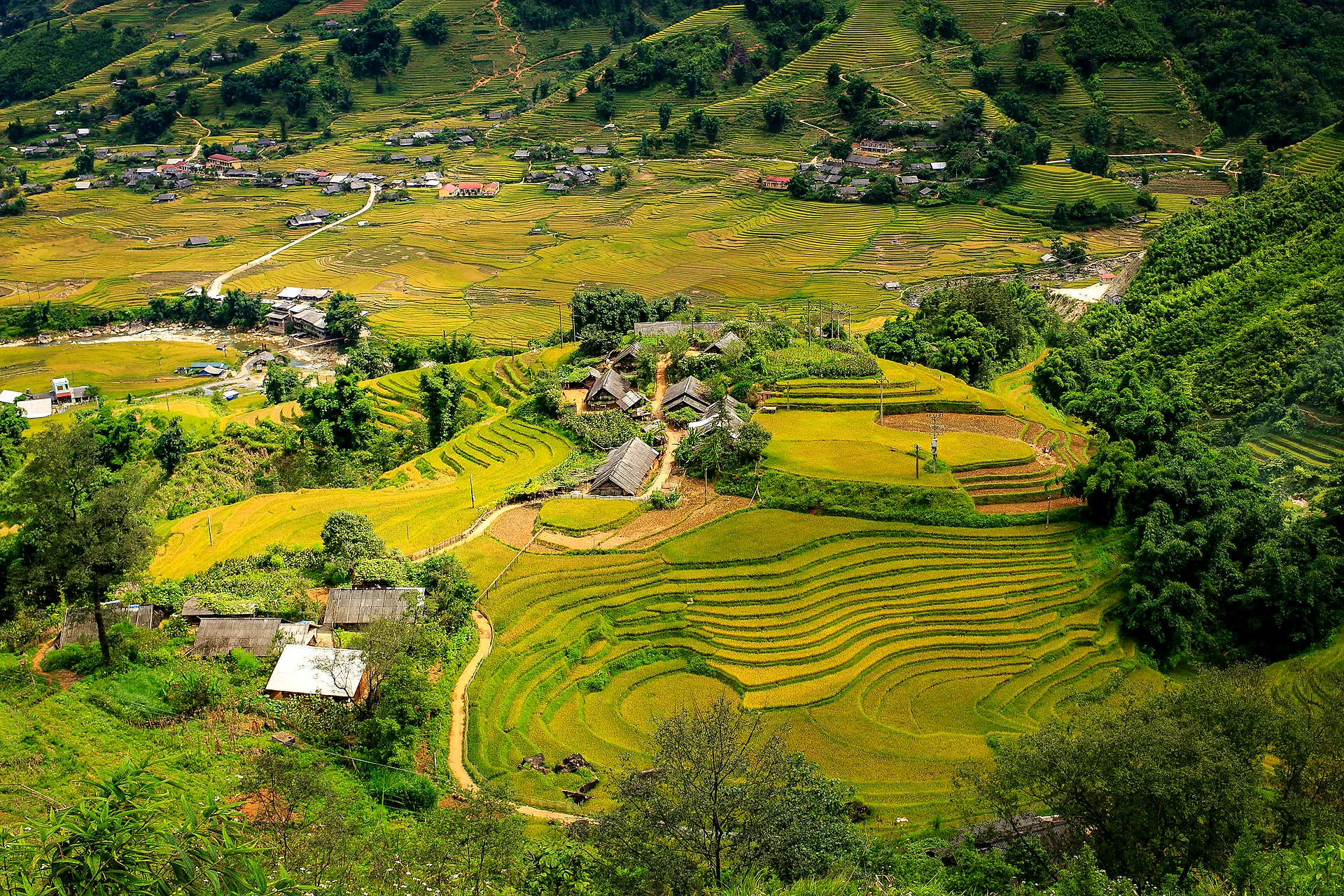
Cycle through pine forests, visit flower farms and waterfalls in the cool mountain air of Vietnam's garden city.
Explore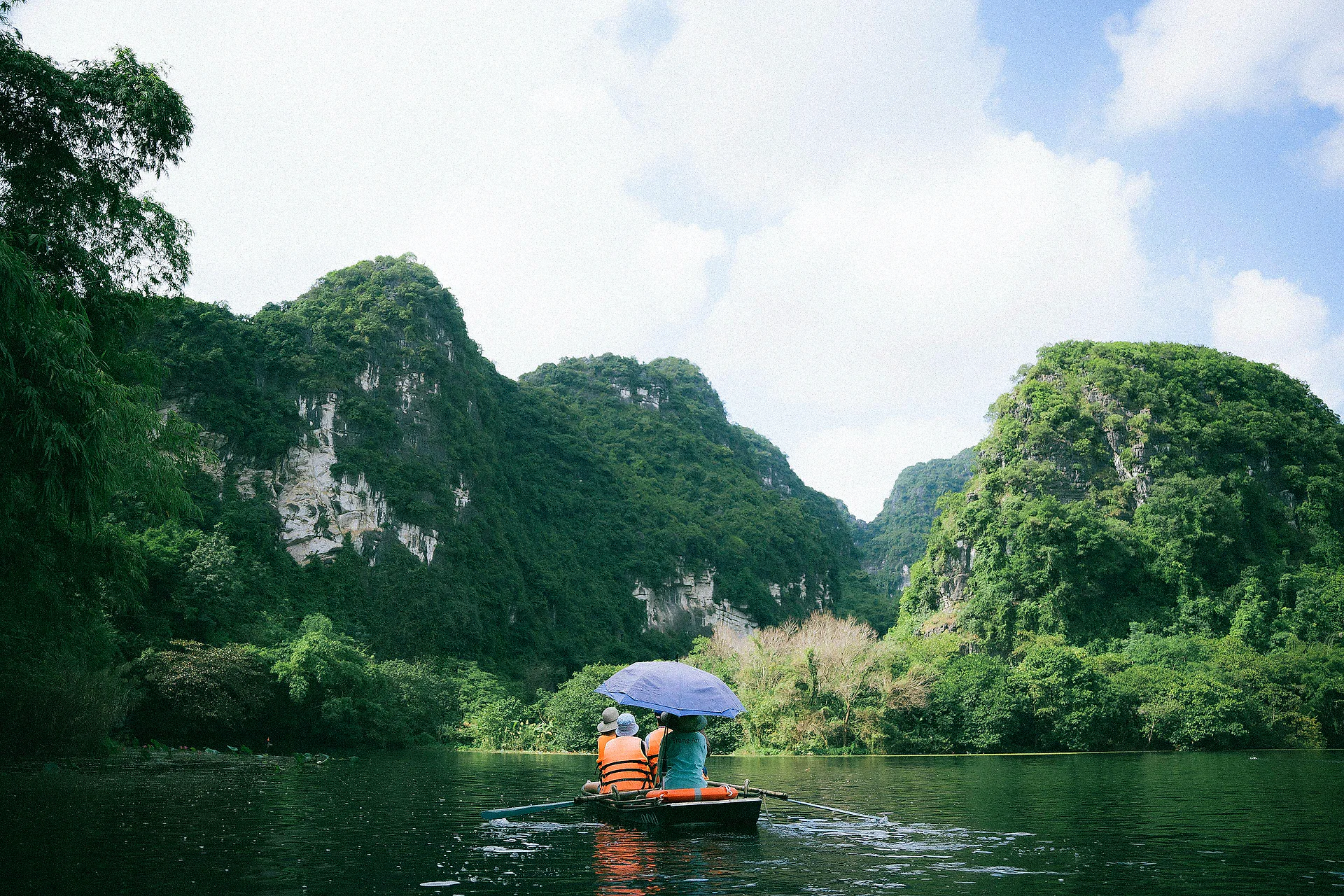 02
02CENTRAL HIGHLAND TOURS
Buon Me Thuot
Explore coffee plantations, elephant sanctuaries and Ede minority villages in the Central Highlands capital.
Explore03KON TUM TOURS
Kon Tum
Visit ancient wooden churches, Bahnar minority longhouses and trek through pristine highland forests around Kon Tum.
Explore04PLEIKU TOURS
Pleiku
Discover the volcanic crater lake of Bien Ho, Jarai minority villages and coffee highlands around Pleiku city.
ExploreDa Lat & Highlands guide
Explore Da Lat & Highlands
Dalat & Highlands Tours: Coffee, Forests and Local Culture
Dalat & Highlands Tours connect cool pine forests, coffee estates, waterfalls, lakes, and the living cultures of Vietnam’s Central Highlands.
Da Lat works well for short nature escapes. Longer routes continue toward Lak Lake, Buon Ma Thuot, Yok Don, and remote highland roads.
Each area offers a different pace. City days feel gentle, while canyoning, trekking, cycling, and multi-day journeys require more energy.
The strongest itinerary balances scenery with local context. It should leave enough time for farms, communities, and unhurried outdoor stops.
1. Why choose Dalat & Highlands tours?

The Central Highlands feel distinct from Vietnam’s coastal cities. Elevation, forests, farms, and mountain roads shape every day.
Da Lat offers the easiest entry point. Travelers can combine architecture, markets, pagodas, gardens, lakes, and nearby countryside.
Buon Ma Thuot adds a stronger coffee identity and deeper access to Ede culture. Lak Lake and Yok Don introduce wider landscapes and wildlife-focused travel.
A regional tour also reduces repeated planning. One guide can coordinate transport, activity timing, meals, and community visits across several destinations.
- Choose Da Lat for a two- or three-day city and countryside break.
- Choose trekking or canyoning for a more active nature journey.
- Add Lak Lake and Buon Ma Thuot for culture, coffee, and rural scenery.
- Choose a multi-day route for mountain roads and smaller communities.
Explore more: Start with the regional Dalat & Highlands Tours hub, then compare focused Da Lat Tours.
2. Explore Da Lat city, lakes, and architecture

Da Lat city tours can move between Xuan Huong Lake, markets, historic villas, railway architecture, pagodas, and hillside neighborhoods.
The cooler setting encourages a slower day. Short walks, cafe stops, and garden visits fit naturally between major sights.
Tuyen Lam Lake offers more space outside the center. Pine-covered shores support boating, kayaking, walking, and quiet photography.
City routes vary widely. Some focus on landmark photography, while others add gardens, local food, or religious sites.
Ask whether entrance fees, cable cars, gardens, and hotel pickup are included. These details can change the value of similar tours.
Explore more: Browse Da Lat Tours or pair a city day with Trekking and Boating on Tuyen Lam Lake.
3. Visit coffee farms, tea hills, and highland countryside

Coffee is one of the clearest threads linking Da Lat and Buon Ma Thuot. Farm visits explain how elevation, soil, varieties, and processing shape the final cup.
A useful tour goes beyond tastings. It should show cultivation, harvesting, drying, roasting, and the people behind each stage.
Da Lat countryside routes may also include tea hills, flower farms, vegetable fields, silk workshops, pagodas, and waterfalls.
Small-group visits can feel social. Private tours allow more time for photography, questions, and direct conversations with hosts.
Coffee products vary in quality and sourcing. Ask how farms are selected and whether purchases directly support the producer.
Explore more: The Tea & Coffee Tour in Da Lat combines plantations, local production, scenery, and cultural stops.
4. Choose waterfalls, canyoning, trekking, or kayaking
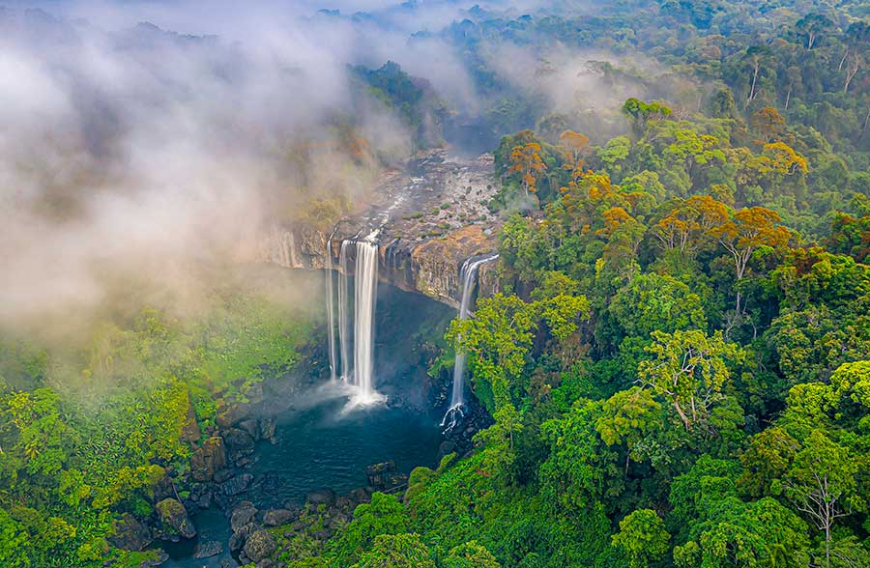
Da Lat’s terrain supports several levels of outdoor activity. Waterfall sightseeing requires less effort, while canyoning combines ropes, water, rock, and technical guidance.
Canyoning tours should explain equipment, guide ratios, route conditions, swimming requirements, and weather procedures before departure.
Trekking routes move through pine forest, broadleaf jungle, ridges, farms, and lakeside terrain. Overnight trips create more time away from traffic.
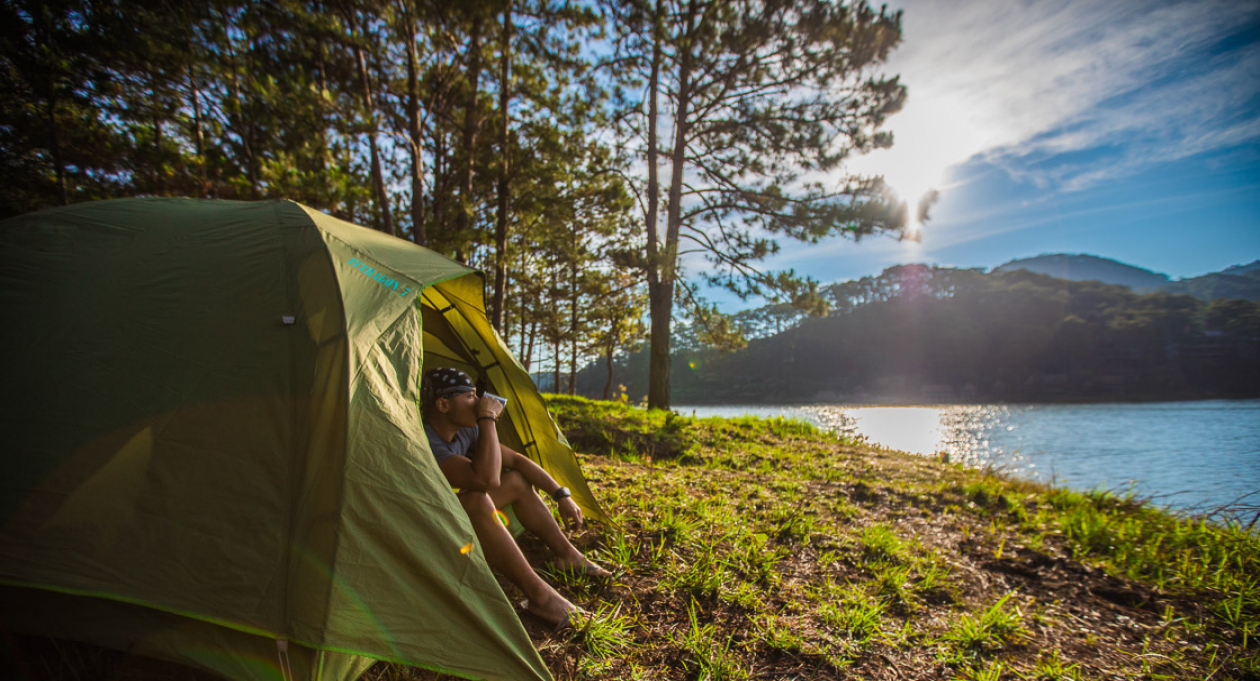
Kayaking or boating at Tuyen Lam Lake offers a gentler alternative. It works well for couples, families, and travelers who prefer scenery without steep climbs.
Share your fitness, swimming ability, and previous outdoor experience. The operator can recommend an appropriate route and pace.
Explore more: Compare Canyoning in Da Lat, the 2 Days Eco Trekking Tour from Da Lat, and broader Adventure Tours.
Before departure, confirm the route plan and bring only what the activity requires. Excess luggage can reduce comfort on wet or uneven terrain.
- Supportive footwear with reliable grip
- Quick-drying clothing and a light rain layer
- Sun protection, water, and personal medication
- Dry storage for phones, cameras, and documents
5. Discover Buon Ma Thuot and Ede cultural heritage
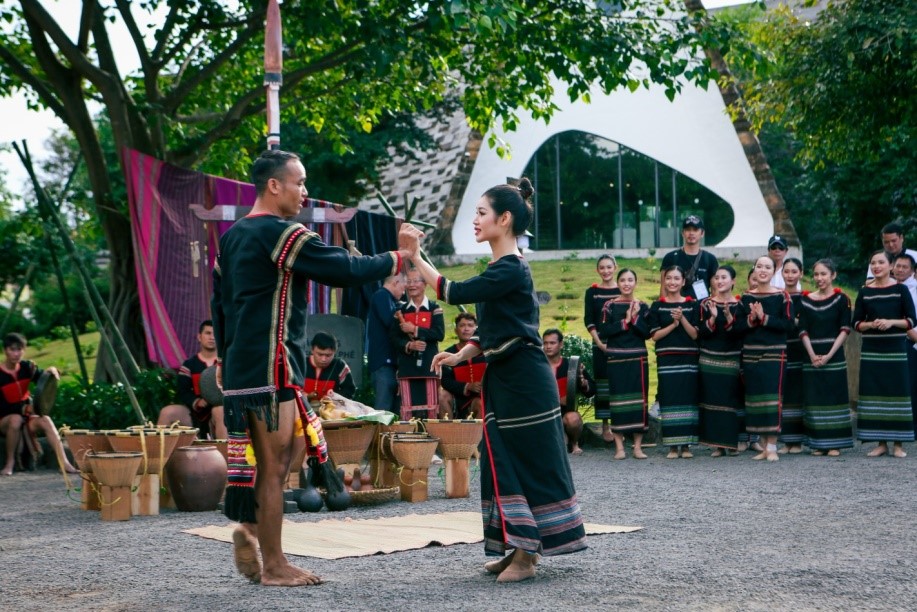
Buon Ma Thuot gives a regional journey greater cultural depth. Coffee museums, local markets, waterfalls, longhouse traditions, and village visits shape many routes.
A respectful community experience explains both heritage and present-day life. It should avoid reducing local people to costumes or staged photographs.
Guides can add context about Ede social traditions, architecture, music, farming, and the changes affecting highland communities.
Ask how hosts participate in the tour. Small groups, clear permission, and direct local benefit create a more meaningful visit.
Buon Ma Thuot also works as a base for Dray Nur, Dray Sap, Lak Lake, and Yok Don. A two-day stay feels more realistic than a rushed transfer.
Explore more: Continue with Buon Me Thuot Tours or book Experience Buon Ma Thuot and Lak Lake in Style.
6. Choose ethical wildlife experiences
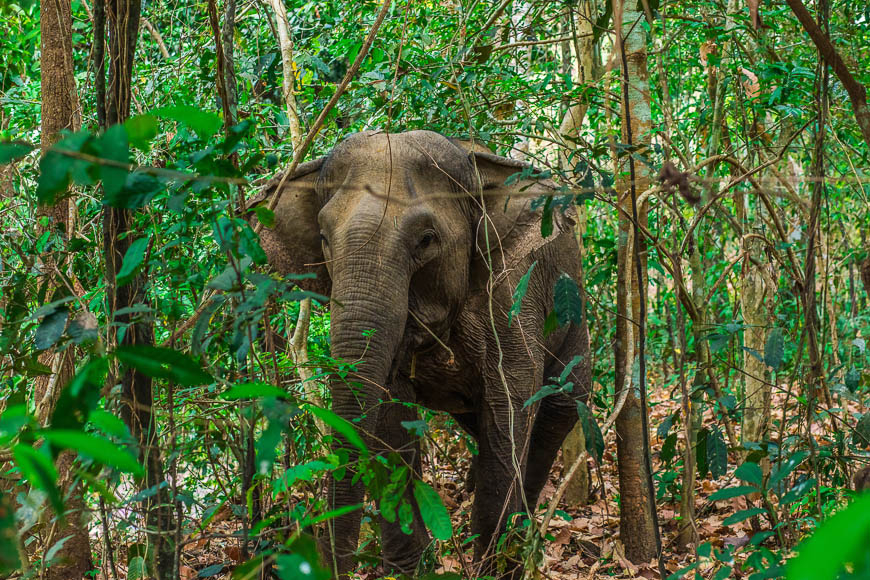
Wildlife activities require careful choices. Observation-first experiences protect natural behavior and reduce pressure on animals.
Avoid elephant riding, performances, forced bathing, and close-contact photo sessions. These activities can prioritize visitor access over animal welfare.
Yok Don programs may follow elephants through forest habitat with trained guides. The focus remains on behavior, ecology, and conservation.
Ask how the animals are managed, whether touching is allowed, and how revenue supports welfare or habitat protection.
Wildlife sightings cannot be guaranteed. A responsible operator should explain this clearly rather than promise staged encounters.
Explore more: Review the operator’s wildlife policy and compare broader Sustainable and Eco Tours.
7. Explore Lak Lake and rural highland roads
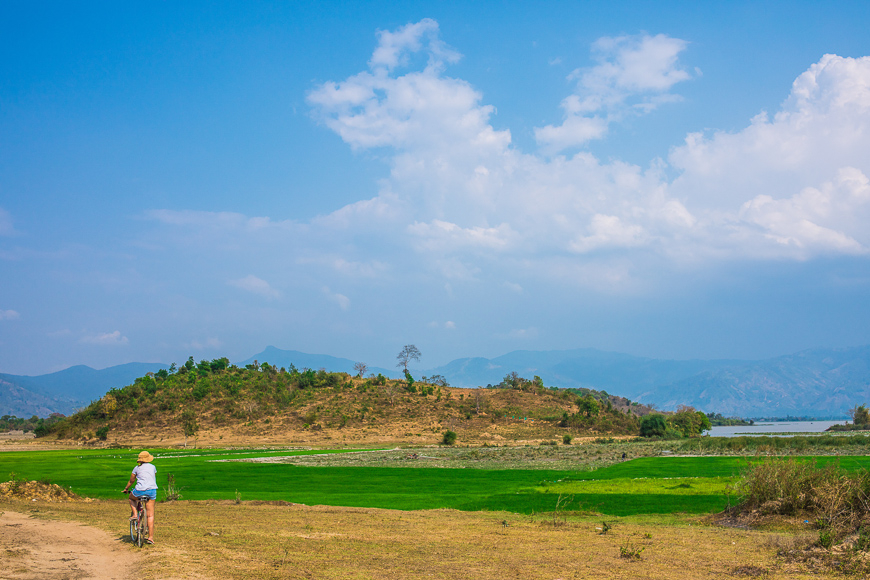
Lak Lake creates a softer transition between villages, rice fields, hills, and water. Early mornings and late afternoons often provide the best atmosphere.
Cycling routes reveal details that disappear from a vehicle. Riders pass farms, local homes, forest edges, and quiet stretches of road.
Road surfaces can change quickly. A suitable route should match your bicycle control, fitness, and comfort with traffic.
Private vehicle support helps mixed-ability groups. Travelers can ride selected sections and rejoin the vehicle when heat or distance becomes tiring.
Village visits need time. Avoid itineraries that treat communities as quick photo stops between distant attractions.
Explore more: Use Experience Buon Ma Thuot and Lak Lake in Style as a starting point for a slower cultural route.
8. Build a multi-day Central Highlands journey
A multi-day route can connect Da Lat, Lak Lake, Buon Ma Thuot, Pleiku, Kon Tum, Hoi An, or Nha Trang.
The best direction depends on your wider Vietnam itinerary. Da Lat connects naturally with Mui Ne and Nha Trang, while northern highland roads can continue toward Hoi An or Da Nang.
Long travel days need realistic pacing. Two or three significant stops usually create a better experience than a crowded checklist.
Motorbike journeys offer direct contact with the landscape. Private cars provide more weather protection, luggage space, and comfort.
Confirm road time, vehicle standards, accommodation level, meal inclusions, and luggage handling before payment.
Explore more: Compare Vietnam Central Highlands Highlights, the Vietnam Highlands Motorbike Tour, Nha Trang Tours and Mui Ne Tours.
9. Compare Dalat & Highlands tour styles
| Tour style | Typical pace | Best for | Main consideration |
|---|---|---|---|
| Da Lat city tour | Relaxed | Lakes, architecture, markets, pagodas | Traffic and attraction fees |
| Coffee countryside tour | Relaxed to moderate | Farms, tastings, local production | Farm quality and travel time |
| Waterfall and canyoning day | Active | Adventure and forest scenery | Fitness, water, and safety rules |
| Trekking or lake tour | Moderate | Pine forests, camping, kayaking | Weather and trail conditions |
| Buon Ma Thuot culture tour | Moderate | Coffee heritage and Ede culture | Longer road transfers |
| Lak Lake and Yok Don route | Flexible | Rural scenery and ethical wildlife | Animal welfare standards |
| Multi-day highlands journey | Variable | Regional depth and mountain roads | Daily driving and hotel level |
Durations and inclusions differ between operators. Confirm the final itinerary, activity difficulty, and accommodation standard.
Explore more: Active travelers can also browse Trekking Tours and Adventure Tours.
10. How to choose and book the right route
Start with your available days. Da Lat alone works for a short stay, while Buon Ma Thuot and Lak Lake need additional travel time.
Choose one main priority: coffee, culture, wildlife, waterfalls, trekking, photography, or scenic road travel.
Consider weather and elevation. Mornings can feel cool, rain can affect trails, and mountain roads may slow transfers.
Families often benefit from private pacing and vehicle support. Active travelers should check equipment, guide qualifications, and emergency procedures.
Share dietary, mobility, and medical needs before booking. Remote routes may have fewer alternatives than central Da Lat.
- Confirmed route, travel time, and daily start or finish points
- Private or shared transport and maximum group size
- Entrance fees, activities, meals, and accommodation
- Guide language and specialist outdoor qualifications
- Safety equipment, insurance, and emergency support
- Community and wildlife welfare standards
11. FAQ
1. How many days do I need for Dalat & Highlands tours?
Two or three days suit Da Lat. Allow four to seven days when adding Lak Lake, Buon Ma Thuot, and longer Central Highlands roads.
2. What are the best tours for first-time visitors?
Combine a Da Lat city and countryside day with either coffee farms, waterfalls, or Tuyen Lam Lake. Add Buon Ma Thuot when culture and coffee heritage matter most.
3. Is canyoning suitable for beginners?
Some routes accept beginners with professional instruction. Confirm swimming ability, equipment, guide ratios, weather rules, and optional challenges before booking.
4. Can families join highland tours?
Yes. Private vehicles, flexible breaks, lake activities, farms, and shorter walks suit many families. Share each child’s age and activity experience.
5. Are elephant rides recommended?
No. Choose observation-first experiences that avoid riding, performances, forced bathing, and unnecessary physical contact.
6. Should I choose a private or small-group tour?
Private tours offer flexible pacing and route changes. Small groups usually cost less and suit travelers comfortable with fixed schedules.
Plan your Dalat & Highlands journey
Share your dates, group size, activity level, and preferred route. Vietnam Travelers can shape a private journey through Da Lat, Lak Lake, Buon Ma Thuot, and the Central Highlands.
Request a custom highlands tour