1 DayPrivate
Private tour
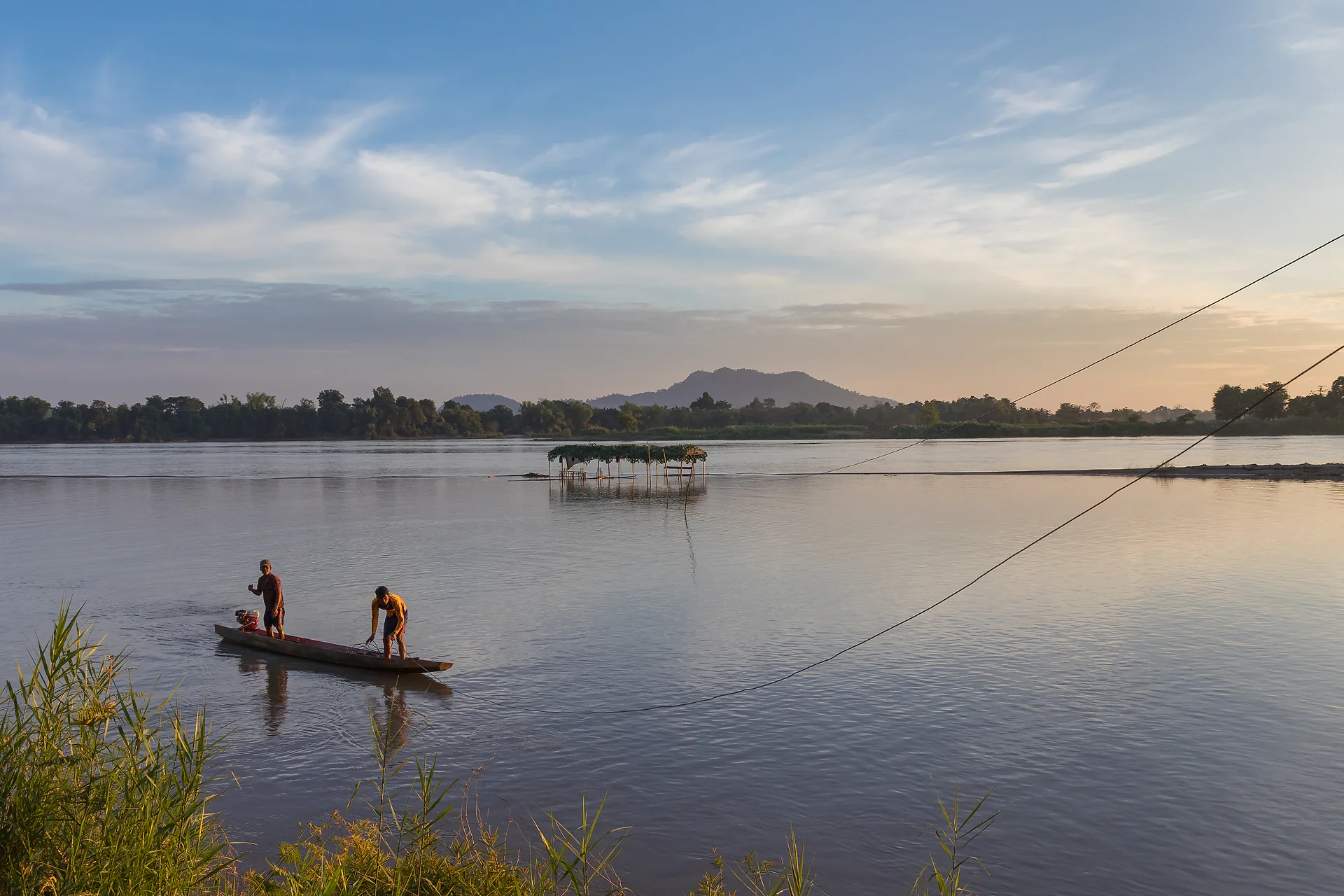
Tham Phay Cave Expedition - 1 Day
Route customized around your travel dates.
5.0Excellent1,508 reviews
From
US $138/pax


North East Frontier
The dramatic karst plateau, winding loop roads and remote markets of Ha Giang, Cao Bang and Ba Be.
Browse this category
Discover more experiences and collections connected to Ha Giang & North East.
 01
01HA GIANG LOOP
Motorbike or jeep the legendary Ha Giang Loop through Dong Van Karst Plateau — the most dramatic scenery in Vietnam.
Explore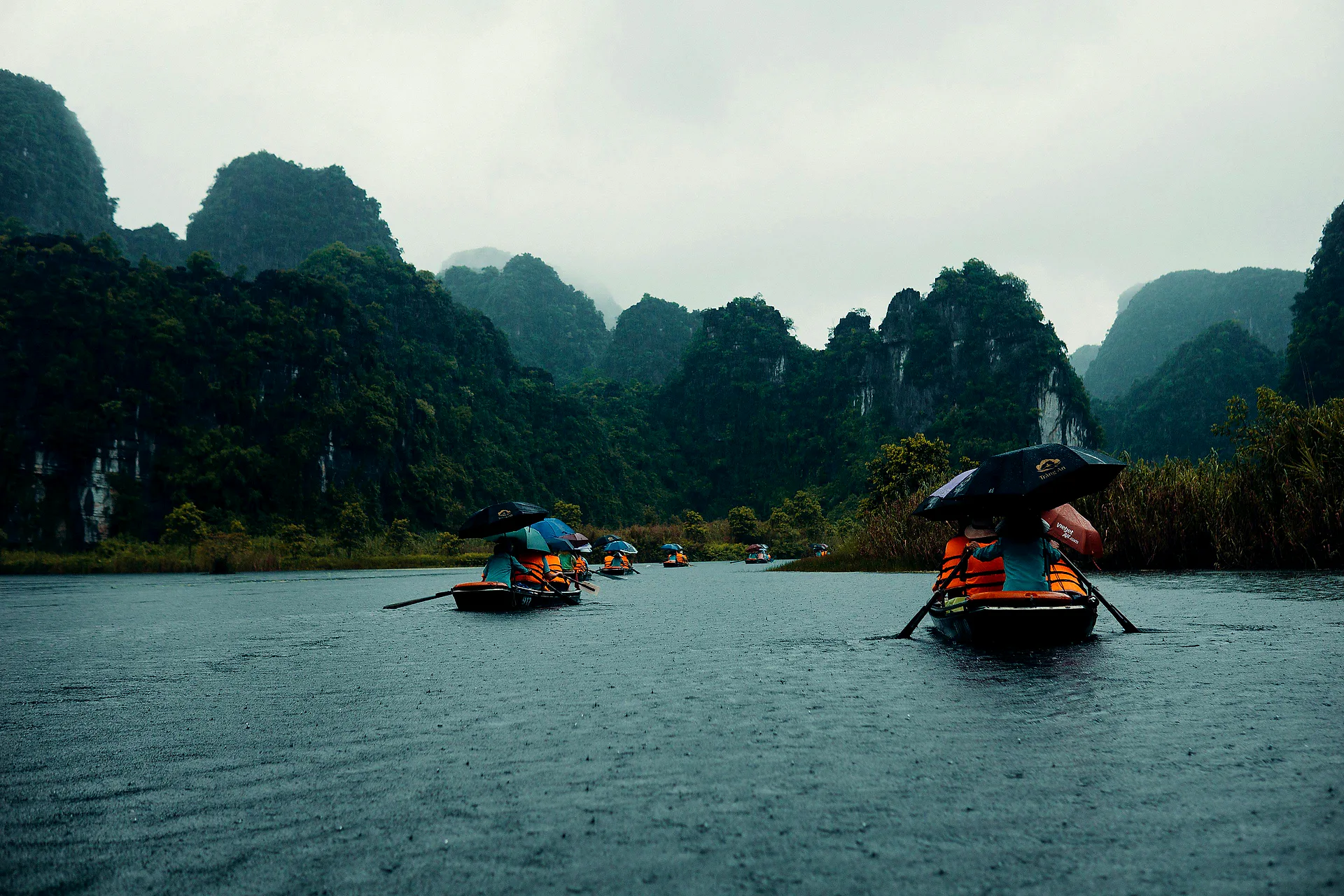 02
02CAO BANG TOURS
Discover Ban Gioc waterfall — one of Southeast Asia's most spectacular — and explore the limestone karsts of Cao Bang.
Explore03BA BE NATIONAL PARK
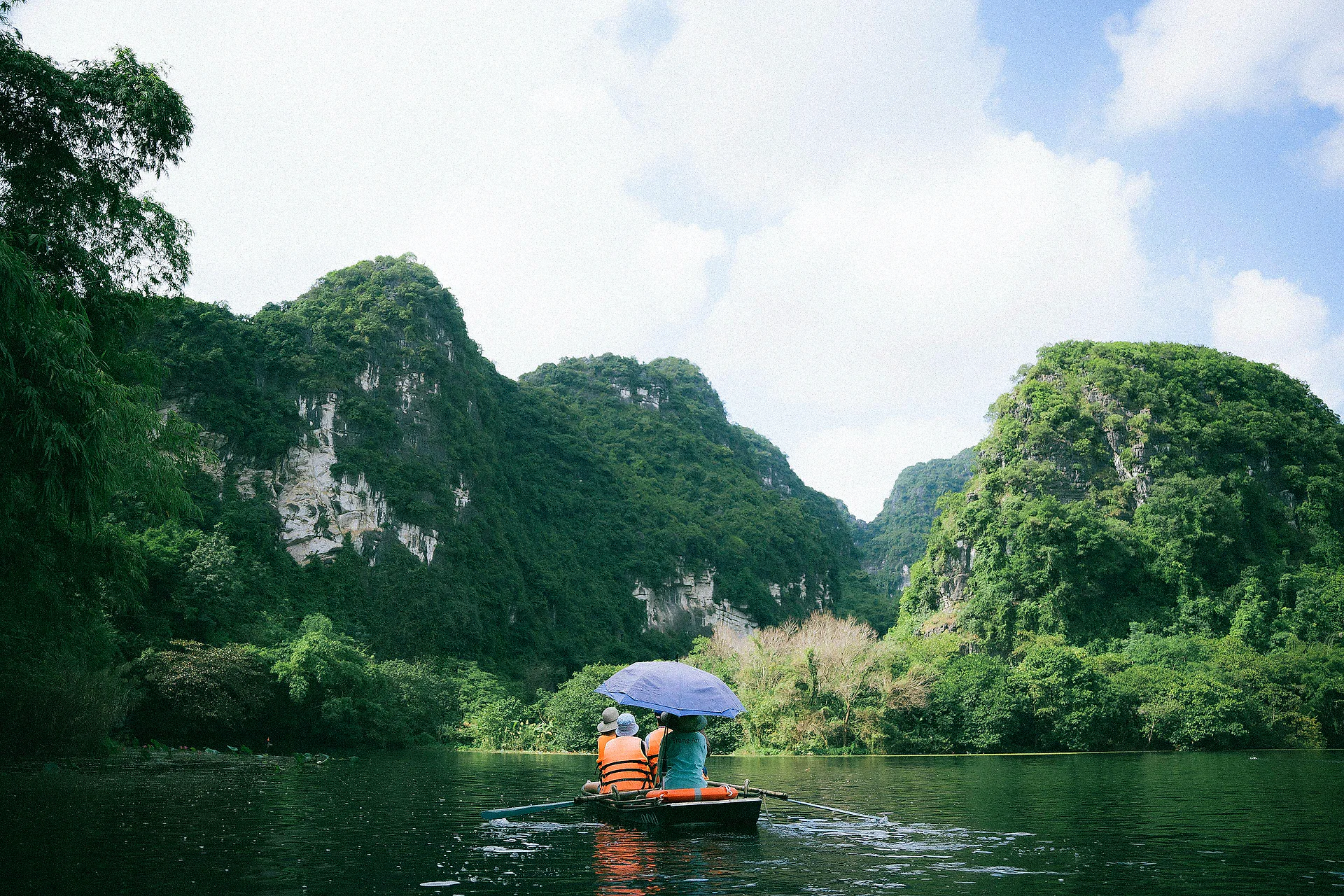
Boat across Ba Be Lake through jungle-clad karst scenery and kayak into hidden caves in this pristine national park.
Explore04BAO LAC TOURS
Discover the remote highland market of Bao Lac and explore the stunning karst scenery of the far north-east frontier.
ExploreFeatured experiences
Browse private journeys selected for Ha Giang & North East.
Ha Giang & North East guide
These journeys need more planning than a simple list of attractions. Mountain roads shape every day, so a strong route protects rest, daylight, and time inside each destination.
This hub compares Ha Giang & Northeast short tours, private itineraries, and practical packages from two to seven days. Destination pages hold deeper details for Ha Giang, Cao Bang, and Ba Be Lake.
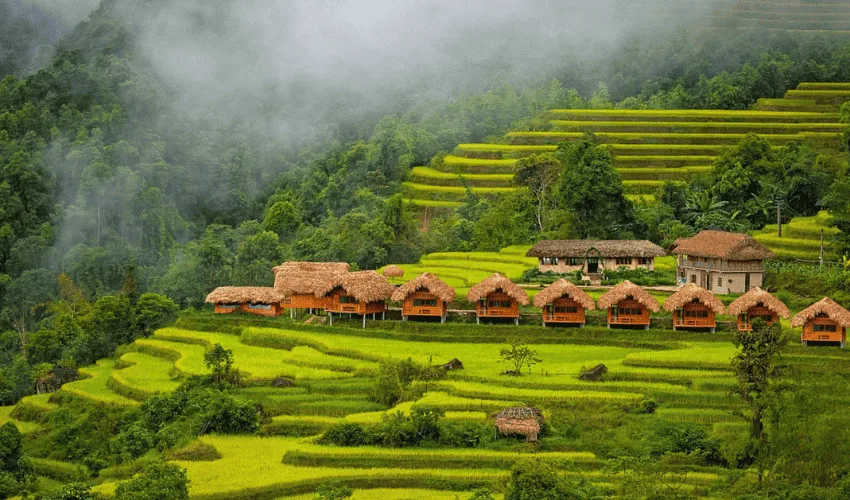
The Northeast is not one continuous attraction zone. Each area has a different landscape, travel rhythm, and reason to stay.
Ha Giang is built around passes, plateau towns, valleys, and the Dong Van Karst Plateau. It suits travelers who value road scenery and strong mountain character.
Cao Bang combines Ban Gioc Waterfall, caves, historic sites, and the wider Non Nuoc Cao Bang Geopark. Its routes feel more open and varied than a single waterfall visit.
Ba Be Lake changes the pace completely. Boat trips, forest trails, caves, Tay villages, and homestays create a quieter finish after demanding mountain roads.
The three areas belong in one regional cluster, yet they should not share one generic description. A regional hub helps travelers compare them before opening a destination page.
Destination roles at a glance
Explore each destination through Ha Giang Tours, Cao Bang Tours, and Ba Be Lake Tours. These pages own destination-specific packages and activities.
Ha Giang & Northeast short tours should match the available days, not the number of famous places. Long transfers make overfilled schedules feel smaller rather than richer.
Two or three days suit one destination. Ha Giang can support a compact loop, while Cao Bang can combine Ban Gioc with nearby geopark stops.
Four days allow deeper travel inside Ha Giang or Cao Bang. They may also link Ba Be with Cao Bang when the route uses sensible overnight points.
Five days can connect Ha Giang and Cao Bang, although the bridge between them needs careful planning. The journey should include real stops instead of becoming a transfer day.
Six or seven days work best for a full regional route. This duration creates space for Ha Giang, Cao Bang, and Ba Be without reducing each place to one photograph.
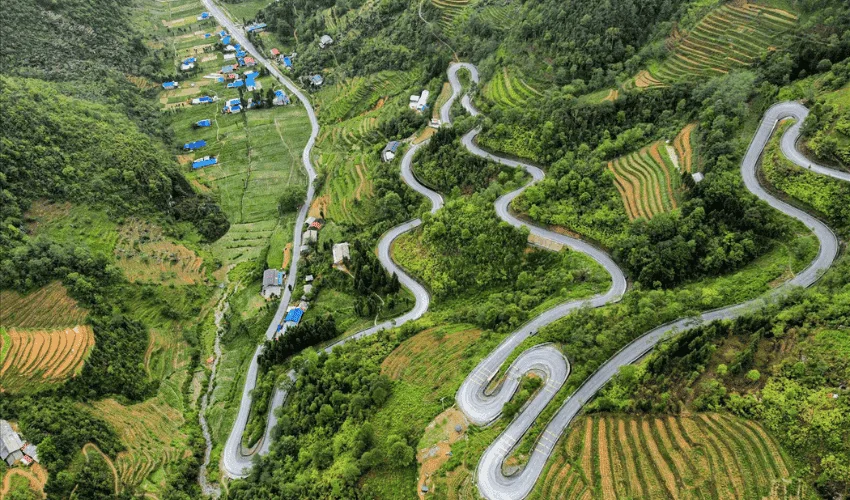
Short-tour planning by duration
Package names often hide major differences. Compare actual overnight towns, vehicle hours, guide coverage, room standards, and included activities.
A lower price may remove local guiding, private transport, entrance fees, or boat services. Read inclusions before comparing two Ha Giang & Northeast packages.
One-way regional routes can save time when pickup and drop-off differ. Circular routes may feel simpler, but they can repeat roads without adding experience.
Start with Vietnam Short Tours when comparing the Northeast with other two-to-seven-day regions. This page remains focused on Northeast route choices.
A private Ha Giang & Northeast itinerary should follow geography, daylight, and road quality. It should not copy the order of a search-results list.
Ha Giang usually needs its own loop before the route moves east. Dong Van, Ma Pi Leng, the Nho Que area, and village stops require time beyond driving.
Cao Bang works best as a small network rather than one Ban Gioc day. Caves, geopark roads, local communities, and historical stops can support several distinct days.
Ba Be makes a natural soft landing after mountain travel. A lake boat, village walk, and homestay evening create contrast without adding another hard transfer.
Routes beginning in Hanoi should avoid an ambitious activity immediately after a late arrival. The first night needs a clear purpose and a safe check-in time.
The final day also needs buffer. Mountain weather, road works, market traffic, and short stops can change arrival times without warning.
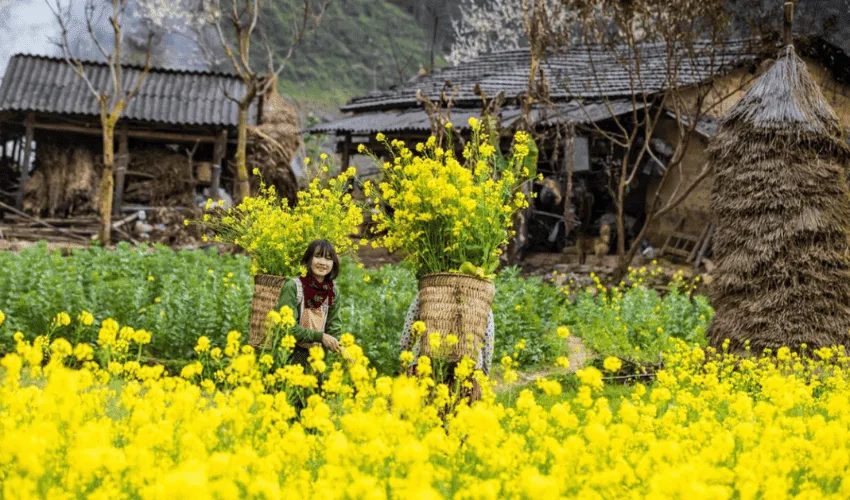
The season of yellow mustard flowers is characteristic of the northern mountainous region
A practical regional route should include these checks before confirmation:
List every overnight town and confirm the longest driving section before paying a deposit.
Separate scenic road time from guided visits, meals, walks, boats, and hotel check-ins.
Use alternative stops for fog, heavy rain, high water, or temporary route changes.
Confirm whether luggage stays in one vehicle or moves between different transport services.
Protect daylight for exposed passes, border roads, waterfall viewpoints, and remote villages.
Leave enough time before flights, trains, or international connections after the mountain route.
Travelers seeking a custom sequence can use Private Custom Tours. The route can then match arrival points, comfort needs, and preferred travel pace.
The same Northeast road can produce very different holidays. Travel style determines stops, guide skills, room choices, and daily distance.
Adventure travelers may prioritize passes, longer walks, kayaking, or supported motorbike sections. They still need safe timing and realistic weather alternatives.
Culture-focused guests need village context, local guides, market etiquette, and respectful photography. Short staged visits rarely create meaningful understanding.
Families usually benefit from private vehicles, flexible meals, shorter active periods, and stable rooms. Ba Be often balances the more demanding mountain sections.
Photographers need early starts, slower viewpoint time, and fewer fixed attractions. Fog, light, harvest work, and river conditions may change the planned scene.
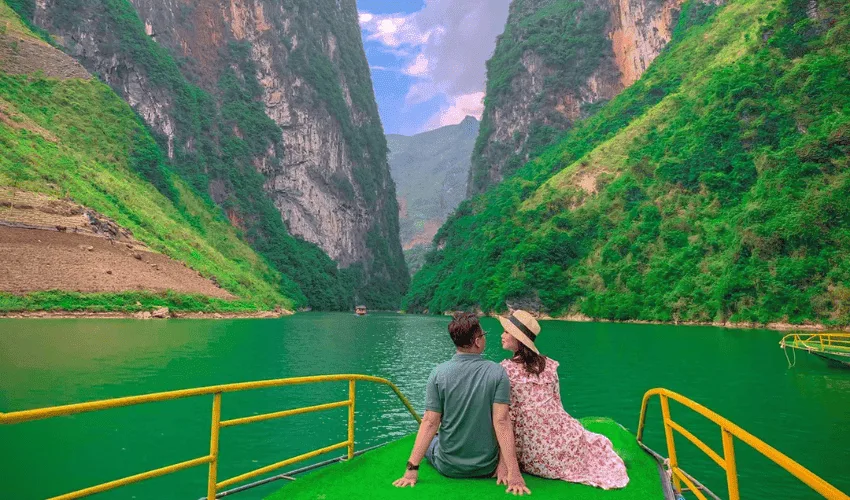
Older travelers can enjoy the region with carefully chosen roads, accessible rooms, shorter walks, and more two-night stays. A private plan should identify stairs and uneven surfaces early.
Compare active options through Adventure Tours, Motorbike Adventure Tours, and Trekking Tours. Cultural priorities fit Culture and Local Life Tours.
Accommodation also shapes the experience. Town hotels provide easier facilities, while homestays can offer closer village contact and simpler comfort.
The strongest package mixes room types only when each stay serves the route. A homestay should not be added merely as a marketing label.
Guides should explain regional differences instead of treating every ethnic community as the same. This matters across Ha Giang, Cao Bang, and Ba Be.
Road conditions are part of the product in Northeast Vietnam. Curves, passes, fog, rain, and construction can change both comfort and timing.
Choose a vehicle that fits the road and group size. Excess luggage can reduce comfort, especially when several travelers share a mountain vehicle.
Motorbike-based travel needs experienced riders, proper licenses where required, protective equipment, and a conservative route. Scenic roads are not automatically easy roads.
Weather varies by altitude and valley. Travelers should carry layers, rain protection, sun care, supportive shoes, and a small day bag.
Waterfall volume, river color, visibility, and field conditions change through the year. A responsible operator avoids guaranteeing a single natural scene.
Local festivals and markets can enrich a route, but dates may change. Confirm them close to departure and keep an alternative activity ready.
Before booking Ha Giang & Northeast packages, confirm the following details:
Vehicle type, seat layout, driver experience, pickup point, luggage limit, and daily road hours.
Guide language, regional knowledge, overnight coverage, and support during village or market visits.
Hotel or homestay names, room category, bathroom type, heating, stairs, bedding, and meal plan.
Boat, cave, waterfall, trekking, or river activities included in the written price.
Insurance expectations, emergency contacts, route-change policy, and cancellation conditions.
Options for children, older travelers, dietary needs, motion sickness, or reduced mobility.
For a broader private holiday, connect this regional route with Vietnam Private Tours. Keep Sapa and the Northwest in Sapa & Northwest Tours to protect clear regional intent.
1. How many days are best for Ha Giang & Northeast tours?
Six or seven days suit a full regional route. Two to four days work better when focusing on one destination or one nearby pairing.
2. What do Ha Giang & Northeast packages include?
Packages may include private transport, accommodation, selected meals, guides, entrance fees, and planned activities. Confirm every inclusion in writing.
3. Can Ha Giang, Cao Bang, and Ba Be fit into five days?
They can fit, but the route will contain long transfers. Six or seven days provide better balance and more time inside each place.
4. Is a private Ha Giang & Northeast itinerary worthwhile?
Yes. Private planning improves road pacing, room choices, meal flexibility, village visits, and support for families or specialist interests.
5. Should first-time visitors choose Ha Giang or Cao Bang?
Choose Ha Giang for iconic passes and road scenery. Choose Cao Bang for waterfalls, caves, geopark landscapes, and a more varied nature route.
References