
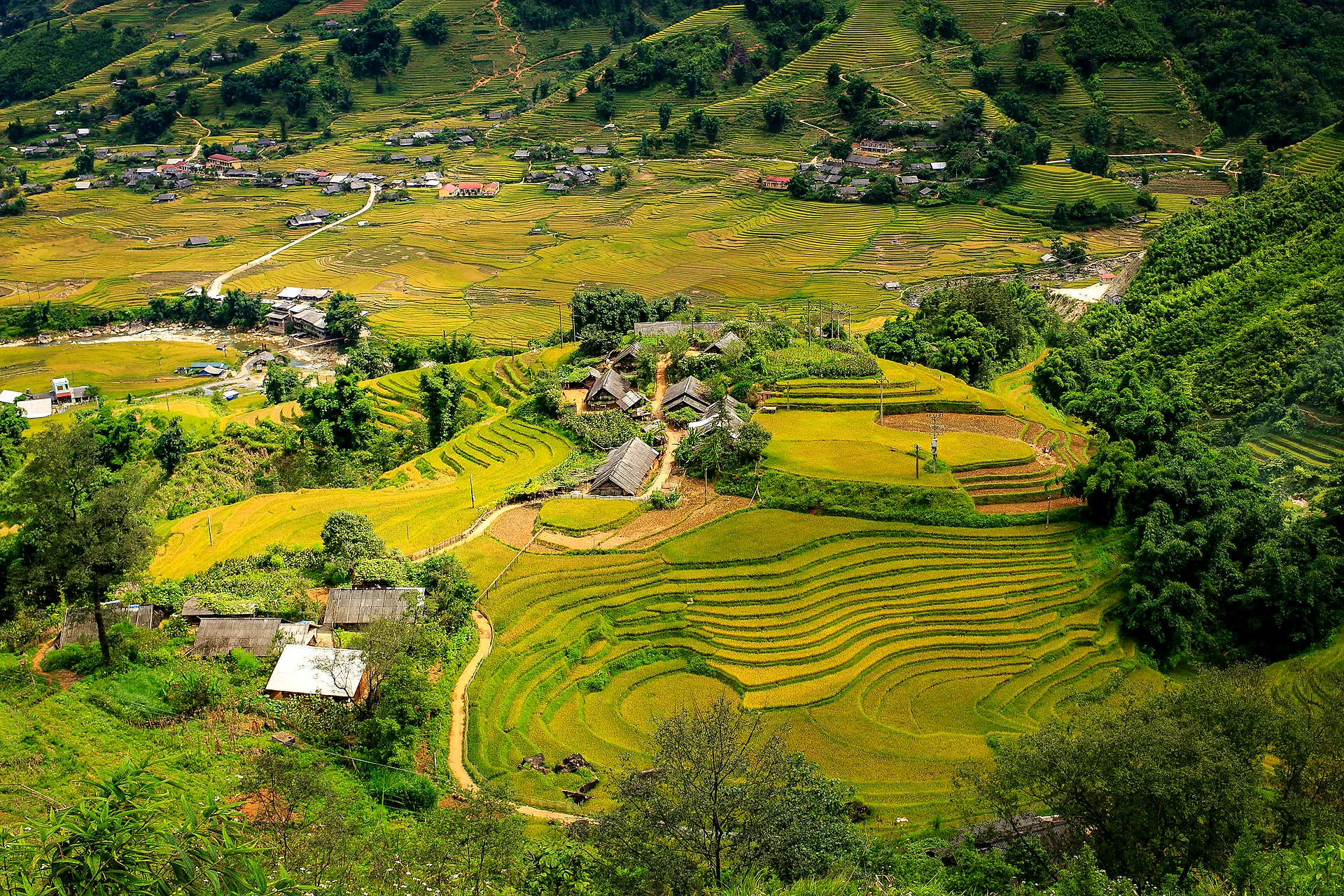
North West Highlands
Sapa & North West
Plan Sapa & Northwest tours with private routes, mountain stays, local markets, and flexible 2-7 day packages across Vietnam's western highlands.
Browse this category
Explore Sapa & North West
Discover more experiences and collections connected to Sapa & North West.
01SAPA HIGHLAND TOURS
Sapa
Trek through spectacular rice terraces, meet Hmong and Dao hill tribes and wake to mist-covered Fansipan peaks.
Explore02DIEN BIEN PHU TOURS
Dien Bien Phu
Visit the historic battlefields of Dien Bien Phu — where Vietnam's most decisive military victory reshaped modern history.
Explore03MU CANG CHAI TERRACES
Mu Cang Chai
Photograph the world's most stunning terraced rice fields at Mu Cang Chai — best visited during harvest season.
Explore04BAC HA MARKET TOURS
Bac Ha
Visit Bac Ha's famous Sunday market — a riot of colour where Flower Hmong tribes trade in traditional dress.
Explore05MOC CHAU PLATEAU
Moc Chau
Drive through Moc Chau's sweeping highland plateau — famous for tea plantations, plum blossoms and dairy farms.
ExploreSapa & North West guide
Explore Sapa & North West
Sapa & Northwest Tours: Private Mountain Routes
Sapa & Northwest tours connect terraced valleys, highland towns, ethnic markets, mountain passes, and historic landscapes. The region rewards travelers who prefer scenic road journeys and meaningful local encounters.
A useful regional plan does not rush every destination into one trip. It selects the strongest route for the season, available days, walking ability, and preferred accommodation.
This hub compares Sapa & Northwest short tours, private itinerary options, and practical packages. Detailed prices and daily schedules should remain on individual product pages.
1. What the Northwest region covers
The Northwest cluster in this website includes Sapa, Mu Cang Chai, Moc Chau, Bac Ha, and Dien Bien Phu. Each destination deserves a clear role inside the regional structure.
Sapa suits trekking, village stays, Fansipan views, and flexible comfort levels. It works well for first-time mountain travelers and visitors using Hanoi as their starting point.
Mu Cang Chai centers on terraced rice fields, hiking routes, mountain photography, and quieter homestays. Road time is significant, so the destination needs at least two nights.
Moc Chau offers a gentler plateau landscape with tea hills, orchards, waterfalls, caves, and community villages. It suits couples, families, and travelers seeking lighter outdoor activity.
Bac Ha is known for highland markets, rural valleys, and cultural encounters. Its Sunday market can strengthen a route when the travel dates match.
Dien Bien Phu combines battlefield history, museums, monuments, Thai cultural landscapes, and broader nature experiences. It should usually anchor a separate western route.
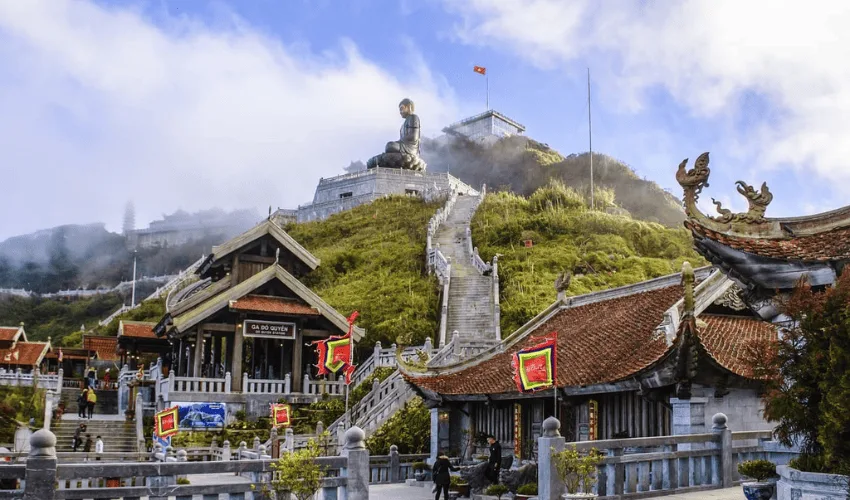
Start with Vietnam Short Tours when comparing other two-to-seven-day regions. The Ha Giang and Northeast Tours hub should handle Ha Giang, Cao Bang, and Ba Be.
2. Choose a focused mountain route
The best Sapa & Northwest packages group destinations that share a sensible road direction. They do not add distant stops only to make the itinerary look larger.
Two-day trips should focus on one accessible base. Sapa or Moc Chau can work, although each program must protect enough time for the actual experience.
Three-day routes allow one strong destination with a full exploration day. This length suits Sapa, Mu Cang Chai, Moc Chau, or a focused Dien Bien Phu visit.
Four or five days can combine nearby themes. Sapa and Bac Ha form a practical cultural route. Mu Cang Chai pairs well with valleys along the western road.
Sapa & Northwest tours of six or seven days support a true regional journey. A route through Mu Cang Chai, Lai Chau, Sapa, and Bac Ha creates stronger continuity.
Dien Bien Phu sits farther west and needs careful transport planning. It should not be inserted into a short Sapa loop without enough days and realistic travel stages.
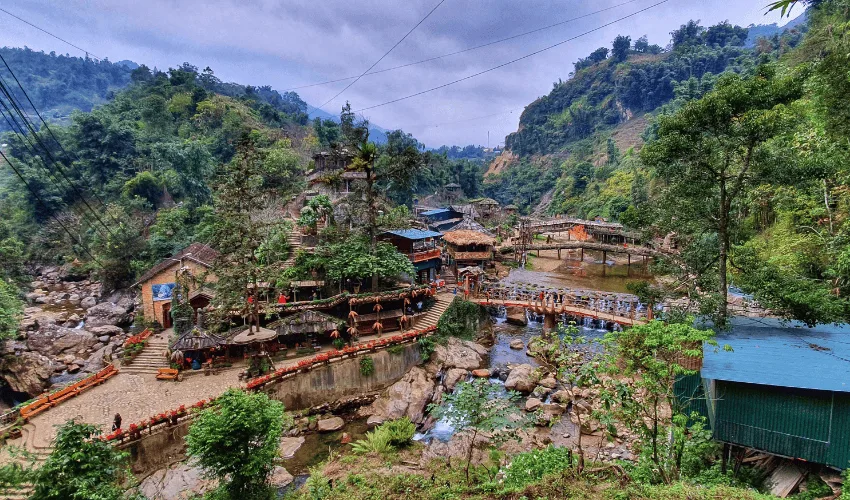
Explore the child hubs for Sapa Tours, Mu Cang Chai Tours, and Moc Chau Tours. Each page should own destination-specific packages and activities.
Cultural routes can continue through Bac Ha Tours or Dien Bien Phu Tours. Avoid repeating their full destination guides on this regional page.
3. Build a private Northwest itinerary
A private Sapa & Northwest itinerary should begin with the group profile. Walking ability, room standards, arrival time, luggage, and food needs affect every stage.
The first day should absorb the longest transfer and include a lighter activity. Strong trekking immediately after a long road journey can reduce safety and enjoyment.
The middle days should hold the main experiences. These may include guided walks, a market, a village meal, a scenic pass, a museum, or a slower cultural visit.
The final day needs enough time for packing and onward transport. A short morning activity works better than a distant attraction with a tight return deadline.
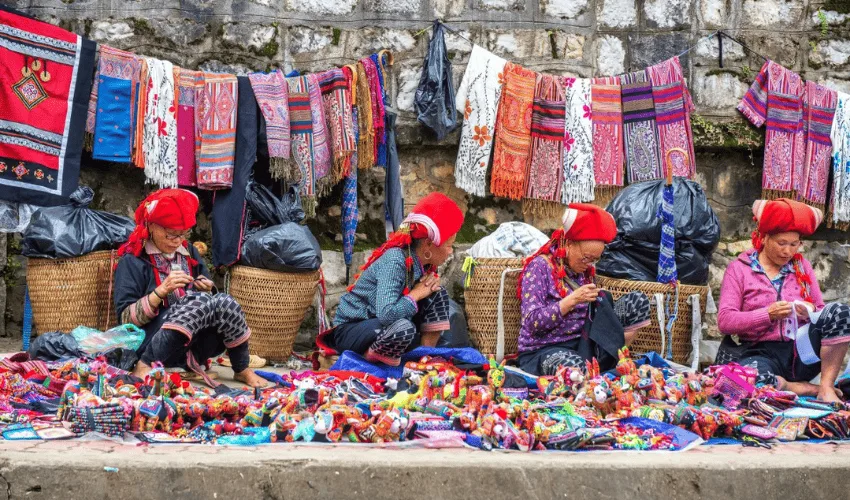
A Sapa itinerary can offer comfort, trekking, or a mix of both. The route should separate village walks from exact product schedules and booking details.
A Mu Cang Chai plan depends heavily on road conditions and seasonal scenery. Extra time gives the guide more freedom to adjust viewpoints and walking routes.
Bac Ha works best when the market day is confirmed. Outside Sunday, the area can still offer villages and rural scenery, but the trip feels different.
A regional circuit needs at least two-night bases where possible. Constant hotel changes make the trip tiring and reduce meaningful time in each destination.
Travelers wanting a fixed Sapa example can review the Sapa 3 Day Private Tour from Hanoi. The product page should own the exact route, inclusions, price, and booking terms.
A longer regional product is the Northwest Vietnam Adventure 7 Days. Use it as an itinerary option without copying its complete daily program into this hub.
4. Match the tour to the season
Season affects visibility, rice colors, trail surfaces, flower cycles, and transport. A good proposal explains likely conditions without promising exact scenery.
Sapa often offers clear trekking conditions in April and May, while September and October are popular for terrace views. Winter can bring cold, mist, and reduced visibility.
Mu Cang Chai changes through water, green, and golden rice seasons. The exact timing varies by elevation, rainfall, and local farming decisions.
Moc Chau remains attractive across the year. Tea fields, orchards, flower seasons, waterfalls, and cool plateau weather create different reasons to visit.
Bac Ha market is traditionally held on Sunday. Travelers should confirm the current schedule and avoid building the entire route around an unverified date.
Dien Bien offers historical travel throughout the year. Spring also brings Ban flowers and seasonal cultural events across the province.
Prepare for changing mountain conditions:
Carry supportive walking shoes with grip for stone paths, soil trails, and wet village lanes.
Pack a light waterproof layer and warm clothing, even when lower cities feel hot.
Use sun protection, insect repellent, refillable water, and a small day bag.
Keep valuable electronics protected from rain, dust, and rapid temperature changes.
Share medical needs and mobility limits before the operator confirms trekking routes.
Active travelers can compare Trekking Tours and Adventure Tours. These style pages should support route selection without replacing the regional hub.
5. Plan a smoother short tour
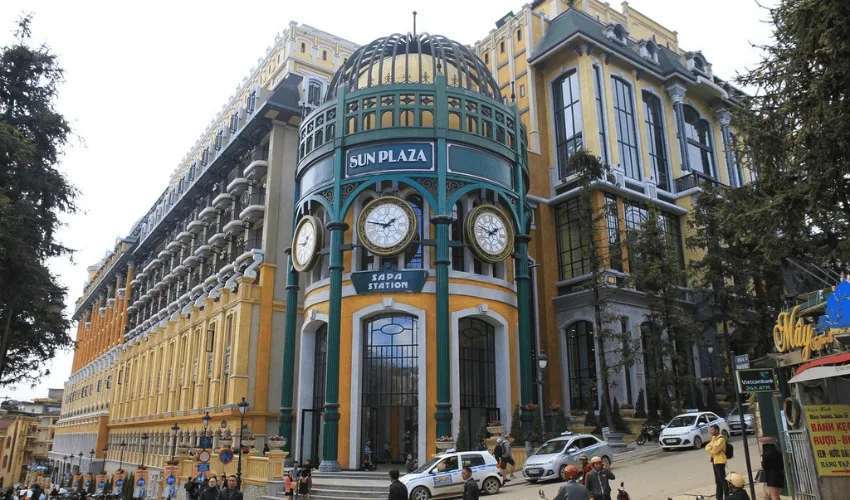
Sapa & Northwest tours need more planning detail than a standard city package. Long road stages, local guides, seasonal access, and remote accommodation can change the experience.
Before booking Sapa & Northwest short tours, confirm the following points:
Pickup location, vehicle type, luggage capacity, estimated road time, and planned comfort stops.
Hotel or homestay name, room category, heating or cooling, bathroom type, and access from the road.
Walking distance, elevation, surface, guide support, rest options, and an easier alternative route.
Included meals, dietary support, entrance fees, local activities, drinking water, and optional payments.
Market dates, seasonal expectations, weather policy, emergency contact, and cancellation terms.
Child arrangements, older traveler support, private celebrations, and preferred daily start times.
The best Sapa & Northwest packages leave space for route changes. Heavy rain, fog, roadworks, or local events may require a safer alternative.
Responsible visits should respect photography consent, village privacy, and local customs. Spending with local households can support community value when purchases remain voluntary.
A regional hub should guide selection rather than reproduce every destination article. This protects topical clarity and reduces keyword cannibalization across the website.
Travelers seeking cultural depth can explore Culture and Local Life Tours. Lower-impact planning can continue through Sustainable and Eco Tours.
Groups needing flexible hotels, pacing, meals, or guides can start with Private Custom Tours.
6. Frequently asked questions
1. How many days are enough for Sapa & Northwest tours?
Use two or three days for one destination. Allow four to seven days for two destinations or a connected regional circuit.
2. What do Sapa & Northwest packages usually include?
Packages may include private transport, accommodation, selected meals, guides, and planned activities. Confirm each inclusion before payment.
3. Can I create a private Sapa & Northwest itinerary?
Yes. A private route can adjust hotels, walking levels, market days, meal needs, transport, and daily pacing.
4. Can one short tour include every Northwest destination?
Usually not. Sapa, Mu Cang Chai, Moc Chau, Bac Ha, and Dien Bien Phu cover large distances and need selective planning.
5. Are Ha Giang and Cao Bang part of this hub?
No. They belong to the separate Ha Giang and Northeast region, which should own those destination and route terms.
References