
Article brief
Walking through Hanoi's historic quarters is like turning the pages of Vietnam's rich cultural history book.
Route flow, hotel placement and transfer timing are the three decisions that shape the whole trip.
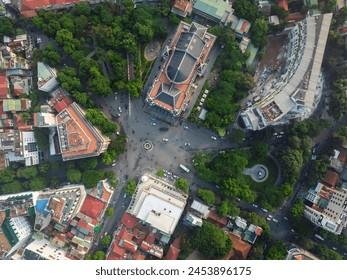
Walking through Hanoi’s historic quarters is like turning the pages of Vietnam’s rich cultural history book. The juxtaposition of the chaotic, vibrant Old Quarter against the elegant, tree-lined French Quarter offers visitors a fascinating glimpse into the city’s layered past. This comprehensive walking tour guide takes you through both districts, highlighting significant landmarks, hidden gems, and essential experiences that capture Hanoi’s authentic character.
Understanding Hanoi’s Historic Districts
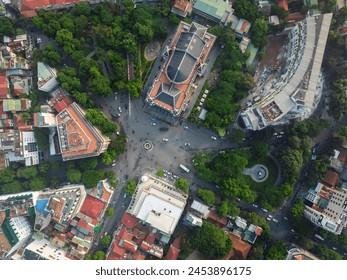
Before lacing up your walking shoes, it helps to understand the distinct character of each quarter:
- The Old Quarter (36 Old Streets): Dating back to the 15th century, this ancient commercial district was originally organized with each street dedicated to a specific trade or craft. Today, it remains Hanoi’s bustling commercial heart.
- The French Quarter: Developed during the French colonial period (1887-1954), this district showcases wide boulevards, European-style villas, and grand public buildings that reflect French architectural influence.
“Hanoi is a city where every street tells a story, every building holds history, and every corner offers a new sensory experience.” – Local Hanoi guide
When to Take This Walking Tour
The best time to explore Hanoi on foot is during the dry season from October to April when temperatures are milder. Early mornings (6-8 AM) offer the chance to see locals practicing tai chi or enjoying morning exercise around Hoan Kiem Lake, while evenings provide vibrant street life and cooler temperatures.
For the optimal experience, we recommend:
- Weekday mornings: Less crowded for photography and sightseeing
- Weekend evenings: Experience the vibrant night market in the Old Quarter (Friday to Sunday)
- Weather consideration: Avoid midday heat (11 AM – 2 PM) especially during summer months

Old Quarter Walking Tour Route
Starting Point: Hoan Kiem Lake
Begin your journey at the iconic Hoan Kiem Lake (Lake of the Restored Sword), the geographical and cultural center of Hanoi. This serene body of water plays a crucial role in Vietnamese folklore and provides a wonderful starting reference point.
Key sights around the lake:
- Ngoc Son Temple: Located on a small island in the lake, this temple honors military leader Tran Hung Dao. Cross the picturesque red-painted wooden bridge (The Huc Bridge) to reach this 18th-century temple. Entrance fee: 30,000 VND.
- Turtle Tower (Thap Rua): Standing on a small island in the lake, this tower commemorates the legend of Emperor Le Loi, who received a magical sword from the Golden Turtle God.
From the northern edge of the lake, head into the heart of the Old Quarter via Hang Dao Street.
The 36 Streets of the Old Quarter
The Old Quarter’s layout follows a medieval pattern with streets named after the goods traditionally sold there. Many streets still specialize in particular products.
Notable streets to explore:
- Hang Bac (Silver Street): Originally home to silversmiths, now featuring jewelry shops and the ancient house at 87 Hang Bac (dating back to the 19th century)
- Hang Gai (Silk Street): Lined with boutiques selling high-quality silk and ready-made clothing
- Hang Ma (Paper Street): Selling colorful paper products, festival decorations, and traditional toys
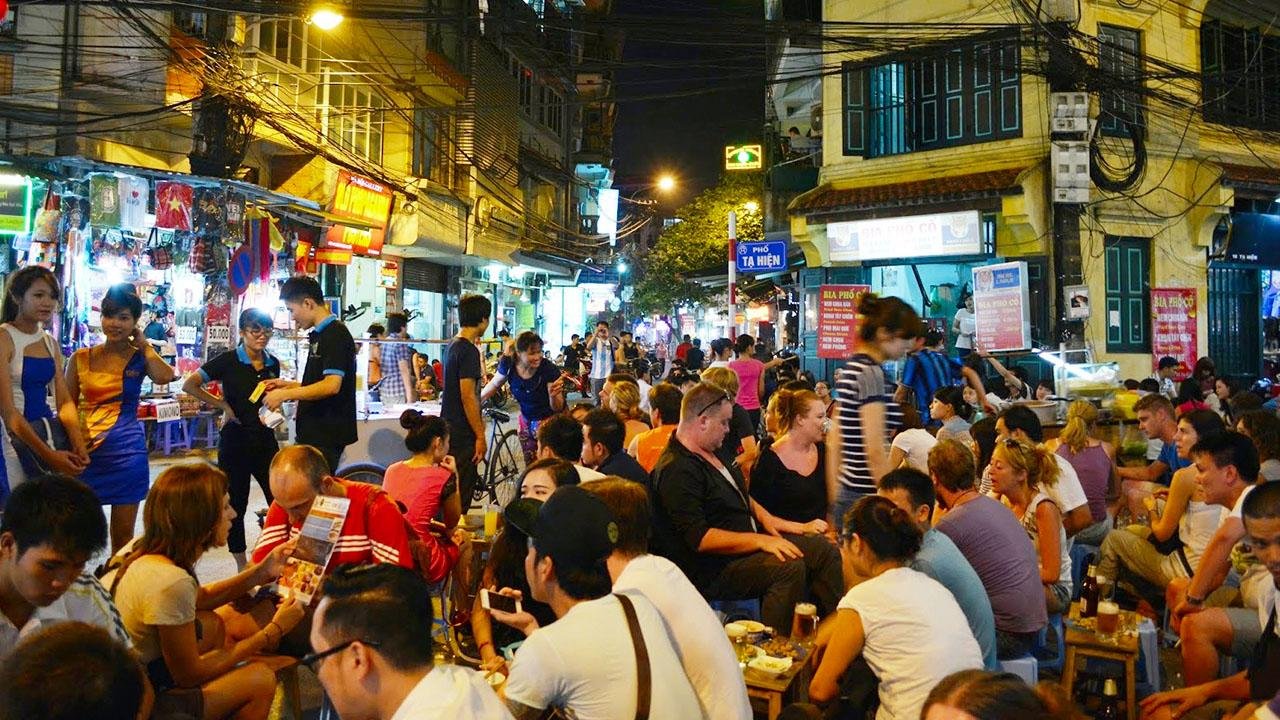
- Ta Hien: Famous “Beer Street” offering local draft beer (bia hoi) and a lively atmosphere in the evening
Cultural Highlights in the Old Quarter
As you weave through the narrow streets, make time to visit these cultural landmarks:
- Bach Ma Temple (76 Hang Buom Street): The oldest temple in the Old Quarter, dating back to the 9th century
- Ancient House (87 Ma May Street): A preserved traditional merchant’s house offering insight into 19th-century Vietnamese domestic architecture
- Dong Xuan Market: Hanoi’s largest covered market, perfect for experiencing local commerce and finding souvenirs
- O Quan Chuong: The only remaining ancient city gate, built in 1749 during the Nguyen Dynasty
Culinary Stops in the Old Quarter
No walking tour is complete without sampling Hanoi’s famous street food. Consider these authentic culinary experiences:
- Pho Gia Truyen (49 Bat Dan): Renowned for traditional beef pho
- Banh Mi 25 (25 Hang Ca): Delicious Vietnamese sandwiches
- Cafe Giang (39 Nguyen Huu Huan): Birthplace of egg coffee (ca phe trung), a Hanoi specialty
- Bun Cha Huong Lien (24 Le Van Huu): Made famous by Anthony Bourdain and President Obama’s visit
“You haven’t truly experienced Hanoi until you’ve sipped egg coffee in a tiny Old Quarter cafe, watching the world go by through a narrow doorway.” – Vietnamese proverb
Transitioning to the French Quarter
From the Old Quarter, walk south along Trang Tien Street to enter the more spacious, architecturally distinct French Quarter. The transformation in atmosphere is immediate – from narrow, bustling lanes to wide, tree-lined boulevards.
French Quarter Highlights
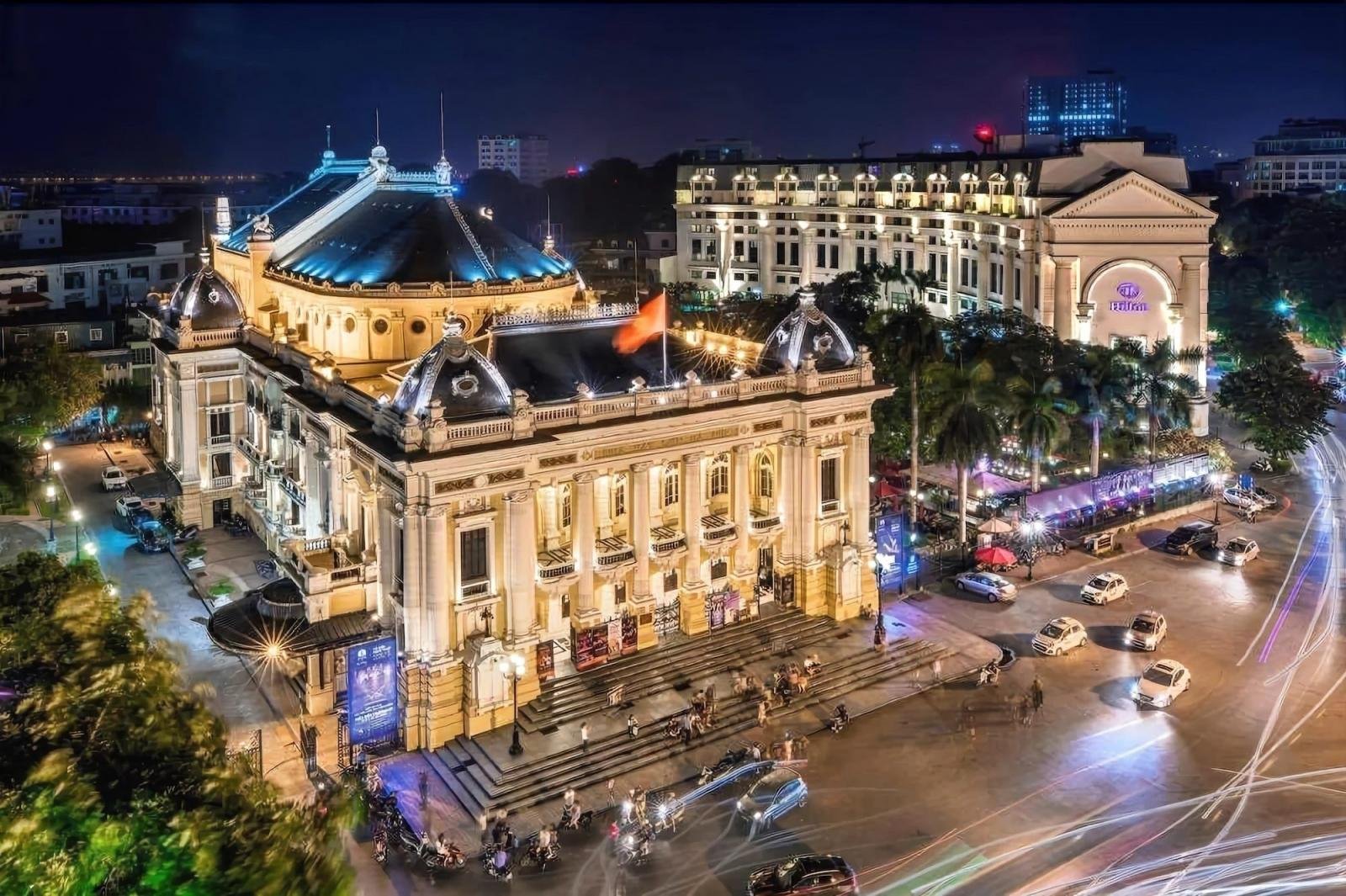
- Hanoi Opera House: Built between 1901 and 1911, this magnificent building was modeled after the Palais Garnier in Paris. Check for performances if you’d like to see the ornate interior.
- Sofitel Legend Metropole Hotel: Opened in 1901, this historic luxury hotel has hosted notable figures including Charlie Chaplin, Graham Greene, and Jane Fonda. The hotel offers a fascinating “Path of History” tour of its bomb shelter for guests.
- National Museum of Vietnamese History: Housed in a former French School of Far Eastern Studies building, featuring exhibits spanning Vietnam’s prehistory to the early 20th century.
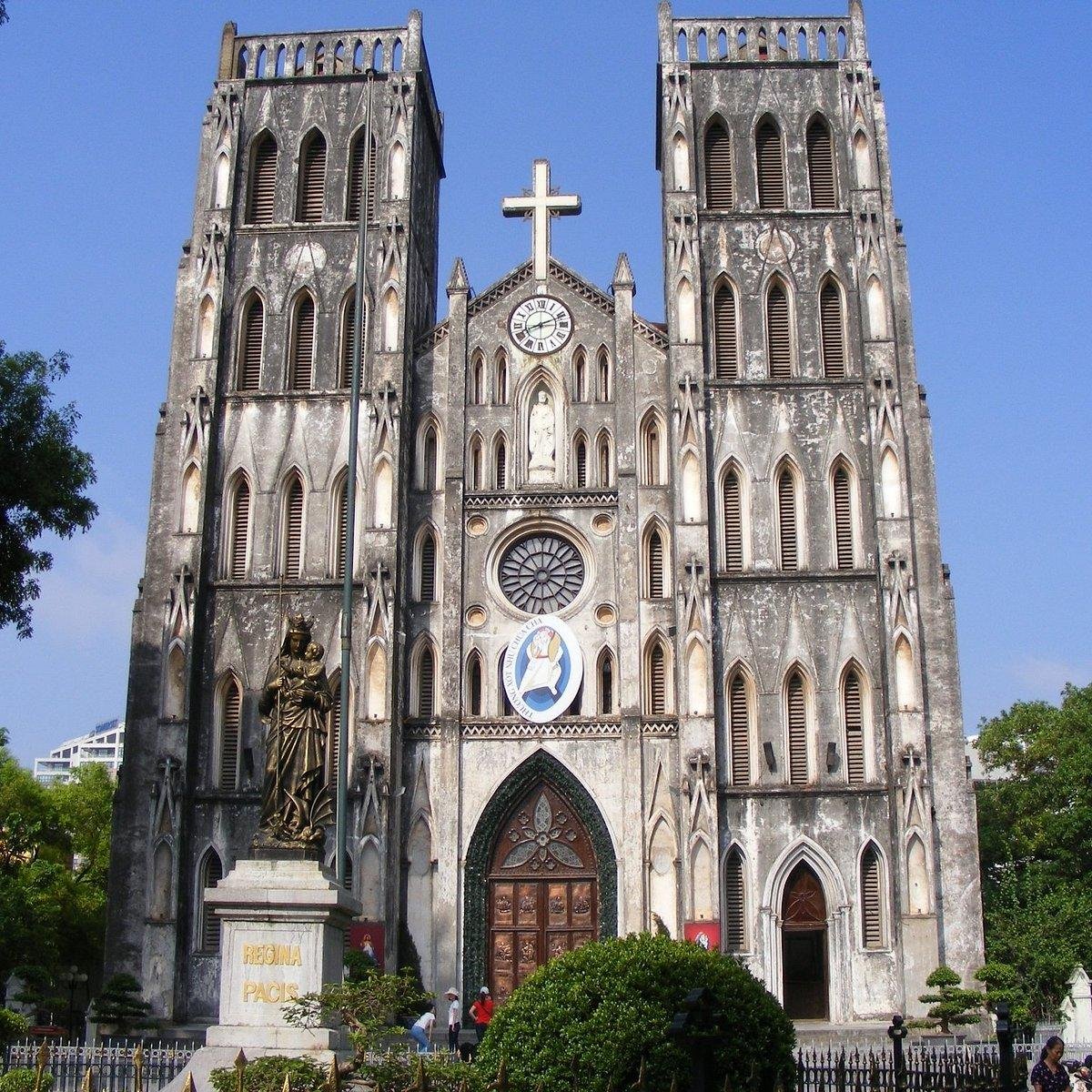
- St. Joseph’s Cathedral: Built in 1886, this neo-Gothic cathedral remains an active place of worship and serves as a landmark between the two quarters.
Leafy Boulevards and Government Buildings
Continue your walk to appreciate the grand colonial architecture around:
- Hoa Lo Prison Museum (the “Hanoi Hilton”): A sobering remnant of both French colonial oppression and the Vietnam War
- Presidential Palace and Ho Chi Minh’s Stilt House: While the entire complex deserves a separate visit, you can view the impressive yellow presidential palace from the streets
- Hanoi Railway Station: An interesting blend of French design with Vietnamese elements
- Trang Tien Plaza: A colonial-era department store now housing luxury brands
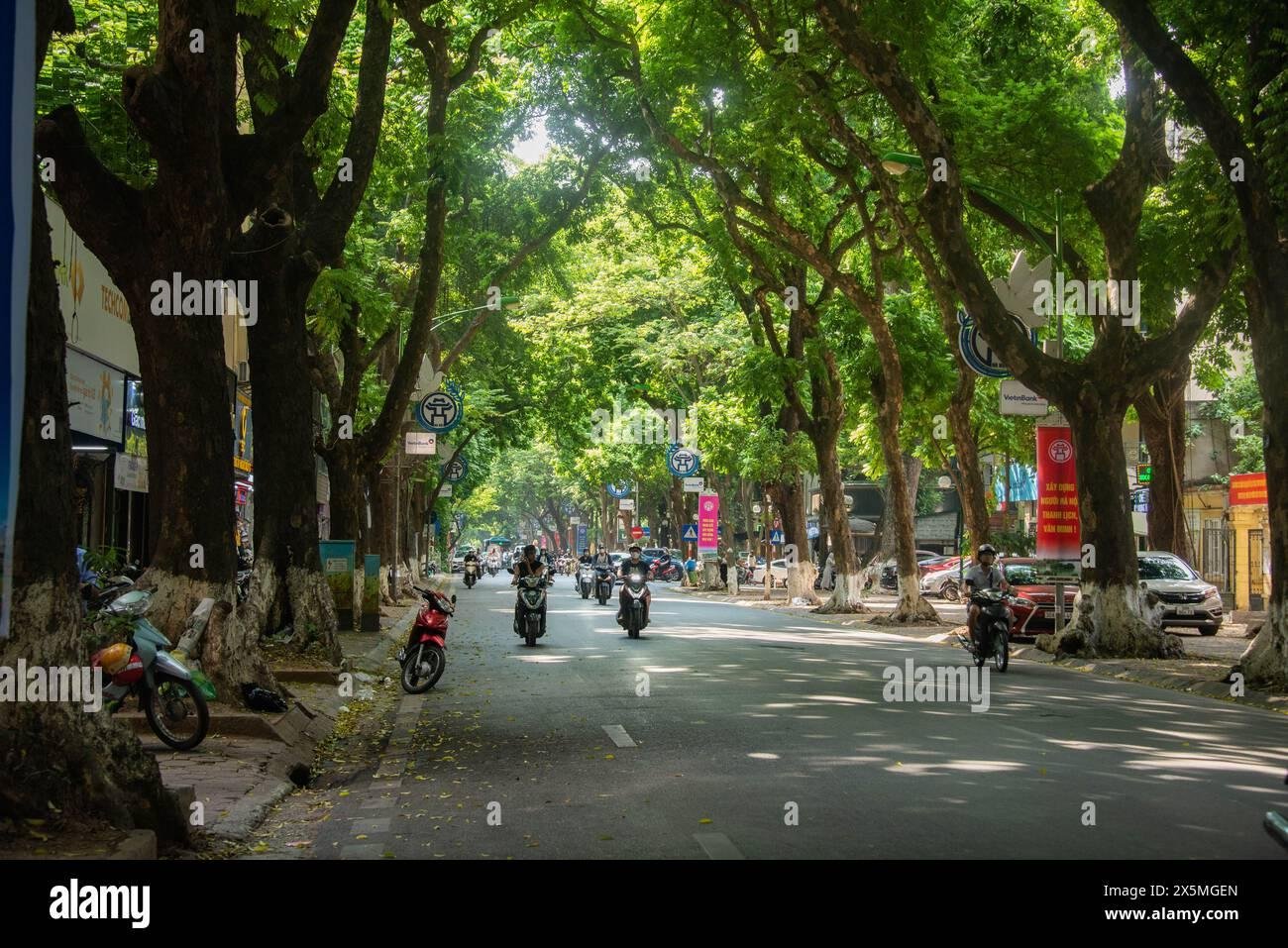
Take time to stroll along Phan Dinh Phung Street, often considered Hanoi’s most beautiful thoroughfare with its canopy of ancient trees and stately colonial villas.
Practical Tips for Your Walking Tour
What to Bring
- Comfortable walking shoes
- Hat and sunscreen (essential in summer months)
- Umbrella or raincoat (during rainy season from May to September)
- Water bottle (refill at cafes along the way)
- Small denominations of Vietnamese dong for street food and small purchases
- Camera with extra batteries
- Offline map application
Safety and Etiquette
Hanoi is generally very safe for tourists, but keep these tips in mind:
- Watch for motorbikes when crossing streets (walk slowly and steadily)
- Keep valuables secure, especially in crowded areas
- Dress modestly when visiting religious sites
- Ask permission before photographing locals
- Bargain good-naturedly at markets, but once you’ve agreed on a price, honor it
Guided Tour Options
While self-guided exploration offers flexibility, joining a guided tour provides deeper cultural and historical context. Vietnam Travelers offers several walking tour options:
- Small group walking tours: 3-4 hours with English-speaking guides (from $25/person)
- Private walking tours: Customizable itineraries with dedicated guides (from $45/person)
- Food-focused walking tours: Combining sightseeing with culinary experiences (from $35/person)
For a specialized experience, consider our combined Old Quarter and French Quarter tour with local historians who can reveal the hidden stories behind Hanoi’s most famous landmarks.
Recommended Full-Day Itinerary
For those wanting to experience both quarters in a single day, here’s our suggested itinerary:
- 8:00 AM: Begin at Hoan Kiem Lake, visit Ngoc Son Temple
- 9:30 AM: Explore the Old Quarter streets (Hang Bac, Hang Gai, Ma May)
- 11:00 AM: Visit Ancient House at 87 Ma May Street
- 12:00 PM: Lunch at Bun Cha Huong Lien or another recommended eatery
- 1:30 PM: Walk to St. Joseph’s Cathedral, marking your transition to the French Quarter
- 2:30 PM: Visit the Hanoi Opera House and surrounding area
- 3:30 PM: Stroll along Phan Dinh Phung Street
- 4:30 PM: Visit Hoa Lo Prison Museum
- 6:00 PM: Return to the Old Quarter for dinner and evening atmosphere
Frequently Asked Questions
How long does it take to walk through both the Old Quarter and French Quarter?
A comprehensive walking tour covering both quarters typically takes 5-7 hours, depending on your pace and how many stops you make. Many visitors prefer to split this into two half-day tours to fully appreciate each area.
Copy
Is it safe to walk around Hanoi at night?
Yes, Hanoi is generally safe for evening walks, especially in tourist areas like the Old Quarter. The night market (weekends) and areas around Hoan Kiem Lake are well-lit and populated until around 11 PM. As with any city, maintain basic awareness of your surroundings.
What’s the best way to cross the busy streets in Hanoi?
Crossing streets in Hanoi can be intimidating but follows an unwritten flow. Walk at a steady, predictable pace without sudden movements. Motorbikes will flow around you. Make eye contact with drivers, and use pedestrian crossings when available. If unsure, watch locals and cross with them.
Are there any dress code requirements for visiting temples and religious sites?
Yes, when visiting religious sites like Bach Ma Temple or St. Joseph’s Cathedral, dress modestly covering shoulders and knees. Some sites provide sarongs or coverings for visitors, but it’s better to come prepared, especially during hot weather when lightweight, modest clothing is ideal.
Conclusion: Embracing Hanoi’s Dual Character
Walking through Hanoi’s Old Quarter and French Quarter offers more than just sightseeing—it’s an immersive journey through Vietnam’s complex history and vibrant present. The contrast between the ancient, bustling commercial heart and the elegant colonial district tells the story of a city that has absorbed influences while maintaining its distinctive spirit.
Whether you’re fascinated by architecture, history, culinary experiences, or simply enjoy observing daily life in one of Asia’s most characterful capitals, this walking tour provides a comprehensive introduction to Hanoi’s soul.
Ready to Experience Hanoi’s Historic Quarters?
Vietnam Travelers offers expert-guided walking tours combining historical insights with authentic local experiences. Our local guides will lead you through hidden corners and share stories you won’t find in guidebooks.
Book your guided walking tour or contact us to customize your perfect Hanoi experience!
Have you explored Hanoi’s historic quarters? Share your experiences or questions in the comments below!
Read more: Hanoi Street Food Walking Tour: A Culinary Adventure Through Vietnam’s Capital