
Article brief
Planning to explore the enchanting French Quarter in Hanoi ?
Route flow, hotel placement and transfer timing are the three decisions that shape the whole trip.
Planning to explore the enchanting French Quarter in Hanoi? You’re in for a treat! This historic district, also known as the French Concession, offers a fascinating blend of colonial architecture, vibrant street life, and cultural treasures that every visitor should experience. Whether you’re wandering the tree-lined boulevards or discovering hidden cafés, having a detailed map and understanding the area’s layout will transform your visit from good to absolutely unforgettable.
Understanding Hanoi’s French Quarter: More Than Just a Map
The French Quarter of Hanoi isn’t just a tourist destination—it’s a living piece of history that tells the story of Vietnam’s colonial past and its journey to independence. Unlike the bustling Old Quarter, the French Quarter exudes a more refined, European atmosphere with its wide boulevards, grand buildings, and sophisticated ambiance.
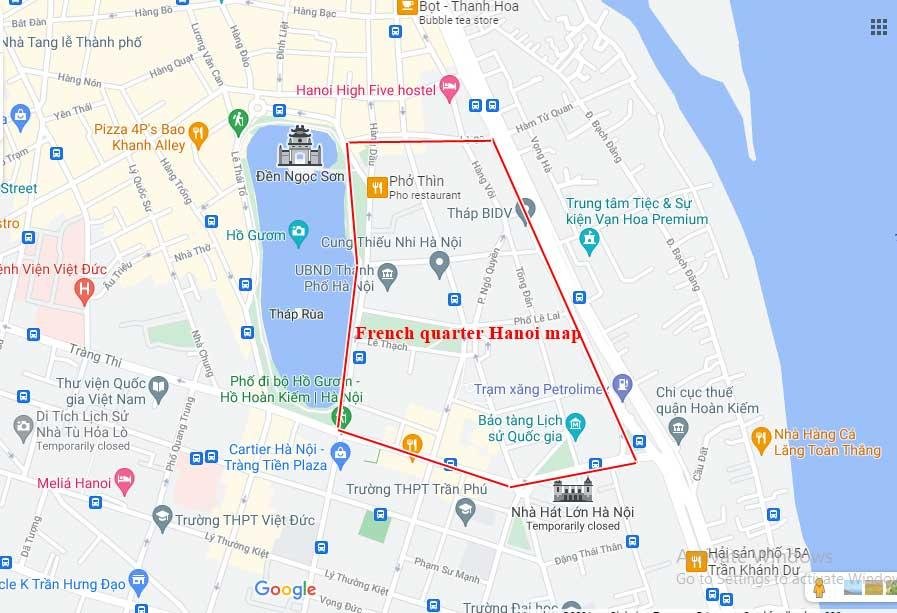
Located south of Hoan Kiem Lake, this district roughly encompasses the area between Hang Bai Street to the north, Hai Ba Trung Street to the south, Trang Tien Street to the east, and Phan Chu Trinh Street to the west. The quarter’s design reflects French urban planning principles, with organized grid-like streets that are much easier to navigate than the maze-like alleys of the Old Quarter.
“The French Quarter represents a unique chapter in Hanoi’s history, where East meets West in the most beautiful architectural harmony. Every street corner tells a story worth discovering.” – Local Hanoi historian
Key Landmarks and Streets for Your Map
Major Boulevards and Their Significance
When exploring with your French Quarter Hanoi map, these main arteries should be your reference points:
- Trang Tien Street: The shopping heart of the quarter, featuring colonial-era buildings housing modern boutiques and cafés
- Ly Thai To Street: Home to government buildings and the famous Metropole Hotel
- Phan Chu Trinh Street: A cultural corridor lined with art galleries and traditional restaurants
- Hang Bai Street: The border between old and new, offering stunning architectural contrasts
Must-Visit Landmarks
Your detailed map should highlight these essential stops:
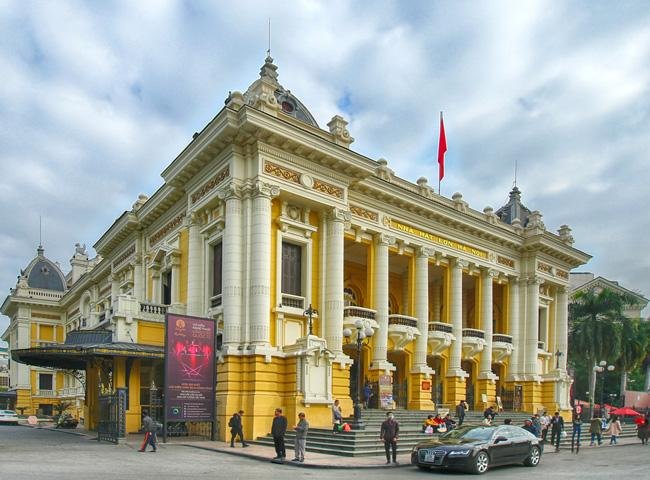
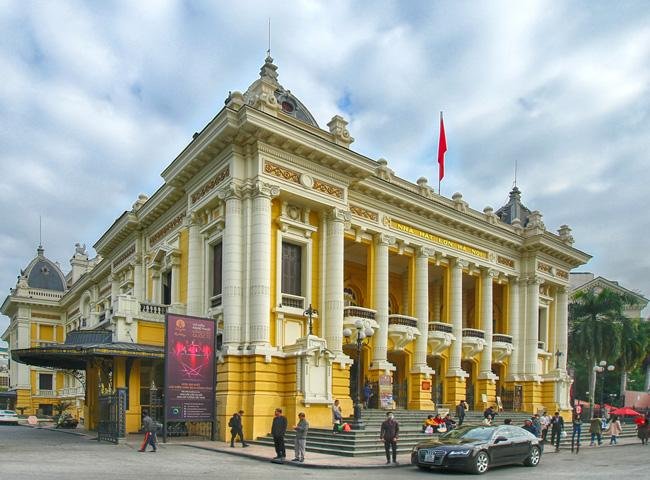
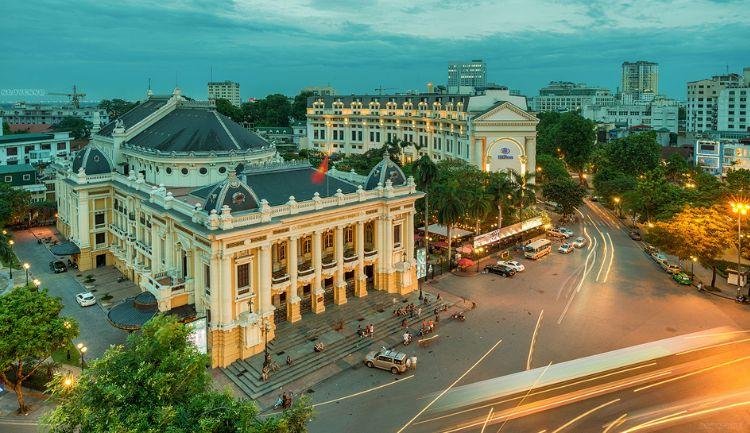
- Hanoi Opera House: A stunning replica of the Paris Opera, perfect for photos and cultural events
- Hotel Metropole: Historic luxury hotel where famous guests like Charlie Chaplin and Somerset Maugham stayed
- National Museum of Vietnamese History: Housed in a beautiful French colonial building
- Hoa Lo Prison Museum: Known as the “Hanoi Hilton,” offering insights into Vietnam’s struggle for independence
- St. Joseph’s Cathedral: A neo-Gothic masterpiece modeled after Notre Dame de Paris
Digital vs. Physical Maps: Making the Right Choice
While smartphone apps are convenient, we recommend carrying both digital and physical maps when exploring the French Quarter. Here’s why:
Digital Map Advantages
- Real-time GPS navigation
- Updated information about closures or construction
- Integration with restaurant and attraction reviews
- Offline download capability for areas with poor signal
Physical Map Benefits
- No battery dependency
- Better overview of the entire district
- Easier to share with travel companions
- Works as a backup when technology fails
Many visitors find success combining both methods. Start your day with a physical map to plan your route, then use digital navigation for specific directions. Local tour guides from Vietnam Travelers’ walking tours often provide excellent printed maps with insider tips marked for easy reference.
Transportation Within the French Quarter
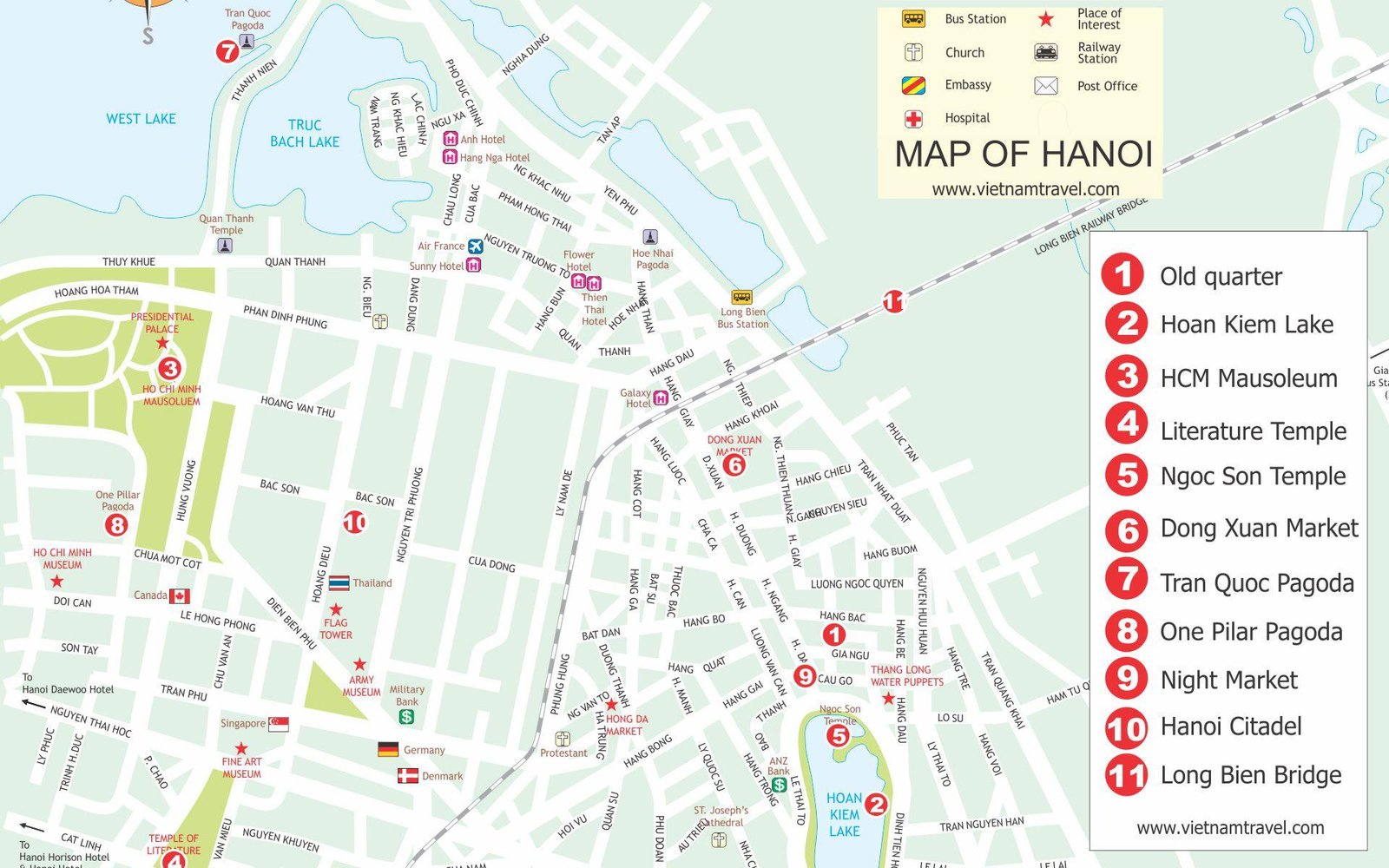
Understanding transportation options is crucial for effective navigation. The French Quarter’s layout makes it relatively easy to get around, but knowing your options saves time and energy.
Walking
Walking remains the best way to experience the French Quarter’s charm. The district spans roughly 2 kilometers from north to south and 1.5 kilometers from east to west, making it completely walkable for most visitors. The wide sidewalks and tree-lined streets make walking pleasant, especially during cooler morning and evening hours.
Cyclo Tours
Traditional cyclos offer a unique perspective and allow you to cover more ground while still experiencing the area intimately. Professional cyclo tours typically include knowledgeable drivers who can navigate efficiently while sharing local stories.
Motorbike Taxis (Xe Om)
For quick trips between distant points, motorbike taxis are efficient and affordable. However, ensure you have a clear destination marked on your map, as language barriers can sometimes cause confusion.
Public Transportation
Bus routes 9, 14, and 31 serve the French Quarter area. While buses are economical, they’re less convenient for tourists unfamiliar with the routes and stops.
Navigation Tips for First-Time Visitors
Successfully navigating the French Quarter requires more than just a good map. Here are insider tips that will make your exploration smoother:
Orientation Landmarks
Use these permanent fixtures to maintain your bearings:
- Hoan Kiem Lake: Always to the north of the French Quarter
- Hanoi Opera House: Central landmark visible from multiple streets
- Red River: Eastern boundary of the general area
- Train Station direction: Southwest of the quarter
Pro tip: The French Quarter’s streets generally run in a more organized grid pattern compared to the Old Quarter, making navigation significantly easier once you understand the basic layout.
Street Numbering System
Unlike many Asian cities, Hanoi’s French Quarter follows a logical numbering system inherited from French urban planning. Odd numbers typically appear on one side of the street, even numbers on the other, with numbers increasing as you move away from the city center.
Best Areas to Explore by Theme
Organizing your visit by interests helps maximize your time and ensures you don’t miss what matters most to you.
Architecture Enthusiasts
Focus your map on these areas:
- Ly Thai To Street: Government buildings showcasing French colonial architecture
- Trang Tien Street: Mixed architectural styles from different eras
- Around the Opera House: Concentrated examples of French design
Food and Culture
Mark these zones on your map:
- Phan Chu Trinh area: Traditional Vietnamese restaurants and art galleries
- Hang Bai intersection: Street food and local eateries
- Near St. Joseph’s Cathedral: Cafés and boutique shops
Shopping and Entertainment
- Trang Tien Street: Upscale shopping and international brands
- Around Metropole Hotel: Luxury boutiques and fine dining
- Opera House vicinity: Cultural performances and events
Seasonal Considerations for Map Planning
Your navigation strategy should adapt to Hanoi’s distinct seasons:
Spring (March-May) and Autumn (September-November)
These ideal seasons allow for extensive walking exploration. Plan longer routes and include outdoor attractions in your mapped itinerary.
Summer (June-August)
High temperatures and humidity make shorter walking segments advisable. Plan indoor stops (museums, cafés, shops) at regular intervals and consider transportation between distant points.
Winter (December-February)
Cool temperatures and occasional drizzle make covered areas more appealing. Include indoor attractions and plan alternative routes that offer shelter options.
Safety and Practical Navigation Tips
While the French Quarter is generally safe, smart navigation practices enhance your experience:
Traffic Navigation
Hanoi’s traffic can seem chaotic, but it follows its own logic. When crossing streets:
- Move at a steady, predictable pace
- Make eye contact with drivers when possible
- Follow locals when uncertain
- Use designated crosswalks near major intersections
Personal Security
- Keep maps and valuables secure but accessible
- Avoid displaying expensive electronics prominently
- Stay aware of your surroundings, especially in crowded areas
- Keep a backup of your map route in case of loss
Hidden Gems Your Map Should Include
Beyond the obvious tourist attractions, experienced local guides recommend these lesser-known spots worth marking on your French Quarter map:
- Manzi Art Space: Contemporary art gallery in a restored French villa
- Quan Su Pagoda: Peaceful Buddhist temple tucked between modern buildings
- Hidden coffee shops on Nha Tho Street: Authentic local café culture away from tourist crowds
- Small parks and green spaces: Perfect for rest stops during walking tours
Professional French Quarter walking tours often reveal these gems that standard tourist maps miss, providing insider knowledge that enhances your exploration experience.
Technology Tools for Enhanced Navigation
Modern technology offers several tools to supplement your traditional map:
Recommended Apps
- Google Maps: Reliable for basic navigation and business information
- Maps.me: Excellent offline capabilities
- Grab: For booking motorbike taxis and ride-sharing
- Foody or Now: Local restaurant discovery and reviews
Translation Tools
Having translation capabilities helps when asking for directions or reading street signs that might not have English translations.

Connecting French Quarter to Other Hanoi Districts
Your French Quarter exploration shouldn’t exist in isolation. Understanding connections to other areas expands your Hanoi experience:
To the Old Quarter
A 10-15 minute walk north via Hang Bai Street or around Hoan Kiem Lake connects you to the bustling Old Quarter with its narrow streets and traditional shops.
To Ba Dinh District
Head west to reach Ho Chi Minh Mausoleum, One Pillar Pagoda, and other significant historical sites. This journey takes 20-30 minutes by taxi or motorbike.
To Dong Da District
South from the French Quarter leads to the Temple of Literature and other educational and cultural sites.
Frequently Asked Questions
How long does it take to explore the French Quarter thoroughly?
A comprehensive exploration typically requires 6-8 hours, including stops at major attractions, meals, and shopping. However, you can see the highlights in 3-4 hours with a focused approach.
Is the French Quarter suitable for elderly visitors or those with mobility issues?
Yes, the French Quarter’s wide sidewalks and relatively flat terrain make it more accessible than the Old Quarter. However, some historic buildings may lack elevator access.
Can I download offline maps of the French Quarter?
Yes, both Google Maps and Maps.me allow offline downloads. This is highly recommended as cell service can be spotty in some buildings and underground areas.
What’s the best time of day to navigate the French Quarter?
Early morning (7-9 AM) and late afternoon (4-6 PM) offer the best combination of good lighting, manageable temperatures, and active street life without overwhelming crowds.
Are there public restrooms marked on most tourist maps?
Standard tourist maps often omit this practical information. Hotels, museums, and shopping centers provide the most reliable restroom access. Cafés also welcome customers to use facilities with a purchase.
Planning Your French Quarter Adventure
Success in navigating the French Quarter comes from combining good planning with flexibility for spontaneous discoveries. Start with a solid understanding of the area’s layout, identify your must-see attractions, and leave room for the unexpected moments that make travel memorable.
Whether you choose a guided tour experience for expert insights or prefer independent exploration with a detailed map, the French Quarter rewards visitors who take time to understand its unique character and rich history.
Remember: The best map is one that helps you discover not just where to go, but why each place matters in Hanoi’s incredible story.
Ready to Explore? Let Vietnam Travelers Guide Your Adventure
While this guide provides the foundation for your French Quarter navigation, nothing replaces local expertise and insider knowledge. Vietnam Travelers offers comprehensive walking tours, cycling adventures, and customized experiences that bring the French Quarter’s stories to life.
Our experienced guides know every hidden alley, historical detail, and perfect photo spot that standard maps simply can’t convey. Whether you’re interested in culinary adventures, architectural tours, or cultural immersion, we create experiences that go far beyond basic navigation.
Ready to discover the French Quarter like a local? Contact Vietnam Travelers today:
- Address: 32 Hang Buom, Hoan Kiem, Hanoi
- Hotline: +84962819091
- ✉️ Email: info@vietnamtravelers.com
- Website: vietnamtravelers.com
Don’t just navigate the French Quarter—experience it with the depth and understanding it deserves. Book your personalized tour today and transform your Hanoi visit from ordinary sightseeing into an unforgettable journey through history, culture, and discovery!
Have you explored Hanoi’s French Quarter? Share your favorite discoveries and navigation tips in the comments below. Your insights help fellow travelers make the most of their Vietnamese adventures!