Article brief
Hanoi City Vietnam is more than just the capital of the country—it is a living museum of history, culture, and everyday local life.

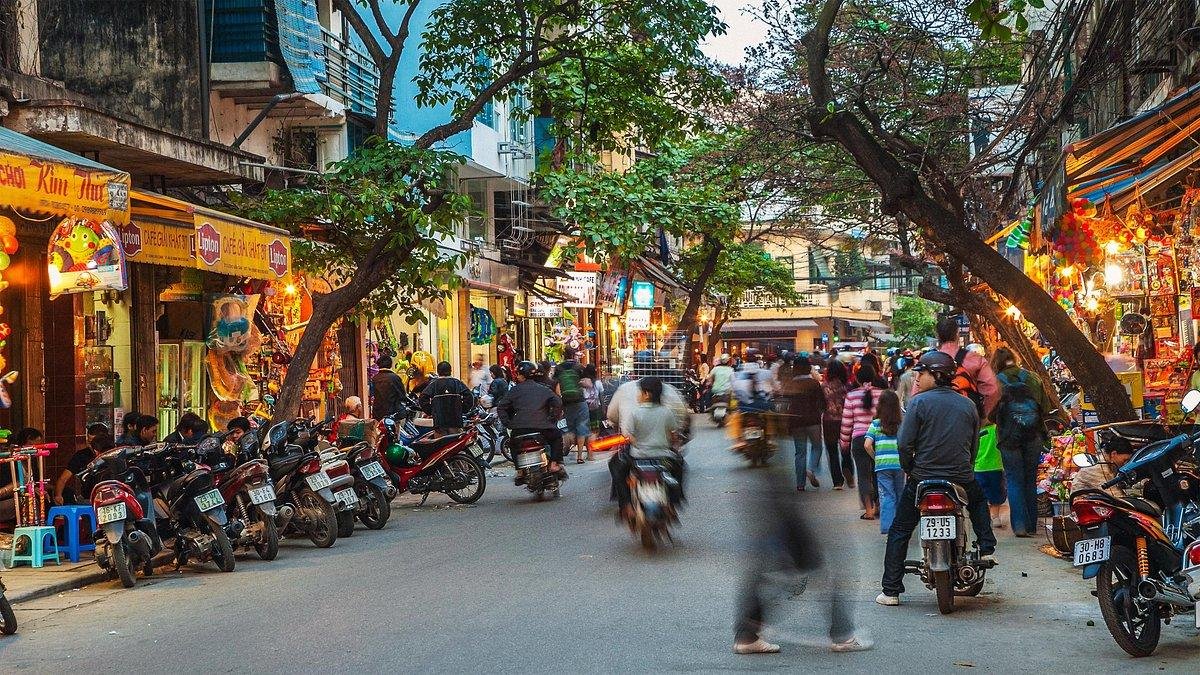
Hanoi City Vietnam is more than just the capital of the country—it is a living museum of history, culture, and everyday local life. With over 1,000 years of heritage, Hanoi blends ancient traditions with a modern rhythm, offering travelers an experience that feels both timeless a
Reading compass
Vietnam Travelers
Article brief
Hanoi City Vietnam is more than just the capital of the country—it is a living museum of history, culture, and everyday local life.
Route flow, hotel placement and transfer timing are the three decisions that shape the whole trip.
Hanoi City Vietnam is more than just the capital of the country—it is a living museum of history, culture, and everyday local life. With over 1,000 years of heritage, Hanoi blends ancient traditions with a modern rhythm, offering travelers an experience that feels both timeless and refreshingly real. From leafy boulevards left by French colonists to buzzing street markets and peaceful lakes, Hanoi invites you to slow down, observe, and truly connect.
In this guide, we share a human, honest overview of Hanoi, including its culture, daily life, and practical travel insights. Whether this is your first time in Vietnam or a return visit, Hanoi always has something new to reveal.
“Hanoi doesn’t try to impress you at first glance. It grows on you—quietly, deeply, and memorably.”
If you are planning your journey, you may also want to explore our curated
Hanoi city tours
designed for travelers who value culture, comfort, and authentic encounters.
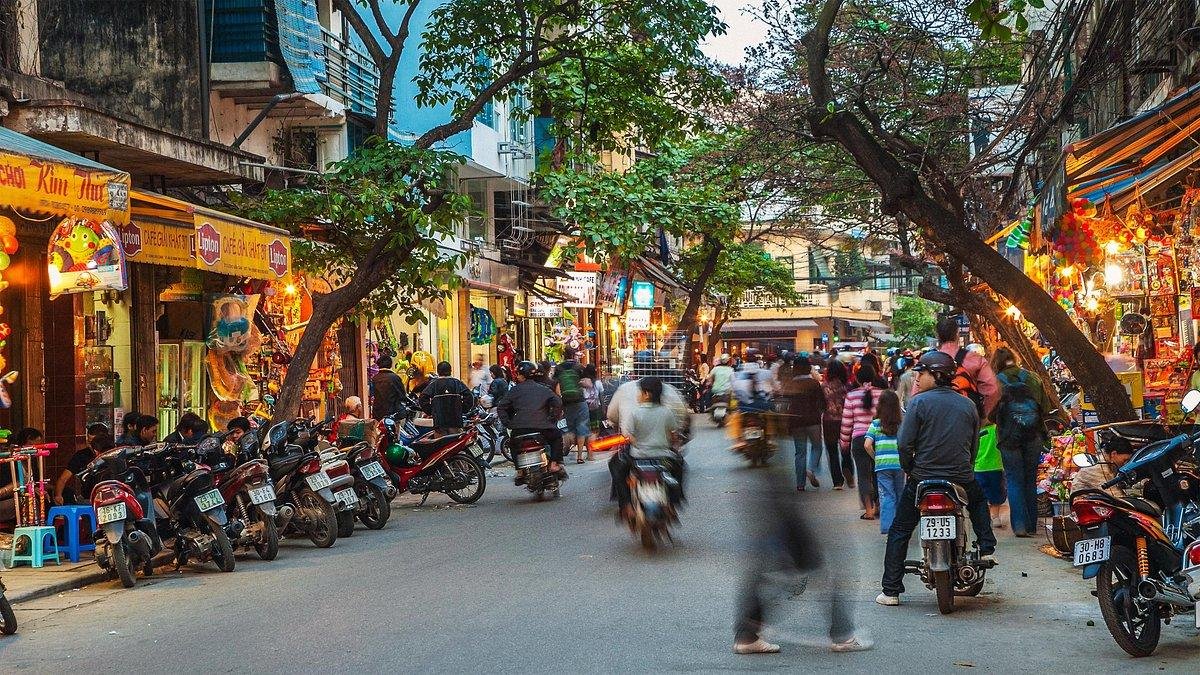
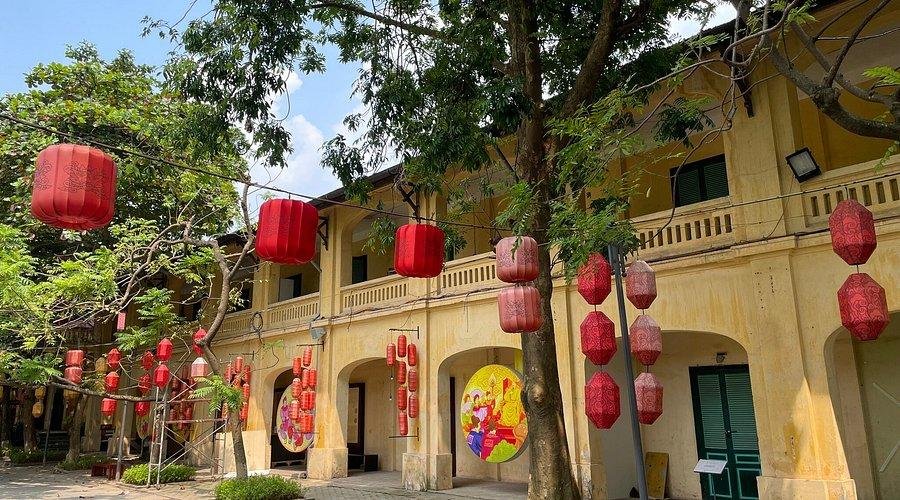
Hanoi is located in northern Vietnam, along the fertile Red River Delta. Unlike fast-paced megacities, Hanoi feels surprisingly balanced. Lakes, trees, and old neighborhoods soften the urban energy, making it easier for visitors to explore on foot.
Many travelers describe their first impression of Hanoi as “busy but charming.” Motorbikes flow like water, street vendors call out cheerfully, and cafés spill onto sidewalks. It may feel overwhelming at first—but give it a day, and the city starts to make sense.
For official destination information, you can also refer to the
Vietnam National Administration of Tourism.
Hanoi’s story spans more than a millennium. Founded in 1010 as Thăng Long (meaning “Rising Dragon”), the city has been the political heart of Vietnam through royal dynasties, colonial rule, war, and reunification.
Walking through Hanoi today, you can still see these historical layers:
Sites like the Temple of Literature and the Old Quarter are not just tourist attractions—they are part of daily life. Locals pass them on the way to work, meet friends nearby, or practice morning exercise.
If history interests you, consider pairing Hanoi with nearby cultural destinations such as
Duong Lam Ancient Village
, an easy day trip from the city.
To understand Hanoi culture, it helps to look beyond landmarks and observe daily routines. Early mornings are calm and almost poetic—locals practice tai chi by the lakes, elders chat on benches, and street vendors set up breakfast stalls.
Hanoi residents tend to be polite, reserved, and respectful, especially compared to southern Vietnam. Family values and respect for elders remain strong, even among younger generations.
These small gestures are appreciated and often rewarded with warm conversations or helpful advice from locals.
Religion in Hanoi is deeply intertwined with daily life rather than formal worship. Buddhism, Confucianism, Taoism, and ancestor worship coexist peacefully. You’ll often see incense burning at small street-side shrines or family altars inside homes.
The most important celebration is Tet (Vietnamese Lunar New Year). During this time, Hanoi becomes quieter, more intimate, and deeply emotional for locals returning to family homes.
UNESCO also recognizes Hanoi’s cultural significance within Vietnam’s long history
(UNESCO World Heritage Centre).
Have you already visited Hanoi, or are you planning your first trip?
Share your questions or experiences in the comments—we’d love to hear your story.
Ready to experience Hanoi with local insight?
Contact Vietnam Travelers
or explore our carefully designed Hanoi experiences to begin your journey with confidence.
When it comes to things to do in Hanoi, the city rewards curious travelers who enjoy walking, observing, and engaging with local life. You don’t need a packed schedule—often, the most memorable moments come from simple experiences.
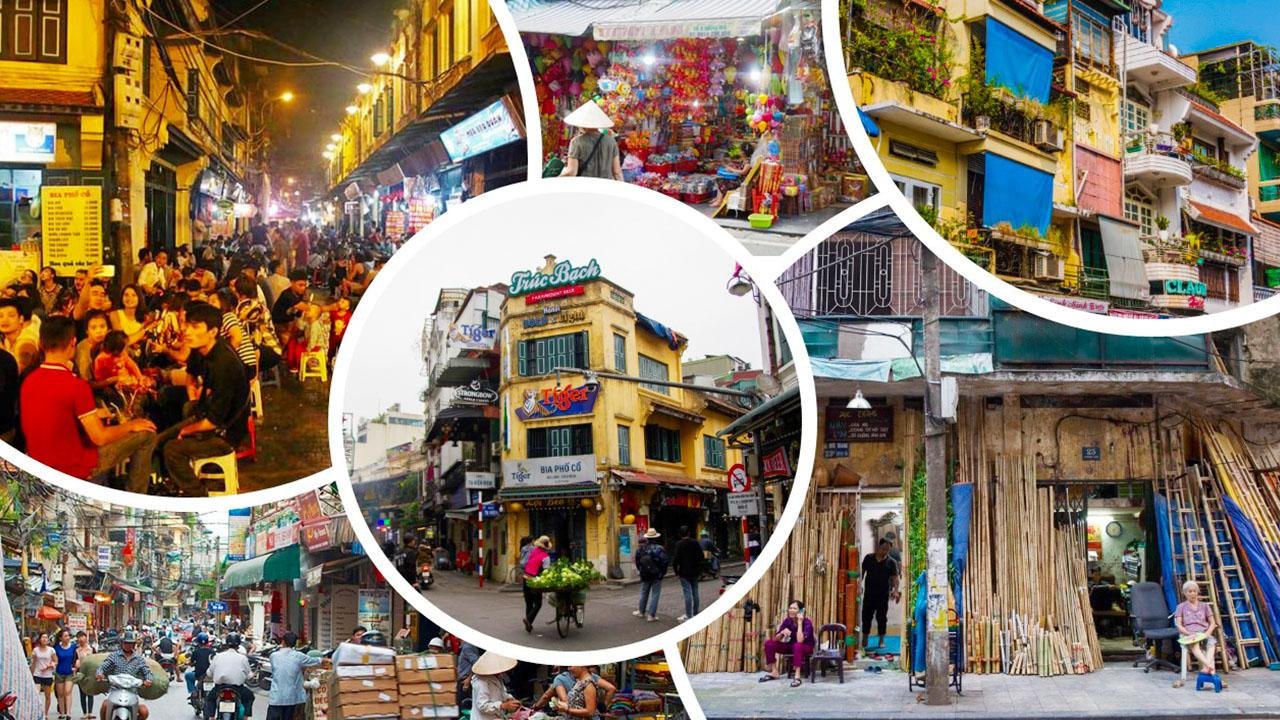
The Hanoi Old Quarter is the soul of the city. Its narrow streets, originally organized by traditional crafts, are alive with shops, street food stalls, and family-run businesses. Each street still loosely reflects its original trade, from silver to silk.
A great way to experience this area is on foot. Our readers often enjoy
guided walking tours in the Old Quarter
, where local guides share stories you would never find in guidebooks.
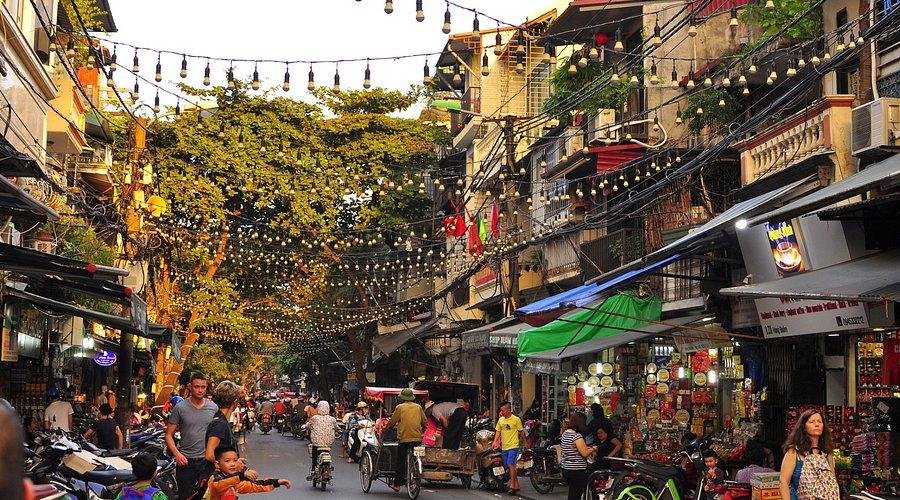
“I thought the Old Quarter would be chaotic, but walking it slowly helped me understand Hanoi’s rhythm.” – Anna, UK
Hanoi’s landmarks are deeply connected to national identity. Popular sites include:
For background on Vietnam’s modern history, the
Encyclopaedia Britannica
offers a reliable overview.

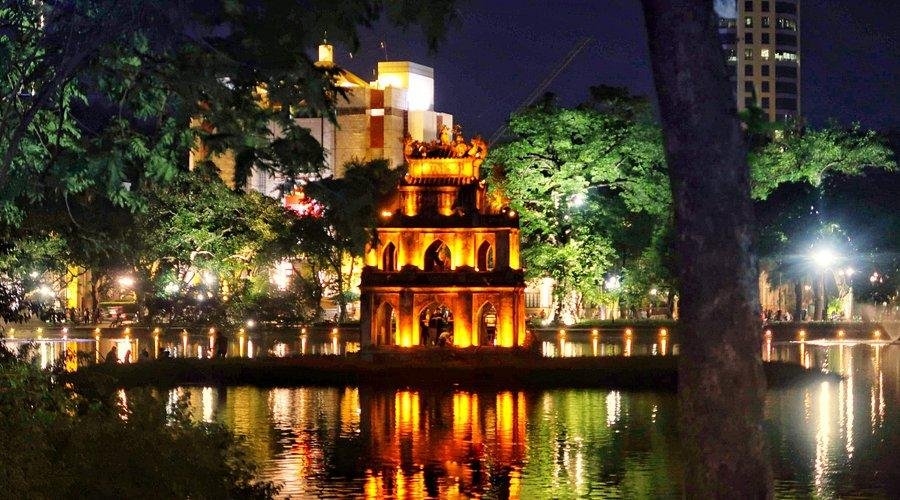
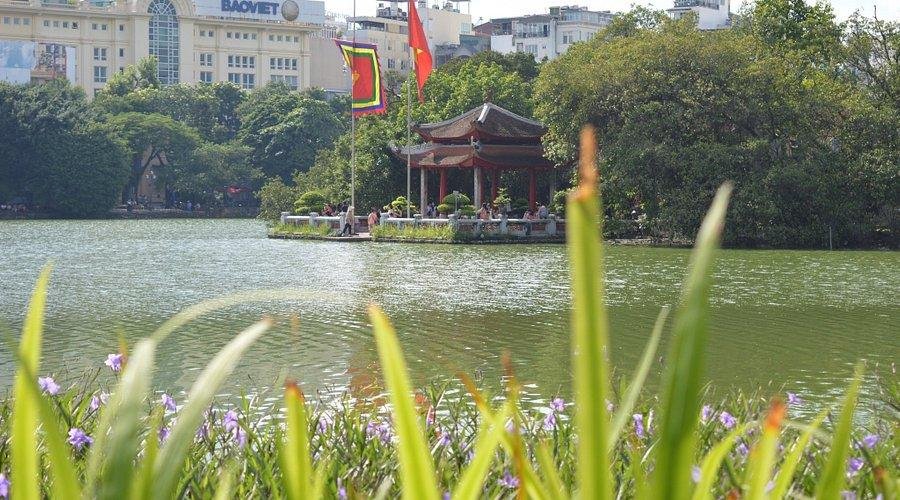
Hanoi is often described as a “city of lakes.” Hoan Kiem Lake sits at the heart of the city and is best enjoyed early in the morning or at sunset, when locals gather to exercise or relax.
If you prefer quieter areas, West Lake offers cafés, pagodas, and wide walking paths. It’s a favorite among long-term visitors and expats.
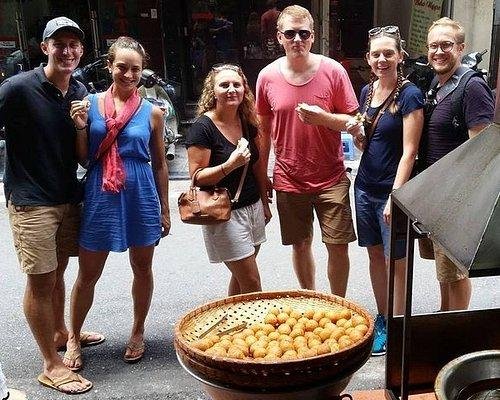
Food is an essential part of understanding Hanoi culture. Meals are simple, balanced, and deeply rooted in tradition. Many recipes have been passed down through generations.
Eating street food is generally safe when stalls are busy and freshly cooked. If you want guidance, consider joining a
guided Hanoi food experience
.
For international food safety insights, you can also check advice from the
U.S. Centers for Disease Control and Prevention (CDC)
.
The most comfortable time to visit Hanoi is from September to November and March to April. Summers can be hot and humid, while winters are cool and sometimes misty.
First-time visitors often stay in the Old Quarter for convenience, while travelers seeking calm may prefer West Lake. Our
Hanoi highlights guide
can help you choose the right area.
Hanoi is the perfect base to explore northern Vietnam. Popular extensions include:
Is Hanoi suitable for first-time travelers?
Yes. Hanoi is safe, welcoming, and easy to explore with basic preparation.
How many days should I spend in Hanoi?
We recommend 2–3 full days to experience the city comfortably.
Is Hanoi expensive?
Hanoi is affordable compared to many capitals, with options for every budget.
Hanoi City Vietnam offers something rare—a chance to experience a capital city that still feels deeply human. It is not about rushing from attraction to attraction, but about moments: sharing coffee, watching daily life, and learning from locals.
Ready to experience Hanoi in a meaningful way?
Explore our Hanoi tours
or contact our local team for personalized advice.
Have questions, tips, or favorite Hanoi memories?
Leave a comment below and help future travelers discover Hanoi through your experience.