
Article brief
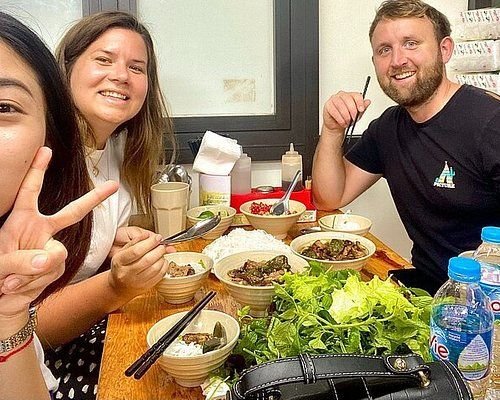
Hanoi Food Tour Guide: What to Expect & How to Prepare Planning a culinary adventure in Vietnam's captivating capital?
Route flow, hotel placement and transfer timing are the three decisions that shape the whole trip.
Hanoi Food Tour Guide: What to Expect & How to Prepare
Planning a culinary adventure in Vietnam’s captivating capital? A Hanoi food tour is your gateway to understanding the soul of Vietnamese culture through its incredible cuisine. Whether you’re a seasoned foodie or simply curious about local flavors, this comprehensive guide will help you navigate everything from street-side pho stalls to hidden family-run eateries that locals have cherished for generations.
Getting ready for a food tour in Hanoi isn’t just about showing up hungry – though that certainly helps! From understanding Vietnamese dining etiquette to knowing what to wear while navigating bustling markets, proper preparation ensures you’ll get the most out of this unforgettable culinary journey.
What to Expect on Your Hanoi Food Tour
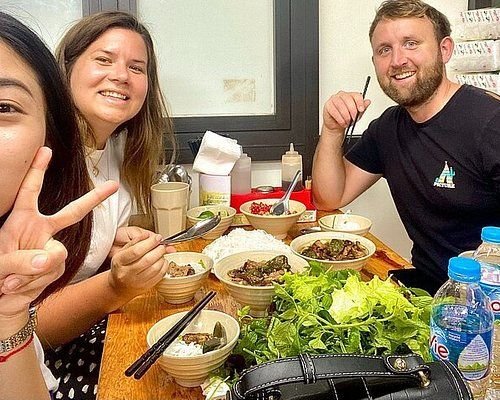
A typical Hanoi food tour is far more than just eating – it’s a cultural immersion that tells the story of Vietnam through its flavors, ingredients, and cooking traditions. Most tours last between 3-4 hours and take you through different neighborhoods, each offering unique culinary experiences.
The Authentic Street Food Experience
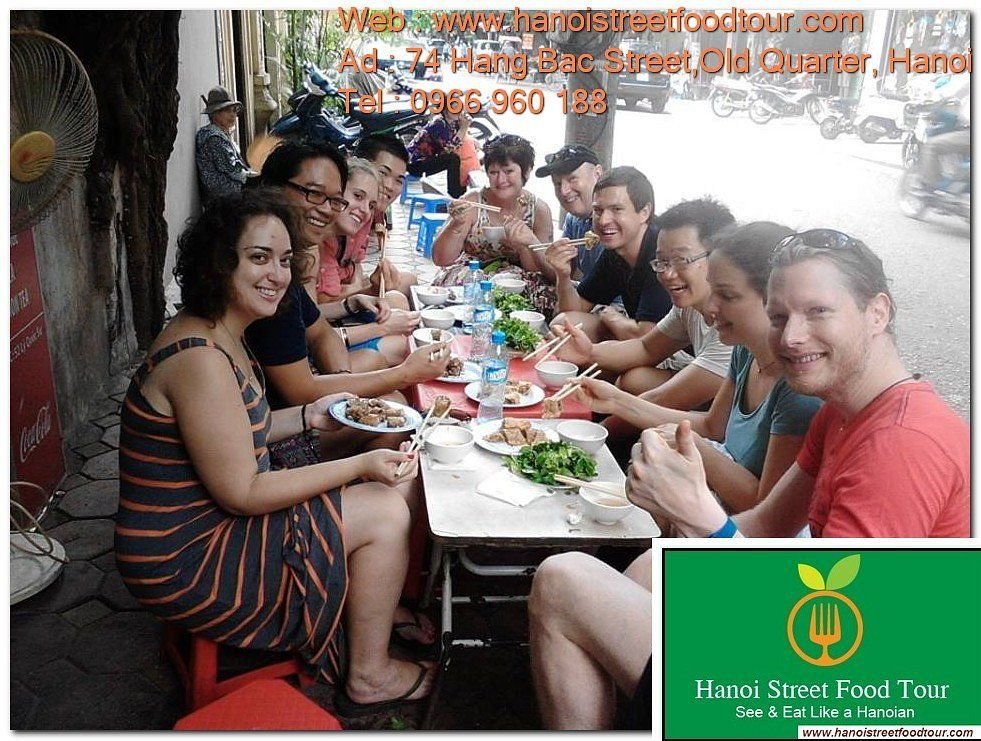
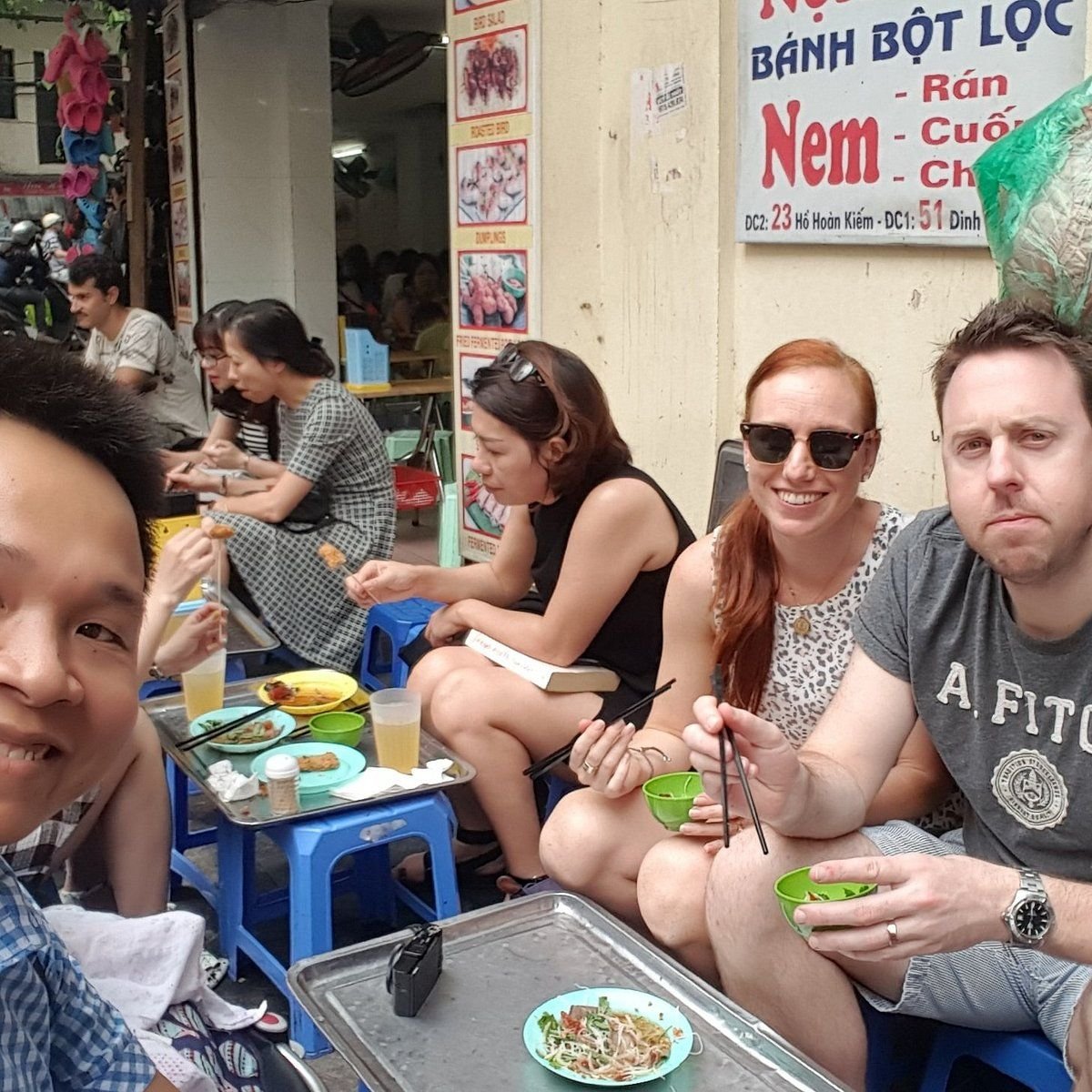
Your journey will likely begin in Hanoi’s famous Old Quarter, where narrow streets buzz with the energy of vendors preparing fresh dishes on tiny plastic stools. Don’t be surprised if you find yourself sitting on miniature chairs designed for Vietnamese body sizes – it’s all part of the authentic experience!
“Food tours in Hanoi aren’t just about the eating – they’re about understanding how Vietnamese people live, work, and connect with their families through food.” – Local Food Guide
You’ll visit various types of establishments during your tour:
- Street vendors serving specialties from portable kitchens
- Local markets where ingredients tell their own stories
- Family-run restaurants that have served the same recipes for decades
- Hidden alleyway eateries known only to locals
- Traditional coffee shops for the famous Vietnamese coffee experience
Cultural Learning Through Food
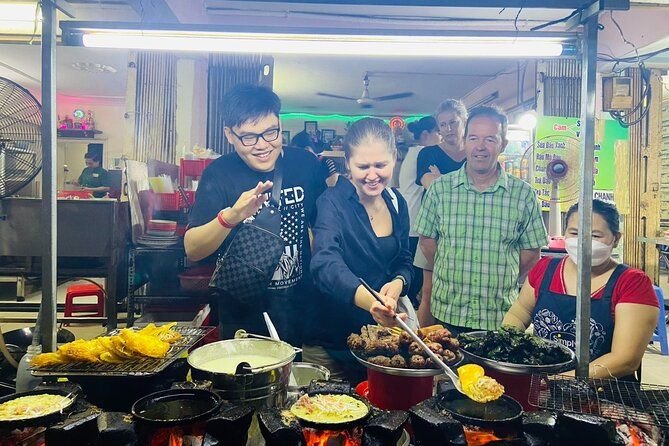
Expert guides don’t just show you where to eat – they explain the cultural significance behind each dish. You’ll learn about ingredient sourcing, cooking techniques passed down through generations, and how certain foods relate to Vietnamese festivals and family traditions.
Types of Hanoi Food Tours Available
Different tour styles cater to various preferences and comfort levels. Understanding your options helps you choose the perfect culinary adventure.
Walking Food Tours
The most popular option, walking food tours take you through Hanoi’s historic districts on foot. These intimate experiences allow you to observe daily life while sampling authentic dishes from multiple vendors.
Motorbike Food Tours
For those seeking adventure, motorbike food tours offer an exhilarating way to cover more ground. Professional drivers navigate Hanoi’s chaotic traffic while you discover hidden gems across different neighborhoods.
Cooking Class Combinations
Some tours combine market visits with hands-on cooking classes, teaching you to prepare traditional Vietnamese dishes. These experiences often include recipe cards so you can recreate the flavors at home.
Specialized Dietary Tours
Vegetarian, vegan, and Muslim-friendly food tours ensure everyone can enjoy Hanoi’s culinary diversity. Vegan food tours showcase Vietnam’s impressive plant-based options, many rooted in Buddhist culinary traditions.
Essential Preparation Tips for Your Food Tour
Proper preparation enhances your food tour experience and helps avoid common pitfalls that could dampen your culinary adventure.
What to Wear
Comfort is key when preparing for a Hanoi food tour. Here’s what works best:
- Comfortable walking shoes with good grip for wet market floors
- Lightweight, breathable clothing suitable for Vietnam’s climate
- Long pants or covering for visiting certain traditional establishments
- Layers for air-conditioned restaurants and hot street environments
- Small crossbody bag to keep hands free for eating
Health and Safety Preparations
While Vietnamese street food is generally safe when eaten from busy vendors with high turnover, taking precautions protects your health:
- Bring hand sanitizer or wet wipes for cleaning hands before eating
- Stay hydrated with bottled water (avoid ice in drinks initially)
- Consider probiotics a few days before your trip to support digestive health
- Pack basic medications for stomach upset, just in case
- Inform your guide about any food allergies or dietary restrictions
Mental Preparation
Approaching your food tour with the right mindset ensures maximum enjoyment:
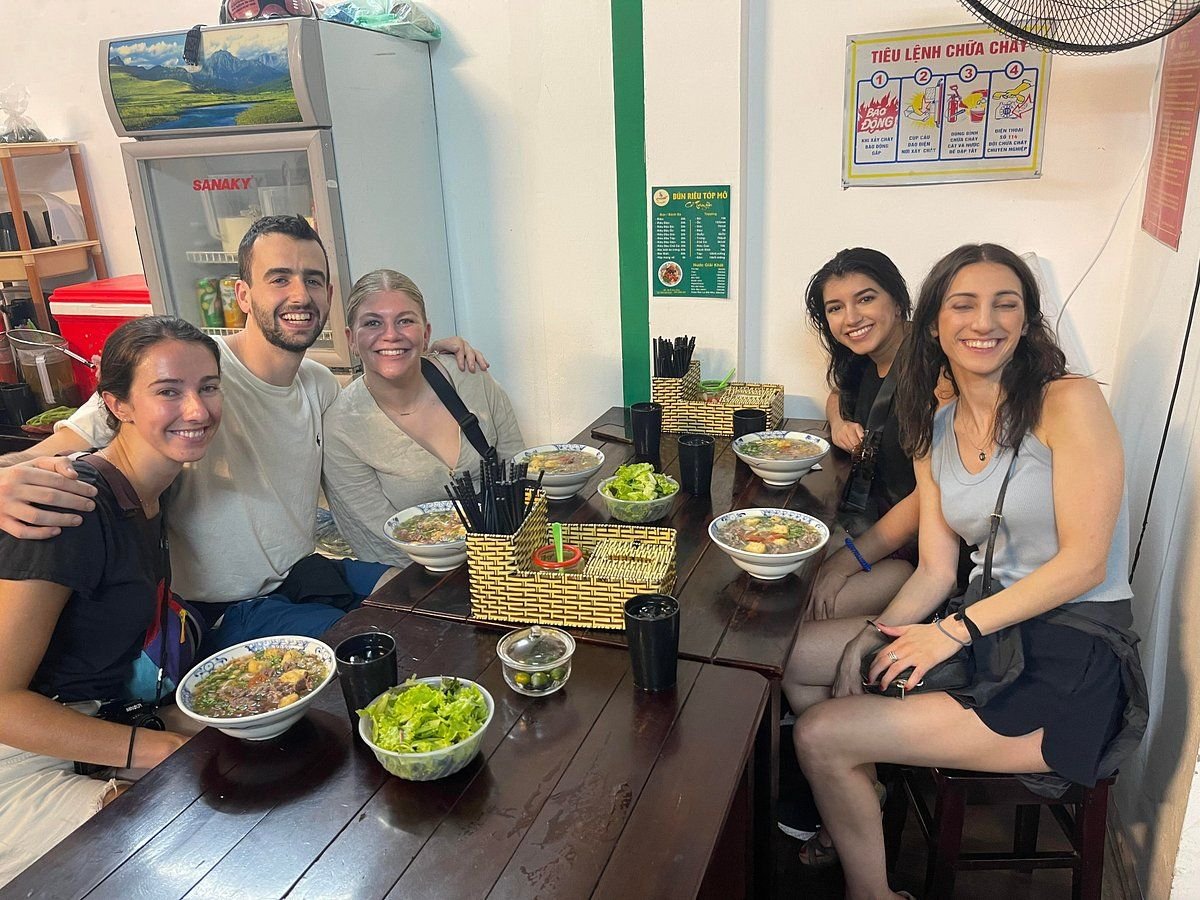
Come with an open mind and empty stomach – you’ll taste things you never imagined could be so delicious!
- Embrace the unfamiliar – some of Vietnam’s best dishes might look unusual initially
- Ask questions about ingredients and preparation methods
- Take photos respectfully and ask permission when photographing vendors
- Be patient with language barriers – gestures and smiles go far
Best Times for Hanoi Food Tours
Timing significantly impacts your food tour experience, from weather conditions to ingredient availability.
Seasonal Considerations
Hanoi’s distinct seasons offer different culinary experiences:
- Spring (March-May): Perfect weather and fresh spring ingredients
- Summer (June-August): Hot and humid but great for cold Vietnamese desserts
- Autumn (September-November): Ideal weather and harvest season specialties
- Winter (December-February): Cooler temperatures perfect for hot pho and warm dishes
Daily Timing
Different times of day offer unique food experiences:
- Morning tours (7-10 AM): Experience breakfast culture with fresh banh mi and pho
- Afternoon tours (2-5 PM): Perfect for snacks, coffee culture, and market visits
- Evening tours (5-8 PM): Dinner specialties and vibrant night food scenes
What You’ll Eat and Drink
Understanding typical dishes helps set expectations and increases appreciation for the flavors you’ll encounter.
Iconic Hanoi Dishes
Your Hanoi food tour will likely include these local favorites:
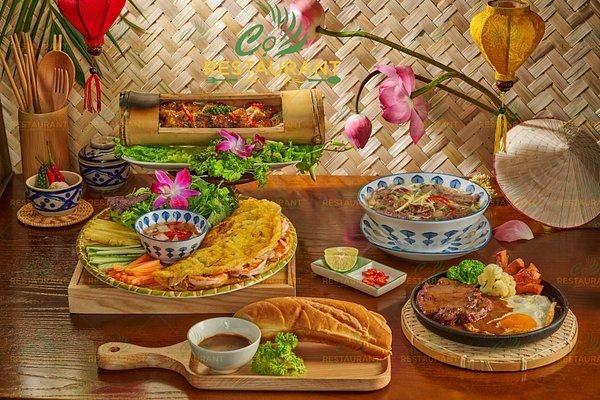
- Pho – Vietnam’s famous noodle soup, with clear broth and fresh herbs
- Bun Cha – Grilled pork with rice noodles, made famous by President Obama’s visit
- Banh Mi – Vietnamese baguette sandwiches with various fillings
- Cha Ca – Hanoi’s signature turmeric fish dish
- Egg Coffee – Hanoi’s unique coffee preparation with whipped egg yolk
- Banh Cuon – Delicate rice paper rolls with pork and mushrooms
- Nem Ran – Crispy spring rolls served with fresh herbs
Beverages to Experience
Vietnamese drink culture extends far beyond the famous coffee:
- Vietnamese Coffee (both hot and iced versions)
- Fresh beer (Bia Hoi) – Light, local draft beer
- Sugarcane juice – Freshly pressed and incredibly refreshing
- Coconut water – Served directly from young coconuts
- Traditional teas – Various local varieties with unique flavors
Vietnamese Food Etiquette and Cultural Tips
Understanding local customs enhances your experience and shows respect for Vietnamese culture.
Dining Etiquette
Following these guidelines helps you blend in with local dining customs:
- Wait for your guide before starting to eat at shared tables
- Use chopsticks properly – never leave them standing upright in your bowl
- Slurp your pho – it’s not only acceptable but shows appreciation
- Try everything offered – declining food can be considered rude
- Share dishes when eating with groups, Vietnamese style
Interacting with Vendors
Simple gestures create positive interactions with local food vendors:
Learning basic Vietnamese phrases like “Xin chào” (hello), “Cảm ơn” (thank you), and “Ngon quá” (delicious) creates instant connections with vendors.
- Smile and make eye contact when ordering or receiving food
- Show appreciation for the food even if it’s not to your taste
- Be patient with preparation times – fresh food takes time
- Tip appropriately when service is exceptional
Health and Safety Considerations
While Vietnamese street food is generally safe, following smart practices protects your health throughout your food tour.
Choosing Safe Food Options
Your experienced guide will select reputable vendors, but understanding food safety principles helps:
- Look for busy stalls with high customer turnover
- Choose thoroughly cooked foods served hot
- Observe preparation hygiene and cleanliness practices
- Avoid raw vegetables initially until your stomach adjusts
- Stick to bottled water and avoid ice in drinks
Recognizing Your Limits
Pace yourself during your food tour to avoid overwhelming your digestive system:
- Start with small portions to gauge your tolerance
- Take breaks between eating locations
- Communicate discomfort to your guide immediately
- Know when to stop – it’s better to enjoy less than feel sick
Making the Most of Your Experience
Transform your food tour from simple eating to cultural education with these engagement strategies.
Engaging with Your Guide
Your guide is your window into Vietnamese culture. Maximize this resource:
- Ask about ingredient sources and seasonal availability
- Request cooking technique explanations for dishes you enjoy
- Inquire about family food traditions and regional variations
- Seek recommendations for restaurants to visit independently
- Learn about food’s role in Vietnamese celebrations and daily life
Documenting Your Journey
Preserve memories while respecting local customs:
- Take photos of dishes but ask permission before photographing people
- Keep a food journal noting favorite dishes and locations
- Collect business cards from memorable restaurants
- Share experiences responsibly on social media with proper credit
Frequently Asked Questions
Is street food in Hanoi safe for tourists?
Yes, when you choose reputable vendors with high turnover and follow basic food safety practices. Your professional food tour guide will select safe, tested locations for your experience.
How much should I eat before a food tour?
Arrive with a light appetite – not completely full, but not starving either. A small breakfast allows you to enjoy multiple tastings without feeling overwhelmed.
What if I have food allergies or dietary restrictions?
Inform your tour operator when booking about any allergies or dietary needs. Most companies offer specialized tours for vegetarians, vegans, and those with common allergies.
How much does a typical Hanoi food tour cost?
Food tours range from $20-60 USD per person depending on duration, group size, and included experiences. Private tours cost more but offer personalized attention.
Should I tip my food tour guide?
Tipping 10-15% is appreciated for exceptional service, though not mandatory. Cash tips in Vietnamese dong or USD are both acceptable.
Can children participate in food tours?
Many operators offer family-friendly food tours with kid-appropriate dishes and shorter durations. Confirm age requirements when booking.
What happens if it rains during my food tour?
Most tours continue in light rain, as many food stalls have covered areas. Heavy rain may require rescheduling or route modifications to indoor locations.
Choosing the Right Tour Operator
Selecting a reputable tour company ensures a safe, educational, and delicious experience.
What to Look For
- Experienced local guides with cultural knowledge
- Small group sizes for personalized attention
- Positive recent reviews from verified travelers
- Clear safety protocols and vendor selection criteria
- Flexible options for dietary restrictions
- Transparent pricing with no hidden fees
Vietnam Travelers, with their commitment to sustainable tourism and cultural connections, exemplifies the type of operator that creates meaningful food experiences. Their local expertise and “Say Hello, Sorry, and Thank You” philosophy ensures respectful cultural exchange during your culinary journey.
Beyond the Food Tour
Your food tour experience can launch deeper exploration of Vietnamese culture and cuisine.
Continuing Your Culinary Journey
Use your food tour as a foundation for further exploration:
- Visit recommended restaurants independently with newfound knowledge
- Take a cooking class to recreate favorite dishes at home
- Explore local markets with confidence gained from your guided experience
- Try regional specialties during travels to other Vietnamese cities
- Join food-focused travel communities to share experiences and get recommendations
Ready to Embark on Your Hanoi Food Adventure?
A well-prepared Hanoi food tour opens doors to understanding Vietnamese culture through its most fundamental element – food. From bustling street corners to hidden family kitchens, each bite tells a story of tradition, innovation, and community.
Remember that food tours are about more than just eating – they’re cultural exchanges that create lasting memories and deeper appreciation for Vietnamese heritage. Come prepared with an open mind, comfortable shoes, and an empty stomach ready for adventure.
Ready to taste the real Hanoi? Book your authentic food tour experience with Vietnam Travelers today. Our expert local guides are waiting to share their city’s culinary secrets with you, ensuring your journey through Hanoi’s food scene is both safe and unforgettable.
For more information about our food tours and other authentic Vietnamese experiences, contact us at +84962819091 or email info@vietnamtravelers.com. Let us help you discover why Hanoi’s food scene captivates travelers from around the world!
Have you taken a food tour in Hanoi? Share your experiences and favorite discoveries in the comments below – we’d love to hear about your culinary adventures!