
Article brief
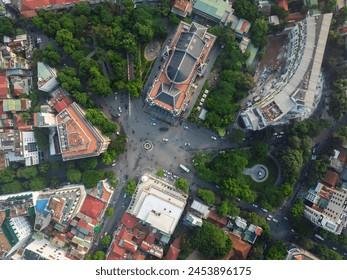
Nestled in the heart of Vietnam's capital, the Hanoi Old Quarter stands as a living testament to the city's vibrant history and cultural heritage.
Route flow, hotel placement and transfer timing are the three decisions that shape the whole trip.
Nestled in the heart of Vietnam’s capital, the Hanoi Old Quarter stands as a living testament to the city’s vibrant history and cultural heritage. With its maze-like streets, colonial architecture, and bustling markets, this historic district offers visitors an authentic glimpse into Vietnam’s past while showcasing its dynamic present. Whether you’re a first-time visitor or a cultural researcher, this comprehensive guide will help you navigate and appreciate the unique charm of Hanoi’s ancient commercial center.
A Brief History of Hanoi Old Quarter
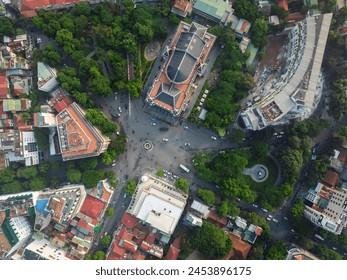
The Old Quarter, locally known as Hoan Kiem District or 36 Streets, dates back to the 13th century during the Ly and Tran dynasties. Originally established as a cluster of workshops and markets adjacent to the royal palace, this area evolved over centuries into a thriving commercial hub.
“The 36 streets of Hanoi were born in the 15th century when King Le Thai To decided to gather all artisans of the same craft into specific areas to create a more organized trading system.”
Each street was named after the goods traditionally sold there, a naming convention that continues to this day. For example, Hang Bac (Silver Street) was home to silversmiths, while Hang Gai (Hemp Street) specialized in silk products.
Colonial Influence and Modern Transformation
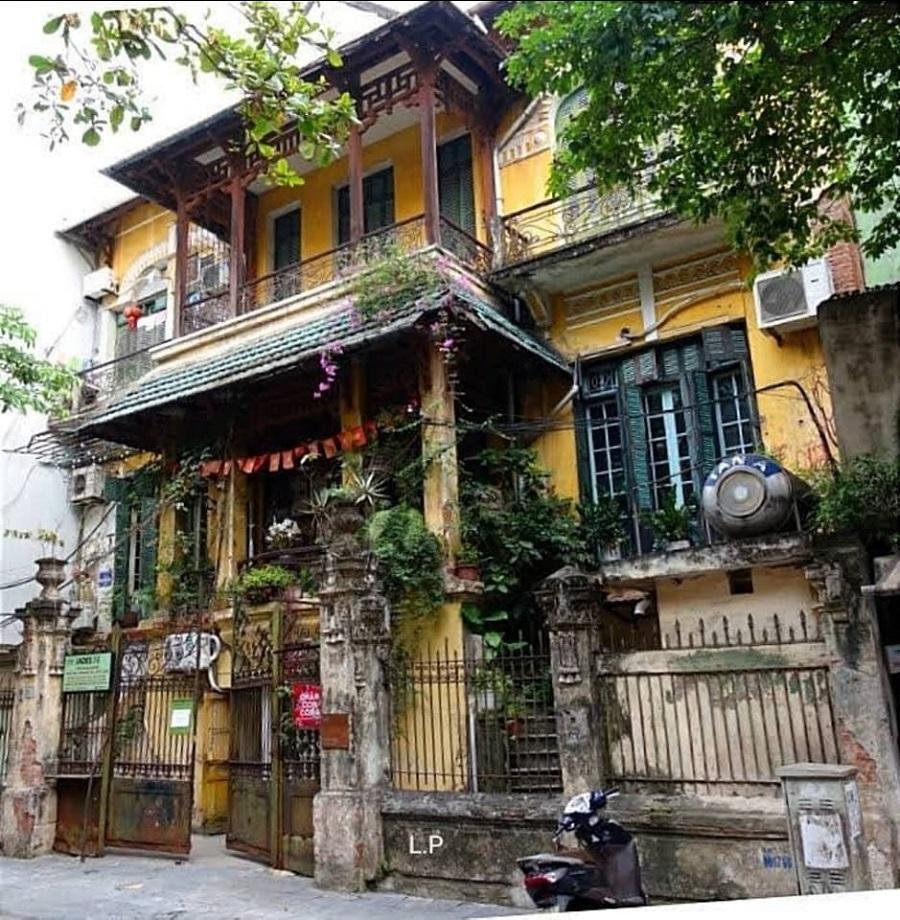
During the French colonial period (1887-1954), the quarter underwent significant architectural transformations. French-style buildings were constructed alongside traditional Vietnamese tube houses, creating the unique architectural blend we see today. After Vietnam gained independence, the Old Quarter remained the commercial heart of Hanoi while gradually adapting to modern commerce and tourism.
Navigating the 36 Streets
Today’s Old Quarter consists of a network of 36 streets, each with its own character and specialty. While some streets have maintained their traditional trades, others have evolved to cater to contemporary needs and tourism.
Notable Streets and Their Specialties
- Hang Bac: Once dedicated to silversmiths, now featuring jewelry shops and souvenir stores
- Hang Gai: Famous for silk products, embroidery, and traditional Vietnamese clothing
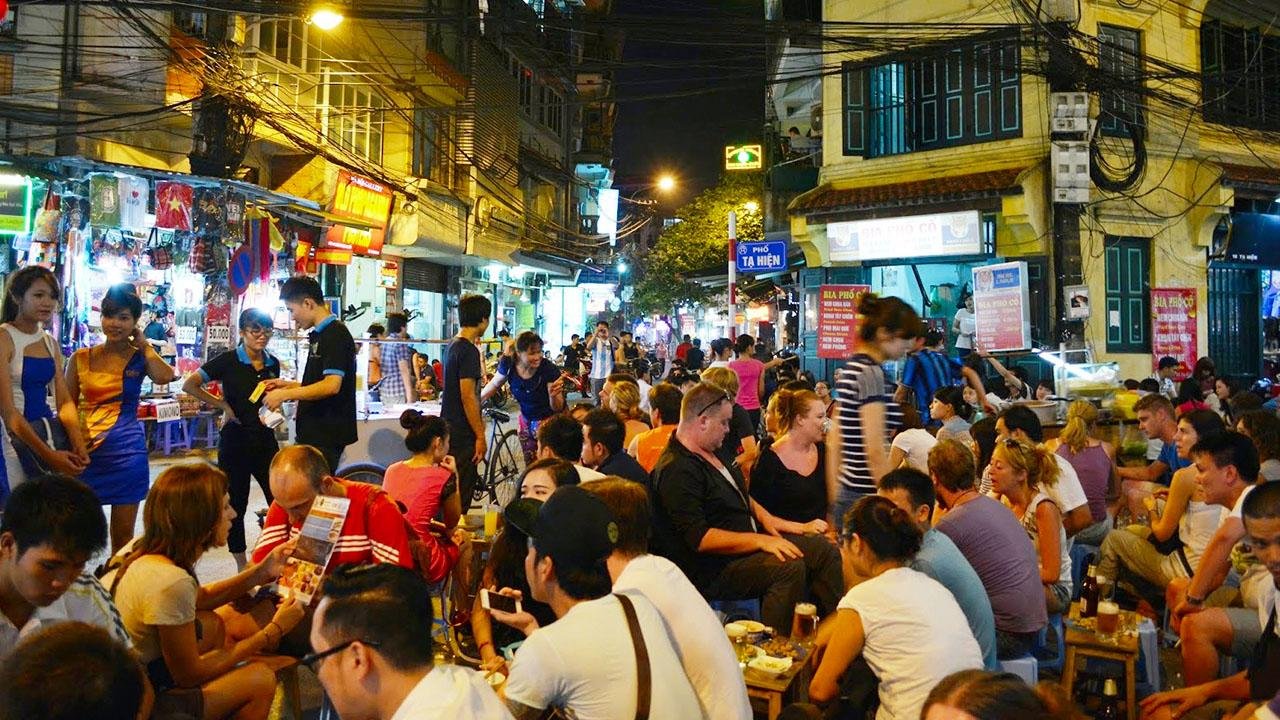
- Ta Hien: Known as “Beer Street,” popular for nightlife and street food
- Hang Ma: Specializing in decorative items, festival ornaments, and paper products
- Lan Ong: The traditional medicine street with shops selling herbs and natural remedies
- Hang Trong: Known for traditional Vietnamese paintings and art
To navigate this labyrinthine district efficiently, consider using the Hanoi Old Quarter Map as a reference, or join one of the many walking tours offered in the area.
Architectural Highlights
The Old Quarter showcases a fascinating mix of architectural styles that reflect its layered history:
Tube Houses
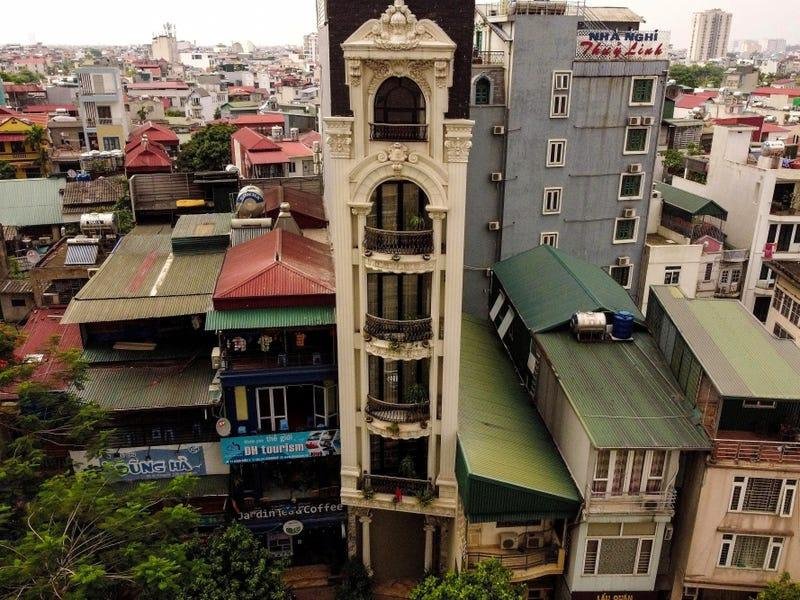
The most distinctive architectural feature of the Old Quarter is the tube house—narrow buildings with small street frontages but extending far back, sometimes up to 100 meters in depth. This unique design evolved in response to taxation policies that charged property owners based on the width of their street frontage.
These homes typically feature multiple courtyards to provide light and ventilation throughout the extended structure. Many continue to serve as both family residences and commercial spaces, maintaining the tradition of “shop-houses” that has defined the quarter for centuries. Learn more about these architectural marvels in our detailed guide on Hanoi Old Quarter Architecture.
Colonial Buildings
The French colonial influence is evident in the European-style facades, balconies, and architectural details that were integrated into many buildings during the late 19th and early 20th centuries. This fusion created a distinctive Indochinese architectural style that sets Hanoi apart from other Southeast Asian cities.
Ancient Temples and Communal Houses
Scattered throughout the Old Quarter are historic temples, pagodas, and communal houses (đình) that served as social and religious centers for the local guilds. Notable examples include Bach Ma Temple (the oldest temple in the city) and Kim Ngan Temple (formerly a silversmith guild house).
Cultural Immersion: What to See and Do
The Old Quarter offers countless opportunities for cultural immersion and authentic experiences:
Must-Visit Attractions
- Hoan Kiem Lake: Located at the southern edge of the Old Quarter, this scenic lake is home to the iconic Turtle Tower and Ngoc Son Temple
- Ancient House at 87 Ma May Street: A beautifully preserved example of a traditional merchant’s home
- Bach Ma Temple: The oldest temple in Hanoi, dating back to the 9th century
- Dong Xuan Market: The largest covered market in Hanoi, offering everything from food to fabrics
- Weekend Night Market: A vibrant pedestrian-only market that operates from Friday to Sunday evenings
For a comprehensive list of activities, check out our guide to Things To Do in Hanoi Old Quarter.

Culinary Exploration
The Old Quarter is a paradise for food enthusiasts, offering authentic Vietnamese cuisine at every turn:
- Sample pho (Vietnamese noodle soup) at local establishments that have perfected their recipes over generations
- Try bun cha (grilled pork with rice noodles), famously enjoyed by Anthony Bourdain and President Obama
- Savor egg coffee (cà phê trứng), a Hanoi specialty, at one of the many traditional coffee shops
- Explore street food stalls offering banh mi (Vietnamese sandwiches), nem ran (spring rolls), and countless other delicacies
Food lovers should not miss our detailed guide to Best Food in Hanoi Old Quarter and recommendations for Breakfast Spots in Hanoi Old Quarter.
Shopping Experiences
The Old Quarter remains true to its commercial roots, offering diverse shopping opportunities:
- Purchase handcrafted silk products and tailored clothing on Hang Gai
- Explore traditional handicrafts, souvenirs, and lacquerware
- Browse modern boutiques selling contemporary Vietnamese designs
- Haggle for bargains at Dong Xuan Market
Get detailed shopping tips in our Shopping in Hanoi Old Quarter guide.
Experiencing the Old Quarter’s Vibrant Atmosphere
Morning Rhythms
Early morning in the Old Quarter offers a glimpse into local life before the tourist crowds arrive. Watch elderly residents practicing tai chi around Hoan Kiem Lake, vendors setting up their food stalls, and shopkeepers preparing for the day.
Afternoon Explorations
Midday is perfect for exploring the quarter’s museums, temples, and shops. As temperatures rise, take refuge in one of the many coffee shops or consider visiting the spas in Hanoi Old Quarter for a refreshing break.
Evening Enchantment
As darkness falls, the Old Quarter transforms. Streets become more crowded, restaurants fill with diners, and Ta Hien Beer Street comes alive with tourists and locals enjoying fresh beer (bia hoi) at outdoor tables. The Weekend Night Market offers additional entertainment with food stalls, performances, and shopping opportunities.
Where to Stay in the Old Quarter
The Old Quarter offers accommodation options for every budget:
- Budget Options: The area is famous for its hostels and budget hotels, particularly popular with backpackers
- Mid-Range Choices: Numerous boutique hotels provide comfortable accommodations with local character
- Luxury Experiences: Several 5-star hotels offer premium amenities while maintaining proximity to the quarter’s attractions
For comprehensive accommodation recommendations, visit our Accommodation in Hanoi Old Quarter guide.
Practical Information for Visitors
Getting There
The Old Quarter is approximately 30 kilometers from Noi Bai International Airport. Transportation options include:
- Taxi services, which take about 40-60 minutes depending on traffic
- Public buses, a more economical but slower option
- Pre-arranged hotel transfers
- Ride-sharing services like Grab
Getting Around
The Old Quarter is best explored on foot, as its narrow streets can be challenging for vehicles to navigate. For longer distances, consider:
- Cyclos (cycle rickshaws) for a traditional experience
- Motorbike taxis (xe om) for quick trips
- Grab or taxi services for longer journeys
Best Time to Visit
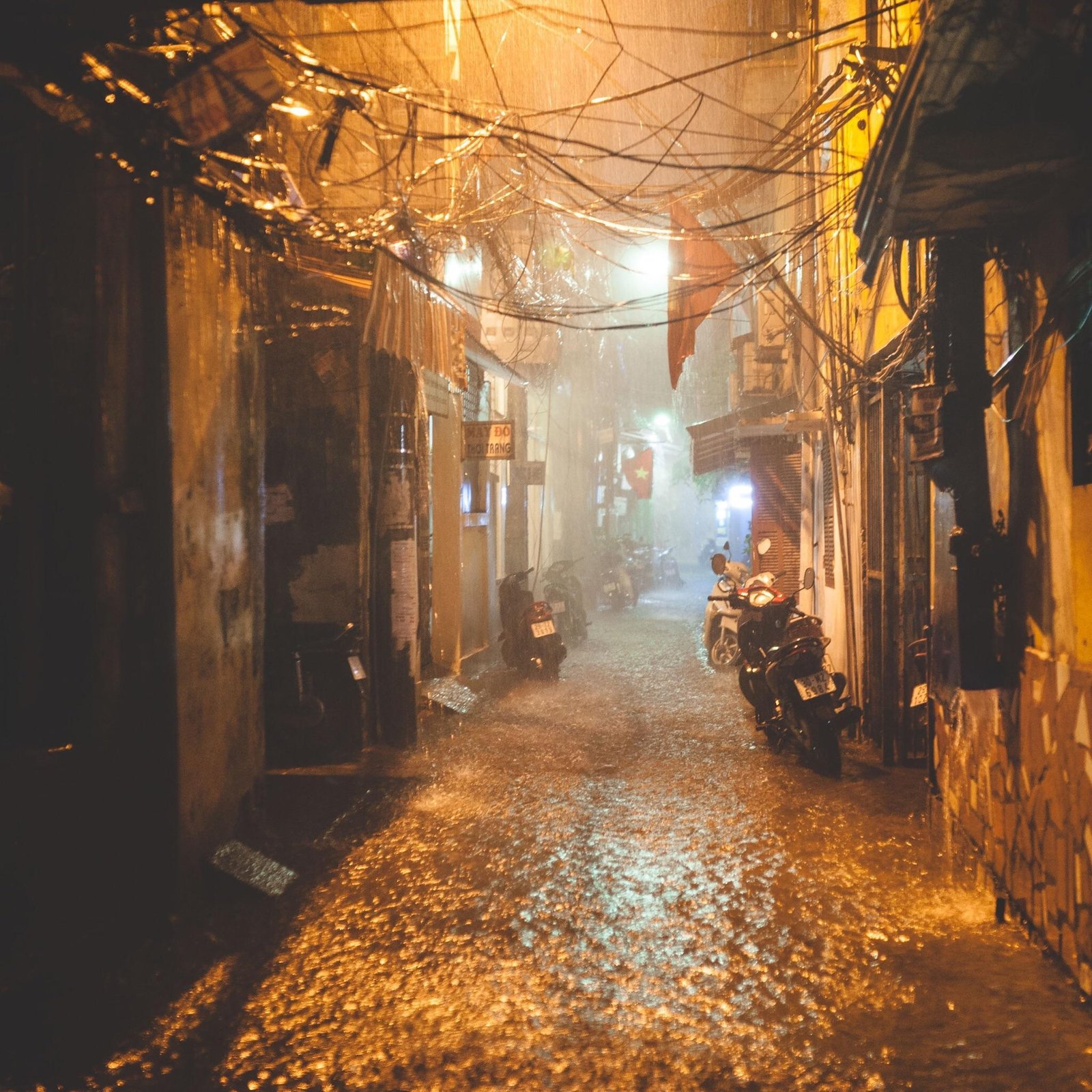
The Old Quarter can be visited year-round, but the most pleasant weather occurs from October to April when temperatures are cooler and humidity is lower. Avoid the rainy season (May to September) if possible, as heavy downpours can make exploration less enjoyable.
Cultural Etiquette and Tips
- Dress modestly when visiting temples and religious sites
- Ask permission before photographing local people
- Haggling is expected in markets, but maintain a friendly tone
- Traffic can be overwhelming—cross streets slowly and steadily, maintaining a constant pace so drivers can predict your movement
- Stay hydrated, especially during summer months when temperatures can soar
Preserving the Past, Embracing the Future
While the Old Quarter faithfully preserves its historical character, it also embraces modern influences. Today, it faces challenges balancing preservation with development, tourism with local needs, and tradition with innovation.
Many conservation projects are underway to protect the quarter’s architectural heritage while improving infrastructure and living conditions. As you explore, you might notice restoration work on historic buildings—a sign of ongoing efforts to ensure this cultural treasure continues to thrive for generations to come.
To learn more about these preservation efforts and the cultural significance of this historic area, visit our detailed overview of The Old Quarter History & Culture.
Frequently Asked Questions About Hanoi Old Quarter
How many days should I spend exploring Hanoi Old Quarter?
Most visitors find that 2-3 days provides enough time to explore the Old Quarter’s highlights, including its streets, markets, historical sites, and culinary offerings. If you plan to take day trips to nearby attractions or participate in cooking classes and other cultural activities, consider extending your stay.
What’s the difference between Hanoi’s Old Quarter and French Quarter?
While adjacent to each other, these districts have distinct characters. The Old Quarter features narrow streets, traditional tube houses, and a bustling commercial atmosphere dating back to imperial times. The French Quarter, developed during colonial rule, boasts wider boulevards, European architecture, and government buildings. For a detailed comparison, see our guide on French Quarter vs Old Quarter.
Is Hanoi Old Quarter safe for tourists?
Yes, the Old Quarter is generally very safe for tourists. Violent crime is rare, though petty theft can occur in crowded areas. Exercise normal precautions: keep valuables secure, be aware of your surroundings, and avoid displaying expensive items. Traffic poses the greatest safety concern, so take care when crossing streets.
What are the must-try foods in Hanoi Old Quarter?
Don’t miss trying pho (beef noodle soup), bun cha (grilled pork with rice noodles), banh mi (Vietnamese sandwich), egg coffee, pho cuon (fresh rice noodle rolls), and cha ca (turmeric fish with dill). The Old Quarter offers numerous street vendors and restaurants serving these authentic dishes. Check our What to Eat in Hanoi Old Quarter guide for specific recommendations.
Plan Your Hanoi Old Quarter Adventure
The Hanoi Old Quarter offers a unique blend of history, culture, and authentic Vietnamese experiences that make it an essential destination for any Vietnam itinerary. From ancient temples to bustling markets, traditional crafts to innovative cuisines, this historic district captures the essence of Vietnam’s rich heritage while embracing its dynamic future.
Ready to explore the winding streets and timeless charm of Hanoi’s Old Quarter? Book a guided walking tour with our expert local guides who will help you uncover the hidden gems and fascinating stories of this historic neighborhood. Contact Vietnam Travelers today to start planning your authentic Hanoi experience!
Have you visited Hanoi’s Old Quarter? Share your experiences or questions in the comments below!