
Article brief
If you are planning a trip to Vietnam’s capital, the Hanoi Train Street Tour is probably already on your list.
Route flow, hotel placement and transfer timing are the three decisions that shape the whole trip.
If you are planning a trip to Vietnam’s capital, the Hanoi Train Street Tour is probably already on your list. This narrow railway track, where trains pass just inches from homes and cafés, has become one of the most talked-about attractions in the city. But before you go, there are important things you should understand — from safety regulations to the best visiting times and how to experience it responsibly.
At Vietnam Travelers, we believe travel should be exciting, safe, and respectful. In this guide, we’ll walk you through everything you need to know about Hanoi Train Street, so you can enjoy it with confidence and cultural awareness.
What Is Hanoi Train Street?
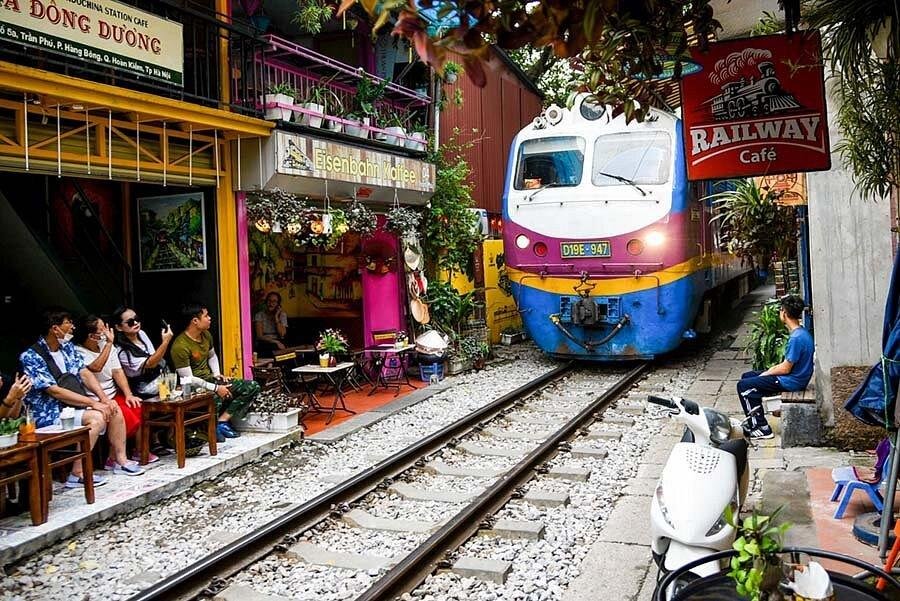
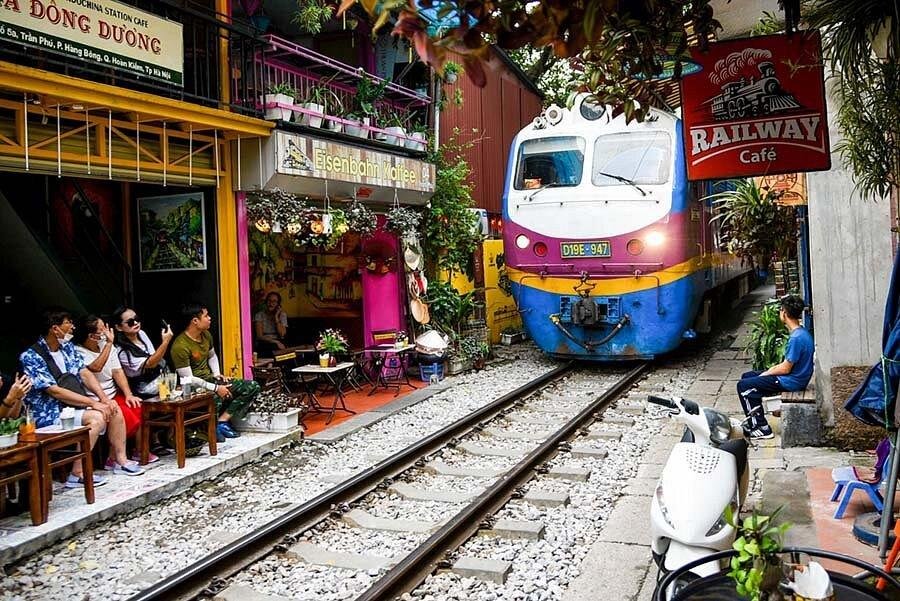
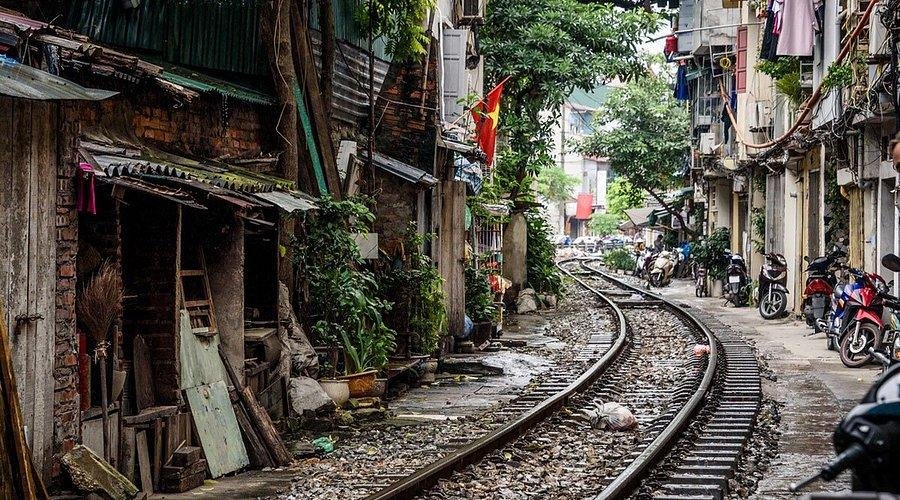
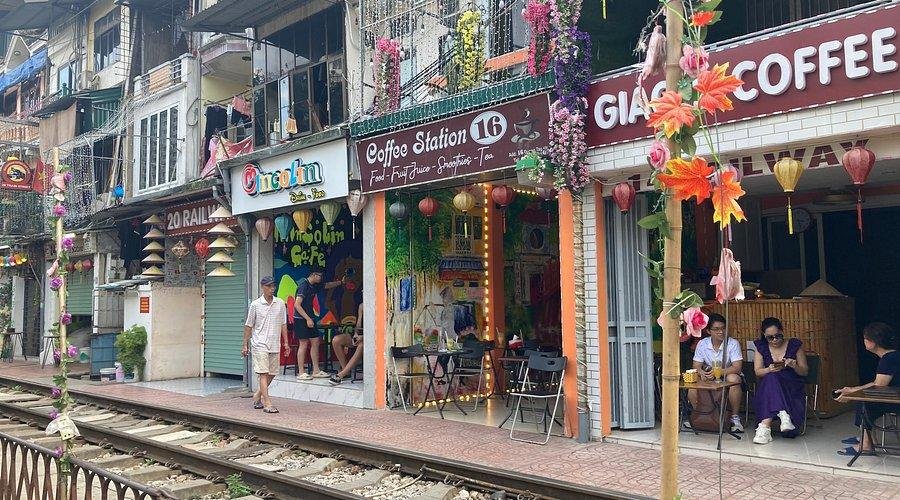
Hanoi Train Street is a residential alley where a functioning railway line runs directly through a tight neighborhood. Houses, balconies, cafés, and daily life sit just steps away from the tracks. When the train approaches, shop owners quickly move tables aside, visitors step back, and within seconds the train rushes through — close enough to feel the wind.
This railway dates back to the French colonial era and connects Hanoi with northern provinces. Today, it remains an active line managed by Vietnam Railways. You can learn more about Vietnam’s railway history from official sources like the Vietnam National Administration of Tourism, which promotes responsible and safe travel throughout the country.
Why Has It Become So Famous?
In recent years, social media has turned Hanoi railway street into a global photography hotspot. Images of trains squeezing through narrow alleys have fascinated travelers worldwide. However, behind those dramatic photos is a real community of local families who live here every day.
“It’s not just a photo spot — it’s someone’s home.”
Understanding this helps you visit with respect.
Where Is Hanoi Train Street Located?
The most popular section of Hanoi Train Street is located between Le Duan Street and Kham Thien Street, just a short walk from the Old Quarter. If you’re already exploring the historic district, you can easily combine the experience with a Hanoi Old Quarter walking tour.
How to Get There
- 10–15 minutes by taxi from Hoan Kiem Lake
- Short motorbike ride
- Guided city walking tour
If you prefer exploring with local insight, our Hanoi City Walking Tour includes historical context and safe navigation through busy neighborhoods.
Is Hanoi Train Street Open to Visitors?
This is one of the most common questions we receive.
Due to safety concerns, authorities have periodically restricted access to Hanoi railway street. Some entrances may be monitored, and independent access is not always allowed. However, certain cafés operating along the track are permitted to welcome guests under controlled conditions.
We strongly recommend:
- Do not enter restricted areas without permission.
- Follow instructions from café staff immediately.
- Avoid standing directly on the tracks while waiting.
For updated information, always consult reliable travel sources such as Lonely Planet Vietnam or speak with trusted local operators.
Train Street Hanoi Schedule: When Does the Train Pass?
The Train Street Hanoi schedule can vary depending on the day and operational changes. Generally:
- Fewer trains operate on weekdays.
- Weekends often have more frequent departures.
- Evening trains are especially popular with visitors.
Instead of relying on outdated online posts, ask café owners for the daily schedule or book through a licensed tour provider who receives updated timings.
Example: On a recent guided visit, one of our guests waited about 30 minutes at a small café before the train arrived. Staff calmly cleared tables, visitors stepped against the wall, and within 20 seconds the train passed — powerful, loud, unforgettable.
What to Expect During a Hanoi Train Street Tour
The Atmosphere
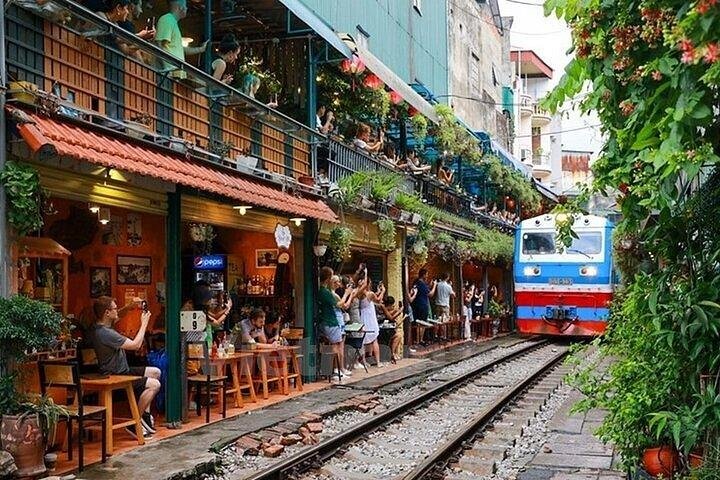
Before the train arrives, the atmosphere is relaxed. Visitors sip Vietnamese coffee, chat with friends, and take photos of colorful buildings and hanging laundry lines. Children may play nearby when no train is scheduled.
Then suddenly, a whistle blows.
Café staff act quickly and confidently — they do this every day. Tables fold. Guests step back. The space becomes surprisingly organized.
How Close Is the Train?
Very close. In some spots, the train passes less than a meter away from walls and balconies. This is why Hanoi railway street safety is taken seriously. There is no room for careless behavior.
How Long Does It Last?
The train passes in about 15–30 seconds. It is brief but intense. Many travelers describe it as one of the most unique urban experiences in Southeast Asia.
Safety Tips for Visiting Hanoi Railway Street
Your safety — and the safety of the community — must always come first.
- Stand exactly where instructed.
- Never attempt “extreme” photos on the tracks.
- Keep children supervised at all times.
- Respect private property.
Responsible travel is a key principle promoted by global organizations like UNESCO, which emphasizes protecting cultural and living heritage sites.
As part of our commitment to #SustainableTourism, Vietnam Travelers encourages mindful behavior that supports local communities.
Best Time to Visit Hanoi Train Street
Weather Considerations
Hanoi’s weather can influence your experience:
- October to April: Cooler and more comfortable for walking.
- May to September: Hot and humid, occasional heavy rain.
If you’re planning a full Hanoi itinerary, check out our guide to One Day in Hanoi for seasonal recommendations.
Day or Night?
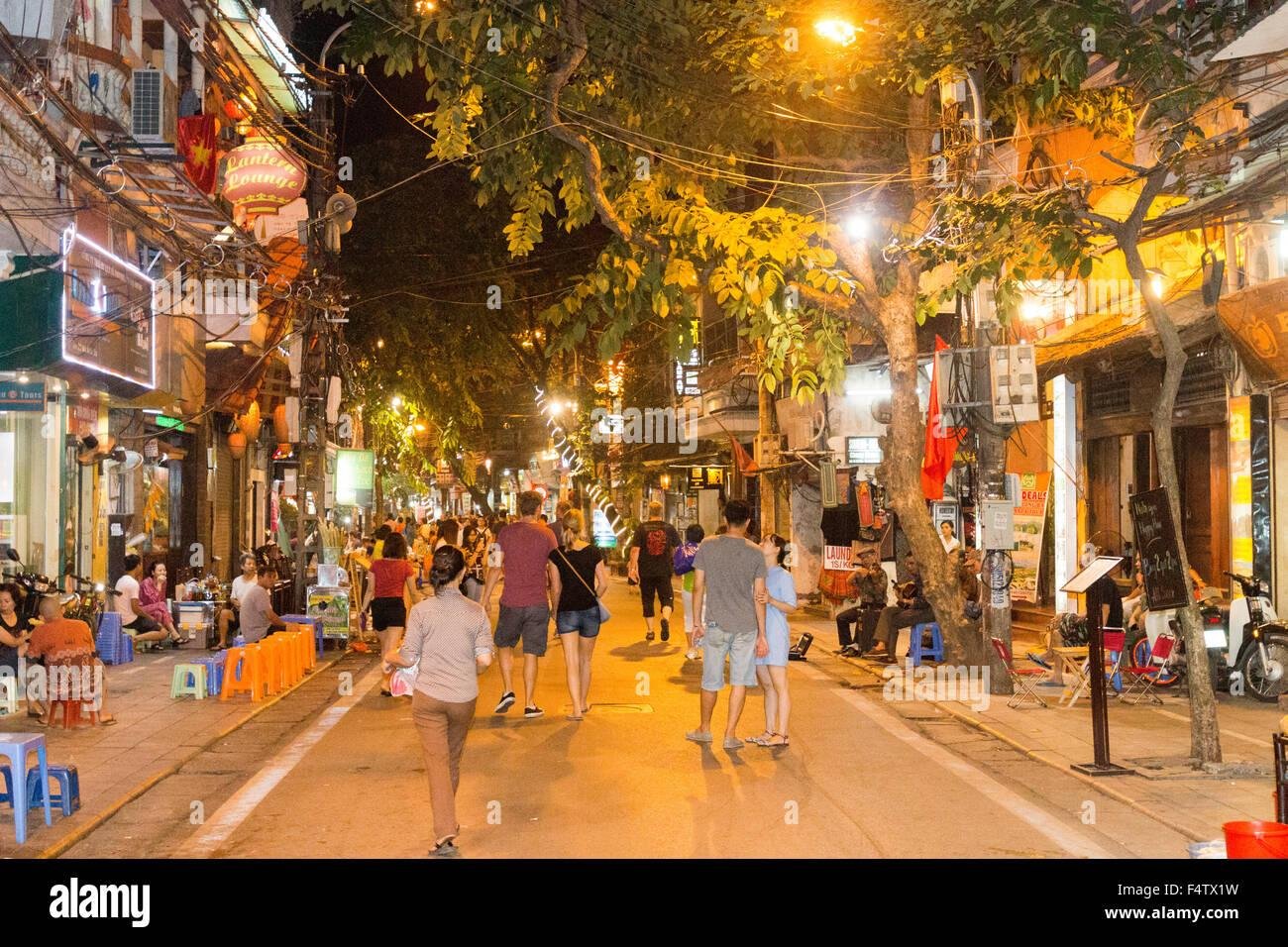
Daytime offers clearer photos and vibrant colors. Evening visits create a cozy, lantern-lit atmosphere that feels more intimate.
Some travelers combine it with our Hanoi Night Tour to experience the city after dark — street food, local markets, and the train street moment in one memorable evening.
Is Hanoi Train Street Worth Visiting?
Honestly? It depends on what you’re looking for.
If you enjoy:
- Urban photography
- Unique cultural contrasts
- Short but thrilling experiences
Then yes, the Hanoi Train Street Tour can be worthwhile.
However, if you prefer quiet historical sites or longer immersive experiences, you may enjoy alternatives such as a Cyclo Tour in Hanoi or a guided Hanoi motorbike tour that explores hidden neighborhoods beyond tourist hotspots.
Travel Responsibly and Respect Local Life
Remember that this is a living neighborhood. When you visit:
- Buy a drink from a local café if you sit there.
- Ask before photographing residents.
- Keep noise levels reasonable.
Small actions create positive impact.
Plan Your Safe Hanoi Experience with Vietnam Travelers
If you’d like to experience Hanoi Train Street safely and with deeper cultural understanding, our local guides are here to help. We provide:
- Up-to-date train schedules
- Clear safety instructions
- Authentic storytelling about Hanoi’s history
- 24/7 customer support
Ready to explore?
Book Your Hanoi Experience Today
Have you already visited Hanoi Train Street? We would love to hear your experience. Share your thoughts in the comments, ask questions, or contact us directly at Vietnam Travelers. Let’s explore Hanoi together — safely, respectfully, and memorably.
Alternative Experiences If Train Street Is Closed
Because access to Hanoi Train Street can change due to safety regulations, it’s always wise to have a backup plan. The good news? Hanoi is full of equally fascinating experiences that feel authentic and immersive.
If you arrive and find the railway street temporarily restricted, here are some meaningful alternatives:
- Explore hidden alleys on a Hanoi City Walking Tour
- Discover traditional markets on a Hanoi Bike Tour
- Experience local nightlife with our Hanoi Night Tour
- Enjoy a relaxed cultural ride on a Cyclo Tour in Hanoi
Many travelers tell us that while Train Street is exciting, the deeper charm of Hanoi often lies in its small family shops, street food stalls, and quiet temples tucked between busy streets.
Combining Hanoi Train Street with a Full-Day Itinerary
If you’re staying in Hanoi for a short time, combining your Hanoi Train Street Tour with nearby attractions makes your visit more efficient and rewarding.
Sample Half-Day Itinerary
- Morning coffee near Hoan Kiem Lake
- Visit the Old Quarter
- Lunch with authentic pho or bun cha
- Afternoon stop at Hanoi Train Street
- Evening street food exploration
If you have more time, consider extending your trip beyond the capital. Popular options include:
Many of our guests combine a short Hanoi railway street visit with a nature escape to experience both urban energy and Vietnam’s stunning landscapes.
Photography Tips for Hanoi Train Street
If you’re visiting mainly for photos, here are some practical and respectful suggestions:
- Use a fast shutter speed when the train approaches.
- Avoid blocking narrow walkways.
- Ask before photographing residents.
- Focus on storytelling — not just dramatic angles.
Instead of risky poses on the tracks, try capturing:
- The anticipation moments before arrival
- Café owners preparing for the train
- The contrast between quiet life and powerful movement
Great travel photography shows respect first, creativity second.
For travel photography inspiration across Vietnam, you can browse UNESCO-recognized heritage locations at UNESCO Vietnam World Heritage Sites.
Frequently Asked Questions About Hanoi Train Street Tour
Is Hanoi Train Street safe?
Yes, when you follow local guidance. Hanoi railway street safety depends on listening carefully to café staff and respecting official restrictions. Do not attempt independent or unauthorized access.
Do I need to buy a ticket?
No official ticket is required. However, if you sit at a café along the track, it is expected that you order a drink. This supports the local community.
How long should I spend there?
Most visitors spend 30–60 minutes. The train passing itself is short, but the atmosphere before and after adds to the experience.
Can children visit?
Yes, but they must remain closely supervised. The space is narrow, and the train passes very close to buildings.
Is it worth visiting more than once?
Generally, one visit is enough. If you’re looking for deeper cultural immersion, consider adding a guided Hanoi tour to explore history, architecture, and local stories beyond Train Street.
Honest Pros and Cons of Hanoi Train Street
Pros
- Unique urban experience
- Great photography opportunity
- Memorable, short thrill
Cons
- Can be crowded
- Brief train passing moment
- Access restrictions may apply
We always tell our guests: the Hanoi Train Street Tour is exciting — but it’s only one small part of Hanoi’s charm.
Responsible Travel Matters
When you travel responsibly, you help preserve destinations for future visitors and local communities. According to the UN World Tourism Organization, sustainable tourism protects culture, safety, and livelihoods.
In practical terms, this means:
- Respecting local rules
- Supporting local businesses
- Avoiding disruptive behavior
- Traveling with licensed operators
At Vietnam Travelers, our slogan “Xin chao, Xin loi, Xin cam on” reflects this mindset — say hello, say sorry, say thank you.
Why Visit Hanoi with Vietnam Travelers?
Choosing the right local partner makes your experience smoother and more meaningful. When you book with us, you receive:
- Clear, updated travel information
- Local English-speaking guides
- 24/7 support during your trip
- Honest pricing with no hidden fees
We don’t exaggerate experiences. Instead, we focus on real stories, safety, and cultural connection.
If you are ready to explore beyond just one photo spot, browse our full range of Hanoi experiences here:
Explore Hanoi Tours with Vietnam Travelers
Final Thoughts on the Hanoi Train Street Tour
The Hanoi Train Street Tour remains one of the city’s most unusual attractions — a blend of daily life and powerful railway history. When approached responsibly, it can be a safe and memorable highlight of your trip.
But remember: the true magic of Hanoi lies not only in the passing train, but in its warm people, layered history, and vibrant street culture.
Have you experienced Hanoi Train Street? What surprised you most? We’d love to hear your story. Leave a comment, share this article with fellow travelers, or contact our team for personalized advice.
Let’s explore Hanoi together — respectfully, safely, and authentically.