
Article brief
Vegan Hanoi: A Guide to Plant-Based Street Food Tours When most travelers think of Vietnamese cuisine , images of pho with beef broth or grilled pork banh mi often come to mind.
Route flow, hotel placement and transfer timing are the three decisions that shape the whole trip.
Vegan Hanoi: A Guide to Plant-Based Street Food Tours
When most travelers think of Vietnamese cuisine, images of pho with beef broth or grilled pork banh mi often come to mind. However, Hanoi’s vegan street food scene is a hidden gem that offers an incredible array of plant-based dishes deeply rooted in Buddhist culinary traditions and local agricultural abundance. Whether you’re a committed vegan, vegetarian, or simply curious about exploring sustainable food options in Vietnam’s capital, this comprehensive guide will help you navigate the city’s thriving plant-based street food culture.
The Rise of Vegan Culture in Hanoi
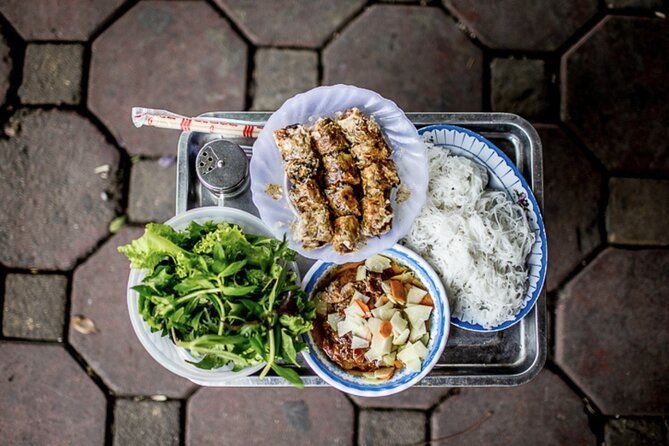
Hanoi’s vegan food scene has experienced remarkable growth over the past decade, driven by both traditional Buddhist dietary practices and modern health consciousness. The city’s plant-based street food culture draws from centuries-old Vietnamese Buddhist cuisine, where mock meats and creative vegetable preparations have been perfected over generations.
“Vietnamese Buddhist cuisine has taught us that plant-based eating isn’t about restriction—it’s about creativity and celebrating the natural flavors of vegetables, herbs, and grains.” – Master Chef Thich Nhat Hanh
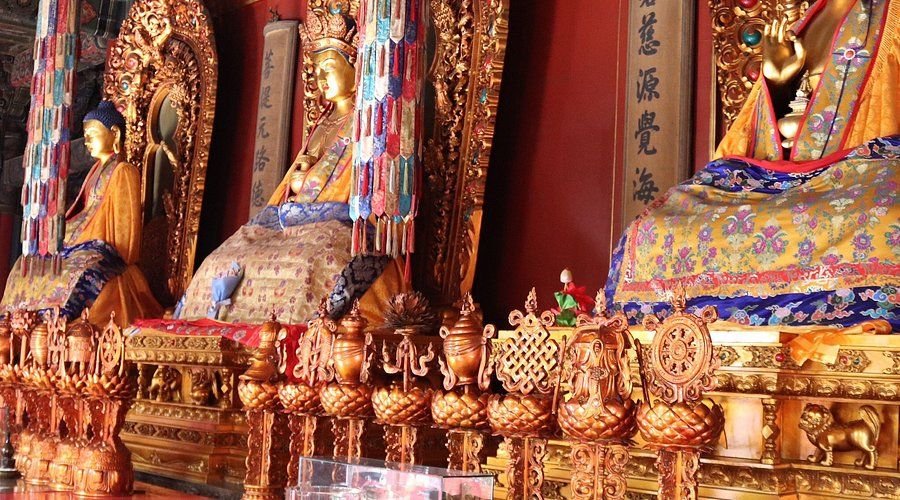
The influence of Buddhist temples throughout Hanoi has been instrumental in developing sophisticated vegan cooking techniques. Many of the city’s most beloved vegan dishes originated in temple kitchens, where monks created elaborate plant-based meals for religious festivals and daily sustenance.
Essential Vegan Vietnamese Dishes to Try
Understanding traditional vegan Vietnamese dishes is crucial for any plant-based food explorer in Hanoi. Here are the must-try items that showcase the depth and creativity of Vietnamese vegan cuisine:
Pho Chay (Vegan Pho)
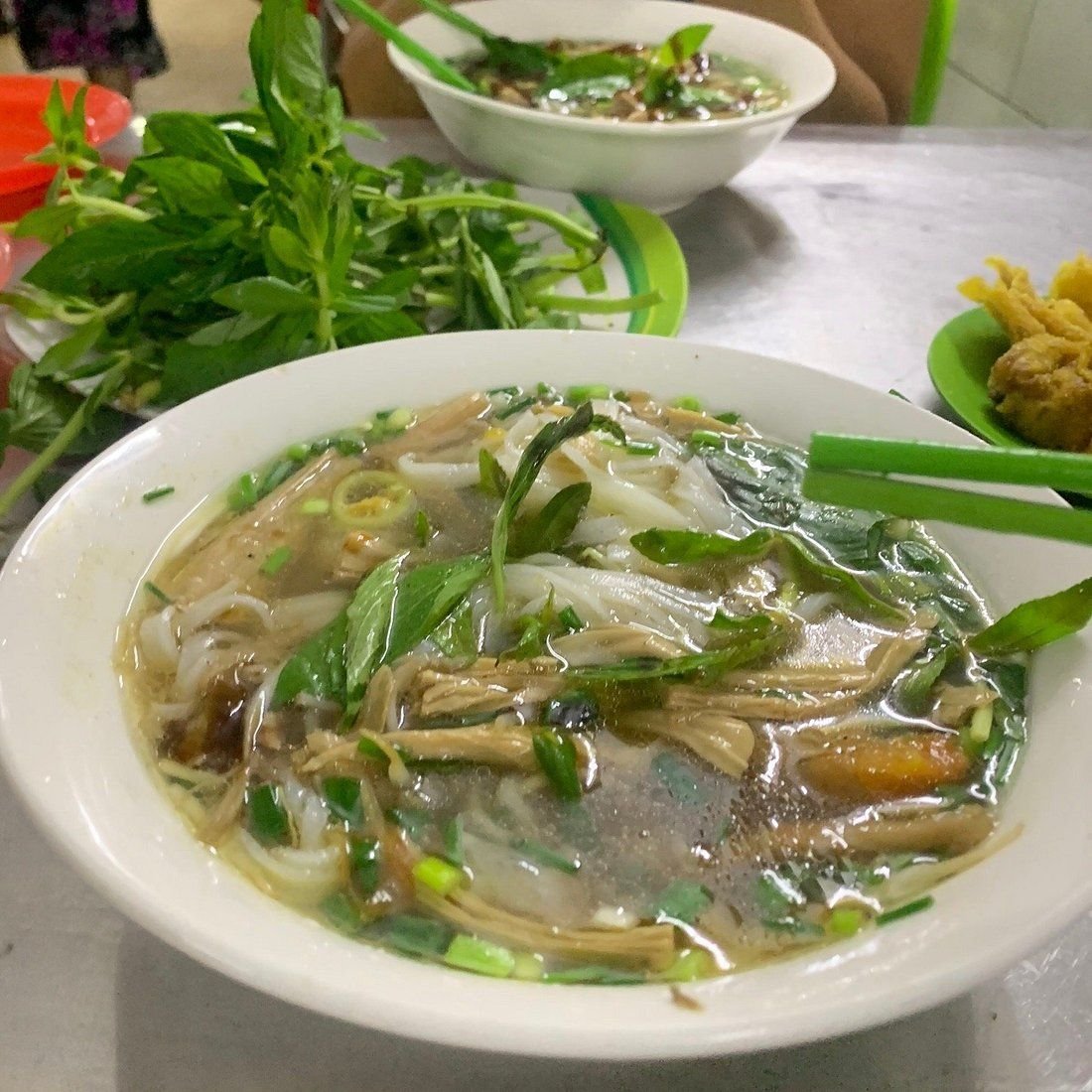
Pho chay represents the pinnacle of Vietnamese vegan cooking. This aromatic noodle soup features a complex vegetable broth simmered with star anise, cinnamon, and other spices, topped with mock meat, fresh herbs, and rice noodles. The best pho chay in Hanoi can be found in the Old Quarter and around temple areas.
Banh Mi Chay (Vegan Banh Mi)
The beloved Vietnamese sandwich gets a plant-based makeover with banh mi chay. These sandwiches feature marinated tofu, mock meat, or grilled vegetables with pickled carrots, cilantro, and vegan mayonnaise in a crispy baguette.
Com Chay (Vegan Rice Dishes)
Com chay encompasses various rice-based meals featuring stir-fried vegetables, mock meats, and aromatic herbs. Popular variations include com chay with lemongrass tofu and com chay with mock fish.
Che Chay (Vegan Sweet Soups)
For dessert, che chay offers refreshing sweet soups made with coconut milk, beans, tropical fruits, and tapioca pearls—perfect for Hanoi’s warm climate.
Best Areas for Vegan Street Food in Hanoi
Navigating Hanoi’s vegan food landscape requires knowing where to look. Here are the top neighborhoods and areas where plant-based street food thrives:
Old Quarter (Hoan Kiem District)
The Old Quarter remains the heart of Hanoi’s street food culture, including numerous vegan options. Key streets include:
- Hang Buom Street – Home to several traditional vegan restaurants
- Ta Hien Street – Known for vegan beer gardens and plant-based snacks
- Hang Bac Street – Features Buddhist-inspired vegan eateries
Temple Districts
Areas surrounding Buddhist temples offer the most authentic vegan dining experiences:
- Bach Ma Temple area – Traditional temple food stalls
- Quan Su Temple vicinity – Vegetarian restaurants serving temple-style cuisine
- One Pillar Pagoda surroundings – Authentic Buddhist vegan food
French Quarter
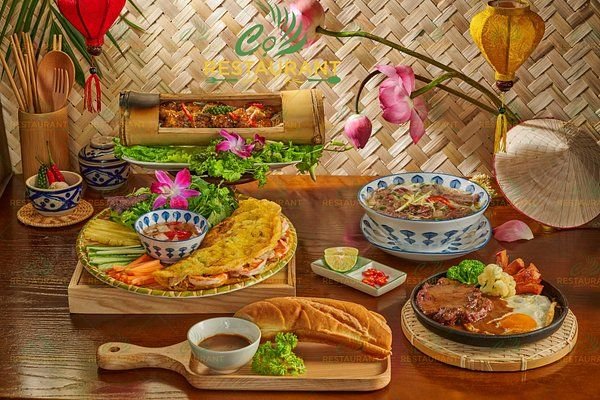
The French Quarter has embraced modern vegan cuisine, blending Vietnamese flavors with international influences. This area features upscale vegan restaurants and trendy plant-based cafes.
Guided Vegan Food Tours: Your Gateway to Plant-Based Hanoi
While exploring independently has its charms, joining a guided vegan food tour provides invaluable insights into Vietnamese plant-based cuisine. Vietnam Travelers’ vegan food tours offer expertly curated experiences that showcase the best of Hanoi’s plant-based street food scene.
What to Expect on a Vegan Food Tour
A typical vegan food tour in Hanoi includes:
- Historical context – Learn about Buddhist influences on Vietnamese cuisine
- Market visits – Explore local markets to understand ingredients
- Street food sampling – Taste 8-12 different vegan dishes
- Cultural insights – Understand the philosophy behind plant-based eating in Vietnam
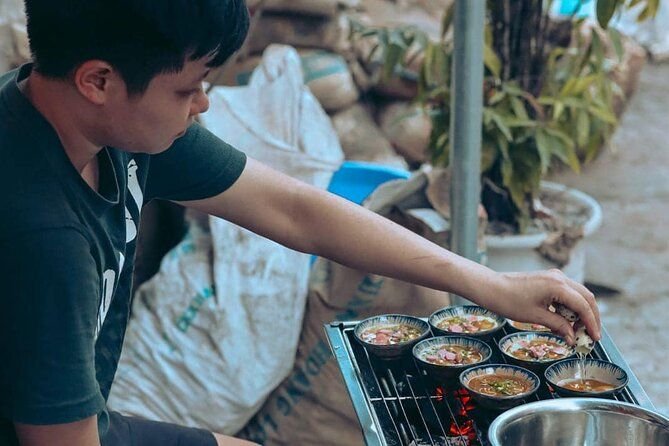
- Cooking demonstrations – Watch skilled vendors prepare traditional dishes
Types of Vegan Food Tours Available
Vietnam Travelers offers several vegan tour options:
- Walking tours – Explore the Old Quarter on foot
- Motorbike tours – Cover more ground and visit hidden gems
- Private tours – Customized experiences for dietary restrictions
- Evening tours – Experience Hanoi’s vibrant night food scene
For those interested in broader culinary experiences, consider combining your vegan tour with general Hanoi food tours or street food adventures.
Essential Tips for Vegan Travelers in Hanoi
Successfully navigating Hanoi’s food scene as a vegan requires some preparation and cultural understanding. These practical tips will enhance your plant-based culinary adventure:
Language Essentials
Learning key Vietnamese phrases will significantly improve your vegan dining experience:
- “Tôi ăn chay” (I eat vegetarian/vegan)
- “Không thịt, không cá” (No meat, no fish)
- “Có món chay không?” (Do you have vegan dishes?)
- “Không nước mắm” (No fish sauce)
Understanding Ingredients
Be aware of common non-vegan ingredients in Vietnamese cuisine:
- Fish sauce (nước mắm) – Used in many dishes
- Shrimp paste (mắm tôm) – Common in northern Vietnamese cooking
- Oyster sauce – Sometimes used in stir-fries
- Lard – Occasionally used for cooking
Best Times to Eat
Timing your vegan food exploration correctly enhances the experience:
- Morning (6:00-9:00 AM) – Fresh pho chay and breakfast dishes
- Lunch (11:00 AM-2:00 PM) – Full range of vegan options available
- Evening (5:00-8:00 PM) – Street food comes alive with diverse offerings
Cultural Significance of Plant-Based Eating in Vietnam
Understanding the cultural context of vegan eating in Vietnam adds depth to your culinary journey. Vietnamese Buddhism has profoundly influenced the country’s approach to plant-based cuisine, creating a rich tradition that goes beyond mere dietary preference.
“In Vietnamese culture, eating vegan is not just about personal health—it’s about compassion for all living beings and harmony with nature.” – Dr. Nguyen Thi Mai, Vietnamese Cultural Studies
The concept of “ăn chay” encompasses both religious observance and ethical living. Many Vietnamese practice intermittent veganism, adopting plant-based diets during Buddhist holidays or personal spiritual periods.
Mock Meat Culture and Innovation
Vietnamese mock meat culture represents centuries of culinary innovation. Buddhist chefs have perfected techniques for creating convincing plant-based alternatives to meat and seafood using:
- Wheat gluten (seitan) – Forms the base for most mock meats
- Mushrooms – Provide umami depth and texture
- Tofu variations – From silky to firm textures
- Yuba (tofu skin) – Creates realistic meat-like appearance
Seasonal Vegan Specialties
Hanoi’s seasonal vegan offerings reflect the city’s agricultural calendar and traditional celebrations:
Spring (March-May)
- Young bamboo shoots – Fresh and tender preparations
- Green rice flakes (cốm) – Seasonal delicacy in various dishes
- Fresh herbs – Abundant varieties for enhanced flavors
Summer (June-August)
- Tropical fruit dishes – Refreshing che chay variations
- Cold noodle soups – Perfect for hot weather
- Lotus-based dishes – Utilizing the entire lotus plant
Autumn (September-November)
- Harvest vegetables – Peak season for root vegetables
- Persimmon desserts – Sweet seasonal treats
- Festival foods – Special vegan preparations for holidays
Winter (December-February)
- Warming broths – Hearty pho chay and soup variations
- Preserved vegetables – Traditional pickling methods
- Hot pot variations – Communal vegan dining experiences
Planning Your Vegan Food Adventure
To maximize your vegan food experience in Hanoi, consider these planning strategies:
Duration and Itinerary
For a comprehensive vegan food exploration:
- Half-day tour – Perfect introduction to vegan street food
- Full-day experience – In-depth exploration with market visits
- Multi-day program – Combine with Hanoi city tours
Budget Considerations
Vegan street food in Hanoi offers excellent value:
- Street food meals – $2-5 USD per dish
- Restaurant dining – $8-15 USD per meal
- Guided tours – $35-75 USD per person
Beyond Food: Connecting with Hanoi’s Culture
Your vegan food journey in Hanoi can extend beyond dining to include cultural experiences that deepen your understanding of Vietnamese plant-based traditions:
- Temple visits – Observe Buddhist meal practices
- Cooking classes – Learn traditional vegan techniques
- Market tours – Understand ingredient sourcing
- Cultural workshops – Explore Vietnamese philosophy of compassion
Consider combining your vegan food tour with other Hanoi cultural experiences or day trips from Hanoi to Buddhist temples and rural communities.
Sustainable Tourism and Vegan Travel
Choosing vegan food tours aligns with sustainable tourism principles that Vietnam Travelers champions. Plant-based eating supports:
- Environmental conservation – Reduced carbon footprint
- Local agriculture – Supporting Vietnamese farmers
- Cultural preservation – Maintaining Buddhist culinary traditions
- Community engagement – Direct support to local vendors
Frequently Asked Questions
Is it easy to find vegan food in Hanoi?
Yes, absolutely! Hanoi has one of the most developed vegan food scenes in Southeast Asia, thanks to strong Buddhist traditions and growing health consciousness. You’ll find vegan options from street stalls to upscale restaurants throughout the city.
How do I ensure my food is completely vegan?
The safest approach is to eat at dedicated vegan restaurants, join a guided vegan food tour, or learn key Vietnamese phrases to communicate your dietary needs. Many establishments near Buddhist temples are inherently vegan-friendly.
What’s the difference between vegetarian and vegan in Vietnamese cuisine?
Vietnamese “ăn chay” typically means strict vegan (no animal products at all), which aligns with Buddhist practices. However, always clarify to avoid fish sauce, which is common in Vietnamese cooking.
Are vegan food tours suitable for children?
Definitely! Vegan food tours are family-friendly and offer great opportunities to introduce children to different cultures and foods. Many Vietnamese vegan dishes are mild and appealing to young palates.
Can I find international vegan food in Hanoi?
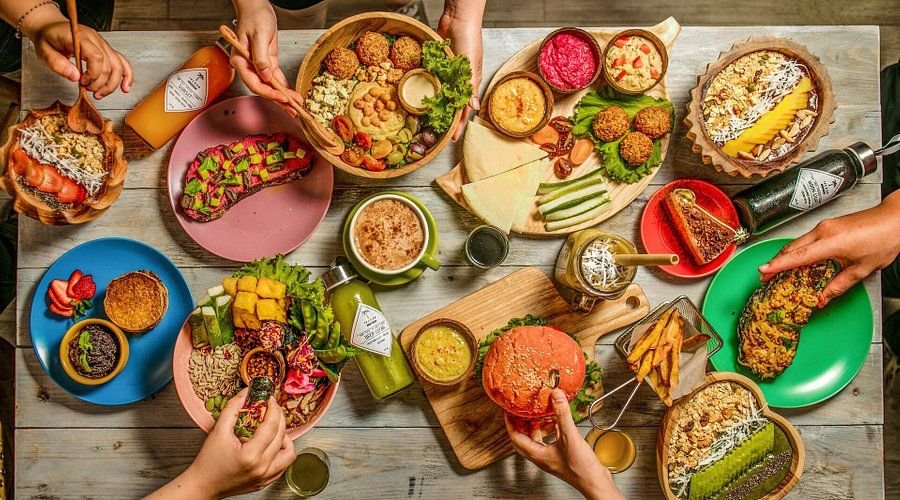
While traditional Vietnamese vegan food is the highlight, Hanoi also offers international plant-based options including vegan pizza, burgers, and fusion cuisine, particularly in the French Quarter area.
What should I do if I have food allergies?
Inform your tour guide about allergies in advance. Vietnam Travelers can customize tours to accommodate specific dietary restrictions and allergies while ensuring you still experience authentic Vietnamese vegan cuisine.
Ready to Explore Vegan Hanoi?
Hanoi’s vegan street food scene offers an incredible journey through Vietnamese culinary traditions, Buddhist philosophy, and innovative plant-based cooking. Whether you’re a lifelong vegan or simply curious about sustainable food options, the city’s diverse plant-based offerings will exceed your expectations.
Ready to embark on your vegan food adventure in Hanoi? Book your guided vegan food tour with Vietnam Travelers today and discover the hidden gems of plant-based Vietnamese cuisine. Our expert local guides will ensure you experience the best vegan street food while learning about the cultural significance behind each dish.
Contact Vietnam Travelers at +84962819091 or email info@vietnamtravelers.com to customize your perfect vegan food experience in Hanoi. Let us show you why Vietnamese vegan cuisine is among the world’s most sophisticated and delicious plant-based food traditions.
Have you tried vegan Vietnamese food before? Share your experiences in the comments below, or let us know what dishes you’re most excited to try on your upcoming Hanoi adventure!