
Article brief
Hanoi Street Food for Vegetarians: What to Eat & Where Contrary to popular belief, Hanoi street food for vegetarians offers an incredible variety of plant-based delights that will satisfy even the most discerning palate.
Route flow, hotel placement and transfer timing are the three decisions that shape the whole trip.
Hanoi Street Food for Vegetarians: What to Eat & Where
Contrary to popular belief, Hanoi street food for vegetarians offers an incredible variety of plant-based delights that will satisfy even the most discerning palate. While Vietnam’s culinary reputation often centers around pho bo and grilled meats, the country’s Buddhist traditions and agricultural abundance have created a thriving vegetarian food scene that many travelers overlook.
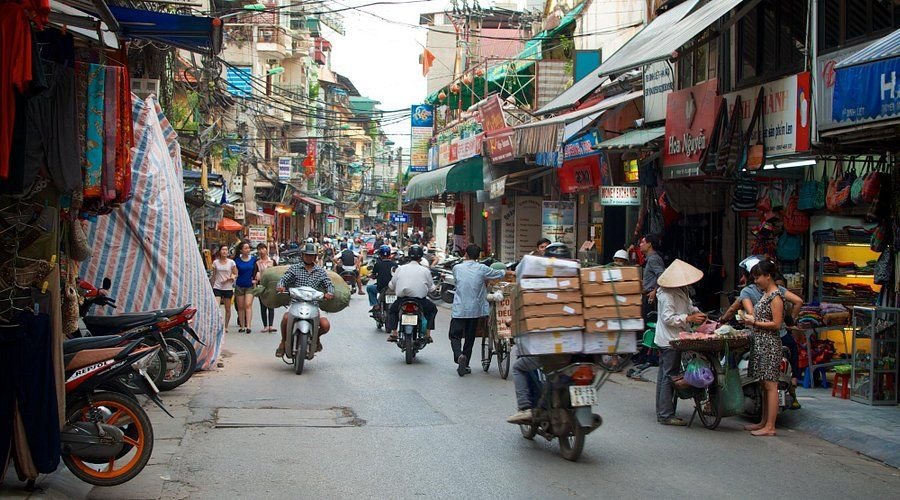
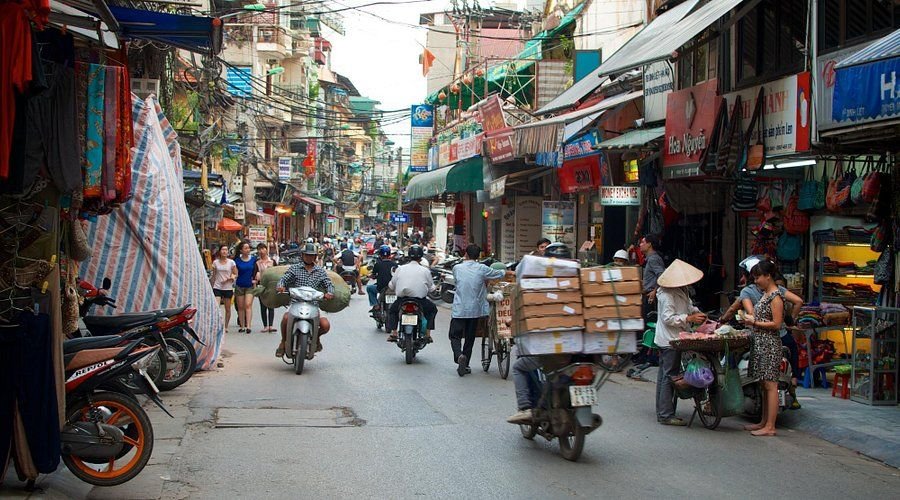
As someone who has spent countless hours exploring Hanoi’s bustling streets and hidden alleyways, I can confidently say that vegetarian travelers are in for a treat. From ancient temple food traditions to modern plant-based innovations, Hanoi’s vegetarian street food scene is both diverse and deeply rooted in Vietnamese culture.
Understanding Vietnam’s Vegetarian Food Culture
Vietnam’s relationship with vegetarian cuisine runs deeper than dietary preference—it’s woven into the fabric of Buddhist philosophy and Vietnamese spirituality. Many Vietnamese practice vegetarianism on specific days of the lunar calendar, particularly on the 1st and 15th days of each month, creating a natural demand for plant-based street food options.
“In Vietnamese Buddhism, eating vegetarian food isn’t just about avoiding meat—it’s about cultivating compassion and mindfulness in every meal.” – Master Chef Nguyen from Quan Su Pagoda
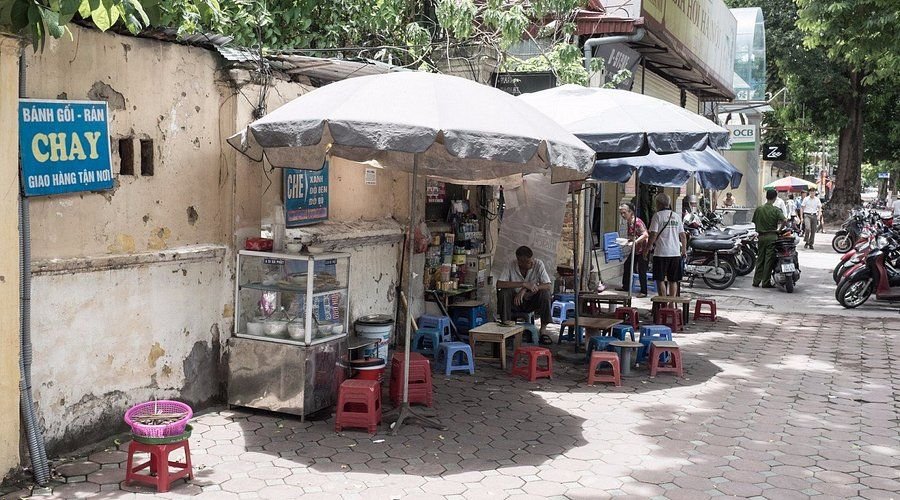
This cultural foundation means that even in the most carnivorous-seeming neighborhoods, you’ll find vegetarian street food vendors serving everything from mock meat dishes to fresh spring rolls. Understanding this context helps explain why Hanoi’s vegetarian street food scene is so sophisticated and varied.
Essential Vegetarian Street Foods You Must Try
1. Banh Mi Chay (Vegetarian Sandwich)
The iconic Vietnamese sandwich gets a plant-based makeover with banh mi chay. Instead of traditional cold cuts, these sandwiches feature marinated tofu, mock ham, or seasoned mushrooms paired with fresh herbs, pickled vegetables, and spicy mayo.
- Where to find it: Banh Mi 25 on Hang Ca Street
- Price range: 15,000-25,000 VND ($0.60-$1.00)
- Best time: Early morning (7-10 AM) for freshest bread
2. Pho Chay (Vegetarian Pho)
Vietnam’s national dish adapted for vegetarians, pho chay uses a rich vegetable broth infused with star anise, cinnamon, and other aromatic spices. The bowl is typically topped with tofu, mushrooms, and a variety of fresh herbs.
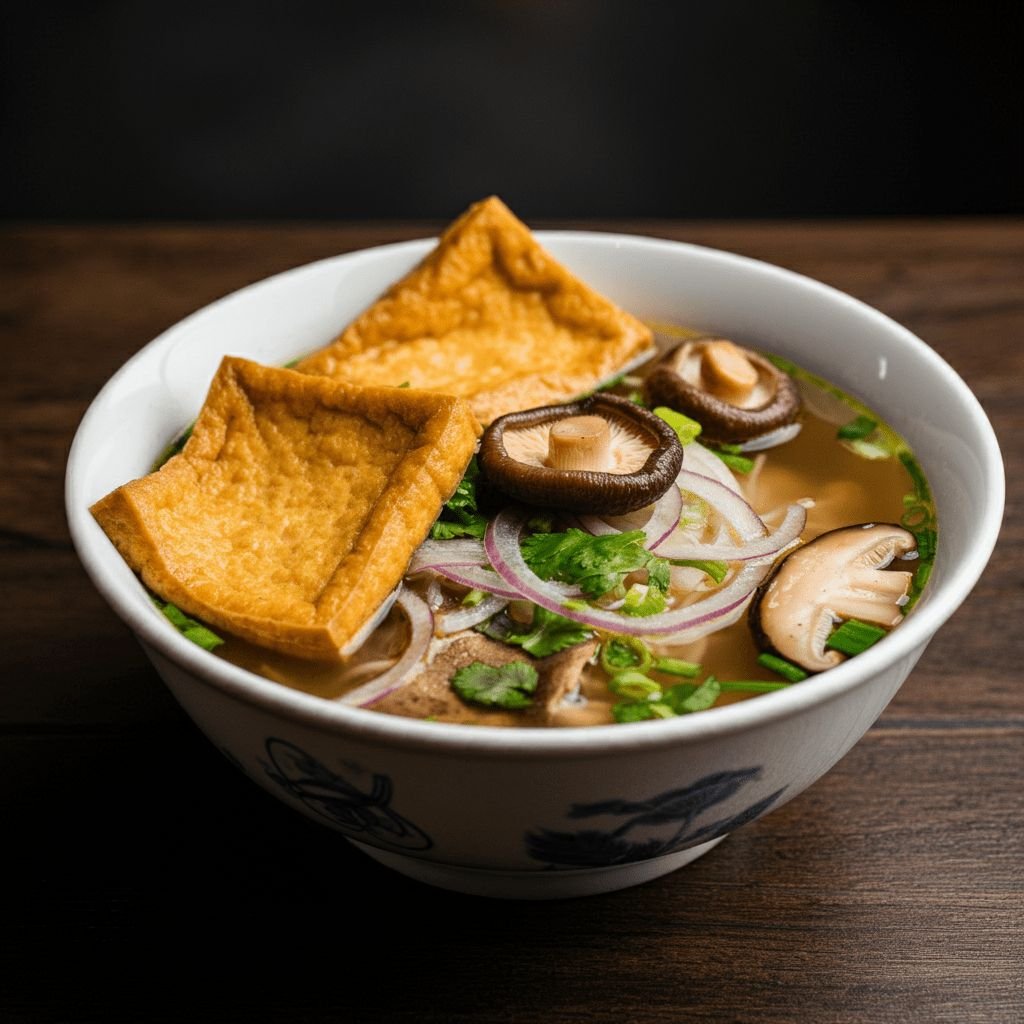
The secret to great pho chay lies in the broth preparation. Traditional vegetarian pho vendors often simmer their broths for 12+ hours using kombu seaweed, dried mushrooms, and roasted vegetables to achieve that deep, complex flavor that rivals meat-based versions.
3. Bun Cha Chay (Vegetarian Grilled “Meat” with Noodles)
This ingenious plant-based version of Hanoi’s famous bun cha features grilled mock meat patties made from mushrooms, tofu, and traditional Vietnamese seasonings. Served with rice noodles, fresh herbs, and dipping sauce, it’s surprisingly authentic in flavor.
4. Goi Cuon Chay (Fresh Vegetarian Spring Rolls)
These translucent rice paper rolls filled with fresh vegetables, herbs, and sometimes tofu or mock shrimp are naturally light and refreshing. The accompanying peanut dipping sauce is typically vegan-friendly, though always confirm with vendors.
- Fresh lettuce and herbs
- Rice vermicelli noodles
- Cucumber and carrot strips
- Marinated tofu or mock seafood
- Sometimes fresh fruit like mango
Best Neighborhoods for Vegetarian Street Food
Old Quarter: Traditional Meets Vegetarian
The heart of Hanoi’s street food scene, the Old Quarter offers numerous vegetarian options scattered throughout its 36 ancient streets. This area is perfect for those joining our Old Quarter walking tours, where you can combine sightseeing with vegetarian food discovery.
Must-visit streets for vegetarian food:
- Hang Gai Street: Home to several vegetarian banh mi vendors
- Ma May Street: Traditional pho chay shops
- Hang Buom Street: Near our Vietnam Travelers office, perfect for quick vegetarian snacks
Around Hoan Kiem Lake
The area surrounding Hoan Kiem Lake features several upscale vegetarian street food options, making it ideal for travelers who want to experience local cuisine in a more comfortable setting. Many vendors here cater to both locals and tourists, ensuring English menus and clearer ingredient lists.
Ba Dinh District: Temple Food Influence
Home to many of Hanoi’s important temples and pagodas, Ba Dinh District offers some of the city’s most authentic Buddhist vegetarian cuisine. The influence of nearby Quan Su Pagoda means many street vendors here specialize in traditional temple-style vegetarian dishes.
Specific Vendor Recommendations
Quan An Ngon Vegetarian Section
Address: 18 Phan Boi Chau Street
Specialty: High-quality vegetarian versions of Vietnamese classics
Price range: 30,000-80,000 VND per dish
While technically a restaurant, Quan An Ngon’s outdoor stalls recreate the authentic street food experience with elevated vegetarian options. Their vegetarian bun bo hue is particularly noteworthy.
Highway4 Ba Trieu Branch
Address: 5 Hang Tre Street
Specialty: Northern Vietnamese vegetarian specialties
Must-try: Com tam chay (vegetarian broken rice)
Nha Hang Chay Nang Tam
Address: 79A Hao Nam Street
Specialty: Traditional Buddhist vegetarian cuisine
Atmosphere: Authentic temple-style dining
Language Tips for Vegetarian Travelers
Navigating Hanoi’s street food scene as a vegetarian requires some basic Vietnamese phrases. Here are essential terms that will help you communicate your dietary needs:
| Vietnamese | Pronunciation | English |
|---|---|---|
| Ăn chay | An chai | Vegetarian/Buddhist vegetarian |
| Không thịt | Khong tit | No meat |
| Không cá | Khong ka | No fish |
| Tôi ăn chay | Toy an chai | I am vegetarian |
It’s important to note that Vietnamese vegetarianism (ăn chay) traditionally excludes onions, garlic, and sometimes eggs, following Buddhist dietary principles. If you’re comfortable with these ingredients, you might need to specify “vegetarian but okay with garlic and onions” or simply say “không thịt, không cá” (no meat, no fish).
Hidden Gems: Where Locals Eat
Morning Markets
Early morning markets offer some of the best vegetarian street food experiences in Hanoi. These markets cater primarily to locals, ensuring authentic flavors and reasonable prices.
Dong Xuan Market opens at 6 AM and features several vegetarian stalls on the first floor. The banh cuon chay (vegetarian steamed rice rolls) here are exceptional, filled with seasoned mushrooms and served with crispy shallots.
Chau Long Market is less touristy but offers incredible variety. The vegetarian section near the main entrance serves traditional dishes like che chay (vegetarian sweet soup) and various tofu-based snacks.
Evening Street Food Areas
As the sun sets, Hanoi’s street food scene transforms. Many vegetarian options appear only in the evening, as vendors prepare fresh ingredients throughout the day.
The intersection of Hang Bac and Hang Gai streets becomes a vegetarian paradise after 6 PM, with multiple vendors offering everything from grilled corn to vegetarian spring rolls. This area is perfect for our evening walking tours.
Seasonal Specialties to Look For
Vietnam’s street food scene changes with the seasons, and vegetarian options are no exception. Understanding these seasonal variations can help you time your visit for maximum culinary adventure.
Spring (March-May)
- Fresh herb season: Spring rolls with maximum variety of herbs
- Young banana leaves: Used for wrapping vegetarian sticky rice
- Fresh bamboo shoots: Featured in various vegetarian soups
Summer (June-August)
- Che ba mau chay: Vegetarian three-color dessert with beans and coconut
- Fresh fruit spring rolls: Made with seasonal tropical fruits
- Cold vegetarian noodle soups: Perfect for hot weather
Autumn (September-November)
- Com dep: Young green rice, often prepared vegetarian-style
- Persimmon-based desserts: Naturally vegetarian seasonal treats
- Lotus root preparations: Peak season for this Buddhist favorite
Winter (December-February)
- Hot vegetarian soups: Including pho chay and bun bo chay
- Grilled sweet potatoes: Street vendor staple
- Warm che: Sweet vegetarian soups perfect for cold weather
Food Safety Tips for Vegetarian Street Food
Enjoying street food safely requires some basic precautions, especially important for vegetarian travelers who might have more sensitive digestive systems:
- Choose busy stalls: High turnover means fresher ingredients
- Watch the preparation: Ensure vegetables are washed with clean water
- Start slowly: Introduce street food gradually to your system
- Carry hand sanitizer: Essential for eating with your hands
- Know your limits: Avoid raw vegetables if you have a sensitive stomach
“The key to enjoying street food safely is observation. Watch how locals eat, where they eat, and what they avoid. Their habits are your best guide.” – Dr. Nguyen, Hanoi Institute of Public Health
Cost Guide for Vegetarian Street Food
One of the best aspects of Hanoi’s vegetarian street food scene is its affordability. Here’s what you can expect to pay:
- Basic dishes (pho, banh mi): 15,000-35,000 VND ($0.60-$1.40)
- Fresh spring rolls (set of 2): 20,000-40,000 VND ($0.80-$1.60)
- Vegetarian rice dishes: 25,000-50,000 VND ($1.00-$2.00)
- Desserts and sweet soups: 10,000-25,000 VND ($0.40-$1.00)
- Fresh juices: 15,000-30,000 VND ($0.60-$1.20)
Most vegetarian street food is actually cheaper than meat-based alternatives, making it an economical choice for budget travelers.
Combining Food with Cultural Experiences
The best way to experience Hanoi’s vegetarian street food is through cultural immersion. Consider joining our vegetarian food tours that combine culinary exploration with cultural education.
Many of our guests discover that vegetarian street food tours offer unique insights into Vietnamese Buddhism, traditional medicine, and family cooking techniques that aren’t available in regular food tours.
Frequently Asked Questions
Is Vietnamese street food really vegetarian-friendly?
Absolutely! Vietnam has a strong Buddhist tradition that has created a sophisticated vegetarian cuisine. While not every stall will have options, dedicated vegetarian vendors are common, especially near temples and pagodas.
How do I know if fish sauce is used?
Ask specifically about fish sauce (“nuoc mam”) as it’s commonly used even in vegetable dishes. Many vegetarian vendors use soy sauce alternatives, but it’s always best to confirm.
Are eggs considered vegetarian in Vietnamese cuisine?
Traditional Vietnamese Buddhist vegetarianism excludes eggs, but modern vegetarian vendors often include them unless specifically preparing Buddhist-style dishes. Always ask if you’re unsure.
What’s the difference between “chay” and vegetarian?
“Chay” refers to Buddhist vegetarian cuisine that excludes meat, fish, eggs, and often onions and garlic. Regular vegetarian (“vegetarian” or “không thịt”) might include eggs and aromatics.
Can I find vegan options easily?
Yes! Many traditional “chay” dishes are naturally vegan. However, some mock meat products may contain eggs or dairy, so ask about ingredients if you’re strictly vegan.
Planning Your Vegetarian Food Adventure
To make the most of your vegetarian street food experience in Hanoi, consider timing and planning. The best food experiences often happen when you’re not rushed and can engage with vendors and fellow diners.
Our comprehensive food tours include vegetarian options and can be customized for plant-based travelers. We work with trusted vendors who understand dietary restrictions and can prepare authentic vegetarian versions of classic dishes.
For those preferring to explore independently, downloading a translation app and learning basic Vietnamese food terms will enhance your experience significantly. Many vendors appreciate the effort and often provide extra attention to visitors who show cultural interest.
Beyond the Food: Cultural Connections
Eating vegetarian street food in Hanoi isn’t just about the meals—it’s about connecting with Vietnamese culture on a deeper level. The Buddhist influences in vegetarian cuisine reflect values of compassion, mindfulness, and respect for all living beings that are central to Vietnamese philosophy.
When you choose vegetarian street food, you’re participating in traditions that date back over a thousand years. Each bowl of pho chay or fresh spring roll connects you to generations of Vietnamese cooks who have perfected these plant-based preparations.
Your Vegetarian Adventure Awaits
Hanoi’s vegetarian street food scene offers an authentic, delicious, and culturally rich experience that rivals any culinary destination in the world. From the bustling morning markets to the peaceful temple-influenced vendors, every meal tells a story of Vietnamese tradition, innovation, and hospitality.
Whether you’re a lifelong vegetarian or simply curious about plant-based Vietnamese cuisine, Hanoi’s streets offer endless opportunities for culinary discovery. The combination of fresh ingredients, time-tested techniques, and warm hospitality creates dining experiences that will stay with you long after you return home.
Ready to explore Hanoi’s incredible vegetarian street food scene? Join us for an authentic culinary adventure that goes beyond just eating—it’s about understanding Vietnamese culture through its most accessible and beloved traditions.
Contact Vietnam Travelers today to book your personalized vegetarian food tour. Our local guides know the best vendors, can navigate language barriers, and ensure you experience the true flavors of Vietnam’s plant-based cuisine. Call us at +84962819091 or email info@vietnamtravelers.com to start planning your delicious adventure.
Visit our office at 32 Hang Buom, Hoan Kiem, Hanoi or check out our website at vietnamtravelers.com for more information about our food tours and cultural experiences.
What’s your favorite vegetarian dish you’ve discovered while traveling? Share your experiences in the comments below and help fellow travelers discover new flavors!