
Article brief
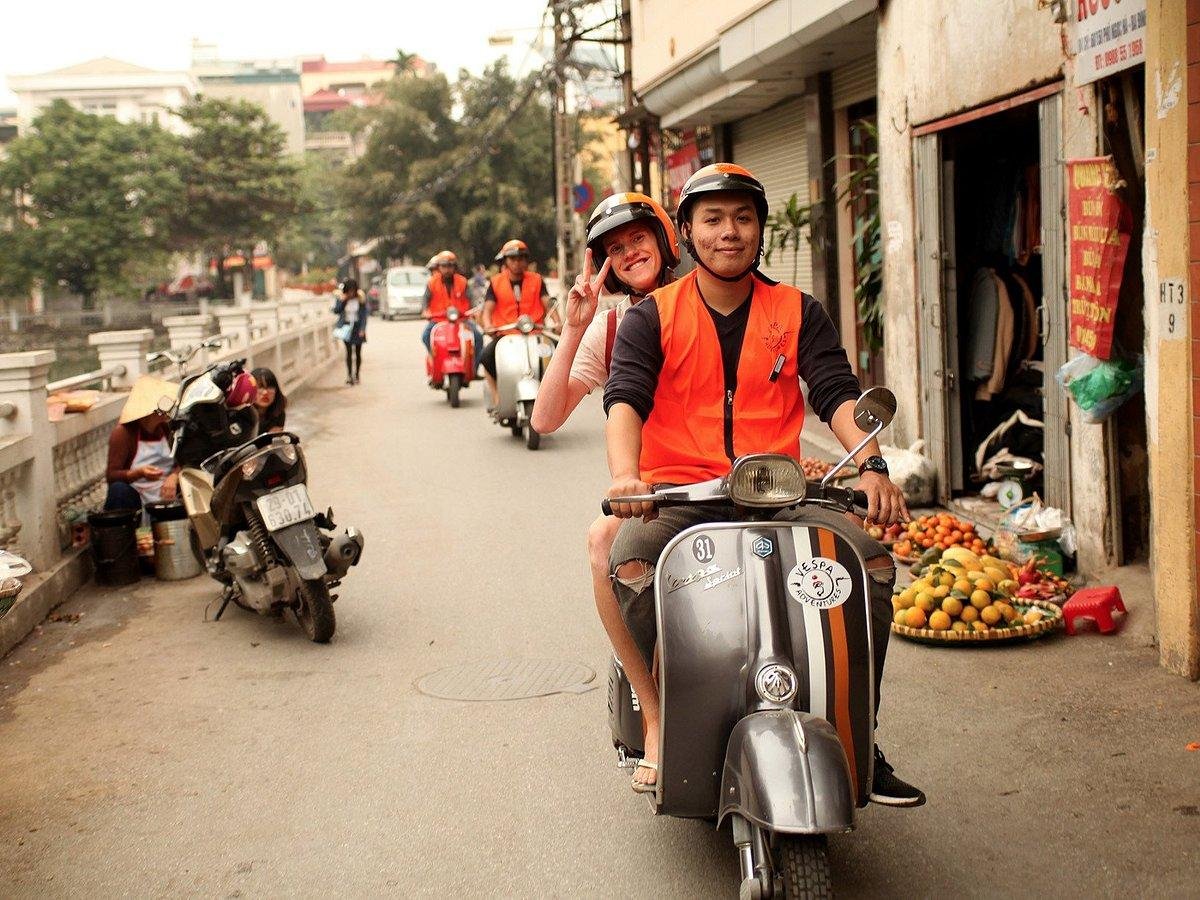
If you're planning a Hanoi Vespa food tour or considering exploring Vietnam's bustling capital on two wheels, you're probably wondering about safety.
Route flow, hotel placement and transfer timing are the three decisions that shape the whole trip.
If you’re planning a Hanoi Vespa food tour or considering exploring Vietnam’s bustling capital on two wheels, you’re probably wondering about safety. The image of zipping through Hanoi’s chaotic streets on a vintage Vespa might seem both thrilling and terrifying. Let’s dive deep into the reality of Vespa safety in Hanoi and give you the honest truth about what to expect.
The Reality of Hanoi Traffic: What You’re Getting Into
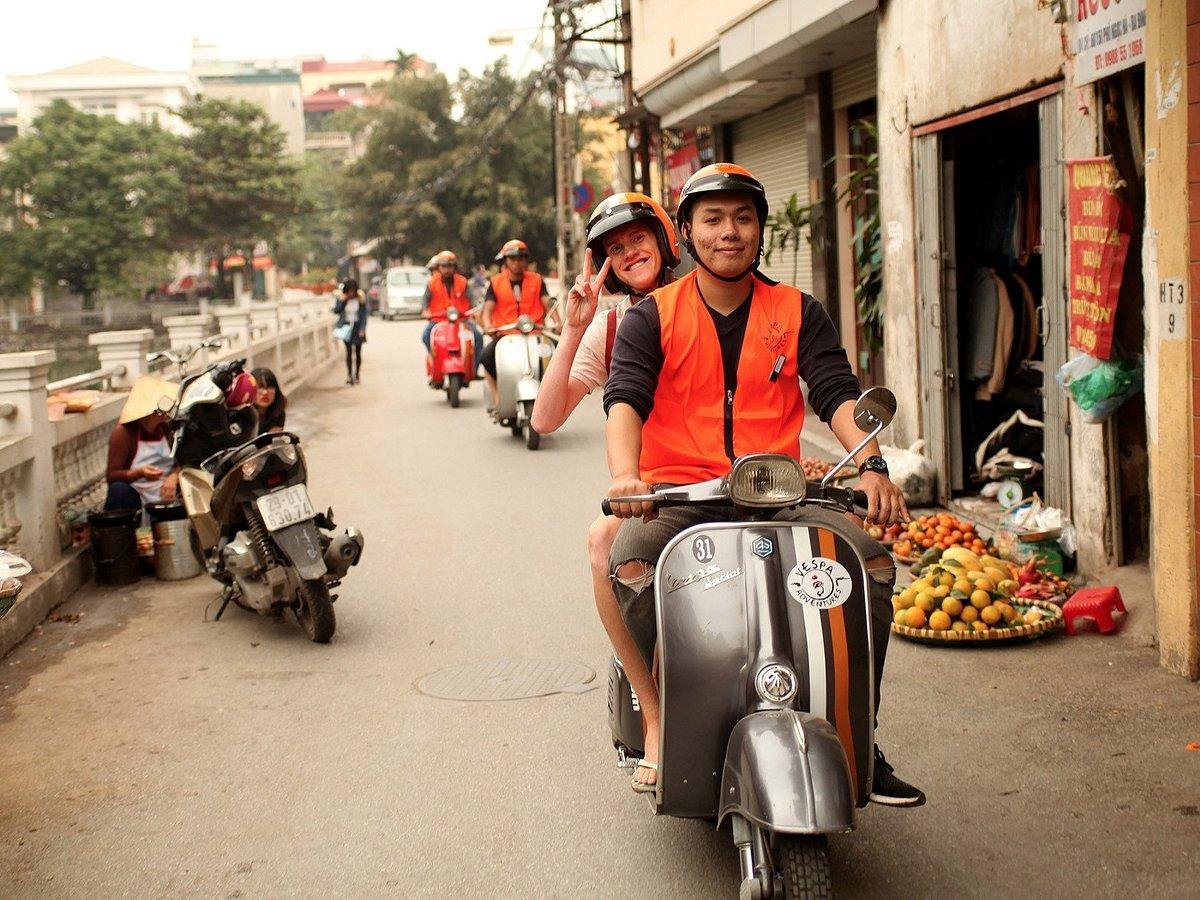
Hanoi’s streets are unlike anything you’ve probably experienced before. Picture this: thousands of motorbikes, cars, buses, and pedestrians all sharing the same space in what appears to be complete chaos but actually follows an intricate, unwritten set of rules that locals understand instinctively.
The traffic in Hanoi operates on a flow system rather than strict lane discipline. Vehicles weave in and out, creating a constant stream of movement that can be overwhelming for first-time visitors. However, this doesn’t mean it’s inherently dangerous when you understand the patterns.
“Hanoi traffic looks scary from the outside, but there’s actually a rhythm to it. Once you understand that everyone is looking out for everyone else, it becomes less frightening.” – Local Vespa tour guide with 8 years of experience
Professional Tour Companies vs. Solo Riding
There’s a massive difference between joining a guided Vespa tour in Hanoi and attempting to navigate the streets on your own. Let’s break down both scenarios:
Guided Vespa Tours: Your Safest Bet
- Experienced drivers: Professional tour companies employ drivers who have been navigating Hanoi streets for years
- Safety equipment: Helmets are always provided and often mandatory
- Insurance coverage: Reputable companies carry insurance for their passengers
- Route planning: Tours follow safer, less congested routes when possible
- Emergency protocols: Guides know how to handle emergencies and have local contacts
When you book a Hanoi countryside Vespa tour, you’re not just getting transportation – you’re getting a safety net of experience and local knowledge.
Solo Vespa Rental: Higher Risk Territory
Renting a Vespa and going solo significantly increases your risk level. Here’s why:
- No local knowledge of traffic patterns
- Unfamiliarity with Vietnamese road rules
- Language barriers in emergency situations
- No backup support if something goes wrong
- Potential legal issues with licensing requirements
Safety Statistics and Real Data
Let’s look at some concrete numbers. According to data from major Hanoi tour operators:
- Guided Vespa tours have an accident rate of less than 0.5% per tour
- Most “incidents” are minor scrapes or getting stuck in traffic, not serious accidents
- Tours operating in the Old Quarter and city center have slightly higher incident rates than countryside tours
- Morning tours (7-11 AM) show lower incident rates than evening tours
These statistics are significantly better than solo motorcycle rental incidents, which see higher rates of accidents and mishaps among tourists.
What Makes Vespa Tours Safer Than Expected
The “Slow and Steady” Approach
Unlike high-speed motorcycle tours, Vespa tours in Hanoi typically maintain slower speeds (15-25 km/h in the city). This gives both drivers and passengers more reaction time and makes the experience less intimidating for nervous riders.
Local Traffic Etiquette
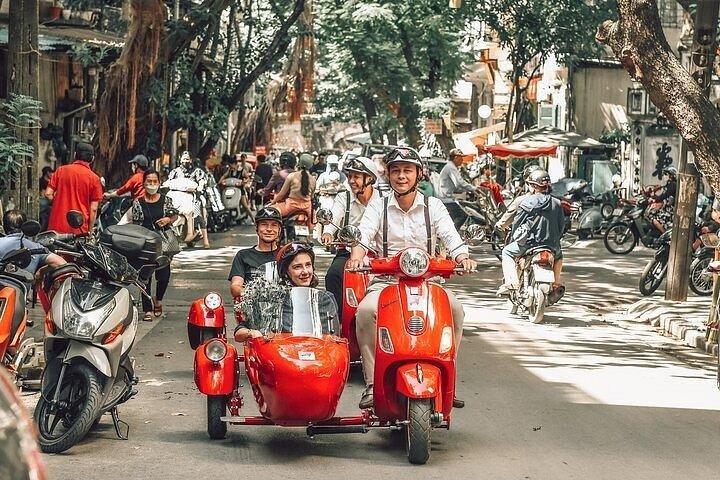
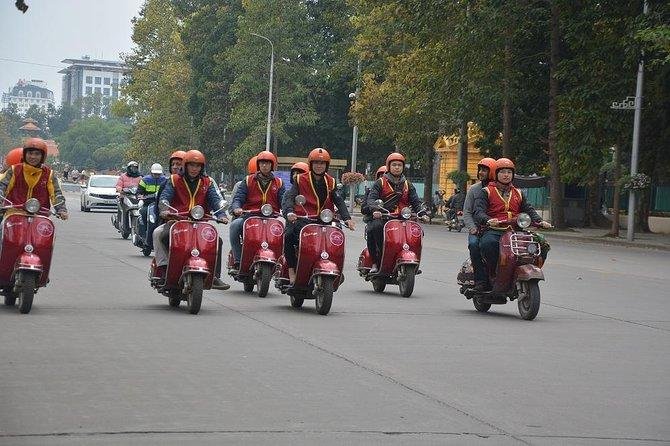
Vietnamese drivers are generally courteous to tourists on guided tours. The bright colors and obvious “tourist tour” appearance of most Vespa operations signal to other road users to give extra space and consideration.
Strategic Route Planning
Professional tour operators don’t just randomly drive through busy streets. They plan routes that:
- Avoid major highways and dangerous intersections
- Use back streets and less congested areas when possible
- Time departures to avoid peak traffic hours
- Include regular stops for photos and rest
Common Safety Concerns Addressed
“What if I Fall Off?”
This is probably the most common fear. The reality is that modern Vespa tours use scooters with:
- Comfortable passenger seats with back support
- Secure handholds
- Footrests positioned for stability
- Experienced drivers who brake and accelerate smoothly
Falling off is extremely rare when you follow basic safety guidelines like holding on properly and not making sudden movements.
“What About Air Pollution?”
Hanoi’s air quality can be a concern, especially for those with respiratory issues. Most tour companies:
- Provide masks upon request
- Plan routes through parks and less polluted areas when possible
- Offer shorter tour options for those concerned about exposure
Consider booking a countryside eco-tour if air quality is a major concern.
“Language Barriers in Emergencies”
Reputable tour companies address this by:
- Employing English-speaking guides
- Carrying emergency contact cards in Vietnamese
- Having established relationships with local hospitals and services
- Providing 24/7 emergency contact numbers
How to Choose a Safe Vespa Tour Operator
Not all Vespa tour companies are created equal. Here’s what to look for when booking:
Red Flags to Avoid
- Companies offering unrealistically cheap prices
- No mention of insurance coverage
- Drivers who don’t speak any English
- Old or poorly maintained scooters
- No safety briefing before the tour
- No helmets provided or optional helmet policy
Green Flags of Reputable Operators
- Proper business licenses and insurance documentation
- Well-maintained, newer model scooters
- Comprehensive safety briefings
- Positive reviews specifically mentioning safety
- Clear emergency procedures
- Professional-looking equipment and gear
We recommend checking out our professional Vespa city tours which meet all safety standards and have excellent safety records.
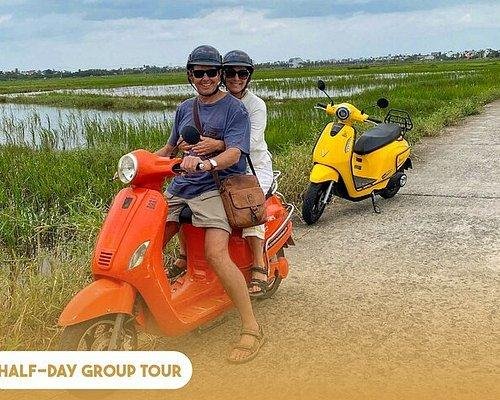
Personal Safety Tips for Vespa Tours
Before You Go
- Dress appropriately: Long pants, closed-toe shoes, and avoid loose clothing
- Inform your insurance: Check if your travel insurance covers motorbike passenger activities
- Stay hydrated: Hanoi can be hot and humid
- Bring a small bag: Secure storage for your belongings
During the Tour
- Always wear the provided helmet
- Hold on to designated handholds, not the driver
- Keep your feet on the footrests at all times
- Don’t lean excessively when taking photos
- Communicate with your driver if you feel uncomfortable
- Stay alert and aware of your surroundings
If You Feel Unsafe
Don’t be afraid to speak up if something doesn’t feel right. Professional tour guides will:
- Stop immediately if you request it
- Adjust their driving style to your comfort level
- Find alternative routes if traffic becomes too chaotic
- End the tour early if you’re too uncomfortable to continue
Weather Considerations for Vespa Safety
Hanoi’s weather can significantly impact Vespa tour safety:
Rainy Season (May-September)
- Slippery roads increase accident risk
- Reduced visibility
- Many tour operators cancel or postpone tours during heavy rain
- Consider indoor alternatives like our cooking classes during monsoon season
Dry Season (October-April)
- Generally safer road conditions
- Better visibility
- More comfortable temperatures
- Peak tourist season means more traffic but also more experienced tour operations
Alternative Safe Transportation Options
If you’re still concerned about Vespa safety, consider these alternatives:
Walking Tours
Our Hanoi walking food tours offer similar cultural experiences without the traffic concerns.
Bicycle Tours
Explore Hanoi’s countryside by bicycle for a slower-paced but equally authentic experience.
Private Car Tours
For maximum safety and comfort, consider our private jeep tours which offer similar routes with added protection.
What Tour Insurance Covers
Understanding what’s covered (and what isn’t) is crucial for peace of mind:
Typically Covered
- Basic medical expenses for minor injuries
- Emergency transportation to medical facilities
- Third-party liability
- Equipment damage (helmet, scooter)
Usually Not Covered
- Pre-existing medical conditions
- Injuries caused by passenger misconduct
- Personal belongings (phone, camera, jewelry)
- Trip cancellation due to weather
The Verdict: Is It Worth the Risk?
After analyzing all the factors, here’s our honest assessment:
Vespa tours in Hanoi are relatively safe when you choose a reputable operator and follow safety guidelines. The risk level is comparable to many other tourist activities you probably wouldn’t think twice about.
The key factors that make it worthwhile:
- Unique cultural experience you can’t get any other way
- Access to hidden spots and local favorites
- Professional guides with years of experience
- Low statistical accident rates
- Comprehensive safety measures by established operators
However, it’s not for everyone. Skip the Vespa tour if you:
- Have mobility issues or balance problems
- Are extremely anxious about traffic
- Have respiratory conditions aggravated by pollution
- Are uncomfortable with any level of risk
Frequently Asked Questions
Do I need a license to ride as a passenger on a Vespa tour?
No, passengers don’t need any special licenses. Only the driver needs proper licensing, which reputable tour companies ensure.
What happens if there’s an accident during the tour?
Professional tour operators have emergency protocols including immediate medical attention, insurance claim procedures, and communication with embassies if needed.
Can children join Vespa tours?
Most operators have age restrictions (usually 12+ years) and require parental consent. Some offer family-friendly alternatives with slower speeds and shorter routes.
Is it safer to sit behind the driver or in front?
Always sit behind the driver. This is both safer and legally required in Vietnam.
What if I get motion sick during the tour?
Inform your guide immediately. Most experienced drivers can adjust their style and find stopping points. Consider taking motion sickness medication beforehand if you’re prone to it.
Making Your Decision
Ultimately, the decision comes down to your personal comfort level and risk tolerance. If you’re still unsure, consider starting with a shorter countryside Vespa tour away from heavy city traffic, or opt for one of our safer alternatives like a bicycle tour.
Remember, thousands of tourists enjoy safe and memorable Vespa experiences in Hanoi every year. With the right preparation, operator choice, and safety mindset, you can too.
Ready to experience Hanoi safely? Browse our certified tour options or contact our team for personalized safety advice and tour recommendations. We’re committed to providing authentic Vietnamese experiences without compromising your safety.
Have you taken a Vespa tour in Hanoi? Share your experience in the comments below to help other travelers make informed decisions!