
Article brief
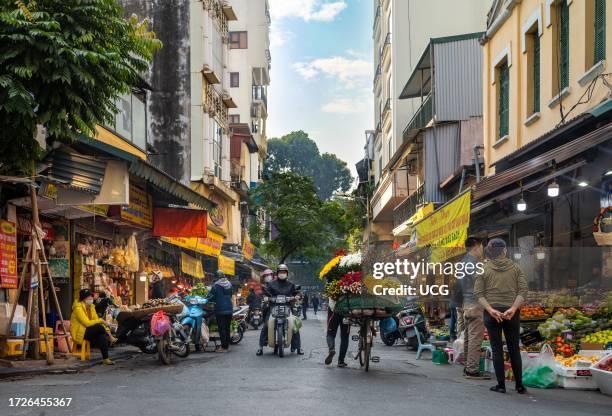
Exploring the charming streets of Vietnam's capital offers travelers a fascinating glimpse into the country's rich history and vibrant culture.
Route flow, hotel placement and transfer timing are the three decisions that shape the whole trip.
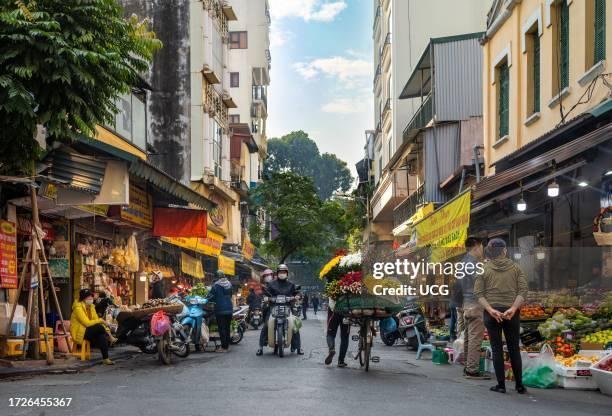
Exploring the charming streets of Vietnam’s capital offers travelers a fascinating glimpse into the country’s rich history and vibrant culture. When planning your Hanoi adventure, one of the first decisions you’ll face is how to navigate the city’s bustling streets, ancient quarters, and hidden gems. Two popular options stand out: walking tours and bike tours. Each offers unique advantages and distinct experiences that cater to different travel preferences, physical abilities, and sightseeing goals.
At Vietnam Travelers, we’ve guided countless visitors through Hanoi’s fascinating landscapes using both methods. This comprehensive comparison will help you decide which option best suits your travel style, ensuring your Hanoi exploration is memorable for all the right reasons.
Key Differences at a Glance
| Factor | Walking Tours | Bike Tours |
|---|---|---|
| Pace | Slower, more immersive | Faster, covers more ground |
| Physical effort | Moderate walking stamina needed | Basic cycling ability required |
| Coverage area | Limited to specific districts | Can explore multiple districts |
| Interaction level | Maximum street-level engagement | Periodic stops for interactions |
| Weather sensitivity | More affected by extreme heat | Better air flow but rain-sensitive |
| Traffic immersion | Observer perspective | Participant perspective |
| Typical cost | $10-25 USD | $25-45 USD |
The Walking Tour Experience in Hanoi
Walking tours in Hanoi offer an intimate, ground-level perspective that allows travelers to fully immerse themselves in the city’s sensory landscape. From the aromatic street food stalls to the intricate architecture of ancient temples, every detail becomes accessible at a pedestrian pace.
Advantages of Walking Tours
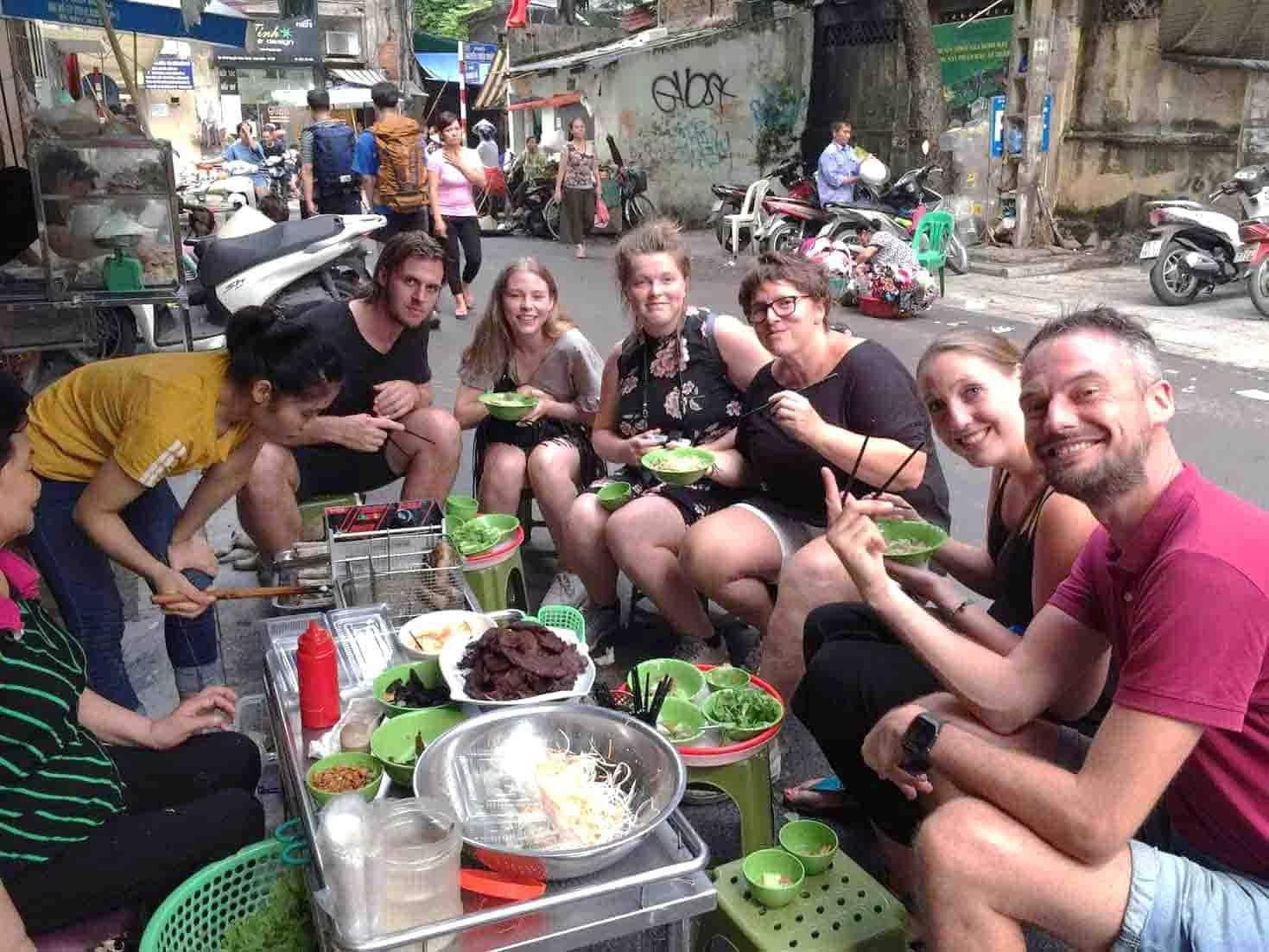
- Immersive cultural experience: Walking allows you to stop spontaneously, engage with locals, and absorb the authentic atmosphere of Hanoi’s neighborhoods.
- Photography opportunities: Easily pause for perfect photo moments without worrying about parking or securing a bicycle.
- Navigating narrow alleyways: Access the labyrinthine lanes of the Old Quarter where even bicycles might struggle to pass.
- Close inspection of architecture: Appreciate the fine details of Hanoi’s colonial buildings, temples, and historical sites up close.
- Street food sampling: Seamlessly move between food stalls for an authentic culinary experience.
- No special skills required: Accessible to almost anyone with basic mobility.
“Walking through Hanoi’s Old Quarter feels like stepping into living history. The narrow streets reveal centuries of stories, and around every corner is a new sensory delight that you might miss if moving too quickly.” – Michael R., Vietnam Travelers guide
Limitations of Walking Tours
- Limited geographic coverage: Typically confined to a specific district like the Old Quarter or French Quarter.
- Weather vulnerability: More exposure to heat, humidity, and rain which can be challenging, especially during summer months.
- Physical fatigue: Walking for 3-4 hours can be tiring, particularly on uneven sidewalks.
- Traffic navigation: Crossing Hanoi’s busy streets can be intimidating for first-time visitors.
Popular Walking Routes in Hanoi
- Old Quarter Walking Tour: Explore the 36 streets named after the trades once practiced there.
- French Quarter Heritage Walk: Discover colonial architecture and wide boulevards.
- Street Food Discovery: Sample authentic dishes while learning about Vietnamese cuisine.
- Historical Sites Tour: Visit the Ho Chi Minh Mausoleum, Temple of Literature, and Hoa Lo Prison.
- Hoan Kiem Lake Circuit: A leisurely stroll around Hanoi’s central lake, including Ngoc Son Temple.
The Bike Tour Experience in Hanoi
Cycling through Hanoi offers a thrilling perspective that bridges the gap between walking and motorized transport. Becoming part of Hanoi’s famous river of traffic is an adventure in itself, while still allowing for meaningful engagement with the surroundings.
Advantages of Bike Tours
- Extended coverage: Explore multiple districts in a single tour, reaching outlying attractions like the West Lake or ceramic villages.
- Breeze factor: The natural airflow while cycling provides relief from Hanoi’s heat and humidity.
- Authentic traffic experience: Become part of Hanoi’s iconic cycling culture and traffic flow (under expert guidance).
- Efficiency: Cover more ground in less time, ideal for travelers with limited days in the city.
- Access to countryside: Reach rural areas outside the city center for a more diverse experience.
- Group camaraderie: Bike tours often foster a stronger sense of group adventure and shared experience.

Limitations of Bike Tours
- Traffic navigation skills: Requires basic cycling confidence and comfort in unfamiliar traffic patterns.
- Less spontaneous stopping: Fewer opportunities for impromptu exploration compared to walking.
- Weather vulnerability: Rain can significantly impact the experience and safety.
- Physical requirements: Not suitable for those with certain physical limitations or those uncomfortable on bicycles.
- Higher cost: Typically more expensive than walking tours due to equipment needs.
“Cycling through Hanoi gives you a unique dual perspective – you’re simultaneously a participant in the city’s famous traffic choreography and an observer of its daily life. It’s exhilarating and provides a connection to the city that’s difficult to achieve any other way.” – Linh T., Bicycle Tour Guide
Popular Bike Routes in Hanoi
- City Highlights Bike Tour: Covers major attractions across multiple districts.
- Countryside Exploration: Venture to rural villages and farmlands outside the urban center.
- West Lake Circuit: A scenic ride around Hanoi’s largest lake with stops at historic pagodas.
- Foodie Bike Tour: Visit multiple culinary hotspots across different neighborhoods.
- Craft Village Connection: Cycle to traditional craft villages like Bat Trang (pottery) or Van Phuc (silk).
Making Your Choice: Factors to Consider
Your Physical Condition and Comfort Level
Be honest about your physical capabilities and comfort with different forms of transportation:
- Walking tours require sustained walking for 3-4 hours, often on uneven surfaces.
- Bike tours demand basic cycling ability and comfort navigating through traffic (though guides are expert at keeping you safe).
Weather and Season
Hanoi’s climate varies significantly throughout the year:
- Summer (May-August): Walking tours can be challenging in the heat and humidity; bike tours offer better airflow but require sun protection.
- Rainy season (July-August): Sudden downpours can interrupt both tour types, but particularly impact bike tours.
- Spring/Fall (March-April, September-November): Ideal weather for both walking and cycling.
- Winter (December-February): Cooler temperatures make walking more comfortable, while cycling might require light layers.
Time Available
Consider your Hanoi itinerary length:
- With 1-2 days in Hanoi: A bike tour might help you see more key sites efficiently.
- With 3+ days in Hanoi: Consider a walking tour for your first day to orient yourself, followed by a bike tour to explore further reaches.

Sightseeing Priorities
Your specific interests should guide your choice:
- Architecture and historical detail: Walking tours offer better opportunities to appreciate intricate details.
- Local lifestyle and everyday scenes: Both options provide insights, but from different perspectives.
- Photography: Walking tours allow for more spontaneous photo opportunities.
- Diverse landscapes: Bike tours can show you multiple facets of Hanoi in a single outing.
Hybrid Approaches: The Best of Both Worlds
Many travelers find that combining both experiences provides the most comprehensive understanding of Hanoi:
Recommended Combinations
- Morning walk, afternoon ride: Begin with a walking tour of the Old Quarter, followed by an afternoon bike ride to the West Lake area.
- Day 1 walking orientation, Day 2 bike exploration: Use a walking tour to get oriented, then expand your horizons with a bike tour the following day.
- Specialty focus tours: Consider a food-focused walking tour and a historical or countryside bike tour.
Tour Operator Suggestions
Many Hanoi tour companies, including Vietnam Travelers, offer combination packages that provide discounts when booking both types of tours.
FAQs About Hanoi Walking and Bike Tours
Is Hanoi traffic too dangerous for bike tours?
While Hanoi traffic appears chaotic to newcomers, professional bike tour guides are highly skilled at navigating the flow safely. They provide thorough safety briefings and typically lead small groups through carefully planned routes that minimize traffic challenges. Thousands of tourists safely enjoy bike tours in Hanoi each year.
Copy
How much walking is involved in a typical Hanoi walking tour?
Most walking tours cover 3-5 kilometers (2-3 miles) over 3-4 hours, including stops. The pace is generally leisurely with frequent breaks for explanations, photos, and refreshments. Good walking shoes are recommended as Hanoi’s sidewalks can be uneven in places.
Do I need to be an experienced cyclist for a Hanoi bike tour?
No, you don’t need to be an experienced cyclist, but basic cycling ability and comfort on a bike are necessary. Tour companies provide appropriate bikes and safety equipment. If you can ride a bicycle comfortably for a few hours and follow basic traffic instructions, you should be fine on a guided bike tour.
Which tour type is better for families with children?
For families with children under 12, walking tours usually work better as they allow for flexible pacing and easier supervision. Some tour operators offer specialized family walking tours with child-friendly activities and narration. For families with teenagers who are comfortable cycling, bike tours can be an exciting adventure that teens particularly enjoy. Always check with the tour operator about minimum age requirements for bike tours.
What should I bring on a Hanoi walking or bike tour?
For both tour types, bring: sunscreen, a hat, sunglasses, a small backpack, water bottle, camera, and some cash for snacks or souvenirs. For walking tours, comfortable walking shoes are essential. For bike tours, wear comfortable clothing that won’t get caught in bike chains (avoid very loose pants) and closed-toe shoes. During rainy season, a light rain jacket or poncho is recommended for both tour types.
Conclusion: Choosing Your Perfect Hanoi Experience
Both walking and biking offer authentic ways to experience Hanoi’s rich tapestry of culture, history, and daily life. Your choice ultimately depends on your personal preferences, physical comfort, and travel goals.
For deep immersion in a specific district with maximum cultural interaction and photographic opportunities, a walking tour provides unmatched intimate experiences. For broader exploration across multiple districts with the exhilaration of joining Hanoi’s iconic flow of bicycles, a bike tour offers unique advantages.
Many visitors find that experiencing both tour types delivers the most comprehensive understanding of this fascinating city. Whichever you choose, Hanoi’s enchanting blend of ancient traditions and modern energy awaits your discovery.
Ready to Explore Hanoi?
Vietnam Travelers offers expertly guided walking and bike tours throughout Hanoi and beyond. Our knowledgeable local guides bring the city’s stories to life while ensuring your comfort and safety.
Book your adventure today!
Or contact us at info@vietnamtravelers.com for a customized experience tailored to your interests and abilities.
Have you experienced both walking and biking in Hanoi? We’d love to hear about your experiences in the comments below!
Read more: Explore the Best of Hanoi with Our 1-3 Day Bike Tour Packages