
Article brief
If you’re planning a trip to Vietnam’s capital, one of the first questions that may come to mind is: Is Hanoi a safe city for tourists?
Route flow, hotel placement and transfer timing are the three decisions that shape the whole trip.
If you’re planning a trip to Vietnam’s capital, one of the first questions that may come to mind is: Is Hanoi a safe city for tourists? It’s a fair concern—especially if this is your first time visiting Southeast Asia. The short answer is yes, Hanoi is generally very safe for travelers. But like any big city in the world, understanding local realities, common risks, and practical safety tips will help you enjoy Hanoi with confidence.
In this guide, we share honest, experience-based insights from locals and long-term travelers, so you know exactly what to expect—not exaggerated fears, not blind optimism. Just real advice to help you travel smart.
Overview: Is Hanoi Safe for Tourists in 2026?
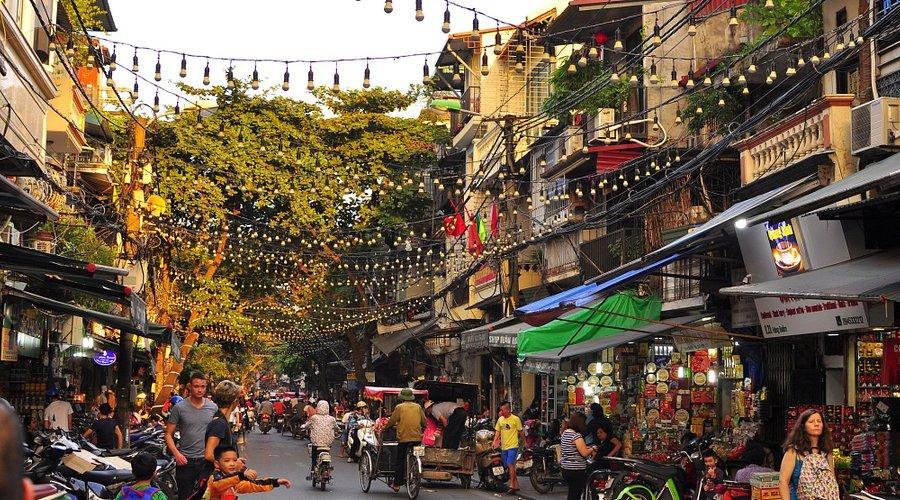
Compared to many large cities worldwide, safety in Hanoi Vietnam is considered high. Violent crime against tourists is rare, and most visitors describe Hanoi as welcoming, lively, and surprisingly relaxed once you understand how things work.
Millions of international travelers visit Hanoi every year, including solo travelers, families, and senior visitors. The biggest “dangers” are usually traffic, minor scams, or simple misunderstandings—not serious crime.
If you’ve traveled to cities like Bangkok, Paris, or Rome, Hanoi will likely feel no more dangerous—and in some ways, even safer.
“I felt safer walking around Hanoi at night than in many European capitals. You just need to stay alert, like anywhere else.” – Anna, solo traveler from Germany
Crime in Hanoi: What Tourists Should Really Know
When people search “Is Hanoi safe for foreigners?”, crime is usually their main concern. Let’s break this down clearly.
Violent Crime vs. Petty Crime
Violent crime involving tourists is extremely uncommon. Incidents like assault or robbery are rare and not something most visitors experience.
What you may encounter instead are petty, non-violent crimes, such as:
- Pickpocketing in crowded areas
- Phone or bag snatching (usually by motorbike riders)
- Overcharging tourists unfamiliar with local prices
These situations are usually avoidable with basic awareness and preparation.
Where Petty Crime Is More Likely
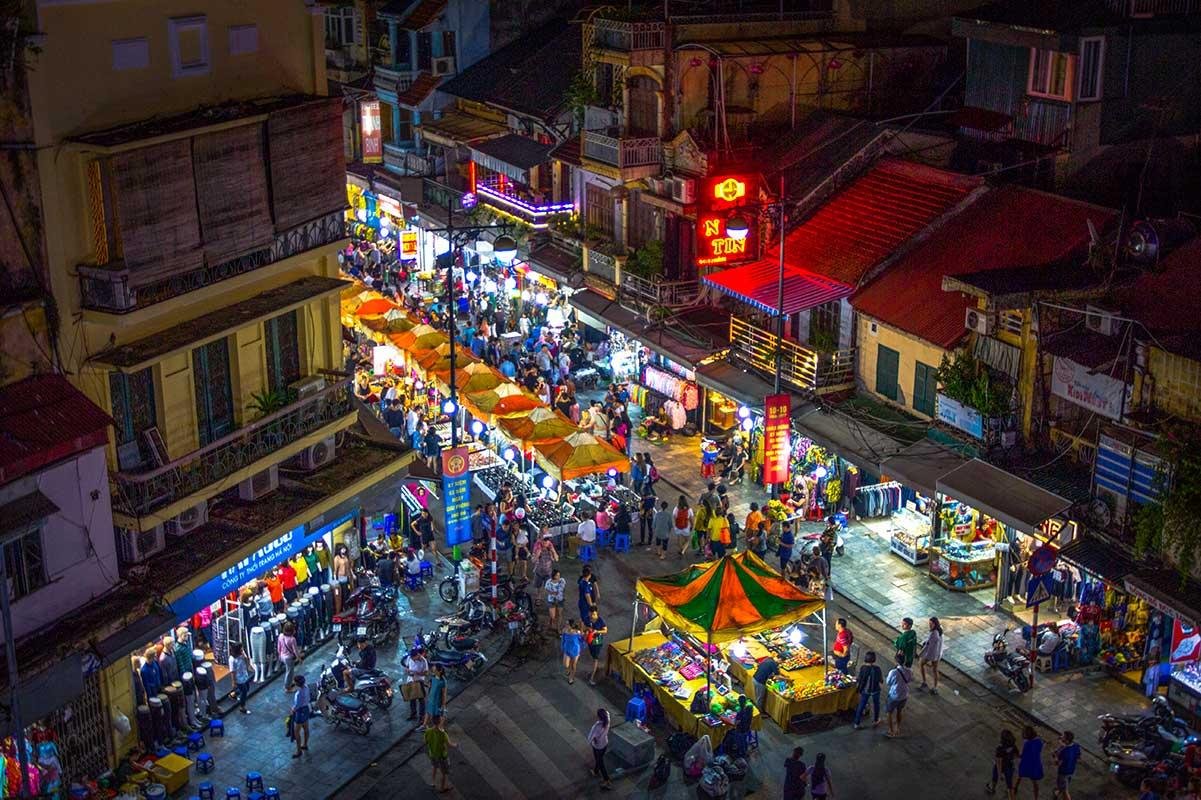
Petty crime tends to happen in busy tourist areas, especially:
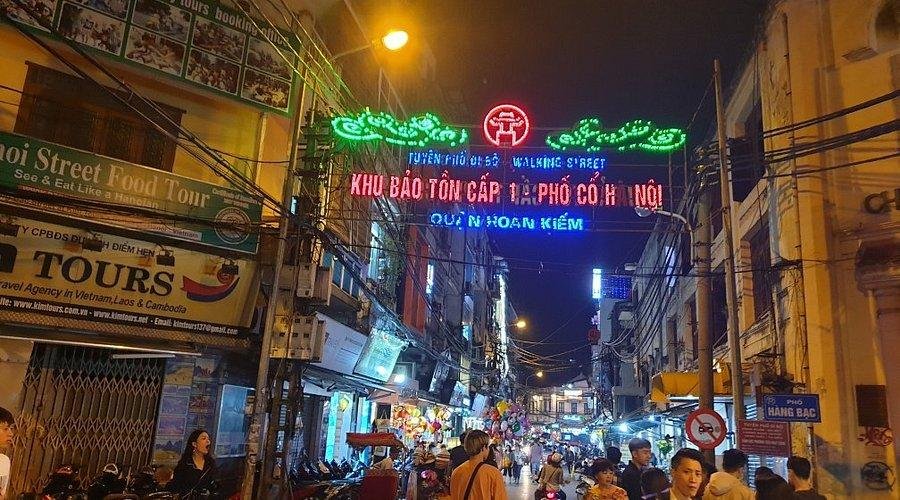
- The Old Quarter during peak hours
- Night markets and crowded festivals
- Public buses during rush hour
This doesn’t mean you should avoid these places—just be mindful of your belongings. Wearing a cross-body bag, keeping phones secure, and avoiding flashing valuables go a long way.
Common Tourist Scams in Hanoi (And How to Avoid Them)
Like many popular destinations, Hanoi has a few tourist scams. The good news? They’re well-known, easy to spot, and rarely aggressive.
Taxi & Transportation Scams
The most common issue involves taxis with:
- Broken or fast-running meters
- Unofficial vehicles pretending to be licensed taxis
Local tip: Use trusted ride-hailing apps like Grab, book transfers through your hotel, or arrange transport with reputable tour companies such as Vietnam Travelers’ Hanoi city tours.
Street Vendors & Overcharging
Some street vendors may quote higher prices if they think you’re unfamiliar with local currency. This is usually not aggressive or threatening—more of a negotiation game.
Don’t be shy to ask the price first, smile, and walk away politely if it doesn’t feel right.
Fake Tours & Tickets
Occasionally, you may be offered “cheap tours” on the street. While some are legitimate, others can be poorly organized or misleading.
For peace of mind, book experiences through licensed operators. For example, guided options like the Hanoi walking tour help you explore safely while learning from knowledgeable local guides.
Traffic Safety in Hanoi: The Biggest Risk for Visitors
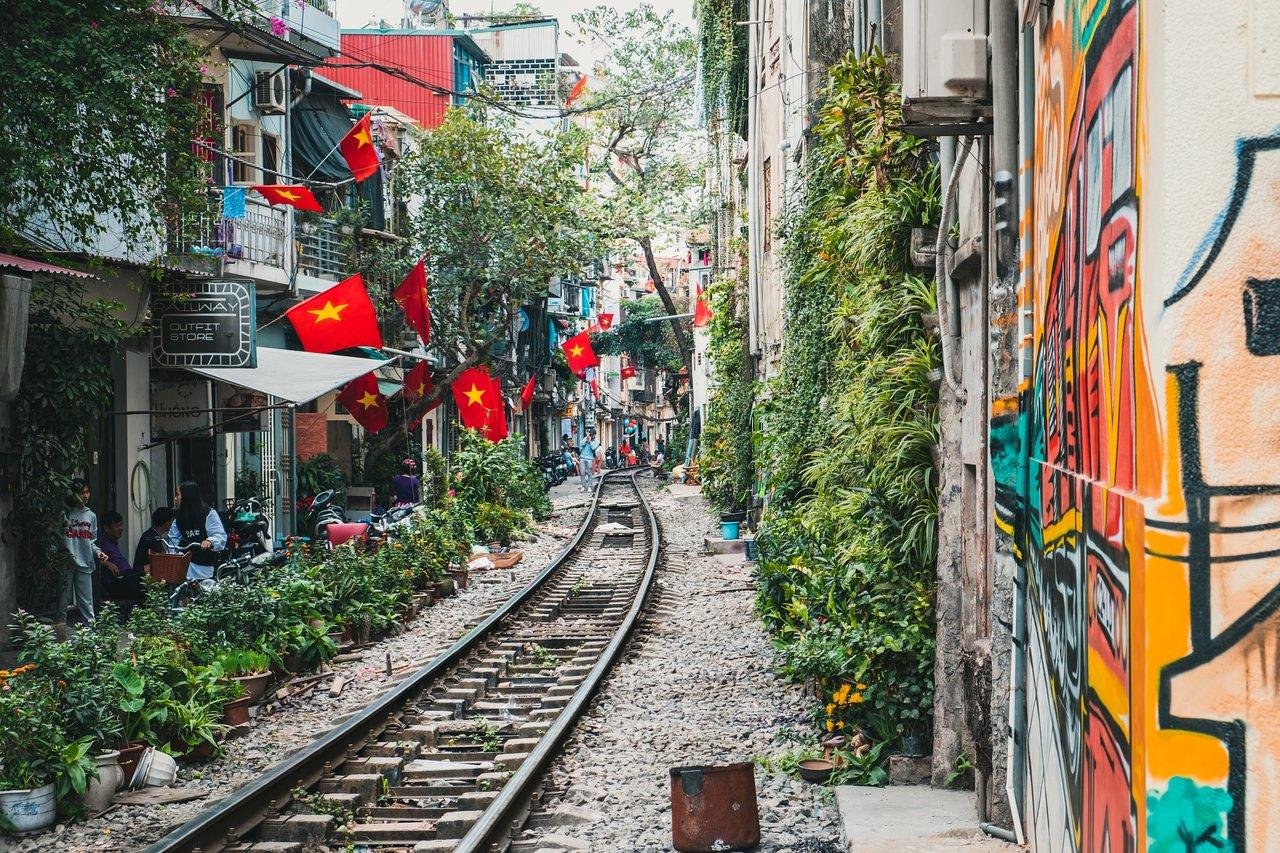
If there’s one thing that truly surprises visitors, it’s the traffic. Many locals will tell you honestly: traffic is the biggest safety challenge in Hanoi, not crime.
Crossing the Street Safely
Hanoi’s traffic looks chaotic, but there’s an unspoken rhythm to it. The key rule?
- Walk slowly and confidently
- Do not run or stop suddenly
- Let vehicles flow around you
It feels intimidating at first, but most travelers get used to it within a day or two.
Motorbikes, Cyclos & Tours
If you plan to ride a motorbike yourself, experience is essential. Otherwise, joining a professional tour—like a Hanoi motorbike tour—is a safer and more enjoyable way to experience the city.
Health & Hygiene Safety in Hanoi
Another common concern around Hanoi travel safety is health. Overall, Hanoi is well-equipped for tourists, with international hospitals, pharmacies, and clinics available.
Food Safety & Street Food
Street food is one of Hanoi’s highlights—and yes, it’s generally safe. A simple rule locals follow:
- Choose busy stalls with high turnover
- Eat freshly cooked food
- Avoid ice from unknown sources
If you have a sensitive stomach, start slow. Many travelers say they’ve had fewer issues in Hanoi than expected.
For official health guidance, you can also check reputable sources like the CDC travel advice for Vietnam.
Your turn: Have you been to Hanoi before? Did you feel safe walking around or trying street food? Share your experience in the comments—we’d love to hear your story and help future travelers feel more confident.
Thinking about exploring Hanoi with local support? Check out our curated Hanoi highlights tours or contact our team for friendly advice tailored to your travel style.
Is Hanoi Safe for Solo Travelers, Women, and Families?
One of the most reassuring aspects of traveling in Hanoi is how inclusive and comfortable the city feels for different types of travelers. Whether you’re visiting alone, as a couple, or with children, Hanoi is widely considered safe for tourists when basic precautions are followed.
Solo & Female Travelers
Many women travel solo in Hanoi and report positive experiences. Catcalling and harassment are uncommon compared to many large cities worldwide. Locals are generally respectful, curious, and willing to help—sometimes even without sharing a common language.
- Stick to well-lit streets at night
- Avoid walking alone in very quiet areas late at night
- Trust your instincts, just as you would anywhere else
“As a solo female traveler, I felt surprisingly comfortable in Hanoi. People were polite, and I never felt unsafe walking back to my hotel in the evening.” – Sarah, traveler from Canada
If it’s your first visit, joining small-group experiences such as a Hanoi night tour is a great way to explore confidently while enjoying local culture.
Traveling with Families
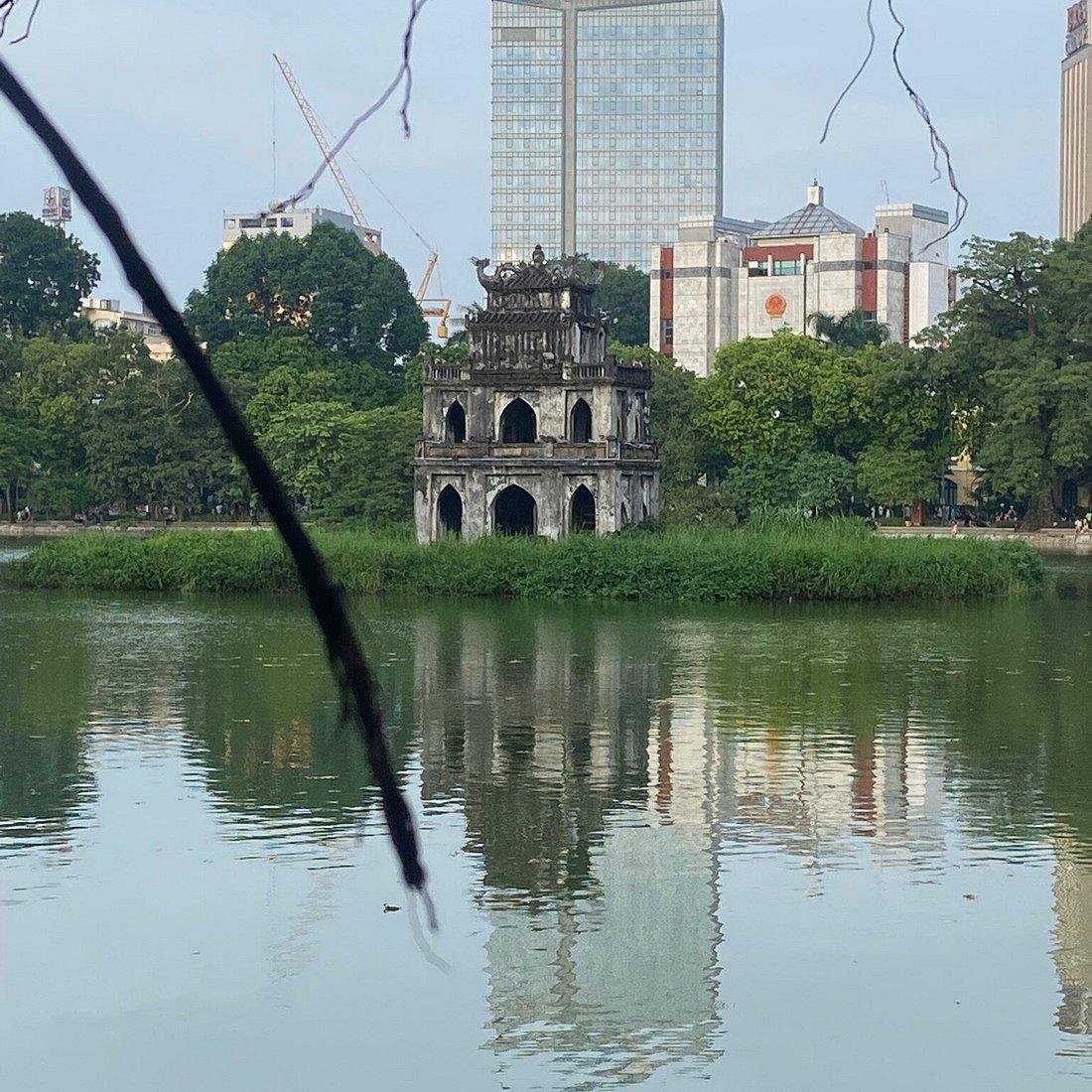
Hanoi is also family-friendly. Parks, museums, and pedestrian-friendly areas around Hoan Kiem Lake are popular with both locals and visitors.
For families, we recommend:
- Staying in quieter neighborhoods like the French Quarter or West Lake
- Using private transportation for day trips
- Booking family-focused itineraries such as Hanoi city day tours
Safe Areas & Neighborhoods for Tourists in Hanoi
Choosing the right area to stay plays an important role in overall Hanoi travel safety. These neighborhoods are popular for good reason:
Old Quarter
Busy, energetic, and central. While crowded, it’s well-policed and full of hotels, cafés, and tour offices. Keep belongings secure, especially at night.
French Quarter
More spacious and calm, with embassies and upscale hotels. Ideal for travelers seeking comfort and quieter evenings.
West Lake (Tay Ho)
An expat-friendly area with wide streets, lakeside cafés, and a relaxed atmosphere. Great for longer stays.
For more location-based guidance, check our detailed guide on the best places to go in Hanoi.

Emergency Services & Tourist Support in Hanoi
It’s comforting to know that Hanoi has a growing network of tourist support services and international-standard facilities.
Emergency Numbers
- Police: 113
- Ambulance: 115
- Fire: 114
Hospitals & Medical Care
International clinics and hospitals are available, especially in central districts. Pharmacies are easy to find, and many pharmacists can communicate in basic English.
For official safety updates, you may also consult the U.S. Department of State’s Vietnam travel advisory.
Local Safety Tips from Hanoi Residents
After years of welcoming visitors, locals often share the same simple advice:
- Carry only what you need for the day
- Keep phones and wallets out of sight when not in use
- Use hotel safes for passports and valuables
- Smile, be polite, and respect local customs
Small gestures—like learning a few Vietnamese words or dressing modestly in temples—go a long way in creating positive interactions.

Final Verdict: Is Hanoi a Safe City for Tourists?
So, is Hanoi a safe city for tourists? The honest answer is yes. With low violent crime, friendly locals, and well-developed tourism services, Hanoi is one of the safer major cities in Southeast Asia.
Like anywhere, staying aware and informed makes all the difference. If you do that, Hanoi rewards you with unforgettable food, deep history, and genuine human connections.
Travel with Confidence with Vietnam Travelers
If you’d like extra peace of mind, traveling with experienced local guides can enhance both safety and enjoyment. At Vietnam Travelers, we focus on authentic, responsible, and safe experiences designed for real people—not mass tourism.
Explore options like:
Ready to explore Hanoi safely and authentically? Contact our local team or browse our curated tours to start planning your journey.
Frequently Asked Questions (FAQs)
Is Hanoi safe at night?
Yes. Most central areas are lively and well-lit at night. Use common sense and avoid very quiet streets late at night.
Is Hanoi safe for first-time visitors?
Absolutely. Hanoi is welcoming, affordable, and easy to navigate with the help of local tours and ride-hailing apps.
What is the biggest safety risk in Hanoi?
Traffic. Take care when crossing streets and avoid driving motorbikes unless you’re experienced.
We’d love to hear from you! Have you visited Hanoi recently? Did you feel safe? Share your tips, ask questions, or leave a comment below to help other travelers prepare for their trip.