
Article brief
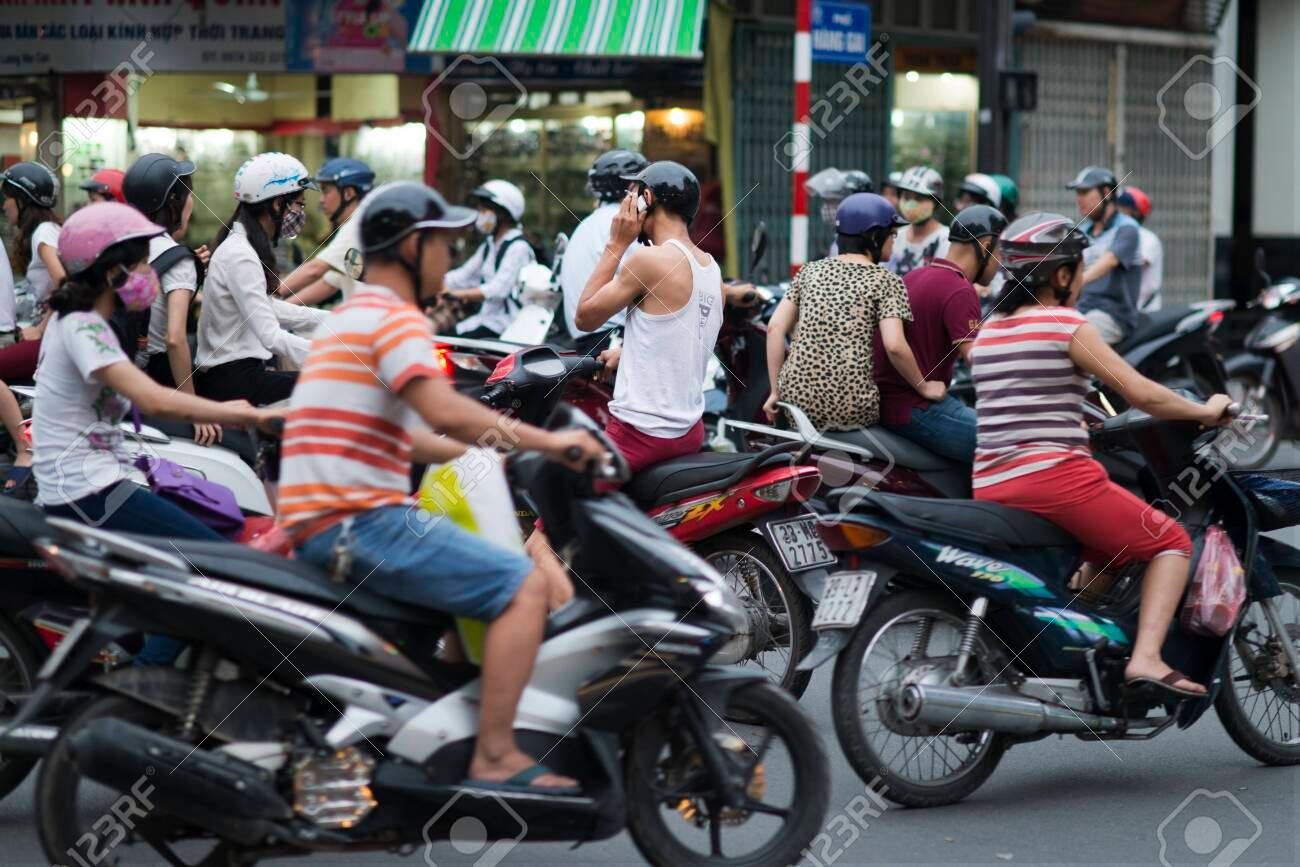
Navigating Hanoi's bustling streets on a motorbike offers an exhilarating way to experience Vietnam's vibrant capital.
Route flow, hotel placement and transfer timing are the three decisions that shape the whole trip.
Navigating Hanoi’s bustling streets on a motorbike offers an exhilarating way to experience Vietnam’s vibrant capital. However, for both new riders and experienced motorcyclists, understanding proper safety measures is crucial before hitting the road. In this comprehensive guide, we’ll share essential motorbike safety tips in Hanoi to help ensure your two-wheeled adventures are both thrilling and secure.
Understanding Hanoi’s Unique Traffic Culture
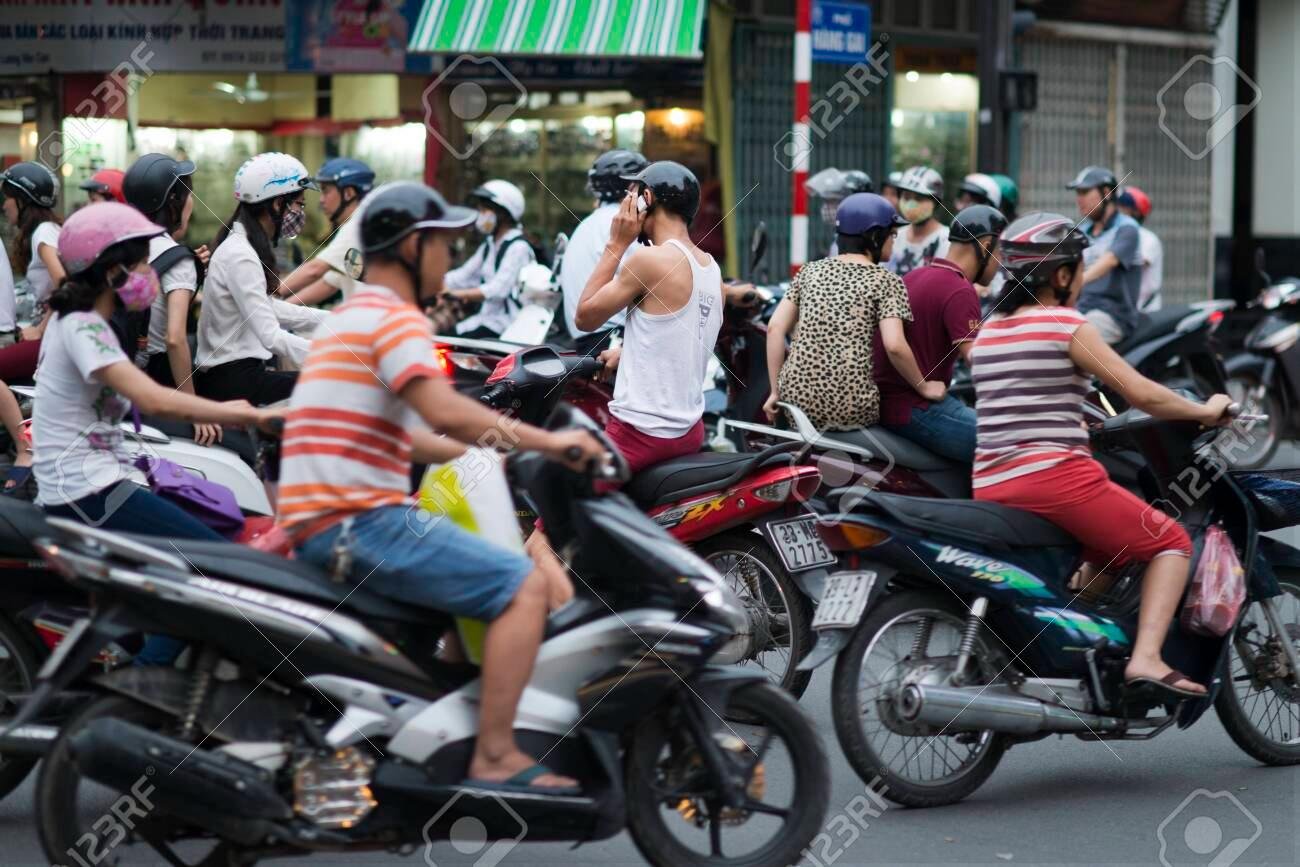
Before diving into specific safety tips, it’s important to understand what makes Hanoi’s traffic environment unique:
- Hanoi hosts over 5 million motorbikes on its streets daily
- Traffic flow often seems chaotic to visitors but follows informal local patterns
- Horn usage is common and serves as communication rather than aggression
- Motorbikes share roads with cars, buses, bicycles, and pedestrians
- Lane discipline differs significantly from Western countries
First-time visitors often describe Hanoi traffic as organized chaos. Once you understand the rhythm and unwritten rules, navigating becomes much easier.
“In Hanoi, traffic flows like water around obstacles. Don’t make sudden movements, maintain a steady pace, and you’ll blend into the stream naturally.” – Experienced Hanoi rider
Essential Gear for Safe Riding in Hanoi
Proper safety equipment is your first line of defense when riding in Hanoi:
Helmets: Your Most Important Protection
Vietnamese law requires all motorbike riders to wear helmets. However, not all helmets provide equal protection:
- Full-face helmets offer the best protection but may be hot in summer
- Half helmets (commonly available for rent) provide minimal protection
- Look for helmets with safety certification labels
- Ensure proper fit – a loose helmet won’t protect effectively
Most rental shops provide basic helmets, but serious riders should consider bringing or purchasing their own quality helmet.
Additional Recommended Safety Gear
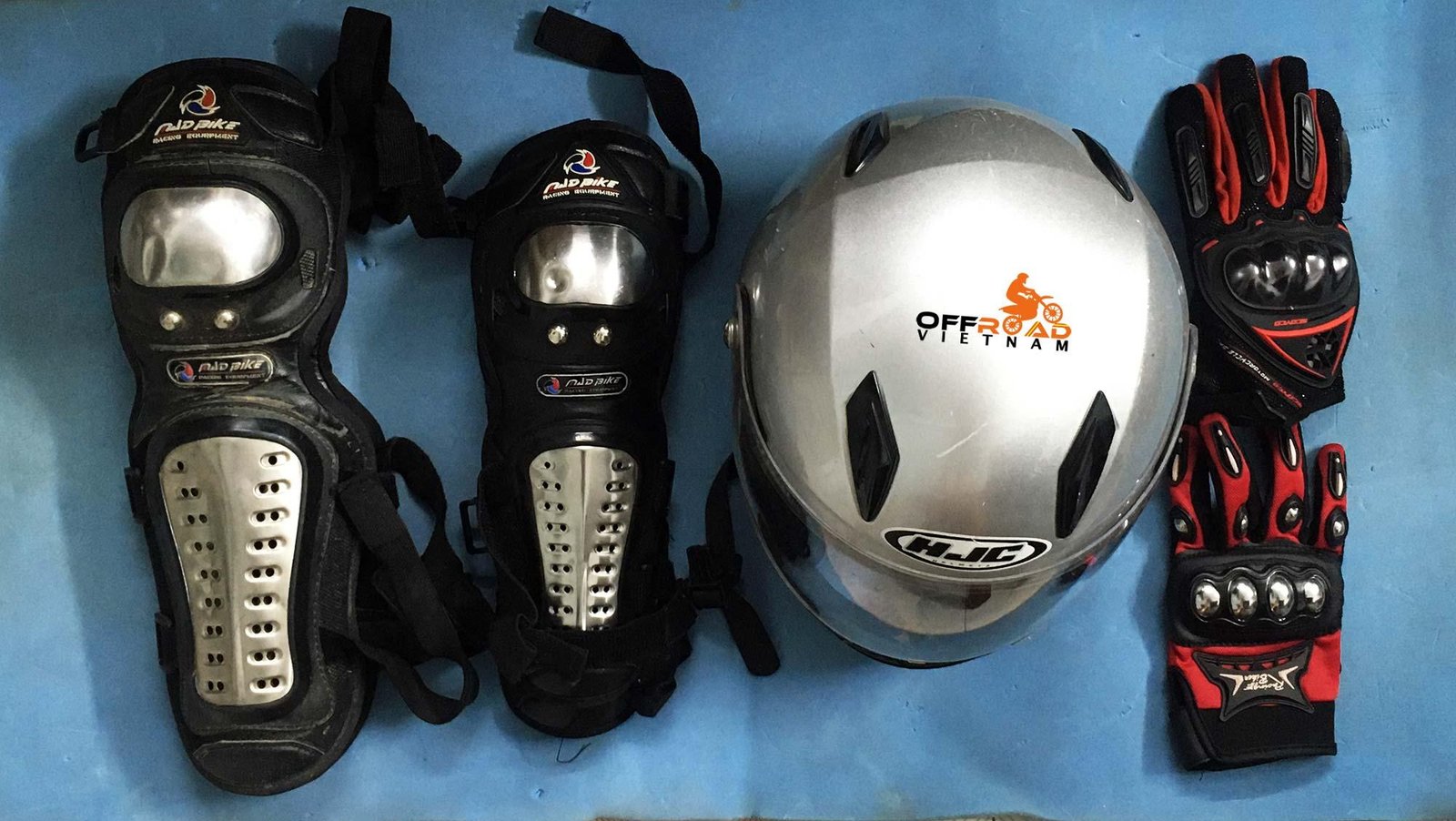
While not legally required, these items significantly enhance your safety:
- Gloves protect hands in case of falls and from sun exposure
- Closed-toe shoes (avoid flip-flops or sandals)
- Long pants to protect against road rash and exhaust burns
- Sunglasses or clear glasses to protect eyes from dust and insects
- Face masks to filter pollution (especially important during high pollution days)
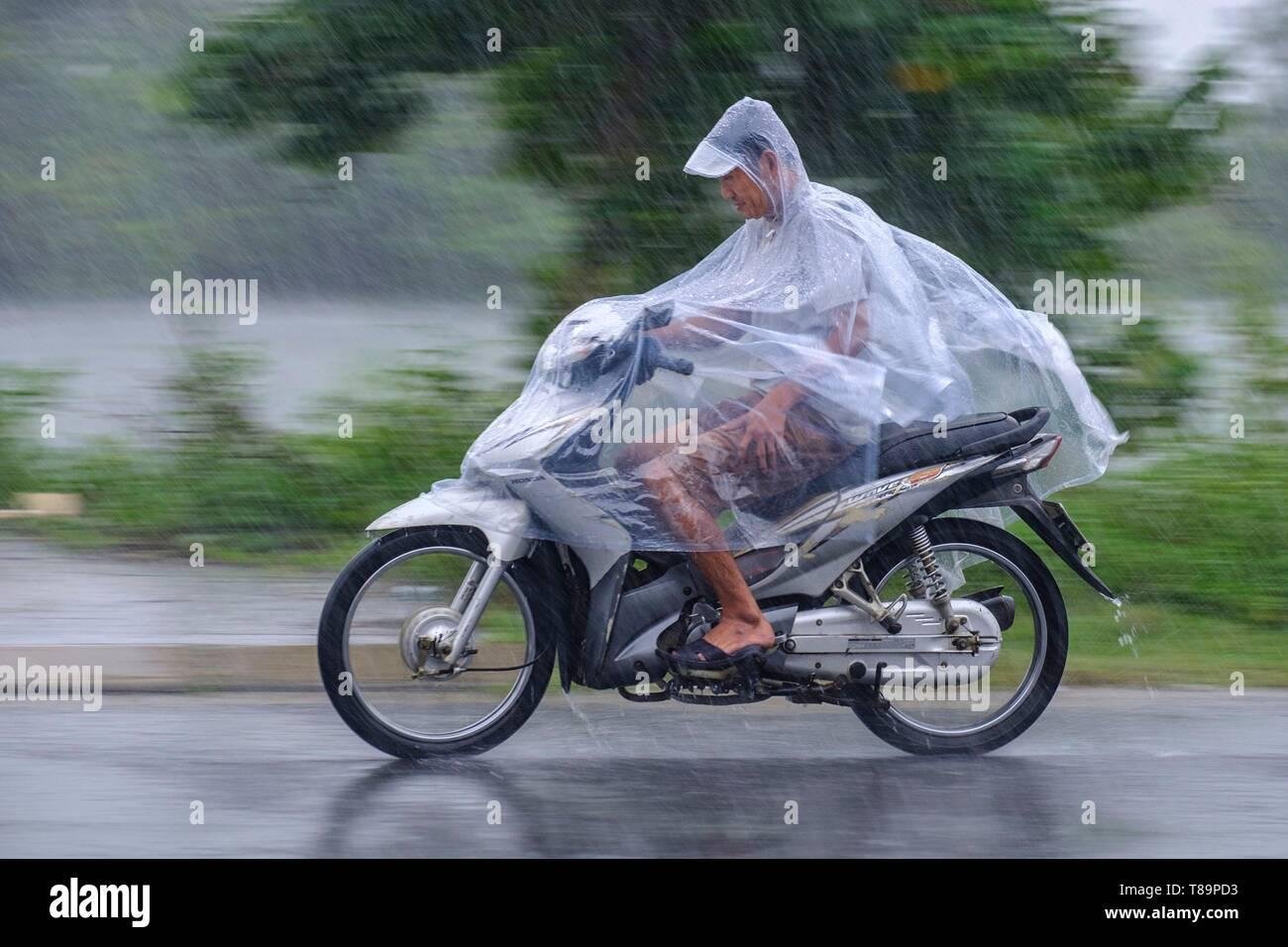
- Rain gear during monsoon season (May-September)
Pre-Ride Checks: Inspect Before You Ride
Whether renting or owning a motorbike in Hanoi, perform these quick safety checks before each ride:
- Brakes: Test both front and rear brakes for responsiveness
- Tires: Check pressure and look for visible damage or wear
- Lights: Verify headlights, brake lights, and turn signals work properly
- Mirrors: Adjust for proper visibility and check for cracks
- Horn: Test functionality (essential for communication in Hanoi traffic)
- Fuel level: Ensure you have enough for your planned journey
Many rental shops in Hanoi provide well-maintained bikes, but never assume – your safety depends on proper inspection.
Choosing a Reliable Rental Shop
If renting a motorbike in Hanoi, choosing a reputable rental service is crucial for safety:
- Read online reviews before booking
- Verify the shop provides proper documentation
- Inspect the bike thoroughly before accepting
- Test ride briefly before committing to a longer rental
- Choose a shop that offers 24/7 roadside assistance
We recommend reliable motorbike rentals in Hanoi that maintain their fleets properly.
Navigating Hanoi’s Traffic: Practical Safety Tips
Understanding Right of Way
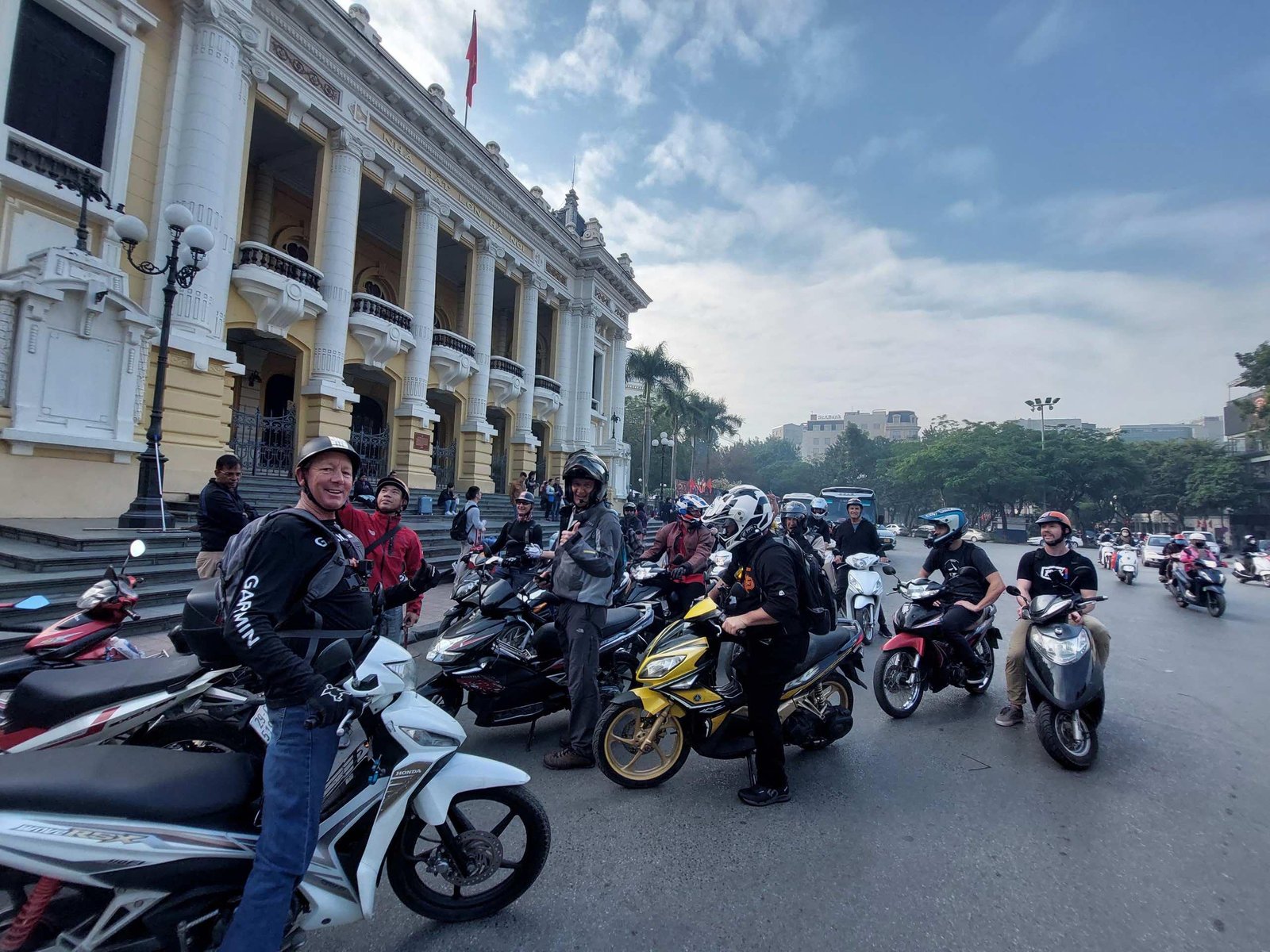
Hanoi’s informal traffic rules can confuse visitors. Here’s what to understand about right of way:
- Larger vehicles generally expect smaller vehicles to yield
- Maintain a constant, predictable speed when crossing intersections
- Make eye contact with other drivers when possible
- Use your horn sparingly to signal your presence
- Watch for pedestrians who may cross anywhere
Speed and Distance Management
Moderate speeds and proper spacing are essential for safety in Hanoi:
- Maintain 20-30 km/h in city traffic (slower in very congested areas)
- Leave enough space to brake suddenly if needed
- Anticipate stops and starts from vehicles ahead
- Be especially cautious at intersections where traffic merges from multiple directions
“In Hanoi, speed doesn’t get you there faster – it just increases your risk. Flow with traffic and anticipate movements ahead of you.” – Local motorbike tour guide
Handling Intersections Safely
Intersections present the highest risk in Hanoi traffic:
- Approach slowly and scan all directions
- Make your intentions clear with signals and positioning
- Don’t assume vehicles will stop at red lights
- When turning left, move gradually to the center of the road
- Be patient – forcing your way through increases accident risk
Navigating Roundabouts
Hanoi’s roundabouts require special attention:
- Enter cautiously, yielding to vehicles already in the roundabout
- Stay in the outer lane if exiting at the next opportunity
- Signal clearly when exiting
- Watch for vehicles cutting across lanes
Weather Considerations for Hanoi Riders
Hanoi’s climate presents seasonal challenges for motorbike riders:
Rainy Season (May to September)
During monsoon months, take these additional precautions:
- Wear quality rainproof gear that covers your entire body
- Reduce speed significantly on wet roads
- Allow greater stopping distance
- Watch for slippery manhole covers and road markings
- Consider delaying travel during heavy downpours
- Be aware that visibility decreases dramatically for all road users
Hot Season (June to August)
Summer heat requires different safety measures:
- Stay hydrated and take breaks during long rides
- Consider riding early morning or evening to avoid peak heat
- Wear breathable, light-colored clothing that still provides protection
- Use sunscreen on exposed skin
- Be alert for symptoms of heat exhaustion
Winter Months (December to February)
Hanoi’s winters can be surprisingly cold and damp:
- Layer clothing for warmth without restricting movement
- Wear gloves to maintain proper hand control in cold weather
- Be cautious during early morning fog which reduces visibility
- Watch for slippery patches from condensation
Legal Requirements for Riding in Hanoi
Understanding Vietnamese motorbike regulations helps avoid legal issues:
Documentation Requirements
- Vietnamese driver’s license or International Driving Permit with motorcycle endorsement
- Vehicle registration papers (provided by rental shops)
- Insurance documentation
Note: Many tourists ride without proper licensing, but this invalidates insurance and can result in fines if stopped by police.
Rules of the Road
- Helmets are mandatory for all riders
- Maximum two people per motorbike
- Stay on the right side of the road
- Follow traffic signals (though compliance varies)
- No mobile phone use while riding
- Blood alcohol limit is zero for motorcycle riders
Routes for Practicing Your Riding Skills
For newcomers to Hanoi’s traffic, these areas provide good practice environments:
- West Lake (Tây Hồ) area: Wider roads with relatively lighter traffic
- Ciputra International City: Planned urban area with organized roads
- Early morning rides (5-7am) anywhere in the city before peak traffic
- Weekends at Cổ Loa Ancient Citadel: Scenic suburban routes with less congestion
Consider riding with an experienced local friend or guide for your first few outings.
Emergency Procedures: When Things Go Wrong
Even with precautions, accidents can happen. Know these emergency steps:
In Case of Accident
- Move to safety if possible
- Seek medical attention for injuries (even minor ones)
- Contact your rental company immediately
- Document the scene with photos
- Exchange information with other involved parties
- Report to police for significant accidents
Important Emergency Numbers
- General Emergency: 111 or 112
- Police: 113
- Ambulance: 115
- Fire: 114
- Tourist Police (English speaking): +84 (0)24 3942 1153
Save these numbers in your phone before riding.
Recommended Hospitals for Tourists
- Hanoi French Hospital: 1 Phương Mai, Đống Đa
- Vinmec International Hospital: 458 Minh Khai, Hai Bà Trưng
- International SOS Clinic: 51 Xuân Diệu, Tây Hồ
FAQ: Motorbike Safety in Hanoi
Is it legal for tourists to ride motorbikes in Hanoi?
Technically, you need a Vietnamese license or International Driving Permit with motorcycle endorsement. Many tourists ride without proper licensing, but this invalidates insurance and can result in fines.
Copy
What’s the speed limit in Hanoi?
In urban areas, the speed limit is typically 40 km/h, but practical safe speeds in congested areas are 20-30 km/h.
Should I rent a motorbike if I’ve never ridden one before?
It’s not recommended to learn to ride in Hanoi’s chaotic traffic. Consider taking motorbike tours with experienced drivers instead, or practice in quieter areas first.
What happens if I get stopped by police?
Remain polite and cooperative. If you don’t speak Vietnamese, ask to call your rental company or hotel for translation assistance. Be prepared to pay fines on the spot if you’ve violated traffic laws.
Is it safe to ride at night in Hanoi?
Night riding increases risks due to reduced visibility and higher incidence of drunk driving. If possible, limit night riding or ensure your route has good lighting and moderate traffic.
Guided Motorbike Tour Options
If you’re uncertain about self-riding, consider these safer alternatives:
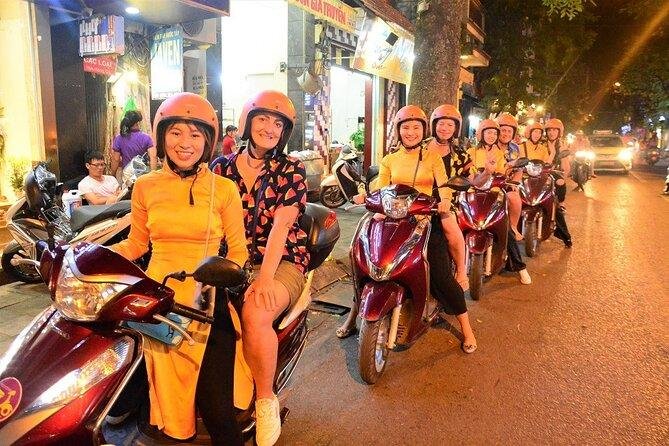
- Guided motorbike tours where experienced local drivers take you as a passenger
- Small group tours with guides who help navigate traffic
- Food tours by motorbike that include safe transportation between culinary stops
- Countryside excursions that start outside the most congested areas
Explore our Hanoi motorbike tour options for professionally guided experiences.
Conclusion: Balancing Adventure with Safety
Riding a motorbike in Hanoi offers an authentic and exhilarating way to experience Vietnam’s capital. By following these essential safety tips, you can minimize risks while maximizing enjoyment. Remember that adapting to local traffic patterns takes time and patience – start slowly, remain alert, and prioritize safety over convenience.
Whether you choose to self-ride or join guided tours, the memories of experiencing Hanoi by motorbike will become a highlight of your Vietnam adventure.
Ready to Experience Hanoi by Motorbike?
Contact our team at Vietnam Travelers for professional advice, reliable motorbike rentals, or guided motorbike tours led by experienced local guides.
Call us: +84962819091
Email: info@vietnamtravelers.com
Have you ridden a motorbike in Hanoi? Share your experiences or questions in the comments below!
Last updated: March 10, 2025
Read more: Hanoi Walking vs. Bike Tours: Which Experience Is Right For You?