
Article brief
Hanoi's culinary landscape is a mesmerizing tapestry woven from centuries of tradition, cultural exchange, and local innovation.
Route flow, hotel placement and transfer timing are the three decisions that shape the whole trip.
Hanoi’s culinary landscape is a mesmerizing tapestry woven from centuries of tradition, cultural exchange, and local innovation. As Vietnam’s capital city, Hanoi serves as the beating heart of Northern Vietnamese cuisine, where every street corner tells a delicious story and every bowl carries the essence of Vietnamese heritage.
From the bustling morning markets filled with vendors selling steaming bowls of phở to the intimate family-run restaurants tucked away in narrow alleyways, Hanoi food culture represents far more than just sustenance – it’s a window into the soul of Vietnamese society.
The Historical Roots of Hanoi’s Culinary Identity
The foundation of Hanoi’s food culture stretches back over a thousand years, deeply intertwined with the city’s political and social evolution. During the imperial era, Hanoi (then known as Thang Long) served as the capital of various Vietnamese dynasties, attracting culinary influences from across the region.
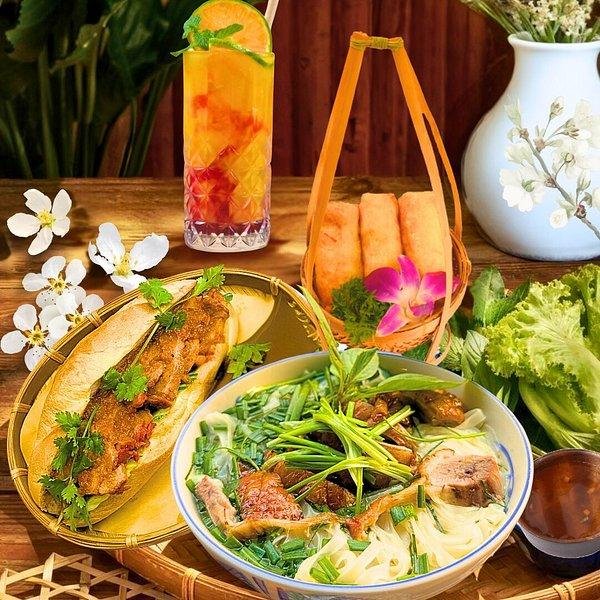
The French colonial period left an indelible mark on local cuisine, introducing baguettes, coffee culture, and dairy products. This fusion created unique Vietnamese-French dishes like bánh mì and Vietnamese coffee with condensed milk, which have become integral parts of Hanoi’s food identity.
“In Hanoi, food is not just about eating – it’s about connecting with history, family, and community. Every dish tells a story of resilience and adaptation.” – Chef Nguyen Van Duc, Traditional Vietnamese Cuisine Expert
Essential Flavors That Define Hanoi Cuisine
Understanding Hanoi food culture requires appreciating the delicate balance of flavors that characterize Northern Vietnamese cuisine. Unlike the bold, spicy flavors of Central Vietnam or the sweet profiles of Southern dishes, Hanoi’s culinary style emphasizes subtlety and harmony.
The Five Fundamental Elements
- Freshness: Ingredients sourced daily from local markets
- Balance: Perfect harmony between sweet, sour, salty, and umami
- Seasonality: Dishes that change with Vietnam’s distinct seasons
- Simplicity: Clean flavors that highlight individual ingredients
- Texture: Varied textures within single dishes
The climate and geography of Northern Vietnam significantly influence local ingredients. The Red River Delta provides abundant rice, while nearby mountains contribute fresh herbs and vegetables that form the backbone of traditional dishes.
Iconic Dishes That Represent Hanoi’s Soul
Phở: The Crown Jewel
No discussion of Hanoi food culture would be complete without paying homage to phở, the city’s most famous culinary export. This aromatic noodle soup represents the essence of Vietnamese comfort food, typically enjoyed for breakfast but increasingly popular throughout the day.
Traditional Hanoi phở differs significantly from its Southern counterparts. Northern phở tends to be more subtle, with a clearer broth and fewer garnishes, allowing the quality of the beef and the carefully balanced broth to shine through.
Bún Chả: Obama’s Choice
This grilled pork and noodle dish gained international fame when President Obama shared a meal with Anthony Bourdain at a local bún chả restaurant. The dish perfectly embodies Hanoi’s approach to dining – simple ingredients transformed into something extraordinary through technique and tradition.
Chả Cá Lã Vọng: A Legendary Specialty
Named after the famous street where it originated, this turmeric-marinated fish dish represents Hanoi’s ability to elevate humble ingredients into legendary status. The interactive dining experience, where diners cook the fish at their table, reflects Vietnamese values of community and shared meals.
Street Food: The Heart of Daily Life
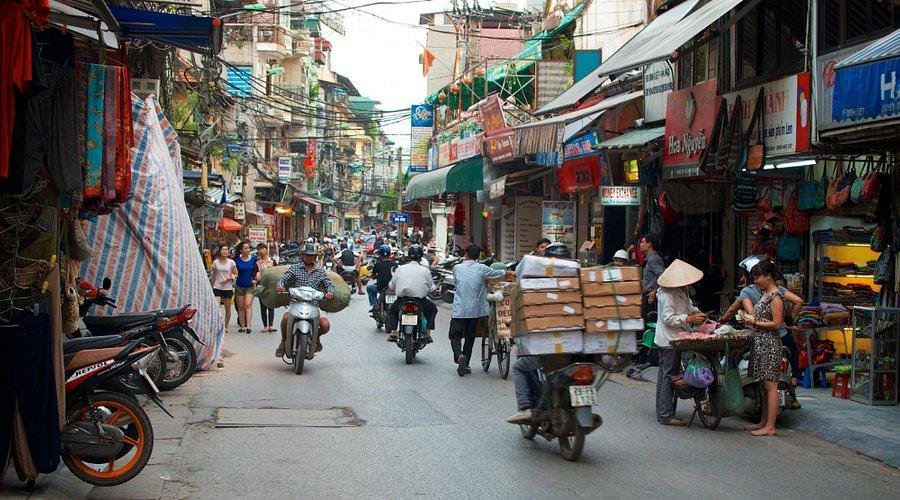
Understanding true Hanoi food culture means immersing yourself in the city’s vibrant street food scene. Here, culinary traditions are preserved and passed down through generations of vendors who have perfected their craft over decades.
Morning Rituals
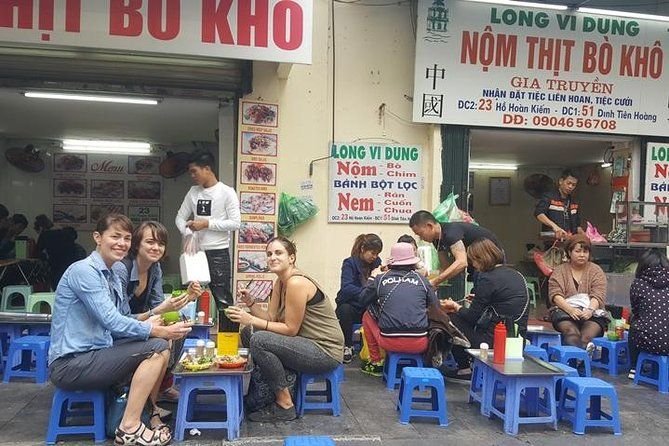
Hanoi mornings begin early with vendors setting up portable kitchens on sidewalks. The rhythmic sounds of chopping, sizzling, and steaming create the city’s daily symphony. Popular morning dishes include:
- Xôi (sticky rice) with various toppings
- Bánh mì fresh from local bakeries
- Phở served at communal plastic stools
- Chè (sweet soup) for dessert
Evening Street Food Culture
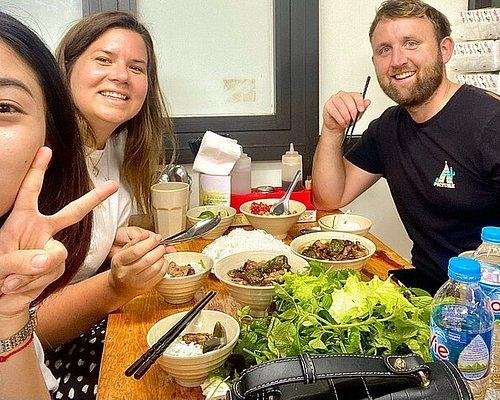
As the sun sets, Hanoi’s streets transform into an open-air restaurant. Families gather around low plastic tables, sharing meals and conversation. This social aspect of dining is fundamental to Vietnamese culture and offers visitors authentic insights into local life.
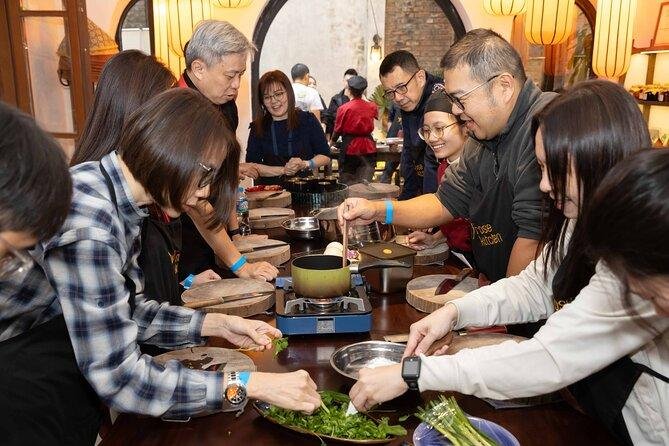
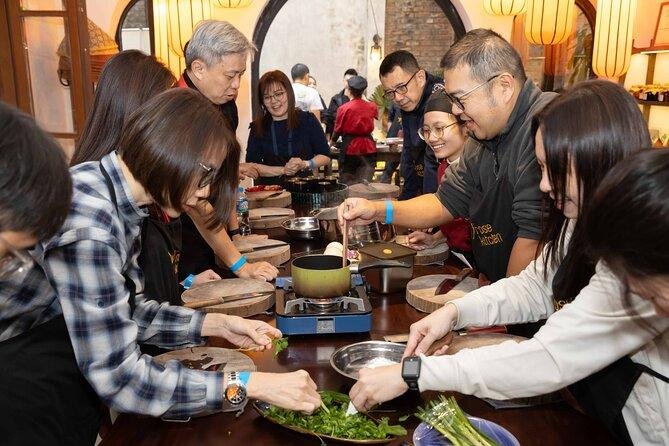
If you want to experience this firsthand, consider joining a Hanoi food tour that takes you through the city’s best street food destinations with knowledgeable local guides.
Traditional Markets: Where Food Culture Lives
Hanoi’s traditional markets serve as living museums of local food culture. These bustling centers of commerce offer insights into ingredient selection, seasonal eating, and the social aspects of food procurement.
Dong Xuan Market
As Hanoi’s largest covered market, Dong Xuan represents the commercial heart of the city’s food culture. Here, you’ll find everything from fresh produce to prepared foods, offering a comprehensive view of local culinary preferences.
Local Neighborhood Markets
Smaller neighborhood markets provide more intimate glimpses into daily life. These markets operate on early morning schedules, reflecting Vietnamese preferences for the freshest possible ingredients.
The Art of Vietnamese Coffee Culture
Coffee culture in Hanoi deserves special recognition as both a daily ritual and social institution. Vietnamese coffee, typically served with condensed milk, represents the perfect fusion of French colonial influence and local adaptation.
Traditional Coffee Shop Culture
Hanoi’s traditional coffee shops, known as cà phê cóc (sidewalk coffee), offer more than just beverages – they provide social gathering spaces where locals discuss politics, business, and daily life. These establishments often feature miniature plastic stools and tables, creating an egalitarian atmosphere where everyone is welcome.
Modern Coffee Scene
While honoring tradition, Hanoi has also embraced modern coffee culture, with specialty roasters and contemporary cafes complementing traditional establishments. This evolution demonstrates how Hanoi food culture continues to adapt while preserving its core values.
Seasonal Eating and Festival Foods
Vietnamese cuisine emphasizes eating in harmony with the seasons, and Hanoi exemplifies this philosophy through its changing menus and festival-specific dishes.
Spring Delicacies
Spring brings fresh vegetables and young rice, leading to dishes like cốm (green rice flakes) and various leaf-wrapped specialties that celebrate renewal and freshness.
Summer Cooling Foods
Hot summer months feature cooling foods like chè (sweet soups), fresh fruit, and light noodle dishes designed to help diners cope with humid weather.
Autumn Harvests
Autumn celebrates the main rice harvest with hearty dishes featuring new rice and preserved meats prepared for winter months.
Winter Comfort Foods
Winter brings warming soups, hot pot dishes, and preserved vegetables that provide comfort during cooler months.
Family Traditions and Home Cooking
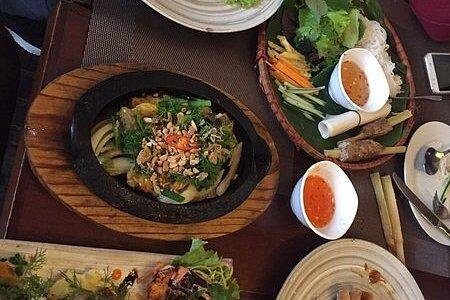
While street food and restaurants showcase public aspects of Hanoi food culture, family kitchens preserve the most intimate culinary traditions. Vietnamese families typically maintain recipes passed down through generations, with mothers and grandmothers serving as keepers of culinary knowledge.
Daily Meal Structure
Traditional Vietnamese meals follow specific structures, with rice serving as the centerpiece accompanied by multiple dishes designed to provide balanced nutrition and varied flavors. This approach to meal composition reflects deeper cultural values about harmony and balance.
Ancestor Worship and Food
Food plays a crucial role in Vietnamese ancestor worship, with families preparing special offerings for important holidays and family anniversaries. These practices demonstrate how culinary traditions extend beyond mere sustenance to encompass spiritual and cultural dimensions.
Modern Evolution of Traditional Cuisine
Contemporary Hanoi showcases how traditional food culture can evolve while maintaining its essential character. Young Vietnamese chefs increasingly experiment with traditional recipes, incorporating modern techniques while respecting fundamental flavors and principles.
Fine Dining Interpretations
Upscale restaurants now offer refined versions of traditional dishes, making Vietnamese cuisine accessible to international diners while introducing locals to new interpretations of familiar flavors.
Fusion Trends
The global nature of modern Hanoi has introduced fusion elements, but successful adaptations always respect the foundational principles of Vietnamese cooking – fresh ingredients, balanced flavors, and seasonal awareness.
Practical Guide to Experiencing Hanoi Food Culture
For visitors wanting to fully appreciate Hanoi’s culinary heritage, understanding proper etiquette and practical considerations enhances the experience significantly.
Dining Etiquette
- Wait for the eldest person to begin eating
- Use both hands when passing dishes
- Try a small amount of everything offered
- Express appreciation for the meal
Health and Safety Considerations
Street food safety concerns often worry visitors, but following basic guidelines ensures safe, enjoyable experiences:
- Choose vendors with high turnover
- Observe local customers’ preferences
- Ensure food is served hot
- Trust your instincts about cleanliness
For a guided introduction to safe street food experiences, consider booking a street food tour with experienced local guides who know the best vendors and can help navigate language barriers.
Frequently Asked Questions About Hanoi Food Culture
What makes Hanoi cuisine different from other Vietnamese regions?
Hanoi cuisine emphasizes subtlety and balance, with less spice than Central Vietnam and less sweetness than Southern Vietnam. The focus is on clean, pure flavors that highlight individual ingredients.
Is street food in Hanoi safe for tourists?
Yes, when you choose popular vendors with high turnover and follow basic hygiene guidelines. Local crowds are usually good indicators of both quality and safety.
What’s the best time to experience Hanoi’s food culture?
Early morning (6-9 AM) and evening (6-9 PM) offer the most authentic experiences, when locals are dining and street vendors are most active.
How important is rice in Hanoi food culture?
Rice is fundamental – it appears in various forms throughout the day, from breakfast noodles (made from rice) to dinner as steamed rice accompanying other dishes.
Can vegetarians enjoy Hanoi food culture?
Absolutely. Buddhism’s influence means many traditional vegetarian dishes exist, and Hanoi has numerous Buddhist vegetarian restaurants serving elaborate plant-based meals.
Your Culinary Adventure Awaits
Hanoi food culture offers one of the world’s most rewarding culinary experiences, combining historical depth, cultural significance, and absolutely delicious food. Whether you’re slurping phở at a street-side stall at dawn or sharing a family meal in a traditional home, each dining experience in Hanoi connects you with centuries of culinary evolution and cultural exchange.
The beauty of Hanoi’s food scene lies not just in individual dishes, but in the entire ecosystem of markets, vendors, restaurants, and home kitchens that keep these traditions alive while allowing them to evolve naturally.
Ready to embark on your own culinary journey through Hanoi? Consider joining one of our expert-guided food tours to discover hidden gems and authentic flavors while learning about the cultural stories behind each dish. Our experienced local guides will introduce you to the vendors, traditions, and tastes that make Hanoi’s food culture truly unforgettable.
Share your own Hanoi food experiences in the comments below! What dishes surprised you most? Which street food vendors left lasting impressions? Your stories help fellow travelers discover the authentic flavors that make Hanoi such a remarkable culinary destination.
For more insights into Vietnam’s culinary landscape, explore our comprehensive guides to Hanoi city tours and discover how food culture intertwines with the city’s rich history and vibrant present.