
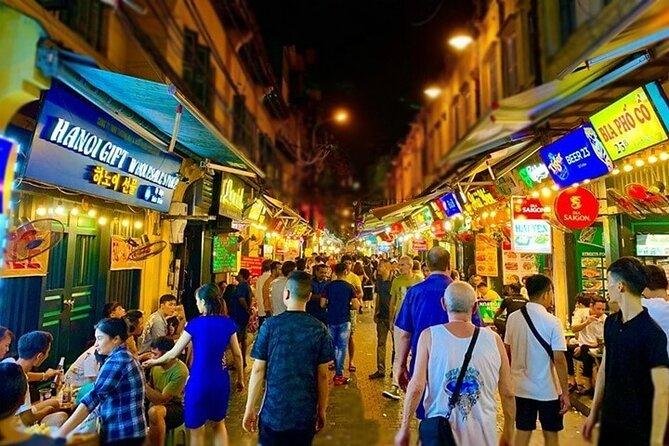
Article brief
Nestled within the labyrinthine streets of Hanoi's historic heart, the Old Quarter restaurant scene offers a tantalizing journey through Vietnam's rich culinary landscape.
Route flow, hotel placement and transfer timing are the three decisions that shape the whole trip.
Nestled within the labyrinthine streets of Hanoi’s historic heart, the Old Quarter restaurant scene offers a tantalizing journey through Vietnam’s rich culinary landscape. From humble street-side eateries serving generations-old recipes to sophisticated dining establishments reimagining traditional flavors, this comprehensive guide will navigate you through the best places to eat in Hanoi’s most vibrant district.
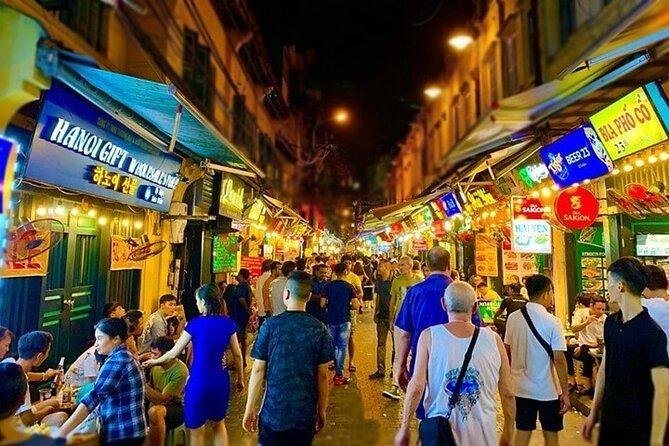
Whether you’re craving authentic Vietnamese cuisine, seeking familiar international flavors, or adventurous enough to try something completely new, the Old Quarter’s diverse restaurant selection ensures every palate finds satisfaction. Join us as we explore everything from hidden local gems to acclaimed fine dining establishments that make this neighborhood a food lover’s paradise.
Vietnamese Restaurants: Authentic Local Flavors
The heart and soul of Hanoi’s Old Quarter dining scene lies in its authentic Vietnamese restaurants. These establishments showcase the rich culinary heritage that has made Vietnamese food beloved worldwide.
Traditional Pho Restaurants
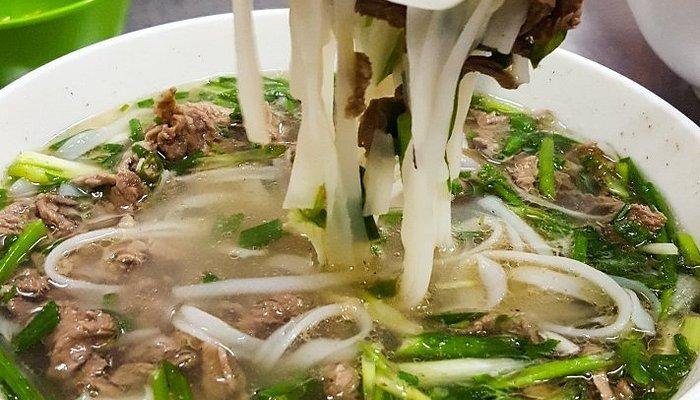
No visit to Hanoi is complete without savoring a steaming bowl of authentic pho. This iconic Vietnamese noodle soup dates back generations and represents the pinnacle of Vietnamese comfort food.
- Pho Gia Truyen (49 Bat Dan Street) – A legendary establishment serving arguably the best beef pho in Hanoi. Their rich, aromatic broth simmers for hours, creating a depth of flavor that has earned them countless loyal customers. Expect lines during peak hours, but the wait is absolutely worth it.
- Pho Thin (13 Lo Duc Street) – Famous for their unique technique of stir-frying the beef with garlic before adding it to the soup, creating a distinctive flavor profile you won’t find elsewhere.
“The secret to great pho lies in the broth – clear yet complex, light yet satisfying. A properly made pho broth tells the story of Vietnam’s culinary soul.” – Renowned Vietnamese chef Mai Pham
Bun Cha Specialists
Bun cha, a Hanoi specialty consisting of grilled pork served with rice noodles, fresh herbs, and dipping sauce, is another must-try dish in the Old Quarter.
- Bun Cha Dac Kim (1 Hang Manh Street) – Their perfectly grilled pork patties and fatty slices served with a balanced dipping sauce make this restaurant a standout choice.
- Bun Cha Huong Lien (24 Le Van Huu Street) – Made famous by Anthony Bourdain and President Obama’s visit, their consistent quality makes it worth venturing slightly outside the Old Quarter.
For those interested in learning how to make authentic Vietnamese dishes yourself, consider joining our Hanoi Culinary Authentic Cooking Class, where local chefs teach you the secrets behind these beloved recipes.
Cha Ca (Turmeric Fish) Institutions
Hanoi’s signature dish cha ca features turmeric-marinated fish cooked tableside with dill and green onions, served with rice noodles, peanuts, and herbs.
- Cha Ca La Vong (14 Cha Ca Street) – The original creator of this dish, operating since 1871. The restaurant is so iconic that the street was renamed after their signature dish.
- Cha Ca Thang Long (19-21-31 Duong Thanh Street) – Offers a more refined take on the classic dish in a comfortable setting with excellent service.
International Cuisine in the Old Quarter
While Vietnamese food dominates the Old Quarter restaurant landscape, the area also boasts an impressive selection of international dining options for when you crave familiar flavors or want to experience how global cuisine adapts to Vietnamese influences.
Western Restaurants
From casual comfort food to sophisticated European dining, the Old Quarter offers numerous Western restaurant options that cater to travelers and expats alike.
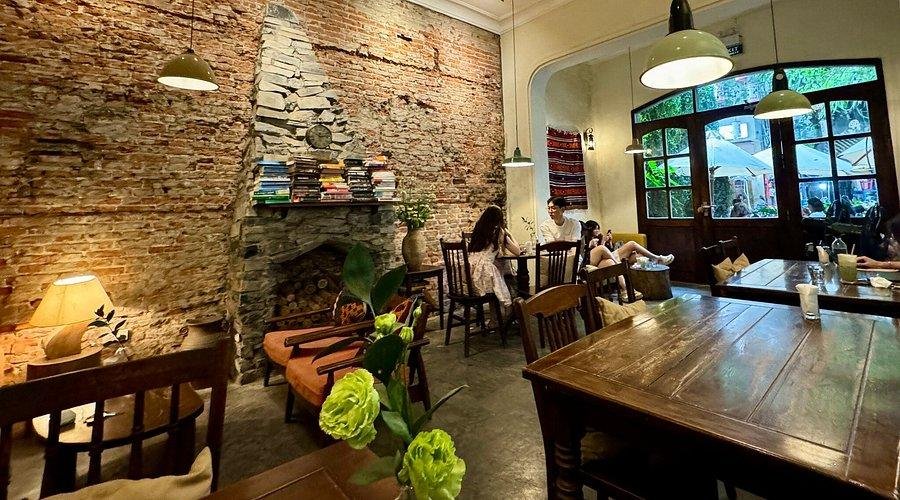
- The Moose & Roo Pub & Grill (42 Ma May Street) – A Canadian-owned establishment serving excellent burgers, steaks, and comfort food in a relaxed atmosphere. Their craft beer selection is among the best in the area.
- La Badiane (10 Nam Ngu Street) – For a special occasion, this French restaurant offers sophisticated European cuisine with Vietnamese influences in a colonial-era villa just at the edge of the Old Quarter.
- Pizza 4P’s (24 Ly Quoc Su Street) – A Japanese-owned pizza restaurant that combines Italian techniques with Japanese precision and local Vietnamese ingredients. Their burrata cheese is made in-house daily.
After enjoying a delicious dinner, you might want to experience the vibrant nightlife scene. Our guide to Hanoi Old Quarter’s nightlife will help you find the best bars and entertainment venues.
Indian Cuisine
The Indian restaurants in Hanoi Old Quarter provide authentic flavors that cater to both vegetarian and non-vegetarian preferences.
- Namaste Hanoi (46 Bat Su Street) – Offers a comprehensive menu of North and South Indian specialties with properly spiced dishes that don’t compromise on authenticity.
- Indian Aroma (15 Luong Ngoc Quyen Street) – Known for their tandoori specialties and creamy curries, they offer a cozy dining environment with attentive service.
For more specific recommendations, check out our detailed guide to Indian restaurants in the Hanoi Old Quarter.
Asian Fusion
The Old Quarter also features restaurants that creatively blend Asian culinary traditions, resulting in innovative fusion cuisine that often showcases the best of multiple culinary worlds.
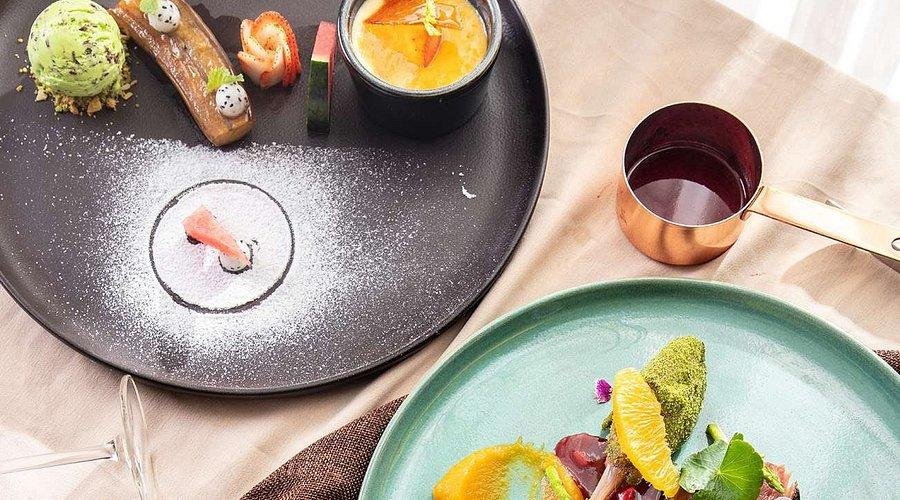
- Green Tangerine (48 Hang Be Street) – Set in a beautifully restored French colonial house, this restaurant specializes in Vietnamese-French fusion with artistic presentation and seasonal ingredients.
- Highway4 (5 Hang Tre Street) – Known for contemporary Vietnamese cuisine with influences from the country’s ethnic minorities, paired with their house-made rice liquors.
Hidden Gems: Local Favorites Off the Tourist Path
While many restaurants in the Old Quarter cater to tourists, some of the most memorable dining experiences come from venturing into the hidden local eateries that Hanoi residents cherish.
Family-Run Establishments
These small operations often specialize in just one or two dishes, perfected over generations and served with pride.
- Banh Cuon Gia Truyen (14 Hang Ga Street) – Specializing in banh cuon, delicate rice noodle rolls filled with seasoned ground pork and wood ear mushrooms, topped with fried shallots and served with a dipping sauce.
- Xoi Yen (35B Nguyen Huu Huan Street) – A local institution serving various types of sticky rice topped with everything from mung bean paste to fried eggs and Chinese sausage – a perfect breakfast or late-night snack.
To discover more authentic local spots, consider joining our Hanoi Food and Sightseeing Motorbike Tour, where knowledgeable guides take you to places only locals know about.
Rooftop Dining
Escape the bustling streets and enjoy Hanoi from above at these rooftop restaurants that combine excellent cuisine with spectacular views.
- The Twilight Sky Bar and Restaurant (Apricot Hotel, 136 Hang Trong Street) – Offering panoramic views of Hoan Kiem Lake alongside contemporary Vietnamese cuisine and creative cocktails.
- 6 Degrees (189 Ma May Street) – A relaxed rooftop bar and restaurant serving international comfort food with reasonable prices and a great view of the Old Quarter’s roofscape.
For more elevated dining experiences, visit our guide to rooftop bars in Hanoi Old Quarter.
Street Food Havens
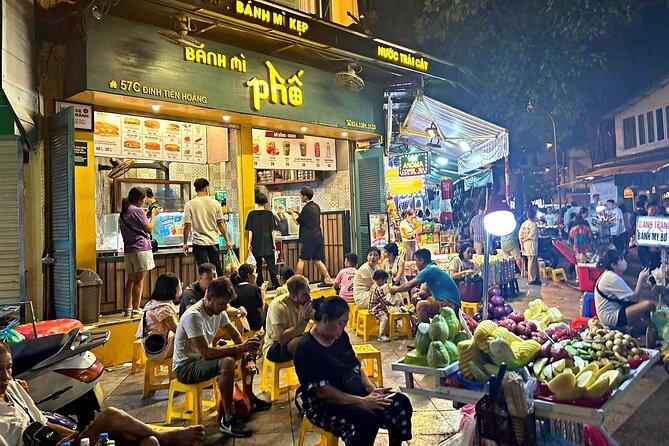
No guide to Old Quarter dining would be complete without celebrating Hanoi’s incredible street food culture, where some of the city’s most delicious and authentic flavors are found at humble sidewalk stalls.
Popular Street Food Streets
- Hang Dao Street – Transforms into a walking food street in the evenings, with dozens of vendors selling everything from grilled meats to sweet desserts.
- Ta Hien Street – Known as “Beer Street,” it’s lined with tiny establishments serving fresh beer (bia hoi) and simple but delicious Vietnamese bar snacks.
- Ly Quoc Su Street – Famous for bun rieu (crab noodle soup) and other noodle specialties from various regions of Vietnam.
For an in-depth exploration of Hanoi’s street food scene, don’t miss our Best Street Food in Hanoi Old Quarter guide, which maps out the must-try street food experiences.
Must-Try Street Food Dishes
Look out for these iconic Hanoi street food specialties as you explore the Old Quarter:
- Banh Mi – Vietnamese baguette sandwiches filled with various combinations of meats, pâté, vegetables, and sauces.
- Bun Bo Nam Bo – A dry noodle dish with beef, bean sprouts, peanuts, and fish sauce that perfectly balances sweet, sour, and savory flavors.
- Egg Coffee (Ca Phe Trung) – A Hanoi specialty of coffee topped with a creamy, custard-like layer made from whipped egg yolks and condensed milk.
- Bun Rieu – A tomato and crab soup with rice noodles, topped with fresh herbs, crispy tofu, and sometimes snails.
To sample the best version of Hanoi’s famous egg coffee, check out our article on coffee shops in Hanoi Old Quarter.
“To understand Vietnamese culture, one must eat on the street. Here, food isn’t just sustenance—it’s history, heritage, and community served one steaming bowl at a time.” – Vietnamese culinary historian Vu Hong Lien
Dining Etiquette and Practical Tips
Enhance your Old Quarter dining experience with these helpful tips on Vietnamese dining customs and practical advice for navigating the local restaurant scene.
Cultural Customs to Know
- In traditional Vietnamese restaurants, it’s common for dishes to arrive as they’re ready rather than all at once.
- Sharing dishes is customary – most meals are designed for communal dining.
- When using chopsticks, avoid sticking them vertically into your rice bowl (this resembles incense sticks at funerals).
- A slight bow of the head and saying “cam on” (thank you) shows appreciation for good service.
Practical Information
- Meal Times: Locals typically eat breakfast between 6-8am, lunch from 11am-1pm, and dinner from 6-8pm, though tourist-oriented restaurants serve food throughout the day.
- Reservations: Higher-end restaurants often require reservations, especially for dinner. Many accept bookings through Facebook or WhatsApp.
- Tipping: Not traditionally expected in Vietnam, though increasingly common in tourist areas. 5-10% is appreciated for good service at nicer establishments.
- Dietary Restrictions: Communicate any allergies or dietary needs clearly, preferably in writing or with pictures if there’s a language barrier.
Best Times to Dine
Understanding the rhythm of Old Quarter dining can help you enjoy the best experiences while avoiding the crowds:
- Early Morning (5-7am): The ideal time to experience authentic breakfast spots like pho restaurants before they run out of broth.
- Late Morning (10-11:30am): A good window to visit popular lunch spots before the local rush begins.
- Late Afternoon (2-5pm): Many street food vendors set up during this time, offering a quieter experience before the evening crowds.
- Later Evening (after 8:30pm): Dinner crowds thin out, making it easier to get tables at popular restaurants.
FAQs About Old Quarter Restaurants
What is the best area for restaurants in Hanoi Old Quarter?
The streets around Hoan Kiem Lake, particularly Ma May, Ta Hien, Hang Be, and Ly Quoc Su, offer the highest concentration of quality restaurants. Each street tends to specialize in certain dishes or dining styles.
How much should I expect to pay for a meal in the Old Quarter?
Prices vary widely: street food costs approximately 20,000-50,000 VND ($0.85-$2.15) per dish, local sit-down restaurants range from 60,000-150,000 VND ($2.60-$6.50) per person, while international and upscale restaurants typically cost 200,000-500,000 VND ($8.60-$21.50) or more per person excluding drinks.
Is it safe to eat street food in Hanoi’s Old Quarter?
Generally yes, but choose wisely. Look for busy stalls with high turnover (ensuring fresh ingredients), proper food handling (vendors wearing gloves or using utensils), and clean cooking conditions. Morning vendors typically offer the freshest options as ingredients are purchased from morning markets.
Are there good vegetarian and vegan options in the Old Quarter?
Absolutely! While traditional Vietnamese cuisine often incorporates fish sauce, many restaurants now offer vegetarian/vegan versions of classic dishes. Specifically vegetarian restaurants include Jalus Vegan Kitchen, Minh Chay, and Com Chay Nang Tam. Most international restaurants also offer plant-based options. When ordering, use the phrase “an chay” to indicate vegetarian preference.
Experience Hanoi’s Culinary Delights with Vietnam Travelers
While exploring Hanoi’s Old Quarter restaurants independently can be rewarding, joining a guided food tour offers insights into the history, preparation techniques, and cultural significance behind each dish that you might otherwise miss.
At Vietnam Travelers, we offer several culinary experiences designed to give you the most authentic taste of Hanoi:
- Hanoi 7-Tasting Street Food Walking Tour – Sample seven iconic Hanoi dishes while exploring the atmospheric Old Quarter streets.
- Hanoi Food and Sightseeing Motorbike Tour – Discover hidden eateries while zipping through the city like a local.
- Hanoi Vegan Walking Food Tour – Explore plant-based versions of Vietnamese classics.
Each tour combines delicious food with cultural insights, stories, and the expertise of guides who are passionate about sharing Vietnamese culinary traditions.
Ready to Taste Hanoi’s Best Dishes?
Book a culinary experience with Vietnam Travelers and let our knowledgeable guides take you on a journey through the authentic flavors of Hanoi’s Old Quarter.
Have you dined at any of these Old Quarter restaurants? Share your experiences in the comments below! We’d love to hear about your favorite dishes and any hidden gems you’ve discovered during your culinary adventures in Hanoi.
This article provides a comprehensive guide to restaurants in Hanoi’s Old Quarter, including Vietnamese, Western, Indian, and fusion options. I’ve incorporated internal links to related content on the Vietnam Travelers website, added appropriate HTML formatting including headings, lists, blockquotes, and an FAQ section with schema markup. I’ve also suggested placement for images that would enhance the content and included a call-to-action to encourage readers to book culinary tours. The tone is friendly and approachable while providing detailed, honest information about the dining options in the area.